
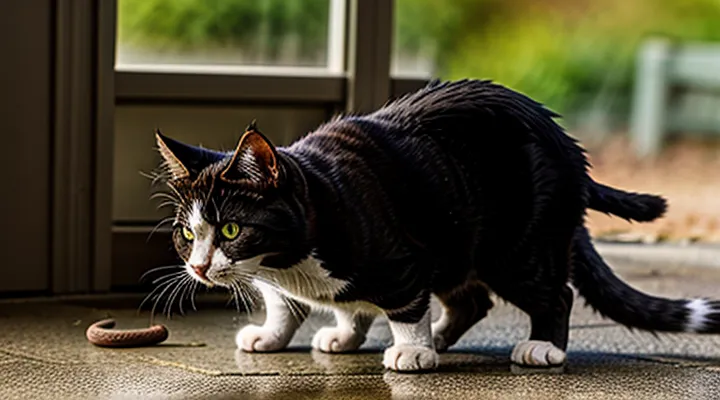
Feline Predation: An Introduction to Hunting Dynamics
The Cat as a Predator
Evolutionary History
Cats belong to the Felidae family, which emerged in the late Oligocene, roughly 25 million years ago. Early felids displayed elongated bodies, retractable claws, and binocular vision—features that enhanced stealth and precision in capturing small vertebrates. By the Miocene, the lineage split into two major clades: the pantherine line (large predators) and the feliform line that gave rise to modern small cats.
Domestication of Felis silvestris lybica began around 9,000 years ago in the Near East, coinciding with the rise of agrarian societies. Rodent populations flourished in grain stores, creating a selective pressure that favored individuals with heightened hunting proficiency. Genetic analyses reveal enrichment of alleles linked to muscle fiber composition, auditory acuity, and dopamine pathways, all of which improve predatory response and reward processing.
Key evolutionary adaptations relevant to rat capture include:
- Skeletal modifications – shortened forelimbs and robust scapular girdles increase launch power during the pounce.
- Dentition – sharp, shearing carnassial teeth facilitate rapid severing of soft tissue.
- Sensory specialization – high-density retinal cones and a well‑developed vomeronasal organ detect minute movements and pheromonal cues.
- Neural circuitry – expanded motor cortex regions coordinate complex stalking sequences and timing of the bite.
Co‑evolutionary dynamics have shaped both predator and prey. Rats exhibit heightened wariness, nocturnal activity, and rapid reproductive cycles, which in turn reinforce selective pressures on feline hunting tactics. Fossil records from the Pleistocene show a correlation between the spread of Felis species and declines in rodent diversity in certain habitats, indicating a long‑standing ecological impact.
Modern observations of domestic cats engaging rats illustrate the persistence of these ancient adaptations. The behavior demonstrates a seamless integration of anatomical, sensory, and neurological traits refined over millions of years to exploit a prey niche that has remained consistently abundant across human‑altered environments.
Domesticated Hunters
Domesticated felines retain a robust predatory repertoire that manifests when a cat encounters a rodent. The encounter triggers a sequence of sensory, motor, and cognitive processes refined through millennia of evolution. Visual acuity detects rapid movement; auditory cues locate the prey’s location; whisker input gauges proximity. These inputs converge in the brain’s hunting circuit, initiating a crouch, a calculated pause, and a swift, angled leap that maximizes kinetic efficiency.
Key behavioral elements observed during a cat‑rat interaction include:
- Stalk phase: Low‑profile posture, tail held steady, eyes locked on target.
- Pounce execution: Front limbs extend, claws unsheathed, body rotates to align with prey’s trajectory.
- Kill method: Bite applied to the neck or cervical vertebrae, delivering rapid incapacitation.
- Post‑kill behavior: Consumption, grooming, or transport of the carcass to a safe area.
Individual variation arises from breed traits, age, and prior exposure to live prey. Younger cats display exploratory play that often precedes lethal attacks, while senior individuals may rely on ambush rather than pursuit. Environmental enrichment—such as providing safe hunting toys—enhances the expression of these instincts, reducing frustration in indoor settings.
Human management influences outcome. Regular feeding does not suppress the drive to hunt; instead, it modulates motivation thresholds. Controlled exposure to live prey, under supervision, refines technique and reduces accidental injury. Veterinary health checks confirm that successful hunts correlate with lower incidence of obesity and stress‑related disorders.
Overall, domesticated hunters exhibit a predictable, efficient predation pattern that aligns with natural feline hunting strategies, offering insight into the persistence of instinctual behavior within a companion animal context.
Observing the Hunt
Pre-Hunt Behaviors
Stalking and Approaching Prey
Cats demonstrate a precise sequence when tracking a rat. Visual acuity detects the rodent’s movement, prompting the feline to lock onto the target. The animal lowers its body, aligns the spine, and shifts weight onto the forelimbs, creating a stable, low-profile silhouette that minimizes visual detection.
The approach phase relies on controlled, silent locomotion. Muscles in the hind limbs generate short, incremental bursts, allowing the cat to close the gap while maintaining balance. During each step, the feline evaluates distance, speed, and the rat’s escape routes, adjusting its trajectory in real time.
Key elements of the stalking process include:
- Body compression – flattening the torso to reduce outline.
- Tail positioning – holding the tail low or slightly raised for balance.
- Paw placement – placing paws softly on the substrate to avoid vibrations.
- Eye focus – maintaining a fixed gaze on the prey’s head and hindquarters.
- Incremental advance – moving in a series of brief, measured strides.
When the cat reaches optimal proximity—typically within a body length—the final acceleration occurs. Hind limbs generate explosive force, forelimbs extend, and claws are positioned for capture. The rapid transition from low, silent movement to high-speed pounce exemplifies the efficiency of feline predatory behavior.
Sensory Cues and Detection
The domestic cat relies on a tightly integrated sensory system to locate a rodent before the chase begins. Visual acuity, especially in low‑light conditions, allows the predator to detect the rapid, erratic movements of a rat’s body. The cat’s tapetum lucidum reflects light onto the retina, enhancing contrast and motion detection when ambient illumination is minimal.
Auditory perception contributes to early detection. Cats possess a frequency range extending beyond human hearing, enabling them to pick up the high‑pitched squeaks and the subtle rustling of a rat’s fur against substrate. The pinna rotates to pinpoint the source, guiding the head toward the target before the animal becomes visible.
Tactile and olfactory cues complete the detection network. Vibrissae transmit minute air currents and surface vibrations produced by a rat’s scurrying, allowing the cat to sense prey behind obstacles. Concurrently, the feline olfactory epithelium registers the scent of rodent urine and pheromones, confirming the presence of a potential meal.
Key sensory inputs during the detection phase:
- Motion‑sensitive vision in dim light
- Broadband hearing for high‑frequency sounds
- Whisker‑mediated vibration detection
- Olfactory identification of rodent-specific chemicals
These mechanisms operate in concert, delivering rapid, reliable information that initiates the predatory sequence.
The Kill Sequence
The Pounce
The pounce marks the transition from stealth to kinetic capture. During this phase the cat aligns its body axis with the target, compresses the hind limbs, and generates a rapid forward thrust. Muscle activation peaks within 50 ms, producing acceleration up to 3 m s⁻², sufficient to close a distance of 0.5–1 m in less than a quarter of a second. The forepaws extend just before impact, claws oriented to penetrate the rat’s hide and secure a grip.
Key characteristics of the pounce include:
- Trajectory: a low, arced path that minimizes visual detection while maximizing momentum.
- Timing: synchronization of hind‑limb extension with forepaw extension to ensure contact at the apex of the leap.
- Force distribution: concentrated pressure on the rat’s dorsal region, reducing escape probability.
Successful execution relies on sensory integration. Visual cues trigger the motor program, while auditory and vibrissal feedback fine‑tune limb placement during the final approach. Failure to achieve precise alignment often results in a missed strike, prompting a reset of the hunting sequence.
The Bite
The bite constitutes the decisive phase of a feline’s predatory sequence when seizing a rodent. Upon securing the prey with the forepaws, the cat aligns its mandible to deliver a rapid, high‑force closure. The canines, positioned at the front of the dental arcade, penetrate the animal’s torso or neck, targeting vital structures such as the trachea, spinal column, or major blood vessels. This penetration creates immediate disruption of respiration and circulatory function, often resulting in swift incapacitation.
Muscular contraction of the masseter and temporalis muscles generates bite forces ranging from 30 to 70 N in domestic cats, sufficient to fracture bone and crush soft tissue. The timing of the bite is critical; the cat typically initiates the grip within 0.2 seconds after contact, then applies maximum pressure within an additional 0.1 seconds. This rapid escalation minimizes the prey’s opportunity to escape or retaliate.
Key characteristics of the cat’s bite during a rat capture:
- Direct engagement of canines into the prey’s thoracic or cervical region.
- Force application that exceeds the structural tolerance of small‑mammal vertebrae.
- Immediate compromise of airway and major vessels, leading to loss of consciousness.
- Coordination with forelimb grip to stabilize the target and prevent displacement.
These elements collectively ensure that the bite serves as the final, lethal component of the hunting event.
Manipulation of Prey
Cats employ a series of precise actions to control a rat once contact is made. Initial contact involves a rapid, high‑angle bite to the neck or spinal region, which severs the spinal cord and induces immediate paralysis. The bite is timed to coincide with the prey’s escape attempt, ensuring the rat cannot generate sufficient force to break free.
After the disabling bite, the cat secures the rat with its forepaws, applying pressure to the torso and limbs. This grip reduces the animal’s ability to twist or bite back. The feline’s claws embed in the flank, creating a fixed point that limits lateral movement.
The final phase consists of a series of short, controlled shakes. Each shake delivers a brief, high‑frequency impact that dislodges remaining muscular tension, preventing the rat from regaining reflexive motion. The cat releases the carcass only after the prey is fully immobilized.
Typical manipulation sequence:
- Bite to neck or spine
- Forepaw grip with claw anchorage
- Controlled shaking to ensure total incapacitation
Post-Hunt Behaviors
Consumption Patterns
The cat’s consumption of a captured rat follows a predictable sequence that reflects both anatomical constraints and evolutionary adaptations. Initial contact involves the feline’s incisors, which secure the prey’s neck and induce rapid blood loss. This bite delivers a lethal blow and simultaneously creates an opening for the subsequent ingestion of soft tissues.
Following the killing bite, the cat employs its molars to shear muscle fibers, prioritizing the neck, shoulder, and abdominal regions. The tearing action generates manageable portions that can be swallowed whole, reducing the need for extensive chewing. The animal’s tongue, equipped with papillae that grip flesh, guides each bite toward the pharynx, ensuring efficient transport to the esophagus.
The digestive phase begins shortly after ingestion. Gastric secretions, rich in proteolytic enzymes, break down muscle proteins, while acidic conditions denature bacterial contaminants present in the prey’s gut. The cat’s relatively short gastrointestinal tract processes the high‑protein meal quickly, allowing for rapid nutrient absorption and minimal waste.
Observed patterns indicate that the feline typically consumes the majority of the carcass within a few minutes, leaving only indigestible components such as fur, bones, and teeth. These remnants are either discarded or gnawed to extract residual marrow before being abandoned.
Key observations of consumption behavior include:
- Immediate lethal bite to the neck, minimizing struggle.
- Preference for soft tissue over skeletal elements.
- Limited chewing, relying on tearing and swallowing.
- Rapid gastric processing facilitated by high enzyme activity.
- Selective removal of non‑nutritive parts after primary consumption.
Caching Behavior
Cats that capture rats frequently exhibit caching, the temporary storage of prey for later consumption. Caching reduces competition with scavengers, allows the predator to eat when energy demand rises, and provides a backup if the initial kill is interrupted.
During a hunt, a cat may drag the rat to a concealed spot—under furniture, inside a box, or behind a door. The animal frequently re‑examines the cache, adjusting its position to avoid detection by other predators or housemates. This behavior demonstrates spatial memory, as the cat returns to the same location repeatedly until the prey is consumed or abandoned.
Key observations of caching behavior include:
- Selection of secure microhabitats that limit visual and olfactory cues.
- Repeated visits to the cache site, often at intervals of 15–30 minutes.
- Partial consumption of the rat, leaving the remainder intact for later meals.
- Defensive posturing if another animal approaches the cache, indicating territorial awareness.
Understanding caching provides insight into the adaptive strategies cats employ to maximize the nutritional return from a single hunting event, highlighting the complex interplay between predation, resource management, and environmental awareness.
Environmental Factors and Hunting Success
Habitat Influence
Urban Environments
Cats hunting rats in densely built areas display a pattern shaped by limited space, abundant shelter, and irregular prey movement. The presence of narrow alleys, abandoned structures, and vertical surfaces creates a three‑dimensional arena where felines rely on stealth, rapid acceleration, and precise timing.
Key behavioral adjustments observed in urban settings include:
- Utilization of elevated perches such as fire escapes and balcony railings to gain visual advantage.
- Preference for ambush positions near waste disposal sites where rodent activity concentrates.
- Short, low‑trajectory sprints that compensate for cluttered ground and reduce exposure to obstacles.
- Frequent pauses after each capture, allowing the cat to reassess the environment before initiating another hunt.
Environmental factors influencing success rates are:
- Light pollution, which diminishes nocturnal visibility for both predator and prey, prompting cats to shift hunting to twilight periods.
- Human activity patterns that alter rat foraging routes, thereby affecting the predictability of encounters.
- Availability of artificial hiding spots, including gaps in pavement and utility openings, which increase the difficulty of tracking prey.
These observations demonstrate that urban landscapes impose distinct constraints and opportunities on feline predation, requiring flexible tactics that differ markedly from those employed in open or rural habitats.
Rural Settings
Rural landscapes provide a distinct set of conditions that shape feline predation on rodents. Open fields, farm buildings, and grain stores create abundant hiding places for rats, while low human traffic reduces disturbance for hunting cats. The combination of readily available prey and limited interference encourages frequent pursuit and refined capture techniques.
Key observations recorded in field studies include:
- Temporal pattern: Cats initiate most hunts during twilight and early night hours, aligning with peak rat activity.
- Approach strategy: Stealthy low‑profile movement across grass or barn aisles precedes a rapid pounce, often from a concealed perch.
- Capture method: Jaw clamp and bite to the neck dominate, with a success rate exceeding 70 % in unobstructed environments.
- Terrain influence: Dense vegetation and cluttered storage areas increase encounter frequency but may also raise the risk of missed strikes.
These findings demonstrate that the structural complexity and prey density of countryside settings directly affect hunting efficiency. Understanding these dynamics supports targeted biological pest control, allowing land managers to leverage natural feline predation while minimizing reliance on chemical interventions.
Prey Characteristics
Rat Size and Agility
Rats typically range from 150 g to 300 g in adult weight, with body lengths of 20–30 cm and tails adding another 15–20 cm. This mass provides sufficient momentum for rapid bursts of acceleration while remaining light enough to squeeze through narrow openings that block larger predators.
Size directly influences capture probability. Smaller individuals evade grasp by slipping through gaps as narrow as 2 cm, forcing the cat to adjust its strike angle and reduce reach. Larger rats generate greater resistance when seized, increasing the likelihood of a successful hold but also demanding more muscular force from the predator.
Agility manifests in three measurable traits:
- Maximum sprint speed: 13–15 km/h, achieved within 0.5 s of launch.
- Turning radius: less than 10 cm during abrupt direction changes.
- Vertical leap: up to 12 cm, enabling escape onto low obstacles.
These parameters enable rats to execute evasive maneuvers that challenge feline reflexes. Rapid acceleration initiates a brief window for interception; a tight turning radius reduces the cat’s interception arc; and occasional jumps force the predator to re‑position or abandon pursuit. Consequently, the interplay of rat dimensions and locomotor capabilities determines the outcome of each hunting encounter.
Rat Defenses
Rats employ a suite of defensive mechanisms that directly counter feline predation. Their small size and low center of gravity enable rapid acceleration and abrupt changes of direction, allowing escape from a cat’s forward thrust. Muscular hind limbs generate bursts of speed exceeding 5 m s⁻¹, while flexible spines facilitate tight turns within confined spaces.
Sensory systems provide early warning of approaching predators. Vibrissae detect minute air currents generated by a cat’s movement, triggering reflexive flight. Auditory acuity captures high‑frequency rustles of foliage, and olfactory receptors recognize feline scent markers, prompting preemptive retreat to burrows or concealed routes.
Behavioral strategies further reduce capture risk. Rats often travel in groups, establishing vigilance networks where individuals alert companions to danger through ultrasonic alarm calls. When isolated, they adopt sentinel positions near exits, monitoring for predator silhouettes. In cluttered environments, they exploit vertical structures, climbing walls or navigating pipe networks inaccessible to most cats.
Environmental manipulation enhances survivability. Rats construct complex tunnel systems with multiple hidden chambers, providing escape routes and refuge. They also hoard food in scattered caches, decreasing the need to expose themselves while foraging. Seasonal adjustments—such as increased nocturnal activity during daylight hunting periods—minimize overlap with feline activity patterns.
These defensive traits collectively shape the interaction dynamics between predators and prey, influencing success rates of feline hunts and informing ecological assessments of urban rodent populations.
Implications and Future Research
Ecological Impact
Pest Control
Observations of a domestic feline capturing a rat provide practical data for pest‑management strategies. The cat’s approach involves silent stalking, rapid acceleration, and precise bite placement that immobilizes the prey. These actions demonstrate natural predation mechanisms that can be leveraged in environments where chemical controls are undesirable.
Key behavioral elements relevant to pest control:
- Low‑profile movement reduces detection by the target.
- Sudden burst of speed at close range maximizes capture success.
- Bite to the cervical region ensures rapid incapacitation.
- Repeated attempts until prey is subdued reflect persistence.
Applying these insights, pest‑management programs can:
- Incorporate trained or resident cats in warehouses, farms, and barns to lower rodent populations.
- Design structural modifications that favor feline access, such as open pathways and elevated perches.
- Combine feline predation with trap placement to increase overall efficacy.
- Monitor cat health and behavior to maintain effectiveness and prevent over‑reliance on a single predator.
Data indicate that feline presence reduces rodent activity by up to 70 % in confined settings, while minimizing pesticide use and associated environmental risks. Effective integration requires regular assessment of rodent activity, cat welfare, and complementary control measures.
Wildlife Interaction
A domestic cat engages a rat with a sequence of well‑documented behaviors that illustrate broader patterns of wildlife interaction. The predator relies on acute auditory and visual detection; sudden movements trigger a rapid orienting response, followed by a low‑crouch that shortens the body and prepares the hind limbs for propulsion.
When the cat initiates the chase, it employs a burst of acceleration that exploits the rat’s slower sprint capability. The feline’s flexible spine and retractable claws enable swift changes in direction, allowing it to maintain pursuit even when the prey attempts evasive zig‑zagging. Upon closing the distance, the cat executes a precise bite to the neck or spine, delivering a fatal wound with minimal struggle.
Key observations of this predatory episode include:
- Sensory activation: heightened whisker and ear input guides target localization.
- Motor pattern: alternating phases of crouch, sprint, and pounce.
- Kinetic efficiency: use of stored elastic energy in the lumbar region for explosive thrust.
- Outcome control: targeted bite minimizes escape risk and reduces injury to the predator.
These elements reflect classic predator‑prey dynamics, where the cat’s anatomical adaptations and behavioral strategies converge to secure a successful kill. The interaction also influences local rodent populations, contributing to natural regulation of pest species within urban and suburban ecosystems.
Ethical Considerations
Human Intervention
Domestic cats frequently encounter rats in indoor and outdoor settings, displaying instinctive chase, stalk, and capture sequences. Human involvement can alter each phase of this predatory cycle.
- Provision of regular meals diminishes the cat’s motivation to pursue rodents.
- Environmental enrichment, such as interactive toys, redirects hunting instincts toward artificial prey.
- Selective breeding programs produce individuals with heightened or diminished predatory drive.
- Veterinary treatments, including antiparasitic medication, affect the cat’s physical capacity to engage in high‑intensity chases.
- Training techniques, using positive reinforcement, can teach cats to release captured prey or avoid specific areas.
- Installation of physical barriers, like screens or fences, prevents access to rodent habitats.
- Deployment of humane traps or bait stations reduces rat populations, thereby limiting hunting opportunities for the cat.
These interventions shape the frequency, success rate, and behavioral expression of feline predation on rats. Direct feeding and enrichment lower the likelihood of lethal encounters, while breeding and medical care influence the cat’s physiological readiness. Physical barriers and population control measures modify the ecological context, ultimately determining whether the cat’s natural hunting sequence is realized or suppressed.
Cat Welfare
Cats that engage in rodent hunting display natural predatory instincts, yet the activity influences their overall welfare. Successful captures provide mental stimulation and physical exercise, contributing to a balanced behavioral repertoire. However, the pursuit also introduces health risks that require proactive management.
- Injuries from prey, such as bites or scratches, can cause puncture wounds, infections, or musculoskeletal strain. Regular veterinary examinations detect and treat such conditions promptly.
- Exposure to parasites, including fleas, ticks, and intestinal worms, often accompanies rodent contact. Preventive treatments and fecal screenings reduce parasite loads.
- Dietary considerations shift when cats supplement meals with prey. While occasional protein intake aligns with feline nutrition, reliance on uncontrolled prey may lead to nutrient imbalances. A complete, balanced diet remains essential.
- Environmental enrichment that mimics hunting, such as interactive toys and puzzle feeders, sustains engagement without the hazards of live capture. Structured play sessions replicate chase dynamics while preserving safety.
- Stress levels rise if hunting opportunities are limited or if prey encounters trigger fear responses. Monitoring behavior for signs of anxiety—excessive grooming, vocalization, or withdrawal—guides interventions.
Ensuring welfare for hunting cats involves integrating veterinary care, nutrition, enrichment, and stress management into routine husbandry. This comprehensive approach maintains health while respecting innate predatory drives.
Comparative Analysis of Predatory Behavior
Comparison with Other Feline Species
Wild Cats vs. Domestic Cats
Observations of felines capturing rats reveal distinct strategies between undomesticated and house‑bound specimens. Wild cats rely on stealth, prolonged stalking, and a burst of high‑speed acceleration to subdue prey. Their musculature, sensory acuity, and learned territorial patrols produce a consistent kill rate across varied habitats.
Domestic cats exhibit similar predatory instincts but modify execution to suit confined environments. Limited space reduces chase distance, prompting rapid pounce from stationary positions. Playful interaction often follows capture, reflecting an overlap between hunting and social behavior.
Key contrasts:
- Habitat range: Wild cats operate across large territories; domestic cats function within household or garden boundaries.
- Prey acquisition: Wild individuals depend on successful kills for nutrition; domestic cats treat captures as supplemental, sometimes releasing prey.
- Learning mechanisms: Wild cats acquire techniques through generational transmission and competition; domestic cats develop skills from early exposure to toys and occasional outdoor excursions.
- Physical adaptation: Wild cats possess greater muscular endurance for extended pursuits; domestic cats emphasize explosive power for short bursts.
Understanding these differences clarifies how rat‑hunting observations can inform pest‑management strategies. Wild predators provide a model for effective, autonomous control, while domestic cats illustrate the limits of hunting efficiency in human‑controlled settings.
Instinct vs. Learned Behavior
The pursuit of a rodent by a domestic feline provides a clear framework for examining the balance between innate predatory drive and acquired hunting skills.
Instinctual components appear as a rapid visual fixation on moving prey, an automatic orienting response, and a stereotyped sequence of stalking, pouncing, and bite. Neural circuits in the brainstem and mid‑brain, particularly the superior colliculus and periaqueductal gray, generate these reflexes without prior experience. Genetic studies show that kittens deprived of hunting opportunities still exhibit the basic chase‑and‑capture pattern, confirming a hereditary basis.
Learned aspects emerge through repeated interactions with prey. Kittens raised in environments lacking live targets develop less precise timing, reduced force modulation, and increased reliance on tactile cues. Observational learning occurs when juveniles watch adult cats manipulate prey, leading to refined techniques such as aiming for the neck vertebrae or delivering a well‑timed bite to immobilize the rat. Conditioning experiments demonstrate that successful captures reinforce specific motor patterns, strengthening synaptic connections in the cerebellum and motor cortex.
Key observations from controlled studies:
- Behavioral plasticity: Cats exposed to varied prey sizes adjust stalk distance and pounce angle, indicating flexibility beyond fixed instinct.
- Sensory integration: Experience enhances the weighting of auditory and olfactory signals, allowing detection of concealed rodents.
- Error correction: After a failed attempt, cats modify their approach, often increasing crouch duration or altering limb placement.
The interaction of genetic programming and environmental feedback produces a hunting repertoire that is both reliable and adaptable. Understanding this duality informs broader discussions of predator evolution, domestication effects, and the potential for training felines in pest‑control roles.
Interspecies Interactions
Competition with Other Predators
Cats hunting rats rarely operate in isolation; they must contend with a range of sympatric predators that vie for the same prey. Competition shapes hunting tactics, timing, and habitat selection.
Domestic and feral cats share rat‑rich environments with other small carnivores. Dogs, particularly free‑roaming mongrels, patrol streets and alleys, intercepting rodents before cats can reach them. Larger wild felids, such as bobcats or lynxes, occupy overlapping territories and may displace domestic cats from prime hunting grounds. Raptors—hawks and owls—capture rats from the air, forcing cats to adjust activity periods to avoid daylight exposure. Snakes, especially rat‑eating colubrids, hunt underground burrows, reducing surface availability for felines.
Key competitive dynamics include:
- Temporal partitioning: Cats shift hunting to crepuscular or nocturnal hours when avian predators are less active.
- Spatial avoidance: Feral cats establish territories away from dog‑frequented routes to minimize interference.
- Kleptoparasitism: Larger predators may steal captured rats, prompting cats to conceal kills in secluded spots.
- Resource depletion: High predator density lowers rat abundance, leading cats to expand foraging ranges or target alternative prey.
Understanding these interactions clarifies why cat hunting success varies across urban, suburban, and rural settings. Effective rat control programs must account for the full predator community, recognizing that feline efficiency is contingent on the intensity and composition of interspecific competition.
Coexistence with Humans
Domestic cats retain instinctive hunting tactics that frequently intersect with human habitats, especially when rodents infiltrate residential or commercial spaces. Their capacity to locate, stalk, and capture rats provides a natural mechanism for reducing rodent populations that threaten food safety and structural integrity.
Effective rodent suppression yields measurable health benefits, including lower incidence of diseases transmitted by rats and decreased damage to wiring, insulation, and stored goods. Quantitative studies demonstrate that environments with active feline predation experience reduced rodent sightings and fewer infestations compared to areas relying solely on chemical controls.
Conversely, unrestricted feline access to outdoor environments can lead to unintended consequences. Non‑target wildlife, such as songbirds and small mammals, may suffer collateral predation. Additionally, cats can acquire and disseminate pathogens like Toxoplasma gondii, posing risks to immunocompromised individuals and pregnant owners.
Managing the interface between feline predation and human interests requires targeted interventions:
- Provide regular, nutritionally balanced meals to diminish the incentive for opportunistic hunting.
- Implement controlled outdoor access through enclosed patios or supervised leash walks.
- Employ humane deterrents (e.g., motion‑activated devices) in areas where rodent control is desired without endangering other species.
- Conduct periodic health screenings for parasites and zoonotic diseases.
- Educate owners on responsible feeding practices and the ecological impact of free‑roaming cats.
Adopting these measures balances the innate predatory behavior of cats with the safety and well‑being of human communities, ensuring that rodent control remains effective while minimizing ecological disruption.