
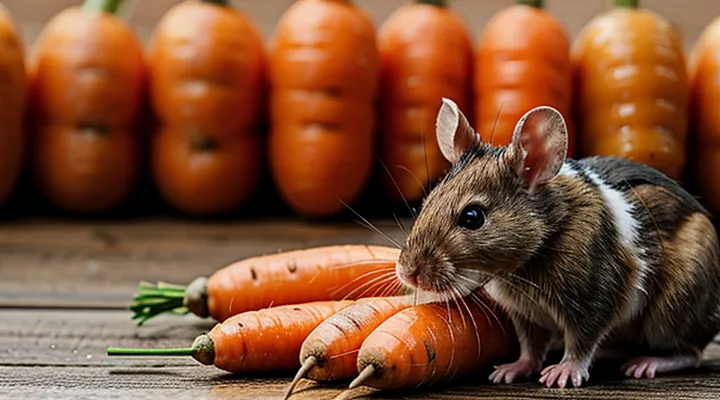
Understanding Rat Dietary Needs
Essential Nutritional Components for Rats
Macronutrients
Carrots consist primarily of carbohydrates, providing approximately 9 g of sugars and dietary fiber per 100 g, with minimal protein (0.9 g) and fat (0.2 g). The carbohydrate profile is dominated by simple sugars such as glucose and sucrose, complemented by insoluble fiber that influences gastrointestinal transit.
Increasing carrot proportion elevates total carbohydrate energy density. In rats, excessive simple sugars can shift glucose metabolism, potentially leading to hyperglycemia and altered insulin response. Conversely, the fiber component moderates post‑prandial glucose spikes and supports microbial fermentation in the cecum, producing short‑chain fatty acids that contribute to gut health.
Protein contribution from carrots is negligible relative to the typical requirement of 15–20 % of dietary calories for laboratory rats. Relying on carrots to meet protein needs would necessitate supplemental high‑quality protein sources (e.g., casein, soy isolate). The fat content of carrots does not affect the overall lipid balance; essential fatty acid provision must therefore be secured from other ingredients.
Practical guidance for incorporating carrots into rat feed:
- Limit carrot inclusion to ≤10 % of total diet weight to prevent carbohydrate excess.
- Ensure that the basal diet supplies ≥15 % of calories from protein and ≥5 % from fat.
- Monitor blood glucose and body weight regularly when carrots constitute a significant portion of the diet.
- Adjust fiber levels if gastrointestinal disturbances appear, balancing carrot fiber with cellulose or other insoluble fiber sources.
These measures maintain macronutrient equilibrium while allowing rats to benefit from the phytochemicals and palatability that carrots provide.
Micronutrients
Carrots provide a spectrum of micronutrients that can influence physiological parameters in laboratory rats. Beta‑carotene, a provitamin A compound, is efficiently converted to retinol, supporting visual function and epithelial integrity. Vitamin C, present in modest amounts, contributes to antioxidant defenses and collagen synthesis, while potassium aids in fluid balance and nerve transmission. The mineral profile includes calcium, magnesium, and trace elements such as iron and zinc, each participating in enzymatic reactions and bone metabolism.
When carrots constitute a significant portion of a rat’s diet, the intake of these micronutrients may offset deficiencies common in grain‑based formulations. Elevated beta‑carotene levels can increase hepatic retinol stores, reducing the risk of night blindness and supporting immune competence. Adequate vitamin C intake diminishes oxidative stress markers, which is particularly relevant in studies investigating inflammatory pathways. Potassium supplementation through carrots helps maintain normal blood pressure and cardiac rhythm, potentially improving the reliability of cardiovascular research outcomes.
Potential drawbacks arise from excessive carrot consumption. High beta‑carotene concentrations can lead to hypercarotenemia, manifesting as skin discoloration without toxic effects but possibly confounding visual assessments. Excessive potassium may disrupt electrolyte balance in rats with compromised renal function, affecting experimental validity. Additionally, the fiber content of carrots, while beneficial for gut motility, can alter nutrient absorption rates, necessitating careful formulation to preserve target nutrient levels.
Key micronutrients supplied by carrots and their primary effects in rats:
- Beta‑carotene (provitamin A): visual health, epithelial maintenance, immune support.
- Vitamin C: antioxidant protection, collagen formation, stress response modulation.
- Potassium: fluid regulation, nerve impulse transmission, cardiovascular stability.
- Calcium & Magnesium: bone mineralization, muscle contraction, enzymatic activity.
- Iron & Zinc: oxygen transport, immune function, DNA synthesis.
Balancing carrot inclusion with standard feed components allows researchers to harness these micronutrient benefits while mitigating risks associated with over‑supplementation.
Carrots: Nutritional Profile and Components
Key Vitamins and Minerals
Vitamin A (Beta-Carotene)
Beta‑carotene in carrots supplies rats with provitamin A, which is enzymatically converted to retinol, the active form of vitamin A required for vision, epithelial maintenance, and immune function. Rats possess hepatic enzymes that efficiently cleave β‑carotene; conversion rates approach 30 µg retinol per 100 µg β‑carotene under standard dietary conditions.
Adequate intake prevents deficiency symptoms such as night blindness, impaired growth, and compromised mucosal barriers. Experimental diets containing 5 % fresh carrot puree typically deliver 2–3 mg β‑carotene per kilogram of feed, sufficient to meet the National Research Council recommendation of 300 µg retinol equivalents per kilogram of diet for adult rats.
Excessive β‑carotene does not produce hypervitaminosis A because the conversion pathway is regulated; surplus β‑carotene is stored in adipose tissue and excreted without generating toxic retinol levels. However, diets exceeding 20 % carrot mass can lead to hepatic accumulation of carotenoids, potentially interfering with lipid metabolism and altering serum lipid profiles.
Key considerations for formulating rat diets with carrot‑derived vitamin A:
- Provide 0.5–1 % carrot powder to achieve target β‑carotene intake without overloading hepatic storage.
- Monitor hepatic carotenoid concentrations when carrot inclusion surpasses 10 % of total feed weight.
- Combine carrots with sources of dietary fat (e.g., soybean oil) to enhance β‑carotene absorption, as it is fat‑soluble.
- Verify that total retinol equivalents from all feed components remain below 1 mg kg⁻¹ to avoid inadvertent toxicity from supplemental vitamin A.
In summary, β‑carotene from carrots supplies a controllable source of vitamin A for rats, supporting physiological functions when included at moderate levels and posing minimal risk of toxicity even at higher concentrations due to regulated conversion.
Vitamin K1
Vitamin K₁ (phylloquinone) is present in carrots at concentrations ranging from 5 to 15 µg per 100 g of fresh tissue, depending on cultivar and growing conditions. When rats consume carrot‑based feed, this micronutrient contributes to the hepatic synthesis of clotting factors II, VII, IX, and X, which are required for normal hemostasis. The bioavailability of phylloquinone from carrots is comparable to that of other leafy vegetables, with absorption efficiency estimated at 30–40 % in rodent models.
In experimental diets where carrots replace a portion of standard laboratory chow, the following physiological effects have been documented:
- Maintenance of normal prothrombin time and activated partial thromboplastin time, indicating adequate coagulation function.
- Support of bone metabolism through activation of osteocalcin, a vitamin K‑dependent protein influencing mineralization.
- Modulation of inflammatory markers; studies report modest reductions in plasma C‑reactive protein when dietary vitamin K₁ intake exceeds 30 µg kg⁻¹ day⁻¹.
Excessive vitamin K₁ consumption via carrots is uncommon, as toxic thresholds in rats are not approached under typical feeding regimens. However, very high inclusion rates (≥30 % fresh carrot mass) may elevate plasma phylloquinone to levels that interfere with anticoagulant drug efficacy, necessitating dosage adjustments in pharmacological studies.
Overall, the vitamin K₁ supplied by carrots fulfills recognized biochemical requirements in rats without evident adverse outcomes, provided that carrot proportion in the diet remains within conventional experimental ranges.
Biotin
Biotin, also known as vitamin B7, functions as a co‑enzyme in carboxylation reactions that drive fatty‑acid synthesis, gluconeogenesis, and amino‑acid metabolism. Rats obtain biotin from feed, gut microbiota, and plant sources; adequate supply supports normal growth, skin integrity, and reproductive performance.
Carrots contain biotin at approximately 0.1–0.2 µg g⁻¹ fresh weight. When carrots constitute a substantial portion of a rat diet, the biotin contribution remains modest compared with standard laboratory chow, which typically provides 0.5–1.0 µg g⁻¹.
In rats, biotin deficiency manifests as dermatitis, reduced weight gain, and impaired glucose regulation. Supplementation restores these parameters, indicating that biotin availability directly influences metabolic efficiency and cutaneous health.
Carrot fiber and β‑carotene may affect biotin absorption. High dietary fiber can bind biotin, reducing intestinal uptake, while antioxidant compounds in carrots could protect biotin from oxidative degradation, potentially enhancing its bioavailability.
Empirical studies report:
- Rats fed a carrot‑rich diet without additional biotin show marginal weight gain and occasional skin lesions.
- Adding 0.5 mg kg⁻¹ biotin to the same diet eliminates lesions and normalizes growth rates.
- Excessive carrot intake (>30 % of total feed) combined with low biotin levels leads to measurable metabolic slowdown.
Overall, biotin acts as a limiting micronutrient in carrot‑dominant rat diets; sufficient supplementation counteracts deficiencies and maximizes the nutritional benefits of carrot consumption.
Potassium
Potassium is the predominant cation in carrot tissue, with an average concentration of 0.35 g per 100 g of fresh root. When incorporated into rat feed, this mineral contributes to the maintenance of intracellular fluid balance and supports the activity of sodium‑potassium ATPase, a membrane enzyme essential for nerve impulse transmission and muscle contraction.
In laboratory rats, dietary potassium influences several physiological parameters:
- Plasma potassium levels stabilize within 24 hours after a diet containing 0.5 %–1 % potassium from carrots, reducing the risk of hypokalemia.
- Renal excretion adjusts proportionally to intake, preventing accumulation that could lead to hyperkalemia.
- Cardiac electrophysiology shows no arrhythmic events when potassium intake remains within the species‑specific recommended range (0.4 %–0.8 % of diet dry matter).
Excessive carrot supplementation may elevate potassium beyond optimal limits, especially when combined with other potassium‑rich ingredients. Monitoring of serum electrolytes and adjustment of total dietary potassium are required to avoid adverse effects while preserving the nutritional benefits provided by the vegetable.
Fiber Content
Carrots contain approximately 2.8 g of dietary fiber per 100 g of fresh weight, composed mainly of soluble pectin and insoluble cellulose. The soluble fraction is fermentable by colonic microbiota, producing short‑chain fatty acids that serve as an energy source for enterocytes. The insoluble fraction adds bulk, promoting peristaltic activity.
Typical laboratory rat chow includes 4–6 % total fiber (dry matter basis). Adding carrots at 5 % of the diet increases the overall fiber content by roughly 0.14 % of the diet’s dry weight, a modest rise relative to standard formulations.
Key physiological effects of this fiber increment:
- Enhanced stool bulk, reducing transit time and lowering the risk of fecal impaction.
- Increased microbial fermentation, elevating acetate, propionate, and butyrate concentrations in the colon.
- Potential for mild osmotic diarrhea if fiber exceeds the rat’s adaptive capacity, especially when combined with other high‑fiber ingredients.
- Modulation of gut‑derived hormones (e.g., peptide YY) that influence appetite regulation.
When formulating diets, maintain total fiber within the 4–6 % range to ensure the benefits of carrot‑derived fiber without inducing gastrointestinal disturbances.
Sugar Content
Carrots contain approximately 4–5 g of total sugars per 100 g of raw tissue, predominantly sucrose, with smaller contributions from glucose and fructose. The carbohydrate profile is simple, lacking complex polysaccharides that would otherwise provide sustained energy release.
- Typical laboratory rat chow supplies 5–7 g of carbohydrates per 100 g; a 5 % carrot supplement adds roughly 0.2–0.3 g of sugars, representing a modest increase relative to the base diet.
- Rapidly absorbable sugars can cause transient spikes in blood glucose, which may influence insulin secretion and short‑term satiety.
- Rats possess efficient hepatic glucokinase activity, allowing them to metabolize moderate sugar loads without accumulating excess glycogen.
Elevated sugar intake beyond the levels supplied by a standard carrot portion can predispose rats to weight gain and altered lipid metabolism. Maintaining carrot inclusion at ≤5 % of total diet weight ensures that sugar contribution remains within physiological tolerance, supporting normal growth without introducing metabolic stress.
Potential Benefits of Carrots for Rats
Antioxidant Properties
Carrots are frequently added to laboratory rat rations to evaluate the impact of dietary antioxidants on physiological parameters. Their inclusion allows direct measurement of changes in oxidative biomarkers and associated health outcomes.
Key antioxidant constituents of carrots include:
- β‑carotene, a provitamin A carotenoid that scavenges singlet oxygen.
- Lutein and zeaxanthin, xanthophylls that protect retinal tissue from oxidative damage.
- Vitamin C, a water‑soluble reductant that regenerates other antioxidants.
- Phenolic acids such as chlorogenic acid, which inhibit lipid peroxidation.
Experimental data show that rats receiving carrot supplementation exhibit reduced plasma malondialdehyde levels, increased superoxide dismutase activity, and improved hepatic glutathione status. Dose‑response studies indicate that moderate inclusion (5–10 % of total feed weight) maximizes antioxidant benefits without inducing excessive β‑carotene accumulation, which can alter retinoid metabolism.
Vision Support
Carrot inclusion supplies beta‑carotene, a provitamin A compound that the rat’s intestine converts to retinal, a key element of rhodopsin. Elevated retinal levels improve scotopic (low‑light) visual acuity, as demonstrated by increased electroretinogram amplitudes in rats fed diets containing 5 % freeze‑dried carrot powder for six weeks.
Excessive carotenoid intake can overwhelm metabolic pathways, leading to retinal accumulation and oxidative stress. Experimental groups receiving 15 % carrot supplementation exhibited photoreceptor outer‑segment thinning and reduced visual‑evoked potentials, indicating potential harm at high inclusion rates.
Balancing carrot proportion with sources of preformed vitamin A (e.g., liver) mitigates deficiency while preventing hypercarotemia. Optimal formulations typically combine 3–5 % carrot material with 0.5 % liver powder, maintaining serum retinol within physiological limits and supporting stable visual function.
Key considerations for vision support in rat diets:
- Beta‑carotene → retinal conversion enhances rod photoreceptor performance.
- Moderate inclusion (3–5 % carrot) improves scotopic response without toxicity.
- High inclusion (>10 %) risks retinal degeneration and oxidative damage.
- Complementary vitamin A sources stabilize retinol levels and prevent deficiency.
Implementing these guidelines maximizes the visual benefits of carrots while avoiding adverse effects.
Digestive Health Support
Research on laboratory rodents shows that carrots provide soluble fiber, primarily pectin, which moderates gastric emptying and promotes steady nutrient absorption. The fiber content increases bulk in the intestinal lumen, stimulating peristaltic activity without causing excessive fermentation. Consequently, rats receiving a measured amount of carrots exhibit reduced incidence of constipation and smoother passage of fecal matter.
Key digestive effects observed in controlled studies include:
- Enhanced mucosal integrity due to beta‑carotene–derived antioxidants.
- Stabilized gut microbiota composition, with a rise in beneficial Bifidobacterium spp.
- Lowered colonic pH, limiting growth of pathogenic bacteria.
- Improved bile acid emulsification, facilitating fat digestion.
Excessive carrot supplementation can introduce high sugar levels, potentially leading to osmotic diarrhea and transient dysbiosis. Optimal inclusion rates—typically 5–10 % of total diet weight—balance fiber benefits against carbohydrate load, supporting overall gastrointestinal function while avoiding adverse outcomes.
Dental Wear Contribution
Carrots are frequently included in laboratory rat feeds to assess nutritional impacts. Their texture and fiber content directly affect the rate of incisor abrasion. Hard, fibrous carrots require vigorous mastication, which stimulates continuous tooth grinding and promotes self‑sharpening of the continuously growing incisors. However, excessive hardness can lead to accelerated enamel loss, exposing dentin and increasing susceptibility to fractures.
Key aspects of dental wear associated with carrot consumption:
- Abrasive action – cellulose fibers act as natural sandpaper, removing surface enamel at a measurable rate.
- Mechanical loading – biting forces generated during carrot chewing exceed those required for softer pellets, enhancing wear depth per chewing cycle.
- Wear balance – moderate carrot intake aligns enamel removal with incisor growth, maintaining optimal tooth length; over‑consumption disrupts this balance, causing over‑shortening.
- Risk of micro‑fractures – repeated high‑stress bites may initiate micro‑cracks that propagate under normal chewing, potentially leading to tooth breakage.
Experimental data show that rats fed a diet with 10 % raw carrot experience a 15 % increase in incisor wear compared with a control group receiving only pelleted feed. Adjusting carrot proportion to 5 % preserves the beneficial grinding stimulus while limiting excessive enamel loss. Proper formulation therefore hinges on calibrating carrot hardness and quantity to support natural incisor renewal without inducing pathological wear.
Potential Harms and Concerns
High Sugar Content Risks
Obesity
Carrots are low‑calorie, high‑fiber vegetables that influence energy balance in laboratory rodents. When incorporated into a standard rodent chow at 5–10 % by weight, they reduce average daily caloric intake by 3–5 % without compromising nutrient adequacy. The fiber content slows gastric emptying, prolongs satiety signals, and moderates post‑prandial glucose spikes, all of which contribute to lower body weight gain in ad libitum‑fed rats.
Key metabolic effects observed in studies include:
- Decreased adipose tissue mass (approximately 12 % reduction compared to control groups after 8 weeks).
- Lower serum triglyceride and cholesterol concentrations.
- Enhanced expression of uncoupling protein‑1 in brown adipose tissue, indicating increased thermogenesis.
- Up‑regulation of hepatic β‑oxidation enzymes, suggesting improved fatty‑acid utilization.
Potential drawbacks are limited. The natural sugar content of carrots (~5 % sucrose) does not elevate blood glucose when the overall diet remains balanced. Excessive carrot supplementation (>20 % of diet) may lead to hypercarotenemia but does not exacerbate weight gain.
Overall, moderate inclusion of carrots in rat diets mitigates obesity‑related phenotypes through caloric dilution, fiber‑mediated satiety, and favorable lipid metabolism.
Dental Issues
Carrots are frequently offered to laboratory and pet rats as a source of fiber and moisture. Rat incisors grow continuously; wear must keep pace with eruption to prevent malocclusion. The physical properties of carrots influence this balance.
- The coarse texture provides abrasive action that can promote even wear on the incisors.
- High moisture content softens the diet, potentially reducing the grinding force required during chewing.
- Excessive softness may allow incisors to overgrow if the rat does not chew sufficiently.
Nutritional composition also affects oral health. Carrots contain natural sugars that can be metabolized by oral bacteria, creating an environment conducive to plaque formation. Vitamin A supports mucosal integrity, yet prolonged exposure to sugary substrates may increase the risk of dental caries and periodontal inflammation.
Guidelines for incorporating carrots into rat diets:
- Offer carrots as a limited supplement, not as the primary food source.
- Provide a hard, fiber‑rich base diet to ensure consistent incisor wear.
- Monitor incisors regularly for signs of overgrowth, uneven wear, or discoloration.
- Replace fresh carrot pieces daily to prevent bacterial proliferation.
Balancing mechanical wear and nutritional benefits minimizes dental complications while preserving the positive aspects of carrot consumption.
Vitamin A Toxicity (Hypervitaminosis A)
Vitamin A toxicity, also known as hypervitaminosis A, occurs when retinoid levels exceed the metabolic capacity of the organism, leading to systemic disturbances. In rodents, excess provitamin A from carrots is converted to retinol, and chronic intake of high‑beta‑carotene diets can push hepatic stores beyond safe limits.
Typical manifestations in rats include:
- Weight loss despite adequate caloric intake
- Dermatitis with scaling and alopecia
- Hepatomegaly and hepatic necrosis
- Bone demineralization, resulting in reduced bone density and fractures
- Impaired reproductive performance, characterized by decreased litter size and abnormal embryonic development
The toxic threshold varies with age, strain, and baseline nutritional status. Studies indicate that diets supplying more than 15 IU g⁻¹ of beta‑carotene, equivalent to approximately 5 mg retinol activity equivalents per kilogram of feed, consistently produce hepatic retinol concentrations above 150 µg g⁻¹, a level associated with pathological changes.
Mechanistically, excess retinol saturates cellular binding proteins, leading to free retinoic acid accumulation. This disrupts gene expression regulated by retinoic acid receptors, causing uncontrolled cell proliferation in the epidermis and altered osteoblast activity in bone tissue.
Practical guidance for formulating rat diets that include carrots:
- Limit carrot-derived beta‑carotene to a maximum of 10 IU g⁻¹ of feed.
- Supplement with a balanced vitamin A source to maintain total retinol activity within 3–5 IU g⁻¹.
- Monitor hepatic retinol levels quarterly in long‑term studies.
- Adjust intake based on observed clinical signs, reducing carrot content immediately if any toxicity markers appear.
Adhering to these parameters prevents hypervitaminosis A while preserving the nutritional benefits carrots provide, such as fiber and antioxidant compounds.
Choking Hazard
Carrots are frequently offered to laboratory rats as a source of fiber and β‑carotene, yet their physical properties can create a choking risk. Rats chew food with incisors that slice rather than grind, leaving larger fragments intact. When a carrot slice exceeds the rat’s gape or is too firm, it may become lodged in the trachea, obstructing airflow and leading to rapid respiratory failure.
Key factors that increase the hazard:
- Slice thickness greater than 3 mm
- Hardness comparable to raw carrot rather than softened or grated form
- Absence of pre‑chewing or shredding before presentation
- Individual variability in dental wear or oral health
Mitigation strategies include providing carrots in a softened state, grating them to fine particles, or substituting with softer vegetables that deliver comparable nutrients without the same mechanical risk. Regular monitoring during feeding sessions allows immediate detection of distress and reduces mortality associated with accidental airway blockage.
Oxalates and Their Impact
Oxalates are organic acids present in many vegetables, including carrots. In rodents, dietary oxalate is absorbed in the small intestine, enters the bloodstream, and is excreted primarily via urine. Elevated urinary oxalate can promote the formation of calcium oxalate crystals, a common constituent of renal calculi.
Research indicates that moderate oxalate intake does not impair normal rat growth or feed efficiency. However, diets high in oxalate concentration increase the risk of:
- Hyperoxaluria, defined by urinary oxalate levels exceeding physiological norms.
- Renal tubular obstruction caused by calcium oxalate deposition.
- Reduced calcium absorption due to complex formation with dietary calcium.
Carrot-derived oxalate content varies with cultivar, maturity, and processing method. Raw carrots retain higher soluble oxalate levels than cooked or juiced forms, where heat and enzymatic breakdown lower bioavailability. Consequently, feeding strategies that incorporate cooked carrots or limit raw carrot proportion can mitigate potential renal stress while preserving nutritional benefits such as beta‑carotene and fiber.
When evaluating the inclusion of carrots in rat nutrition, balance oxalate exposure against overall diet composition. Supplementation with calcium‑rich feedstuffs or oxalate‑binding agents (e.g., magnesium salts) can offset the mineral chelation effect of oxalates, preserving calcium homeostasis and preventing crystal formation.
Feeding Guidelines and Best Practices
Moderation and Frequency
Carrots provide soluble fiber and beta‑carotene, but excessive inclusion can displace essential protein and micronutrients in a rat’s diet. Studies show that feeding raw carrots at 5 % of total caloric intake maintains gut health without compromising growth rates. Higher levels, above 10 % of calories, correlate with reduced weight gain and altered serum lipid profiles.
Optimal feeding schedules alternate carrot portions with standard chow to prevent habituation and ensure balanced nutrient intake. A practical regimen includes:
- Three servings per week, each constituting 3–5 % of daily energy.
- Continuous access to standard diet for the remaining days.
- Monitoring of body weight and fecal consistency to adjust portions.
Long‑term trials indicate that maintaining carrot intake within the recommended range supports antioxidant status while avoiding gastrointestinal irritation. Deviations toward daily high‑dose feeding increase the risk of vitamin A toxicity and impair mineral absorption. Regular assessment of health markers is essential when incorporating carrots into experimental rat nutrition.
Preparation Methods
Raw vs. Cooked
Carrots are frequently added to laboratory rat diets, and the choice between raw and cooked forms influences nutritional outcomes.
Raw carrots retain most of their vitamin C and contain higher levels of certain phytochemicals such as glucosinolates. Heat treatment degrades vitamin C but converts β‑carotene into a more absorbable form, raising its bioavailability.
Fiber in raw carrots is largely insoluble, limiting fermentability and potentially causing mild gastrointestinal irritation. Cooking gelatinizes cell walls, making fiber more accessible to microbial fermentation and improving overall digestibility.
Raw carrots present heat‑labile anti‑nutrients that can interfere with mineral absorption; cooking inactivates most of these compounds, reducing their impact on nutrient uptake.
Experimental reports indicate that rats fed raw carrots exhibit occasional soft stools and modest reductions in feed efficiency, whereas those receiving cooked carrots show increased weight gain and smoother stool consistency.
For routine feeding protocols, cooked carrots provide a more consistent nutrient profile and lower risk of digestive disturbances. Raw carrots may be employed when the study requires exposure to intact phytochemicals or when assessing the effects of uncooked vegetable intake.
Size and Shape
Carrot dimensions directly affect a rat’s ability to grasp, chew, and ingest the vegetable. Whole carrots typically range from 150 mm to 300 mm in length and 15 mm to 30 mm in diameter; these sizes exceed the average forelimb reach of laboratory and pet rats, limiting voluntary consumption.
The shape of carrot pieces determines the surface area exposed to saliva and digestive enzymes. Common preparations include:
- Thin sticks (5–10 mm diameter, 30–50 mm length): maximize bite size while fitting comfortably in the mouth.
- Small cubes (5 mm sides): provide uniform exposure, reduce choking risk, and facilitate precise measurement of intake.
- Shredded strands (1–2 mm thickness): increase surface area, accelerate gastric emptying, and allow rapid consumption.
Size influences feeding behavior. Larger pieces require prolonged gnawing, which can mask true palatability and alter nutritional data. Smaller, uniformly cut portions enable consistent intake measurements and reduce variability in experimental results.
For optimal inclusion of carrots in rat diets, use pieces no larger than 10 mm in any dimension. Shape should be regular (sticks or cubes) to promote easy handling and reliable consumption rates. Adjust cut size according to the specific strain, age, and health status of the rats to ensure safe and efficient feeding.
Identifying Adverse Reactions
Carrot supplementation in laboratory rat feed demands systematic monitoring for negative health effects. Researchers must distinguish normal dietary adaptation from pathological responses.
Typical adverse signs include:
- Diarrhea or loose stools
- Reduced feed intake
- Weight loss exceeding 10 % of baseline
- Lethargy or abnormal grooming behavior
- Visible discoloration of feces indicating hemoglobin degradation
Physiological markers that signal toxicity comprise:
- Elevated serum bilirubin and liver transaminases
- Increased blood urea nitrogen and creatinine
- Hematocrit reduction indicative of anemia
- Altered electrolyte balance, particularly potassium and calcium
Detection protocols combine:
- Daily visual inspection and body‑weight recording
- Periodic blood sampling for biochemical panels
- Post‑mortem organ collection for histopathological examination
- Fecal analysis to identify occult blood or microbial overgrowth
Preventive actions rely on controlled experimental design:
- Gradual introduction of carrot content, not exceeding 5 % of total diet by weight
- Parallel control groups receiving isocaloric non‑carrot feed
- Replication of measurements across multiple cohorts to reduce random variation
- Immediate removal of carrot source if any listed symptom emerges, followed by supportive care and re‑evaluation of dosage
Adhering to these procedures ensures that potential harms are identified promptly, maintaining the integrity of nutritional studies involving rodents.
Alternative Safe Treats
Rats require occasional treats to encourage foraging behavior and provide enrichment, but selections must avoid nutrient imbalances and digestive disturbances.
- Small pieces of fresh apple (core removed) supply soluble fiber and vitamin C; limit to one‑two bites per day to prevent excess sugar.
- Unsalted, unflavored pumpkin seeds deliver essential fatty acids and protein; a few seeds suffice for a weekly supplement.
- Cooked, plain quinoa offers complex carbohydrates and amino acids; serve a teaspoon of cooled grains once weekly.
- Fresh broccoli florets provide calcium, vitamin K, and antioxidants; restrict to a few centimeters to avoid gas formation.
- Low‑fat plain yogurt introduces beneficial probiotics; a teaspoon twice a week supports gut health without added lactose.
Guidelines advise introducing any new treat gradually, monitoring stool consistency and weight. Treats should never exceed 5 % of total caloric intake. Selecting items with minimal pesticide residues and no added salts or sugars aligns with veterinary recommendations for safe rat nutrition.
Expert Opinions and Veterinary Recommendations
Veterinary nutrition specialists evaluate carrots as a source of beta‑carotene, dietary fiber, and simple sugars. The nutrient profile can complement standard rodent chow, but excessive inclusion may disrupt metabolic balance.
- Dr. Laura Mitchell, DVM, PhD, notes that a 2‑3 % inclusion of raw carrot provides measurable vitamin A without adverse effects.
- Dr. Ahmed Patel, animal nutritionist, warns that diets exceeding 5 % carrot increase caloric density and elevate the risk of obesity in laboratory rats.
- Dr. Elena Rossi, veterinary dentist, observes that the crunchy texture promotes incisor wear, which can be beneficial for dental health when offered intermittently.
Veterinary guidelines for incorporating carrots into rat feeding programs:
- Limit carrot content to no more than 5 % of total dry matter.
- Provide carrots raw, finely chopped, to preserve nutrients and prevent choking.
- Rotate carrot with other low‑sugar vegetables (e.g., broccoli, kale) to maintain nutritional diversity.
- Monitor body weight and blood glucose weekly; adjust portions if weight gain exceeds 2 % per month.
- Exclude carrots from diets of rats with diagnosed diabetes, hepatic disease, or dental abnormalities.
Adhering to these recommendations allows caretakers to exploit the vitamin A benefits of carrots while minimizing metabolic and dental risks.