
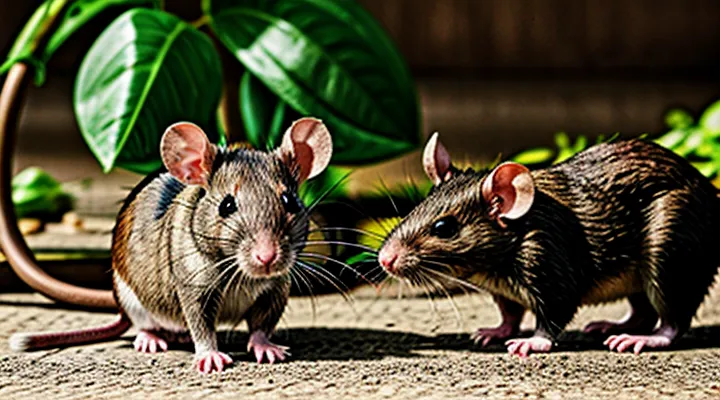
Understanding Your Adult Dumbo Rat
Unique Characteristics of Dumbo Rats
Physical Traits
Adult Dambo rats display a distinctive set of physical characteristics that set them apart from other fancy‑rat varieties. Their bodies are compact and muscular, typically weighing between 300 g and 500 g. The head is broad with a rounded skull, giving the animal a sturdy appearance.
The most recognizable feature is the “dumbo” ear placement. Ears are enlarged, low‑set, and sit close to the cheeks, creating a noticeably droopy silhouette. This ear morphology often accompanies a shorter, broader facial structure compared to standard rats.
Coat texture ranges from short and dense to slightly longer, but remains uniformly smooth. Color patterns are diverse, including solid hues (black, white, cream) and variegated mixes such as sable, agouti, or roan. Markings are sharply defined, with clear demarcation between primary and secondary colors.
Key physical traits can be summarized:
- Body size: 300–500 g, compact musculature.
- Ear shape: Large, low‑set, drooping ears, positioned near the cheeks.
- Head: Broad skull, short muzzle.
- Coat: Smooth, dense fur; colors vary widely, often with distinct markings.
- Tail: Long, slender, covered with fine hair; length roughly equal to body length.
- Eyes: Dark, round, with clear corneas; vision is adapted for low‑light activity.
- Whiskers: Long, tactile, evenly spaced on both sides of the snout.
- Dentition: Continuously growing incisors, requiring regular gnawing to prevent overgrowth.
These attributes influence handling, enclosure design, and health monitoring, providing a clear framework for effective adult Dambo rat husbandry.
Behavioral Quirks
Adult Dambo rats display several distinctive behaviors that influence daily management. Their activity peaks after dusk; the animal becomes highly alert, explores enclosure corners, and may rearrange bedding. Providing a quiet period during daylight reduces stress, while extending illumination after nightfall supports natural rhythms.
Scent marking is frequent. The rat deposits urine and glandular secretions on preferred objects, reinforcing territory. Rotating enrichment items weekly prevents over‑accumulation of odors and encourages interaction with fresh stimuli.
Grooming occurs several times per day. Excessive licking may indicate skin irritation; regular visual checks catch early signs of parasites or dermatitis. A shallow water dish and a grooming brush assist in maintaining coat condition without disrupting the rat’s routine.
Chewing persists throughout adulthood. Hardened wooden blocks, untreated wicker, and mineral chews satisfy the need to wear down continuously growing incisors. Replace worn pieces promptly to avoid ingestion of splinters.
Social hierarchy shapes interactions. Dominant individuals may exhibit brief bouts of aggression, such as lunging or vocalizations, when introduced to new companions. Observe body language; intervene only if bites cause injury, as occasional assertiveness reinforces group stability.
Curiosity drives exploration of novel objects. Introducing tunnels, climbing platforms, and puzzle feeders stimulates mental engagement. Rotate these items every few days to sustain interest and prevent habituation.
Burrowing behavior appears when provided with deep substrate. A layer of aspen shavings at least five centimeters deep permits natural digging, supporting muscular development and stress reduction. Ensure substrate remains dry to avoid respiratory issues.
Overall, recognizing and accommodating these quirks—nocturnal activity, scent marking, grooming, chewing, hierarchical displays, curiosity, and burrowing—optimizes health, reduces anxiety, and promotes a harmonious environment for mature Dambo rats.
Lifespan and Age-Related Changes
Adult Dambo rats typically live between two and three years, with some individuals reaching four years under optimal conditions. Longevity depends on genetics, diet, environment, and preventive health measures.
During the first six to twelve months, rats exhibit rapid growth, dense fur, and high activity levels. Weight stabilizes, and sexual maturity is reached. At this stage, a balanced diet rich in protein, moderate fat, and ample fiber supports metabolic demands. Regular enrichment maintains mental stimulation and prevents stereotypic behaviors.
From twelve to twenty‑four months, physical vigor begins to decline modestly. Coat may lose sheen, and minor weight fluctuations become common. Dental wear progresses, increasing the risk of malocclusion. Routine health checks should include:
- Inspection of incisors for uneven growth
- Monitoring of body condition score
- Assessment of respiratory sounds for early signs of infection
Beyond twenty‑four months, rats enter the senior phase. Common age‑related changes include:
- Reduced locomotor activity and slower response times
- Thinning or graying fur, especially on the back and tail
- Decreased kidney function, reflected in altered urine output
- Higher incidence of neoplasms, particularly in the mammary glands and skin
- Diminished sensory acuity, affecting vision and hearing
Care adjustments for seniors involve:
- Providing softer bedding to accommodate limited mobility
- Offering easily chewable foods and fresh water to counteract dental issues
- Reducing high‑fat treats to lessen metabolic strain
- Increasing frequency of veterinary examinations to detect tumors or organ decline early
Consistent observation of weight trends, coat condition, and behavior enables timely intervention, extending the rat’s functional lifespan and enhancing quality of life throughout each life stage.
Creating an Optimal Environment
Housing Essentials
Cage Size and Type
An adult Dambo rat requires a cage that provides ample floor space for movement, climbing, and nesting. Minimum dimensions are 24 inches (61 cm) long, 12 inches (30 cm) wide, and 12 inches (30 cm) high. Larger enclosures—36 × 18 × 18 inches (91 × 46 × 46 cm) or more—reduce stress and support healthy activity levels.
Key considerations for cage construction:
- Solid base: wire flooring damages foot pads; use a solid bottom covered with newspaper, paper bedding, or aspen shavings.
- Bar spacing: ½ inch (1.3 cm) or less prevents escapes while allowing ventilation.
- Material safety: untreated wood, stainless steel, or high‑grade plastic avoid toxic chemicals; avoid cages painted with lead‑based or acrylic finishes.
- Door design: secure latch with a quick‑release mechanism enables safe cleaning without exposing the rat to predators.
Enrichment elements should be attached to the cage interior rather than placed on the floor. Provide:
- Horizontal climbing branches or ladders.
- Suspended hammocks or platforms for resting.
- Chew‑safe toys made from untreated wood or natural fibers.
Regular cleaning cycles—full substrate change weekly and spot cleaning daily—maintain hygiene and prevent respiratory issues. Ensure the cage is positioned away from drafts, direct sunlight, and loud appliances to preserve a stable environment.
Bedding and Substrate
Bedding provides insulation, moisture control, and a surface for natural digging behavior in an adult Dambo rat. Selecting a material that balances absorbency, low dust, and non‑toxicity reduces respiratory risk and maintains a clean environment.
- Aspen shavings, untreated and dust‑free
- Paper‑based bedding (e.g., shredded newspaper, kiln‑dried paper pulp)
- Coconut fiber (coir) with a thin layer to prevent mold
- Hemp or flax fibers, provided they are free of chemical treatments
Substrate depth should allow the rat to burrow without compromising cage stability. A layer of 2–3 cm is sufficient for most enclosures; deeper layers are appropriate only in larger habitats designed for extensive digging. The substrate must retain moisture without becoming soggy, preventing bacterial growth.
Cleaning protocol: spot‑clean daily to remove soiled material, replace the entire bedding weekly, or sooner if odors develop. Use a mild, unscented disinfectant for cage surfaces, rinse thoroughly, and allow complete drying before adding fresh bedding.
Safety precautions include avoiding cedar, pine, or any aromatic wood shavings that can irritate the respiratory tract. Monitor dust levels; replace bedding immediately if excessive clouding occurs. Ensure that all bedding components are free of pesticides, dyes, or added fragrances.
Enrichment and Toys
Enrichment is essential for the physical health and mental stimulation of a mature Dambo rat. Providing a variety of safe, engaging objects reduces stress, encourages natural foraging behavior, and promotes muscular development.
- Chew items: untreated wood blocks, natural branches, mineral chews; replace when worn to prevent splintering.
- Tunnels and tubes: PVC or acrylic passages of at least 2 cm diameter; allow multiple bends to simulate burrows.
- Climbing platforms: sturdy acrylic shelves or rattan ladders positioned at different heights; support balance and hind‑leg strength.
- Puzzle feeders: treat‑dispensing balls or hide‑away containers; require manipulation to access food, fostering problem‑solving skills.
- Sensory toys: fabric strips, paper rolls, or safe herbs; provide tactile and olfactory exploration.
Rotate toys weekly to maintain novelty, but keep a core set of familiar items to avoid overwhelming the animal. Inspect each object before use; discard any with sharp edges, loose parts, or signs of mold. Clean reusable toys with warm water and a mild, unscented detergent; rinse thoroughly and dry before reintroduction.
A balanced enrichment program, combined with regular handling and a nutritionally adequate diet, supports optimal well‑being for an adult Dambo rat.
Nutritional Needs
Balanced Diet Components
An adult Dambo rat needs a diet that delivers protein, fiber, fats, vitamins, and minerals in specific ratios to sustain health, support growth, and maintain reproductive function.
- Protein: 20‑30 % of total calories; sources include cooked chicken, boiled eggs, and high‑quality commercial rodent pellets formulated for adult rats.
- Fiber: 5‑10 % of diet; provided by fresh vegetables such as kale, carrots, and leafy greens, as well as small amounts of whole‑grain oats or barley.
- Fats: 5‑8 % of calories; include omega‑3‑rich foods like flaxseed oil or a modest portion of unsalted nuts.
- Vitamins: Adequate levels of A, D, E, K, and the B‑complex group; achieved through a varied mix of fresh produce and fortified pellet formulas.
- Minerals: Calcium, phosphorus, magnesium, and trace elements (zinc, selenium); balanced by a combination of mineral blocks and the inherent content of the chosen foods.
Water must be available at all times, refreshed daily, and free from contaminants. Portion sizes should be adjusted to maintain a stable body weight, typically 20‑30 g of food per 100 g of body mass per day, divided into two feedings to encourage natural foraging behavior. Monitoring stool consistency and coat condition provides immediate feedback on dietary adequacy and allows timely adjustments.
Safe and Unsafe Foods
Adult Dambo rats require a diet that supplies protein, fiber, vitamins, and minerals while avoiding substances that can cause digestive upset or toxicity. Commercial rat pellets form the nutritional foundation; fresh items supplement the base diet.
Safe foods
- High‑quality rat or mouse pellets (primary source)
- Fresh leafy greens: romaine lettuce, kale, spinach, cilantro
- Vegetables: carrots, broccoli florets, bell peppers, zucchini, cucumber
- Fruits (in moderation): apple slices (no seeds), pear, blueberries, banana
- Cooked lean protein: unseasoned chicken, turkey, boiled egg white
- Whole grains: oats, cooked brown rice, quinoa
- Small amounts of nuts: unsalted almonds, walnuts (chopped)
Unsafe foods
- Citrus fruits: oranges, lemons, limes (acidic irritation)
- Raw beans and legumes (contain lectins)
- Processed meats: bacon, sausage, ham (high salt, preservatives)
- Dairy products (lactose intolerance common)
- Chocolate, caffeine, nicotine (toxic)
- Sugary snacks, candy, artificial sweeteners (metabolic stress)
- Onion, garlic, chives (hemolytic compounds)
- Avocado (persin toxicity)
- High‑fat foods: fried items, excessive oil (obesity risk)
Consistent observation of eating habits and stool consistency helps identify adverse reactions promptly. Adjust portions if weight changes occur; maintain fresh water daily. Regularly rotate safe items to provide nutritional variety while eliminating any prohibited foods from the enclosure.
Water Provision
Fresh water must be available at all times for an adult Dambo rat. The animal’s kidneys process a high proportion of its diet, making continuous access to clean water essential for renal function and overall health.
- Use a stainless‑steel or heavy‑plastic water bottle with a sipper tube; glass containers can break and are difficult to clean.
- Replace water daily to prevent bacterial growth and biofilm formation.
- Ensure the water temperature matches ambient room conditions (approximately 20‑24 °C) to avoid stress from extreme cold or heat.
- Clean the bottle and sipper tube weekly with mild, unscented detergent; rinse thoroughly to remove residue.
- Monitor intake by checking the bottle level each morning; a reduction of more than 20 % may indicate illness or a problem with the dispenser.
- Provide filtered or dechlorinated tap water; avoid distilled water, which lacks necessary minerals.
Adequate hydration supports digestion, skin health, and thermoregulation in mature Dambo rats. Consistent maintenance of the water system prevents dehydration and reduces the risk of urinary tract complications.
Socialization and Interaction
Importance of Companionship
Companionship fulfills the social needs of a mature Dambo rat, whose natural behavior includes constant interaction with conspecifics. Isolation can trigger stress responses, suppress immune function, and accelerate the onset of stereotypic behaviors such as excessive grooming or repetitive pacing.
- Reduced cortisol levels
- Enhanced appetite and regular feeding patterns
- Increased activity and exploration
- Strengthened bond with caretaker, facilitating handling and health monitoring
To maintain effective companionship, provide at least one compatible cage mate, ensure the enclosure allows visual and tactile contact, and schedule daily supervised interaction periods. If a second rat is unavailable, dedicate structured playtime, rotate enrichment items, and incorporate gentle handling to simulate social contact. Regular observation of behavior will reveal whether the rat’s social requirements are being met and guide adjustments in housing or interaction routines.
Handling and Bonding Techniques
Proper handling builds trust and reduces stress in an adult Dambo rat. Approach the animal calmly, allowing it to see your hand before contact. Position yourself at the rat’s eye level to avoid intimidation. When picking up, support the chest with one hand and the hindquarters with the other, keeping the body horizontal. Hold the rat close to your body, maintaining gentle pressure to prevent slipping.
Effective bonding requires consistent, positive interaction. Incorporate the following practices daily:
- Offer fresh vegetables or a small piece of fruit from your fingertips, encouraging the rat to associate your presence with food.
- Engage in short, quiet sessions of hand‑to‑hand grooming; use a soft brush to stroke the back, which releases calming pheromones.
- Introduce a designated “trust zone” such as a padded box where the rat can retreat and observe you without feeling confined.
- Practice gentle restraint drills: lightly tap the side of the enclosure, then allow the rat to step onto your hand voluntarily, reinforcing confidence.
Monitor body language for signs of comfort: relaxed ears, slow breathing, and a steady tail position indicate a successful connection. Adjust the duration and intensity of interactions based on these cues, extending sessions as the rat shows increased tolerance. Consistent application of these techniques promotes a secure bond and facilitates routine health checks.
Recognizing Stress Signals
Recognizing stress signals in an adult Dambo rat is a fundamental component of responsible pet management. Early identification prevents health deterioration and supports a stable environment.
Common stress indicators include:
- Excessive grooming that results in hair loss or skin irritation
- Sudden reduction in food or water intake
- Aggressive or unusually defensive behavior toward handlers
- Frequent vocalizations such as high‑pitched squeaks
- Abnormal postures, including a hunched back or flattened ears
- Rapid, shallow breathing or panting without temperature stress
When any of these signs appear, immediate action is required. First, isolate the rat from potential stressors such as loud noises, bright lights, or unfamiliar handling. Provide a quiet, secure enclosure with familiar bedding and hideouts. Assess the environment for temperature fluctuations, drafts, or overcrowding, and adjust accordingly. Offer fresh water and a small portion of preferred food to encourage intake. If symptoms persist beyond a few hours, consult a veterinarian experienced with exotic rodents.
Monitoring practices that improve detection:
- Conduct brief health checks twice daily, noting behavior, posture, and coat condition
- Keep a written log of feeding patterns, weight measurements, and any deviations from normal activity
- Observe interactions with other rats, if housed socially, to identify social tension
- Rotate enrichment items gradually to avoid overwhelming the animal
Prompt recognition and response to stress signals sustain the well‑being of an adult Dambo rat and reduce the likelihood of chronic illness.
Health and Wellness
Common Health Issues
Respiratory Problems
Respiratory disorders are a common health threat in mature Dambo rats and require prompt recognition and intervention. Typical signs include sneezing, nasal discharge, labored breathing, audible wheezing, and reduced activity. Observe the animal’s chest movement; rapid or shallow breaths indicate distress and warrant immediate veterinary assessment.
Potential causes encompass bacterial infections such as Pasteurella or Streptococcus, viral agents, fungal spores, and environmental irritants. Overcrowded housing, high humidity, inadequate ventilation, and dusty bedding create conditions favorable to pathogen proliferation. Chronic dental disease can also impair nasal passages, leading to secondary infection.
Preventive measures focus on environmental control and hygiene:
- Maintain cage temperature between 68‑74 °F (20‑23 °C) with relative humidity below 60 %.
- Provide low‑dust, absorbent bedding; replace it weekly.
- Ensure at least 12 air changes per hour; use filtered fans if necessary.
- Quarantine new rats for a minimum of 30 days; conduct health screening before integration.
- Perform regular dental checks to avoid malocclusion that may obstruct airflow.
If respiratory symptoms appear, the following steps are recommended:
- Isolate the affected rat to prevent transmission.
- Collect nasal swabs for laboratory culture; identify bacterial, viral, or fungal agents.
- Initiate empiric antibiotic therapy (e.g., enrofloxacin) while awaiting results, adjusting based on sensitivity data.
- Administer supportive care: humidified air, fluid supplementation, and nutritional support to maintain body condition.
- Re‑evaluate clinical status daily; discontinue treatment only after complete symptom resolution and negative follow‑up cultures.
Long‑term monitoring includes weekly weight checks, observation of breathing patterns, and periodic health examinations. Maintaining optimal cage conditions and early detection of respiratory changes are essential components of adult Dambo rat care.
Tumors and Cysts
Tumors and cysts are common health concerns in mature Dambo rats. They arise from uncontrolled cell proliferation (tumors) or fluid‑filled sacs lined by epithelium (cysts). Both conditions may appear as palpable masses on the abdomen, flank, or subcutaneous tissue and can affect feeding, mobility, and overall vitality.
Early detection relies on regular physical examinations. Observe for:
- localized swelling or firmness,
- changes in coat texture over the area,
- altered behavior such as reduced activity or reluctance to eat.
If a mass is noted, veterinary evaluation should include fine‑needle aspiration or biopsy to determine the lesion type. Histopathology distinguishes benign cysts from malignant neoplasms, guiding treatment decisions.
Management strategies differ by diagnosis:
- Benign cysts – aspiration of fluid, followed by monitoring for recurrence; surgical excision when cyst walls are thick or repeatedly refill.
- Benign tumors – surgical removal when feasible; postoperative analgesia and wound care are essential.
- Malignant tumors – surgical excision when margins allow; adjunctive chemotherapy or radiation may be recommended by the veterinarian; palliative care focuses on pain control and quality of life.
Preventive measures include maintaining optimal nutrition, avoiding chronic irritation from cage bedding, and minimizing exposure to carcinogenic agents. Routine health checks at least quarterly enable timely intervention, reducing the risk of advanced disease and supporting long‑term well‑being of the adult Dambo rat.
Parasites
Parasites are a common health concern for adult Dambo rats and can quickly compromise wellbeing if left untreated. Routine observation of coat condition, skin integrity, and behavior provides the first line of detection. Visible signs such as excessive scratching, hair loss, scabs, or a greasy sheen often indicate an infestation. Internal parasites may manifest through weight loss, diarrhea, or a dull coat, requiring fecal examination for confirmation.
Typical ectoparasites include:
- Mites – cause itching, redness, and skin irritation; thrive in humid environments.
- Fleas – rare in laboratory settings but possible in mixed‑species households; may transmit bacterial infections.
- Lice – small, fast‑moving insects that feed on blood; lead to anemia if heavy infestations occur.
Common internal parasites are:
- Pinworms (Syphacia spp.) – produce perianal itching, especially at night; eggs appear in feces.
- Tapeworms (Hymenolepis spp.) – may cause abdominal discomfort and weight fluctuation; identified by proglottids in stool.
- Coccidia – protozoan agents that cause watery diarrhea; diagnosis requires microscopic fecal analysis.
Prevention strategies focus on environmental hygiene and quarantine. Clean cages with disinfectants effective against arthropods, such as diluted bleach or quaternary ammonium compounds, before and after each use. Replace bedding regularly and avoid excess moisture that favors mite proliferation. Introduce new rats only after a minimum two‑week isolation period, during which fecal samples are examined for parasites.
When an infestation is confirmed, treatment follows veterinary guidance. Recommended ectoparasitic agents include ivermectin, selamectin, or topical pyrethrins, administered according to weight and species‑specific dosage charts. Internal parasites respond to anthelmintics such as fenbendazole or pyrantel pamoate; treatment courses typically span three to five days, with a repeat dose after two weeks to address residual eggs. Monitor the animal for adverse reactions and repeat fecal examinations to verify eradication.
Documentation of all treatments, including product names, dosages, and dates, ensures traceability and supports future health assessments. Maintaining strict biosecurity, regular health checks, and prompt veterinary intervention minimizes the risk of parasite‑related complications in adult Dambo rat care.
Preventive Care
Regular Health Checks
Regular health assessments are a cornerstone of adult dambo rat care. Veterinarian examinations, weight monitoring, and observation of behavior provide early detection of disease and support longevity.
Key components of a routine check include:
- Physical examination – inspection of fur condition, skin integrity, eyes, ears, and teeth; palpation of the abdomen for masses or pain.
- Weight measurement – recording body weight to the nearest gram; deviations of more than 5 % indicate potential health issues.
- Dental evaluation – checking for overgrowth, misalignment, or wear that can impair eating.
- Respiratory assessment – listening for abnormal sounds, noting sneezing or nasal discharge.
- Gastrointestinal review – observing stool consistency and frequency; diarrhea or constipation require immediate attention.
- Vaccination and parasite control status – confirming up‑to‑date immunizations and deworming schedules.
Frequency recommendations:
- Veterinary visits – at least twice yearly, with additional appointments if abnormalities appear.
- Owner‑performed checks – daily visual inspection, weekly weight recording, and monthly dental inspection.
Warning signs that warrant prompt veterinary care:
- Sudden weight loss or gain.
- Hair loss, bald patches, or excessive scratching.
- Labored breathing, wheezing, or persistent nasal discharge.
- Discolored or blood‑tinged urine and feces.
- Lethargy, loss of appetite, or aggressive behavior changes.
Maintaining a consistent schedule of these evaluations minimizes the risk of chronic conditions and ensures prompt treatment when problems arise.
Maintaining Hygiene
Maintaining hygiene for an adult Dambo rat involves regular cage sanitation, proper substrate management, and consistent grooming to prevent disease and promote well‑being.
- Clean the cage at least once daily: remove soiled bedding, uneaten food, and waste; disinfect surfaces with a rodent‑safe sanitizer.
- Replace bedding weekly: choose absorbent, dust‑free material; discard all old substrate before adding fresh layers.
- Refresh water bottles every 24 hours: scrub the bottle interior, rinse thoroughly, and refill with fresh, filtered water.
- Provide fresh food daily: discard leftover pellets or fresh produce, clean feeding dishes, and store dry food in airtight containers.
- Groom the rat weekly: trim excess fur around the tail base, check ears for debris, and gently brush to remove loose hair.
- Conduct health inspections during each cleaning session: look for signs of skin irritation, sores, or abnormal discharge; isolate any affected animal and consult a veterinarian promptly.
Veterinary Care Access
Access to qualified veterinary services determines the health outcome of a mature Dambo rat. Regular examinations, vaccination updates, and dental checks require a practitioner experienced with exotic rodents. Identify a clinic by confirming:
- Accreditation for exotic animal care
- Availability of rat‑specific diagnostic tools (e.g., micro‑radiography)
- Staff knowledge of Dambo rat physiology and common ailments
Schedule preventive visits every six months. During each appointment, request a complete physical assessment, fecal analysis, and blood work to detect early signs of respiratory disease, renal dysfunction, or neoplasia. Document findings in a dedicated health log to track trends over time.
When emergencies arise, locate an after‑hours facility with a veterinarian on call for small mammals. Keep the clinic’s emergency contact and address readily accessible. For remote regions, consider telemedicine consultations; many specialists provide video examinations and can prescribe medication to local pharmacies.
Financial barriers can be mitigated through pet insurance policies that cover exotic species, or by joining animal welfare organizations that offer subsidized treatment vouchers. Verify coverage limits, exclusions, and pre‑authorization procedures before enrollment.
Maintain a supply of essential medications (e.g., antibiotics, analgesics) and a first‑aid kit approved for rodent use. Store items in a temperature‑controlled environment and rotate stock according to expiration dates.
By establishing a reliable network of veterinary resources, monitoring health metrics, and preparing for urgent care, owners ensure consistent medical support for their adult Dambo rat.
Signs of Illness
Behavioral Changes
Adult dambo rat husbandry demands close observation of behavioral shifts, which often signal health, welfare, or environmental issues. Sudden changes in activity level, social interaction, or grooming patterns require immediate assessment.
Key behavioral indicators include:
- Reduced locomotion or prolonged lethargy, suggesting pain, illness, or temperature stress.
- Increased aggression toward cage mates, often linked to territorial disputes, overcrowding, or hormonal fluctuations.
- Excessive grooming or self‑mutilation, which may reflect dermatological problems, parasites, or anxiety.
- Altered feeding habits, such as refusal of food or hoarding, indicating dental issues, digestive discomfort, or environmental insecurity.
- Vocalization changes, including heightened squeaking or silence, can denote distress, fear, or auditory impairment.
- Social withdrawal or hyper‑attachment to humans, pointing to changes in group dynamics or underlying health concerns.
Monitoring these behaviors daily, recording deviations, and correlating them with husbandry variables—temperature, humidity, cage enrichment, and diet—enables prompt intervention. Adjustments may involve environmental enrichment, medical evaluation, or reconfiguration of social groups to restore stability and promote optimal well‑being.
Physical Symptoms
Monitoring the physical condition of an adult dambo rat is essential for timely intervention. Observable changes often indicate underlying health issues and should prompt immediate evaluation.
- Weight loss or failure to gain expected weight despite adequate nutrition
- Dull, rough, or patchy fur; excessive shedding or bald spots
- Lethargy, reduced activity, or reluctance to explore the enclosure
- Labored breathing, audible wheezing, or open‑mouth respiration
- Persistent nasal or ocular discharge, swelling, or crusting around the eyes and nose
- Diarrhea, loose stools, or blood in feces
- Swollen abdomen, noticeable masses, or distended belly
- Unusual posture, hunching, or difficulty moving hind limbs
- Excessive scratching, biting, or signs of skin irritation
- Sudden changes in drinking patterns, such as excessive thirst or reduced intake
Any of these signs warrants a veterinary assessment. Regular weighing, visual inspection of coat and skin, and observation of behavior provide a baseline for detecting deviations. Prompt documentation of symptom onset, duration, and accompanying factors assists clinicians in diagnosing and treating the condition effectively.
Emergency Situations
Providing care for a mature Dambo rat demands readiness for sudden health crises. Recognizing emergency signs and acting without delay can prevent irreversible damage.
Common emergencies include severe breathing difficulty, uncontrolled bleeding, gastrointestinal blockage, heat‑related collapse, and traumatic injuries. Each condition presents distinct visual cues: rapid, shallow respiration; bright red or dark clotted blood from wounds; a swollen abdomen with lack of fecal output; panting, drooling, or loss of coordination in hot environments; and visible fractures or lameness.
When any of these signs appear, follow a concise protocol:
- Assess the animal’s airway, breathing, and circulation within seconds.
- Stabilize by clearing the airway, applying gentle pressure to bleeding sites, and keeping the rat warm but not overheated.
- Isolate the rat in a quiet, temperature‑controlled area to reduce stress.
- Contact an experienced exotic‑pet veterinarian immediately; provide a clear description of symptoms and elapsed time.
- Transport the rat using a secure, ventilated carrier, minimizing movement to avoid exacerbating injuries.
Preventive measures reduce emergency frequency. Maintain a temperature‑stable enclosure (68‑74 °F), supply fresh water and high‑fiber diet, and inspect the habitat daily for hazards such as exposed wires or sharp objects. Regular health checks with a qualified vet allow early detection of conditions that could evolve into emergencies.
In all cases, swift, decisive action combined with professional veterinary support offers the best chance for recovery.
Advanced Care Considerations
Grooming and Maintenance
Nail Trimming
Nail trimming prevents painful overgrowth that can impair locomotion and cause tissue damage in mature Dambo rats. Overgrown claws may curl into pads, leading to infection and reduced ability to climb.
Signs of excessive length include visible claw tips extending beyond the foot pad, catching on bedding, or reluctance to walk. Regular inspection during weekly health checks helps identify the issue early.
Essential tools
- Small animal nail clipper or precision scissor
- Styptic powder or cornstarch for bleeding control
- Soft towel or restraint bag
- Bright light source
Procedure
- Secure the rat gently on a towel, exposing the foot without causing stress.
- Locate the quick, the pink vascular tissue within the claw; avoid cutting this area.
- Clip only the transparent tip, leaving a small margin from the quick.
- Apply styptic powder immediately if bleeding occurs; press lightly for a few seconds.
- Release the animal, observe the trimmed claws for any signs of discomfort.
Frequency depends on growth rate; most adult Dambo rats require trimming every 4–6 weeks. Adjust intervals if claws appear longer during routine checks.
After trimming, monitor the rat for limping or excessive grooming of the foot. Prompt veterinary evaluation is warranted if swelling, persistent bleeding, or infection signs emerge. Maintaining appropriate claw length contributes directly to overall health and mobility.
Coat Care
Proper coat maintenance is essential for the health of an adult Dambo rat. A dense, semi‑wet fur coat requires regular attention to prevent matting, parasites, and skin infections.
- Brush the coat with a soft, stainless‑steel comb twice weekly. Work from the head toward the tail, using gentle strokes to remove loose hair and debris.
- Inspect each grooming session for ticks, fleas, or signs of dermatitis. Remove any found parasites immediately with a veterinarian‑approved treatment.
- Bathe the rat only when necessary, such as after exposure to contaminants. Use lukewarm water and a mild, animal‑safe shampoo; rinse thoroughly to avoid residue that can irritate the skin.
- Dry the coat promptly with a low‑heat hair dryer or a soft towel. Ensure the animal is completely dry before returning to its enclosure to prevent fungal growth.
Nutrition directly influences coat quality. Provide a balanced diet rich in protein, essential fatty acids, and vitamins A, D, and E. Include a small portion of high‑quality rodent pellets, fresh vegetables, and occasional insects. Adequate hydration supports skin elasticity and fur sheen.
Environmental conditions affect fur health. Maintain ambient temperature between 20–24 °C (68–75 °F) and relative humidity at 40–60 %. Excessive dryness can cause brittleness; excess humidity encourages mold and skin irritation. Clean the enclosure weekly, removing soiled bedding and replacing it with a dust‑free substrate.
Watch for coat abnormalities as early indicators of health issues:
- Uneven sheen or dull patches.
- Excessive shedding or bald spots.
- Persistent odor from the fur.
- Redness, swelling, or scabs.
Prompt veterinary assessment of any of these signs prevents escalation to more serious conditions. Consistent grooming, proper nutrition, and controlled habitat together sustain a healthy, glossy coat for the adult Dambo rat.
Training and Stimulation
Basic Commands
Training an adult Dambo rat to respond to basic commands enhances safety, facilitates handling, and supports a stable environment for the animal. Consistent cues, clear timing, and positive reinforcement form the foundation of successful instruction.
- Come – call the rat by name or use a short sound cue; reward immediately upon arrival at the handler’s hand.
- Sit – gently press the rat’s hindquarters toward the floor while issuing a verbal cue; release pressure and reward once the posture is held for a moment.
- Stay – after the “Sit” command, raise a hand palm‑outward and say “Stay”; increase duration gradually, rewarding each successful interval.
- Leave – use a distinct word or tone to indicate the rat should move away from a specific area; reward when the rat steps back beyond a predetermined boundary.
Effective instruction requires short sessions of three to five minutes, repeated daily. Begin each session with a brief warm‑up to focus the rat’s attention, then introduce one command until the animal performs it reliably. Use small food treats or gentle petting as reinforcement; avoid excessive force or punishment, as these disrupt learning. Gradually reduce treat frequency while maintaining verbal praise to reinforce the behavior without dependence on food rewards.
Monitoring progress involves noting the latency between cue and response, adjusting cue clarity if latency increases, and ensuring the environment remains free of distracting noises or sudden movements during training. Consistent application of these principles yields a cooperative adult Dambo rat capable of executing essential commands reliably.
Puzzle Toys
Puzzle toys provide essential mental stimulation for mature Dambo rats, preventing boredom and reducing stress‑related behaviors. Selecting appropriate toys requires attention to size, durability, and safety. Small, chew‑resistant components avoid accidental ingestion, while varied difficulty levels keep the animal engaged over time.
Key considerations when choosing puzzle toys:
- Dimensions that accommodate a rat’s body without allowing entry of limbs into hazardous gaps.
- Materials such as untreated hardwood, safe plastics, or stainless steel that resist gnawing and are easy to sanitize.
- Mechanisms that require problem‑solving, such as sliding doors, rotating levers, or hidden compartments.
Integrating toys into a daily routine enhances enrichment. Offer a new puzzle every 24‑48 hours, rotating items to maintain novelty. Observe the rat’s interaction; if it repeatedly fails to access the reward, lower the difficulty or provide a brief demonstration. Successful completion should be reinforced with a treat placed inside the toy, encouraging repeated attempts.
Maintenance procedures are straightforward. Disassemble each toy after use, wash with mild soap, rinse thoroughly, and dry before reassembly. Inspect for cracks or loose parts weekly; replace damaged items promptly to prevent injuries.
Combining puzzle toys with other enrichment forms—such as climbing structures and foraging opportunities—creates a balanced environment that supports the physical and cognitive health of an adult Dambo rat.
End-of-Life Care
Recognizing Decline
Recognizing decline in an adult Dambo rat is essential for timely intervention and preservation of health. Early detection relies on systematic observation of physical condition, behavior, and physiological parameters.
- Noticeable weight loss exceeding 5 % of baseline body mass.
- Dull, sparse, or unkempt fur, especially along the back and tail.
- Reduced activity, reluctance to explore, or prolonged periods of immobility.
- Decreased food and water intake, or refusal of preferred foods.
- Incomplete grooming, leading to soiled or matted patches.
- Labored breathing, audible wheezes, or irregular respiratory rhythm.
- Diarrhea, constipation, or abnormal stool consistency.
- Excessive ocular or auditory discharge, crusting, or swelling.
Assessment should incorporate quantitative and qualitative measures. Record body weight weekly using a calibrated scale; compare against a reference chart to identify trends. Perform a body condition score (BCS) on a 1‑5 scale, focusing on rib visibility, spine prominence, and abdominal tuck. Conduct brief physical examinations for limb strength, joint mobility, and sensory response. Schedule veterinary evaluations at the first sign of deviation from normal parameters.
When decline is confirmed, adjust care protocols promptly. Increase caloric density of the diet with safe supplements, ensure fresh water is always accessible, and maintain optimal ambient temperature (20‑24 °C) and humidity (40‑60 %). Provide enrichment that encourages gentle exercise without overexertion. Initiate veterinary consultation to rule out underlying disease, obtain diagnostic testing, and receive targeted treatment recommendations. Continuous monitoring after intervention verifies recovery progress and prevents recurrence.
Comfort Measures
Providing a comfortable environment for a mature Dambo rat reduces stress and supports health. Stable temperature between 20 °C and 24 °C prevents hypothermia and overheating. Maintain humidity at 40‑60 % to keep skin and respiratory passages moist without encouraging mold growth. Use a solid‑bottom cage lined with soft, absorbent bedding such as shredded paper or aspen shavings; replace soiled material daily to avoid ammonia buildup.
Gentle handling minimizes fear. Approach the animal calmly, support the body with both hands, and limit sessions to 5‑10 minutes unless the rat shows signs of relaxation. Offer a variety of safe enrichment items—corks, tunnels, and chew blocks—to encourage natural foraging and gnawing behaviors. Rotate objects weekly to sustain interest.
Nutrition contributes to comfort. Provide fresh water in a sipper bottle, check for leaks each day, and supply a balanced diet of high‑quality pellets supplemented with fresh vegetables and occasional protein treats. Monitor food intake; a sudden decrease may indicate pain or illness.
Pain management and health monitoring are integral. Observe posture, grooming, and activity levels. Look for signs such as hunched back, reduced movement, or vocalization when touched. If discomfort is suspected, consult a veterinarian experienced with rodents for appropriate analgesics and treatment plans.
Regular grooming supports coat condition. Gently brush the fur to remove loose hair and debris; this also offers a brief bonding opportunity. Keep nails trimmed to a length that does not interfere with walking or cause self‑injury.
Implementing these measures creates a stable, low‑stress setting that promotes well‑being for an adult Dambo rat.
Euthanasia Considerations
When an adult Dambo rat reaches a stage of irreversible decline, euthanasia may become the most humane option. The decision rests on objective assessment of the animal’s condition, the owner’s values, and professional guidance.
Evaluate clinical signs that indicate unrelievable pain or loss of quality of life. Common indicators include persistent anorexia, severe weight loss, uncontrolled bleeding, respiratory distress, and inability to move without assistance. Laboratory tests can confirm organ failure or systemic infection when physical signs are ambiguous.
Consider ethical and legal responsibilities. Veterinarians must comply with regional regulations governing the use of injectable agents, ensure that the procedure is performed by a qualified practitioner, and document the rationale for euthanasia in the medical record.
Select an appropriate method. Preferred agents for rodents are barbiturate‑based solutions administered intravenously or intraperitoneally, delivering rapid unconsciousness followed by cardiac arrest. Dosage calculations should be based on the rat’s weight to avoid under‑dosing, which can cause distress, or excessive dosing, which may complicate post‑mortem examination.
Plan post‑procedure care. Options include burial in a pet cemetery, cremation, or returning the remains to the owner for private disposition. Discuss these choices with the owner before the procedure to respect personal preferences and cultural considerations.
Key points for owners and caregivers:
- Observe and record changes in appetite, activity, and behavior.
- Seek veterinary evaluation promptly when deterioration is suspected.
- Discuss prognosis, alternatives, and the euthanasia process openly.
- Ensure the chosen method complies with veterinary standards and local law.
- Arrange respectful handling of the body after death.