
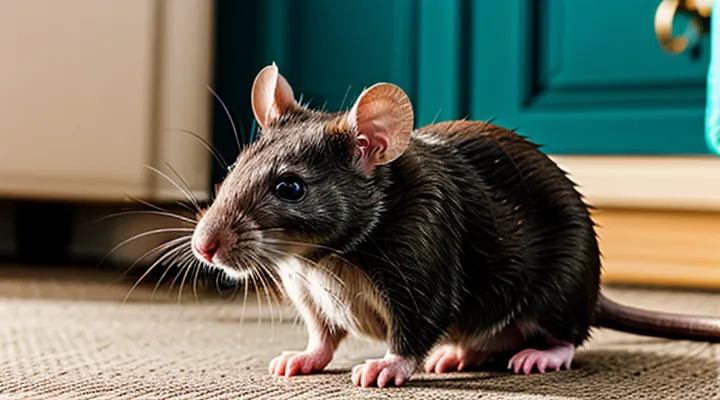
Understanding Your Pet Rat’s Needs
General Rat Care Principles
Providing a Safe Environment
A secure habitat is essential for a pet rat’s health and well‑being. Choose a cage that provides at least 2 sq ft of floor space per animal and includes a solid base; wire floors cause foot injuries. Use chew‑resistant materials such as metal or sturdy plastic for bars and doors, and install locks that cannot be opened by a curious rat.
Select bedding that is dust‑free, absorbent, and non‑toxic—paper‑based or aspen shavings meet these criteria. Avoid cedar, pine, or scented litters, which irritate respiratory passages. Replace soiled bedding weekly and perform a full clean monthly to prevent bacterial growth.
Eliminate hazards within the enclosure:
- Small objects that can be swallowed (e.g., beads, plastic caps)
- Loose wires or cords that may be chewed
- Open water bottles that could leak and create damp spots
- Gaps larger than a rat’s head that allow escape
Maintain a stable temperature between 65 °F and 75 °F; extreme heat or cold stresses the animal. Position the cage away from direct sunlight, drafts, and kitchen appliances that generate fumes. Provide a secure, ventilated area for nesting material—shredded paper or cotton squares—so the rat can construct a private burrow.
Regularly inspect the cage for rust, cracked panels, or loose fittings. Replace compromised components promptly to preserve structural integrity and prevent injuries.
Socialization and Enrichment
Social rats thrive when they receive regular, positive interaction and mental stimulation. Consistent handling builds trust, reduces fear, and encourages curiosity. Begin with brief sessions, allowing the rat to explore a clean, safe hand. Gradually increase duration, maintaining a calm voice and steady movements. Avoid sudden grabs or restraint, which can cause stress and defensive behavior.
Enrichment items should be rotated weekly to prevent habituation. Effective options include:
- Chewable tunnels and wooden blocks for gnawing and exploring.
- Foraging puzzles such as cardboard tubes filled with small treats.
- Climbing structures like rope ladders or acrylic platforms.
- Safe, untreated natural materials (e.g., willow branches) for nest building.
Environmental complexity mirrors a rat’s natural habitat, supporting problem‑solving abilities and physical health. Provide a minimum of 0.5 sq ft of floor space per animal, and ensure the cage includes multiple levels to promote vertical movement.
Group housing enhances social development, provided the individuals are compatible. Observe interactions for signs of aggression, such as biting or excessive chasing, and separate problematic rats promptly. When introducing new rats, use a neutral enclosure for a few days before allowing full cohabitation.
Regular playtime outside the cage reinforces bonding. Use a secure, rat‑proof playpen and offer a variety of toys to keep the animal engaged. Supervise the session to prevent escape or injury.
Overall, deliberate handling, varied enrichment, and appropriate social arrangements create a mentally resilient pet rat, reducing stereotypic behaviors and supporting overall welfare.
Nutritional Requirements
Staple Diet
Commercial Rat Blocks
Commercial rat blocks are dense, nutritionally balanced tablets designed to meet the daily dietary requirements of pet rats. Each block typically contains protein, fat, fiber, vitamins, and minerals in proportions that mirror a wild rat’s natural intake, allowing owners to provide a consistent source of nutrients without the variability of fresh foods.
When selecting a commercial block, consider the following criteria:
- Protein content of 15‑20 % to support growth and tissue repair.
- Fiber level of 5‑7 % to promote gastrointestinal health.
- Inclusion of essential vitamins (A, D, E, B‑complex) and minerals (calcium, phosphorus, zinc).
- Absence of artificial colors, flavors, or excessive sugar.
- Manufacturer reputation and third‑party testing for safety.
Feeding guidelines:
- Offer one block per adult rat per day; juveniles may require half a block.
- Place the block in a clean, dry area of the cage to prevent contamination.
- Monitor consumption; a decrease may signal health issues or dietary imbalance.
- Supplement with fresh vegetables, fruits, and occasional protein treats to provide variety and enrichment.
Potential drawbacks include:
- Limited moisture, which can lead to dehydration if water intake is insufficient.
- Risk of overreliance, reducing the rat’s exposure to natural foraging behaviors.
- Possible formulation differences between brands, necessitating careful label review.
Proper storage extends shelf life and preserves nutrient integrity. Keep blocks in an airtight container, away from direct sunlight and humidity. Replace any block that shows signs of mold, crumbling, or off‑odor.
Incorporating commercial rat blocks as a core component of a pet rat’s diet ensures reliable nutrition while allowing owners to balance the regimen with fresh foods for optimal health and vitality.
Fresh Fruits and Vegetables
Fresh produce supplies essential vitamins, minerals, and fiber that complement a rat’s staple diet of commercial pellets and protein sources.
Safe options include:
- Apples (core removed, no seeds)
- Blueberries
- Strawberries (quartered)
- Bananas (small slices)
- Pears (seedless)
- Carrots (shredded)
- Bell peppers (any color, diced)
- Broccoli florets (steamed lightly)
- Spinach (chopped, offered sparingly)
- Kale (finely torn)
Preparation guidelines:
- Wash all items under running water to remove pesticides and debris.
- Remove pits, seeds, and stems that may cause choking or contain toxins.
- Cut into bite‑size pieces no larger than ½ inch to prevent blockage.
- Offer no more than 10 % of the daily diet by weight; a typical adult rat receives 1–2 grams of fresh produce per day.
- Provide fresh portions daily; discard uneaten food after 24 hours to avoid spoilage.
Items that must be excluded:
- Citrus fruits (oranges, lemons, limes) – high acidity can irritate the digestive tract.
- Grapes and raisins – risk of kidney failure.
- Avocado – contains persin, toxic to rodents.
- Raw potatoes and tomato leaves – solanine content is harmful.
- Rhubarb – oxalic acid poses a health risk.
Additional considerations:
- Store produce in the refrigerator’s crisper drawer, sealed in a perforated bag to maintain moisture without excess humidity.
- Observe the rat’s reaction after introducing a new item; discontinue if diarrhea, lethargy, or loss of appetite occurs.
- Rotate varieties to ensure a broad nutrient profile while preventing overreliance on a single food source.
Supplemental Foods
Protein Sources
Protein is essential for growth, tissue repair, and immune function in domestic rats. A balanced diet supplies 15–20 % of calories from high‑quality protein, with adjustments for age, activity level, and reproductive status.
Suitable protein sources include:
- Commercial rodent pellets formulated with soy, fish, or animal‑derived protein isolates.
- Cooked lean meats such as chicken breast, turkey, or lean beef, trimmed of visible fat and cut into ¼‑inch cubes.
- Hard‑boiled eggs, shelled and mashed, offering a complete amino‑acid profile.
- Low‑fat cottage cheese or plain yogurt, provided in small spoonfuls to avoid excess lactose.
- Cooked legumes (lentils, split peas) that have been thoroughly boiled to reduce antinutrients.
- Insects like dried mealworms or crickets, offered sparingly as enrichment treats.
Portion guidelines: for an adult rat weighing 300–350 g, provide 0.5–1 g of protein per day, divided between the primary diet and supplemental items. Juvenile rats require up to 2 g daily, reflecting rapid growth. Offer fresh protein foods no more than once daily; discard any leftovers after two hours to prevent spoilage.
Unsafe protein options must be excluded. Raw fish, pork, or processed meats containing spices, salt, or preservatives can introduce pathogens or toxic compounds. Dairy products with high fat, such as cheese, may cause gastrointestinal upset. Nuts, seeds, and peanut butter are high in fat and should be limited to occasional treats, not primary protein sources.
Regularly monitor body condition and adjust protein amounts if the rat becomes overly lean or gains excessive weight. Consistency in quality and quantity supports optimal health and longevity.
Healthy Treats
Rats thrive on a diet that includes occasional treats rich in nutrients and low in added sugars or fats. Choose items that complement the staple feed of laboratory‑grade pellets and fresh vegetables.
- Small pieces of fresh fruit such as apple (no seeds), banana, or berries; limit to one‑quarter of a slice per treat.
- Cooked, unseasoned legumes like lentils or chickpeas; offer a teaspoon of mashed beans.
- Plain, unsalted nuts (e.g., almonds, walnuts) in very small quantities; a single half‑nut per rat is sufficient.
- Low‑fat cheese or plain yogurt; provide a pea‑sized dollop no more than twice a week.
- Commercial rat treats formulated with added vitamins and minerals; follow the manufacturer’s serving guidelines.
Treats should be introduced gradually to monitor for digestive upset. Remove any uneaten portions within two hours to prevent spoilage. Avoid foods high in sugar, salt, caffeine, chocolate, or artificial sweeteners, as they can cause metabolic disturbances. Store fresh treats in airtight containers in the refrigerator and discard any that show signs of mold or decay.
Regularly rotate treat types to supply a broader range of nutrients and to keep the animal engaged. Maintain a balanced overall intake by adjusting the amount of standard pellets when treats are added, ensuring the rat’s caloric load remains appropriate for its size and activity level.
Foods to Avoid
Pet rats require a diet that mimics their natural omnivorous habits while avoiding substances that can cause illness or death. Certain foods pose immediate toxicity, while others contribute to long‑term health problems such as obesity, dental disease, or organ failure.
- Chocolate, caffeine, and nicotine: contain stimulants and toxins that affect the cardiovascular and nervous systems.
- Processed meats, raw fish, and unpasteurized dairy: high in salt, fat, and pathogens; increase risk of gastrointestinal infection and kidney strain.
- Sugary treats, candy, and dried fruit with added sugar: lead to rapid weight gain, insulin resistance, and dental decay.
- Citrus fruits, tomatoes, and other acidic foods: irritate the digestive tract and can cause mouth ulcers.
- Avocado (particularly the skin and pit): contains persin, a compound toxic to rodents.
- Onions, garlic, chives, and leeks: contain thiosulfates that damage red blood cells, resulting in hemolytic anemia.
- High‑fat junk food such as chips, crackers, and fried snacks: contribute to obesity and liver disease.
These items should never be offered, even in small quantities. Replace them with balanced rat pellets, fresh vegetables, limited fruit, and occasional protein sources like cooked eggs or lean meat. Consistent avoidance of the listed foods protects the pet’s health and supports a stable, thriving diet.