
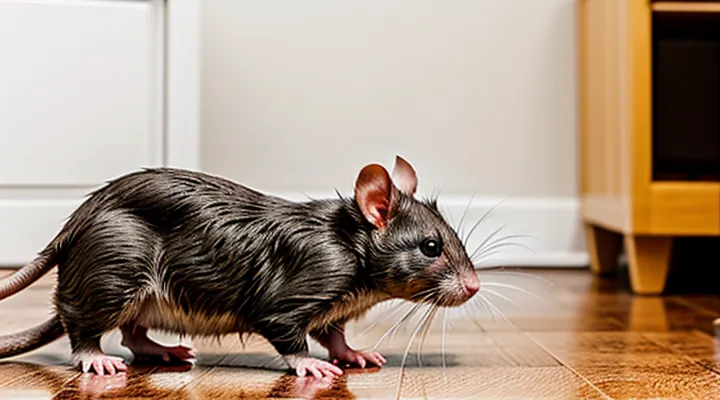
Understanding Domestic Rats
Rat Breeds and Characteristics
Common Pet Rat Varieties
Pet rats are available in several well‑known varieties, each displaying specific physical traits and behavioral tendencies that influence husbandry requirements.
- Standard (Brown) Rat – Dark brown or black coat, robust build, adaptable temperament. Requires standard cage size, regular enrichment, and a balanced diet of commercial rat pellets supplemented with fresh vegetables.
- Satin Rat – Glossy, silky fur with a smooth texture; colors range from white to agouti. Sensitive skin benefits from low‑dust bedding and gentle handling to prevent coat damage.
- Hairless (Rex) Rat – Minimal fur, exposed skin prone to dryness. Necessitates humidified environment, frequent skin moisturization, and careful temperature regulation to avoid chill.
- Dumbo Rat – Enlarged, low‑set ears and round head; often more sociable and inquisitive. Benefits from additional perches and toys that accommodate ear size without causing strain.
- Blaze Rat – Distinct white facial blaze contrasting with darker body markings. Visual contrast does not affect care but may attract owners seeking aesthetic variety.
- Mongolian Rat – Longer, softer fur resembling that of wild relatives; may shed more heavily. Requires regular grooming to prevent matting and to control hair accumulation in the cage.
Understanding each variety’s unique characteristics enables targeted care practices, promotes health, and enhances the owner‑rat relationship.
Temperament and Social Needs
Rats display a curious, intelligent temperament. They explore environments actively, solve simple puzzles, and respond to routine handling with reduced fear. Individual personalities vary; some remain shy, while others become bold quickly. Consistent, gentle interaction strengthens trust, allowing the animal to exhibit natural playfulness without stress.
Social requirements are critical for well‑being. Rats are highly gregarious and experience anxiety when isolated. They thrive in pairs or small groups, establishing hierarchical structures that reduce aggression. Regular contact with compatible companions supports mental stimulation and prevents stereotypic behaviors.
- House at least two rats together, matching for age and sex when possible.
- Provide multiple enrichment items ( tunnels, chew toys, climbing structures) to encourage group interaction.
- Observe hierarchy: dominant individuals may claim preferred resources, but all members should have access to food, water, and shelter.
- Rotate companions only after a gradual introduction period to avoid territorial disputes.
- Monitor health; illness in one rat can quickly affect the group, necessitating prompt veterinary care.
Preparing for Your Rat
Choosing a Cage
Minimum Cage Size
Rats require ample space to move, explore, and exhibit natural behaviors. The smallest acceptable enclosure for a single adult rat measures at least 24 inches long, 12 inches wide, and 12 inches high (approximately 61 × 30 × 30 cm). For two rats, increase the floor area by 50 % to reduce territorial stress, resulting in a minimum of 36 × 12 × 12 inches (91 × 30 × 30 cm). Multi‑rat groups benefit from even larger cages; add 12 inches (30 cm) of length per additional rat.
Key dimensions:
- Length: 24 in (61 cm) per rat, plus 12 in (30 cm) for each extra rat
- Width: minimum 12 in (30 cm) for any configuration
- Height: minimum 12 in (30 cm) to accommodate climbing structures
Cage walls should be solid or constructed from wire mesh with spacing no larger than ½ inch (13 mm) to prevent escapes. Floors must be solid, not wire, to protect delicate foot pads. Provide a solid base of bedding, and include platforms or ramps that do not exceed the cage’s height limit. Regularly assess the enclosure for wear, ensuring that dimensions remain unchanged as the rats mature.
Materials and Bar Spacing
Selecting appropriate cage construction and bar spacing is crucial for the health and safety of a pet rat. Solid, non‑toxic materials such as powder‑coated steel, stainless steel, and high‑grade acrylic prevent rust and chemical leaching. Avoid cages made from untreated wood or cheap plastics, which can splinter, harbor bacteria, or release harmful substances.
Bar spacing directly influences a rat’s ability to explore without risking injury. The optimal distance between vertical bars is 0.25 inches (approximately 6 mm). This measurement blocks escape while allowing comfortable passage for the animal’s body and whiskers. Horizontal bars should be spaced no more than 0.5 inches (about 12 mm) apart to support climbing and prevent foot entrapment.
Key considerations for cage materials and bar configuration:
- Durability: Choose corrosion‑resistant metal frames; they endure cleaning and sanitizing cycles.
- Ease of cleaning: Smooth surfaces and removable trays simplify waste removal and reduce pathogen buildup.
- Ventilation: Ensure sufficient airflow without compromising structural integrity; perforated sides or mesh panels can supplement ventilation.
- Safety: Verify that no sharp edges or protruding welds are present; file or cover them before introducing the rat.
By adhering to these specifications, owners provide a secure environment that supports natural behaviors while minimizing health risks.
Essential Cage Accessories
Bedding and Substrate
Choosing appropriate bedding is critical for a rat’s health and comfort. Use absorbent, dust‑free materials such as paper‑based cellulose, aspen shavings, or hemp. Avoid pine and cedar, which release aromatic oils that can irritate the respiratory system. Replace soiled bedding at least twice weekly to prevent ammonia buildup and maintain a dry environment.
A proper substrate should support digging behavior while remaining easy to clean. Provide a base layer of low‑dust wood shavings (aspen) topped with a thin layer of paper bedding. For enrichment, add untreated corn cob or shredded newspaper in a separate corner, allowing the rat to explore different textures without compromising hygiene.
Key considerations for bedding and substrate management:
- Absorbency: Minimum 1‑inch depth to control moisture.
- Dust level: Less than 5 mg/m³ to protect lungs.
- Chemical safety: No scented or aromatic wood products.
- Ease of removal: Materials should separate cleanly from waste.
- Enrichment: Include safe, non‑toxic items for nesting and foraging.
Regular inspection of the cage floor ensures that the substrate remains intact and free of clumps. Promptly discard any wet or heavily soiled sections, and sanitize the cage with a mild, rat‑safe disinfectant before adding fresh bedding. This routine maintains optimal air quality, reduces the risk of skin irritation, and supports the animal’s natural behaviors.
Food and Water Dispensers
Providing a reliable source of nutrition and hydration is essential for a healthy pet rat. Food and water dispensers eliminate the need for constant manual refilling, reduce spillage, and help maintain a clean enclosure.
Gravity‑fed water bottles with stainless‑steel or BPA‑free plastic tubing deliver a steady flow of fresh water while preventing bacterial growth. Sipper tubes attached to the bottle allow the rat to drink without tipping the bottle, and ceramic water dishes offer a spill‑resistant alternative for rats that prefer a shallow pool. Automatic feeders programmed to dispense measured portions of dry food at set intervals support consistent dietary intake and prevent overfeeding.
When choosing dispensers, consider the following criteria:
- Material safety: stainless steel, high‑grade plastic, or glazed ceramic.
- Capacity: sufficient for the rat’s daily consumption, typically 50–100 ml for water and 10–15 g of dry food.
- Leak‑proof design: secure caps, sealed joints, and sturdy mounting.
- Cleaning ease: smooth surfaces, removable parts, and dishwasher‑safe components.
Routine maintenance ensures dispenser integrity. Inspect water levels and food supply daily; refill only with fresh, filtered water and high‑quality rat pellets. Clean all components weekly with warm, mild soap, rinse thoroughly, and sterilize by boiling or using a dishwasher on a high‑temperature cycle. Replace worn seals or damaged tubing immediately to prevent contamination.
Place dispensers at the cage’s lower level to reduce splashing, away from bedding to avoid moisture buildup, and within easy reach of the rat’s preferred activity zones. Securely attach bottles to the cage side to prevent accidental dislodgement. Regular observation of the rat’s interaction with the dispensers will reveal any issues such as clogging or aversion, allowing prompt adjustment.
Hiding Spots and Enrichment
Providing a secure, stimulating environment is essential for a pet rat’s well‑being. Rats naturally seek concealed areas where they can retreat from activity and feel safe; incorporating such spaces reduces stress and encourages natural behaviors.
- Small cardboard tubes, such as those from paper towels, placed horizontally or vertically.
- Hollow wooden blocks with drilled entrances, sized to allow easy entry but limit predator‑like exposure.
- Nesting boxes made from untreated wood or sturdy plastic, fitted with soft bedding.
- Stacked paper bags or fabric pouches tied loosely to prevent collapse.
- PVC pipe sections with end caps removed, creating a tunnel network that can be rearranged.
Enrichment should complement hiding spots, offering mental and physical challenges that mirror a rat’s foraging instincts.
- Rotate chewable items (untreated wood sticks, mineral blocks) to maintain interest and support dental health.
- Install climbing ladders or rope bridges linking elevated platforms, encouraging agility.
- Hide treats inside puzzle containers or folded paper, prompting problem‑solving.
- Provide a variety of textures—sandpaper, sisal rope, smooth acrylic—within the enclosure for tactile exploration.
- Change the layout weekly: reposition tunnels, add new shelters, and alter obstacle courses to prevent habituation.
Combining secure retreats with diverse enrichment ensures a domestic rat remains active, confident, and healthy.
Diet and Nutrition
Commercial Rat Food
Commercial rat food provides a balanced blend of protein, fat, fiber, vitamins, and minerals designed for the specific metabolic needs of domesticated rats. High‑quality formulas typically contain 15‑20 % protein from animal or soy sources, 5‑10 % fat, and a calibrated fiber level to support digestive health. Essential nutrients such as vitamin A, B‑complex, D, calcium, and phosphorus are added in proportions that prevent deficiencies and excesses common in homemade diets.
When selecting a product, consider the following criteria:
- Ingredient list begins with a recognizable protein source; avoid formulations where grain or filler appears first.
- Guaranteed analysis matches the nutritional ranges stated above.
- Absence of artificial colors, flavors, or excessive preservatives.
- Manufacturer provides batch testing results or third‑party certification.
Feeding recommendations assume adult rats consume approximately 20 g of dry food per day, divided into two portions. Juvenile rats require 25‑30 g daily, split into three feedings. Adjust amounts based on body condition, activity level, and any supplemental treats.
Proper storage preserves nutrient integrity. Keep the container sealed, store in a cool, dry place, and discard food older than six months. Rotate stock to use older packages first.
Commercial diets can be complemented with fresh vegetables (e.g., broccoli, carrots) and occasional protein treats (e.g., boiled egg, cooked chicken). Limit fruits to small portions due to sugar content. Ensure fresh water is available at all times.
Regularly monitor weight, coat condition, and stool consistency. Sudden changes may indicate a need to modify the diet or consult a veterinarian.
Safe Fruits and Vegetables
Rats benefit from fresh produce that supplies vitamins, minerals, and fiber, provided the items are safe and offered in appropriate amounts.
-
Apple (core removed, seeds discarded)
-
Blueberries
-
Strawberries (cut into small pieces)
-
Pear (seedless)
-
Kiwi (peeled)
-
Mango (pitted)
-
Leafy greens such as romaine lettuce, kale, and spinach (washed thoroughly)
-
Bell pepper (any color, seeded)
-
Carrot (grated or thinly sliced)
-
Zucchini (raw or lightly steamed)
-
Cucumber (peeled if skin is tough)
-
Broccoli florets (small portions)
Only fresh, pesticide‑free items should be used; wash each piece under running water. Remove seeds, pits, and stems that could cause choking or contain toxins. Offer no more than 10 % of the total daily intake as fruit, with the remainder split between vegetables and a balanced grain‑based pellet diet. Introduce new foods one at a time, observing the rat for any signs of digestive upset before adding additional items.
Foods to Avoid
Pet rats require a diet that excludes several common foods because they can cause digestive upset, nutritional imbalances, or toxicity. Veterinarians and experienced breeders agree on a short list of items that should never be offered.
- Chocolate, cocoa products, and any food containing theobromine – toxic to rodents and can lead to seizures or death.
- Citrus fruits and juices – high acidity irritates the gastrointestinal tract and may cause diarrhea.
- Raw or undercooked beans, especially kidney beans – contain lectins that damage the intestinal lining.
- Processed meats, including bacon, ham, and hot dogs – high in salt, fat, and preservatives, which strain the liver and kidneys.
- Dairy products such as cheese, milk, and yogurt – rats lack sufficient lactase, leading to bloating and diarrhea.
- Sugary snacks, candy, and artificial sweeteners – promote obesity, dental disease, and metabolic disturbances.
- Avocado flesh and pit – contain persin, a compound that can cause respiratory distress and heart damage.
- Onion, garlic, and related Allium species – irritate red blood cells and may cause hemolytic anemia.
- High‑salt foods like chips, pretzels, and seasoned nuts – excess sodium disrupts electrolyte balance and can lead to dehydration.
- Caffeinated beverages and energy drinks – stimulants increase heart rate and may induce tremors or seizures.
Providing a balanced diet of commercial rat pellets, fresh vegetables, limited fruits, and occasional protein sources ensures optimal health. Eliminate the items above to prevent preventable illnesses and maintain a stable, thriving pet rat.
Daily Care and Routine
Feeding Schedule
A well‑structured feeding routine promotes health, weight stability, and consistent energy levels in a pet rat. Offer fresh food two to three times daily; younger pups may require three meals, while adults maintain two. Serve a measured portion of high‑quality laboratory rat chow—approximately ¼ cup per adult per day—divided equally between meals. Complement the staple with small amounts of fresh vegetables (e.g., carrots, broccoli, leafy greens) and occasional protein sources such as boiled egg or cooked chicken, limiting each supplement to a teaspoon per feeding.
Include a constant supply of clean water, refreshed at least once daily. Monitor intake: reduced consumption or leftovers indicate possible illness or dietary imbalance and warrant veterinary assessment. Adjust portions during growth phases, pregnancy, or when the rat’s activity level changes. Maintain a consistent schedule—same times each day—to align with the animal’s natural circadian rhythm and reduce stress.
Cleaning the Cage
Daily Spot Cleaning
Daily spot cleaning preserves a healthy environment for a pet rat and prevents the buildup of waste, odor, and pathogens. Perform the routine each morning before the animal becomes active. Remove visible droppings, food crumbs, and any wet bedding from the cage floor. Use a small scoop or spoon to collect debris, then discard it in a sealed bag.
- Inspect each corner and tunnel for hidden messes; clean with a damp paper towel.
- Wipe the cage walls and bars with a non‑abrasive cloth moistened with a diluted, rat‑safe disinfectant.
- Replace a thin layer of bedding in high‑traffic zones; avoid complete bedding changes to maintain stable humidity.
- Check water bottle and food dish for spills; rinse and refill as needed.
Consistent spot cleaning reduces stress for the rat, supports respiratory health, and extends the life of the cage components. Incorporate the tasks into a short, daily routine to maintain optimal hygiene without extensive cage overhauls.
Weekly Deep Cleaning
A thorough weekly cleaning routine is essential for maintaining a healthy environment for a pet rat. Begin by emptying the cage, discarding all soiled bedding, and separating any reusable items. Wash the cage interior with hot water and a mild, unscented detergent; rinse thoroughly to eliminate residue that could irritate the animal’s respiratory system.
- Scrub all plastic accessories (food bowls, water bottles, tunnels) with a brush; rinse and dry before reassembly.
- Replace the bedding with a fresh, absorbent layer; consider paper-based products that reduce dust.
- Clean the cage floor and corners with a dilute solution of white vinegar (1 part vinegar to 4 parts water); allow it to sit for five minutes before wiping away.
- Inspect the cage for signs of wear, rust, or cracks; replace damaged components promptly to prevent injuries.
- Refill the water bottle with fresh, filtered water; verify that the flow rate is steady and that the spout is free of biofilm.
- Reintroduce enrichment items (chew toys, hammocks) after they have been sanitized; ensure they are free of mold or frayed edges.
Schedule the deep cleaning at the same day each week to establish consistency for both caretaker and pet. Record the date of each session in a log to track maintenance frequency and identify any recurring issues. Regular deep cleaning reduces odor, controls parasites, and supports the overall well‑being of the domesticated rodent.
Social Interaction and Playtime
Handling and Bonding
Proper handling establishes trust and reduces stress for a pet rat. Consistent, gentle contact teaches the animal that human interaction is safe, which translates into calmer behavior during routine care.
Begin handling with these steps:
- Approach the cage calmly, extend a hand to allow the rat to sniff.
- Support the body with both hands, avoiding pressure on the spine.
- Keep sessions short at first, gradually extending duration as the rat shows relaxation.
- Observe body language; flattened ears or rapid breathing indicate discomfort, requiring immediate release.
Bonding progresses through repeated positive experiences. Offer treats from the hand to associate your presence with rewards. Incorporate play sessions on a secure, non‑slippery surface, allowing the rat to explore while remaining within reach. Speak softly, maintain a steady rhythm, and avoid sudden movements that could startle the animal. Over weeks, the rat will display increased willingness to climb onto the lap, follow the hand, and respond to gentle vocal cues.
Consistent application of these practices results in a confident, sociable rat that readily engages in handling, supporting overall health and wellbeing.
Toys and Enrichment
Providing a variety of toys and enrichment items is essential for a healthy, active rat. Proper rat husbandry includes mental stimulation, physical exercise, and opportunities for natural behaviors such as foraging, chewing, and climbing.
- Chewable objects: untreated wood blocks, natural branches, and cardboard tubes satisfy the instinct to gnaw and protect dental health. Avoid painted or chemically treated materials.
- Climbing structures: wooden ladders, rope bridges, and PVC tunnels encourage vertical movement and strengthen muscles. Ensure all connections are secure to prevent collapse.
- Foraging puzzles: hide small treats inside rolled paper, plastic egg shells, or commercially available foraging toys. Rotate locations daily to maintain interest.
- Manipulable toys: plastic balls with ridged surfaces, puzzle cubes, and bead mazes promote problem‑solving skills. Supervise initial use to confirm safety.
- Sensory items: fleece blankets, shredded paper, and safe herbs (e.g., mint) provide tactile and olfactory enrichment. Replace soiled materials regularly.
Enrichment should be refreshed every few days. Introduce new items gradually to avoid stress and observe the rat’s response. Remove any damaged or soiled objects promptly to prevent injury or disease. A balanced rotation schedule—alternating toys, rearranging cage layout, and varying foraging challenges—maintains engagement and supports overall well‑being.
Health and Wellness
Common Health Issues
Domestic rats frequently develop specific conditions that require prompt attention. Recognizing early signs helps prevent serious complications.
- Respiratory infections: sneezing, nasal discharge, labored breathing. Often caused by bacterial agents such as Mycoplasma pulmonis.
- Dental overgrowth: difficulty chewing, weight loss, visible elongated incisors. Continuous growth demands regular wear through appropriate chewing material.
- Skin mites (e.g., Radfordia spp.): hair loss, itching, scaly patches. Infestation spreads quickly in crowded environments.
- Gastrointestinal stasis: reduced food intake, abdominal distension, lethargy. Can result from stress, diet imbalance, or obstruction.
- Tumors: palpable masses, swelling, abnormal behavior. Rats are prone to mammary and pituitary tumors, especially with advancing age.
Monitoring weight, coat condition, and activity level provides early detection of these issues. Maintain clean bedding, provide fresh water, and supply a high‑fiber diet to support respiratory and digestive health. Schedule veterinary examinations at least twice yearly; seek immediate care if respiratory distress, severe dental problems, or sudden behavioral changes occur.
Recognizing Illness
Recognizing illness in a pet rat requires vigilant observation of behavior, appearance, and physiological changes. Subtle deviations from normal patterns often signal underlying health issues, and early detection improves treatment outcomes.
Key indicators include:
- Reduced activity or reluctance to explore, especially when the rat normally exhibits curiosity.
- Dull, patchy, or loss of fur, particularly around the tail, ears, or abdomen.
- Abnormal respiration such as rapid, shallow breaths, wheezing, or audible snoring.
- Discharge from eyes, nose, or mouth, ranging from clear to purulent.
- Changes in eating or drinking habits; sudden weight loss or refusal of food.
- Diarrhea, soft stools, or blood in feces, indicating gastrointestinal disturbance.
- Swelling or lumps, especially in the mammary area or abdomen.
- Unusual posture, such as hunching, dragging hind limbs, or difficulty climbing.
When any of these signs appear, isolate the rat, maintain a stable environment, and consult a veterinarian experienced with small mammals promptly. Documentation of symptom onset, duration, and any recent environmental changes assists the clinician in diagnosing and prescribing appropriate care.
Finding a Veterinarian
When a rat requires medical attention, selecting a qualified veterinarian is essential for effective treatment and prevention of complications. Begin by searching online directories that list veterinary practices specializing in small mammals or exotic pets. Verify that the clinic holds a valid license and that the attending veterinarian lists experience with rodents, specifically rats, in their professional profile.
Ask fellow rat owners, local pet stores, or animal rescue groups for referrals. Personal recommendations often identify practitioners who understand the unique physiology and common health issues of domestic rats, such as respiratory infections, dental problems, and skin conditions.
Evaluate the clinic’s facilities. A suitable practice provides a quiet examination area, appropriate cage sizes, and equipment calibrated for small patients. Confirm that the staff follows proper handling techniques to minimize stress for the animal.
Consider logistical factors. Choose a location within reasonable travel distance to allow prompt visits in emergencies. Inquire about after‑hours services or an on‑call system for urgent situations.
Review cost structure before the first appointment. Request a price list for routine exams, vaccinations, diagnostic tests, and treatments. Transparent pricing helps avoid unexpected expenses.
Compile the information into a concise checklist:
- Specialty in small mammals/exotics
- Verified rodent experience
- Positive owner referrals
- Appropriate examination environment
- Proximity and emergency availability
- Clear fee schedule
By systematically assessing these criteria, owners can secure reliable veterinary care, ensuring the health and longevity of their pet rat.
Advanced Rat Care
Training Your Rat
Litter Training
Litter training reduces mess, protects furniture, and promotes hygiene for pet rats. Consistent placement of a suitable substrate encourages the animal to use the area repeatedly.
- Choose a low‑profile, non‑scented litter box that fits the cage dimensions.
- Fill the box with absorbent, dust‑free material such as paper pellets or shredded paper.
- Position the box in a corner where the rat naturally rests or explores.
- Observe the rat’s preferred elimination spots and move the box gradually toward those locations.
- Reinforce successful use with brief, calm verbal cues; avoid food rewards that may distract from the training objective.
- Clean the box daily, replacing soiled litter to maintain a pleasant environment.
Rats may resist initial use if the box is too large, too deep, or placed in a high‑traffic area. Reduce depth to a few centimeters and ensure the box is stable. If accidents persist, add a second box in a different corner and monitor patterns for adjustments. Consistent placement and regular cleaning typically resolve resistance within a week.
Basic Commands
Training a pet rat to respond to simple cues improves safety, enriches interaction, and simplifies daily routines. Consistent cues, brief sessions, and positive reinforcement create reliable behavior.
- Come when called – Use a short, distinct word such as “here.” Offer a treat the moment the rat approaches. Repeat several times per day, gradually increasing distance.
- Target touch – Present a fingertip or a small stick. Reward the rat for making contact. This cue enables guided movement for cage cleaning or vet visits.
- Sit or pause – Hold a treat above the nose, then lower it slightly. When the rat lifts its hindquarters, deliver the reward. Practice for a few seconds before releasing.
- Stay – After the “sit” cue, step back a short distance. If the rat remains stationary, give a treat; if it moves, gently guide it back and repeat.
- Hand‑feed – Offer food from an open palm, rewarding the rat for taking food directly from the hand. This builds trust and reduces bite risk.
Each command should be taught in 5‑minute sessions, two to three times daily. Keep the environment quiet, limit distractions, and use the same word and tone for each cue. Record progress to adjust difficulty, extending distance or duration as the rat masters each step. Consistency and immediate, small rewards are essential for reliable responses.
Multi-Rat Households
Introducing New Rats
When adding a new rat to an established group, preparation and observation are essential for a smooth transition.
Begin by quarantining the newcomer for at least two weeks. Provide a separate cage with the same bedding, diet, and enrichment items used for the resident rats. Monitor the animal for signs of illness, respiratory distress, or abnormal behavior. Only after confirming health should the introduction proceed.
Introduce the rats in a neutral environment that none of them claim as territory. Use a large, clean enclosure with multiple hiding places and climbing structures. Follow a staged approach:
- Visual contact – Place the cages side‑by‑side, allowing the rats to see each other through the bars for several hours.
- Limited interaction – Remove the barriers for a short supervised session (5‑10 minutes). Keep the time brief and watch for aggression, such as biting or excessive chasing.
- Extended sessions – Gradually increase the length of supervised meetings over several days, adding more enrichment to diffuse tension.
- Full integration – When the rats display calm behavior and share resources without conflict, move them to a permanent shared cage. Continue to observe for a week to ensure stability.
Maintain consistent feeding schedules and provide ample food stations to prevent competition. Include multiple water bottles, chew toys, and tunnels so each rat can access resources independently. If aggression persists, separate the animals and repeat the staged process after another quarantine period.
Document the dates of each step, health observations, and any behavioral notes. Accurate records aid in identifying patterns and adjusting future introductions.
Group Dynamics
Rats thrive when kept with compatible companions; their natural inclination toward social interaction influences health, behavior, and wellbeing.
A stable hierarchy emerges quickly. Dominant individuals claim preferred nesting spots and food access, while subordinates adjust their activity patterns to avoid conflict. Recognizing rank helps prevent stress‑induced aggression and supports balanced feeding routines.
Effective group management includes:
- Gradual introductions: place new rats in a neutral cage for several days, allowing scent exchange through a barrier before full contact.
- Equal resource distribution: provide multiple water bottles, food dishes, and hideouts to reduce competition.
- Regular observation: note changes in grooming, vocalizations, or aggression, which may signal hierarchy disruption or illness.
- Enrichment rotation: introduce tunnels, chew toys, and climbing structures weekly to stimulate cooperation and prevent dominance over limited stimuli.
When a group shows persistent fighting, isolate the aggressor, reassess cage size, and consider re‑pairing with a different cohort. Maintaining appropriate group size—typically two to four rats per 2‑square‑foot enclosure—balances social needs with space constraints.
Overall, understanding and guiding rat social structures ensures a harmonious colony, reduces health risks, and enhances the quality of care for pet rodents.
Special Considerations
Elderly Rat Care
Caring for an aging pet rat requires adjustments that address reduced metabolism, joint stiffness, and heightened susceptibility to illness. Provide a diet richer in easily digestible protein and fiber, while limiting high‑fat treats that can strain the liver. Offer fresh vegetables such as cooked carrots, pumpkin, and leafy greens daily; supplement with a high‑quality senior rodent pellet to ensure consistent nutrient intake.
Maintain a clean, low‑stress environment. Replace bedding more frequently to prevent respiratory irritation, and choose a soft, dust‑free substrate to ease joint discomfort. Keep the cage temperature stable between 68–74 °F (20–23 °C) and minimize drafts. Provide low platforms and ramps with gentle slopes to facilitate movement without strain.
Monitor health indicators closely. Record weight, food consumption, and activity levels each day. Look for signs of dehydration, hair loss, or abnormal stool. Schedule veterinary examinations at least twice yearly, and discuss vaccinations, dental checks, and blood work tailored to senior rodents.
Encourage gentle exercise. Offer lightweight toys and short, supervised play sessions on a secure, padded surface. Avoid tall climbing structures that could cause falls. Provide nesting material that is easy to manipulate, allowing the rat to build a comfortable, warm nest without excessive effort.
Handle with care. Support the rat’s body fully, avoid sudden lifts, and limit handling sessions to brief periods when the animal shows willingness. Respect the rat’s preference for solitude during rest, but maintain regular, calm interaction to sustain social bonds.
Pregnancy and Reproduction
Pregnant pet rats require specific attention to ensure healthy litters and maternal well‑being. Female rats can become fertile as early as five weeks of age; a single estrus cycle lasts four to five days, and gestation averages 21‑23 days. Males reach sexual maturity slightly later, but both sexes should be separated unless intentional breeding is planned.
Visible signs of pregnancy include a gradual increase in abdominal size, softened nipples, and more frequent nesting behavior. Weight gain of 30‑50 g typically indicates mid‑gestation, while a noticeable bulge in the lower abdomen signals the final days before parturition. Monitoring these changes allows timely preparation for birth.
Nutrition must shift from standard maintenance diets to higher‑calorie, protein‑rich foods. Provide fresh vegetables, boiled egg, and small amounts of high‑quality rat chow formulated for breeding. Ensure constant access to clean water; dehydration accelerates complications. Bedding should be deep, absorbent, and free of irritants to accommodate nesting and postpartum cleaning.
Health surveillance involves daily observation for lethargy, loss of appetite, or abnormal discharge, which may signal infection or dystocia. Contact a qualified exotic‑animal veterinarian at the first sign of distress. Post‑birth, retain the mother’s diet for another two weeks before gradually returning to maintenance levels, and continue to supply nesting material for the pups.
Key care actions for pregnant rats
- Separate breeding pairs to prevent accidental injuries.
- Increase caloric intake by 20‑30 % during gestation.
- Supply at least two inches of soft bedding for nest building.
- Conduct a brief health check each morning; record weight and behavior.
- Prepare a quiet, low‑traffic area for parturition, removing potential stressors.
- After delivery, limit handling of the mother for 48 hours to reduce stress.
- Monitor pup growth; intervene only if a pup fails to thrive or shows signs of illness.