
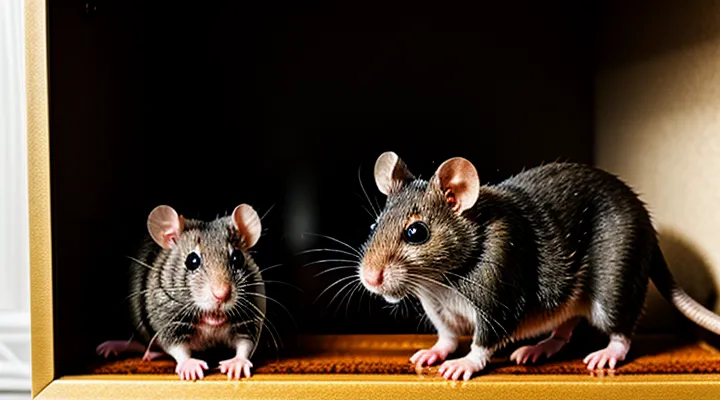
Introduction to Fancy Rats
Why Choose a Fancy Rat?
«Temperament and Social Behavior»
Fancy rats display high intelligence, rapid learning ability, and strong curiosity. They explore new objects, solve simple puzzles, and respond to consistent training cues. Their temperament remains calm when environments are predictable, yet they become stressed by sudden loud noises or abrupt handling.
Social dynamics revolve around a clear hierarchy within groups. Dominant individuals establish control through gentle posturing, while subordinates show submissive behavior such as grooming the leader. Regular interaction with conspecifics reduces anxiety, promotes grooming, and strengthens communal bonds. When introduced to humans, rats quickly form trust if handled gently and daily, often seeking contact by climbing onto laps or nibbling fingertips.
Key aspects of temperament and social behavior:
- Exploratory drive – frequent investigation of tunnels, chew toys, and climbing structures.
- Playful interaction – chasing, mock fighting, and gentle wrestling with cage mates.
- Grooming rituals – mutual cleaning reinforces hierarchy and reduces parasite load.
- Territorial marking – scent glands on the flank release odors to delineate personal space.
- Human bonding – consistent, calm handling encourages affection and reduces fear responses.
Providing a multi‑level cage, regular social companionship, and predictable routines aligns with the species’ innate behavior, supporting health and wellbeing.
«Intelligence and Trainability»
Fancy rats possess a high capacity for learning and memory. They navigate mazes, solve puzzles, and remember the location of food or shelter after a single exposure. Social interaction enhances cognitive development; observation of cage mates can lead to the adoption of new behaviors without direct instruction.
Training relies on consistent, positive reinforcement. Rewarded actions become repeatable, and rats can learn to respond to verbal cues, hand signals, and clicker sounds. Effective practice includes brief sessions, clear signals, and immediate treats.
- Begin with simple target training: present a small stick, reward the rat for touching it with its nose.
- Progress to recall: call the rat’s name, offer a treat when it approaches.
- Introduce basic tricks such as spin, stand, or fetch using a clicker to mark desired behavior.
- Maintain a routine of 5‑10 minutes per day, avoiding long or irregular sessions that can cause stress.
Basic Considerations Before Getting a Rat
«Time Commitment»
A pet fancy rat requires a predictable schedule to maintain health and behavior. Owners must allocate time each day for basic care, monitoring, and interaction; failure to do so leads to stress, illness, and reduced lifespan.
- Feeding: provide measured portions of high‑quality rodent pellets and fresh vegetables twice daily, typically morning and evening.
- Water: check and refill a clean bottle at least once a day to prevent dehydration.
- Cage cleaning: remove soiled bedding and spot‑clean waste daily; a full substrate change should occur weekly.
- Social interaction: engage the rat in handling, play, and exploration for 10–15 minutes per session, two to three times a day, to reinforce tameness and mental stimulation.
- Health observation: inspect eyes, ears, and coat during each interaction; note any signs of respiratory issues, sores, or abnormal behavior immediately.
Weekly tasks extend beyond daily routines. Replace all bedding, disinfect food bowls and water bottles, and inspect cage components for wear. Conduct a brief health check, weighing the rat to track growth and detect weight loss early.
Monthly commitments include a thorough cage overhaul—cleaning all surfaces, replacing chew toys, and rotating enrichment items to prevent boredom. Schedule a veterinary examination at least once a year, or sooner if symptoms appear. Planning these intervals ensures consistent attention without overwhelming the caregiver’s schedule.
«Financial Implications»
Owning a fancy rat entails measurable expenses that must be accounted for before acquisition. Initial outlays include the animal’s price, a secure enclosure, and essential accessories such as a water bottle, feeding dish, and hiding places. These items represent the baseline investment required to provide a safe environment.
- Cage or aquarium: $50–$150, depending on size and material.
- Bedding material: $5–$10 per week; bulk purchases lower the unit cost.
- Commercial rat diet: $15–$25 per month; supplements add $5–$10.
- Enrichment toys and tunnels: $10–$30 per set; replace periodically as wear occurs.
- Routine veterinary visits: $30–$50 per check‑up; vaccinations and parasite prevention increase the total.
- Emergency medical care: $100–$500, variable based on severity and treatment required.
Recurring costs dominate the budget, while one‑time purchases are amortized over the rat’s lifespan, typically two to three years. Planning for unexpected health issues prevents financial strain; setting aside a contingency fund of at least $200 is advisable.
Cost‑saving measures include purchasing bedding and food in bulk, repurposing safe household items for enrichment, and comparing veterinary service rates. Tracking monthly spending against a predefined budget ensures that the care of a fancy rat remains sustainable without compromising welfare.
Setting Up Your Rat's Environment
Choosing the Right Cage
«Minimum Size Requirements»
Providing sufficient living space is essential for the health and behavior of a domesticated fancy rat. Overcrowding leads to stress, increased aggression, and heightened risk of respiratory problems. A cage must allow unrestricted movement, climbing, and exploration.
The smallest acceptable enclosure offers at least 2 sq ft (≈0.19 m²) of floor area per rat, with a minimum height of 12 in (30 cm) to accommodate vertical activity. Wire flooring should be avoided; a solid base with a removable tray simplifies cleaning and prevents foot injuries. Materials must be sturdy, non‑toxic, and free of sharp edges.
When housing multiple rats, increase the floor area proportionally. Minimum dimensions for common group sizes are:
- One rat: 24 in × 12 in (≈61 cm × 30 cm) floor space, 12 in height.
- Two rats: 30 in × 18 in (≈76 cm × 46 cm) floor space, 12 in height.
- Three rats: 36 in × 24 in (≈91 cm × 61 cm) floor space, 12 in height.
Larger cages improve enrichment opportunities and reduce competition for resources. Selecting a cage that meets or exceeds these measurements ensures a comfortable, disease‑resistant environment for fancy rats.
«Bar Spacing Considerations»
When designing an enclosure for a pet rat, the distance between cage bars directly influences safety, comfort, and enrichment. Bars that are too widely spaced allow the animal to slip through, risking escape and injury. Conversely, excessively narrow gaps can restrict airflow and impede the placement of accessories such as tunnels and chew toys.
Ideal bar spacing falls within a range of ½ inch (12 mm) to ¾ inch (19 mm). This measurement prevents the rat’s head and paws from passing between bars while still providing ample ventilation. Stainless‑steel or powder‑coated wire is preferred for durability and ease of cleaning; ensure the coating does not chip, as exposed metal can cause cuts.
Key considerations include:
- Size of the rat: Larger breeds may require the upper limit of the spacing range to avoid discomfort.
- Cage height: Higher bars reduce the chance of the rat climbing out, especially in multi‑level setups.
- Accessory compatibility: Verify that hammocks, wheels, and platforms can be securely attached without forcing bars apart.
- Cleaning access: Bars should be spaced enough to allow a brush or vacuum nozzle to reach all corners.
Regular inspection of the cage framework is essential. Check for bent, corroded, or broken bars, and replace any compromised sections promptly. Maintaining the recommended spacing safeguards the animal’s well‑being and supports a hygienic, engaging environment.
«Cage Materials and Design»
Choosing a cage that supports the health and activity of a pet rat requires attention to material durability, hygiene, and structural layout.
Materials commonly used for rat enclosures include:
- Solid wood (e.g., untreated pine or maple) – offers natural insulation, must be sealed to prevent gnawing and moisture damage.
- High‑density polyethylene (HDPE) or acrylic – lightweight, easy to clean, resistant to chewing, but may crack under heavy impact.
- Stainless steel – provides superior strength and corrosion resistance; suitable for bars and frames but can be noisy when rats move.
- Tempered glass – allows clear observation, must be thick enough to withstand chewing; typically combined with a metal frame.
Design considerations focus on space, ventilation, and accessibility. The enclosure should provide at least 2 sq ft of floor area per rat, with a minimum height of 12 in to accommodate climbing. Mesh panels must have openings no larger than ¼ in to prevent escape while ensuring airflow. A solid base of removable, chew‑proof flooring (e.g., plastic or sealed wood) simplifies cleaning and reduces odor buildup.
Enrichment structures such as climbing ladders, tunnels, and hammocks should be securely attached to the cage frame. Doors and drawers need latch mechanisms that resist gnawing yet allow easy access for feeding and cleaning.
Regular maintenance involves weekly disassembly of removable components, thorough washing with mild detergent, and inspection for wear or damage. Replace compromised bars, panels, or seals promptly to maintain a safe environment.
Essential Cage Accessories
«Substrate Options and Safety»
Choosing a substrate that supports natural digging behavior while preventing health problems is a primary responsibility of any rat caretaker.
- Paper‑based bedding (e.g., shredded paper, cellulose pads) offers high absorbency, low dust, and easy removal of waste.
- Aspen shavings provide a dry, low‑scent environment; avoid pine or cedar because their aromatic oils irritate respiratory passages.
- Coconut fiber (coir) supplies a soft texture for burrowing; ensure it is untreated and free of mold.
- Fleece liners create a reusable surface that eliminates loose particles; regular laundering maintains hygiene.
Substrates that contain high levels of dust, sharp fragments, or toxic oils increase the risk of respiratory infection, skin abrasion, and gastrointestinal blockage if ingested. Loose granular materials such as sand or corn cob bedding may be swallowed and cause impaction.
Safety practices include:
- Selecting a material with minimal dust and no added fragrances.
- Providing a depth of 1–2 inches to allow digging without excess accumulation.
- Replacing soiled bedding at least twice weekly; sterilize reusable liners after each change.
- Inspecting the enclosure daily for signs of mold, clumping, or foreign objects.
Adhering to these guidelines protects respiratory health, prevents digestive complications, and encourages natural exploratory behavior.
«Food and Water Dispensers»
Food and water dispensers are essential tools for maintaining consistent nutrition and hydration for a pet fancy rat. Select devices that prevent spillage, limit bacterial growth, and allow easy access for the animal’s small paws and snout.
- Gravity‑fed water bottle with stainless‑steel nozzle; replace the bottle weekly and clean the nozzle with a bottle brush.
- Ceramic or heavy‑plastic bowl for water; position on a non‑slipping mat and change the water daily.
- Automated pellet dispenser with adjustable portion control; refill when the hopper is half empty to avoid over‑feeding.
- Small, shallow dish for fresh vegetables; rinse after each use to remove residue.
Placement influences health outcomes. Keep dispensers away from bedding to reduce contamination, but within the cage’s central area to encourage regular drinking and eating. Ensure the water source is at room temperature; avoid ice cubes or refrigerated water, which can cause discomfort. Regular inspection for cracks, leaks, or mold prevents illness and supports a stable environment for the rat’s daily routine.
«Hiding Spots and Enrichment»
Providing rats with secure hiding spots and varied enrichment is essential for their mental and physical health. A well‑designed enclosure should contain multiple refuges where the animal can withdraw from activity and feel safe. Ideal shelters include:
- Small wooden houses with a single entrance, positioned in a quiet corner.
- PVC tunnels or plastic tubes that mimic burrows; ensure smooth interior surfaces to prevent injuries.
- Fabric hammocks or fleece pouches hung low to the floor, offering a soft, enclosed space.
Each hideout must be anchored to prevent tipping, constructed from non‑toxic materials, and sized to allow the rat to turn comfortably. Rotate the location of shelters periodically to stimulate exploration and reduce territorial stress.
Enrichment items should complement hiding places and encourage natural behaviors:
- Chewable objects such as untreated wood blocks, natural twine, and cardboard rolls support dental health.
- Puzzle feeders that dispense treats when manipulated promote problem‑solving skills.
- Climbing structures—branch ladders, rope bridges, and angled platforms—increase vertical activity.
- Foraging opportunities created by scattering dried herbs, oats, or shredded paper encourage digging and searching.
Maintain a schedule for cleaning and inspecting all hides and toys. Remove soiled bedding, replace damaged items, and sanitize surfaces with a dilute, rodent‑safe disinfectant. Regularly assess each element for signs of wear to prevent injuries and sustain a stimulating environment.
«Toys and Climbing Structures»
Providing appropriate enrichment prevents boredom and promotes natural behavior in pet fancy rats. Toys and climbing structures supply opportunities for exploration, chewing, and exercise, which are critical for physiological health.
- Chewable wood blocks, untreated pine or apple wood
- Paper tubes, cardboard rolls, or paper towel rolls
- Plastic tunnels with smooth interior surfaces
- Small fabric balls or fleece knots for gentle manipulation
- Puzzle feeders that dispense treats when manipulated
Climbing apparatus should be sturdy, anchored securely, and constructed from safe materials. Wire cages benefit from horizontal ladders, angled ramps, and mesh platforms placed at varying heights. Ensure gaps are no larger than 0.5 cm to avoid accidental entrapment. Rotate items weekly to maintain novelty and reduce wear. Regular inspection for splinters, frayed fabric, or loose connections prevents injury.
Optimal Cage Placement
«Temperature and Humidity Control»
Maintaining stable temperature and humidity is critical for the health of a pet fancy rat. Sudden fluctuations can stress the animal’s respiratory and circulatory systems, leading to illness.
- Ideal ambient temperature: 68 °F – 75 °F (20 °C – 24 °C).
- Minimum temperature: 65 °F (18 °C) to prevent hypothermia.
- Maximum temperature: 80 °F (27 °C) to avoid overheating.
Relative humidity should stay within 40 % – 60 %. Levels below 30 % increase the risk of dry skin and respiratory irritation; levels above 70 % encourage mold growth and bacterial proliferation.
Use a digital thermometer and hygrometer placed at cage height to obtain accurate readings. If temperature deviates, employ a thermostatically controlled heating pad or a safe ceramic heater, ensuring the device does not contact the bedding. For humidity adjustments, a humidifier with an adjustable output can raise low levels, while a dehumidifier or increased ventilation reduces excess moisture. Regular calibration of monitoring devices prevents drift and ensures reliable data.
«Avoiding Drafts and Direct Sunlight»
Drafts and strong sunlight can cause stress, respiratory problems, and overheating in pet rats. Sudden temperature changes irritate the delicate respiratory lining, while prolonged exposure to direct rays raises body temperature beyond safe limits, leading to dehydration and heat stroke.
To eliminate drafts, place the cage away from exterior doors, windows, and air‑conditioning vents. Seal gaps beneath furniture or baseboards that allow cold air to circulate. Use a solid, insulated surface—such as a wooden board or thick cardboard—under the cage to block floor drafts. Ensure the cage’s enclosure is closed tightly, but maintain adequate ventilation through mesh that does not allow wind to blow directly onto the animal.
To protect against direct sunlight, locate the cage in a shaded area, preferably on a side wall without windows that face the sun. If natural light is unavoidable, install blinds or sheer curtains that filter intensity while still providing a day‑night rhythm. Avoid placing heat lamps, radiators, or other heat‑emitting devices near the cage, as they amplify the effect of sunlight and create hot spots.
Practical steps
- Position cage at least 1 meter from any open window or door.
- Cover gaps under the cage with a non‑slip mat or foam pad.
- Use blackout curtains or UV‑filtering film on windows that receive direct sun.
- Check temperature twice daily; ideal range is 18‑22 °C (64‑72 °F).
- Replace bedding if it becomes damp from condensation caused by drafts.
Following these measures maintains a stable microclimate, reduces health risks, and supports the overall well‑being of a fancy rat kept indoors.
«Minimizing Stressful Noises»
A quiet environment reduces physiological stress in pet rats, which are highly sensitive to sudden sounds. Consistent low‑level background noise, such as a white‑noise machine, masks abrupt household noises and helps maintain stable heart rates.
- Keep televisions, radios, and music at moderate volume; avoid sudden volume spikes.
- Place the cage in a room with minimal foot traffic and away from doors that slam.
- Use soft‑closing drawers and cabinets; install rubber pads on doors to dampen impact sounds.
- Schedule cleaning and feeding routines during quieter periods of the day to prevent unexpected disturbances.
- Provide a hide box or tunnel within the cage; the enclosed space offers acoustic shelter when external noises occur.
Regularly assess the acoustic landscape by noting the rat’s behavior after exposure to new sounds. Immediate signs of agitation—freezing, rapid breathing, or frantic movement—indicate a need for further noise mitigation. Implementing these measures creates a stable auditory setting that supports the animal’s well‑being.
Nutrition for Fancy Rats
Staple Diet
«High-Quality Rat Pellets»
High‑quality rat pellets provide a balanced source of protein, fiber, fat, vitamins, and minerals essential for the health of a domesticated fancy rat. The formulation typically contains 18–22 % protein from animal or plant origins, 4–6 % crude fiber to support digestive motility, and a controlled fat level (4–6 %) to prevent obesity while supplying necessary energy. Added vitamin A, D, E, and B‑complex nutrients, along with calcium and phosphorus in a 1.2 : 1 ratio, promote bone development, eye health, and immune function.
Key factors when selecting pellets:
- Ingredient list: primary protein source listed first, minimal fillers such as corn or wheat.
- Nutrient guarantees: explicit percentages for protein, fiber, and fat; inclusion of essential vitamins and minerals.
- Absence of artificial colors, flavors, or excessive sugars.
- Manufacturer reputation: evidence of quality‑control testing and compliance with pet‑food regulations.
Proper storage preserves nutrient integrity. Keep the bag sealed in a cool, dry place; transfer a portion to an airtight container for daily use. Exposure to humidity or heat accelerates rancidity, reducing palatability and nutritional value.
Feeding schedule should reflect the rat’s natural foraging behavior. Offer a measured portion (approximately 1 cup per 100 g body weight) at the start of the day, allowing the animal to consume as needed throughout daylight hours. Remove uneaten food after 24 hours to prevent spoilage and discourage overeating.
Consistent provision of premium pellets supports steady weight, healthy coat, and robust organ function. When combined with occasional fresh vegetables and occasional treats, pellets form the dietary cornerstone for a well‑cared fancy rat living indoors.
«Understanding Nutritional Labels»
Proper nutrition is essential for a pet fancy rat’s health, and the most reliable source of information is the product label. Labels disclose ingredient composition, nutrient percentages, caloric density, and any additives that could affect a rat’s digestive system or behavior. Accurate interpretation prevents deficiencies, obesity, and exposure to harmful substances.
Key elements to examine on every label:
- Ingredient list – presented in descending order by weight; prioritize whole grains, protein sources such as soy or animal meal, and avoid excessive fillers like corn or wheat gluten.
- Guaranteed analysis – shows minimum protein and fat levels, maximum fiber and ash; aim for at least 18 % protein and 5 % fat for adult rats, with fiber around 4–6 % to support gut motility.
- Caloric content – expressed as kcal per cup or gram; calculate daily intake based on the rat’s weight (approximately 30–40 g) to maintain a stable body condition.
- Additives and preservatives – identify artificial colors, flavors, or high‑salt additives; these should be absent or minimal.
- Expiration date – verify freshness; degraded fats can become rancid and toxic.
When evaluating a label, follow a systematic approach: confirm that protein meets the minimum threshold, check that fat and fiber fall within the recommended range, assess caloric density relative to the rat’s activity level, and ensure no prohibited additives are listed. Adjust portion sizes accordingly, and record any changes in weight or coat condition to verify that the chosen diet meets the animal’s nutritional needs.
Safe Fruits and Vegetables
«Daily Portions and Variety»
A well‑balanced diet is essential for the health of a pet fancy rat. Adult rats typically require 10–15 grams of dry food per day, divided into two equal meals. Juvenile rats need slightly more, about 15–20 grams, to support rapid growth. Measure portions with a kitchen scale to maintain consistency and prevent obesity.
Variety prevents nutritional gaps and encourages natural foraging behavior. Include the following groups in each day’s menu:
- A high‑quality pellet or mash formulated for rodents, providing protein, fiber, and essential vitamins.
- Fresh vegetables such as broccoli, carrots, or leafy greens; offer 1–2 tablespoons per rat, removing any uneaten pieces after 30 minutes.
- Small amounts of fruit (e.g., apple slices, berries) no more than a teaspoon per rat, due to sugar content.
- Occasional protein treats like cooked egg, plain boiled chicken, or mealworms, limited to one teaspoon per week.
- A constant supply of clean, fresh water, refreshed daily.
Monitor intake by observing the amount of food left after each feeding. Adjust portions if weight changes exceed 5 % of body mass over a month. Rotate vegetable choices weekly to expose the rat to different textures and nutrients, and limit high‑fat treats to maintain optimal body condition.
«Toxic Foods to Avoid»
When keeping a pet fancy rat, diet safety is essential. Certain foods contain compounds that can cause severe illness or death in these small rodents. Avoid offering any of the items listed below.
- Chocolate, cocoa powder, and products containing theobromine
- Caffeine‑containing beverages, coffee grounds, tea leaves, and energy drinks
- Alcoholic drinks and foods with added alcohol
- Raw or undercooked beans, especially kidney beans, which hold phytohemagglutinin
- Avocado flesh and pit, due to persin toxicity
- Citrus peels and large amounts of citrus fruit, which can irritate the gastrointestinal tract
- Onion, garlic, chives, and related Allium species, which damage red blood cells
- Processed meats high in salt, nitrates, or preservatives, such as bacon, ham, and hot dogs
- Sugary sweets, candy, and artificial sweeteners like xylitol, which can cause hypoglycemia and liver failure
- Moldy or spoiled foods, including bread and fruit, which may contain mycotoxins
Even small quantities of these substances can lead to vomiting, diarrhea, seizures, or organ failure. Replace them with safe staples: fresh vegetables (e.g., carrots, broccoli, leafy greens), high‑quality rat pellets, and occasional fruits like apple or banana in limited portions. Consistent monitoring of food intake and immediate removal of any suspect items protect the rat’s health and promote longevity.
Treats and Supplements
«Moderation in Feeding Treats»
Treats can enrich a fancy rat’s diet but excess quickly leads to weight gain, digestive upset, and reduced appetite for nutritionally balanced food. Maintaining a strict limit preserves health while allowing occasional pleasure.
- Offer treats no more than 5 % of total caloric intake per day.
- Limit individual treat portions to the size of a pea or smaller, depending on the rat’s body condition.
- Provide treats no more than three times per week; daily offerings increase the risk of obesity.
Select treats that complement the standard diet. Fresh vegetables such as carrots, broccoli, and bell peppers deliver fiber and vitamins without excessive calories. Small pieces of fruit—apple, banana, or berries—should be given sparingly because of natural sugars. Commercial rat treats must list whole‑food ingredients and contain minimal added fats or sugars; avoid products with artificial flavors, colors, or excessive preservatives.
Monitor each rat’s weight weekly. A stable or gradual decline in body mass indicates that treat limits are appropriate. If a rat shows signs of overweight—rounded abdomen, reduced mobility, or difficulty grooming—reduce treat frequency immediately and adjust portion sizes. Consistent observation ensures that treats remain a rewarding supplement rather than a health hazard.
«When are Supplements Necessary?»
Providing extra nutrients to a fancy rat is justified only when the regular diet fails to meet specific requirements. Common situations that demand supplementation include:
- Dietary gaps: Commercial blocks or pellets lack adequate calcium, vitamin D, or essential fatty acids for growing or lactating individuals.
- Medical conditions: Diagnosed deficiencies (e.g., iron‑deficiency anemia, hypocalcemia) or chronic illnesses (renal disease, gastrointestinal malabsorption) require targeted additives.
- Life‑stage needs: Juvenile rats undergoing rapid skeletal development, pregnant females, and seniors experiencing reduced appetite may benefit from fortified feeds.
- Environmental constraints: Rats kept exclusively on low‑fat or low‑protein formulas for weight management may need balanced supplements to avoid muscle loss.
When supplementation is deemed necessary, selection of products must follow veterinary advice. Preferred options are veterinary‑formulated powders or liquids that allow precise dosing based on body weight. Over‑the‑counter human supplements are unsuitable because of differing bioavailability and potential toxic ingredients.
Dosage guidelines typically recommend 0.1 ml of liquid supplement per 30 g of body weight, or a measured pinch of powder mixed into fresh food, administered once daily. Monitoring includes weekly weight checks and periodic blood work to verify that target levels are achieved without excess.
Unwarranted supplementation can cause hypervitaminosis, mineral imbalances, and gastrointestinal upset. Routine inclusion of vitamins or minerals without documented deficiency offers no health benefit and may compromise the animal’s natural metabolic regulation.
Health and Hygiene
Daily Care Routines
«Water and Food Replenishment»
Providing fresh water and appropriate food consistently is fundamental for a pet rat’s health. Water must be available at all times; a sturdy, tip‑proof bottle or a heavy ceramic bowl prevents spills. Replace the supply daily, and clean the container with mild soap and hot water at least once a week to inhibit bacterial growth.
A balanced diet combines a high‑quality commercial rat block with measured portions of fresh vegetables and occasional protein treats. Offer the block continuously, breaking it into pieces that fit the cage size to avoid waste. Fresh produce—such as carrots, broccoli, and leafy greens—should be washed, chopped, and presented in a separate dish each morning. Remove uneaten vegetables before they wilt to prevent mold. Protein sources, like boiled egg or cooked chicken, are limited to two–three small pieces per week.
Daily replenishment checklist
- Refill water container; inspect for contamination.
- Check that the block is intact and not crumbly; replace if necessary.
- Add fresh vegetable portion; discard leftovers after 24 hours.
- Record any changes in consumption patterns for health monitoring.
Consistent adherence to these practices sustains hydration, supplies essential nutrients, and supports overall well‑being for a domesticated fancy rat.
«Spot Cleaning the Cage»
Spot cleaning removes waste and soiled bedding before it contaminates the entire enclosure, preserving air quality and reducing the risk of illness.
Perform spot cleaning daily or whenever visible droppings, urine stains, or food debris appear. Prompt removal prevents bacterial growth and keeps the habitat comfortable for the animal.
Required items
- Clean, lint‑free cloth or paper towel
- Non‑toxic, pet‑safe disinfectant (e.g., diluted vinegar or a commercial rat‑safe cleaner)
- Fresh bedding material for the cleaned area
- Disposable gloves (optional)
Procedure
- Put on gloves if desired.
- Locate the soiled spot; move any toys or accessories aside.
- Use the cloth or paper towel to lift solid waste, discarding it in a sealed bag.
- Apply a small amount of disinfectant to the affected surface; let it sit for the manufacturer’s recommended contact time.
- Wipe the area with a clean, damp cloth to remove residue, then dry with a fresh towel.
- Replace the removed bedding with an equal amount of fresh material, ensuring an even layer.
- Return toys and accessories to their original positions.
After cleaning, inspect the cage for any remaining moisture or debris. Maintain a regular schedule of full cage cleaning weekly to complement daily spot cleaning, thereby supporting a stable, hygienic environment for a fancy rat.
Weekly and Monthly Maintenance
«Full Cage Cleaning Protocols»
Effective cage sanitation ensures a healthy environment for a pet rat and prevents disease transmission. Follow a structured cleaning routine each week, with a deeper sanitation cycle every month.
- Remove the rat and place it in a secure temporary enclosure.
- Discard all bedding and replace with fresh, absorbent material.
- Empty food dishes, water bottles, and treat containers; rinse with hot water.
- Scrape residual waste from the cage floor, walls, and accessories.
- Wash the cage, accessories, and any plastic components in hot, soapy water; use a brush to reach crevices.
- Rinse thoroughly to eliminate detergent residues.
- Disinfect with a rodent‑safe solution (e.g., a 10% diluted white vinegar or a commercial pet‑safe disinfectant); allow contact time per product instructions.
- Rinse again with clean water and dry completely with a lint‑free cloth or paper towel.
- Reassemble the cage, add fresh bedding, reinstall food and water containers, and return the rat.
Monthly deep cleaning adds these steps:
- Soak all plastic parts for at least 15 minutes in the disinfectant solution.
- Clean ventilation slats and any mesh screens with a small brush.
- Inspect the cage for wear, cracks, or rust; replace damaged components promptly.
Consistent execution of this protocol maintains optimal hygiene, supports the rat’s respiratory health, and reduces the risk of parasitic or bacterial infections.
«Bedding Changes»
Bedding directly affects a fancy rat’s respiratory health, temperature regulation, and comfort. Wet, soiled, or scented material can trigger sneezing, eye irritation, or stress, making regular replacement a critical component of proper care.
Replace bedding at least once every 3‑4 days, or sooner if visible dampness, clumps, or strong odor appear. Monitor the cage for signs such as increased grooming, nasal discharge, or reduced activity; these may indicate that the substrate has become unsuitable.
Safe bedding options include:
- Paper‑based pulp (e.g., shredded paper, kiln‑dried pine paper): low dust, absorbent, biodegradable.
- Aspen shavings: minimal aromatic oils, good absorbency.
- Untreated hemp or coconut fiber: natural, low‑dust, offers nesting material.
Avoid cedar, pine, or scented litters; volatile compounds and strong fragrances can damage delicate respiratory systems.
Cleaning procedure:
- Remove the rat and any accessories.
- Discard the used bedding in a sealed bag.
- Wipe the cage base with a mild, unscented detergent solution; rinse thoroughly.
- Dry all surfaces completely before adding fresh bedding.
- Return the rat and replace toys, hideouts, and food dishes.
Consistent bedding changes maintain hygiene, reduce pathogen load, and create a stable environment that supports the rat’s overall well‑being.
Recognizing Common Health Issues
«Signs of Illness and Distress»
Observing a pet rat’s health requires daily attention to subtle deviations from normal behavior. Any alteration in eating or drinking habits signals potential problems; reduced intake may precede weight loss or dehydration. A sudden decline in body condition, confirmed by a gentle pinch of the ribcage, warrants immediate veterinary assessment.
Respiratory disturbances appear as audible wheezing, open‑mouth breathing, or persistent sneezing. Nasal or ocular discharge, especially when thick or colored, indicates infection. Rapid, shallow breaths or audible crackles while the animal is at rest suggest lung involvement.
Digestive irregularities manifest through changes in stool consistency, frequency, or the presence of blood. Diarrhea, soft pellets, or a complete lack of feces over several hours can lead to severe dehydration. Excessive grooming, hair loss, or a matted coat reflect discomfort or skin infection.
Behavioral cues provide additional insight. Lethargy, reduced exploration, or a tendency to hide for extended periods often accompanies pain or systemic illness. Aggressive biting, trembling, or a hunched posture signal acute distress. Prompt documentation of these signs and consultation with a qualified veterinarian improve outcomes for a fancy rat receiving proper home care.
«Respiratory Problems»
Respiratory problems are a frequent health concern for domesticated fancy rats. They arise from bacterial, viral, or fungal infections, environmental irritants, and poor ventilation. Early detection and prompt intervention reduce the risk of chronic disease and death.
Typical clinical signs include:
- Nasal discharge, clear or purulent
- Labored or audible breathing
- Sneezing or wheezing
- Reduced activity or loss of appetite
- Facial swelling or crusted fur around the nose and eyes
Preventive measures focus on maintaining optimal housing conditions:
- Provide cages with sufficient airflow; avoid airtight enclosures.
- Keep bedding dust‑free; use paper or aspen shavings rather than pine or cedar.
- Regulate temperature between 65–75 °F (18–24 °C) and humidity below 60 %.
- Perform weekly cleaning of cages, food dishes, and water bottles.
- Quarantine new arrivals for at least two weeks and monitor for symptoms.
If respiratory signs appear, follow these steps:
- Isolate the affected rat to prevent spread.
- Observe temperature and weight; record any changes.
- Contact a veterinarian experienced with rodents; request a full examination, including possible radiographs and culture.
- Administer prescribed antibiotics, antifungals, or supportive care as directed.
- Continue monitoring until normal breathing resumes and appetite returns.
Recognizing the rapid progression of respiratory disease in rats is essential. Immediate veterinary attention combined with strict environmental control offers the best chance for recovery.
«Skin and Fur Issues»
Skin health is a primary indicator of a pet rat’s overall well‑being. Problems such as dryness, hair loss, scabs, and excessive grooming often signal underlying issues that require prompt attention.
Common skin and fur conditions include:
- Dry, flaky skin caused by low humidity or poor nutrition
- Localized hair loss resulting from parasites, trauma, or hormonal imbalance
- Dermatitis triggered by allergies, irritants, or bacterial infection
- Mite infestations that produce intense itching and visible crusts
- Fungal infections, especially in damp bedding, leading to circular patches of hair loss
- Over‑grooming that creates bald spots and skin irritation
Prevention relies on consistent environmental and dietary management. Maintain cage humidity between 45‑55 % to avoid excessive dryness. Choose bedding that is absorbent, dust‑free, and changed regularly to reduce bacterial growth. Provide a balanced diet rich in essential fatty acids, vitamin E, and protein to support coat integrity. Offer safe chew toys and grooming accessories to satisfy natural grooming behavior without damaging the skin.
Effective care steps:
- Inspect the rat’s coat daily for redness, bald patches, or abnormal secretions.
- Keep the cage clean; replace soiled bedding at least twice weekly.
- Adjust humidity with a household humidifier or a water bowl with a shallow dish of pebbles.
- Feed a high‑quality pellet supplemented with fresh vegetables and occasional omega‑3 sources such as linseed oil.
- Schedule routine veterinary examinations to catch early signs of parasitic or infectious disease.
When a condition appears, act promptly. Clean affected areas with a mild antiseptic solution, avoiding harsh chemicals. Apply veterinarian‑prescribed topical ointments or oral medications as directed. Monitor progress for at least seven days; if symptoms persist or spread, seek professional veterinary treatment without delay.
«Tumors and Abscesses»
Tumors and abscesses represent two of the most serious health concerns for pet rats kept in a domestic environment. Both conditions develop rapidly, can cause severe discomfort, and may require immediate veterinary intervention.
- Visible swelling on the head, flank, or limbs
- Rapid weight loss despite normal food intake
- Lethargy or reduced activity levels
- Discharge or foul odor from a wound
- Difficulty breathing or swallowing
Detection relies on thorough physical examination and, when necessary, imaging such as radiographs or ultrasound. Fine‑needle aspiration or biopsy provides definitive diagnosis and guides therapeutic decisions.
Surgical excision remains the primary treatment for accessible tumors, often combined with postoperative analgesia and antibiotics to prevent infection. Abscesses respond to drainage, thorough cleaning, and a course of appropriate antimicrobial agents. In cases where surgery is contraindicated, palliative care focuses on pain management and maintaining nutritional intake.
Preventive measures include regular health checks, a clean cage environment, and prompt treatment of injuries that could become infected. Monitoring for abnormal growths during routine handling enables early detection, improving the likelihood of successful outcomes.
Finding a Rat-Savvy Veterinarian
«Importance of Exotic Pet Vets»
Exotic‑pet veterinarians possess training that matches the unique physiology of fancy rats, enabling accurate diagnosis and treatment that general practitioners may miss. Their expertise covers common rat ailments such as respiratory infections, dental overgrowth, and skin parasites, as well as less frequent conditions like endocrine disorders and neoplasia.
Key advantages of consulting an exotic‑pet specialist:
- Precise interpretation of clinical signs specific to rodents.
- Access to laboratory tests validated for small mammals (e.g., blood chemistry panels, PCR for viral agents).
- Availability of medications formulated for low body weight and rapid metabolism.
- Guidance on preventive care schedules, including vaccination, deworming, and environmental enrichment.
Owners should verify credentials by confirming certification in exotic animal medicine, reviewing case histories, and checking affiliations with professional societies. Regular appointments, even when the rat appears healthy, allow early detection of subclinical issues and reinforce proper husbandry practices. Establishing a relationship with an experienced practitioner reduces emergency visits and supports long‑term wellbeing of the pet rat.
«Emergency Preparedness»
Emergency preparedness is essential for the well‑being of a pet rat. A sudden power outage, natural disaster, or health crisis can compromise food, water, temperature control, and safety. Establishing a clear plan reduces stress for both animal and caretaker.
A basic emergency kit should contain:
- Portable cage or travel carrier with secure latch
- Pre‑measured portion of high‑quality rat pellets (sealed to protect from moisture)
- Fresh water in a spill‑proof bottle or bottle‑top dispenser
- Heat source such as a small, battery‑operated heating pad with temperature regulator
- Small first‑aid supplies: sterile gauze, antiseptic wipes, and a vial of veterinary‑approved analgesic
- Copies of veterinary records, including vaccination dates and medication list
- Contact information for the nearest exotic‑pet veterinarian and an emergency shelter that accepts small rodents
The emergency plan must address three phases:
- Preparation – Store the kit in an easily accessible location, rotate food supplies monthly, and test battery‑powered devices for proper function.
- Response – During an incident, move the rat to the portable cage, secure the heat source, and provide water and food immediately. Keep the animal away from drafts, smoke, or chemicals.
- Recovery – After the immediate danger passes, monitor temperature, hydration, and behavior for at least 24 hours. Contact the veterinarian if signs of stress, respiratory distress, or abnormal stool appear.
Regular drills reinforce the procedure. Conduct a mock evacuation quarterly, noting the time required to assemble the kit and transport the rat safely. Adjust the plan based on observed bottlenecks, such as insufficient battery life or missing documentation.
By maintaining a stocked kit, a documented protocol, and periodic practice, caretakers ensure rapid, effective action when emergencies threaten the health of their fancy rat.
Socialization and Training
Bonding with Your Rat
«Handling Techniques»
Proper handling builds trust, reduces stress, and protects both the rat and the handler. Begin each session by ensuring a quiet environment, free of sudden noises and bright lights. Approach the cage calmly, extend a hand to allow the rat to sniff and become accustomed to your scent before attempting to lift.
- Positioning: Place the rat on a stable, non‑slippery surface such as a folded towel or a low‑profile tray.
- Grip: Use a gentle but secure hold. Slide one hand underneath the thorax, supporting the chest and abdomen, while the other hand stabilizes the hindquarters. Avoid gripping the tail or limbs.
- Support: Keep the rat’s body horizontal, distributing weight evenly across both hands. Maintain a light pressure that prevents the animal from slipping but does not compress the ribcage.
- Duration: Limit handling periods to 5–10 minutes for untrained rats; increase gradually as the animal shows confidence.
- Release: Lower the rat onto a familiar surface, allowing it to step off voluntarily. Observe for signs of agitation, such as rapid breathing or vocalizations, and adjust technique accordingly.
Consistent practice using these steps reinforces a calm demeanor in the rat, enabling easier veterinary examinations, grooming, and enrichment activities.
«Building Trust»
Establishing trust with a domestic fancy rat requires consistent, low‑stress interactions that respect the animal’s natural instincts. Begin each session by approaching the cage calmly, allowing the rat to observe without sudden movements. Offer treats from a fingertip to create a positive association with human contact.
- Place a hand inside the cage without reaching for the rat; keep the palm open and stationary for several seconds.
- Gently stroke the neck or back once the rat shows curiosity, avoiding the tail and hindquarters where many rats feel vulnerable.
- Introduce a short, quiet hand‑out session daily, gradually extending the duration as the rat remains relaxed.
- Use a soft voice and avoid loud noises; consistent auditory cues reinforce predictability.
- Reward calm behavior with small food items or a brief cuddle, then return the rat to its nest to prevent overstimulation.
Progression follows the rat’s willingness: a tentative sniff leads to a brief climb onto the hand, then to voluntary climbing onto the forearm. Maintain a routine, limit handling to brief intervals initially, and increase contact only when the rat exhibits relaxed posture and steady breathing. Over time, the rat will recognize the caretaker as a reliable source of safety and nourishment, resulting in a stable, cooperative relationship.
Enrichment and Playtime
«Out-of-Cage Exploration»
Providing a secure out‑of‑cage environment expands a fancy rat’s physical and mental capabilities. The enclosure should be opened only when the room is free of hazards such as exposed wires, small objects that can be swallowed, and open doors to other rooms. Supervision must be continuous; a rat left unattended can quickly become trapped or injured.
Key elements for a successful exploration session include:
- Safe flooring – Use a solid, non‑slippery surface; avoid rugs that can bunch up.
- Escape‑proof barriers – Close windows, block gaps under furniture, and secure any openings larger than a quarter of an inch.
- Enrichment items – Provide tunnels, chewable wood, and climbing structures to encourage natural behaviors.
- Cleanliness – Remove food crumbs and waste before allowing the rat out, reducing the risk of contamination.
A typical routine consists of a brief initial period of 10‑15 minutes, gradually extending to 30‑45 minutes as the rat becomes accustomed to the expanded space. During this time, observe the animal’s posture, grooming, and interaction with objects; signs of stress, such as excessive freezing or frantic movement, indicate the need to return the rat to its cage.
After each session, inspect the rat for injuries, clean the exploration area, and replenish fresh water and food in the cage. Consistent application of these practices ensures that out‑of‑cage exploration remains a beneficial component of home care for fancy rats.
«Interactive Toys and Games»
Interactive toys and games supply essential mental stimulation for pet fancy rats, preventing boredom and promoting natural foraging behavior. Regular engagement with varied enrichment reduces stress‑related habits and supports overall health.
Typical enrichment options include:
- Puzzle feeders that require the rat to manipulate levers or roll a ball to release treats.
- Chewable tunnels made from untreated hardwood, encouraging gnawing and exploration.
- Climbing ladders and platforms constructed from safe, non‑toxic plastic or rope, fostering agility.
- Activity wheels with solid surfaces to avoid foot injuries, calibrated for the rat’s size.
- Hide‑and‑seek boxes with removable lids, offering opportunities for nesting and concealment.
Safety guidelines demand that all items be free of sharp edges, detachable small parts, and toxic coatings. Materials should be easy to disinfect; regular cleaning removes saliva‑borne bacteria and prevents odor buildup. Size selection must allow the rat to pass comfortably without becoming trapped.
Effective enrichment programs rotate toys every one to two weeks, sustaining novelty and encouraging repeated problem‑solving. Observation of the rat’s interaction patterns helps identify preferred stimuli and detect early signs of discomfort or illness. Recording usage frequency assists in tailoring a balanced schedule that aligns with the animal’s activity cycle.
Basic Training
«Litter Training»
Litter training enables a fancy rat to use a designated area for elimination, reducing mess and supporting hygiene. Begin with a shallow, low‑profile litter box that fits comfortably under a cage shelf or in a corner of the enclosure. Choose a litter material that is absorbent, dust‑free, and safe for ingestion; paper‑based or kiln‑treated wood pellets meet these criteria.
Place the box where the rat naturally spends time, typically near food or nesting zones. Observe the animal’s behavior for signs of impending elimination—sniffing, circling, or squatting—and gently guide it into the box. Consistent placement and positive reinforcement, such as a brief petting session after successful use, strengthen the association.
- Use a small amount of litter (approximately one centimeter deep) to prevent spillage.
- Replace soiled litter daily; fully change the substrate weekly.
- Clean the box with mild, unscented soap and rinse thoroughly before refilling.
- Avoid clumping cat litter, scented products, or cedar shavings, which can cause respiratory irritation.
- If accidents occur outside the box, reposition the box closer to the incident site and repeat the guidance process.
Regular monitoring and prompt cleaning maintain a sanitary environment, minimize odor, and encourage the rat to continue using the designated area.
«Teaching Simple Tricks»
Training simple tricks enhances a fancy rat’s mental health and strengthens the human‑animal bond. Structured practice reduces stress, prevents boredom, and encourages safe interaction within the home environment.
Prepare a quiet area free of distractions. Conduct sessions when the rat is calm, typically after a meal. Use small, high‑value treats such as bits of fruit or specialized rodent rewards. A clicker or gentle hand signal provides clear communication.
- Select a single cue (e.g., “spin” or “target”).
- Present the cue and immediately reward the first correct response.
- Keep each session under five minutes to maintain focus.
- Repeat the cue‑reward cycle until the behavior occurs reliably on command.
- Introduce variations—longer duration, different locations—to generalize the trick.
Avoid forcing movements that could cause injury. Monitor for signs of fatigue; stop if the rat shows reluctance or excessive grooming. Ensure all equipment, such as tunnels or platforms used during training, is stable and free of sharp edges.
Maintain a consistent schedule, ideally daily, to reinforce learning. Record progress to identify patterns and adjust difficulty. Regular practice integrates the trick into the rat’s routine, contributing to overall well‑being and a harmonious household.
Responsible Rat Ownership
Understanding Rat Lifespan
«Average Lifespan and Factors Affecting It»
Fancy rats usually live between two and three years. Some individuals reach close to four years, while others may pass away earlier due to disease or poor care. Lifespan differences often reflect breed lines, with dwarf varieties tending toward the shorter end of the range.
Factors that influence longevity include:
- Genetic background: inherited health conditions can shorten life expectancy.
- Nutrition: balanced diets rich in protein, fiber, and essential vitamins support organ function.
- Housing conditions: clean cages, appropriate temperature (18‑24 °C), and safe bedding reduce infection risk.
- Veterinary care: regular health checks, prompt treatment of respiratory or skin issues, and vaccinations where available improve outcomes.
- Social environment: compatible companions lower stress levels; chronic stress elevates cortisol, weakening immunity.
- Reproductive status: breeding females experience higher mortality rates due to complications of pregnancy and lactation.
Owners should monitor weight, coat condition, and activity levels, schedule periodic veterinary examinations, and maintain consistent environmental standards to maximize the rat’s lifespan.
Considerations for Multiple Rats
«Benefits of Keeping Rats in Pairs or Groups»
Fancy rats are inherently social creatures; isolation can lead to anxiety, aggression, and health problems. Providing a companion or a small group satisfies their need for interaction and mirrors natural living conditions.
- Reduced stress levels, reflected by calmer behavior and lower cortisol readings.
- Enhanced mental stimulation through mutual grooming, play, and exploration.
- Decreased incidence of stereotypic behaviors such as bar‑biting or excessive chewing.
- Improved immune function, as social contact promotes healthier gut microbiota.
- More natural expression of species‑typical activities, including hierarchy formation and cooperative foraging.
When introducing additional rats, select individuals of similar age and temperament, allow gradual visual contact before full integration, and provide multiple feeding stations, water bottles, and shelters to prevent competition. Adequate cage size and enrichment items support the larger social group and prevent overcrowding.
«Introducing New Rats»
When a new rat joins an established group, the integration process must be managed to prevent stress and aggression. Begin by quarantining the newcomer for at least two weeks in a separate cage equipped with the same bedding, food, and enrichment items used for the resident rats. This period allows observation for signs of illness and gives the new rat time to adjust to its surroundings without immediate competition.
After quarantine, introduce the rats in a neutral arena—such as a clean playpen or a spare cage cleared of personal items. Place all animals together for short, supervised sessions lasting five to ten minutes. Monitor body language closely: raised fur, hissing, or lunging indicates that the interaction should end promptly. Gradually extend the duration of these sessions over several days, always returning the animals to their individual cages afterward.
Finalize the integration by moving the new rat into the main enclosure once the group shows calm, cooperative behavior during multiple neutral‑area meetings. Continue to provide multiple nesting spots, water bottles, and chew toys to reduce competition for resources. Regularly check for injuries or changes in weight to ensure the transition remains healthy for every member of the colony.
End-of-Life Care
«Recognizing Signs of Decline»
Monitoring a pet rat’s condition is essential for timely intervention. Early detection of deterioration prevents serious illness and improves recovery prospects.
Typical indicators of decline include:
- Reduced activity; the animal spends most of the day resting in one spot.
- Loss of appetite; the rat refuses familiar foods or eats significantly less.
- Diminished water intake; the bottle remains largely untouched.
- Unkempt fur; patches become dull, tangled, or missing.
- Weight loss; a noticeable decrease measured over consecutive weigh‑ins.
- Respiratory changes; audible wheezing, rapid breathing, or nasal discharge.
- Abnormal stool; diarrhea, constipation, or presence of blood.
- Behavioral shifts; increased aggression, fear of handling, or lethargic response to stimuli.
When any of these signs appear, follow a structured response:
- Verify observations by comparing with baseline behavior and recent health records.
- Weigh the rat and record the measurement for trend analysis.
- Examine the enclosure for temperature, humidity, and cleanliness issues that could exacerbate symptoms.
- Offer a variety of fresh, palatable foods and ensure the water source functions properly.
- Contact a veterinarian experienced with small rodents promptly, providing detailed notes on observed changes.
Consistent observation and rapid reaction to subtle health cues are the most reliable methods for maintaining the well‑being of a domesticated fancy rat.
«Comfort Care and Euthanasia Considerations»
Comfort care for a pet rat focuses on minimizing discomfort and preserving quality of life when illness or age limits normal activity. Provide a warm, draft‑free enclosure with soft bedding that can be changed frequently to keep the environment dry and odor‑free. Offer easily accessible water and high‑calorie foods such as soft pellets, cooked eggs, or commercial rat treats; adjust texture to accommodate dental or jaw problems. Monitor temperature, humidity, and noise levels to prevent stressors that exacerbate pain.
Pain management requires veterinary assessment and, when appropriate, administration of approved analgesics (e.g., meloxicam or buprenorphine) at the correct dosage. Regularly check for signs of distress: hunched posture, reduced grooming, vocalization, or reluctance to move. Adjust medication based on observed response, and keep detailed records of dosage, timing, and behavioral changes.
When deterioration becomes irreversible, euthanasia may be the humane option. Indicators include:
- Persistent inability to eat or drink despite assisted feeding
- Severe respiratory distress or uncontrolled bleeding
- Unmanageable pain despite maximum medical therapy
- Progressive neurological decline leading to loss of mobility and awareness
Decision making should involve the owner, a qualified veterinarian, and, if needed, an ethics consultant. Discuss prognosis, expected suffering, and the animal’s overall welfare before proceeding.
If euthanasia is chosen, follow established veterinary protocols: administer a pre‑euthanasia sedative to reduce anxiety, then deliver a barbiturate overdose intravenously or intraperitoneally. Verify death by checking for the absence of heartbeat and reflexes. Dispose of the body according to local regulations or arrange for cremation or burial, respecting the owner’s preferences.