
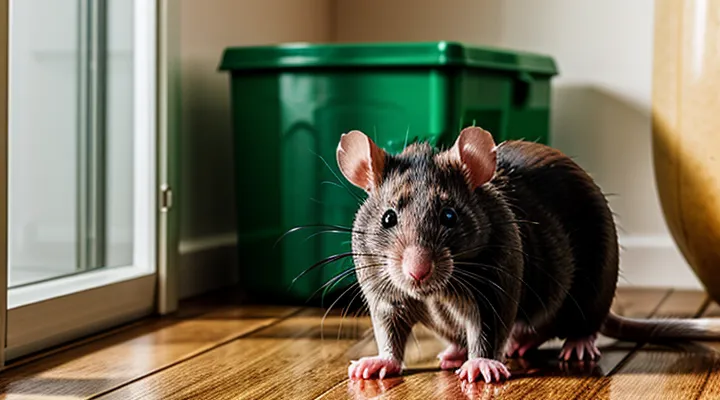
Understanding Rat Needs
Socialization and Environment
«Cage Requirements»
A suitable cage is essential for a healthy pet rat. The enclosure must provide enough space, proper ventilation, safe materials, and easy maintenance.
- Minimum floor area: 2 sq ft per rat; larger spaces reduce stress and promote activity.
- Height: at least 12 in to allow climbing and vertical enrichment.
- Bars: stainless steel or powder‑coated metal, spaced no more than ½ in to prevent escape.
- Flooring: solid base covered with a thin layer of paper bedding; avoid wire mesh that can cause foot injuries.
- Ventilation: multiple openings on opposite sides to ensure air flow without drafts.
- Escape prevention: secure latch and lock mechanism; inspect regularly for gaps.
- Enrichment fixtures: ramps, tunnels, and chewable toys attached securely to the cage interior.
- Cleaning: removable tray or bottom pan for waste; materials should withstand regular washing with mild detergent and water.
Providing these specifications creates a stable environment that supports the physical and behavioral needs of a pet rat.
«Enrichment and Toys»
Providing rats with appropriate enrichment reduces stress, encourages natural behaviors, and supports overall health. Items should be sized to prevent choking, free of toxic coatings, and sturdy enough to withstand chewing.
- Chewable objects: untreated wooden blocks, natural willow branches, and mineral chews. Rotate every few days to sustain interest.
- Climbing structures: woven baskets, PVC tubes, and multi‑level platforms. Secure to the cage to avoid collapse.
- Foraging opportunities: hide small food pieces in paper rolls, cardboard tubes, or commercially available puzzle feeders. Replace daily to maintain challenge.
- Sensory toys: fabric strips with different textures, scented safe herbs (e.g., mint or basil), and mirrors for visual stimulation. Clean after each use.
DIY options are cost‑effective and customizable. Use untreated pine or bamboo, cut to dimensions of 2–3 cm in diameter for tunnels, and sandpaper edges smooth. Avoid painted or varnished wood, as fumes can harm respiratory health.
Regular inspection is essential. Discard any toy showing sharp edges, splintering, or excessive wear. Clean washable items with warm water and mild, unscented soap; rinse thoroughly before returning to the cage.
A balanced enrichment program combines chewing, climbing, foraging, and sensory stimuli, refreshed on a weekly schedule. This approach promotes activity, mental agility, and a healthier living environment for the pet rat.
«Social Interaction»
Pet rats thrive on interaction with conspecifics; isolation often leads to anxiety, reduced grooming, and diminished appetite. Keeping at least two same‑sex individuals satisfies their innate need for social contact and stabilizes hierarchy, which in turn supports normal growth and immune function.
When adding a new rat to an existing group, follow a staged introduction:
- Place cages side by side with a solid barrier for visual and scent exchange, allowing 24‑48 hours of observation.
- Swap bedding between enclosures to transfer familiar odors.
- Introduce a neutral enclosure for brief supervised meetings, monitoring for aggressive posturing.
- Extend interaction periods gradually, increasing duration as tolerance improves.
Daily handling reinforces trust and reduces fear of human contact. Recommended practice:
- Approach the cage calmly, allowing the rat to sniff the hand.
- Offer a treat to encourage voluntary climbing onto the palm.
- Support the animal’s body with both hands, avoiding restraint of the tail.
- Limit each session to 5‑10 minutes, repeating several times per week.
Enrichment devices that promote cooperative play—such as tunnels, chew sticks, and multi‑level platforms—provide additional opportunities for interaction. Rotate items weekly to maintain novelty and prevent boredom.
Observe behavioral cues to assess social health. Indicators of harmonious interaction include mutual grooming, shared nesting, and quiet cohabitation. Persistent fighting, excessive vocalization, or solitary nesting signal stress; intervene by separating the individuals and re‑evaluating group composition.
Consistent social engagement, combined with proper introduction protocols and regular handling, forms a cornerstone of effective pet rat husbandry.
Nutrition
«Balanced Diet Essentials»
A balanced diet is fundamental for a pet rat’s health, growth, and longevity. Nutrient composition must meet the species’ high metabolic demands while preventing obesity and digestive disorders.
- Protein: 15‑20 % of the diet, sourced from high‑quality rodent pellets, cooked eggs, lean meat, or soy. Protein supports muscle development and immune function.
- Fiber: 5‑8 % of total intake, supplied by whole‑grain cereals, oat bran, and fresh vegetables such as carrots and broccoli. Adequate fiber promotes gut motility and reduces the risk of gastrointestinal blockages.
- Fat: 5‑7 % of calories, provided by small amounts of nuts, seeds, or a commercial rat fat supplement. Essential fatty acids aid skin health and hormone regulation.
- Vitamins and Minerals: Commercial pellets are formulated to deliver calcium, phosphorus, vitamin D, and B‑complex vitamins in appropriate ratios. Supplement with a vitamin C source (e.g., bell pepper) to offset the rat’s limited synthesis capability.
- Fresh Water: Continuous access to clean, filtered water prevents dehydration and kidney strain. Change daily and sanitize the bottle to avoid bacterial growth.
Feeding schedule should consist of two daily portions, divided evenly to mimic natural foraging behavior. Portion size depends on the rat’s age, weight, and activity level; a typical adult requires 20‑30 g of pellets plus 10‑15 g of fresh produce per day.
Safe food list includes: commercial rat pellets, cooked lean protein, leafy greens, carrots, peas, apples (without seeds), and small quantities of whole‑grain bread. Toxic items to exclude are: chocolate, caffeine, alcohol, raw beans, citrus peel, and high‑salt processed foods.
Regularly monitor body condition and adjust portions to maintain a lean physique. Sudden weight fluctuations indicate dietary imbalance and warrant veterinary assessment.
«Treats and Prohibited Foods»
Treats should complement a balanced rat diet, providing enrichment without compromising nutrition. Offer small amounts of fresh, low‑sugar foods that rats can safely digest.
- Fresh vegetables such as carrots, broccoli florets, and bell‑pepper strips
- Small pieces of fruit, limited to apple, pear, or berries, with seeds removed
- Whole grain crackers or plain rice cakes, broken into bite‑size pieces
- Unsalted nuts (e.g., almonds, peanuts) in very limited quantities
- Commercial rat treats formulated without added sugars or artificial ingredients
Limit treats to no more than 5 % of daily caloric intake and distribute them no more than three times per week. Monitor weight and adjust portions accordingly.
Foods that are toxic or hazardous must be excluded entirely:
- Chocolate, caffeine, and any products containing theobromine
- Citrus fruits (lemons, limes, oranges) and their juices
- Raw potatoes, especially green portions, and raw beans containing lectins
- Processed meats, salty snacks, and foods high in sodium
- Sugary sweets, candy, and artificial sweeteners such as xylitol
- Alcohol, nicotine, and any household chemicals
If a rat ingests a prohibited item, isolate the animal, observe for symptoms (vomiting, diarrhea, lethargy, tremors), and contact a veterinarian immediately. Prompt professional care reduces the risk of severe complications.
«Water Access»
Rats need uninterrupted access to fresh water; dehydration can develop within hours. Provide a reliable source that remains functional throughout the day and night.
- Use a sealed sipper bottle with a stainless‑steel or plastic nozzle; the design prevents spillage and contamination.
- Keep a shallow, heavy ceramic dish as a backup for young or ill rats that may struggle with a bottle.
- Position the water container away from food to avoid accidental soaking of pellets.
- Ensure the nozzle or dish is low enough for the rat to reach without strain.
Replace the water daily, clean the container at least once a week with warm, unscented soap, and rinse thoroughly to remove residues. Inspect bottles for cracks or leaks each time the cage is cleaned. Maintain room temperature between 18‑24 °C; avoid placing water sources near direct drafts or heat sources that could cause rapid cooling or overheating.
Monitor consumption by measuring the volume before and after a 24‑hour period. A drop of more than 20 % compared to the rat’s normal intake signals possible illness or equipment failure and requires immediate correction. Observe the rat’s behavior: frequent licking, dry mouth, or sunken eyes indicate insufficient hydration and demand prompt intervention.
Health and Wellness
Daily Care
«Grooming and Hygiene»
Regular grooming and hygiene are essential for a pet rat’s health, preventing skin infections, dental problems, and respiratory issues. Consistent care reduces stress and promotes a clean living environment.
- Trim nails once a month using small animal nail clippers; avoid cutting the quick, which appears as a pink line near the nail tip.
- Brush the coat weekly with a soft, pet‑safe brush to remove loose hair and distribute natural oils.
- Inspect ears and eyes daily; clear any debris with a damp cotton swab, never inserting the swab into the ear canal.
- Provide chew toys made of safe wood or mineral blocks to wear down continuously growing incisors and stimulate natural grooming behavior.
Maintain cage hygiene to control odor, parasites, and bacterial growth.
- Replace bedding entirely every two weeks; spot‑clean soiled areas daily.
- Wash food bowls, water bottles, and accessories with warm, unscented soap; rinse thoroughly before reuse.
- Use a mild disinfectant (e.g., diluted white vinegar) for monthly deep cleaning; rinse to remove residues.
- Remove uneaten food promptly to prevent mold and spoilage.
Establish a routine: daily spot cleaning, weekly grooming, and monthly deep sanitation. Record observations of coat condition, nail length, and any signs of irritation. Adjust the schedule if excessive shedding, overgrown nails, or persistent odors appear, ensuring prompt intervention before health complications develop.
«Health Checks»
Regular health examinations are a cornerstone of responsible rat ownership. Routine checks allow early detection of problems, reduce suffering, and extend lifespan.
- Observe the coat: smooth, glossy fur without bald patches or excessive shedding.
- Examine the eyes and ears: clear, bright eyes; ears free of discharge or crust.
- Inspect the nose and mouth: moist nasal passages, no ulcerations, teeth aligned without over‑growth.
- Feel the body: firm abdomen, no swellings, and normal weight for the rat’s size and age.
- Monitor behavior: alertness, normal grooming, consistent activity levels, and regular eating and drinking.
Perform a full visual and tactile assessment at least once a week. Record any deviations from the baseline and consult a veterinarian promptly if:
- Respiratory sounds such as wheezing or rattling.
- Persistent sneezing, nasal discharge, or watery eyes.
- Reduced appetite, weight loss, or excessive weight gain.
- Diarrhea, abnormal stool, or blood in feces.
- Lethargy, tremors, or unsteady gait.
Vaccinations are not required for rats, but a yearly veterinary check‑up provides professional evaluation, dental trimming if needed, and parasite control. Maintaining a detailed health log simplifies communication with the veterinarian and supports timely intervention.
«Common Health Issues»
Pet rats frequently develop respiratory infections, skin parasites, dental overgrowth, gastrointestinal disturbances, and tumors. Early detection and prompt treatment reduce suffering and improve longevity.
- Respiratory infection: Nasal discharge, sneezing, labored breathing signal bacterial or viral involvement. Provide a dry, well‑ventilated enclosure, keep bedding clean, and consult a veterinarian for antibiotics when symptoms appear.
- Skin parasites: Mange mites or fleas cause itching, hair loss, and skin lesions. Regularly inspect fur and skin, wash the cage weekly, and apply a veterinarian‑approved topical treatment if infestation is confirmed.
- Dental overgrowth: Rats’ incisors grow continuously; uneven wear leads to malocclusion, difficulty eating, and weight loss. Offer chew toys, wooden blocks, and fresh vegetables to encourage natural grinding. Schedule dental checks every few months.
- Gastrointestinal upset: Diarrhea, constipation, or bloating may result from dietary imbalance or infection. Provide high‑fiber pellets, limit sugary treats, and ensure constant access to fresh water. Veterinary evaluation is necessary for persistent issues.
- Tumors: Mammary and skin tumors are common in older rats. Perform routine palpation of the abdomen and skin; any abnormal masses should be examined by a veterinarian for possible surgical removal or palliative care.
Maintaining a stable environment, providing balanced nutrition, and performing regular health examinations form the core of effective rat health management. Prompt veterinary intervention at the first sign of disease maximizes recovery chances.
Veterinary Care
«Finding a Rat-Savvy Vet»
Finding a veterinarian with experience in rat health is essential for preventing disease, managing injuries, and ensuring long‑term wellbeing. Rats have unique anatomy and physiological responses that differ markedly from those of common companion animals, so a practitioner familiar with rodent medicine can provide accurate diagnoses and appropriate treatments.
To locate a qualified professional, follow these steps:
- Search online directories of veterinary associations; filter results by “exotic” or “small animal” specialties and include “rodent” or “rat” in the keywords.
- Contact local animal shelters, university veterinary programs, or rat‑owner clubs; request the names of veterinarians who have treated rats successfully.
- Review clinic websites for mentions of rat‑specific services, such as dental exams, parasite control, or surgical procedures.
- Verify credentials by confirming board certification or continuing‑education courses that cover exotic mammals.
When evaluating a potential clinic, consider the following criteria:
- Availability of a dedicated examination room equipped for small‑animal handling.
- Presence of diagnostic tools suitable for rats, such as high‑resolution imaging and micro‑surgical instruments.
- Staff proficiency in restraint techniques that minimize stress and injury.
- Clear communication about cost, treatment options, and follow‑up care.
Prepare for the appointment by gathering the rat’s medical history, including vaccination records, recent illnesses, diet, and any observed behavioral changes. Bring a portable carrier that allows easy access for examination. During the visit, ask specific questions about preventive care, recommended diet, and signs that warrant immediate attention. Establish a schedule for routine check‑ups to monitor growth, weight, and overall health.
«Regular Check-ups»
Regular veterinary examinations are essential for maintaining a healthy rat. Schedule a full health assessment at least once every six months; younger animals may require more frequent visits, while senior rats benefit from quarterly checks.
During each appointment, the veterinarian should:
- Evaluate body condition by palpating the abdomen and measuring weight.
- Inspect teeth for overgrowth, misalignment, or lesions.
- Examine eyes, ears, and nasal passages for discharge or irritation.
- Test for common parasites, including mites and intestinal worms.
- Review vaccination status and administer boosters if indicated.
Owners should prepare a concise health record that includes:
- Date of birth or estimated age.
- Weight trends over time.
- Recent illnesses, treatments, and medications.
- Observations of diet, activity level, and behavior changes.
When selecting a practitioner, prioritize clinics with experience in small‑animal exotic care. Request confirmation of the veterinarian’s familiarity with rodent anatomy and common rat ailments.
Early detection of problems such as respiratory infections, skin lesions, or dental issues relies on consistent monitoring and prompt veterinary attention. Maintaining a disciplined schedule of check-ups reduces the risk of chronic disease and extends the rat’s lifespan.
«Recognizing Emergency Signs»
Pet rats can deteriorate rapidly; early detection of critical conditions saves lives. Recognize the following emergency indicators and act immediately.
- Sudden lethargy or inability to move
- Labored breathing, wheezing, or open-mouth respiration
- Uncontrolled bleeding or obvious wounds
- Swelling of the abdomen, limbs, or face
- Seizures, tremors, or convulsions
- Persistent vomiting or diarrhoea with blood
- Extreme temperature fluctuation (cold extremities, shivering, or hyperthermia)
- Loss of appetite combined with rapid weight loss
- Disorientation, circling, or inability to balance
When any sign appears, isolate the rat, keep it warm but not overheated, and contact a veterinarian without delay. Provide the vet with details: onset time, observed symptoms, recent diet changes, and environmental factors. While awaiting professional help, avoid administering human medications; only offer fresh water if the animal can swallow safely.
Prompt recognition and swift veterinary intervention are the most effective strategies to prevent fatal outcomes in pet rats.
Behavioral Considerations
«Understanding Rat Body Language»
Rats communicate continuously through posture, ear position, whisker orientation, and vocalizations. Recognizing these cues allows owners to assess comfort, stress, and health, thereby improving daily care and preventing problems.
- Relaxed posture: limbs loosely folded, back flat, eyes partially open. Indicates contentment and readiness for interaction.
- Tense posture: back arched, tail lifted, fur bristled. Signals fear or pain; remove stimulus and observe for injury.
- Ear orientation: ears forward show curiosity; ears flattened against the head suggest anxiety.
- Whisker position: whiskers extended forward denote exploration; whiskers angled backward often accompany defensive behavior.
- Vocalizations: soft squeaks accompany grooming or social bonding; high‑pitched chattering appears during agitation or territorial disputes.
When a rat displays tension, reduce handling, provide a secure hideaway, and monitor for recurring signs. If relaxation cues dominate, increase enrichment activities such as tunnels or foraging toys. Sudden changes in body language, especially combined with reduced appetite or abnormal droppings, require veterinary evaluation.
Consistent observation of these non‑verbal signals integrates seamlessly into routine husbandry, ensuring that environmental adjustments and handling techniques align with the animal’s expressed needs.
«Handling and Training»
Effective handling establishes trust and reduces stress for a pet rat. Begin each session by approaching slowly, allowing the rat to sniff your hand before contact. Support the body with both palms, avoiding pressure on the spine. Limit initial handling to two‑three minutes, gradually extending duration as the animal becomes comfortable.
- Approach from the side, not from above.
- Offer a treat while the rat is on your palm.
- Keep movements smooth; sudden gestures may trigger flight response.
- Observe body language: ears flattened, tail twitching indicate discomfort.
Training focuses on shaping desired behaviors through consistent reinforcement. Use positive reinforcement exclusively; avoid punishment, which can cause fear and aggression. Target simple commands such as “come,” “stay,” and “target” by pairing a cue word with a treat delivered when the rat performs the action. Conduct short sessions (5‑10 minutes) several times daily, maintaining the same cue and reward to strengthen association.
- Select a distinct cue word for each behavior.
- Deliver a high‑value treat immediately after the correct response.
- End each session on a successful attempt to preserve motivation.
- Record progress to adjust difficulty and prevent regression.
«Addressing Problem Behaviors»
Pet rats may exhibit behaviors that interfere with a harmonious household, such as persistent chewing of cage bars, aggression toward humans or cage mates, inappropriate urination, and excessive nighttime vocalizations. Recognizing these patterns early prevents injury, property damage, and stress for both animal and owner.
Common problem behaviors include:
- Chewing beyond enrichment items, targeting cage structures or furniture.
- Biting during handling or when approached.
- Marking territory outside the designated litter area.
- Loud squeaking or gnawing during nocturnal hours.
Effective mitigation relies on three pillars: environment, nutrition, and interaction. A spacious cage equipped with chew‑safe toys, tunnels, and climbing platforms redirects oral activity toward appropriate objects. A balanced diet rich in fiber reduces oral fixation and promotes regular bowel movements, decreasing the urge to mark. Daily, gentle handling builds trust, lowers defensive responses, and establishes clear boundaries.
Targeted interventions:
- For destructive chewing, replace damaged bars with stainless steel mesh and rotate toys every few days to sustain novelty.
- To curb biting, pause handling at the first sign of tension, then resume with a calm voice and slow movements; reward calm behavior with treats.
- For inappropriate urination, confine the rat temporarily to a clean, litter‑filled section, reinforcing use of the litter with brief, positive reinforcement after each successful deposit.
- To lessen nocturnal noise, introduce a quiet enrichment schedule before dark periods, such as a brief play session, and ensure the cage is placed away from sleeping areas.
Continuous observation determines the efficacy of each measure. Record frequency and context of unwanted actions, adjust the environment or handling technique accordingly, and consult a veterinarian if behaviors persist despite modifications, as they may signal underlying health issues.