
The Basics of Rat Walking
Is It Possible?
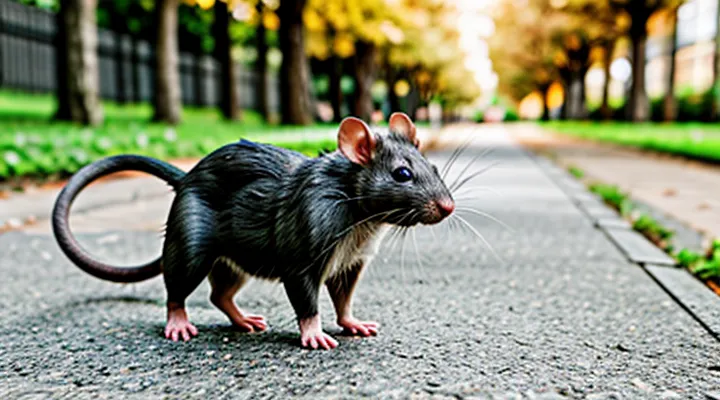
Walking a rat is technically feasible but requires specific conditions. Rats are small, agile mammals that respond to scent, sound, and tactile cues. Successful outings depend on the animal’s temperament, proper equipment, and a controlled environment.
Key requirements include:
- Leash system – a lightweight harness fitted securely around the rat’s torso, attached to a thin, retractable line. The harness must prevent escape without restricting breathing or movement.
- Training – repeated short sessions in a safe indoor area teach the rat to accept the harness and follow the handler’s cue. Positive reinforcement with treats accelerates learning.
- Safety – outdoor walks should occur on smooth, low‑traffic surfaces. Predators, toxic plants, and extreme temperatures present immediate risks.
- Health considerations – the rat must be free of respiratory or musculoskeletal issues. Regular veterinary checks verify suitability for harness use.
Behavioral factors influence success. Rats that are naturally curious and socialized to human contact adapt more readily. Conversely, highly stressed or solitary individuals may exhibit avoidance or panic, making walks impractical.
In summary, taking a rat for a walk is possible when the animal is healthy, acclimated to a harness, and the handler follows strict safety protocols. Without these elements, the practice poses unnecessary stress and health hazards.
Benefits of Walking Your Rat
Physical Exercise
Physical exercise for domesticated rats improves cardiovascular health, muscle tone, and behavioral stability. Regular locomotion stimulates natural foraging instincts while reducing stress‑induced aggression.
Common approaches include:
- Harness‑guided outdoor walks on a leash, allowing controlled exposure to varied terrain.
- Low‑speed treadmill sessions, calibrated to the animal’s stride length.
- Structured play arenas with elevated platforms and climbing structures to encourage voluntary movement.
Safety measures require a properly fitted, lightweight harness that prevents choking and distributes pressure evenly across the chest. The walking surface should be free of sharp objects, chemicals, and excessive temperature fluctuations. Observation of the rat’s gait and respiratory rate during activity helps detect early signs of fatigue or injury.
Implementation steps:
- Acclimate the rat to the harness in a quiet environment for several short sessions.
- Introduce the leash gradually, allowing the animal to explore while tethered indoors.
- Transition to brief outdoor walks, extending duration by 5‑10 minutes each session as stamina improves.
- Record distance covered, speed, and any behavioral changes to adjust the program accordingly.
Consistent, moderate‑intensity activity maintains physiological balance and enhances the animal’s quality of life.
Mental Stimulation
Walking rats provides a form of environmental enrichment that engages their cognitive abilities. Regular movement beyond the cage introduces novel stimuli, prompting problem‑solving, spatial navigation, and sensory exploration.
Mental stimulation during walks improves learning capacity, reduces stereotypic behaviors, and supports neural plasticity. Exposure to varied textures, scents, and obstacles challenges the animal’s perception and decision‑making processes.
Effective mental enrichment while walking rats includes:
- Introducing safe, interchangeable obstacles (e.g., tunnels, ramps) that require deliberate maneuvering.
- Incorporating scent trails using natural herbs or food extracts to encourage tracking behavior.
- Varying route patterns daily to prevent predictability and encourage route planning.
- Using interactive toys that release treats when manipulated, fostering cause‑and‑effect understanding.
- Scheduling brief, frequent sessions to maintain attention without inducing fatigue.
Observation of the rat’s response is essential. Indicators such as focused exploration, rapid problem resolution, and reduced repetitive pacing suggest successful stimulation. Adjust complexity or duration if signs of stress appear, ensuring the experience remains rewarding and safe.
Bonding Opportunities
Walking rats creates direct interaction that strengthens the human‑animal relationship. Regular outings expose the rodent to new stimuli while keeping the owner engaged, establishing a predictable pattern that both parties recognize.
Key bonding opportunities include:
- Physical guidance – holding the leash or harness gently directs the rat’s movement, reinforcing trust through tactile contact.
- Shared exploration – navigating outdoor or indoor pathways together encourages mutual curiosity, prompting the rat to follow the owner’s lead.
- Routine consistency – scheduling walks at the same time each day builds anticipation, allowing the animal to associate the activity with positive outcomes.
- Rewarded training – offering treats for calm behavior during walks links obedience with pleasure, reinforcing the bond.
- Eye contact – maintaining visual focus while walking signals attentiveness, fostering a sense of safety for the rat.
These mechanisms produce measurable improvements in the rat’s confidence and the owner’s sense of companionship. Consistent practice consolidates the connection, making walks a reliable method for deepening mutual trust.
Potential Risks and How to Mitigate Them
Escapes
Walking rats present unique challenges when they attempt to evade containment during guided movement. Their small size, agility, and instinctual drive to explore create multiple pathways for escape that must be anticipated and mitigated.
Effective prevention relies on three core measures:
- Secure harnesses: reinforced, quick‑release buckles that maintain tension without compromising the animal’s comfort.
- Controlled environment: enclosed tracks or tunnels with smooth walls and minimal gaps, eliminating footholds and hiding spots.
- Supervised handling: continuous observation by trained personnel, ready to intervene at the first sign of disengagement.
Common escape scenarios include:
- Harness failure due to overstretching or improper fitting, allowing the rat to slip free.
- Gap exploitation where the animal squeezes through openings smaller than its body width, exploiting its flexible spine.
- Distraction‑induced disengagement when external stimuli cause the rat to dart, pulling against the harness and breaking the connection.
Mitigation strategies focus on regular equipment inspection, precise measurement of the rat’s body dimensions before harness selection, and the use of transparent barriers that prevent visual distractions while allowing full visibility for the handler.
By integrating robust restraint systems, sealed pathways, and vigilant supervision, the likelihood of a rat escaping during a walking session can be reduced to a negligible level.
Predators
Walking domesticated rats in outdoor environments exposes them to natural predators that actively hunt small mammals. Predatory pressure influences both the behavior of the animals being walked and the safety protocols required by handlers.
Common predators include:
- Raptors such as hawks and owls, which locate prey from height and strike with rapid talons.
- Snakes, particularly constrictors and venomous species, that ambush rodents along ground cover.
- Feral and domestic cats, whose hunting instincts target moving silhouettes.
- Foxes, which pursue rodents through brush and open fields.
- Mustelids (weasels, ferrets, polecats), which enter burrows and chase surface foragers.
Predation risk rises with factors such as time of day, habitat density, and weather conditions. Dawn and dusk present heightened activity for many hunters; dense undergrowth offers concealment for ambushes, while clearings increase visibility to aerial predators. Handlers must assess these variables before each outing.
Mitigation measures consist of:
- Selecting routes with minimal exposure to known predator territories.
- Using protective carriers or reinforced leashes that prevent escape.
- Scheduling walks during periods of reduced predator activity, typically mid‑day.
- Maintaining vigilance for signs of predator presence, such as calls, tracks, or movement shadows.
Implementing these practices reduces loss incidents and supports the welfare of rats while they are exercised outdoors.
Injuries
Walking rats presents specific injury risks that require preventive measures. Common injuries include:
- Scratches and bites – caused by defensive reactions when a rat feels threatened; can transmit bacterial infections such as Streptobacillus moniliformis.
- Allergic dermatitis – skin irritation from rat urine, saliva, or dander; symptoms range from mild redness to severe eczema.
- Musculoskeletal strain – results from lifting or supporting a rat for prolonged periods; improper posture may lead to back or shoulder pain.
- Eye irritation – accidental contact with rat secretions can cause conjunctivitis; immediate flushing reduces damage.
Effective mitigation strategies:
- Wear puncture‑resistant gloves and protective eyewear during handling.
- Use a harness or carrier designed for small rodents to distribute weight evenly.
- Maintain a clean environment; disinfect surfaces and wash hands after each interaction.
- Conduct a brief health assessment of each rat before walking to identify wounds or parasites.
Prompt treatment of injuries involves cleaning wounds with antiseptic solution, applying appropriate topical antibiotics, and seeking veterinary care for severe bites or systemic symptoms. Documentation of each incident supports health monitoring and improves handling protocols.
Preparations and Best Practices
Essential Equipment
Harnesses and Leashes
Harnesses designed for small rodents provide secure attachment points while distributing pressure across the animal’s torso. Common designs include:
- Figure‑eight harnesses with adjustable straps that encircle the chest and back.
- Vest‑style harnesses with padded panels to prevent chafing.
- Loop‑through harnesses that attach a single leash to a central ring.
Proper fit requires the harness to be snug enough to prevent slipping but loose enough to allow natural movement. Measure the rat’s chest circumference, add approximately 10 % for adjustment, and test by gently pulling forward; the harness should stay in place without restricting breathing.
Leash selection influences control and comfort. Recommended materials are lightweight nylon or cotton cords with a 2‑inch (5 cm) length, terminating in a quick‑release snap. Excessively long leashes increase the risk of entanglement; a length of 12‑18 inches (30‑45 cm) balances freedom and safety.
Training begins with short, indoor sessions. Attach the leash to the harness, allow the rat to explore while supervised, and reward calm behavior with treats. Gradually introduce outdoor environments, maintaining a low‑profile harness and monitoring for signs of stress such as excessive grooming or rapid breathing. Consistent, brief outings build confidence without compromising the animal’s welfare.
Carriers
Carriers designed for the activity of walking rats must combine durability, ventilation, and secure containment. The primary function of these devices is to support the animal’s movement while preventing escape and minimizing stress.
Key design elements include:
- Reinforced frame that resists bending under the weight of active rodents.
- Mesh panels or perforated fabric that allow airflow and visual contact.
- Adjustable straps or harnesses that distribute pressure evenly across the body.
- Quick-release mechanisms for emergency removal.
Materials such as lightweight aluminum or high‑strength polymers reduce overall weight, enabling the handler to maintain balance during extended walks. Padding at contact points prevents chafing, while removable liners simplify cleaning and reduce odor buildup.
Safety considerations dictate that carriers be tested for structural integrity after each use. Inspection should focus on joint connections, strap wear, and mesh integrity. Any signs of damage require immediate replacement to avoid accidental release.
Training protocols recommend gradual acclimation. Begin with short, stationary sessions where the rat explores the carrier while secured. Progress to brief walks on flat surfaces, increasing duration as the animal shows comfort. Monitoring for signs of distress—such as excessive vocalization or rapid breathing—allows prompt intervention.
Maintenance routines involve:
- Disassembling removable components after each session.
- Washing with mild, animal‑safe detergent and rinsing thoroughly.
- Air‑drying before reassembly to prevent mold growth.
By adhering to these specifications, carriers provide a reliable solution for safely transporting rats during walking activities, ensuring both animal welfare and handler confidence.
Treats
Treats serve as primary motivators when encouraging rats to walk on a leash or harness. Consistent use of appropriate rewards establishes a clear association between the walking activity and a positive outcome, facilitating reliable compliance.
Typical rat treats include:
- Small pieces of fresh fruit (apple, banana, berries)
- Commercial rodent pellets formulated for high palatability
- Soft, low‑fat cheese cubes
- Freeze‑dried insect larvae (e.g., mealworms)
Selection criteria focus on safety and nutritional balance. Choose items low in sugar, free from artificial additives, and sized to prevent choking. Avoid foods toxic to rodents, such as chocolate, caffeine, citrus peels, and raw onions.
Timing influences effectiveness. Offer a treat immediately after each successful step, then gradually extend the interval to reinforce sustained walking. Maintain a predictable schedule: three to five rewards per session, with total caloric contribution limited to 5 % of the rat’s daily intake.
Regularly rotate treat varieties to prevent habituation. Record preferred flavors and any adverse reactions, adjusting the reward plan accordingly. This systematic approach maximizes engagement while preserving the animal’s health.
Training Your Rat to Walk
Positive Reinforcement Techniques
Positive reinforcement is the most reliable method for teaching a rat to tolerate a leash. The animal learns to associate the harness and leash with rewarding outcomes, which reduces stress and encourages cooperation.
Begin with short sessions in a quiet environment. Offer a preferred treat each time the rat approaches the harness, then again when it allows the harness to be placed. After the harness is secured, present a treat for the first few steps taken on a flat surface. Repeat this pattern until the rat moves voluntarily while the leash remains slack.
Key techniques:
- Treat‑timed approach – deliver a treat the moment the rat contacts the harness or leash.
- Clicker cue – use a click sound to mark the exact behavior that earned the treat, creating a clear association.
- Gradual distance increase – start with a few inches from the handler, then extend the leash length by a few centimeters each session.
- Variable reward schedule – after the initial learning phase, provide treats intermittently to maintain motivation without creating dependency.
- Positive environment – keep the training area free of loud noises and sudden movements to prevent fear responses.
Safety considerations include selecting a lightweight, adjustable harness that fits snugly without restricting breathing, checking the leash for knots, and supervising the rat at all times to prevent entanglement or escape.
Consistent application of these reinforcement strategies results in a rat that willingly walks beside its handler, demonstrating both confidence and responsiveness.
Gradual Introduction to the Harness
Training rats to walk while wearing a harness requires a methodical approach that minimizes stress and maximizes compliance. The process begins with selection of a properly sized, lightweight harness designed for small rodents. The harness must allow free movement of the limbs and chest while preventing escape.
Step‑by‑step introduction
- Acclimation phase – Place the empty harness in the cage for several hours. Allow the rat to investigate the object without any restraint.
- Partial fitting – Gently slip the harness over the rat’s head and shoulders, leaving the straps loose. Hold the animal for 30‑60 seconds, then remove the harness. Repeat this cycle three times daily for two days.
- Secure adjustment – Reduce strap slack incrementally, ensuring the harness remains snug but not restrictive. Observe the rat’s gait for signs of discomfort; adjust as needed.
- Brief walking sessions – Attach a short leash and guide the rat across a safe, flat surface for 1‑2 minutes. Increase duration by one minute each session, up to a maximum of ten minutes.
- Monitoring – Record weight, coat condition, and behavior after each session. Discontinue use if the rat exhibits persistent agitation, skin irritation, or restricted breathing.
The gradual escalation from passive exposure to active walking builds confidence in both animal and handler. Consistent reinforcement of calm behavior, combined with regular health checks, ensures the harness becomes a reliable tool for controlled locomotion training.
Short Practice Sessions
Short practice sessions are essential for teaching rats to walk on a leash. Each session should last no more than five minutes to keep the animal focused and prevent stress. Begin with a calm environment, attach a lightweight harness, and let the rat explore the immediate area without pulling. Reward any forward movement with a treat and gentle verbal encouragement.
Key elements of an effective session:
- Duration: 3–5 minutes, repeated several times daily.
- Frequency: Consistent schedule, ideally every morning and evening.
- Equipment: Adjustable harness designed for small rodents, short leash for control.
- Reinforcement: Immediate food reward or brief petting when the rat takes a step forward.
- Progression: Gradually increase the distance covered before offering a reward.
After each session, detach the harness and allow the rat to rest. Record observations such as responsiveness to the leash, signs of fatigue, and willingness to move forward. Adjust session length or reward timing based on the recorded data. Over weeks, the rat will associate the harness and leash with a predictable routine, leading to smoother walks and reduced anxiety.
Choosing the Right Environment
Safe and Secure Locations
When planning a rat‑walking outing, the environment must protect both the animal and the handler. Choose sites that meet the following criteria:
- Solid, non‑slippery flooring such as concrete, sealed wood, or rubberized mats. These surfaces prevent accidental slips and allow easy cleaning.
- Enclosed perimeter, either by walls, fences, or temporary barriers, to stop the rat from escaping and to keep predators away.
- Temperature control within the rat’s thermoneutral zone (18‑26 °C). Use indoor spaces with climate regulation or shaded outdoor areas during moderate weather.
- Low ambient noise and limited foot traffic. Quiet settings reduce stress and minimize the risk of sudden movements that could startle the rat.
- Easy access to a hand‑washing station and disinfectant supplies. Immediate sanitation after handling limits pathogen transmission.
- Absence of toxic substances, open flames, or sharp objects. Inspect the area for chemicals, exposed wires, and protruding nails before the session.
Indoor options that satisfy these requirements include laboratory animal rooms, small conference rooms with removable furniture, and dedicated pet‑care facilities. Outdoor alternatives consist of fenced garden plots, covered patios with non‑slip decking, and secure greenhouse aisles.
Before each session, verify that the chosen location complies with local animal‑welfare regulations and that all participants have received brief safety training. Consistent adherence to these standards ensures a controlled environment for rat walking activities.
Avoiding Busy Areas
Walking rats requires a deliberate route selection that minimizes exposure to high‑traffic zones. Crowded sidewalks, bustling market stalls, and busy intersections increase the likelihood of accidental contact, startled animals, and unpredictable obstacles, all of which can compromise both the rat’s safety and the handler’s control.
Key reasons to steer clear of congested areas include:
- Reduced risk of sudden noise or movement that may cause the rat to dart.
- Lower probability of accidental tripping or collisions with other pedestrians.
- Easier maintenance of a consistent pace, which helps the animal stay calm.
- Enhanced visibility for the handler, allowing quicker response to hazards.
Practical steps for avoiding busy zones:
- Survey the intended path in advance; identify quieter side streets, parks, or pedestrian‑only corridors.
- Schedule walks during off‑peak hours, such as early morning or late evening, when foot traffic diminishes.
- Use a lightweight, breathable harness that permits swift direction changes without hindering the rat’s movement.
- Keep the leash short enough to maintain close proximity, yet long enough to allow natural exploration.
- Observe surrounding activity continuously; pause or reroute if unexpected crowds emerge.
Adhering to these guidelines ensures a smoother, safer experience for both the rat and its caretaker, while preserving the purpose of the walk without unnecessary disruptions.
Weather Considerations
When planning an outdoor walk for a pet rat, assess the current weather to prevent stress or injury.
- Temperature: Ideal range 65–75 °F (18–24 °C). Below 50 °F (10 °C) risk of hypothermia; above 85 °F (29 °C) risk of overheating.
- Humidity: Keep relative humidity between 30 % and 60 %. High moisture encourages skin irritation and fungal growth.
- Precipitation: Avoid rain, snow, or heavy mist. Wet fur loses insulation, leading to rapid body‑temperature loss.
- Wind: Light breezes are acceptable. Winds exceeding 15 mph (24 km/h) can disorient rats and increase heat loss.
- Sun exposure: Direct sunlight for more than a few minutes raises core temperature. Provide shade or a covered pathway.
- Air quality: Monitor for smoke, strong odors, or chemical fumes. Respiratory irritation can develop quickly in small mammals.
Choose a time of day when conditions remain stable, typically early morning or late afternoon. Carry a portable carrier or blanket for sudden temperature shifts. After the walk, dry the animal thoroughly and return it to a controlled indoor environment.
What to Do During the Walk
Monitoring Your Rat's Behavior
Monitoring your rat’s behavior is essential for evaluating the success of leash training and ensuring animal welfare. Consistent observation provides data on stress levels, social interactions, and adaptation to outdoor environments.
Key indicators to record include:
- Posture: relaxed spine, ears forward, tail steady versus crouched or rigid.
- Locomotion: smooth stride, willingness to explore, hesitation at obstacles.
- Vocalizations: soft squeaks indicating curiosity, high-pitched cries suggesting fear.
- Grooming: regular self‑cleaning reflects comfort; excessive grooming may signal anxiety.
- Elimination patterns: normal urination and defecation locations, absence of accidents inside the carrier.
Effective monitoring methods:
- Video documentation: mount a lightweight camera on the harness to capture real‑time movement and facial expressions.
- Behavioral log: note time stamps for each indicator, environmental conditions, and handler responses.
- Physiological checks: measure heart rate with a small sensor, record body temperature before and after walks.
Frequency and duration matter. Conduct baseline observations in a familiar enclosure for at least 10 minutes daily. During outdoor sessions, extend monitoring to the entire walk, typically 15–30 minutes, and repeat three times per week. Compare data across sessions to detect trends.
Interpretation guidelines:
- Consistent relaxed posture and steady locomotion indicate successful acclimation.
- Sudden spikes in high‑frequency vocalizations or abrupt stops suggest acute stress; reduce exposure and reassess harness fit.
- Increased grooming or litter box avoidance may reveal chronic discomfort; consult a veterinarian.
By applying systematic observation, owners can adjust training protocols, prevent health issues, and enhance the overall experience of taking rats outdoors.
Recognizing Signs of Stress or Discomfort
Observing a rat’s behavior during harness walking provides the most reliable indicator of stress or discomfort. Sudden changes in posture, vocalizations, and movement patterns signal that the animal is not coping with the activity.
Typical signs include:
- Hunched back or lowered spine
- Rapid, shallow breathing
- Teeth chattering or squeaking
- Excessive grooming or licking of the harness
- Attempts to escape or vigorous scratching at the harness
- Freezing or refusal to move forward
- Tail flicking or twitching
Physiological cues supplement visual assessment:
- Elevated heart rate detectable by a stethoscope or pulse sensor
- Increased body temperature measured with a infrared thermometer
- Dilated pupils observable with a small flashlight
When any of these indicators appear, stop the walk immediately. Allow the rat to rest in a quiet, familiar enclosure for at least ten minutes before attempting further handling. Re‑evaluate harness fit, ensure the leash is slack, and confirm that the walking surface is non‑slippery and free of obstacles. Repeated stress signs warrant a review of the training protocol and possible consultation with a veterinarian experienced in rodent care.
Keeping Walks Short and Enjoyable
Walking rats can be a rewarding activity when the outings are brief and pleasant. Short walks reduce stress, maintain the animal’s natural curiosity, and prevent fatigue. A concise route also minimizes exposure to predators, temperature extremes, and environmental hazards.
Key practices for concise, enjoyable walks include:
- Limit duration: Aim for 5–10 minutes per session, adjusting based on the rat’s energy level and age.
- Choose safe terrain: Use a flat, quiet surface free of loose debris, sharp objects, and strong scents.
- Secure harness: Fit a lightweight, escape‑proof harness that distributes pressure evenly across the chest.
- Monitor behavior: Observe signs of agitation, such as rapid breathing or frantic movement, and end the walk immediately.
- Provide enrichment: Introduce small, novel objects (e.g., a twig or textured pad) to stimulate exploration without extending the route.
Consistent scheduling reinforces confidence. Conduct walks at the same time each day, preferably during the rat’s active period in the early evening. Gradually increase the distance by a few centimeters per session, never exceeding the 10‑minute limit unless the animal shows sustained calmness and interest.
After each outing, inspect the harness, clean the walking area, and offer fresh water and a nutritious snack. These steps close the experience positively, encouraging the rat to anticipate future walks and reinforcing a healthy, enjoyable routine.
Advanced Considerations
Troubleshooting Common Issues
Rat Refusing to Walk
Rats may decline to move when presented with a leash or harness, a behavior that can impede handling, transport, and enrichment activities. The refusal often stems from discomfort, fear, or physiological issues.
Common causes include:
- Ill-fitting equipment that restricts breathing or limb motion.
- Recent injury, joint pain, or neurological impairment.
- Lack of habituation to the tactile sensation of a harness.
- Elevated stress levels due to unfamiliar environment or handling technique.
Assessment should begin with a physical examination. Check for swelling, limping, or abnormal gait. Observe the animal’s reaction to the harness without attachment; a calm acceptance suggests equipment is suitable, while tension or vocalization indicates distress.
If equipment is appropriate and health concerns are ruled out, gradual desensitization can encourage walking:
- Introduce the harness in short, positive sessions lasting 1–2 minutes, pairing it with a preferred treat.
- Allow the rat to explore the harness while stationary, rewarding calm behavior.
- Attach a lightweight leash and let the rat drag it briefly on a secure surface, reinforcing with treats when the leash remains slack.
- Progress to guided steps, gently nudging the rat forward while maintaining a loose leash.
- Increase duration and distance only after the rat consistently follows without resistance.
Consistent, low‑stress exposure coupled with proper equipment typically resolves walking refusal. Persistent avoidance after several weeks warrants veterinary evaluation to exclude underlying medical conditions.
Escaping the Harness
The harness is a lightweight, adjustable device that secures a rat while it is guided on a leash, preventing injury and loss during outdoor excursions. Proper fit, breathable material, and quick-release mechanisms are essential to maintain the animal’s comfort and safety.
Escaping the harness must be intentional, controlled, and brief. Release the quick‑release clasp only when the rat is in a secure, enclosed area or under direct supervision. Immediately observe the animal’s behavior for signs of stress or disorientation, and be prepared to re‑secure it within seconds.
Key steps for a safe escape procedure:
- Verify that the surrounding environment is free of hazards such as traffic, predators, or sharp objects.
- Activate the quick‑release clasp while holding the leash firmly to prevent the rat from running away.
- Allow the rat a few seconds of unrestricted movement to relieve tension and stretch.
- Re‑engage the clasp swiftly, ensuring the harness returns to its original snug position.
- Conduct a brief health check, confirming that the harness has not caused abrasions or irritation.
Consistent practice of this routine builds trust between handler and rat, reduces stress during walks, and preserves the integrity of the equipment.
Reactivity to New Environments
Rats that are trained for leash walking encounter novel surroundings frequently, and their physiological and behavioral reactions determine safety and welfare during the activity. Immediate indicators include elevated heart rate, rapid respiration, and heightened vigilance, observable through ear position, whisker orientation, and tail stiffness.
Exploratory behavior emerges when environmental stress diminishes. Initial avoidance gives way to controlled investigation, reflected in forward locomotion, sniffing, and intermittent pauses. Repeated exposure reduces cortisol spikes, stabilizes autonomic responses, and increases willingness to follow handler cues.
Factors that shape reactivity to new settings:
- Ambient noise level
- Lighting intensity and contrast
- Surface texture and traction
- Presence of unfamiliar scents or conspecifics
- Duration of exposure before leash attachment
Effective management combines gradual desensitization, low‑intensity stimuli, and consistent reinforcement. Begin with short, quiet spaces, then incrementally introduce complexity while monitoring physiological markers. Consistent handling patterns and predictable cue timing further diminish stress, enabling reliable leash walking performance.
When Not to Walk Your Rat
Illness or Injury
Walking pet rats outdoors introduces specific health challenges. Environmental exposure can trigger or exacerbate diseases that are uncommon in indoor settings.
- Respiratory infections such as Mycoplasma pulmonis and viral pneumonia increase with dust, pollen, and temperature fluctuations.
- Parasitic infestations, including external mites and internal helminths, become more likely when contact with soil or other animals occurs.
- Zoonotic pathogens like Leptospira and Salmonella may be transmitted through contaminated water or surfaces.
Physical trauma is another frequent risk when rats are leashed or guided on uneven terrain.
- Tendon or ligament strains result from sudden pulls on a harness.
- Footpad abrasions develop on rough ground or when cages are left open.
- Dental injuries can arise if the animal chews on inappropriate objects during the walk.
Preventive actions reduce illness and injury rates.
- Use a lightweight, well‑fitted harness that distributes pressure evenly across the chest.
- Limit walk duration to 10‑15 minutes, gradually extending as the rat adapts.
- Choose clean, low‑allergen routes; avoid areas with heavy traffic, chemicals, or standing water.
- Conduct a brief health check before each outing, monitoring breathing, coat condition, and limb mobility.
- Keep a portable first‑aid kit with antiseptic wipes, gauze, and a small vial of saline for wound cleaning.
Extreme Weather Conditions
Walking rats in outdoor environments is directly affected by temperature extremes, precipitation intensity, wind speed, and atmospheric pressure changes. Each factor alters the animal’s physiological stability and the handler’s ability to maintain control.
- Heat waves (≥35 °C): Rats experience rapid dehydration; core temperature rises above safe limits within minutes. Heat stress reduces coordination, increasing the risk of escape or injury. Handlers must provide shade, cooling packs, and frequent hydration breaks.
- Cold snaps (≤0 °C): Peripheral vasoconstriction impairs locomotion; fur insulation offers limited protection against wind chill. Frostbite can develop on exposed paws. Protective booties and insulated enclosures are essential during brief exposures.
- Heavy rain or hail: Moisture saturates fur, lowering body temperature and increasing slip risk on slick surfaces. Waterproof harnesses and non‑slippery footing mitigate loss of traction.
- High winds (>30 km/h): Turbulent air currents destabilize balance, especially on elevated or uneven terrain. Secure tethering and low‑profile routes reduce drift and prevent accidental release.
Operational guidelines for extreme conditions:
- Conduct a pre‑walk weather assessment using reliable forecasts; abort if temperature exceeds safe thresholds or if severe precipitation is predicted.
- Equip rats with lightweight, breathable harnesses designed for rapid removal; integrate reflective elements for low‑visibility situations.
- Carry emergency supplies: portable heat packs, insulated blankets, saline solution, and a compact shelter.
- Limit walk duration to the minimum required to achieve objectives; monitor respiratory rate, skin temperature, and behavior continuously.
- After exposure, conduct a thorough health check: assess for hypothermia, heat exhaustion, skin integrity, and stress markers before returning the animal to its enclosure.
Adhering to these protocols preserves animal welfare and ensures handler safety when navigating environments characterized by extreme weather.
Unsafe Surroundings
Walking rats in environments that lack proper safety measures poses several risks to both the animal and the handler. Inadequate lighting, cluttered surfaces, and unsecured cords create obstacles that can cause the rat to stumble, leading to injuries such as fractures or bruises. Heat sources, open flames, and chemical spills introduce the possibility of burns or toxic exposure. Uncontrolled airflow from fans or vents may disorient the animal, increasing the chance of escape and subsequent loss.
Key hazards to monitor:
- Sharp objects or broken glass on the walking path
- Open drains or gaps that allow the rat to fall through
- Toxic substances, including cleaning agents and pesticides, within reach
- High‑traffic areas where the rat may be startled by sudden movements
- Loose wires or cords that can entangle limbs or whiskers
Mitigation strategies include clearing the walking area of debris, securing all cords, covering drains, and storing hazardous materials out of reach. Conduct a brief inspection before each session to verify that lighting is adequate and temperature remains within the species‑appropriate range. Use a harness or leash designed for small rodents when necessary to maintain control without restricting natural movement. Regularly observe the rat for signs of stress or injury, and be prepared to cease the activity immediately if any adverse response occurs.
Alternative Enrichment Activities
Indoor Playgrounds
Indoor playgrounds provide a controlled environment for guiding rats on foot, allowing owners to exercise their pets while maintaining safety. The enclosed layout eliminates external hazards, supports consistent training routines, and reduces stress caused by unpredictable outdoor conditions.
Key design elements include:
- Surface material that offers traction without damaging claws, such as low‑pile carpet or textured rubber.
- Modular obstacles (tunnels, ramps, platforms) sized for average adult rats, enabling gradual skill progression.
- Transparent sections for visual monitoring, ensuring quick response to abnormal behavior.
- Integrated ventilation to maintain air quality and prevent odor buildup.
Safety protocols require sealed entry points, removable barriers for cleaning, and non‑toxic finishes on all surfaces. Regular sanitation removes waste and reduces pathogen risk. Lighting should mimic natural cycles, using dimmable LEDs to prevent eye strain.
Enrichment benefits stem from varied terrain and interactive features that stimulate exploratory instincts. Structured movement sessions improve cardiovascular health, muscular coordination, and social confidence in group settings.
Practical implementation steps:
- Allocate a minimum of 2 sq ft per rat to prevent overcrowding.
- Schedule short sessions (5‑10 minutes) twice daily, adjusting duration as stamina increases.
- Supervise each session, observing gait and behavior for signs of fatigue or injury.
- Rotate obstacle configurations weekly to maintain novelty and encourage problem‑solving.
Foraging Games
Foraging games serve as structured activities that encourage rats to search for food items while being led on a leash. The approach combines physical movement with problem‑solving, allowing owners to train locomotion skills and reinforce natural foraging instincts.
Key components of a typical foraging game include:
- Placement of hidden treats within a controlled environment.
- Use of a lightweight harness or leash to guide the animal.
- Incremental increase of distance and complexity as the rat locates each reward.
- Immediate positive reinforcement when the target is found.
Benefits extend beyond entertainment. Regular participation improves cardiovascular health, sharpens sensory perception, and strengthens the bond between handler and animal through cooperative exploration.
Effective implementation requires consistent timing, clear boundaries, and a safe surface free of hazards. Monitoring the rat’s stress signals ensures the activity remains enjoyable and does not exceed the animal’s stamina.
Scent Walks
Scent walks provide a structured olfactory pathway for rodents during guided movement sessions. The approach uses natural odors to create a directional cue, encouraging rats to follow a predetermined route while maintaining engagement with their environment.
During a scent walk, a handler applies a line of aromatic material—such as diluted essential oil, herb paste, or food-grade scent—along the intended path. The rodent detects the chemical trail with its highly sensitive nasal receptors and instinctively moves toward the source. The technique exploits the animal’s foraging instincts, converting them into a controlled navigation exercise.
Key components of an effective scent walk:
- Scent selection: Choose non-toxic, low-irritant compounds; common choices include lemon zest, rosemary, or diluted vanilla.
- Application method: Use a fine brush or spray bottle to lay a thin, continuous line on the walking surface; avoid excess volume that could overwhelm the animal.
- Path design: Create short, straight segments for beginners; introduce turns and obstacles as proficiency increases.
- Reinforcement: Pair successful completion with a small treat or gentle verbal cue to strengthen the association.
Safety considerations:
- Verify that the chosen scent does not trigger allergic reactions in the specific strain.
- Keep the walking area free of sharp objects and slippery surfaces.
- Monitor the animal’s breathing and behavior for signs of distress; discontinue if abnormal responses appear.
Performance metrics include the time required to traverse the scented path, the number of deviations from the trail, and the consistency of response across multiple sessions. Data collected from these metrics can inform adjustments to scent intensity, path complexity, and training frequency, optimizing the walking experience for laboratory or pet rats alike.