
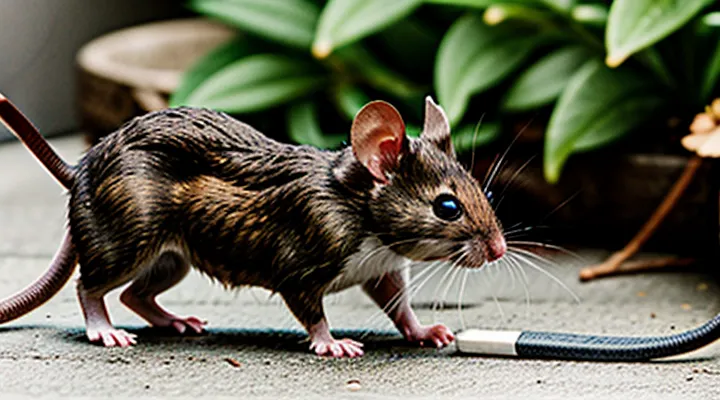
Understanding Mouse Anatomy
The Tail's Function in Mice
The mouse tail is a flexible extension of the vertebral column composed of 20‑30 caudal vertebrae, covered by skin, sparse fur, and a network of blood vessels and nerves. Its musculature allows fine adjustments of curvature, enabling rapid changes in direction during locomotion.
Key physiological roles include:
- Balance and agility – the tail acts as a counter‑weight, stabilizing the body while navigating narrow passages or climbing vertical surfaces.
- Thermoregulation – vasodilation and vasoconstriction of tail vessels regulate heat loss, allowing mice to maintain core temperature in fluctuating environments.
- Communication – tail position and movement convey social signals such as aggression, submission, or exploration.
- Fat storage – subcutaneous adipose tissue accumulates in the tail, providing an energy reserve during periods of scarcity.
When a mouse is grasped by the tail, the following effects occur:
- Mechanical stress compresses vertebrae and surrounding nerves, potentially causing temporary loss of proprioceptive feedback.
- Blood flow may be restricted, leading to reduced heat dissipation and possible tissue damage if the grip persists.
- The animal’s ability to execute rapid escape maneuvers diminishes, increasing vulnerability to stress and injury.
Understanding these functions clarifies why tail handling requires caution: improper grip interferes with balance, thermoregulation, and neural signaling, compromising the mouse’s welfare and experimental reliability.
Vulnerabilities of the Mouse Tail
Grasping a mouse by its tail subjects the animal to several anatomical and physiological weaknesses. The tail consists of a thin vertebral column, delicate skin, and a network of blood vessels and nerves that lack the structural support found in larger mammals. Applying force to this region can exceed the tissue’s load‑bearing capacity, leading to immediate damage.
- Vertebral fragility: the caudal vertebrae are small and lack robust intervertebral discs, making them prone to fracture under compressive stress.
- Vascular rupture: dorsal and ventral tail arteries run close to the surface; excessive pressure can tear these vessels, causing hemorrhage.
- Nerve trauma: the caudal nerve bundles lie just beneath the skin; crushing or stretching can produce neuropathic pain and loss of tail function.
- Stress‑induced physiological response: sudden restraint triggers a catecholamine surge, raising heart rate and blood pressure, which may exacerbate cardiovascular strain.
- Infection risk: skin breaches from tearing or abrasion provide entry points for pathogens, increasing the likelihood of septic complications.
Repeated or forceful tail handling impairs locomotion, reduces feeding efficiency, and compromises overall welfare. Alternative grip techniques—such as using a cupped hand, a restraining tube, or a flexible loop around the torso—distribute force across larger muscle groups and avoid direct pressure on the tail. Implementing these methods minimizes injury, preserves normal behavior, and aligns handling practices with veterinary standards.
The Dangers of Tail-Grabbing
Physical Harm and Injury to the Mouse
Grasping a mouse by the tail can cause direct and secondary injuries. The tail contains vertebrae, nerves, and blood vessels; excessive force may fracture vertebrae, rupture vessels, or crush nerves, leading to hemorrhage, loss of sensation, or necrosis. Pressure transmitted to the lumbar spine can produce vertebral displacement or spinal cord compression, resulting in paralysis or death. Bruising of the tail skin often precedes ulceration, especially when the animal is suspended for extended periods. Muscular strain in the hind limbs may arise from sudden pulling, increasing the risk of tendon rupture. Stress induced by tail handling elevates cortisol levels, which can suppress immune function and exacerbate existing conditions.
Typical injuries include:
- Tail fracture or dislocation
- Vascular rupture and acute blood loss
- Peripheral nerve damage causing numbness or necrosis
- Vertebral or spinal cord injury
- Hind‑limb tendon or muscle strain
- Skin bruising progressing to ulceration
- Systemic stress response with immunosuppression
Minimizing harm requires alternative handling methods such as cupping the mouse in a palm, using a tunnel or tube, or employing a gentle grasp behind the forelimbs. When tail capture is unavoidable, use a soft, wide grip, limit suspension time, and monitor the animal for signs of distress or injury. Immediate veterinary assessment is warranted if any of the listed injuries are suspected.
Psychological Stress and Fear
Grasping a mouse by the tail induces a cascade of psychological stress and fear that can affect experimental outcomes. The abrupt restraint activates the hypothalamic‑pituitary‑adrenal axis, elevating corticosterone levels within minutes. Concurrently, the animal exhibits autonomic signs such as tachycardia, peripheral vasoconstriction, and heightened respiratory rate. Behavioral manifestations include freezing, escape attempts, and vocalizations, all indicative of acute fear.
Research demonstrates that repeated tail handling sensitizes mice to stressors, leading to persistent anxiety‑like behavior in open‑field and elevated‑plus‑maze tests. Physiological data reveal prolonged elevation of stress hormones and altered neurochemical profiles, including increased amygdala activity and reduced hippocampal neurogenesis. These changes compromise data reliability in studies of cognition, metabolism, and drug efficacy.
Mitigation strategies focus on reducing perceived threat during handling:
- Replace tail grip with cupping or tunnel methods that provide a secure yet gentle enclosure.
- Acclimate animals to handling through daily brief sessions lasting less than 30 seconds.
- Employ habituation chambers that allow voluntary entry, minimizing forced restraint.
Implementing these practices lowers corticosterone spikes by up to 40 % and restores baseline locomotor activity within 24 hours. Consequently, experimental variance declines, and reproducibility improves across behavioral and physiological assays.
Potential for Infection and Disease Transmission
Grasping a rodent by its tail is a common method for temporary restraint, yet the maneuver places the handler in direct contact with the animal’s skin, fur, and secretions. These surfaces harbor a range of microorganisms capable of crossing species barriers, making the act a vector for infection.
Key agents transmitted through tail handling include:
- Bacteria: Salmonella spp., Leptospira interrogans, Streptobacillus moniliformis (rat‑bite fever)
- Viruses: Hantavirus, Lymphocytic choriomeningitis virus (LCMV), Mousepox virus
- Parasites: Toxoplasma gondii oocysts, Heligmosomoides polygyrus larvae
- Fungi: Candida albicans, dermatophytes
Transmission occurs via skin abrasions, mucous membrane exposure, or inhalation of aerosolized particles dislodged from the tail. The risk escalates when the animal is stressed, as stress‑induced grooming releases additional contaminants.
Mitigation strategies:
- Wear disposable gloves and change them between animals.
- Use protective eyewear to shield mucous membranes.
- Disinfect hands and work surfaces with an appropriate antiseptic after each handling episode.
- Opt for alternative restraint techniques (e.g., tube or blanket containment) when feasible.
Adhering to these precautions limits pathogen exposure and protects both personnel and laboratory animal colonies.
Recommended Humane Handling Techniques
Proper Restraint Methods
Handling laboratory mice by the tail is a frequent practice, yet it can cause injury to the animal and increase handling stress. Effective restraint techniques reduce these risks while maintaining experimental integrity.
- Scruff grip: thumb and forefinger pinch the skin at the nape, allowing the mouse to remain suspended without pressure on the tail.
- Transparent tube: place the mouse in a clear plastic cylinder; the animal moves forward, limiting movement without direct contact.
- Soft cloth: wrap the mouse in a folded gauze pad, securing the body while leaving the head exposed for observation.
- Thumb‑forefinger hold: position the mouse on the palm, thumb on the back, forefinger on the abdomen; this method supports the torso and prevents tail traction.
- Anesthetic chamber: use a sealed enclosure with controlled airflow for brief sedation before procedures that require complete immobilization.
Restraint must prevent tail detachment, avoid bruising, and limit respiratory compromise. Operators should wear gloves to protect against bites and maintain a clean work surface to reduce contamination.
Training programs should include hands‑on practice with each technique, assessment of animal response, and regular review of equipment condition. Documentation of restraint method for each experiment ensures reproducibility and compliance with animal‑care guidelines.
Minimizing Stress During Handling
Handling mice without inducing stress requires precise techniques, appropriate equipment, and controlled environmental conditions. Direct tail grasp should be limited to brief, necessary interventions; prolonged restraint increases cortisol release and alters physiological measurements. Use of a gentle, pre‑warmed cupped hand or a soft restraining device reduces the need for tail pressure.
Effective practices include:
- Pre‑habituation: expose animals to handling staff for several days before experimental procedures.
- Warmed gloves or gloved hands: maintain hand temperature at 30–32 °C to prevent peripheral vasoconstriction.
- Soft restrainers: employ acrylic tubes or custom‑fit plastic chambers that allow head and forelimb access while supporting the body.
- Minimal force: apply just enough pressure to secure the mouse, avoiding excessive grip that can cause injury.
- Environmental control: keep handling area quiet, dimly lit, and free of sudden movements.
Monitoring indicators such as rapid breathing, vocalization, or escape attempts confirms stress levels. Adjust handling protocols immediately if these signs appear. Consistent application of the above measures ensures reliable data collection while preserving animal welfare.
When to Seek Professional Assistance
Handling rodents by the tail can be hazardous when certain conditions arise. Professional intervention becomes necessary under the following circumstances:
- The animal displays signs of aggression or stress that increase the likelihood of bites or scratches.
- Visible injuries, such as torn skin or broken tail, suggest that the handler lacks proper technique.
- The situation involves a large number of rodents, indicating an infestation that exceeds safe personal capacity.
- Local regulations require licensed personnel for capture, transport, or euthanasia of laboratory or pest species.
- The handler has no prior training in humane restraint methods and cannot demonstrate competency.
- Repeated attempts to capture or restrain the mouse fail, leading to prolonged suffering or contamination risks.
- The environment presents additional hazards, such as exposure to pathogens, chemicals, or confined spaces that could endanger the handler’s health.
When any of these indicators are present, contacting a qualified pest‑control service, an institutional animal care committee, or a certified laboratory animal technician ensures compliance with safety standards, reduces animal distress, and protects public health.
Alternative Approaches to Mouse Control
Live Trapping and Release
Live trapping provides a practical alternative to direct tail capture when managing mouse populations. The method isolates individual rodents without inflicting injury, allowing relocation to a suitable habitat.
Effective traps include multi‑catch devices, single‑catch snap‑free alternatives, and baited fold‑over models. Placement near walls, in corners, or along established runways maximizes capture rates. Bait selection—peanut butter, oats, or dried fruit—should match local dietary preferences. Regular inspection prevents prolonged confinement and reduces stress.
Gripping a mouse by its tail induces spinal compression, circulatory disruption, and heightened cortisol levels. Such stress compromises the animal’s immune response and can cause irreversible damage to the vertebral column. Consequently, handling protocols favor gentle scooping or use of a soft brush to guide the rodent into a containment tube.
Release procedures require:
- Identification of an ecologically compatible site at least 200 m from the capture location.
- Confirmation that the area offers shelter, food sources, and minimal predator exposure.
- Immediate opening of the trap in a shaded, low‑traffic zone.
- Observation of the mouse until it exits the enclosure and resumes normal movement.
Adhering to these practices ensures humane treatment, limits population spread, and respects ethical standards in rodent management.
Exclusion and Prevention Strategies
Handling rodents by the tail raises concerns about stress, injury, and contamination. Effective exclusion and prevention strategies reduce these risks while maintaining experimental integrity.
Physical barriers prevent accidental contact. Secure cages with lockable lids, use double‑door entry systems, and install mesh screens on ventilation openings. Regular inspection of seals identifies gaps before rodents escape.
Environmental management limits exposure. Maintain a clean work area, remove food sources, and schedule routine pest‑control audits. Replace worn flooring and repair cracks in walls or benches promptly.
Key preventive actions include:
- Training personnel in approved grip techniques that avoid tail pressure.
- Implementing personal protective equipment such as gloves and lab coats.
- Documenting each handling event in a log to track incidents and corrective measures.
- Conducting periodic competency assessments to verify adherence to protocols.
By integrating physical exclusion, environmental control, and disciplined handling practices, laboratories minimize the need for tail capture and protect both animal welfare and researcher safety.
Consulting Pest Control Experts
Attempting to grasp a rodent by its tail presents safety hazards and often fails to resolve an infestation. Professionals advise against this method because mice can detach their tails, causing injury to the handler and leaving the problem untreated.
Pest‑control consultants provide assessment, identification, and targeted removal strategies. Their expertise includes evaluating entry points, determining population size, and recommending integrated pest‑management (IPM) practices that minimize chemical use while ensuring long‑term control.
Key actions when engaging a pest‑control specialist:
- Request a site inspection within 24 hours of contact.
- Verify the technician’s certification and experience with rodent issues.
- Obtain a written plan outlining inspection findings, treatment options, and follow‑up schedule.
- Confirm the use of humane traps or bait stations compliant with local regulations.
- Schedule periodic monitoring visits to assess efficacy and adjust tactics as needed.
Following professional guidance eliminates the need for direct handling, reduces health risks, and promotes sustainable rodent management.