
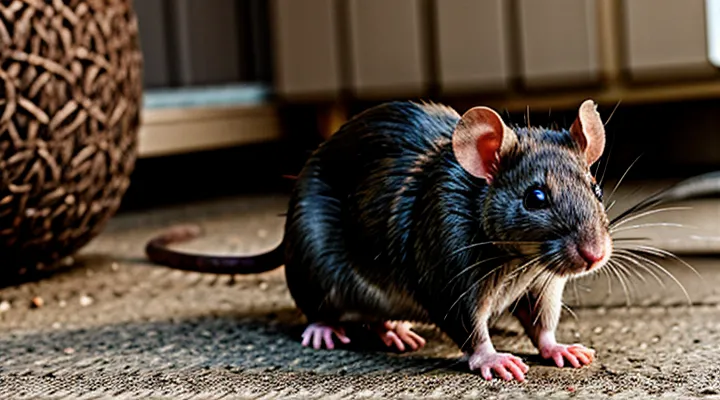
Introduction to Rat Worms
Types of Worms Affecting Rats
Common Internal Parasites
Rats commonly host several internal parasites that affect gastrointestinal and systemic health. The most frequently encountered groups are nematodes, cestodes, and, less often, trematodes.
Nematodes include:
- Syphylid cestodes (commonly called pinworms), transmitted through ingestion of eggs contaminated with feces.
- Nippostrongylus brasiliensis, acquired from contaminated soil or food.
- Trichuris muris (whipworm), spread by ingestion of embryonated eggs.
Cestodes primarily involve:
- Hymenolepis nana (dwarf tapeworm), whose lifecycle can be completed within a single host or involve arthropod intermediates.
- Taenia taeniaeformis larvae, occasionally found when rats consume infected intermediate hosts.
Trematodes are rare in rats but may include Schistosoma mansoni larvae when exposure occurs in endemic environments.
Clinical signs vary with parasite load: weight loss, diarrhea, anemia, and occasional respiratory distress. Light infestations often remain subclinical, whereas heavy burdens produce measurable morbidity.
Diagnosis relies on:
- Fecal flotation or sedimentation to detect eggs.
- Direct microscopic examination of intestinal contents in necropsy.
- Serologic assays for specific antigens in advanced cases.
Treatment protocols typically employ anthelmintics such as:
- Pyrantel pamoate for nematodes.
- Praziquantel for cestodes and trematodes.
- Combination therapy when mixed infections are suspected.
Prevention focuses on environmental control:
- Regular removal of feces and bedding.
- Storage of feed in sealed containers.
- Routine health screening of colonies.
- Quarantine of new arrivals with prophylactic deworming.
Effective management of these parasites reduces disease incidence and supports the overall health of rat populations.
Less Common Internal Parasites
Rats are susceptible to a range of gastrointestinal helminths beyond the common pinworm Syphacia muris. These less frequently encountered species can affect laboratory, pet, and wild rodents, influencing health and experimental outcomes.
-
Capillaria (Trichuris) spp. – thin, whip‑shaped nematodes that embed their anterior ends in the colonic mucosa. Infection occurs through ingestion of embryonated eggs in contaminated food or water. Clinical signs may include weight loss, diarrhea, and occasional rectal prolapse. Diagnosis relies on fecal flotation or colonoscopic biopsy; benzimidazole anthelmintics are effective.
-
Trichinella spiralis – encysted larvae develop in striated muscle after intestinal colonization. Rats acquire infection by consuming infected carrion or raw meat. Early intestinal phase can cause abdominal discomfort and reduced feed intake; later muscular phase leads to weakness and myalgia. Detection uses muscle digestion assays or serology; ivermectin or albendazole provide treatment.
-
Strongyloides ratti – free‑living larvae penetrate the skin or mucosa, migrate through the bloodstream, and mature in the small intestine. Transmission is environmental, often from moist bedding. Signs include eosinophilia, intermittent diarrhea, and dermatitis at entry sites. Baermann funnel technique isolates larvae from feces; ivermectin is the drug of choice.
-
Taenia taeniaeformis – tapeworms that develop in the rat’s intestine after ingestion of intermediate hosts such as rodents or insects carrying cysticerci. Adult worms may be asymptomatic but can cause intestinal irritation and occasional obstruction. Identification uses stool microscopy for proglottids; praziquantel eliminates the parasite.
-
Echinococcus multilocularis – tapeworms that produce multilocular cysts in the liver and other organs after rats ingest eggs from definitive hosts (foxes, dogs). Although rare, infection can lead to severe hepatic disease. Imaging and PCR confirm diagnosis; surgical removal of cysts combined with albendazole therapy is recommended.
Awareness of these atypical internal parasites is essential for accurate diagnosis, appropriate therapeutic intervention, and prevention of zoonotic transmission when handling rats. Regular fecal screening, stringent sanitation, and controlled exposure to intermediate hosts reduce the risk of infestation.
Symptoms and Diagnosis
Recognizing Signs of Worms
Behavioral Changes
Rats infected with intestinal parasites exhibit distinct alterations in activity, feeding, and social interaction. Parasite burden disrupts normal physiological processes, leading to measurable behavioral outcomes.
- Reduced locomotor activity; infected individuals travel shorter distances in open‑field tests and show fewer rearing events.
- Diminished food intake; appetite suppression correlates with worm load, resulting in lower body weight gain.
- Increased grooming frequency; excessive self‑cleaning reflects discomfort and irritability.
- Altered thigmotaxis; a preference for peripheral zones in mazes indicates heightened anxiety.
- Decreased social play; infected juveniles engage less in chasing and pinning behaviors, suggesting reduced motivation for peer interaction.
Neurochemical studies link these patterns to altered serotonin and dopamine signaling, which mediate mood and reward pathways. Chronic infection can also impair learning and memory, as demonstrated by poorer performance in maze navigation tasks. Monitoring these behavioral markers provides a practical method for detecting parasitic infection in laboratory and colony settings.
Physical Manifestations
Rats infected with gastrointestinal nematodes, cestodes, or protozoa display distinct external and internal signs that can be observed during routine handling or post‑mortem examination.
External indicators include:
- Dull, rough coat lacking normal sheen
- Noticeable weight loss despite adequate food availability
- Abdominal distension caused by fluid accumulation or enlarged intestines
- Reduced activity levels and lethargy, often accompanied by a hunched posture
Internal findings revealed during necropsy or diagnostic imaging consist of:
- Thickened intestinal walls with visible worm burdens in the lumen
- Presence of blood‑tinged or watery feces containing segments or eggs of parasites
- Enlarged mesenteric lymph nodes indicating immune response
- Hepatic or pulmonary lesions when migratory larvae have invaded extra‑intestinal sites
Laboratory analysis of fecal samples typically confirms infection by identifying ova or larval stages, supporting the clinical observations described above.
Diagnostic Procedures
Fecal Examinations
Fecal examination is the primary diagnostic tool for confirming intestinal parasites in laboratory and pet rats. Fresh droppings are collected directly from the animal or from a clean cage surface, placed in a sealed container, and examined within two hours to prevent egg degeneration. Two common techniques are employed:
- Flotation method: A solution of saturated sodium nitrate or zinc sulfate is mixed with the feces; parasite eggs rise to the surface and are transferred to a microscope slide for identification.
- Sedimentation method: Fecal material is suspended in water, allowed to settle, and the sediment is examined for heavier ova such as those of hookworms or Trichuris spp.
Microscopic identification distinguishes between helminth species based on egg size, shape, and shell characteristics. Common rat parasites include Hymenolepis nana (dwarf tapeworm), Syphacia muris (pinworm), and Rodentolepis ratti (another tapeworm). Quantitative results, expressed as eggs per gram (EPG), guide treatment decisions; low EPG may indicate a light infection requiring a single anthelmintic dose, while high EPG often necessitates repeated dosing and environmental decontamination.
Routine screening schedules recommend monthly examinations for breeding colonies and quarterly checks for pet rats, with additional testing after introduction of new animals. Positive findings should be confirmed by a second sample to rule out transient passage of non‑infective stages. Laboratory reports must include species identification, EPG count, and a recommendation for appropriate drug therapy, such as praziquantel for tapeworms or pyrantel pamoate for nematodes.
Other Diagnostic Methods
Rats may harbor intestinal helminths without obvious clinical signs, making reliable detection essential for research and colony health management. In addition to routine fecal flotation, several alternative diagnostic techniques provide confirmation and species‑level identification.
- Polymerase chain reaction (PCR): Amplifies parasite DNA from feces, tissue, or blood, enabling detection of low‑intensity infections and differentiation of closely related nematodes.
- Serological assays (ELISA, indirect immunofluorescence): Measure host antibodies against specific worm antigens; useful for chronic infections where egg shedding is intermittent.
- Antigen detection kits: Capture parasite proteins in fecal or serum samples, offering rapid results without the need for microscopy.
- Necropsy and histopathology: Direct examination of the gastrointestinal tract, liver, and lungs reveals adult worms, larvae, and tissue lesions; histological staining clarifies species identity.
- Ultrasound and radiography: Visualize large adult nematodes or associated organ enlargement, primarily in experimental settings where non‑invasive monitoring is required.
- Molecular sequencing of recovered specimens: Confirms species through mitochondrial or ribosomal gene analysis, supporting epidemiological studies and treatment decisions.
Combining these methods with conventional fecal analysis increases diagnostic sensitivity, reduces false negatives, and informs targeted anthelmintic protocols for rat colonies.
Treatment Options
Veterinary Interventions
Antiparasitic Medications
Rats commonly host intestinal nematodes, cestodes, and protozoa. Effective control relies on selecting appropriate antiparasitic agents, dosing accurately, and monitoring treatment outcomes.
Key drug classes used in rodent parasitology include:
- Benzimidazoles (e.g., fenbendazole, albendazole): broad‑spectrum activity against nematodes and some cestodes; administered orally or via feed; typical dose 50 mg/kg for 5 days.
- Macrocyclic lactones (e.g., ivermectin, selamectin): potent against nematodes and ectoparasites; subcutaneous injection of 0.2 mg/kg provides lasting effect.
- Praziquantel: specific for tapeworms; oral dose 25 mg/kg eliminates adult cestodes within 24 hours.
- Metronidazole: targets protozoan infections such as Giardia; oral dose 15 mg/kg twice daily for 5 days.
Administration considerations:
- Verify species‑specific toxicity; some compounds safe for rats may harm other laboratory animals.
- Adjust dose based on body weight; under‑dosing promotes resistance, over‑dosing risks organ damage.
- Use medicated feed or water only when uniform consumption is assured; otherwise, employ individual dosing.
- Record pre‑treatment fecal examinations, repeat post‑treatment tests after 7–10 days to confirm clearance.
Resistance management involves rotating drug classes annually and maintaining hygiene to reduce reinfection. Regular health surveillance combined with targeted antiparasitic therapy sustains rat colonies free of worm burdens.
Supportive Care
Rats infected with intestinal parasites require immediate supportive care to stabilize health and promote recovery. Fluid therapy corrects dehydration caused by diarrhea and vomiting; isotonic solutions administered subcutaneously or intravenously restore electrolyte balance. Nutritional support includes easily digestible, high‑protein diets such as boiled chicken, soft pelleted feed, and fortified gel diets, offered in small, frequent meals to encourage intake without overloading the gastrointestinal tract.
Pain and inflammation management relies on appropriate analgesics and anti‑inflammatory agents prescribed by a veterinarian. Antiparasitic drugs eliminate the worms, but concurrent supportive measures prevent secondary complications. Environmental hygiene reduces reinfection risk: cages should be cleaned daily, bedding replaced, and waste removed to limit exposure to infective stages.
Key components of supportive care:
- Fluid replacement: subcutaneous or IV isotonic saline, adjusted for weight.
- Electrolyte correction: potassium and magnesium supplementation as indicated.
- Nutritional assistance: soft, protein‑rich foods; temporary feeding tubes for severe cases.
- Analgesia: NSAIDs or opioids per veterinary guidance.
- Environmental sanitation: regular cage cleaning, disinfection, and waste management.
Monitoring includes daily weight checks, stool examinations, and observation of activity levels. Prompt adjustment of therapy based on clinical response maximizes the likelihood of full recovery.
Home Care and Prevention
Environmental Hygiene
Rats frequently host intestinal parasites, including various nematodes and cestodes. These worms thrive when rodents have access to contaminated food, water, and shelter. Environmental hygiene directly influences the prevalence of such infections by limiting the conditions that support parasite life cycles.
Effective control measures focus on reducing sources of contamination and interrupting transmission pathways:
- Regular removal of food waste and refuse from storage areas.
- Sealing cracks, gaps, and openings that allow rodent entry.
- Maintaining dry, well‑ventilated spaces to discourage rodent habitation.
- Implementing routine cleaning schedules with disinfectants proven to inactivate parasite eggs and larvae.
Monitoring rodent populations and testing for parasitic presence provide data for targeted interventions. Prompt identification of worm infestations enables the application of appropriate anthelmintic treatments and reinforces sanitation protocols.
Sustained environmental hygiene practices lower the risk of worm transmission from rats to humans and domestic animals, contributing to overall public health protection.
Dietary Considerations
Rats are susceptible to intestinal parasites, and the composition of their diet directly affects the likelihood of infection and the severity of infestations. Contaminated feed introduces parasite eggs or larvae, while nutritional balance influences the host’s immune response.
- Provide commercially formulated rodent chow that is pelletized and stored in sealed containers; this minimizes exposure to contaminated surfaces.
- Avoid feeding raw vegetables or fruits that have not been thoroughly washed, as soil residues often contain worm eggs.
- Limit access to wild foraged items such as grasses, seeds, or insects, which are common vectors for nematodes and cestodes.
- Ensure adequate protein levels (15‑20 % of diet) to support mucosal immunity; protein deficiency impairs the gut’s barrier function.
- Include soluble fiber (e.g., oat bran) to promote regular intestinal transit, reducing the time parasites can establish.
- Supplement with vitamin A and zinc, nutrients known to enhance epithelial integrity and immune cell activity.
- Rotate feed batches and discard any feed that shows signs of spoilage, mold, or pest damage.
Maintaining strict hygiene, selecting appropriate commercial diets, and providing essential nutrients together create an environment less favorable for worm development and help control existing infestations in rat populations.
Prevention Strategies
Best Practices for Rat Owners
Regular Veterinary Check-ups
Regular veterinary examinations are essential for identifying parasitic infections in pet rats. Veterinarians assess fecal samples, conduct physical examinations, and evaluate weight and coat condition to detect worm infestations early.
Exams should occur at least twice yearly for adult rats and quarterly for juveniles or animals with a history of parasites. During each visit, the clinician performs:
- Fecal flotation or direct smear to identify ova or larvae.
- Blood work when systemic signs suggest deeper infection.
- Physical inspection of the gastrointestinal tract for palpable masses or discomfort.
Consistent check-ups provide several advantages:
- Prompt diagnosis prevents severe anemia, intestinal blockage, or secondary illnesses.
- Targeted anthelmintic therapy reduces drug resistance and minimizes stress on the animal.
- Monitoring of growth curves and body condition supports overall welfare.
- Education for owners on hygiene, diet, and environmental control limits reinfestation.
Owners should establish a schedule with a qualified exotic‑animal veterinarian, maintain records of test results, and follow prescribed treatment protocols without delay. This systematic approach safeguards rat health and reduces the likelihood of worm‑related complications.
Quarantine Protocols
Rats are common carriers of various gastrointestinal parasites, including nematodes, cestodes, and trematodes. When rats are introduced into a facility, the risk of worm transmission to other animals or to humans increases, necessitating strict quarantine measures.
During quarantine, all incoming rodents must be isolated for a minimum of 30 days. This period allows for the detection of worm eggs or larvae in fecal samples using flotation or sedimentation techniques. Samples should be collected on days 1, 7, 14, 21, and 28 to capture intermittent shedding patterns.
Key elements of an effective quarantine protocol include:
- Physical separation: Dedicated rooms with independent ventilation and waste disposal systems prevent cross‑contamination.
- Health screening: Perform comprehensive parasitological examinations, including fecal flotation, PCR for specific helminths, and necropsy if required.
- Treatment regimen: Administer broad‑spectrum anthelmintics (e.g., ivermectin, fenbendazole) according to species‑specific dosing schedules, followed by a repeat dose after 2 weeks to eliminate residual stages.
- Sanitation procedures: Clean and disinfect cages, water bottles, and bedding with agents effective against helminth eggs (e.g., 10 % bleach solution) before release.
- Documentation: Record all test results, treatments, and observations in a centralized log to trace any breach of protocol.
If any test returns positive for helminths, the animal must remain in quarantine until two consecutive negative results are obtained post‑treatment. Failure to comply with these steps can lead to persistent infestations that compromise research integrity, animal welfare, and public health.
Minimizing Exposure Risks
Food and Water Safety
Rats frequently harbor intestinal parasites that can be transmitted through contaminated food and water. These organisms survive in feces, urine, and secretions, allowing them to enter the human food chain when proper hygiene is not maintained.
Contamination pathways include:
- Direct contact with rat droppings on countertops, utensils, or storage containers.
- Ingestion of water tainted by rat excreta, especially in unsealed or poorly maintained dispensers.
- Cross‑contamination during food preparation when surfaces are not disinfected after exposure to rodents.
Effective control measures are:
- Seal all entry points to prevent rodent ingress.
- Install traps or professional extermination programs in areas where food is stored or prepared.
- Conduct routine inspections for signs of rodent activity, such as gnaw marks, droppings, or urine stains.
- Clean and sanitize work surfaces, equipment, and storage containers with approved disinfectants after any suspected exposure.
- Store food in rodent‑proof containers and keep water sources covered.
- Rotate stock regularly to eliminate items that may have been compromised.
Testing protocols for suspected contamination involve sampling food and water for parasite eggs or larvae using microscopic analysis or molecular assays. Positive results require immediate disposal of affected products and a review of sanitation practices.
Maintaining rigorous food and water safety standards reduces the risk of parasite transmission from rats to humans, safeguarding public health and preventing outbreaks linked to rodent‑borne infections.
Pest Control Measures
Rats frequently host a range of internal parasites, including various worm species that can transmit diseases to humans and livestock. Effective pest control must therefore target both the rodent population and the parasites they carry.
Integrated management combines environmental sanitation, population reduction, and chemical or biological interventions. Reducing food sources, sealing entry points, and removing clutter eliminate habitats that support rat colonies. Trapping and baiting programs lower rodent numbers, decreasing the overall worm burden in the environment.
Chemical controls include rodenticides approved for indoor and outdoor use, applied according to label instructions to avoid non‑target exposure. Anthelmintic treatments administered to captured rats can interrupt worm life cycles, but such measures are most effective when coordinated with population control.
Key actions:
- Secure waste containers and eliminate spillage.
- Repair building cracks, vents, and utility openings.
- Install snap traps or electronic devices in high‑activity zones.
- Deploy bait stations with anticoagulant or non‑anticoagulant rodenticides.
- Conduct periodic inspections to assess infestation levels.
- Apply appropriate deworming agents to trapped specimens when feasible.
- Educate occupants on hygiene practices to prevent re‑infestation.
Regular monitoring and documentation of rodent activity enable timely adjustments to the control strategy, ensuring sustained reduction of both rats and the worms they may harbor.
Impact of Worms on Rat Health
Short-term Effects
Gastrointestinal Distress
Rats commonly host intestinal parasites, and infection frequently produces gastrointestinal distress. The presence of nematodes, cestodes, or trematodes disrupts normal digestion, leading to reduced feed efficiency and weight loss. Parasites attach to the mucosa, cause inflammation, and may trigger ulceration, which manifests as abdominal cramping and altered stool consistency.
Typical clinical signs include:
- Loose, watery feces sometimes containing blood or mucus
- Decreased appetite and reduced water intake
- Palpable abdominal swelling
- Lethargy and diminished activity levels
Diagnosis relies on fecal flotation or sedimentation techniques to identify ova or larvae, complemented by necropsy findings when necessary. Quantitative egg counts correlate with infection intensity and guide therapeutic decisions.
Effective treatment combines anthelmintic administration—such as ivermectin, fenbendazole, or pyrantel—with supportive care that restores hydration and nutrient balance. Repeated dosing may be required to eliminate migrating stages. Preventive measures involve strict sanitation, regular health monitoring, and quarantine of new arrivals to limit parasite introduction.
Nutritional Deficiencies
Rats that harbor intestinal parasites often exhibit measurable nutritional deficits. Common helminths—including Hymenolepis nana, Syphacia muris, and Trichuris muris—consume host nutrients and disrupt gastrointestinal function.
Parasites compete directly for macronutrients, impair absorption of lipids and carbohydrates, and cause microscopic bleeding. These actions reduce the availability of essential proteins, fatty acids, and micronutrients required for normal growth and immune competence.
Typical deficiencies observed in infected rodents are:
- Protein loss leading to reduced lean mass
- Vitamin A depletion, affecting vision and epithelial integrity
- Vitamin D insufficiency, compromising calcium metabolism
- Vitamin E reduction, increasing oxidative stress
- Vitamin B12 shortage, impairing red blood cell formation
- Iron deficiency anemia from chronic blood loss
- Calcium and phosphorus imbalance due to malabsorption
Clinical indicators include rapid weight loss, dull or patchy fur, stunted growth, and lethargy. Laboratory analysis of fecal samples confirms worm presence; blood work reveals the specific deficiencies listed above.
Effective management combines anthelmintic treatment with targeted dietary supplementation. Protein-rich feeds, fortified with the deficient vitamins and minerals, accelerate recovery and restore normal physiological parameters. Regular monitoring prevents recurrence and ensures long‑term health of laboratory or pet rat populations.
Long-term Complications
Organ Damage
Rats infected with intestinal helminths frequently exhibit pathological changes in multiple organ systems. Parasites such as Hymenolepis spp., Nippostrongylus spp., and Trichinella spp. migrate through or secrete toxins that compromise tissue integrity.
The liver often shows granulomatous inflammation, bile duct hyperplasia, and fibrosis. Histological examinations reveal eosinophilic infiltrates and necrotic foci surrounding nematode larvae. Chronic infection can reduce hepatic detoxification capacity and alter serum enzyme profiles.
The lungs are susceptible to hemorrhagic lesions and interstitial pneumonitis caused by larval migration. Alveolar walls thicken, and pulmonary edema may develop, impairing gas exchange and reducing exercise tolerance.
Renal involvement includes tubular necrosis, glomerular inflammation, and deposition of immune complexes. These changes diminish glomerular filtration rate and increase proteinuria.
Cardiac tissue may experience myocarditis and pericardial fibrosis when parasites invade the bloodstream. Affected rats display arrhythmias and reduced contractile strength.
Typical manifestations of organ damage in worm‑infested rats can be summarized as:
- Hepatic granulomas, fibrosis, enzyme elevation
- Pulmonary hemorrhage, interstitial inflammation, edema
- Renal tubular necrosis, glomerulitis, protein loss
- Myocardial inflammation, pericardial thickening
Laboratory diagnostics, including serum biochemistry, histopathology, and imaging, confirm the extent of organ impairment. Early detection and antiparasitic treatment mitigate irreversible tissue loss and improve survival rates.
Weakened Immune System
Rats with compromised immunity are more susceptible to intestinal parasites. A weakened immune response reduces the host’s ability to detect and eliminate helminth larvae, allowing worms to establish and multiply within the gastrointestinal tract.
Immunosuppression in rats can result from:
- Chronic stress or overcrowding
- Malnutrition or dietary deficiencies
- Viral or bacterial co‑infections
- Exposure to immunosuppressive chemicals
When the immune system is impaired, typical defensive mechanisms—such as mucosal barrier integrity, eosinophil activation, and IgE‑mediated responses—are diminished. Consequently, worm burdens increase, clinical signs become more severe, and transmission potential rises.
Veterinary diagnostics frequently reveal higher worm prevalence in laboratory or wild rat populations that exhibit signs of immunodeficiency. Control measures focus on improving housing conditions, providing balanced nutrition, and implementing regular anthelmintic treatment to compensate for the reduced natural resistance.