
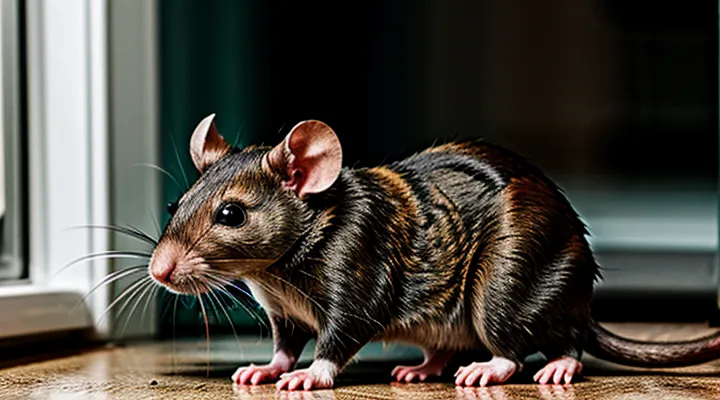
Understanding Rat Nails
The Purpose of Rat Nails
Natural Nail Wear in the Wild
Rats living outdoors continuously expose their claws to abrasive surfaces such as soil, bark, and rocky crevices. This constant contact gradually shortens the nails, preventing overgrowth and maintaining functional length for climbing, digging, and predator evasion.
Natural wear results from several mechanisms:
- Mechanical abrasion: Movement across rough terrain chips away keratin layers.
- Self‑grooming: Rats use their teeth and forepaws to file nails during routine cleaning.
- Environmental moisture: Humidity softens claw material, making it more susceptible to wear.
- Dietary factors: Fibrous foods require gnawing, which indirectly strains the forelimbs and promotes nail reduction.
In wild habitats, the balance between growth rate and wear is self‑regulating; nails rarely reach lengths that impede mobility. Seasonal changes alter substrate hardness, influencing the speed of wear. During dry periods, harder ground accelerates shortening, while wet seasons may slow the process but increase the risk of fungal infection if nails become excessively long.
Understanding natural nail wear provides a baseline for assessing captive rats. If indoor environments lack abrasive elements, owners must replicate wear through enrichment or manual trimming to avoid complications such as pain, impaired locomotion, or infection.
Nail Growth and Structure
Rats possess keratinized claws composed of a dorsal plate, a ventral plate, and a central vascularized tissue known as the quick. The quick contains blood vessels and nerves, making it sensitive to injury. Growth originates in the nail matrix, a region of rapidly dividing cells located beneath the proximal nail fold. As cells mature, they harden into keratin and extend outward, forming the visible claw.
The rate of claw growth varies among individuals but averages 1–2 mm per month in adult laboratory rats. Forelimb claws typically grow faster than hindlimb claws due to greater use in climbing and manipulation. Factors such as diet, activity level, and health status influence growth speed; protein‑rich diets and regular exercise promote faster development.
Key structural features relevant to trimming:
- Dorsal plate – hard, protective surface; visible when the claw is trimmed.
- Ventral plate – contacts the ground; provides traction.
- Quick – pink, soft tissue beneath the dorsal plate; must be avoided during clipping.
- Matrix – growth zone; damage can cause deformities or infection.
Proper trimming requires identifying the boundary between the dorsal plate and the quick. In light‑colored claws, the pink quick is visible; in dark claws, the quick is inferred by measuring a safe distance from the tip—typically no more than one‑third of the claw length. Regular trimming prevents overgrowth, which can lead to nail curling, skin irritation, and impaired locomotion.
Understanding nail anatomy and growth dynamics enables safe maintenance of rat claws, ensuring comfort and preventing health complications.
When Nail Trimming Becomes Necessary
Signs of Overgrown Nails
Difficulty Walking or Climbing
Overgrown claws impair a rat’s ability to grip surfaces, leading to unstable footing and reduced climbing performance. The nail tip that extends beyond the toe pad prevents proper weight distribution, causing the animal to slip on smooth flooring or lose traction on vertical structures.
Typical signs of locomotor difficulty include:
- Reluctance to climb ladders or tubes.
- Frequent slipping on cage bars.
- Stiff gait, with shortened strides.
- Preference for low‑lying platforms over elevated ones.
These behaviors indicate that the claws are interfering with the natural mechanics of movement. Excess length forces the rat to adjust its posture, which can strain joints and muscles over time.
Preventive measures focus on regular nail maintenance:
- Inspect claws weekly; measure the length of the free tip.
- Trim only the protruding portion, avoiding the quick, which appears as a pink line within the nail.
- Use a small animal nail clipper or a rotary grinder designed for rodents.
- Provide textured enrichment, such as chew sticks and climbing ropes, to encourage natural nail wear.
If a rat exhibits persistent walking or climbing problems after trimming, veterinary evaluation is required to rule out injury or infection. Prompt attention prevents secondary complications, such as arthritis or chronic pain, that may arise from altered gait.
Injuries to Paws or Skin
Rats require regular claw maintenance to prevent overgrowth, but improper trimming can cause injuries to the paws or surrounding skin. Common problems include:
- Bleeding from cutting the quick, the vascular tissue inside the nail.
- Nail splitting or cracking, leading to sharp fragments that can puncture the foot pad.
- Lacerations of the paw skin when tools slip or when excessive force is applied.
- Infection resulting from open wounds or contaminated instruments.
- Inflammation of the foot pad caused by trauma or foreign material left in the wound.
Preventive measures rely on precise technique and appropriate equipment. Use small, sharp, stainless‑steel nail clippers designed for rodents; avoid human‑grade tools that are too large. Trim only the transparent tip of the nail, leaving a safe margin from the quick. If the quick is visible as a pink line, stop cutting before reaching it. Apply a styptic powder or cornstarch to the nail tip before trimming to encourage quick clotting if accidental bleeding occurs.
When a wound appears, clean the area with a mild antiseptic solution, such as diluted chlorhexidine. Pat the site dry and apply a thin layer of veterinary‑approved ointment. Monitor the rat for signs of swelling, discharge, or behavioral changes indicating pain. If bleeding persists beyond a minute, apply gentle pressure with a clean gauze pad and seek veterinary assistance promptly.
Regular inspection of the paws during each trimming session helps detect early signs of damage. Healthy nails should be smooth, evenly curved, and not extend beyond the foot pad. Consistent, cautious claw care minimizes the risk of paw or skin injuries while maintaining the rat’s overall well‑being.
Damage to Objects or Owners
Rats with untrimmed claws often cause structural damage. Sharp nails can scratch wood flooring, upholstery, and plastic cages, leading to costly repairs. In addition, the claws can puncture thin walls or wiring, increasing the risk of electrical faults.
Common damage includes:
- Scratched furniture surfaces, reducing aesthetic value and resale price.
- Torn bedding and tunnel systems, requiring frequent replacement.
- Punctured aquarium glass or plastic enclosures, compromising containment.
- Injuries to owners or handlers when claws snag skin during handling, resulting in cuts or infections.
Regular nail maintenance eliminates these hazards. Trimming reduces the likelihood of accidental punctures, preserves household items, and protects both the animal and its caretakers from injury.
Health Implications of Untrimmed Nails
Overgrown claws in pet rodents can impede normal locomotion, leading to altered gait and increased stress on joints. Excessive length creates leverage that forces the animal to compensate, which may result in chronic musculoskeletal strain and premature arthritis.
Long nails frequently puncture the pads of the feet, producing painful lacerations that serve as entry points for bacterial infection. Untreated wounds can evolve into cellulitis or osteomyelitis, conditions that compromise systemic health and may require prolonged antibiotic therapy.
Additional complications include self‑inflicted injuries during grooming or cage exploration. When claws extend beyond the toe pad, they may snag on bedding, causing torn skin or broken digits. Broken claws often bleed profusely and can develop necrotic tissue if not promptly addressed.
Key health risks associated with neglecting nail maintenance:
- Impaired mobility and joint degeneration
- Foot pad ulceration and secondary infection
- Increased likelihood of claw breakage and hemorrhage
- Stress‑induced behavioral changes due to chronic discomfort
Regular trimming mitigates these risks, supporting optimal physical condition and preventing avoidable medical interventions.
The Risks of Trimming Rat Nails
Potential for Injury
Cutting the «Quick»
Rats tolerate nail trimming when the quick—the vascular tissue inside each claw—is avoided. The quick appears as a pink line in clear or light-colored nails; in dark nails it is hidden, requiring careful observation of the nail’s shape and length.
Key points for safe trimming:
- Identify the nail’s edge; stop cutting when a small, white tip remains, leaving a buffer before the pink core.
- Use a pair of precision nail clippers designed for small animals.
- Apply gentle pressure to the toe to extend the nail, making the quick more visible.
- Trim only a few millimeters at a time; excess removal can cause bleeding and pain.
- If bleeding occurs, apply a sterile styptic powder or cornstarch to the wound until it stops.
Regular maintenance, typically every two to four weeks, keeps the quick from growing into the nail tip, reducing the risk of injury and maintaining the rat’s mobility. Veterinary professionals recommend a calm environment and brief sessions to minimize stress for both animal and handler.
Causing Stress to the Rat
Trimming a rat’s nails can provoke a stress response if the animal perceives the procedure as threatening. Acute stress activates the sympathetic nervous system, releasing catecholamines that increase heart rate and respiration. Prolonged activation may suppress immune function and impair wound healing, making the grooming session a potential health risk.
Visible signs of distress include rapid breathing, trembling, vocalizations, attempts to escape, and aggressive biting. Subtle cues such as flattened ears, dilated pupils, and reduced grooming indicate heightened anxiety. Recognizing these behaviors early prevents escalation and reduces the likelihood of injury to both rat and handler.
Effective stress mitigation follows a structured approach:
- Habituation: Conduct short, positive interactions with the rat’s paws daily for several days before the trim.
- Gentle restraint: Use a soft, breathable cloth or a dedicated restraint tube to limit movement without constriction.
- Calm environment: Perform the procedure in a quiet room, away from loud equipment and unfamiliar scents.
- Appropriate tools: Select a rat‑specific nail clipper with a fine, sharp blade to minimize the number of cuts required.
- Reward system: Offer a small treat immediately after each successful clip to associate the activity with a positive outcome.
- Assistance: Enlist a second person to hold the rat gently while the primary handler focuses on the nails, reducing the need for forceful handling.
Neglecting stress management can lead to chronic anxiety, altered feeding patterns, and decreased lifespan. Proper technique ensures the rat remains calm, the nails are trimmed accurately, and the overall welfare of the animal is maintained.
Lack of Necessity for Most Rats
Rats naturally keep their claws at functional lengths. Their habit of climbing, digging, and grooming creates sufficient wear on the nails, preventing overgrowth in most healthy individuals. When a rat’s environment includes rough surfaces such as wood, wire mesh, or textured bedding, the claws are routinely filed down through ordinary activity.
Typical circumstances that make manual trimming unnecessary include:
- Access to climbing structures or tunnels that encourage regular claw abrasion.
- Balanced diet that supports proper nail health and growth rate.
- Absence of genetic or medical conditions that impair normal wear, such as paralysis or severe obesity.
Veterinary assessment is required only when a rat exhibits signs of discomfort, difficulty moving, or visible nail deformation. In those cases, professional trimming may be indicated to restore mobility and prevent tissue injury. For the majority of pet rats, providing a stimulating enclosure eliminates the need for routine nail maintenance.
Alternatives to Trimming
Providing Abrasive Surfaces
Rough Tunnels and Toys
Rough tunnels and chew toys provide essential surfaces for rats to file their claws naturally. The abrasive texture wears down overgrown nails during regular activity, reducing the frequency of manual trimming. However, excessive hardness can cause splintering or injury if a rat attempts to grip a narrow opening with long claws.
Key factors to consider when selecting tunnels and toys for nail health:
- Material density: medium‑hard plastic or untreated wood offers sufficient abrasion without risking cuts.
- Interior diameter: openings should be slightly larger than the rat’s shoulder width to allow smooth passage and prevent snagging.
- Stability: securely anchored tunnels prevent shifting that could trap a claw and lead to trauma.
- Cleanability: smooth surfaces enable routine sanitation, limiting bacterial buildup that could complicate nail trimming.
Integrating appropriately designed tunnels and toys into a rat’s enclosure supports self‑maintenance of claw length, complements scheduled grooming, and promotes overall limb health. Regular observation of claw condition remains necessary to ensure the accessories are providing the intended benefit.
Sandpaper or Stone Surfaces
Trimming a rat’s nails requires a surface that can reduce the keratin without causing injury. Sandpaper and natural stone provide abrasive action suitable for this purpose when used correctly.
A fine‑grade sandpaper (e.g., 400‑600 grit) applied to a stable platform allows precise control. The rat’s paw is gently pressed against the paper, and the nail tip is moved back and forth until the sharp edge shortens. This method produces a smooth finish and eliminates the need for scissors.
Stone surfaces, such as a polished river rock or a ceramic tile with a fine texture, offer a comparable abrasive effect. The rat’s nail is drawn across the stone’s edge, which files the tip gradually. The hardness of stone reduces the risk of snagging soft tissue.
Key considerations for both materials:
- Use only fine grit to avoid excessive wear.
- Secure the animal gently to prevent sudden movements.
- Inspect the nail after each pass to stop before the quick is exposed.
- Clean the surface after each session to remove keratin buildup.
When applied with restraint and attention to the nail’s anatomy, sandpaper and stone surfaces become reliable alternatives to traditional clippers for maintaining healthy rat nails.
Encouraging Natural Activities
Digging and Exploring Opportunities
Rats naturally dig to create tunnels, burrows, and nesting chambers. This behavior keeps claws worn, yet captive rats often lack sufficient abrasive surfaces, leading to overgrown nails that can impair locomotion and cause tissue damage. Understanding the link between digging activity and nail health reveals practical opportunities for safe claw management.
When a rat’s environment supplies suitable digging material—such as untreated wood blocks, corrugated cardboard, or mineral-rich sand—the animal self‑maintains nail length through regular wear. Providing these substrates reduces the frequency of manual trimming, but owners must still monitor nail condition, especially for sedentary individuals or those with limited access to digging media.
Effective strategies for managing rat nails include:
- Environmental enrichment: place at least two types of chewable, abrasive objects in each cage to encourage natural wear.
- Routine inspection: examine claws weekly; look for curvature, snagging, or coloration changes indicating overgrowth.
- Targeted trimming: if nails exceed the soft pad, use a small animal guillotine clipper, applying steady pressure to avoid crushing the quick.
- Stress reduction: habituate the rat to handling by offering treats before and after clipping, minimizing resistance and injury risk.
By integrating digging opportunities with scheduled assessments, owners create a balanced approach that supports the animal’s instinctual behavior while ensuring nail length remains within safe limits. This dual method promotes welfare, reduces veterinary interventions, and aligns with best practices for small‑rodent care.
Climbing Structures
Rats rely on sharp claws to grip vertical and angled surfaces. When nails become overgrown, the animal may lose traction on ladders, tubes, and platforms, leading to hesitation or falls. Regular nail maintenance restores the ability to climb efficiently and reduces stress on joints.
Effective trimming supports the use of climbing structures such as:
- Rope ladders with varying diameters that test grip strength.
- Wire mesh walls that provide vertical ascent and descent.
- Plastic or wooden ramps with gentle slopes for transition between levels.
- Suspended platforms with textured surfaces that encourage natural climbing behavior.
Before trimming, assess the condition of each structure. Overgrown nails that snag on mesh can cause injury; trimmed nails allow smooth movement across all surfaces. Use a small animal nail clipper, trim only the transparent tip, and avoid the quick, which appears as a pink line in light-colored nails. Apply a styptic powder if bleeding occurs.
After trimming, monitor the rat’s interaction with the environment for at least 24 hours. Immediate return to familiar climbing apparatus confirms restored functionality. Persistent reluctance to climb may indicate improper trimming or underlying health issues and warrants veterinary consultation.
Professional Assistance and Safe Practices
Consulting a Veterinarian
When to Seek Expert Help
Regular nail maintenance is essential for a rat’s health, but owners may encounter situations that exceed home‑care capabilities. Recognizing these scenarios prevents injury, infection, and stress.
Seek professional assistance when:
- Bleeding persists after a trim, indicating a cut into the quick.
- Nails are severely overgrown, causing difficulty walking or frequent scratching of cage bars.
- The rat shows signs of pain, limping, or reluctance to move.
- Excessive crusting, swelling, or discharge appears around the nail bed.
- The animal becomes highly anxious or aggressive during handling, making safe trimming impossible.
Veterinary or certified rodent groomers possess the tools and expertise to manage rapid bleeding, perform corrective trimming, and assess underlying health issues such as fungal infection or metabolic bone disease. Prompt referral to a specialist reduces the risk of chronic problems and ensures the rat’s comfort and mobility.
Professional Trimming Techniques
Professional nail trimming for rats requires restraint, proper tools, and a systematic approach to prevent injury and stress. The procedure begins with acclimating the animal to handling; gentle, consistent contact reduces defensive reactions. Secure the rat by wrapping it in a soft towel, leaving one forelimb exposed for precise access.
Key instruments include a veterinary‑grade nail clipper or a small scissor designed for rodents, a styptic powder for hemorrhage control, and a bright light to enhance visibility of the nail’s quick. The quick, a vascular tissue within the nail, appears as a translucent pink line; trimming must stop short of this region.
Steps for a safe trim:
- Position the rat’s paw on a stable surface; apply slight pressure to extend the claws.
- Identify the quick under adequate illumination.
- Clip only the distal, non‑vascular portion, maintaining a margin of at least 1 mm from the quick.
- Inspect each cut edge; if bleeding occurs, apply styptic powder immediately.
- Release the animal, offering a treat to reinforce a positive association.
Frequency depends on growth rate; most pet rats require trimming every four to six weeks. Monitoring nail length during routine handling helps schedule sessions before overgrowth leads to self‑injury or gait issues. Professional handling ensures consistent results and minimizes health risks.
At-Home Considerations for Experienced Owners
Essential Tools and Preparation
Trimming a rat’s nails requires specific equipment and a calm setup to prevent injury and stress.
- Small‑animal or human‑nail clippers designed for precision work
- Styptic powder or cornstarch to stop bleeding quickly
- Soft towel or cloth for gentle restraint
- Treats or a favorite food item for positive reinforcement
- Light source that highlights the transparent part of the nail (the quick)
Preparation begins with a quiet room free of sudden noises. Wrap the rat loosely in a towel, leaving one paw exposed, to limit movement while keeping the animal comfortable. Examine each nail; the pinkish quick is visible in light‑colored nails and appears as a dark line in darker nails. Trim only the tip, avoiding the quick. Have styptic powder within reach in case of accidental cuts. After the procedure, reward the rat with a treat and allow a brief period of gentle petting to reinforce a positive experience.
Handling and Restraint Techniques
Proper handling and restraint are essential for safe nail maintenance in pet rats. Secure yet gentle control minimizes stress and reduces the risk of injury to both animal and caregiver.
- Cup hold: Position the rat in the palm with the back of the hand supporting the torso, thumb and forefinger gently cradling the head. This grip allows quick access to the paws while keeping the animal stable.
- Towel wrap: Lay a soft towel on a flat surface, place the rat belly‑down, and fold the towel around the body, leaving the feet exposed. The wrap restricts movement without pressure on the limbs.
- Restraint bag: Use a small, breathable fabric pouch with an opening for the front paws. The rat can be guided into the bag, where the confined space limits escape attempts while the caregiver reaches the nails.
- Finger trap: Employ a specialized rodent finger trap that secures the forelimbs without squeezing. The trap holds the paws in place, allowing precise clipping.
- Two‑person method: One person holds the rat using either the cup hold or towel wrap, while the second person trims the nails. Coordination reduces handling time and stress.
Each technique should be practiced with calm movements and consistent pressure to condition the rat to routine grooming. Regular short sessions reinforce tolerance, making future nail trims quicker and safer.
Recognizing When Not to Trim
Rats should not have their claws trimmed when they exhibit signs of pain, infection, or injury. A swollen or reddened toe indicates that cutting may exacerbate an underlying condition; veterinary assessment is required before any grooming. Young pups with undeveloped nail beds lack the keratinized structure needed for safe clipping, so postponing trimming until the claws are fully formed prevents accidental removal of living tissue.
When a rat is stressed or exhibits aggressive behavior during handling, attempting a nail trim can cause trauma and increase the risk of self‑inflicted wounds. In such cases, gradual desensitization or professional assistance is preferable.
Environmental factors also dictate when trimming is unnecessary. Rats that regularly use abrasive surfaces—such as sandpaper wheels, wooden chew blocks, or textured cages—naturally wear down their nails. Monitoring the length of the claw tip and confirming that it does not extend beyond the toe pad is sufficient; trimming is redundant if the nail already meets this criterion.
Typical situations in which trimming should be avoided:
- Visible swelling, redness, or discharge around the nail.
- Presence of a cracked or broken claw.
- Juvenile rats with soft, translucent nail beds.
- High stress response during handling.
- Adequate natural wear from appropriate cage accessories.
If any of these conditions are present, seek veterinary guidance before proceeding with nail maintenance.