
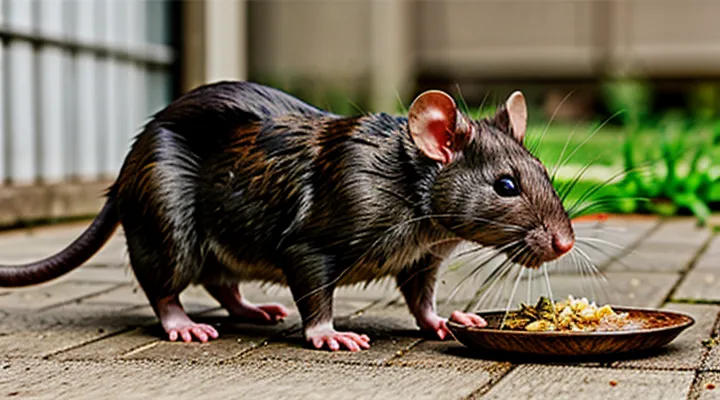
Understanding Rat Dietary Needs
Essential Nutritional Requirements
Rats require a diet that supplies adequate protein, essential fatty acids, carbohydrates, vitamins, and minerals to support growth, reproduction, and immune function.
Key macronutrient targets include:
- Protein : 15‑20 % of total caloric intake, derived from animal or plant sources rich in essential amino acids.
- Fat : 5‑10 % of calories, providing energy and facilitating absorption of fat‑soluble vitamins.
- Carbohydrates : approximately 50‑60 % of calories, supplied by grains, fruits, and vegetables.
Micronutrient requirements encompass:
- Vitamin A, D, E, K for vision, bone health, antioxidant protection, and blood coagulation.
- B‑complex vitamins for metabolic pathways and nervous system maintenance.
- Calcium, phosphorus, magnesium, and potassium for skeletal integrity and cellular processes.
- Trace elements zinc, iron, copper, and selenium for enzymatic activity and immune competence.
Sausage products contain high levels of saturated fat, sodium, and preservatives, which exceed recommended limits for rats. Excess sodium can lead to hypertension and renal strain, while disproportionate saturated fat may cause obesity and hepatic lipidosis. Additives such as nitrites lack nutritional benefit and pose toxicity risks.
Safe incorporation of sausage into a rat’s diet follows these guidelines:
- Limit sausage to no more than 5 % of total weekly intake, treating it as an occasional treat rather than a staple.
- Select low‑salt, lean varieties without artificial flavorings or curing agents.
- Cut into bite‑size pieces to prevent choking and ensure even distribution of nutrients.
- Pair with a balanced base diet that meets all macronutrient and micronutrient targets.
Adhering to these parameters preserves nutritional balance while allowing occasional indulgence of sausage‑flavored treats.
Foods to Avoid for Rats
When adding sausage to a pet rat’s diet, eliminate any items that could cause digestive distress, toxicity, or nutritional imbalance.
- Processed meats containing nitrates or nitrites
- High‑salt foods such as cured ham, bacon, or jerky
- Spicy condiments, pepper, or hot sauce
- Citrus fruits, pineapple, and tomatoes (acidic content)
- Chocolate, caffeine, and alcohol (toxic to rodents)
- Raw dough or batter (risk of expansion in the stomach)
- Sugary sweets, candy, and artificial sweeteners
- Foods with high fat content, including fried snacks and butter
These substances jeopardize rat health by provoking gastrointestinal irritation, kidney strain, or acute poisoning. Sodium overload from cured meats raises blood pressure and can lead to dehydration. Acidic fruits disrupt stomach pH, while caffeine and theobromine in chocolate interfere with cardiac function. Raw dough expands after ingestion, potentially causing blockages.
Safe sausage portions should be lean, low‑salt, and free of harmful additives. Pair with a balanced staple diet of high‑quality rodent pellets, fresh vegetables, and occasional protein sources that meet nutritional standards.
Sausage: A Closer Look
Ingredients in Sausage
Meat Type
When considering sausage as a treat for pet rodents, the choice of meat influences digestibility, fat intake, and potential health risks. Lean cuts reduce the likelihood of gastrointestinal upset, while excessive fat can lead to obesity and liver strain. Processed meats often contain preservatives, spices, and high sodium levels that may be harmful to small mammals.
Typical meat sources used in sausage formulations include:
- «pork» – high in fat; select low‑fat varieties, avoid cured or smoked options.
- «beef» – moderate fat content; choose lean ground beef, exclude added nitrates.
- «chicken» – low‑fat protein; ensure skin and bones are removed, avoid seasoned blends.
- «turkey» – comparable to chicken; verify that no added salt or flavorings are present.
- «lamb» – richer flavor, higher fat; limit portion size, opt for lean cuts.
Each meat type should be cooked thoroughly to eliminate pathogens, then cooled before mixing with a small amount of plain, unsalted sausage filler. Portion sizes must remain modest, serving no more than a few millimeters of sausage per week to maintain balanced nutrition.
Fats and Oils
Fats and oils in sausage represent a significant source of energy for rats, but excessive or inappropriate lipid types can lead to obesity, hepatic stress, and gastrointestinal upset. Commercial sausages often contain animal fats that are high in saturated fatty acids, which rats metabolize less efficiently than unsaturated fats found in plant oils.
Saturated fats increase serum cholesterol and may promote fatty liver disease when fed regularly. Polyunsaturated fatty acids (PUFAs) such as linoleic and α‑linolenic acid support cell membrane integrity and inflammatory regulation. However, oxidized oils lose nutritional value and become toxic. Heat‑processed sausage can contain lipid oxidation products that irritate the rat’s digestive tract.
Safe inclusion of sausage in a rat’s diet requires strict limits and preparation standards:
- Limit total fat contribution to no more than 5 % of the daily caloric intake.
- Choose sausages with minimal added animal fat; prefer those labeled “lean” or “low‑fat.”
- Remove visible skin, connective tissue, and excess grease before offering.
- Cook sausage thoroughly to reduce microbial load, then cool and cut into bite‑size pieces.
- Supplement the diet with a source of omega‑3 PUFAs, such as a few drops of flaxseed oil, to balance the fatty‑acid profile.
Monitoring body condition and stool consistency after introducing sausage helps detect adverse reactions early. If signs of weight gain, lethargy, or diarrhea appear, discontinue sausage and reassess the overall fat balance in the diet.
Spices and Seasonings
Spices can enhance the flavor of a small sausage portion offered to a pet rat, but only certain seasonings are safe for the animal’s digestive system and respiratory health.
Safe options include:
- parsley, finely chopped
- basil, fresh or dried, in minute amounts
- thyme, limited to a pinch
- dill, fresh leaves only
Spices to avoid because of potential toxicity or irritation:
- garlic, raw or powdered
- onion, any form
- chili powder or any hot peppers
- paprika, unless specifically labeled sweet and used sparingly
- cumin and coriander, which may cause gastrointestinal upset in larger doses
When seasoning sausage, limit total added spice to no more than 0.5 % of the sausage weight. Mix the spice uniformly into the meat to prevent concentrated spots that could cause localized irritation. Serve the seasoned portion at room temperature; hot or cold extremes increase the risk of digestive stress.
Monitor the rat after feeding for signs of respiratory distress, reduced appetite, or abnormal stool. Discontinue any seasoning that provokes such reactions and consult a veterinarian if symptoms persist.
Providing a modestly seasoned sausage can be a rewarding treat, provided the selected herbs are safe, the quantity is controlled, and the animal’s response is observed closely.
Preservatives and Additives
Preservatives and additives determine whether sausage can be offered to rats without health risks. Commercial sausage often contains chemical agents that extend shelf life but may be toxic to small mammals.
Common preservatives include sodium nitrite, sodium nitrate, BHA, BHT, and phosphates. Sodium nitrite and nitrate convert to nitrosamines in the digestive tract, leading to cellular damage. BHA and BHT function as antioxidants but have been linked to liver stress in rodents. Phosphates increase pH, potentially disrupting gut flora.
Safe choices prioritize minimal processing and natural ingredients. Recommended criteria:
- No added nitrites or nitrates.
- Absence of synthetic antioxidants such as BHA or BHT.
- Low sodium content, ideally below 0.5 % of the product weight.
- Presence of natural preservatives like rosemary extract or vitamin E.
When preparing sausage for rats, follow these steps:
- Select a fresh, minimally processed product that meets the safety criteria.
- Trim visible fat and skin to reduce caloric density.
- Cook thoroughly to eliminate bacterial contaminants; boiling or steaming preserves nutrients while destroying pathogens.
- Cool to room temperature, then cut into bite‑size pieces appropriate for the animal’s size.
Regular monitoring of the rat’s health after introducing sausage helps identify adverse reactions early. If signs of gastrointestinal upset or weight loss appear, discontinue the feed and consult a veterinary professional.
Nutritional Value of Sausage
Protein Content
Sausage typically provides 12–20 % protein by weight, depending on the variety and fat content. Lean pork or turkey sausages approach the upper end of this range, while heavily seasoned or cured types may contain less protein and more sodium.
Adult rats require approximately 14–20 % protein in their daily diet to support growth, tissue repair, and immune function. When sausage is introduced, its protein contribution should not exceed the rat’s overall dietary target; otherwise, excess protein can strain renal function and displace essential nutrients such as fiber and vitamins.
Guidelines for incorporating sausage safely:
- Limit sausage to no more than 5 % of total daily food mass.
- Ensure the remaining diet consists of a balanced rodent pellet or mash delivering the required protein percentage.
- Monitor sodium levels; avoid sausages with added curing agents or high salt content.
- Offer only cooked, unseasoned pieces to reduce the risk of pathogens and harmful additives.
Proper storage and handling minimize health hazards. Refrigerate raw sausage at 4 °C or lower, discard any portion left unrefrigerated for more than two hours, and heat to an internal temperature of at least 71 °C before serving. Remove visible fat and skin to lower caloric density and prevent gastrointestinal upset.
Fat Content
Sausage typically contains a high proportion of fat, often ranging from 20 % to 35 % of the product’s weight. Elevated fat levels increase caloric density, which can quickly exceed the energy requirements of a small rodent. Excess calories promote rapid weight gain, hepatic lipidosis, and cardiovascular strain in rats.
When assessing sausage for safe inclusion in a rat’s diet, consider the following thresholds:
- Total fat < 15 % of the product’s weight – minimal risk of over‑nutrition.
- Saturated fat < 5 % – reduces likelihood of lipid‑related disorders.
- Visible fat particles ≤ 2 mm – diminishes choking hazard and digestive blockage.
Sausage formulations that exceed these limits should be avoided or offered only in trace amounts. Even low‑fat varieties often contain added salts, spices, and preservatives, which compound health risks. The primary concern remains the disproportionate fat contribution relative to a rat’s typical intake of 5–10 % dietary fat.
Practical guidance: limit any sausage portion to no more than 0.5 g per 100 g of body weight, ensuring the total daily fat intake stays below the recommended 10 % of total calories. Combine occasional, low‑fat sausage with a balanced base diet rich in fiber, protein, and essential micronutrients to maintain optimal health.
Sodium Levels
Sodium is a major electrolyte in processed meats, including sausage, and it influences fluid balance, nerve function, and blood pressure in rodents. Commercial sausages often contain 500–900 mg of sodium per 100 g, a concentration that exceeds the typical daily allowance for an adult rat, which ranges from 100 to 150 mg of sodium per day. Feeding a rat a standard portion of sausage can therefore deliver more than half of the recommended intake in a single meal.
Excess sodium may produce the following observable effects:
- increased thirst and water consumption
- elevated blood pressure measurable by tail‑cuff plethysmography
- reduced appetite after repeated exposure
- signs of dehydration despite higher fluid intake
To keep sodium intake within safe limits, follow these guidelines:
- Offer no more than 5 g of sausage per week for a 250‑g adult rat; this amount provides roughly 30–45 mg of sodium, well below the daily ceiling.
- Choose low‑sodium varieties, defined as containing less than 300 mg of sodium per 100 g, and verify the label before purchase.
- Dilute the sausage with fresh water or mix with low‑sodium wet food to reduce the overall sodium concentration of the meal.
- Monitor the rat’s drinking behavior and weight; sudden increases in water intake or weight loss may indicate sodium overload.
Veterinary nutrition references state «the safe upper limit for sodium in a laboratory rat diet is 0.2 % of the diet by weight». Translating this figure to a typical pellet diet of 20 g per day yields a maximum of 40 mg of sodium. Any supplemental treat, including sausage, should be calculated against this benchmark to avoid surpassing the limit.
When sodium levels are controlled, occasional small servings of sausage can be incorporated into a balanced diet without compromising the rat’s health. Regular assessment of dietary composition remains essential for long‑term wellbeing.
Other Nutrients
When sausage is offered as an occasional treat, the overall diet must still supply a balanced spectrum of nutrients that rats require for growth, reproduction, and immune competence.
Protein from the meat portion contributes essential amino acids, yet rats also need vitamins, minerals, dietary fiber, and adequate hydration to process the high‑fat content safely.
Key supplemental nutrients include:
- Vitamin C — supports collagen synthesis and antioxidant defenses; deficiency can lead to scurvy.
- B‑complex vitamins — participate in energy metabolism and nervous‑system health.
- Calcium and phosphorus — maintain bone density; the calcium‑to‑phosphorus ratio should remain near 1:1.
- Magnesium — facilitates muscle function and enzymatic reactions.
- Iron — essential for hemoglobin formation; excess can cause oxidative stress.
- Dietary fiber — promotes gastrointestinal motility and helps regulate blood‑lipid levels.
- Omega‑3 fatty acids — modulate inflammation and improve cognitive function.
Water intake must increase proportionally to the sodium and fat delivered by the sausage, preventing dehydration and renal strain.
Integrating these nutrients through a high‑quality rodent pellet, fresh vegetables, and occasional fortified treats ensures that the occasional sausage indulgence does not compromise overall health.
Risks of Feeding Sausage to Rats
High Fat Content Concerns
Obesity
Obesity in pet rats often results from excessive intake of calorie‑dense foods such as processed meats. Sausage contains high levels of fat and protein, providing more than 300 kcal per 100 g, which exceeds the daily energy requirement of an average adult rat (approximately 30–40 kcal). Regular consumption without adjustment of total diet quickly leads to weight gain and associated health problems, including cardiovascular strain and reduced mobility.
Portion control and frequency are essential for maintaining a healthy body condition. A typical serving should not exceed 5 g of sausage, equivalent to roughly 15 kcal, and should be offered no more than twice per week. This limited inclusion allows the rat to enjoy the taste while keeping overall caloric intake within safe limits.
Guidelines for preventing obesity when feeding sausage:
- Measure each portion with a kitchen scale; avoid “hand‑size” estimates.
- Record the date and amount of every sausage treat in a feeding log.
- Monitor body condition weekly by feeling the ribs and assessing the waistline; a visible waist indicates excess weight.
- Increase fiber sources (e.g., timothy hay, fresh vegetables) to promote satiety and digestive health.
- Provide daily opportunities for exercise, such as climbing structures and wheel access.
Consistent application of these practices reduces the risk of excessive weight gain while preserving the nutritional benefits of occasional meat treats. Proper management ensures that rats remain active, healthy, and able to enjoy occasional sausage without compromising long‑term wellbeing.
Pancreatitis
Pancreatitis is an inflammation of the pancreas that can develop when rats ingest foods high in fat, such as sausage. The organ’s limited capacity to process large quantities of animal fat makes it particularly vulnerable to overload, leading to cellular damage and impaired digestive function.
Typical signs include reduced activity, abdominal swelling, irregular stool, and loss of appetite. Rapid onset may result in vomiting or respiratory distress, indicating the condition’s severity and the need for immediate veterinary intervention.
To minimize the risk of pancreatitis while offering sausage as an occasional treat, follow these guidelines:
- Choose lean, low‑sodium sausage varieties; remove visible fat and skin before serving.
- Limit portions to no more than a single bite, equivalent to less than 1 % of the rat’s body weight.
- Offer the treat no more than twice per month, allowing at least three weeks between servings.
- Observe the animal for any change in behavior or digestion after the treat; discontinue feeding if adverse effects appear.
- Provide a balanced diet rich in fiber, protein, and essential nutrients to support pancreatic health.
Adhering to these precautions helps prevent pancreatic inflammation while maintaining a varied, safe diet for pet rats.
High Sodium Content Dangers
Dehydration
Dehydration poses a serious risk when rats are offered high‑protein treats such as sausage. Sausage contains considerable salt, which increases the animal’s fluid loss through urine and can accelerate the onset of dehydration if water intake does not match the additional demand.
Typical signs of insufficient hydration include skin that fails to retract quickly when gently lifted, sunken eyes, reduced activity, and dry, sticky fur around the mouth and paws. Early detection prevents progression to organ failure and impaired digestion, which may compromise the rat’s ability to process the treat safely.
Preventive measures focus on maintaining adequate water availability and monitoring consumption:
- Provide fresh, clean water at all times; replace it at least twice daily.
- Use a water bottle with a sipper tube to reduce spillage and contamination.
- Offer a small amount of sausage no more than once a week, limiting portion size to less than 5 % of the rat’s daily caloric intake.
- Observe water intake for 24 hours after feeding; a noticeable decline warrants immediate intervention.
- Supplement with moisture‑rich vegetables (e.g., cucumber, celery) to boost overall fluid intake.
If dehydration is suspected, rehydrate gradually with small quantities of water or electrolyte‑balanced solutions designed for small mammals. Veterinary assistance becomes necessary when symptoms persist beyond a few hours or when the rat exhibits lethargy, rapid breathing, or loss of appetite.
Kidney Issues
Feeding sausage to rats introduces a high‑protein, high‑fat food that can strain renal function. Excessive protein increases glomerular filtration demand, while saturated fat promotes lipid accumulation in kidney tissue. Over time, these factors may lead to reduced filtration efficiency and progressive nephropathy.
Key renal considerations when offering sausage:
- Sodium content often exceeds safe levels for rodents, raising blood pressure and accelerating glomerular damage.
- Preservatives such as nitrites can cause oxidative stress, impairing tubular cells.
- Moisture loss in cured sausage creates a dehydrating effect, potentially concentrating urinary solutes and encouraging crystal formation.
To minimize kidney risk, limit sausage to occasional, small portions, ensure constant access to fresh water, and balance the diet with low‑protein, high‑fiber vegetables. Regular monitoring of urine color and volume provides early indicators of renal distress. If signs of dehydration or abnormal excretion appear, discontinue sausage immediately and consult a veterinarian.
Spice and Seasoning Hazards
Gastrointestinal Upset
Sausage can be offered to pet rats only as an occasional, carefully prepared treat; excessive fat, salt, spices, and preservatives frequently provoke gastrointestinal upset.
High‑fat content slows gastric emptying, while strong seasonings irritate the intestinal mucosa. Processed meats often contain nitrites that disrupt normal gut flora, increasing the risk of diarrhoea and abdominal discomfort.
Typical manifestations of digestive disturbance include:
- Loose, watery faeces or occasional blood staining
- Reduced food intake and lethargy
- Abdominal distension or visible discomfort when handled
- Increased frequency of urination accompanying faecal changes
Preventive measures rely on strict control of ingredient quality and portion size:
- Select plain, uncured sausage without added spices, garlic, onion, or excessive salt.
- Trim visible fat and cut the meat into bite‑size pieces not exceeding 2 g per serving.
- Offer the treat no more than once per week, ensuring the majority of the diet consists of high‑fiber rodent pellets and fresh vegetables.
- Observe the rat for at least 24 hours after feeding; discontinue the treat if any adverse signs appear.
If gastrointestinal upset occurs, intervene promptly:
- Remove all sausage remnants from the cage.
- Provide fresh water and a bland diet of plain cooked rice or boiled chicken breast, limited to 1 g per 100 g body weight.
- Monitor faecal consistency twice daily; if diarrhoea persists beyond 48 hours or blood is present, seek veterinary assessment.
Adhering to these guidelines minimizes the likelihood of digestive problems while allowing occasional sausage exposure under safe conditions.
Toxicity from Certain Spices
Rats can safely consume small portions of cooked sausage when the meat contains no harmful additives. Certain spices commonly used to flavor sausage pose a toxic risk to rodents because they contain compounds that irritate the gastrointestinal tract or affect the nervous system.
Toxic spices include:
- Garlic and onion (contain thiosulfates that cause hemolytic anemia)
- Chili powder and cayenne (high capsaicin levels may cause digestive distress)
- Nutmeg (myristicin can produce neurotoxic effects)
- Paprika in excessive amounts (contains capsanthin, which can be irritating)
- Black pepper in large doses (piperine may lead to respiratory irritation)
Safe feeding practices:
- Choose plain, unseasoned sausage or remove the skin before cooking.
- Cook sausage thoroughly to eliminate pathogens.
- Limit serving size to no more than 5 % of the rat’s daily caloric intake.
- Observe the animal for signs of discomfort, such as reduced activity or abnormal stool, after introducing new foods.
Adhering to these guidelines minimizes the risk of spice‑induced toxicity while allowing occasional sausage as a treat.
Preservatives and Additives Risks
Digestive Problems
Feeding processed meat such as sausage to pet rodents can trigger acute and chronic gastrointestinal disturbances. High levels of fat, salt, and additives overwhelm the limited digestive capacity of these small mammals, leading to inflammation, obstruction, or dysbiosis.
Typical digestive problems include:
- Gastric irritation and ulceration
- Diarrhea or soft stools
- Constipation caused by indigestible fragments
- Bacterial overgrowth resulting from altered gut flora
- Intestinal blockage from large, unchewed pieces
The primary physiological triggers are:
- Excessive saturated fat that slows gastric emptying
- Elevated sodium that disrupts electrolyte balance
- Preservatives and spices that irritate mucosal lining
- Lack of fiber, which impedes normal peristalsis
Safe feeding practices:
- Limit sausage to occasional treats, no more than one small bite per month.
- Choose low‑fat, low‑salt varieties without added spices or nitrates.
- Cut meat into pieces smaller than a pea to facilitate chewing.
- Pair each treat with a high‑fiber diet of fresh vegetables and whole‑grain pellets.
- Observe stool consistency and appetite for 24–48 hours after administration.
If signs of digestive distress appear, discontinue the treat immediately, provide fresh water, and consult a qualified veterinarian. Prompt intervention reduces the risk of severe complications and supports long‑term gut health.
Long-Term Health Effects
Sausage is a processed meat product characterized by high levels of saturated fat, sodium, and preservatives. When incorporated regularly into a rat’s diet, these components influence physiological systems over extended periods.
Long‑term health consequences may include:
- Increased body fat accumulation, leading to obesity‑related complications.
- Elevated blood pressure and risk of cardiovascular strain due to excessive sodium.
- Development of hepatic steatosis as a result of chronic fat overload.
- Renal stress caused by high protein and salt intake, potentially accelerating kidney disease.
- Disruption of gastrointestinal microbiota, resulting in reduced nutrient absorption and chronic digestive discomfort.
Mitigation strategies focus on frequency and quality. Offer sausage no more than once a week, selecting varieties with reduced fat and sodium content. Pair occasional servings with a balanced diet rich in fiber, vitamins, and minerals. Monitor body condition regularly; adjust portions if weight gain or health issues emerge. Consistent adherence to these guidelines supports overall longevity while minimizing adverse effects.
Safer Alternatives for Rat Treats
Healthy Meat Options
Cooked Chicken
Cooked chicken offers a high‑quality protein option for pet rats when evaluating safe protein sources alongside processed meats.
Key safety guidelines for feeding cooked chicken to rats:
- Use boneless meat only; bone fragments pose choking hazards and can cause internal injury.
- Prepare by boiling or steaming until fully cooked; avoid frying, grilling, or adding oil.
- Exclude all seasonings, sauces, salt, and sugar; additives may irritate the digestive system.
- Serve in small portions (approximately ½ teaspoon for a standard‑size rat) to prevent obesity.
- Limit frequency to 2–3 times per week; balance with a varied diet of grains, vegetables, and occasional treats.
Compared with sausage, plain cooked chicken contains less saturated fat and no curing agents, reducing the risk of gastrointestinal upset and long‑term health issues.
Adhering to the outlined practices ensures that cooked chicken contributes safely to a rat’s nutritional regimen while maintaining the overall goal of providing wholesome, low‑risk protein sources. «Cooked chicken must be plain and unseasoned».
Cooked Fish
Cooked fish provides high‑quality protein and essential fatty acids that support growth and coat health in pet rats. When offering cooked fish, ensure the following:
- Flesh is thoroughly cooked, free of raw or undercooked sections.
- Bones are removed completely; even small fragments can cause choking or internal injury.
- No added salt, seasoning, garlic, onion, or sauces; these ingredients are toxic to rodents.
- Portion size does not exceed 5 % of the daily caloric intake to prevent obesity and nutrient imbalance.
Nutritional value of cooked fish complements the protein supplied by meat‑based treats such as sausage, while delivering omega‑3 fatty acids that aid cardiovascular function. Over‑reliance on fish can lead to excess vitamin D and mercury exposure; rotate protein sources and limit fish to two servings per week.
Safe handling practices reduce bacterial contamination. Store cooked fish in a sealed container, refrigerate promptly, and discard any leftovers after 24 hours. Feeding fresh, plain, and properly prepared fish aligns with veterinary recommendations for a balanced rodent diet.
Vegetable and Fruit Treats
Safe Vegetables
When sausage is included in a rat’s diet, vegetables supply fiber, vitamins, and minerals that help maintain digestive health.
Safe vegetable options include:
- Carrot slices, raw or lightly steamed
- Broccoli florets, trimmed of tough stems
- Spinach leaves, washed thoroughly
- Zucchini, diced
- Bell pepper strips, seeded
- Cucumber rounds, peeled if the skin is waxed
- Green beans, cut into bite‑size pieces
Preparation guidelines:
- Wash all produce under running water to remove pesticides.
- Remove any seeds or pits that could cause choking.
- Offer vegetables in moderation; they should complement, not replace, protein sources.
- Introduce new vegetables one at a time, observing the rat for any signs of intolerance.
Safe Fruits
Rats benefit from occasional fruit treats that supply vitamins, antioxidants, and moisture. Selecting appropriate varieties prevents digestive upset and supports overall health.
- Apple (core removed, skin thin)
- Blueberries
- Strawberries (halved)
- Raspberries
- Pear (seedless, skin thin)
- Kiwi (peeled)
- Mango (seedless, small cubes)
- Watermelon (seedless, rind excluded)
Fruits that pose risks should be excluded:
- Grapes and raisins – toxic to rodents
- Citrus (lemon, orange, lime) – high acidity can irritate stomach
- Cherries – pits contain cyanogenic compounds
- Avocado – persin toxic to many mammals
- Tomato leaves and stems – solanine content harmful
Feeding guidelines:
- Offer fruit no more than 5 % of total daily intake.
- Limit portions to a few bite‑size pieces per rat.
- Introduce new fruits gradually, monitor for adverse reactions.
- Wash all fruit thoroughly, remove seeds, pits, and stems.
- Store fresh fruit in the refrigerator, discard leftovers after 24 hours to avoid mold growth.
Commercial Rat Treats
Commercial rat treats offer a convenient option for supplementing a rodent’s diet when considering the inclusion of meat‑based foods. These products are formulated to meet the specific nutritional requirements of rats, reducing the risk of imbalances that can arise from feeding plain sausage.
Key criteria for selecting safe commercial treats include:
- Clear ingredient list that identifies protein sources, avoids excessive fat, and excludes artificial preservatives or sweeteners.
- Nutrient profile that balances protein, fiber, vitamins, and minerals appropriate for adult rats.
- Size and texture designed to prevent choking and to encourage natural foraging behavior.
- Manufacturer reputation, demonstrated by compliance with pet‑food safety standards and transparent testing procedures.
When integrating treats with meat items such as sausage, follow these guidelines:
- Limit sausage to no more than 5 % of total weekly caloric intake; use treats to provide the remaining nutrients.
- Offer treats in small quantities, no larger than a pea‑sized piece per feeding, to avoid overfeeding.
- Observe the animal for changes in weight, stool consistency, or activity level; adjust portions if adverse effects appear.
Maintaining a balanced diet relies on regular monitoring and adherence to the criteria above. Selecting high‑quality commercial rat treats and moderating the amount of sausage ensures safe, nutritionally sound feeding practices.
Best Practices for Rat Feeding
Moderation is Key
Rats may enjoy occasional sausage, but the quantity must remain limited to avoid health complications.
Excessive sausage introduces high levels of saturated fat, sodium, and preservatives, which can strain the cardiovascular system, elevate blood pressure, and disrupt digestive balance. Small pieces also pose a choking risk if not prepared correctly.
Guidelines for safe inclusion:
- Offer no more than a single bite‑sized fragment per feeding session.
- Limit sausage treats to one or two times per week, ensuring the majority of the diet consists of balanced rodent pellets and fresh vegetables.
- Trim visible fat and remove any casing before serving.
- Cook the meat thoroughly, avoid seasoning, and cool to room temperature prior to offering.
Observe the animal after each introduction; signs of lethargy, weight gain, or digestive upset indicate the need to reduce or discontinue sausage. Adjust the regimen based on the rat’s response, maintaining the principle that moderation preserves both enjoyment and wellbeing.
Introducing New Foods
Introducing unfamiliar items into a pet rat’s diet requires a methodical approach to prevent digestive upset and nutritional imbalance. Begin with a small quantity, observe the animal for 24 hours, and assess appetite, stool consistency, and activity level before increasing the portion.
When considering sausage as an occasional treat, follow these steps:
- Verify that the sausage contains no garlic, onion, excessive salt, or spices known to be toxic to rodents.
- Choose a plain, unseasoned variety, preferably cooked without added fats.
- Offer a piece no larger than the size of the rat’s thumb, roughly 0.5 g, and limit frequency to once a week.
- After feeding, monitor for signs of discomfort, such as reduced movement, abnormal droppings, or respiratory changes.
- Discontinue the treat immediately if any adverse reaction occurs and consult a veterinarian.
General principles for adding any new food apply equally to sausage. Provide a balanced base diet of high‑quality pellets, fresh vegetables, and occasional protein sources. Introduce each novel item separately, maintaining a log of quantities and observed effects. Consistency in feeding schedule and portion control supports optimal health and reduces the risk of obesity or nutritional deficiencies.
Monitoring Rat Health
When a sausage piece is added to a rat’s diet, regular health checks become essential. Monitoring ensures that the treat does not cause digestive upset, weight gain, or other complications.
Key health indicators to observe:
- Weight stability or gradual increase; rapid gain signals excess calories.
- Stool consistency; loose, watery, or blood‑stained feces indicate intolerance.
- Activity level; reduced movement or lethargy suggests discomfort.
- Respiratory sounds; wheezing or labored breathing may reflect fat‑related strain.
- Skin and fur condition; dull coat or hair loss can signal nutritional imbalance.
A practical schedule includes daily visual inspections, weekly weight measurements, and bi‑weekly assessment of stool and behavior. Any deviation from normal parameters warrants immediate adjustment of the diet and, if necessary, veterinary consultation.
Professional evaluation should occur at least once per year, with additional visits if health changes appear after introducing sausage. Veterinarians can perform comprehensive examinations, blood tests, and provide tailored feeding recommendations.