
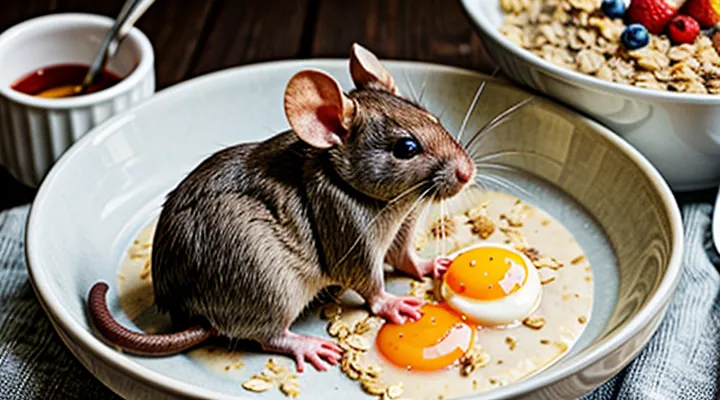
Understanding Rat Dietary Needs
Essential Nutritional Requirements for Rats
Rats require a balanced diet that supplies adequate protein, energy, fat, fiber, vitamins, minerals, and water. Protein should constitute 14‑20 % of total calories, sourced from animal or plant proteins such as soy, fish meal, or egg powder. Energy density must provide 60‑70 kcal per 100 g of feed to sustain normal activity and growth. Fat inclusion of 5‑10 % supplies essential fatty acids and supports coat health. Fiber, at 5‑7 % of the diet, promotes gastrointestinal motility and prevents digestive disorders.
Key micronutrients include calcium and phosphorus in a ratio of 1:1 to 1.5:1, preventing skeletal abnormalities. Vitamin A, D₃, E, and the B‑complex group must be present in amounts that meet the National Research Council recommendations for laboratory rodents. Sodium, potassium, magnesium, and trace elements such as zinc and copper are required in precise concentrations to maintain electrolyte balance and enzymatic function. Fresh water must be continuously available.
- Protein ≥ 14 % of calories
- Fat ≈ 5‑10 % of diet
- Fiber ≈ 5‑7 % of diet
- Calcium : phosphorus ≈ 1‑1.5 : 1
- Vitamin A ≥ 1500 IU/kg, Vitamin D₃ ≥ 500 IU/kg, Vitamin E ≥ 30 IU/kg
- B‑vitamins meeting NRC levels for rat growth and reproduction
- Trace minerals (Zn, Cu, Mn, Se) at NRC‑specified concentrations
- Continuous access to clean water
Oatmeal delivers carbohydrates and soluble fiber but falls short of the protein, fat, calcium, and vitamin levels listed above. When offered as part of a morning meal, oatmeal should be combined with a formulated rat pellet or fortified supplement to satisfy the complete nutritional profile required for healthy rodents.
Foods to Avoid for Rats
When considering oatmeal as part of a rat’s morning meal, owners must also be aware of substances that can jeopardize health. Certain items are toxic, indigestible, or promote obesity and must be excluded from any diet, including breakfast.
- Chocolate and cocoa products
- Caffeine‑containing drinks or foods
- Alcoholic beverages
- Raw or uncooked beans (especially kidney beans)
- Citrus peels and large quantities of citrus fruit
- Processed meats and salty snacks
- High‑fat dairy products (e.g., cheese, whole‑milk yogurt)
- Sugary candies and artificial sweeteners
- Avocado flesh and pits
- Onions, garlic, and chives
These foods cause liver damage, gastrointestinal upset, neurological symptoms, or severe metabolic disturbances in rodents. Even small amounts can accumulate, leading to chronic health issues. By eliminating the listed items, owners create a safer environment for introducing oatmeal and other wholesome ingredients into the rat’s breakfast routine.
Oatmeal for Rats: The Good Side
Nutritional Benefits of Oatmeal for Rats
Vitamins and Minerals
Oatmeal can serve as a source of several essential nutrients for laboratory and pet rats, but its nutritional profile must be evaluated against the specific vitamin and mineral requirements of the species.
Rats require high levels of vitamin C, B‑complex vitamins (especially B1, B2, B6, and B12), vitamin E, and trace minerals such as zinc, copper, manganese, and selenium. Plain rolled oats contain modest amounts of B‑vitamins, vitamin E, and minerals like iron and magnesium, but lack vitamin C entirely. Supplementation or the inclusion of fresh fruits and vegetables is necessary to meet the rat’s complete vitamin regimen.
Potential benefits
- Provides B‑vitamins that support energy metabolism.
- Supplies magnesium and phosphorus, contributing to bone development.
- Offers soluble fiber that promotes gastrointestinal health.
Potential drawbacks
- Absence of vitamin C may predispose rats to deficiency without additional sources.
- Iron content is relatively high; excessive intake can interfere with copper absorption.
- Low calcium-to‑phosphorus ratio may encourage skeletal imbalances if oatmeal dominates the diet.
Balanced incorporation of oatmeal into a rat’s morning feeding schedule should involve complementary foods rich in vitamin C (e.g., citrus wedges, leafy greens) and calcium (e.g., fortified chew blocks) to offset the identified limitations.
Fiber Content and Digestive Health
Oatmeal supplies a moderate amount of soluble and insoluble fiber, typically ranging from 1 to 2 grams per 100 grams of dry product. In rats, this fiber contributes to stool bulk, promotes regular peristalsis, and can moderate the speed of gastric emptying. The resulting effect is a more consistent passage of waste, reducing the risk of constipation that commonly appears in laboratory or pet rodents fed low‑fiber diets.
Key digestive benefits include:
- Fermentation of soluble fiber by colonic microbes, producing short‑chain fatty acids that support colonocyte energy metabolism.
- Binding of excess bile acids, which can lower the enterohepatic circulation of cholesterol.
- Stimulation of mucosal growth, enhancing the protective barrier of the intestinal lining.
Potential drawbacks arise when fiber intake exceeds the rat’s physiological capacity. Overconsumption may lead to:
- Dilution of nutrient density, causing reduced caloric intake per gram of food.
- Increased bulk that overwhelms the small intestine’s absorptive surface, possibly resulting in loose stools or mild diarrhea.
- Interference with the absorption of minerals such as calcium and iron due to phytate content often present in whole‑grain oats.
Balancing oatmeal with a protein‑rich source (e.g., rodent chow or cooked egg) and limiting the portion to 10–15 % of the total daily diet can maximize fiber‑related advantages while minimizing digestive disturbances. Regular monitoring of fecal consistency and body weight provides practical feedback on whether the fiber level remains appropriate for the individual rat.
Energy Source
Oatmeal supplies carbohydrates that are rapidly converted to glucose, providing immediate energy for small mammals. The grain’s low glycemic index moderates blood‑sugar spikes, which can help maintain steady activity levels throughout the morning. Rats, with high metabolic rates, benefit from this quick‑release fuel, especially after periods of nocturnal foraging.
Potential drawbacks stem from the fiber content and caloric density. Excessive soluble fiber may interfere with nutrient absorption, while the caloric load can promote weight gain if not balanced with protein and fat sources. Rats that are already on a diet rich in grains may experience reduced appetite for essential protein‑rich foods.
Consider these points when evaluating oatmeal as a morning energy source for pet rodents:
-
Advantages
- Fast‑acting glucose supports alertness.
- Moderate glycemic response reduces hyperactivity.
- Soluble fiber aids digestive regularity.
-
Disadvantages
- High fiber may limit mineral uptake.
- Caloric surplus risks obesity.
- Overreliance can diminish intake of protein and fats.
Optimal use involves offering a measured portion—approximately one teaspoon per 100 g of body weight—mixed with a balanced pellet or fresh vegetables. Monitoring body condition and adjusting quantities ensures that the energy provided by oatmeal supports healthy activity without inducing metabolic imbalance.
How to Prepare Oatmeal Safely for Rats
Plain and Unsweetened is Key
Plain, unsweetened oatmeal provides a source of soluble fiber and complex carbohydrates that rats can digest without excessive strain on their gastrointestinal system. The absence of added sugars prevents rapid spikes in blood glucose, which rodents are particularly sensitive to.
Advantages
- Stabilizes energy release throughout the morning, supporting active behavior.
- Contributes modest amounts of iron, magnesium, and B‑vitamins essential for metabolic processes.
- Low fat content reduces risk of obesity when offered as part of a balanced diet.
Disadvantages
- Lacks sufficient protein; rats require additional protein sources such as boiled eggs or legumes.
- Minimal calcium and phosphorus may lead to mineral imbalances if oatmeal becomes a frequent staple.
- Texture can become overly dry; without moisture, rats may reject the food or develop dental wear.
For optimal use, serve oatmeal at room temperature, moistened with a few drops of water or unsalted broth. Limit portions to one tablespoon per adult rat, mixed with a protein‑rich supplement. Monitor weight and coat condition regularly to ensure the inclusion supports overall health without displacing essential nutrients.
Proper Cooking Methods
Proper cooking techniques determine whether oatmeal serves as a safe, nutritious breakfast for rats. The method influences texture, temperature, and nutrient retention, all of which affect a rodent’s digestive health.
- Boiling: Submerge rolled oats in water, bring to a gentle boil, simmer 5–7 minutes until soft. This method preserves soluble fiber and reduces antinutrients.
- Steaming: Place oats in a steamer basket over simmering water, cover, and steam 8–10 minutes. Steaming limits nutrient loss compared with direct boiling and yields a moist consistency preferred by many rodents.
- Microwaving: Combine oats with water in a microwave‑safe container, heat on high for 1–2 minutes, stir, then let stand 1 minute. Rapid heating minimizes exposure to heat‑sensitive vitamins but requires careful monitoring to avoid overheating.
- Soaking (cold preparation): Cover oats with room‑temperature water, let sit 30 minutes to an hour. Soaking eliminates the need for heat, preserving heat‑labile nutrients, though it produces a firmer texture that some rats may reject.
Additional considerations:
- Cool the cooked oatmeal to body‑temperature (approximately 37 °C) before offering it to prevent burns.
- Serve in small, bite‑size portions to match a rat’s natural intake and avoid waste.
- Exclude added sugars, salt, or dairy; these ingredients can cause metabolic issues in rodents.
- Verify that the oatmeal is plain, whole‑grain, and free from additives such as artificial flavorings.
Applying these methods ensures that oatmeal retains its dietary benefits while remaining safe for a rat’s morning meal. Proper preparation eliminates hazards and supports the evaluation of oatmeal as a viable breakfast choice for rats.
Serving Size Recommendations
When offering oatmeal to pet rats, the portion size must align with their metabolic rate and dietary balance. Adult rats typically consume 1‑2 grams of dry oatmeal per day; this amount provides carbohydrates without displacing essential protein and fiber sources. Juvenile rats require slightly less, around 0.5‑1 gram, because their overall caloric needs are lower and they are still developing.
Key considerations for determining a safe serving:
- Measure the dry weight before cooking; moisture content varies and can inflate volume.
- Limit the portion to no more than 10 % of the rat’s total daily caloric intake.
- Introduce oatmeal gradually, monitoring for digestive upset or changes in stool consistency.
- Pair the oatmeal with a protein‑rich food (e.g., boiled egg, low‑fat cheese) to maintain a balanced nutrient profile.
- Ensure the oatmeal is plain, without added sugars, salt, or flavorings that could harm the animal.
Adjust the quantity if the rat shows signs of excess weight gain or reduced activity. Regularly reassess serving size in response to age, health status, and overall diet composition.
Oatmeal for Rats: Potential Downsides and Risks
Potential Health Concerns
Sugar and Additives
Oatmeal can serve as a morning ration for laboratory or pet rats, but the inclusion of sugar and food‑grade additives requires careful assessment.
Sugar supplies rapid glucose, supporting short‑term activity after a nocturnal fast. However, excess sucrose or high‑fructose corn syrup accelerates weight gain, predisposes to insulin resistance, and promotes dental plaque formation. Rats lack the metabolic mechanisms to efficiently process large sugar loads, making prolonged exposure a health risk.
Key points on sugar:
- Immediate energy boost; measurable rise in blood glucose within minutes.
- Heightened risk of obesity when daily intake exceeds 5 % of total caloric content.
- Accelerated enamel demineralization; observable lesions after weeks of regular consumption.
Food additives commonly appear in flavored oatmeal mixes. Stabilizers, artificial sweeteners, and preservative agents improve shelf life and palatability, yet many compounds are not validated for rodent nutrition. Certain emulsifiers disrupt gut microbiota, while synthetic colors may trigger hypersensitivity reactions. Natural additives such as cinnamon or pumpkin seed oil provide antioxidant benefits without the toxicity associated with some synthetic chemicals.
Considerations for additives:
- Preservatives (e.g., BHT, sodium benzoate) extend product freshness; documented to affect liver enzyme activity in rodents.
- Artificial sweeteners (e.g., sucralose) enhance taste; research indicates altered glucose tolerance at high concentrations.
- Natural flavor enhancers (e.g., vanilla extract) improve acceptance; generally safe at low doses.
- Colorants (e.g., Red 40) improve visual appeal; linked to increased mast cell activity in some studies.
Balancing energy provision against metabolic and dental health suggests limiting added sugars to less than 2 % of the oatmeal’s weight and selecting additives with established safety profiles for rodents. When formulated with minimal or natural enhancers, oatmeal can contribute to a balanced morning diet without compromising rat welfare.
Overfeeding and Weight Gain
Oatmeal provides rats with carbohydrates, soluble fiber, and modest protein, making it an attractive option for a morning meal. Its low fat content reduces the likelihood of immediate lipid overload, yet the carbohydrate load can rapidly increase total caloric intake if portions are not monitored.
Excessive serving sizes introduce more calories than a rat’s basal metabolic rate can accommodate. When daily energy consumption exceeds expenditure, adipose tissue expands, leading to measurable weight gain. Studies on laboratory rodents show a linear relationship between surplus calories and body mass increase, regardless of the macronutrient source.
Elevated body weight predisposes rats to insulin resistance, hepatic steatosis, and reduced lifespan. Overfeeding oatmeal also alters gut microbiota, favoring fermentative bacteria that produce short‑chain fatty acids, which may further stimulate appetite and fat storage.
Practical measures to prevent overfeeding:
- Offer no more than ¼ cup of cooked oatmeal per 100 g of body weight per day.
- Divide the portion into two small servings, spaced several hours apart.
- Pair oatmeal with a protein source (e.g., boiled egg white) to balance macronutrients.
- Monitor body weight weekly; adjust portions if gain exceeds 2 % of baseline.
Choking Hazards
Oatmeal can be offered to rats as a morning food, but its consistency creates a genuine choking risk. The grain’s tendency to swell when wet produces dense lumps that may block a rodent’s narrow airway. Dry, compact pieces can also adhere to the palate and obstruct breathing if a rat swallows them whole.
Key factors that increase choking potential:
- High viscosity after soaking, forming solidified masses.
- Large, uneven clumps that exceed the size of a rat’s throat opening.
- Sticky surface that adheres to teeth, preventing proper mastication.
Mitigation strategies:
- Serve oatmeal in a finely milled, liquid form; blend with water to a soupy consistency.
- Limit portion size to a teaspoon of prepared oatmeal per rat.
- Observe each animal while eating; intervene immediately if signs of distress appear.
- Provide alternative, low‑risk breakfast items such as small pieces of fresh fruit or commercial rodent pellets.
When oatmeal is prepared correctly and monitored closely, the choking hazard diminishes to a manageable level. Improper preparation, however, raises the likelihood of airway obstruction and should be avoided in any rat feeding regimen.
When to Avoid Giving Oatmeal to Your Rat
Young or Very Old Rats
Oatmeal offers a source of complex carbohydrates, soluble fiber, and modest protein, but its suitability varies markedly between juvenile and geriatric rats.
Young rats require rapid growth and high‑quality nutrients. The soluble fiber in oatmeal can aid regular bowel movements, while the gradual release of glucose supports steady energy without spikes that might stress a developing pancreas. However, the low calcium‑phosphorus ratio in plain oatmeal can hinder skeletal mineralization if not balanced with calcium‑rich foods. Additionally, the coarse texture may be difficult for immature incisors to gnaw, increasing the risk of dental injury.
Very old rats often experience reduced digestive efficiency and dental wear. The softened consistency of cooked oatmeal can be easier to ingest, reducing strain on worn teeth. Soluble fiber may alleviate constipation, a common issue in senior rodents. Conversely, the high carbohydrate load can exacerbate age‑related insulin resistance, potentially accelerating weight gain. The reduced protein content may be insufficient for maintaining muscle mass, and the presence of anti‑nutritional compounds such as phytic acid can impair mineral absorption, which is already compromised in aging animals.
Practical guidelines
- Offer oatmeal only in small, warm portions; avoid raw grains.
- Mix with a calcium supplement or fortified rat chow for juveniles.
- Limit to a few days per week for seniors; monitor weight and blood glucose.
- Ensure no added sugar, honey, or flavored toppings, which increase caloric density and risk of obesity.
- Observe dental health; replace oatmeal with softer, nutritionally equivalent alternatives if tooth wear is severe.
Rats with Specific Health Conditions
Rats suffering from diabetes, obesity, or gastrointestinal disorders require careful dietary assessment before introducing oatmeal as a morning staple. Oatmeal supplies soluble fiber, which can moderate blood glucose spikes in diabetic rodents, but the carbohydrate load may exacerbate hyperglycemia if portion sizes exceed 2 grams per 100 grams of body weight. Veterinary nutritionists recommend measuring glycemic response after a trial feeding of 0.5 gram dry oats mixed with water, observing blood glucose trends for at least two hours.
-
Diabetic rats
- Benefit: soluble fiber slows glucose absorption.
- Risk: high starch content can raise blood sugar if not balanced with protein or fat.
-
Obese rats
- Benefit: low‑calorie bulk may promote satiety, reducing overall intake.
- Risk: added calories contribute to weight gain unless total daily energy is reduced.
-
Rats with gastrointestinal sensitivity
- Benefit: fiber can aid regular bowel movements and prevent constipation.
- Risk: insoluble oat particles may irritate inflamed mucosa, causing diarrhea.
Rats with renal insufficiency face limited tolerance for phosphorus and potassium, both present in oats. A single serving of 0.3 gram dry oatmeal contributes approximately 15 mg phosphorus and 30 mg potassium, values that can accumulate quickly in compromised kidneys. Adjustments include pairing oatmeal with phosphate binders or selecting low‑phosphorus grain alternatives.
Allergic reactions to avenin, a protein in oats, occur rarely but can manifest as skin lesions or respiratory distress. Diagnostic skin testing or serum IgE measurement identifies susceptible individuals before routine feeding.
In summary, oatmeal can serve as a controlled breakfast component for rats with specific health challenges when nutrient quantities are calculated, monitoring protocols are followed, and veterinary guidance is applied.
Alternative Healthy Treats for Rats
Fruits and Vegetables
When evaluating oatmeal as a morning meal for laboratory or pet rats, the inclusion of fruits and vegetables modifies nutritional balance, texture, and palatability. Fresh produce supplies essential vitamins, minerals, and fiber that oatmeal alone lacks. Vitamin C from berries, beta‑carotene from carrots, and potassium from bananas support immune function and metabolic health. Fiber from leafy greens accelerates gastrointestinal transit, reducing the risk of constipation common with grain‑dominant diets.
Potential drawbacks arise from sugar content, acidity, and moisture. High‑sugar fruits can cause rapid blood‑glucose spikes, encouraging excessive weight gain. Citrus fruits introduce acid that may irritate the oral cavity or stomach lining. Moisture from fresh produce shortens shelf life, increasing the likelihood of spoilage and bacterial growth if not stored properly.
Considerations for integrating produce with oatmeal:
- Select low‑sugar fruits (e.g., blueberries, raspberries) and non‑acidic varieties.
- Use finely chopped vegetables (e.g., spinach, zucchini) to maintain a consistent texture.
- Limit portion size to 10 % of total daily caloric intake to avoid overfeeding.
- Monitor individual rat response for signs of digestive upset or altered appetite.
- Rotate produce types weekly to ensure a broad spectrum of micronutrients.
Balancing oatmeal with appropriate fruit and vegetable additions enhances dietary completeness while mitigating risks associated with excess sugars and moisture. Regular assessment of intake and health markers confirms whether the combined breakfast meets the specific physiological needs of rats.
Grains and Seeds
Grains and seeds constitute a major portion of a rat’s natural diet, providing essential carbohydrates, fiber, and micronutrients. Oatmeal, derived from whole oat grains, aligns with these nutritional categories, offering a source of soluble fiber that supports digestive health and a modest amount of protein for tissue maintenance.
Advantages
- High fiber content promotes regular bowel movements and reduces the risk of gastrointestinal blockages.
- Complex carbohydrates release energy gradually, preventing rapid spikes in blood glucose.
- Presence of beta‑glucan supports immune function by modulating inflammatory responses.
- Low fat levels minimize the likelihood of obesity when portion sizes are controlled.
Disadvantages
- Dry oatmeal can absorb moisture, leading to hard clumps that may be difficult for some rats to chew.
- Excessive consumption introduces surplus calories, potentially causing weight gain.
- Uncooked oat kernels contain phytic acid, which can bind minerals and reduce their bioavailability.
- Presence of trace gluten may trigger sensitivity in rats with predisposed digestive issues.
Balancing oatmeal with other grains, such as barley or millet, and supplementing with seeds rich in essential fatty acids, creates a diversified breakfast that mirrors the varied foraging environment of wild rats. Portion control—approximately one teaspoon of cooked oatmeal per adult rat—ensures nutritional benefits without overloading caloric intake. Regular monitoring of body condition and stool consistency confirms suitability of the grain‑based offering.
Commercial Rat Treats
Commercial rat treats are formulated to meet the nutritional requirements of pet rodents, offering a convenient alternative to homemade breakfast options such as oatmeal. Their composition typically includes grains, protein sources, vitamins, and minerals, which can complement or replace the nutrients found in oatmeal.
Pros of using commercial treats alongside oatmeal:
- Balanced nutrient profile reduces risk of deficiencies.
- Shelf‑stable and portion‑controlled, minimizing waste.
- Free from contaminants that may be present in bulk oatmeal.
- Often fortified with calcium and vitamin D, supporting bone health.
Cons to consider when integrating treats with an oatmeal breakfast:
- Added sugars or flavor enhancers may increase caloric intake.
- Ingredient lists can contain soy, corn, or artificial additives that some rats may be sensitive to.
- Overreliance on treats can diminish the opportunity to provide dietary variety.
- Cost per serving is higher than bulk oatmeal.
When evaluating whether to include oatmeal in a rat’s morning meal, compare the macronutrient ratios of the chosen treat with the carbohydrate and fiber content of oatmeal. If the treat already supplies adequate fiber, excessive oatmeal could lead to digestive upset. Conversely, a treat low in fiber may benefit from a modest oatmeal supplement to promote gut motility.
In practice, a balanced breakfast might consist of a measured portion of oatmeal mixed with a small amount of commercial treat, ensuring the total dietary intake aligns with the rat’s age, weight, and activity level. Regular monitoring of body condition and stool consistency will help determine if the combination meets health objectives.