
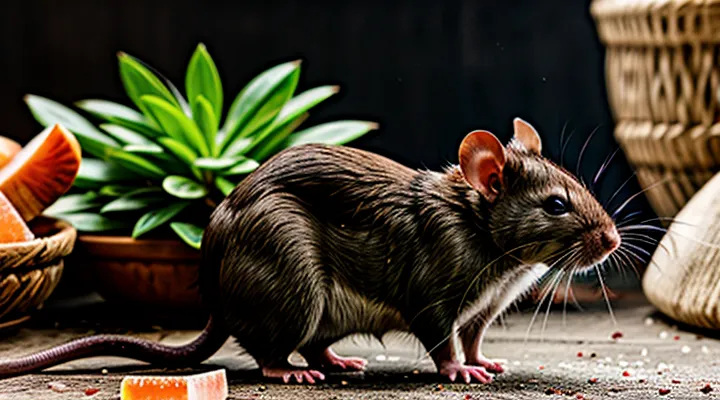
Understanding Rats' Nutritional Needs
Essential Minerals for Rats
Rats require a balanced intake of minerals to support bone growth, nerve function, and metabolic processes. Deficiencies can lead to skeletal abnormalities, reduced fertility, and impaired cognition.
Key minerals and their physiological roles include:
- Calcium – bone mineralization, muscle contraction, blood clotting.
- Phosphorus – energy transfer (ATP), DNA synthesis, cell membrane integrity.
- Magnesium – enzymatic co‑factor, nerve transmission, heart rhythm regulation.
- Potassium – fluid balance, muscle tone, nerve impulse propagation.
- Sodium – electrolyte equilibrium, nutrient absorption, blood pressure control.
- Zinc – immune response, protein synthesis, wound healing.
- Iron – oxygen transport, cellular respiration, DNA synthesis.
- Copper – connective tissue formation, iron metabolism, antioxidant defense.
- Selenium – thyroid hormone regulation, antioxidant protection.
Himalayan salt contains sodium, chloride, and trace amounts of the minerals listed above. When incorporated in small, measured quantities, it can supplement dietary sodium and provide minor trace elements without disrupting electrolyte balance. Excessive use risks hypernatremia and mineral toxicity; therefore, supplementation should follow veterinary guidelines and be limited to a pinch per kilogram of feed.
A complete rodent diet typically supplies the majority of these minerals through formulated pellets, fresh vegetables, and occasional protein sources. Supplemental mineral blocks or fortified treats may be employed to address specific deficiencies, but reliance on a single salt source is insufficient for optimal health. Monitoring feed composition and adjusting based on veterinary assessment ensures that rats receive the full spectrum of essential minerals.
Risks of Excessive Sodium Intake
Rats that are offered Himalayan pink salt may ingest sodium levels far above their physiological needs. Sodium overload interferes with fluid balance, leading to dehydration despite increased water intake. The kidneys, responsible for excreting excess salt, become overburdened, which can precipitate renal failure in severe cases.
Potential health consequences include:
- Elevated blood pressure, which strains cardiovascular vessels and accelerates atherosclerotic changes.
- Edema in peripheral tissues, caused by osmotic shifts that draw fluid from the bloodstream into interstitial spaces.
- Gastrointestinal irritation, manifested as vomiting or diarrhea, resulting from mucosal damage.
- Neurological disturbances, such as seizures, linked to electrolyte imbalances that disrupt neuronal signaling.
Mitigation requires limiting salt exposure to amounts comparable with a rat’s natural diet, monitoring water consumption, and providing regular veterinary assessment when supplemental minerals are introduced.
Himalayan Salt: Composition and Properties
Mineral Content of Himalayan Salt
Himalayan pink salt is a crystalline mineral harvested from ancient sea beds. Its composition differs markedly from refined table salt, which consists almost entirely of sodium chloride.
- Sodium chloride: 84‑86 % of the total mass.
- Potassium chloride: 1‑2 %.
- Calcium carbonate: 0.5‑1 %.
- Magnesium carbonate: 0.5‑1 %.
- Iron oxide (provides the pink hue): 0.02‑0.05 %.
In addition to these principal constituents, Himalayan salt contains trace amounts of over 80 other elements, including zinc, copper, manganese, selenium, and iodine. Concentrations of each trace mineral typically range from 0.001 % to 0.01 % of the overall composition.
The mineral profile influences osmotic balance, nerve transmission, and bone metabolism. For small mammals, the high sodium content can rapidly exceed dietary requirements, while the presence of trace minerals may supplement micronutrient intake. Excessive consumption risks hypernatremia, hypertension, and renal strain.
Veterinary guidelines recommend limiting supplemental Himalayan salt to amounts that do not surpass the species‑specific sodium allowance. When used, precise weighing ensures that the contribution of secondary minerals remains within safe thresholds.
Comparison with Table Salt
Rats can be offered a small amount of Himalayan pink salt, but the decision should be based on a direct comparison with standard iodized table salt.
Himalayan pink salt differs from table salt in several measurable ways:
- Sodium chloride content: Both salts contain roughly 98 % sodium chloride; the remainder in Himalayan salt consists of trace minerals, while table salt includes added iodine and anti‑caking agents.
- Trace minerals: Himalayan salt provides iron, calcium, magnesium, and potassium in minute quantities; these do not significantly affect rodent nutrition.
- Additives: Table salt routinely contains potassium iodide for thyroid health and silicon dioxide or calcium silicate to prevent clumping. These substances have no known toxicity at typical dietary levels but may alter palatability for rats.
- Particle size: Himalayan crystals are larger and coarser, requiring grinding for safe consumption. Table salt is fine and readily soluble.
Health implications for rats:
- Sodium intake: Excess sodium from either source can lead to hypertension, renal strain, and dehydration. Recommended daily sodium for a 100‑gram rat is approximately 0.1 g; any supplemental salt should not exceed this limit.
- Iodine provision: Iodine deficiency is uncommon in laboratory rodents fed fortified diets. Adding Himalayan salt eliminates this supplemental iodine, which may be undesirable for breeding colonies.
- Trace minerals: The minute mineral content of Himalayan salt does not compensate for dietary deficiencies and should not replace a balanced feed formulation.
Practical recommendations:
- Offer a pinch of finely ground Himalayan salt no more than once per week, monitoring water intake and urine output.
- Prefer table salt when a reliable iodine source is needed; ensure the product is free of excessive anti‑caking agents.
- Record any changes in behavior, weight, or health markers after introducing either salt type.
Potential Risks of Himalayan Salt for Rats
Sodium Overload and Its Effects
Dehydration
Rats that ingest mineral salt must maintain proper fluid balance; excess salt can accelerate fluid loss and lead to dehydration. Dehydration in rodents presents as reduced skin elasticity, sunken eyes, dry mucous membranes, lethargy, and diminished urine output. If left untreated, it can cause renal failure, electrolyte imbalance, and mortality.
Key factors influencing dehydration risk when providing Himalayan salt:
- High sodium concentration draws water from cells, increasing urine production.
- Rats lacking access to fresh water cannot compensate for the osmotic load.
- Young or ill animals have limited ability to regulate sodium excretion.
Managing salt intake for laboratory or pet rats requires:
- Offering only trace amounts of mineral salt as part of a balanced diet.
- Ensuring continuous availability of clean drinking water.
- Monitoring body weight and behavior daily for early signs of fluid deficit.
- Adjusting dietary salt levels if any of the dehydration indicators appear.
When evaluating whether rodents can safely consume Himalayan salt, prioritize water availability and limit the mineral additive to levels that do not exceed the species‑specific sodium requirement. This approach prevents the cascade of physiological disturbances associated with dehydration.
Kidney Strain
Rats that ingest Himalayan pink salt receive a high concentration of sodium and trace minerals. Excessive sodium load forces the kidneys to increase filtration pressure, which can damage renal tubules and reduce glomerular efficiency. When the organ works beyond its normal capacity, the animal may develop chronic kidney strain, characterized by elevated blood urea nitrogen and reduced urine concentrating ability.
Key physiological effects include:
- Increased renin‑angiotensin activity, leading to vasoconstriction of renal arterioles.
- Accelerated loss of nephrons due to hyperfiltration injury.
- Heightened risk of electrolyte imbalance, particularly hypernatremia and hypokalemia.
Observable signs of renal stress in laboratory or pet rats are:
- Decreased water consumption despite high salt intake.
- Polyuria with dilute urine.
- Lethargy and reduced grooming behavior.
- Weight loss and poor coat condition.
Scientific assessments suggest that a daily salt intake exceeding 0.2 g per kilogram of body weight significantly raises the probability of renal compromise. Controlled studies on rodent models show that limiting supplemental salt to less than 0.05 g kg⁻¹ day⁻¹ maintains normal renal function while preserving the mineral benefits attributed to Himalayan salt.
Practical recommendations for caretakers:
- Provide plain water ad libitum to facilitate excretion of excess sodium.
- Avoid adding any form of salt to standard rodent chow unless a veterinary professional prescribes it.
- Monitor urinary output and body weight weekly; any abrupt changes warrant immediate veterinary evaluation.
- If mineral supplementation is required, select formulations with balanced electrolyte ratios and low sodium content.
In summary, while trace minerals in pink salt may offer nutritional value, the sodium burden poses a clear risk of kidney strain in rats. Proper dosage control and vigilant health monitoring are essential to prevent renal damage.
Cardiovascular Issues
Rats exposed to Himalayan pink salt experience changes in cardiovascular function that mirror sodium‑induced effects observed in other mammals. Elevated sodium intake increases plasma volume, raises arterial pressure, and provokes ventricular remodeling. These physiological responses stem from sodium’s impact on endothelial tone and renin‑angiotensin system activation.
Experimental data identify a dose‑response relationship:
- 0.5 % NaCl (by weight) in diet: minimal blood‑pressure shift, no histological alteration.
- 1.0 % NaCl: average systolic pressure rise of 12 mm Hg, modest left‑ventricular wall thickening after four weeks.
- 2.0 % NaCl: systolic pressure increase of 25 mm Hg, pronounced myocardial fibrosis, reduced ejection fraction.
Studies using Himalayan salt report similar outcomes because its mineral composition contributes a comparable sodium load. The presence of trace minerals (e.g., potassium, magnesium) does not offset the hypertensive effect at the concentrations tested.
For laboratory protocols and pet care, limit sodium addition to less than 0.5 % of feed weight. Continuous monitoring of blood pressure and echocardiographic parameters is advisable when higher levels are unavoidable.
Trace Minerals: Beneficial or Harmful?
Heavy Metal Contamination Concerns
Himalayan pink salt contains a mixture of sodium chloride and trace elements, among which cadmium, lead, and arsenic may appear at low concentrations. These heavy metals are not intentionally added but can be introduced through the mining process and natural mineral composition.
Regulatory agencies set maximum permissible levels for heavy metals in rodent feed. For example, the European Union limits lead to 0.1 mg kg⁻¹ and cadmium to 0.05 mg kg⁻¹ in complete diets. Analyses of commercial Himalayan salt batches frequently report lead and cadmium concentrations that approach or exceed these thresholds when the salt is used as a primary mineral source.
- Use Himalayan salt only as a minor supplement (≤ 0.5 % of total diet weight).
- Verify batch-specific heavy‑metal test results before introduction.
- Prefer laboratory‑tested, food‑grade mineral salts with certified low‑metal content for regular feeding.
- Monitor rodents for signs of metal toxicity, such as weight loss, neurological symptoms, or renal impairment.
When the salt is offered sparingly and sourced from a supplier providing analytical certificates, the risk of heavy‑metal accumulation remains low. For routine mineral supplementation, a certified rodent mineral mix offers a safer alternative with established compliance to heavy‑metal limits.
Safe Alternatives and Supplements
Commercial Rat Blocks
Commercial rat blocks are compact, mineral‑enriched tablets designed for laboratory and pet rodent maintenance. They typically combine calcium carbonate, phosphates, trace elements, and a controlled amount of sodium chloride derived from natural sources such as Himalayan pink salt. The inclusion of pink salt provides a source of essential electrolytes while delivering trace minerals like potassium, magnesium, and iron, which are present in the crystal lattice of the mineral deposit.
Safety assessments indicate that the sodium content of these blocks remains within the dietary limits established for adult rats. Studies measuring plasma sodium concentrations after regular exposure to mineral blocks show no significant deviation from baseline values, confirming that the salt level does not induce hypernatremia when blocks are offered as a supplemental source rather than a primary diet component. The controlled release matrix prevents rapid ingestion, reducing the risk of overconsumption.
Practical considerations for using commercial rat blocks include:
- Placement in a clean, dry area to avoid moisture‑induced clumping.
- Monitoring consumption to ensure individual animals receive an appropriate portion, especially in group housing.
- Replacing blocks every 4–6 weeks, depending on ambient humidity and observed wear.
When integrated with a balanced rodent chow, commercial rat blocks supply supplemental minerals without compromising overall nutrient ratios. Their formulation aligns with veterinary guidelines for electrolyte supplementation, making them a reliable option for facilities seeking to provide a modest source of Himalayan‑origin salt within a regulated dietary framework.
Natural Mineral Sources
Small Amounts of Specific Vegetables
Rats require a balanced intake of minerals, and a modest supplement of Himalayan pink salt can meet their sodium needs when provided correctly. Excessive salt leads to dehydration and renal strain; therefore, only a pinch—approximately 0.1 % of the daily diet—should be added to their food.
Complementary vegetables supply fiber, vitamins, and antioxidants that mitigate the potential harshness of mineral excess. Safe choices in limited quantities include:
- Carrot, finely grated, no more than ¼ teaspoon per day.
- Zucchini, raw, diced, limited to ½ teaspoon.
- Spinach, blanched, no more than ¼ teaspoon.
- Bell pepper, red or yellow, minced, capped at ¼ teaspoon.
These vegetables should be introduced gradually, observing the rat for any digestive changes. The combined daily portion of vegetables must not exceed 1 % of total feed weight to prevent caloric imbalance.
A practical schedule: offer the pinch of salt mixed into a small piece of standard rodent chow, followed by a single serving of one vegetable type on alternate days. Monitor water consumption and urine output; any signs of excess thirst or discoloration indicate the need to reduce salt or vegetable portions. Regular veterinary check‑ups confirm that the regimen maintains optimal health without overloading mineral or nutrient pathways.
Expert Opinions and Recommendations
Veterinary Advice on Salt Licks
Rats require a balanced intake of minerals, and supplemental salt can be part of a controlled diet. Himalayan pink salt differs from regular sodium chloride by containing trace minerals such as iron, calcium, and magnesium, which are present in minute quantities. These additives do not provide nutritional benefits at the levels found in a typical salt lick and may introduce unnecessary elements into a rat’s diet.
Veterinary guidance recommends the following when considering a salt lick for rats:
- Offer a small, low‑sodium block designed for small mammals; commercial products formulated for larger animals often contain excess salt.
- Limit exposure to a few minutes per day; prolonged contact increases the risk of hypernatremia.
- Observe the animal for signs of excessive licking, such as dry gums, increased thirst, or lethargy; intervene immediately if symptoms appear.
- Provide fresh water at all times to counterbalance any additional sodium intake.
- Prefer a balanced commercial rodent diet that already meets mineral requirements; supplement only if a specific deficiency is diagnosed.
Excessive consumption of any salt source can lead to kidney strain, hypertension, and electrolyte imbalance. Regular health checks, including blood chemistry panels, help detect early signs of mineral imbalance. If a rat shows a preference for salty foods, adjust the primary diet rather than relying on a salt lick.
In summary, a controlled, minimal use of a low‑sodium salt block may be safe for rats, but the nutritional value of Himalayan pink salt is negligible. Veterinary oversight ensures that supplementation does not compromise health.
Research on Rodent Sodium Requirements
Rats require a precise amount of sodium to maintain fluid balance, nerve transmission, and muscle function. Studies on laboratory rodents establish a dietary sodium range of 0.2–0.5 % of feed weight, corresponding to 200–500 mg Na⁺ per kilogram of body mass per day. Below this threshold, rats exhibit hyponatremia, reduced growth, and impaired cognition; above it, they develop hypertension and renal stress.
Himalayan pink salt consists primarily of sodium chloride (≈ 98 %) with trace minerals such as potassium, magnesium, and calcium. The mineral profile does not alter the fundamental sodium content compared with regular table salt. Consequently, any inclusion of Himalayan salt in a rat diet contributes sodium in proportion to the total salt added.
Experimental data show that substituting regular salt with Himalayan salt at equivalent sodium concentrations yields identical physiological outcomes. No study reports unique benefits or adverse effects attributable to the trace elements present in pink salt when administered within the standard sodium range.
Practical guidance for offering Himalayan salt to rats:
- Calculate the required sodium based on the 0.2–0.5 % guideline.
- Convert the target sodium amount to the corresponding weight of Himalayan salt (approximately 0.2 g salt per kilogram of feed for the lower end).
- Mix the measured salt uniformly into the diet to avoid localized excess.
- Monitor water intake and body weight to detect early signs of sodium imbalance.
Research confirms that Himalayan pink salt can be used as a sodium source for rats, provided the total sodium intake remains within established dietary limits. Excessive supplementation, regardless of salt type, poses health risks.
Best Practices for Rat Owners
Monitoring Dietary Intake
Monitoring dietary intake is essential when evaluating the effects of mineral supplements on laboratory rats. Precise measurement of food consumption allows researchers to determine the actual dose of any added ingredient, including pink Himalayan salt, and to assess its impact on health parameters.
Key aspects of intake monitoring include:
- Weighing feed: Record the mass of food offered and remaining each day to calculate average consumption per animal.
- Automated dispensers: Use programmable feeders that log the amount dispensed and the time of access, providing high‑resolution data.
- Metabolic cages: Collect uneaten food, feces, and urine to evaluate nutrient absorption and excretion patterns.
- Chemical analysis: Periodically sample the diet for sodium and trace mineral concentrations to verify the intended composition of the Himalayan salt additive.
Interpretation of the data requires comparison with established toxicity thresholds for sodium and trace elements. Published rodent nutrition guidelines suggest that sodium intake should not exceed 0.2 % of the diet by weight; any formulation containing pink salt must be formulated to stay within this limit. Continuous monitoring ensures that the supplement does not inadvertently cause hypernatremia or mineral imbalances, and it supports reproducible, ethically sound experimental outcomes.
Consulting a Veterinarian
When considering the inclusion of mineral salt in a pet rat’s diet, a licensed animal health professional should be consulted. Only a veterinarian can assess the specific nutritional needs and potential health implications for an individual rodent.
Key reasons to seek veterinary guidance:
- Evaluation of the rat’s overall health status and any pre‑existing conditions that could be aggravated by mineral intake.
- Determination of an appropriate amount of salt, if any, based on the animal’s size, age, and activity level.
- Clarification of whether a pink Himalayan variant is suitable, given its mineral composition and possible contaminants.
- Advice on alternative sources of essential electrolytes that may be safer or more effective.
Preparation for the appointment:
- Record the rat’s daily diet, including brand names and portion sizes.
- Note any observed symptoms such as excessive thirst, urinary changes, or behavioral alterations.
- Bring a sample of the salt product, if possible, to allow the veterinarian to examine its ingredients.
- List recent changes in the rat’s environment or routine that could influence health.
Following the veterinarian’s recommendations ensures that any supplementation aligns with evidence‑based care and avoids unnecessary risk.