
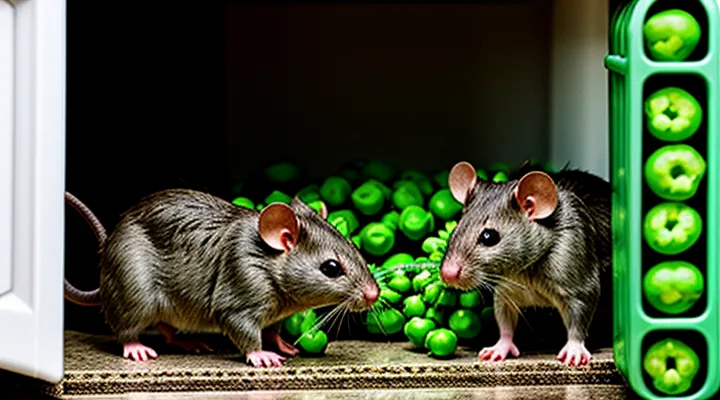
The Nutritional Value of Fresh Peas for Rats
Macronutrients in Peas
Protein Content
Fresh peas contain approximately 5 g of protein per 100 g of edible portion. The protein is composed mainly of globulins and albumins, which are readily digestible for many mammals.
Laboratory rats require roughly 14–18 % of their daily caloric intake as protein to maintain growth, reproduction, and tissue repair. For a 250‑g adult rat consuming 20 kcal per day, the protein target translates to 2.8–3.6 g of protein daily.
Feeding fresh peas can contribute to the protein quota, but the contribution is modest:
- 100 g fresh peas → 5 g protein
- 30 g peas (typical serving) → 1.5 g protein
- Required daily protein for a 250‑g rat → ≈ 3 g
If peas constitute the sole protein source, the rat would need to eat about 60 g of peas each day, which exceeds typical portion sizes and may introduce excess carbohydrates and fiber. Consequently, peas are best used as a supplemental protein source alongside a diet formulated to meet the full protein requirement.
Fiber Content
Fresh peas provide a measurable amount of dietary fiber, typically 5–6 g per 100 g of edible portion. This fiber consists of both soluble and insoluble fractions, each influencing rat physiology in distinct ways.
Soluble fiber in peas forms a viscous gel during digestion, slowing gastric emptying and moderating glucose absorption. Insoluble fiber adds bulk, promoting peristalsis and preventing fecal impaction. Together, they support a balanced gut environment and encourage the growth of beneficial microbiota.
In rats, adequate fiber intake maintains intestinal health, reduces the risk of constipation, and can improve nutrient absorption. Excessive fiber may lead to reduced caloric efficiency and occasional soft stools; therefore, moderation is essential.
Practical feeding guidelines:
- Serve fresh peas no more than 10 % of the total daily diet by weight.
- Limit the portion to 5–10 g per 100 g of body weight per day.
- Introduce peas gradually, observing stool consistency and overall activity.
- Combine peas with a standard rodent chow that already supplies the required fiber baseline.
Adhering to these parameters ensures that the fiber contribution of fresh peas enhances digestive function without compromising nutritional balance.
Carbohydrate Content
Fresh peas contain approximately 14 % carbohydrate by weight, primarily as simple sugars (glucose, fructose) and starch. A 100‑gram serving provides roughly 14 g of carbs, 5 g of dietary fiber, and a modest caloric contribution (≈ 80 kcal). The carbohydrate profile is dominated by:
- Glucose ≈ 2 g
- Fructose ≈ 2 g
- Sucrose ≈ 1 g
- Starch ≈ 9 g
Rats efficiently digest simple sugars and convert starch to glucose through pancreatic amylase. Their daily carbohydrate requirement, based on a 30‑gram adult rat, ranges from 3 to 5 g to support basal metabolism and activity. Supplying peas adds a measurable portion of this need without exceeding typical limits, provided portion size remains modest.
When incorporating fresh peas into a rat’s diet, follow these guidelines:
- Offer no more than 5 g of peas per day (≈ 30 % of the animal’s total carbohydrate allowance).
- Introduce peas gradually to monitor tolerance and prevent gastrointestinal upset.
- Combine peas with a balanced base diet that supplies protein, fat, vitamins, and minerals.
Excessive carbohydrate intake can lead to weight gain and altered glucose regulation. Controlled inclusion of fresh peas delivers soluble sugars and fiber while maintaining overall dietary balance for laboratory or pet rats.
Micronutrients in Peas
Vitamins Present in Peas
Fresh peas are frequently offered to laboratory and pet rats as a source of micronutrients. Understanding the vitamin profile of peas clarifies their nutritional contribution.
- Vitamin A (β‑carotene): approximately 38 µg per 100 g, converted to retinol in the intestine.
- Vitamin C (ascorbic acid): about 40 mg per 100 g, provides antioxidant protection.
- Vitamin K1 (phylloquinone): roughly 24 µg per 100 g, supports blood clotting mechanisms.
- Folate (vitamin B9): 65 µg per 100 g, essential for DNA synthesis.
- Thiamine (vitamin B1): 0.03 mg per 100 g, involved in carbohydrate metabolism.
- Riboflavin (vitamin B2): 0.07 mg per 100 g, participates in energy production.
- Niacin (vitamin B3): 2.1 mg per 100 g, aids in lipid metabolism.
Peas deliver these vitamins in a readily absorbable matrix of soluble sugars and fibers. Rats can convert β‑carotene to active vitamin A, making peas a viable supplemental source. However, the high vitamin C content may exceed the modest requirements of adult rats, potentially leading to unnecessary excess when combined with fortified feeds. Folate and B‑vitamins complement the typical rodent diet but should not replace the primary protein and fat sources that sustain growth and reproduction.
In practice, a modest portion of fresh peas—no more than 5 % of total daily intake by weight—provides measurable vitamin benefits without displacing essential macronutrients. Regular monitoring of body weight and coat condition confirms that the inclusion of peas supports overall health while maintaining nutritional balance.
Minerals Found in Peas
Peas supply a range of minerals essential for rodent health. Iron supports hemoglobin synthesis; potassium regulates fluid balance and nerve function; magnesium contributes to enzymatic reactions and bone formation; phosphorus participates in energy metabolism; zinc influences immune response; calcium is critical for skeletal development; manganese assists in antioxidant defenses.
- Iron: ~1.5 mg per 100 g (≈8 % of rat RDA)
- Potassium: ~389 mg per 100 g (≈25 % of rat RDA)
- Magnesium: ~33 mg per 100 g (≈8 % of rat RDA)
- Phosphorus: ~115 mg per 100 g (≈16 % of rat RDA)
- Zinc: ~0.5 mg per 100 g (≈5 % of rat RDA)
- Calcium: ~25 mg per 100 g (≈2 % of rat RDA)
- Manganese: ~0.3 mg per 100 g (≈15 % of rat RDA)
These concentrations meet a portion of the daily mineral requirements for laboratory rats. Inclusion of fresh peas in a balanced diet can complement other food sources, ensuring adequate intake without exceeding tolerable limits. Excessive consumption may lead to mineral imbalances, particularly calcium and phosphorus, which can affect bone metabolism. Therefore, fresh peas should be offered in moderation, integrated with protein‑rich and fiber‑rich components to maintain overall nutritional equilibrium.
Benefits of Feeding Fresh Peas to Rats
Digestive Health Benefits
Fresh peas provide a source of soluble and insoluble fiber that promotes regular bowel movements in rats. The fiber stimulates peristalsis, reduces transit time, and helps prevent constipation.
Key digestive advantages include:
- Fermentable carbohydrates that serve as prebiotics, encouraging growth of beneficial gut bacteria such as Lactobacillus and Bifidobacterium.
- Short‑chain fatty acids produced during fermentation, which strengthen the intestinal lining and support mucosal immunity.
- Reduced risk of dysbiosis by diversifying the microbial ecosystem.
Vitamins A, C, and K, along with folate and potassium, contribute to mucosal health and enzymatic processes involved in nutrient absorption. Antioxidants present in peas mitigate oxidative stress in the gastrointestinal tract, preserving cellular integrity.
For optimal digestion, introduce peas gradually, limiting portions to 5–10 % of the total diet by weight. Offer peeled, cooked or lightly steamed peas to soften cell walls and enhance nutrient availability. Remove any uneaten peas after two hours to avoid spoilage. Regular monitoring of stool consistency confirms that the inclusion supports digestive function without causing diarrhea.
Hydration Benefits
Fresh peas contain approximately 80 % water, making them a valuable source of hydration for pet rats. The moisture they provide can supplement drinking water, especially when water intake is reduced due to environmental factors or health conditions.
- Direct contribution to daily fluid requirements, supporting cellular function and thermoregulation.
- Assistance in maintaining optimal blood volume, which influences cardiovascular efficiency.
- Enhancement of kidney filtration processes by providing a gentle, natural diuretic effect.
- Reduction of urinary concentration, decreasing the risk of crystal formation and associated discomfort.
In addition to fluid provision, the inherent electrolytes—potassium, magnesium, and calcium—present in peas help preserve electrolyte balance. Balanced electrolytes are essential for nerve transmission and muscle contraction, processes that rely on precise fluid‑electrolyte ratios.
When introducing fresh peas, monitor portion size to avoid excess carbohydrate intake. A small serving (one to two peas per day) delivers sufficient hydration without overwhelming the rat’s digestive system. Regular observation of urine color and volume can confirm the hydration benefit, with lighter, more frequent urination indicating effective fluid supplementation.
Mental Stimulation Benefits
Providing fresh peas to laboratory or pet rats introduces a novel texture, flavor, and problem‑solving element that engages their cognition. The unexpected food item requires the animal to locate, manipulate, and evaluate the edible portion, which activates neural pathways associated with learning and memory.
Key mental‑stimulation benefits include:
- Enhanced spatial awareness as rats explore the container to retrieve peas.
- Improved problem‑solving skills when they learn to separate peas from husks or shells.
- Strengthened working memory through repeated recognition of the pea’s shape and texture.
- Increased motivation for exploratory behavior, reducing monotony in a controlled environment.
Research on rodent enrichment shows that dietary novelty, such as fresh legumes, contributes to neurogenesis in the hippocampus and lowers stress‑induced cortisol levels. Regular inclusion of peas, combined with other enrichment tools, sustains cognitive vitality and supports overall welfare.
Potential Risks and Considerations
Choking Hazards
Fresh peas are a common treat offered to pet rats, yet their physical characteristics create distinct choking risks. Whole peas measure 5–8 mm in diameter, which can exceed the safe particle size for a rat’s oral cavity and laryngeal passage. The smooth, spherical shape encourages rapid swallowing without adequate mastication, increasing the likelihood of airway obstruction.
Key choking hazards include:
- Size mismatch – a pea larger than the rat’s molar spacing can become lodged in the pharynx.
- Texture hardness – the dense interior resists crushing, forcing the animal to swallow whole pieces.
- Slippery surface – moisture from the pea reduces friction, allowing it to glide into the trachea.
- Fragmentation – when a rat bites a pea, irregular shards may detach and become trapped in the airway.
Mitigation strategies are straightforward:
- Cook or steam peas until they soften, then mash or slice into bite‑size pieces.
- Monitor feeding sessions to ensure the rat chews each portion before swallowing.
- Limit portion size to no more than one or two small fragments per feeding.
- Provide alternative vegetables with lower choking potential, such as finely shredded carrots or cucumber.
Implementing these measures reduces the probability of respiratory blockage while preserving the nutritional benefits of peas for rats.
Pesticide and Herbicide Concerns
Fresh peas intended for rats may contain pesticide or herbicide residues that pose health risks. Residues can remain after conventional farming practices, especially when peas are harvested without a pre‑harvest interval that ensures chemical degradation. Even low‑level exposure can disrupt rodent liver enzymes, impair reproductive function, or cause gastrointestinal irritation.
Common chemicals found on pea crops include:
- Organophosphates (e.g., chlorpyrifos) – inhibit acetylcholinesterase, leading to neurological symptoms.
- Neonicotinoids (e.g., imidacloprid) – affect nicotinic receptors, potentially altering behavior and feeding patterns.
- Glyphosate‑based herbicides – associated with kidney and liver stress in rodents.
Mitigation strategies for pet owners and researchers:
- Source peas from certified organic producers or growers who disclose pesticide‑free practices.
- Wash peas thoroughly under running water; a brief soak in a 10 % vinegar solution can reduce surface residues.
- Blanch peas in boiling water for 1–2 minutes, then rinse with cold water; heat degrades many volatile pesticides.
- Conduct periodic testing of pea batches with a certified laboratory if large quantities are used for experimental diets.
Implementing these precautions minimizes toxic exposure and supports the nutritional benefits of fresh peas for rats.
Overfeeding and Dietary Imbalance
Caloric Intake from Peas
Fresh peas provide a measurable amount of energy that can be incorporated into a rat’s diet without exceeding nutritional limits. One cup (approximately 160 g) of raw green peas contains about 115 kcal, translating to roughly 0.72 kcal per gram. Considering an adult laboratory rat typically requires 15–20 kcal per day, peas can contribute a significant portion of daily energy if offered in large quantities.
Guidelines for integrating peas:
- Allocate no more than 10 % of total daily calories to peas (≈1.5–2 kcal for a 20‑kcal diet).
- This equates to roughly 2–3 g of fresh peas per day for a standard adult rat.
- Adjust portion size for juveniles or larger strains proportionally to their higher caloric demands.
Excessive pea consumption risks caloric surplus, leading to weight gain and potential gastrointestinal distress due to high fiber content. Balanced inclusion of peas should complement a protein‑rich base diet, ensuring that protein, fat, and micronutrient ratios remain within established rodent nutrition standards.
Importance of a Balanced Rat Diet
A pet rat requires a diet that supplies protein, fat, carbohydrates, vitamins, and minerals in proportions that support rapid growth, high activity levels, and reproductive health. Commercial rodent pellets deliver a reliable baseline of these nutrients; they should form the core of every feeding schedule.
Vegetables add essential micronutrients and fiber. Fresh peas contribute vitamin C, vitamin K, folate, and soluble fiber, but they also contain natural sugars and phosphorus that can upset the delicate mineral balance if offered excessively. Therefore, peas are a valuable supplement rather than a primary food source.
Guidelines for including fresh peas:
- Offer no more than one teaspoon (approximately 5 g) per adult rat per day.
- Serve peas raw, rinsed, and cut into bite‑size pieces to prevent choking.
- Rotate peas with other low‑sugar vegetables such as broccoli, kale, and carrots to maintain nutrient diversity.
- Monitor body condition; reduce or discontinue peas if weight gain or urinary issues appear.
A balanced rat diet hinges on consistency, variety, and moderation. By anchoring meals with high‑quality pellets and enriching them with controlled portions of fresh peas and other vegetables, owners ensure optimal health, strong immunity, and sustained vigor in their rodents.
How to Prepare and Serve Fresh Peas to Rats
Washing and Cleaning Peas
Rats can safely eat fresh peas when the peas are thoroughly washed and cleaned. Proper preparation removes soil, pesticide residues, and potential mold that could harm a pet’s digestive system.
Rinse peas under running water for 30 seconds, using a fine‑mesh colander to keep them from slipping through. Agitate the peas with a spoon or your hand to dislodge surface particles. If the peas are frozen, thaw them first, then repeat the rinse.
Inspect each pea for discoloration, cracks, or foreign matter. Discard any that appear damaged or moldy. For extra safety, soak the peas in a solution of one part white vinegar to three parts water for two minutes, then rinse again to reduce bacterial load.
Optional blanching:
- Bring a pot of water to a rolling boil.
- Add peas and boil for 1–2 minutes.
- Transfer immediately to an ice‑water bath to stop cooking.
- Drain and pat dry.
Dry peas on a clean towel before offering them to the rat. Store cleaned, raw peas in an airtight container in the refrigerator for up to three days; keep blanched peas refrigerated for no more than two days. Discard any peas that develop an off odor or slime.
Following these steps ensures that fresh peas are free from contaminants and suitable for inclusion in a rat’s diet.
Shelling Peas
Fresh peas are a viable component of a rodent diet when the seeds are removed from their pods. The removal process, known as shelling, eliminates the fibrous outer layer that rats cannot digest efficiently and reduces the risk of choking on tough pod material.
Shelling peas involves the following steps:
- Rinse peas under cool water to remove surface contaminants.
- Place peas in a shallow bowl and gently press each pod between thumb and forefinger to split it open.
- Extract the green seeds with a fingertip or small spoon, discarding the pod fragments.
- Pat the seeds dry with a paper towel before offering them to the animal.
Nutritionally, the shelled seeds provide soluble fiber, vitamins A, C, K, and folate, along with a modest amount of protein. Because the carbohydrate content is relatively high, the portion size should be limited to no more than 10 % of the total daily food intake to prevent digestive upset.
When introducing shelled peas, observe the rat for signs of intolerance such as loose stools or reduced appetite. If adverse reactions occur, discontinue the ingredient and consult a veterinary professional.
Portion Sizes for Rats
Young Rats and Pea Portions
Fresh peas are a viable component of a juvenile rodent diet when introduced correctly. Peas supply protein, fiber, vitamins A and C, and a modest amount of carbohydrates, all of which support growth and immune function. However, the high sugar and fiber content can cause gastrointestinal upset if the animal receives excessive quantities.
Recommended serving size for a 4‑week‑old rat averages ½ teaspoon (≈2 grams) of cooked, unsalted peas per day. Larger juveniles (6‑8 weeks) may tolerate up to 1 teaspoon (≈4 grams). Portion limits prevent bloating, diarrhea, and potential interference with calcium absorption.
Key preparation steps:
- Cook peas briefly (steam 3–4 minutes) to soften cell walls and deactivate antinutrients.
- Cool to room temperature; avoid adding salt, butter, or seasoning.
- Offer peas as a single, isolated treat rather than mixing with regular feed.
Potential concerns:
- Rapid introduction can trigger soft‑stool episodes; increase quantity gradually over 3–5 days.
- Uncooked peas contain lectins that may irritate the intestinal lining; always serve cooked.
- Excessive fiber may reduce appetite for essential protein pellets, leading to nutrient imbalance.
Monitoring guidelines:
- Observe stool consistency daily; adjust portion if loose or watery.
- Track weight gain; insufficient growth may indicate over‑reliance on peas.
- Limit pea treats to no more than three times per week to maintain dietary balance.
Adult Rats and Pea Portions
Adult rats can digest fresh peas without adverse effects when the vegetables are introduced gradually and served in appropriate amounts. Peas provide protein, fiber, vitamins A, C, and K, as well as minerals such as iron and zinc, which complement the standard grain‑based diet of laboratory or pet rodents.
A typical serving for an adult rat weighing 300–350 g consists of:
- 1–2 whole peas per day, split into two feedings to reduce digestive load.
- If peas are mashed, the quantity should not exceed ½ teaspoon per day.
- Fresh peas must be rinsed thoroughly to remove pesticide residues; organic produce is preferable.
Feeding frequency should align with the rat’s regular meal schedule. Over‑feeding peas can lead to excess carbohydrate intake, potentially causing obesity or gastrointestinal upset. Monitor stool consistency; soft or watery feces indicate that the portion size should be reduced.
Peas should be offered as a supplement rather than a staple. A balanced rodent diet typically contains 70 % dry commercial feed, 15 % fresh vegetables, and 15 % protein sources such as insects or boiled eggs. Within the vegetable portion, peas can replace other legumes at a one‑to‑one ratio, provided the total vegetable weight does not exceed the 15 % guideline.
When introducing peas to an adult rat’s diet, observe the animal for signs of intolerance, such as reduced appetite, lethargy, or abnormal droppings. If any adverse reaction occurs, discontinue peas and consult a veterinarian experienced in small‑animal nutrition.
Frequency of Feeding Peas
Rats can safely consume fresh peas, but the amount and timing must be controlled to avoid digestive upset and nutrient imbalance. Adult rats typically tolerate peas as an occasional treat; juvenile or pregnant individuals require stricter limits due to higher metabolic sensitivity.
- Standard diet integration: 1–2 peas per 100 g of body weight, offered no more than twice weekly.
- Maximum exposure: 5 % of total daily caloric intake should derive from peas; exceeding this proportion risks excess sugar and fiber.
- Observation period: After the first serving, monitor for soft stools or reduced activity for 24 hours; discontinue if adverse signs appear.
Repeated feeding beyond the recommended frequency can lead to bloating, gas, and altered gut flora. Balanced nutrition remains the primary concern; peas should complement, not replace, core components such as protein‑rich pellets, fresh vegetables, and occasional fruit.
Alternatives to Fresh Peas
Other Safe Vegetables for Rats
Rats can enjoy a variety of fresh vegetables beyond peas, each offering specific nutrients that support health and vitality.
- Carrots: high in beta‑carotene, promote vision and immune function. Offer in small, bite‑size pieces.
- Bell peppers (red, yellow, orange): rich in vitamin C and antioxidants. Remove seeds and stem before serving.
- Spinach: source of iron, calcium, and folate. Serve sparingly due to oxalate content.
- Broccoli florets: provide vitamin K, fiber, and sulforaphane. Cook lightly to improve digestibility if necessary.
- Zucchini: low in calories, contains potassium and vitamin A. Slice thinly for easy chewing.
- Cucumber: high water content, aids hydration. Remove skin if it is waxed or treated.
- Kale: supplies calcium and vitamin K. Offer in limited amounts to prevent gastrointestinal upset.
- Sweet potato (cooked, unseasoned): delivers complex carbohydrates and beta‑carotene. Cool before feeding.
Each vegetable should be introduced gradually, monitoring for adverse reactions. Wash thoroughly to eliminate pesticides, and serve at room temperature. Limit total vegetable portion to no more than 10 % of the rat’s daily diet, complementing a balanced pellet base and occasional fruit treats.
Commercially Available Rat Treats
Pea-Based Rat Treats
Pea‑based treats provide a convenient way to incorporate legumes into a rat’s diet while offering variety in texture and flavor. Fresh peas contain protein, fiber, vitamin C, and B‑vitamins, all of which support healthy growth and immune function. The low fat content aligns with the nutritional profile recommended for laboratory and pet rodents.
Preparation guidelines:
- Rinse peas thoroughly to remove surface contaminants.
- Blanch for 1–2 minutes to soften cell walls and deactivate antinutrients such as lectins.
- Cool rapidly in ice water to preserve vitamin content.
- Puree or mash the peas, optionally mixing with a small amount of safe binder (e.g., oat flour) to form bite‑sized pieces.
Safety considerations:
- Avoid canned peas that contain added salt or preservatives.
- Do not feed peas that are sprouted, as sprouts may harbor harmful bacteria.
- Limit daily intake to 10 % of total food volume to prevent digestive upset.
Storage recommendations:
- Store prepared treats in an airtight container at 4 °C for up to three days.
- Freeze excess portions in single‑serve molds; thaw in the refrigerator before offering.
Feeding protocol:
- Introduce a small portion (≈5 g) and observe for signs of intolerance.
- Increase gradually if no adverse reactions occur.
- Rotate pea‑based treats with other vegetable options to maintain dietary balance.
Overall, properly processed fresh peas can be integrated safely into rat nutrition, delivering essential micronutrients without compromising health when administered according to the outlined standards.