
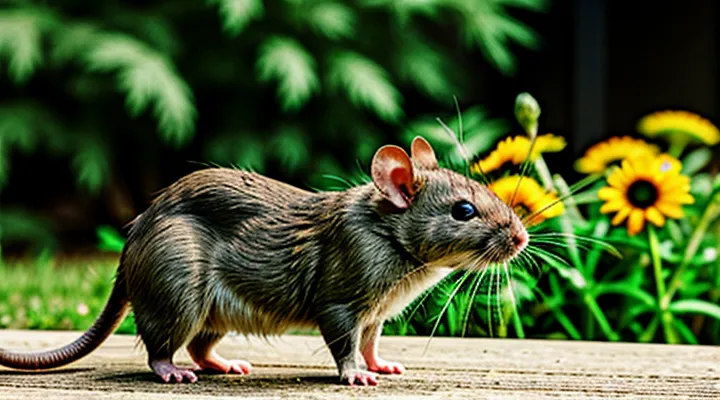
Can Rats Eat Dill?
Is Dill Safe for Rats?
Dill (Anethum graveolens) is a herb commonly used in human cuisine and occasionally offered to pet rodents as a treat. Its aromatic leaves and seeds contain vitamins A and C, calcium, iron, and essential oils that may stimulate appetite. Veterinary nutritionists confirm that these nutrients are not toxic to rats when provided in modest amounts.
Safety considerations focus on three factors: concentration, freshness, and individual sensitivity. Fresh dill should be washed thoroughly to remove pesticides or soil residues. Dried or powdered dill retains concentrated essential oils that can irritate a rat’s digestive tract if over‑fed. Some rats exhibit allergic reactions, such as sneezing or soft‑stool, indicating that any new herb should be introduced gradually.
Guidelines for offering dill to rats:
- Offer no more than one small leaf (approximately 1 g) per rat per day.
- Introduce the herb in a single piece and observe behavior for 24 hours.
- Remove uneaten portions after a few hours to prevent spoilage.
- Combine dill with a balanced pellet diet; it must not replace staple nutrition.
- Discontinue use immediately if signs of gastrointestinal upset appear.
Overall, dill is non‑toxic and can provide supplemental vitamins and flavor variety, but it must be served fresh, in limited quantities, and monitored for adverse reactions.
Nutritional Value of Dill for Rodents
Dill (Anethum graveolens) offers a distinct nutrient profile that can complement a rodent’s diet. Fresh leaves contain high levels of vitamin C, vitamin A, and vitamin K, each supporting antioxidant activity, vision health, and blood clotting respectively. The herb supplies calcium and iron in modest amounts, contributing to bone mineralization and hemoglobin synthesis. Dietary fiber present in dill promotes intestinal motility, while essential oils—primarily carvone and limonene—exhibit antimicrobial properties that may reduce gut pathogen load.
Key nutritional contributions:
- Vitamins: Vitamin C (≈25 mg per 100 g), vitamin A (≈400 IU), vitamin K (≈300 µg)
- Minerals: Calcium (≈150 mg), iron (≈2 mg)
- Fiber: Approximately 3 g per 100 g, supporting regular bowel movements
- Phytochemicals: Carvone, limonene, flavonoids with antioxidant effects
Potential benefits for rodents include strengthened immune response, improved bone density, and enhanced digestion. The antimicrobial oils may also help maintain a balanced gut microbiome, reducing the risk of infections.
Cautionary considerations:
- Oxalates: Dill contains oxalates that can contribute to urinary stone formation if consumed in large quantities.
- Essential oil concentration: Excessive intake may irritate the gastrointestinal tract.
Recommended inclusion:
- Offer fresh or dried dill in small, measured portions—no more than 0.5 g per 100 g of body weight per day.
- Provide the herb 2–3 times weekly, rotating with other leafy greens to ensure a varied nutrient intake.
- Monitor for signs of digestive upset; reduce or discontinue if symptoms appear.
When integrated judiciously, dill can enrich a rodent’s nutritional regimen without displacing essential staple foods.
Potential Health Benefits of Dill for Rats
Digestive Health Support
Dill (Anethum graveolens) offers several properties that can aid the gastrointestinal system of pet rodents. The herb contains soluble fiber, which adds bulk to intestinal contents and promotes regular passage. Its essential oil profile includes carvone and limonene, compounds known to exhibit mild antimicrobial activity that can help maintain a balanced gut microbiome.
Key digestive effects include:
- Increased stool bulk, supporting peristalsis.
- Reduction of low‑grade inflammation in the intestinal lining.
- Suppression of opportunistic bacteria without disrupting beneficial colonies.
- Stimulation of bile secretion, facilitating fat digestion.
Safe inclusion requires moderation. Fresh dill leaves should be rinsed, trimmed, and offered in small quantities—approximately 0.2 g per 100 g of body weight, divided into two feedings per day. Over‑supplementation may lead to gas accumulation or mild laxative response. Introduce the herb gradually, observing the animal for changes in stool consistency or appetite.
When preparing a diet supplement, combine diced dill with a base of high‑fiber pellets or fresh vegetables. A typical mixture consists of 5 % dill by weight, mixed thoroughly to ensure even distribution. Store any unused portion in a sealed container in the refrigerator for no more than 24 hours to preserve volatile oils.
Monitoring digestive health after introduction is essential. Indicators of benefit include firmer, regularly formed feces and sustained appetite. If signs of diarrhea, bloating, or reduced food intake appear, discontinue dill and consult a veterinarian experienced with small mammals.
Antioxidant Properties
Dill (Anethum graveolens) contains flavonoids, phenolic acids, and volatile oils that act as antioxidants. In rodents, these compounds neutralize free radicals, reducing oxidative stress in cells and tissues. By limiting lipid peroxidation, dill helps preserve membrane integrity and supports normal metabolic function.
Research on laboratory rats shows measurable increases in plasma antioxidant capacity after dietary inclusion of fresh or dried dill at 0.5–2 % of total feed weight. The effect is dose‑dependent: lower levels produce modest improvements in glutathione activity, while higher concentrations enhance superoxide dismutase and catalase enzymes. These enzymatic changes correlate with lower markers of oxidative damage in liver and kidney samples.
Potential benefits for pet rats include:
- Improved immune response through reduced oxidative burden.
- Enhanced wound healing due to stabilized cellular membranes.
- Greater longevity of sensory cells, supporting vision and olfaction.
Safety considerations:
- Excessive dill may cause gastrointestinal irritation; observe for loose stools or reduced appetite.
- Individual sensitivity varies; introduce the herb gradually and monitor behavior.
- Avoid feeding dill that has been treated with pesticides or herbicides.
In summary, the antioxidant profile of dill offers measurable physiological advantages for rats when incorporated into a balanced diet at appropriate levels, provided that quality and quantity are carefully managed.
Anti-inflammatory Effects
Dill (Anethum graveolens) contains several bioactive compounds that modulate inflammatory pathways in rodents. Primary agents include flavonoids such as quercetin and luteolin, phenolic acids like rosmarinic acid, and essential oils rich in carvone and limonene. These substances inhibit cyclo‑oxygenase (COX‑2) and reduce the production of pro‑inflammatory cytokines (TNF‑α, IL‑6, IL‑1β) in rat tissues.
Experimental data show that dietary inclusion of fresh or dried dill at 1–2 % of total feed lowers markers of systemic inflammation after endotoxin challenge. Histological examinations reveal reduced leukocyte infiltration in the intestinal mucosa and attenuated edema in joint synovium. The anti‑inflammatory response correlates with elevated antioxidant capacity, measured by increased superoxide dismutase activity and reduced malondialdehyde levels.
Key mechanisms identified:
- Suppression of NF‑κB activation, limiting transcription of inflammatory genes.
- Modulation of MAPK signaling, decreasing cellular stress responses.
- Enhancement of gut microbiota diversity, fostering production of short‑chain fatty acids that indirectly dampen inflammation.
Safety assessments indicate no adverse effects on growth performance or organ histopathology when dill is administered within the recommended dosage range. Therefore, incorporating dill into rodent diets offers a practical strategy to mitigate inflammation without compromising overall health.
Risks and Considerations
Potential Toxins in Large Quantities
Dill is frequently offered to pet rodents as a flavor enhancer and source of micronutrients. When incorporated in modest amounts, the herb contributes vitamins A and C, calcium, and antioxidants without adverse effects.
In excessive portions, dill can introduce several compounds that become harmful. The most relevant toxins include:
- Oxalic acid – accumulates in high concentrations, may precipitate calcium oxalate crystals, leading to kidney strain.
- Furanocoumarins – interfere with cytochrome P450 enzymes, potentially disrupting drug metabolism and causing photosensitivity.
- Essential oil constituents (e.g., carvone, limonene) – act as irritants to the gastrointestinal tract when ingested in large doses, producing vomiting or diarrhea.
Symptoms of overexposure typically manifest as:
- Reduced water intake and increased urination, indicating renal stress.
- Pale or yellowish feces, reflecting digestive irritation.
- Lethargy or tremors, suggesting systemic toxicity.
Safe administration relies on weight‑based limits. For a 100‑gram rat, no more than 0.5 g of fresh dill per day is advisable; dried herb should be reduced to roughly one‑quarter of that amount due to concentration of active compounds. Monitoring the animal’s response after each introduction helps ensure tolerance and prevents accumulation of the listed toxins.
Allergic Reactions and Sensitivities
Dill is a common herb offered to pet rodents for its aromatic flavor and potential digestive benefits. However, individual rats may develop allergic reactions or heightened sensitivities. Recognizing these responses is essential for safe dietary inclusion.
Allergic manifestations can appear within minutes to several hours after exposure. Observable signs include:
- Rapid itching or excessive grooming of the fur
- Redness, swelling, or hives on the skin
- Sneezing, nasal discharge, or wheezing
- Watery eyes or increased tearing
- Gastrointestinal upset such as vomiting or diarrhea
Sensitivity differs from true allergy; some rats tolerate small amounts but react to larger doses. To assess tolerance, introduce dill gradually:
- Offer a single leaf or a pinch of fresh dill on a clean surface.
- Observe the rat for at least 30 minutes, noting any of the listed symptoms.
- If no reaction occurs, repeat the exposure after 24 hours, increasing the portion slightly.
- Discontinue use immediately if any adverse signs emerge.
When a reaction is confirmed, remove the herb from the diet and monitor the animal until symptoms resolve. Consult a veterinarian for persistent or severe cases; antihistamines or corticosteroids may be prescribed under professional guidance.
Preventive measures include sourcing dill free from pesticides, washing thoroughly, and limiting the herb to no more than 2–3 grams per week for an average‑sized adult rat. Regular health checks help differentiate allergic responses from unrelated illnesses, ensuring that the herb remains a beneficial supplement rather than a health risk.
Pesticides and Contaminants
Dill is a popular herb offered to laboratory and pet rats for its aromatic properties and potential digestive benefits. When incorporating dill into a rodent diet, the presence of pesticide residues and environmental contaminants must be evaluated to prevent toxic exposure.
Pesticide residues on dill can originate from conventional farming practices. Common compounds include organophosphates, pyrethroids, and neonicotinoids. These chemicals inhibit acetylcholinesterase activity, disrupt neural transmission, and may cause lethargy, tremors, or mortality in rats at sub‑lethal doses. Regulatory limits for food‑grade herbs are expressed in parts per million (ppm); however, rodent tolerance thresholds differ from human standards. Studies indicate that rats exhibit heightened sensitivity to organophosphate cholinesterase inhibition, requiring stricter limits.
Contaminants unrelated to pesticides—such as heavy metals (lead, cadmium) and mycotoxins—may accumulate in soil and be absorbed by dill plants. Chronic ingestion of lead can impair cognitive function and kidney health in rodents. Cadmium exposure correlates with reduced bone density and altered liver enzymes. Mycotoxin contamination, particularly aflatoxin B1, poses carcinogenic risk and suppresses immune responses.
Effective risk mitigation includes:
- Sourcing dill from certified organic producers who adhere to pesticide‑free standards.
- Conducting periodic laboratory analyses for pesticide residues, heavy metals, and mycotoxins.
- Implementing a wash‑and‑dry protocol: rinse herb under running water, soak briefly in a mild saline solution, and air‑dry before feeding.
- Limiting dill inclusion to no more than 5 % of total diet weight, thereby reducing cumulative toxin load.
- Monitoring rats for behavioral changes, weight loss, or physiological abnormalities following herb introduction.
When these precautions are applied, dill can be safely used as a supplementary herb for rodents without compromising health through pesticide or contaminant exposure.
How to Offer Dill to Your Rat
Proper Preparation of Dill
Dill can be a safe and nutritious addition to a rodent’s diet when it is prepared correctly. Fresh dill should be sourced from a pesticide‑free environment; organic garden herbs or untreated store‑bought bundles are preferred. Before offering the herb, rinse the stalks and leaves under cool running water to eliminate soil and potential contaminants. Pat the herb dry with a clean towel or allow it to air‑dry for several minutes to prevent excess moisture that could cause spoilage.
When trimming dill, remove any woody stems that may be difficult for a rat to chew. Use a sharp knife or kitchen scissors to cut the leaves into small, bite‑size pieces, approximately 0.5 cm in length. This size encourages easy handling and reduces the risk of choking. If the dill is to be stored, spread the cut pieces on a paper towel, cover loosely, and refrigerate for no more than two days. For longer preservation, freeze the chopped herb in an airtight container; frozen dill retains flavor and nutrients for up to three months.
Key steps for safe preparation:
- Verify the herb is pesticide‑free.
- Rinse thoroughly under cool water.
- Dry completely before processing.
- Remove tough stems.
- Cut leaves into 0.5 cm pieces.
- Store refrigerated (≤2 days) or frozen (≤3 months).
Following these procedures ensures that dill retains its aromatic compounds and nutritional value while minimizing health risks for pet rodents.
Recommended Serving Sizes
Dill can be offered to rats as a supplemental herb, but portions must remain modest to avoid digestive upset or toxicity from essential oils.
- Adult rats (approximately 300–500 g): 1–2 small leaves or ¼ tsp of finely chopped dill per day.
- Juvenile rats (under 150 g): ¼–½ leaf or a pinch (≈1 g) of chopped dill, no more than three times weekly.
- Pregnant or lactating females: limit to ¼ leaf daily; monitor for changes in appetite or stool consistency.
Frequency should not exceed once daily for adults and two to three times weekly for juveniles. Introduce dill gradually, starting with a fraction of the recommended amount, and observe for signs of gastrointestinal irritation. If adverse reactions appear, discontinue immediately.
Water intake should remain unrestricted, as adequate hydration supports the metabolism of herb compounds. Adjust portions if the diet already includes other aromatic herbs to keep total essential‑oil exposure low.
Frequency of Feeding
Dill can be introduced into a rat’s diet as a supplemental herb, but the timing of those additions must align with the animal’s regular feeding schedule. Offer fresh dill no more than once every two to three days; this frequency prevents overexposure to the plant’s essential oils, which can irritate the gastrointestinal tract if consumed in excess.
When adding dill, follow these guidelines:
- Provide a small pinch (approximately 0.1 g) per 100 g of body weight.
- Incorporate the herb into the main meal rather than as a separate snack.
- Observe the rat for 24 hours after each serving; discontinue if signs of digestive upset appear.
- Rotate dill with other safe herbs (e.g., parsley, basil) to maintain nutritional variety.
Consistent monitoring of weight, coat condition, and stool consistency confirms that the chosen feeding frequency supports health without adverse effects. Adjust the interval if the rat displays reduced appetite or any irritation, extending the gap to five days before reintroducing the herb.
Alternative Herbs and Vegetables for Rats
Safe Herbs for Rodents
Dill is a safe addition to a rat’s diet when offered in moderation. The herb supplies mild digestive support and a pleasant aroma that can stimulate appetite. Fresh leaves should be washed, trimmed, and presented in small quantities to avoid gastrointestinal upset.
Other herbs that are similarly safe for rodents include:
- Parsley – rich in vitamin C and antioxidants; limit to a few leaves daily.
- Basil – provides anti‑inflammatory compounds; offer occasional fresh sprigs.
- Mint – freshens breath and aids digestion; use sparingly to prevent over‑stimulation.
- Cilantro – high in potassium and fiber; introduce gradually to monitor tolerance.
- Oregano – contains natural antimicrobial agents; a pinch mixed with regular feed is sufficient.
Herbs to avoid entirely are toxic varieties such as chamomile (in large amounts), rosemary, and sage, which can cause liver stress or neurological symptoms in rodents. Even safe herbs become harmful if over‑fed; excessive fiber may lead to diarrhea, while high essential‑oil content can irritate the respiratory tract.
When incorporating herbs, follow these guidelines:
- Introduce one herb at a time, observing the rat for changes in behavior or stool consistency.
- Provide only fresh, pesticide‑free material; discard wilted portions.
- Limit total herb intake to no more than 5 % of the animal’s overall food volume.
- Rotate herbs weekly to ensure a balanced nutrient profile and prevent habituation.
By adhering to these practices, owners can safely expand a rat’s palate, enhance nutritional variety, and exploit the mild health benefits that herbs such as dill, parsley, and mint offer.
Vegetables to Avoid
Rats tolerate many fresh vegetables, yet certain crops contain toxins or indigestible components that can cause acute or chronic health problems. Recognizing these hazards prevents unnecessary veterinary interventions and supports a stable digestive system.
- Allium family (onions, garlic, leeks, shallots) – contain thiosulfates that damage red blood cells, leading to hemolytic anemia.
- Raw potatoes and green potato skins – high in solanine, a neurotoxic glycoalkaloid that induces vomiting, diarrhea, and lethargy.
- Tomato leaves, stems, and unripe fruit – rich in tomatine, which interferes with cellular membranes and may cause gastrointestinal upset.
- Rhubarb leaves – contain oxalic acid that precipitates calcium, risking kidney failure and severe abdominal pain.
- Avocado flesh and pit – harbor persin, a fatty acid derivative toxic to many mammals, producing respiratory distress and cardiac complications.
- Citrus peels and large quantities of citrus fruit – acidic content can erode enamel and irritate the stomach lining, especially in young or compromised rodents.
- Nightshade family (eggplant, raw bell peppers) – raw forms contain solanine-like compounds that may provoke neurological symptoms.
Avoid feeding rats any part of these plants in raw form. If a vegetable is listed as potentially harmful, only the safe portion (e.g., ripe tomato fruit without skin) may be offered in minimal amounts after thorough washing. Cooking can reduce some toxins, but the safest approach is to exclude the entire species from the diet.
A balanced rodent regimen prioritizes leafy greens, carrots, broccoli, and cucumber, supplemented with a high-quality commercial pellet. Regularly rotate safe vegetables to provide varied nutrients while monitoring for adverse reactions. Consulting veterinary nutrition guidelines ensures that the diet remains both enjoyable and physiologically appropriate for pet rats.
Observing Your Rat After Feeding Dill
Signs of a Positive Reaction
Rats that are offered dill often display immediate behavioral and physiological cues indicating acceptance. Observers should watch for the following indicators:
- Increased activity levels, such as rapid exploration of the enclosure.
- Frequent nibbling or licking of the herb, with no hesitation.
- Calm, relaxed posture after consumption, including lowered whisker tension.
- Normal or slightly elevated respiration without signs of distress.
- Absence of vomiting, diarrhea, or excessive salivation.
These responses suggest that the herb is well tolerated and may contribute to digestive health. Continuous observation ensures that any delayed adverse effects are promptly identified, allowing caregivers to adjust dietary inclusion accordingly.
Symptoms of Distress or Illness
Monitoring rats when adding new herbs, such as dill, requires vigilance for signs of distress or illness. Early detection prevents complications and ensures the animal’s welfare.
Typical indicators of health problems include:
- Lethargy or reduced activity
- Loss of appetite or refusal to eat
- Rapid or labored breathing
- Abnormal stool (diarrhea, blood, mucus)
- Nasal or ocular discharge
- Scruffy or unkempt fur
- Unsteady gait or tremors
- Excessive grooming of a specific area
- Sudden weight loss
If any of these symptoms appear, remove the herb from the diet immediately, provide fresh water, and observe the rat for improvement. Persistent or worsening signs warrant veterinary consultation to rule out toxicity, gastrointestinal upset, or other underlying conditions.