
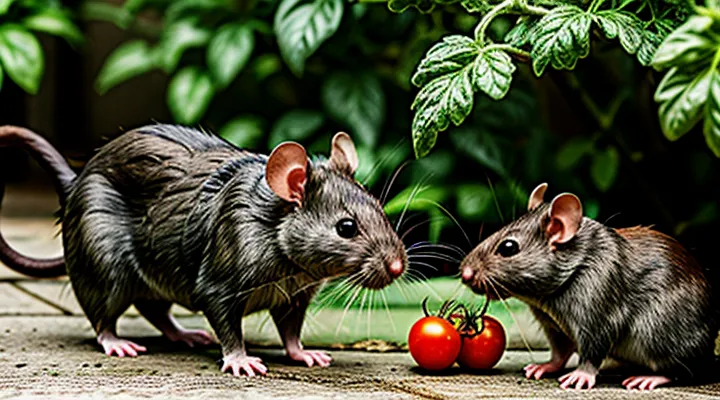
The Basics: Are Tomatoes Toxic?
Solanine Content in Different Parts of the Plant
Tomato plants contain the glycoalkaloid solanine, a compound toxic to many mammals at sufficient doses. Concentrations differ markedly among plant parts, influencing the safety of rodent consumption.
- Leaves and stems: Solanine levels range from 200 – 400 mg kg⁻¹ fresh weight. The concentration is high enough to cause gastrointestinal irritation and neurological symptoms in rats if ingested in notable amounts.
- Unripe (green) fruit: Solanine content averages 30 – 70 mg kg⁻¹, decreasing as the fruit ripens. Consumption of large quantities of green tomatoes can produce mild toxicity in rodents, especially when combined with other solanine‑rich tissues.
- Ripe (red) fruit: Solanine falls below 5 mg kg⁻¹, a level generally regarded as non‑toxic for rats. The edible flesh of mature tomatoes poses minimal risk, provided it is free of green patches or stems.
The toxic threshold for rats is approximately 200 mg kg⁻¹ body weight. Given typical feeding amounts, ingestion of only the ripe fruit stays well under this limit, whereas inclusion of leaves, stems, or substantial green fruit can approach or exceed it. Consequently, the solanine distribution across tomato plant tissues dictates that only the fully ripened fruit is safe for rodent diets, while all other parts should be excluded.
Ripeness and Toxicity Levels
Tomato ripeness directly influences the concentration of glycoalkaloids, chiefly solanine, which can be toxic to rodents. Immature (green) fruit contains the highest solanine levels; as the fruit matures, the compound declines sharply, reaching negligible amounts in fully red, ripe tomatoes. Rats can ingest small amounts of solanine without observable effects, but doses exceeding 200 mg kg⁻¹ body weight may produce tremors, gastrointestinal distress, or fatality. Therefore, the safety of feeding tomatoes to rats depends on selecting fruit at an appropriate ripeness stage and avoiding over‑consumption.
- Green or partially ripe tomatoes: high solanine (up to 150 mg kg⁻¹); not suitable for rat diets.
- Mid‑ripe (yellow‑orange) tomatoes: reduced solanine (≈30–50 mg kg⁻¹); occasional feeding acceptable if portion size is limited.
- Fully red, ripe tomatoes: minimal solanine (<5 mg kg⁻¹); safe for regular inclusion in moderate amounts.
Monitoring portion size and ensuring the fruit is fully ripe eliminates the primary toxicity risk associated with tomato consumption by rats.
Nutritional Benefits of Tomatoes for Rats
Vitamins and Minerals Present
Tomatoes provide a range of micronutrients that can complement a rodent’s diet when offered in moderation. The fruit’s nutritional profile includes several vitamins and minerals essential for physiological functions.
- Vitamin C – antioxidant, supports immune response and collagen synthesis.
- Vitamin A (as beta‑carotene) – contributes to vision, skin health, and cellular differentiation.
- Vitamin K1 – involved in blood clotting and bone metabolism.
- Folate (vitamin B9) – necessary for DNA synthesis and cell division.
- Potassium – regulates fluid balance and nerve transmission.
- Magnesium – participates in enzymatic reactions and muscle function.
- Phosphorus – essential for bone formation and energy metabolism.
In rats, these nutrients can aid growth, tissue repair, and overall vitality. Excessive intake may lead to gastrointestinal upset due to the fruit’s acidity and fiber content, so portions should remain small and occasional. Incorporating tomatoes alongside a balanced staple diet ensures rats receive the benefits of the listed vitamins and minerals without nutritional imbalance.
Antioxidant Properties
Tomatoes contain a range of antioxidant compounds that can affect the health of rodents when included in their diet. Lycopene, a carotenoid responsible for the red color, scavenges free radicals and reduces oxidative stress in cellular tissues. Vitamin C contributes to the regeneration of other antioxidants and supports immune function. Beta‑carotene serves as a precursor for vitamin A, participating in visual health and epithelial maintenance. Flavonoids such as quercetin and kaempferol provide additional free‑radical neutralization.
- Lycopene: high lipid‑soluble activity, accumulates in liver and skin.
- Vitamin C: water‑soluble, enhances collagen synthesis.
- Beta‑carotene: provitamin A, stored in adipose tissue.
- Flavonoids: modulate inflammatory pathways.
Research on laboratory rats shows that moderate tomato intake improves markers of oxidative damage without adverse effects on growth or organ weight. Excessive consumption may introduce oxalic acid, which can contribute to kidney stone formation; therefore, portion control is advisable. Incorporating fresh or minimally processed tomato material, limited to 5 % of total daily feed weight, provides antioxidant benefits while minimizing potential mineral imbalances.
Potential Risks and Concerns
Digestive Upset and Acidity
Rats can ingest tomatoes, but the fruit’s natural acidity may provoke gastrointestinal disturbance. Tomatoes contain citric and malic acids that lower gastric pH; a rodent’s stomach already operates at a highly acidic level, and additional acid can overwhelm the mucosal barrier.
The primary signs of digestive upset include:
- Reduced food intake
- Loose or watery stools
- Abdominal bloating
- Excessive grooming of the anal area
- Lethargy or decreased activity
Acidity also accelerates erosion of the gastric lining, potentially leading to ulcer formation if exposure is frequent or prolonged.
To minimize risk, follow these guidelines:
- Offer only a small piece (no larger than ¼ inch) once or twice a week.
- Remove seeds and skin, which contain higher concentrations of acid and solanine.
- Observe the individual for any change in stool consistency or behavior for 24‑48 hours after feeding.
- Discontinue tomato exposure immediately if any of the listed symptoms appear; provide fresh water and a bland diet of cooked plain rice or oatmeal until normal digestion resumes.
When administered sparingly and with proper preparation, tomatoes do not typically cause lasting harm, but their acidic nature makes them a potential trigger for digestive upset in rats.
Allergic Reactions
Tomatoes are occasionally offered to laboratory and pet rats as a source of moisture and vitamins. However, some individuals develop hypersensitivity to compounds present in the fruit, leading to allergic reactions that can compromise health.
Clinical signs of a tomato‑induced allergy in rats include:
- Skin reddening, itching, or hair loss around the face and ears
- Swelling of the muzzle or paws
- Respiratory difficulty, such as rapid breathing or audible wheezing
- Gastrointestinal upset, manifested by diarrhea or vomiting
- Lethargy and loss of appetite
These symptoms usually appear within minutes to a few hours after ingestion. Diagnosis relies on observation of the reaction pattern and, when necessary, laboratory testing for specific IgE antibodies.
Management strategies:
- Remove tomatoes and any foods containing tomato derivatives from the rat’s diet.
- Provide antihistamine medication under veterinary supervision to alleviate acute symptoms.
- Monitor the animal for recurrence; document any additional foods that trigger similar responses.
- Conduct a gradual re‑introduction trial with alternative vegetables to confirm the specificity of the allergy.
Preventive measures focus on a balanced diet that excludes known allergens and on regular health assessments to detect early signs of hypersensitivity.
Pesticide Residues
Rats may consume tomatoes, but the presence of pesticide residues determines safety. Residues are chemicals remaining on or in the fruit after pesticide application. Regulatory agencies set maximum residue limits (MRLs) to protect human health; these limits also indicate levels that are unlikely to cause acute toxicity in rodents.
Common residues on tomatoes include organophosphates, pyrethroids, and neonicotinoids. Acute toxicity thresholds for rats range from 0.5 mg/kg for highly toxic organophosphates to 50 mg/kg for many pyrethroids. Chronic exposure to sub‑lethal doses can impair liver function, disrupt endocrine balance, and reduce reproductive success.
When offering tomatoes to rats, consider the following precautions:
- Wash thoroughly with running water to remove surface residues.
- Peel the fruit if possible; many pesticides concentrate in the skin.
- Choose organically grown tomatoes, which typically contain lower synthetic pesticide levels.
- Verify that the tomatoes are free of visible damage or mold, which can harbor additional contaminants.
If residue analysis shows concentrations below established MRLs, occasional feeding of tomatoes poses minimal risk to rat health. Exceeding these limits increases the probability of toxic effects and should be avoided.
Feeding Tomatoes to Rats: Best Practices
Quantity and Frequency
Rats can consume tomatoes without immediate health risks when the fruit is offered in moderation and without stems or leaves, which contain toxic alkaloids.
Recommended portion size
- Small pieces (approximately 1 cm³) for a typical adult laboratory rat weighing 250–300 g.
- Larger individuals may tolerate up to 5 g of flesh per serving.
- Avoid seeds in excess; a few seeds per serving are acceptable, but larger quantities should be omitted.
Feeding frequency
- Introduce tomatoes no more than twice weekly to prevent digestive upset.
- Space servings by at least three days to allow gut flora to adapt.
- Continuous daily exposure may lead to reduced appetite for staple feed and potential nutrient imbalance.
When tomatoes are incorporated following these limits, they serve as a supplemental source of vitamins and hydration without compromising the rat’s overall diet.
Preparation Methods: Washing and Cutting
When offering tomatoes to pet rats, the first priority is hygiene. Thorough cleaning removes pesticide residues, soil particles, and microbial contaminants that could harm a rodent’s digestive system. Rinse each fruit under running water, using a soft brush to scrub the surface gently. For organic varieties, a brief soak in a solution of one part white vinegar to three parts water followed by a rinse can further reduce surface bacteria without leaving a strong taste.
After washing, cut the tomato into appropriate portions. Rats handle small, manageable pieces better than large chunks, which reduces the risk of choking and encourages natural foraging behavior. Follow these steps:
- Pat the fruit dry with a clean paper towel to eliminate excess moisture.
- Remove the stem and core, which are tougher and less palatable.
- Slice the tomato into cubes or thin wedges no larger than ½ inch (1.3 cm) on each side.
- Distribute the pieces evenly across the cage floor or a feeding dish to prevent competition and ensure each animal receives a fair share.
Prepared correctly, tomato pieces can be a safe, occasional supplement to a rat’s diet, providing vitamin C, antioxidants, and hydration. Regularly inspect the offered fruit for signs of spoilage; discard any pieces that become soft, discolored, or develop mold.
Identifying Adverse Reactions
Rats may tolerate tomatoes, but several physiological responses indicate intolerance. Recognizing these signs prevents unnecessary suffering and informs dietary decisions.
Common adverse reactions include:
- Gastrointestinal distress: watery or bloody stool, vomiting, loss of appetite.
- Respiratory issues: wheezing, labored breathing, nasal discharge.
- Dermatological symptoms: itching, redness, swelling around the mouth or paws.
- Behavioral changes: lethargy, aggression, reduced grooming.
If any of these manifestations appear after introducing tomato flesh or seeds, discontinue exposure immediately. Conduct a short observation period—24 to 48 hours—before re‑evaluating. Persistent symptoms warrant veterinary assessment to rule out toxicity or allergic sensitization.
Tomato Varieties and Rat Safety
Cherry Tomatoes vs. Larger Varieties
Rats can safely consume tomato flesh, but the variety influences how easily the fruit can be offered and how it affects their diet.
Cherry tomatoes are small, seed‑dense, and have a higher skin‑to‑flesh ratio than larger tomatoes. Their size matches the typical bite of a laboratory or pet rat, reducing the need for chopping. The concentrated sweetness provides a quick energy source, but excessive amounts may disrupt gut flora because of the higher sugar concentration.
Larger tomato varieties, such as beefsteak or plum types, contain more water and less sugar per gram of flesh. Their size requires cutting into bite‑size pieces to prevent choking. The lower seed density reduces the risk of accidental seed ingestion, which can cause minor intestinal irritation in some rats.
Both varieties must be free of pesticide residues and should be washed thoroughly. The acidic content of tomatoes can irritate the stomach lining if offered in large quantities; a moderate portion (approximately one‑quarter of a cherry tomato or a few small cubes of a larger tomato) is sufficient for an adult rat.
Key comparative points
- Size: cherry – naturally bite‑sized; larger – requires trimming.
- Sugar content: cherry – higher; larger – lower.
- Water content: cherry – moderate; larger – higher.
- Seed density: cherry – higher; larger – lower.
- Preparation: cherry – minimal; larger – must be diced.
- Risk of choking: cherry – low; larger – moderate if not cut.
Providing rats with a balanced mix of both types, while monitoring portion size and ensuring cleanliness, supports nutritional variety without compromising safety.
Green Tomatoes: A Special Consideration
Green tomatoes differ chemically from fully ripened fruit; they contain higher levels of organic acids, chlorogenic compounds, and a modest amount of solanine. These constituents affect palatability and digestive tolerance in rodents, making green tomatoes a distinct dietary item compared to red tomatoes.
Nutritional profile of green tomatoes offers modest fiber, vitamin C, and potassium, yet the elevated acidity may irritate the gastrointestinal lining of rats. Solanine, present in low concentrations, can become toxic if consumed in large quantities, leading to neurological symptoms such as tremors or reduced coordination.
Guidelines for offering green tomatoes to rats:
- Introduce only a small piece (no more than 0.5 cm³) to assess individual tolerance.
- Remove seeds and any green stems, which concentrate solanine.
- Provide the fruit fresh; avoid canned or processed green tomatoes that contain added salts or preservatives.
- Observe the animal for signs of distress—reduced activity, vomiting, or abnormal gait—within 24 hours.
- Limit exposure to occasional treats; do not replace staple feed with green tomato material.
When administered cautiously, green tomatoes can serve as an occasional enrichment food, but they should never constitute a primary nutrient source for rats.
What Not to Feed: Tomato-Related Dangers
Tomato Leaves and Stems
Tomato foliage—leaves and stems—contains glycoalkaloids, chiefly solanine and tomatine. These compounds interfere with cell membranes and neuronal function in rodents. Even low concentrations can produce nausea, vomiting, abdominal pain, and, at higher doses, tremors, convulsions, or respiratory depression.
Typical glycoalkaloid levels in mature tomato leaves range from 0.02% to 0.05% of fresh weight. Laboratory studies show that a dose of 200 mg kg⁻¹ body weight of solanine can be lethal to rats. Consequently, ingestion of a few grams of leaf material may approach toxic thresholds for a small laboratory rat.
Because the fruit itself contains negligible glycoalkaloids, the safest practice is to offer only the ripe tomato pulp. If foliage is present, remove it completely. Accidental consumption should be followed by observation for the following signs:
- Salivation and excessive licking
- Diarrhea or loose stools
- Muscle weakness or tremors
- Respiratory difficulty
If any symptom appears, seek veterinary assistance promptly.
Overall, the risk of toxicity outweighs any nutritional benefit from tomato leaves or stems. Providing rats with fruit only eliminates exposure to harmful glycoalkaloids and ensures a safe diet.
Unripe Green Tomatoes
Unripe green tomatoes contain solanine and tomatine, alkaloids that can cause gastrointestinal irritation, neurological symptoms, and reduced appetite in rodents. Laboratory studies indicate that exposure to concentrations above 0.1 % of these compounds in the diet leads to measurable adverse effects in rats.
Key considerations for offering green tomatoes to rats:
- Toxin level: Solanine content rises as the fruit matures; in green fruit it can reach 20 mg per 100 g, exceeding safe thresholds for small mammals.
- Digestive response: Rats often reject bitter-tasting foods; ingestion may result in vomiting, diarrhea, and lethargy.
- Long‑term impact: Repeated consumption can impair liver function and alter nutrient absorption.
If green tomatoes are presented, the following precautions reduce risk:
- Remove skins and seeds, which concentrate alkaloids.
- Cook the fruit thoroughly; heat reduces solanine by up to 50 %.
- Limit portion size to less than 5 % of total daily intake and monitor behavior for signs of distress.
Overall, unripe green tomatoes are unsuitable as a regular component of a rat’s diet due to their inherent toxicity. Safe feeding practices require thorough processing and strict portion control, otherwise the potential health hazards outweigh any nutritional benefit.
Tomato Paste and Processed Products
Tomato paste and other processed tomato products contain concentrated sugars, salts, and additives that differ markedly from fresh fruit. Rats can ingest these foods, but their diet should reflect the higher caloric density and potential contaminants.
The nutritional profile of tomato paste includes:
- Elevated glucose and fructose levels, which can lead to rapid blood‑sugar spikes in rodents.
- Sodium concentrations often exceeding 1 g per 100 g, posing a risk of hypertension when consumed regularly.
- Lycopene and beta‑carotene remain bioavailable, offering antioxidant benefits in moderate amounts.
Potential hazards associated with processed tomato items are:
- Preservatives such as sodium benzoate or potassium sorbate, which may cause digestive irritation.
- Added sugars that can contribute to obesity and dental decay.
- Acidic pH (≈4.0) that may erode oral mucosa if provided in large quantities.
Safe feeding practices recommend:
- Limiting tomato paste to no more than 5 % of total daily caloric intake.
- Diluting paste with water or low‑salt broth to reduce sodium load.
- Monitoring weight and behavior for signs of gastrointestinal upset.
In experimental settings, rats offered small, occasional portions of processed tomato products show no acute toxicity, provided the formulation lacks toxic additives such as garlic powder or onion extract. Continuous exposure to high‑salt or high‑sugar variants can impair renal function and alter gut microbiota composition.
Expert Opinions and Veterinary Advice
Consensus Among Rat Owners
Rat owners who have experience feeding tomatoes to their pets generally agree on several practical guidelines.
Most owners report that ripe, red tomatoes are safe for occasional consumption when presented in small, bite‑size pieces. They emphasize removing the stem and any green parts, which contain higher levels of solanine, a compound that can be toxic in large quantities.
A typical consensus includes:
- Portion control: Limit tomato intake to no more than 5 % of the daily diet to avoid digestive upset.
- Preparation: Wash thoroughly, peel if the skin is tough, and discard seeds to reduce fiber load and potential pesticide residues.
- Frequency: Offer tomatoes once or twice a week, not daily, to prevent excessive acidity that may irritate the gastrointestinal tract.
- Observation: Monitor for signs of diarrhea, loss of appetite, or changes in behavior after introduction; discontinue if adverse reactions appear.
- Veterinary confirmation: Consult a veterinarian before adding new foods, especially for rats with existing health issues such as kidney disease or obesity.
Survey data from online rat‑owner communities indicate that over 80 % of respondents follow these practices, reflecting a shared understanding of safe tomato inclusion in a rat’s diet. The minority who avoid tomatoes altogether cite concerns about individual sensitivities and the effort required for proper preparation.
When to Consult a Veterinarian
Feeding tomatoes to pet rats is generally safe when the fruit is fresh, ripe, and presented in small, seed‑free pieces. However, certain signs indicate that professional veterinary care is required.
- Persistent vomiting or regurgitation after tomato consumption
- Diarrhea that lasts more than 24 hours or contains blood
- Sudden loss of appetite accompanied by lethargy
- Swelling, redness, or ulceration around the mouth, lips, or eyes
- Difficulty breathing, coughing, or wheezing following ingestion
- Unusual behavior such as tremors, seizures, or loss of coordination
If any of these symptoms appear, contact a qualified small‑animal veterinarian promptly. Early intervention can prevent dehydration, electrolyte imbalance, and secondary infections. Provide the vet with details about the amount and type of tomato offered, as well as any other recent dietary changes.
Alternatives to Tomatoes for Rat Treats
Safe Fruits and Vegetables
Rats can include a variety of fruits and vegetables in their diet without risk of toxicity. Fresh produce provides essential vitamins, minerals, and fiber that support dental health and digestive function.
Tomatoes are safe for rats when offered in moderation. Ripe flesh, including the skin, can be given raw; seeds and stems should be avoided because they contain solanine, a compound that may cause irritation at high levels. A small piece (about the size of a pea) per day is sufficient for an adult rat.
Other produce that poses no danger includes:
- Apples (core removed, no seeds)
- Blueberries
- Strawberries
- Carrots (peeled)
- Bell peppers (any color)
- Cucumbers (seedless)
- Zucchini
- Leafy greens such as romaine lettuce, kale, and spinach (limited quantities due to oxalates)
- Broccoli florets
Items to exclude from a rat’s menu are:
- Citrus fruits in large amounts (acid can cause stomach upset)
- Avocado (persin toxin)
- Raw potatoes and green tomato parts (high solanine)
- Onions, garlic, and chives (irritant compounds)
Introduce new foods gradually, observe for any signs of digestive upset, and maintain a balanced diet that combines fresh produce with a high‑quality pellet base. This approach ensures nutritional completeness while preventing health problems.
Commercial Rat Treats
Commercial rat treats are formulated to meet the dietary needs of pet rats while offering variety and enrichment. Manufacturers select protein sources such as soy, mealworm, or fish meal, add grains for energy, and include vitamins and minerals essential for growth and immune function.
Tomato-derived ingredients occasionally appear in these products. When present, they are typically processed into dried puree or powder, providing lycopene and a mild flavor that many rats accept. The inclusion level is limited to a few percent of the total formula to avoid excess acidity and sugar, which could disrupt gut balance.
Key factors to evaluate when choosing a commercial treat:
- Ingredient list: verify the presence of tomato components if the owner wishes to expose the rat to this fruit.
- Nutrient profile: ensure protein, fat, and fiber ratios align with the rat’s dietary requirements.
- Additive safety: avoid treats containing artificial colors, excessive salt, or preservatives known to cause renal stress.
Feeding guidelines recommend limiting treats to no more than 5 % of the rat’s daily caloric intake. This restriction applies regardless of whether the treat contains tomato-derived material, preventing potential digestive upset while maintaining a balanced diet.