
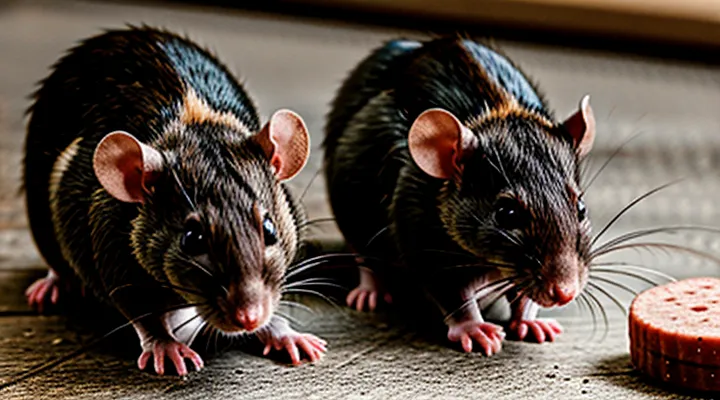
Understanding Rat Diet and Nutritional Needs
Essential Nutrients for Rats
Protein Requirements
Rats require a diet that supplies roughly 14–20 % of calories from high‑quality protein to support growth, tissue repair, and reproductive function. Protein quality is measured by the presence of essential amino acids in proportions matching the rat’s physiological needs. Deficiencies lead to reduced weight gain, impaired immune response, and diminished fertility.
Sausages offer a concentrated source of animal protein, yet their composition often includes excess fat, sodium, and preservatives. When evaluating sausage as a protein source for rodents, consider the following factors:
- Amino‑acid profile – Sausages contain all essential amino acids, but the ratio may be skewed toward methionine and lysine, potentially limiting other amino acids.
- Fat content – High levels of saturated fat can disrupt lipid metabolism and increase the risk of obesity in captive rats.
- Additives – Nitrates, nitrites, and flavor enhancers can cause gastrointestinal irritation and alter gut microbiota.
- Caloric density – Small portions can quickly exceed the rat’s daily energy requirement, leading to over‑consumption of protein and calories.
To meet protein requirements safely, incorporate sausages only as an occasional treat, limiting intake to no more than 5 % of total daily calories and balancing with a formulated rodent chow that provides a complete and balanced nutrient profile. Regular monitoring of body condition and health markers ensures that protein intake remains within optimal ranges.
Fat Requirements
Rats require dietary fat for energy, cell membrane formation, and absorption of fat‑soluble vitamins. Standard rodent formulations contain 5–15 % fat on a dry‑matter basis; this range satisfies physiological needs without promoting excess adiposity.
Commercial sausages typically contain 20–30 % fat by weight, far above the optimal level for a rat’s diet. Consuming unadjusted portions delivers more than double the recommended fat intake, increasing the risk of obesity, hepatic lipidosis, and gastrointestinal disturbances.
To incorporate sausage safely, adjust the overall feed composition:
- Limit sausage to ≤ 0.5 g per 100 g body weight per day.
- Ensure total dietary fat, including that from sausage, remains within the 5–15 % dry‑matter range.
- Complement sausage with high‑fiber, low‑fat laboratory chow to maintain nutrient balance.
Regular monitoring of body condition, weight trends, and fecal consistency is essential. If signs of excess weight gain or digestive upset appear, discontinue sausage and revert to a standard low‑fat diet.
Vitamin and Mineral Needs
Rats require a balanced intake of vitamins and minerals to maintain physiological functions, growth, and reproduction. The most critical nutrients include:
- Vitamin A – supports retinal health and epithelial integrity.
- Vitamin D – facilitates calcium absorption and bone mineralization.
- Vitamin E – protects cell membranes from oxidative damage.
- Vitamin K – necessary for blood clotting.
- B‑complex vitamins (B1, B2, B6, B12, niacin, folic acid) – involved in energy metabolism and nervous system maintenance.
- Calcium – essential for skeletal development and muscle contraction.
- Phosphorus – works with calcium to form bone tissue.
- Magnesium – co‑factor for enzymatic reactions and nerve function.
- Iron – required for hemoglobin synthesis and oxygen transport.
- Zinc – supports immune response and wound healing.
- Selenium – contributes to antioxidant enzymes.
Processed meat products such as sausages supply high levels of protein and fat, along with sodium, potassium, and trace amounts of iron and zinc. However, they lack sufficient quantities of most vitamins, especially A, D, E, and the full B‑complex profile. Calcium content in typical sausages is low, while phosphorus may be present in moderate amounts. The high salt concentration can disrupt electrolyte balance and increase renal load.
Feeding rats sausages as a regular component of the diet creates two major risks: nutrient deficiencies and excesses. Deficiencies arise from inadequate vitamin and calcium supply, potentially leading to poor bone quality, impaired vision, and compromised immunity. Excess sodium can precipitate hypertension and renal stress, while excess fat may promote obesity and metabolic disorders.
To incorporate sausage safely, limit it to occasional treats constituting no more than 5 % of total caloric intake. Complement each serving with a fortified rodent chow that meets established vitamin and mineral standards, or provide targeted supplements such as vitamin D3, calcium carbonate, and a balanced B‑complex formulation. Regular monitoring of body condition and clinical signs will help ensure nutritional adequacy while preventing adverse effects.
Foods to Avoid for Rats
High-Fat Foods
Rats can ingest sausages, but the high fat content poses specific health concerns. Fat levels in most sausages exceed 30 % of total weight, delivering calories far above the dietary needs of a typical laboratory rat (approximately 15 g of food per day). Excessive intake leads to rapid weight gain, hepatic steatosis, and elevated serum cholesterol.
Key physiological effects of high‑fat diets in rodents:
- Increased adiposity and obesity‑related insulin resistance.
- Development of lipid accumulation in the liver, often progressing to non‑alcoholic fatty liver disease.
- Altered gut microbiota composition, reducing microbial diversity and promoting dysbiosis.
- Elevated risk of cardiovascular lesions due to hyperlipidemia.
Nutritional balance requires that fat contribute no more than 5–10 % of a rat’s total caloric intake. When sausages are offered, portion control is essential: a single 2‑gram slice provides roughly 7 % of a rat’s daily caloric requirement, but the saturated fatty acids dominate the nutrient profile, making regular consumption unsuitable.
If a researcher or pet owner wishes to include sausage as an occasional treat, the following protocol minimizes harm:
- Limit exposure to one small piece (≤2 g) per week.
- Supplement the diet with high‑fiber, low‑fat chow to offset caloric excess.
- Monitor body weight, coat condition, and activity levels weekly.
- Conduct periodic blood lipid panels to detect early metabolic disturbances.
In controlled studies, rats fed exclusively high‑fat meat products exhibit reduced lifespan compared with cohorts receiving standard laboratory diets. Therefore, while rats are physically capable of eating sausages, the high‑fat nature of the food necessitates strict moderation to avoid adverse health outcomes.
Salty Foods
Rats are attracted to high‑salt foods because sodium stimulates their taste receptors, but the physiological consequences are significant. Excessive sodium intake can lead to hypertension, kidney strain, and electrolyte imbalance in rodents, mirroring effects observed in other mammals.
When a rat consumes a processed meat product such as a sausage, the following factors determine safety:
- Sodium concentration: values above 0.5 % by weight increase the risk of acute dehydration.
- Preservatives: nitrites and nitrates add toxic load, especially in small animals with rapid metabolism.
- Fat content: high levels of saturated fat exacerbate cardiovascular stress already heightened by salt.
Long‑term exposure to salty diets shortens lifespan and reduces reproductive success. Providing low‑sodium alternatives or limiting access to seasoned meats mitigates these risks.
Spicy Foods
Rats possess a keen sense of taste that makes them generally averse to strong heat. Capsaicin, the active component in chili peppers, activates pain receptors in rodent oral tissues, causing immediate avoidance behavior. Consequently, rats rarely seek out foods with high levels of spiciness.
When evaluating the suitability of spicy sausages for rats, consider the following factors:
- Capsaicin concentration: even low doses can reduce appetite and cause gastrointestinal distress.
- Digestive tolerance: rodents lack the enzymatic pathways to efficiently metabolize prolonged exposure to capsaicin, leading to inflammation of the intestinal lining.
- Nutritional balance: spicy additives often replace or mask essential nutrients required for rodent health.
- Behavioral response: avoidance of hot foods may result in selective feeding, limiting overall intake.
Experimental observations indicate that rats presented with mildly seasoned meat accept the protein source, while increased spiciness triggers refusal and signs of discomfort such as excessive grooming and reduced activity. Chronic exposure to hot foods correlates with weight loss and elevated stress markers.
For safe feeding practices, limit any hot seasoning to trace amounts, monitor intake closely, and prioritize plain protein sources. Spicy sausages should be excluded from regular rat diets to prevent adverse health effects.
Processed Foods
Rats are omnivorous mammals capable of digesting a wide range of foods, including many items classified as processed. Processed meats such as sausages contain cured, smoked, or seasoned meat that has undergone preservation or flavor enhancement. These products typically include salt, nitrites, spices, and sometimes fillers or binders.
Nutritional composition of processed sausages presents several concerns for rodent health:
- High sodium levels increase the risk of dehydration and renal strain.
- Nitrites and nitrates can convert to nitrosamines, compounds linked to carcinogenic effects in mammals.
- Added sugars and starches provide excess calories without essential nutrients, potentially leading to obesity.
- Preservatives and artificial flavorings may trigger digestive upset or allergic reactions.
Experimental data indicate that short‑term consumption of small sausage portions does not cause immediate toxicity in laboratory rats, but chronic exposure correlates with elevated blood pressure, liver enzyme abnormalities, and altered gut microbiota. Rats lacking a balanced diet of fiber, vitamins, and minerals may develop deficiencies when reliant on processed meat as a primary food source.
Guidelines for offering processed meats to rats:
- Limit portions to no more than 5 % of total daily intake.
- Provide fresh water continuously to offset sodium load.
- Supplement diet with high‑fiber vegetables, whole grains, and protein sources lacking additives.
- Monitor body weight, coat condition, and stool consistency for signs of intolerance.
In summary, while rats can physiologically ingest cured meat products, the high concentration of salts, preservatives, and non‑nutritive additives makes regular sausage consumption unsuitable for maintaining optimal health.
Foods Toxic to Rats
Rats require a balanced diet; several common foods pose serious health risks. Consumption of these items can lead to gastrointestinal distress, organ failure, or death.
- Chocolate (theobromine)
- Caffeine‑containing drinks and foods
- Alcohol
- Onions, garlic, leeks, chives (allium family)
- Raw or green potatoes (solanine)
- Avocado (persin)
- Certain nuts (macadamia, unripe almonds)
- High‑sodium processed meats, especially those seasoned with garlic or onion powders
- Foods with artificial sweeteners, particularly xylitol
Sausages often contain garlic, onion, high salt levels, and nitrates, which fall within the toxic categories listed above. Even when cooked, these ingredients remain harmful to rodents. Feeding rats plain, unseasoned meat without additives is safer, but it should complement a diet formulated for rodent nutrition rather than replace it.
Sausage and Rats: A Detailed Analysis
Ingredients in Sausages
Meat Content and Type
Sausages are primarily composed of muscle tissue, fat, and connective tissue from various animal sources. The meat component typically ranges from 40 % to 70 % of the total weight, depending on the product type. Common animal origins include:
- Pork: most frequent, provides high fat content and flavor.
- Beef: used in specialty or leaner varieties, contributes a firmer texture.
- Poultry (chicken or turkey): appears in low‑fat options, offers milder taste.
- Game meats (e.g., venison, rabbit): found in gourmet blends, often mixed with pork for moisture.
Fat levels vary from 10 % to 30 % and influence caloric density. Additives such as salt, nitrates, spices, and preservatives are incorporated to enhance taste, extend shelf life, and inhibit microbial growth. Some products contain fillers (e.g., soy, breadcrumbs) that increase bulk without adding meat.
Rats possess omnivorous digestive systems capable of processing animal protein, but several factors affect the suitability of sausages:
- High fat content can overwhelm a rat’s metabolic capacity, leading to obesity or liver strain.
- Sodium and nitrate concentrations exceed safe levels for small mammals, increasing the risk of hypertension and toxic reactions.
- Spices and flavorings (e.g., garlic, onion powder) are toxic to rodents in sufficient quantities.
- Fillers and binders may contain allergens or anti‑nutritional compounds that impair digestion.
Overall, the meat portion of sausages supplies protein that rats can digest, yet the accompanying fat, salt, preservatives, and seasonings create health hazards. Feeding rats sausage meat should be limited to small, unseasoned, low‑fat samples, and only after veterinary approval.
Fat Content
Sausages typically contain 20–35 % fat, depending on the variety and processing method. This high lipid concentration provides a dense caloric source, but it also introduces challenges for rodent digestion. Rats possess a relatively efficient bile system, yet excessive dietary fat can overwhelm hepatic processing, leading to hepatic steatosis and elevated plasma triglycerides.
When evaluating the suitability of sausages for rats, consider the following thresholds:
- Total fat ≤ 15 % of the diet: unlikely to cause acute metabolic disturbances.
- Total fat 15–25 %: may be tolerated short‑term if balanced with fiber and low‑fat protein sources.
- Total fat > 25 %: increases risk of obesity, pancreatitis, and cardiovascular strain.
Long‑term feeding of high‑fat sausage meat without nutritional balancing is associated with weight gain, reduced lifespan, and impaired reproductive performance. Any inclusion of sausage should be limited to occasional treats, not a staple component of a rat’s diet.
Salt Content
Rats can consume sausage, but the salt concentration in the product determines safety. Commercial sausages typically contain 1.5 % to 2.5 % sodium chloride by weight. This level exceeds the dietary sodium tolerance of most laboratory‑bred rats, which can process only about 0.3 %–0.5 % salt in a mixed diet without adverse effects.
High salt intake in rats produces:
- Elevated blood pressure
- Renal strain
- Increased thirst leading to dehydration risk
- Potential electrolyte imbalance
When offering sausage to pet or research rats, reduce the effective salt load by:
- Selecting low‑sodium varieties (≤ 0.8 % salt).
- Trimming visible fat and seasoning to remove surface salt crystals.
- Limiting portion size to no more than 5 g of sausage per 100 g of total daily food intake.
If a rat shows signs of excessive thirst, lethargy, or weight loss after consuming salty meat, replace the treat with a low‑salt protein source such as boiled chicken breast. Continuous monitoring of sodium intake ensures the animal’s cardiovascular and renal health remain within normal parameters.
Spices and Seasonings
When adding flavor to a rat’s sausage portion, the choice of spices determines safety and nutritional impact. Veterinarians and rodent nutritionists agree that only a limited set of seasonings should be used, because many common additives can cause digestive upset, toxicity, or long‑term health problems.
Safe seasonings include:
- Parsley, finely chopped, in amounts not exceeding 0.5 % of the total food weight.
- Basil, fresh or dried, up to 0.3 % of the mixture.
- Dill, limited to 0.2 % of the overall composition.
- Oregano, used sparingly, not more than 0.1 % of the total weight.
These herbs provide mild flavor and contain antioxidants that may benefit rats when administered within the specified limits. They must be introduced gradually to monitor tolerance.
Seasonings that should be avoided are:
- Garlic and onion powders, which contain thiosulphates that damage red blood cells.
- Chili powder, cayenne, or any capsicum‑based spice, because the capsaicin irritates the gastrointestinal tract.
- Salt, in concentrations above 0.2 % of the diet, leading to hypertension and renal strain.
- Soy sauce, fish sauce, or other fermented condiments, due to high sodium and potential histamine content.
When preparing sausage for rats, the base meat should be lean, with fat content below 10 %. Mix the approved herbs into the raw sausage before cooking; avoid frying or adding oil, as excess fat reduces digestibility. Cook the sausage thoroughly to eliminate pathogens, then allow it to cool before serving.
Monitoring is essential. Observe the rat for changes in stool consistency, appetite, or behavior after introducing seasoned sausage. Any signs of distress require immediate cessation of the seasoning and consultation with a veterinarian.
Preservatives and Additives
Rats may encounter sausages that contain a range of preservatives and additives designed to extend shelf life, enhance flavor, and improve texture. These compounds influence the safety of offering such products to rodents.
- Sodium nitrite – inhibits bacterial growth, can form methemoglobin in rodents at high doses.
- Sodium erythorbate – antioxidant, generally low toxicity but may interact with nitrite.
- Phosphates – moisture retainers, excessive intake can disturb calcium balance.
- BHA/BHT – synthetic antioxidants, linked to liver enzyme induction in laboratory studies.
- Smoke flavorings – contain polycyclic aromatic hydrocarbons, potential carcinogens in long‑term exposure.
- MSG (monosodium glutamate) – flavor enhancer, may cause transient hyperactivity in sensitive individuals.
Acute toxicity thresholds vary by compound; for example, sodium nitrite becomes lethal at approximately 50 mg kg⁻¹ in rats, while typical sausage concentrations remain far below that level. Chronic exposure to nitrite‑derived nitrosamines, BHA/BHT, or smoke constituents has been shown to increase tumor incidence and liver pathology in rodent experiments. Phosphate overload can lead to renal calcification, and repeated high‑dose MSG may exacerbate excitotoxic stress.
When assessing the suitability of sausage as a treat, consider the cumulative load of these additives. Small, infrequent pieces that contain minimal preservative concentrations pose limited immediate risk, but regular feeding introduces chronic chemical stress. A safer alternative is to provide plain, protein‑rich foods without synthetic preservatives, reserving processed meats for occasional, controlled portions.
Potential Risks of Feeding Sausage to Rats
Sodium Overload
Rats that ingest processed meat products such as sausages are exposed to high levels of sodium, a mineral that regulates fluid balance but can become toxic when consumed in excess. Sodium concentrations in most commercial sausages exceed the nutritional requirements of a typical laboratory rat by several folds, creating a risk of electrolyte imbalance.
Acute sodium overload manifests rapidly. Common signs include:
- Excessive thirst and water intake
- Polyuria (increased urine output)
- Lethargy or reduced activity
- Swelling of extremities (edema)
- Seizures or loss of coordination in severe cases
Chronic exposure leads to hypertension, renal strain, and cardiac hypertrophy. Studies measuring blood pressure in rats fed a diet containing 2–3 % sodium showed a statistically significant rise compared with control groups receiving standard chow. Renal pathology reports from long‑term trials reveal glomerular sclerosis and tubular degeneration linked to sustained high sodium intake.
Mitigation strategies involve limiting the proportion of processed meat in rodent diets, supplementing with low‑sodium alternatives, and monitoring water consumption. Nutritional guidelines recommend that sodium should not exceed 0.2 % of total diet weight for laboratory rats; most sausage formulations surpass this threshold, making them unsuitable as primary food sources.
Excessive Fat Intake
Rats can physically chew and swallow sausage, but the high fat content poses significant health risks. Fat accounts for the majority of the caloric load in most processed meats, and rats metabolize lipids differently from humans. When dietary fat exceeds the species‑specific threshold, the liver stores excess triglycerides, leading to hepatic steatosis and impaired detoxification pathways.
- Elevated plasma cholesterol and triglyceride levels
- Accumulation of adipose tissue in the abdominal cavity
- Reduced insulin sensitivity and increased risk of glucose intolerance
- Shortened lifespan due to cardiovascular strain
Laboratory observations show that a diet comprising more than 15 % of total calories from animal fat triggers rapid weight gain and organ inflammation in rodents. Adjusting the diet to include lean protein sources and limiting high‑fat treats prevents these outcomes and supports normal growth and reproduction.
Presence of Harmful Spices
Rats can physically ingest sausage meat, but the inclusion of certain spices poses significant health risks. Many commercially prepared sausages contain additives that are toxic or irritating to rodent physiology.
- Paprika and chili powder – capsaicin irritates gastrointestinal mucosa, leading to ulceration and reduced feed intake.
- Garlic and onion powder – contain organosulfur compounds that cause hemolytic anemia in rodents.
- Black pepper – piperine can interfere with hepatic enzymes, impairing drug metabolism and increasing toxicity of other ingredients.
- Nutmeg – myristicin acts as a neurotoxin at moderate doses, producing tremors and seizures in small mammals.
- Cinnamon – coumarin accumulates in the liver, potentially causing hepatocellular damage over repeated exposure.
These spices are often present in flavor‑enhanced sausages to appeal to human consumers. Their concentrations, while safe for people, exceed the tolerance thresholds of rats. Chronic ingestion may result in digestive distress, hematologic disorders, or organ failure.
If a rat is offered sausage, the safest approach is to provide plain, unseasoned meat. Removing the spice blend eliminates the primary sources of toxicity and aligns the food with the animal’s dietary requirements.
Bacterial Contamination
Rats that encounter sausage products face a high probability of ingesting pathogenic bacteria. Sausages, especially those sold raw or lightly cured, frequently contain microorganisms capable of causing disease in both rodents and humans.
- Salmonella spp. – thrives in moist, protein‑rich environments; survives refrigeration; can colonize the rat gut and be shed in feces.
- Escherichia coli (including pathogenic strains) – common contaminant of meat; persists on surfaces and in uneaten portions.
- Listeria monocytogenes – tolerates low temperatures; multiplies during extended storage; can infect rats through contaminated tissue.
- Clostridium perfringens – forms heat‑resistant spores; germinates in improperly cooked sausage; produces toxins after ingestion.
Rats acquire these bacteria by consuming contaminated meat, contact with infected fur or saliva, and by scavenging leftovers. After ingestion, bacteria colonize the gastrointestinal tract, proliferate, and are expelled in droppings. Droppings contaminate storage areas, other food sources, and water supplies, creating a feedback loop that spreads pathogens throughout a habitat.
Mitigation relies on eliminating the bacterial load before rats can access the product. Cooking to an internal temperature of at least 71 °C (160 °F) destroys most vegetative cells. Prompt refrigeration below 4 °C (40 °F) slows bacterial growth. Sealing packages and maintaining clean storage environments prevent rodent entry and reduce cross‑contamination. Regular pest control further limits the opportunity for rats to encounter sausage items, thereby breaking the transmission cycle.
Choking Hazards
Rats can tolerate small pieces of processed meat, but the shape and consistency of sausage present a real choking risk. The cylindrical form often exceeds the size of a rat’s oral cavity, and the dense, greasy texture can obstruct the airway if the animal attempts to swallow a large fragment whole.
The primary factors that create choking hazards are:
- Chunk size – pieces larger than a quarter‑inch can become lodged in the throat.
- Hard casing – natural or synthetic casings resist tearing, increasing the chance of blockage.
- Fat concentration – high‑fat segments slip easily and may coat the airway, reducing airflow.
- Bone fragments – occasional meat‑based sausages contain tiny bone splinters that act as foreign bodies.
To minimize danger, follow these practices:
- Cut sausage into pieces no larger than a pea, ensuring each fragment can be easily broken apart by the rat’s incisors.
- Remove all casings before offering the meat; expose only the soft interior.
- Rinse the meat briefly to reduce excess fat and salt, which also lessens the likelihood of airway coating.
- Supervise the animal during the first few feedings to confirm that it can manage the texture without gagging.
By controlling size, removing tough coverings, and monitoring consumption, the choking threat associated with feeding sausages to rats can be effectively eliminated.
Health Implications of Sausage Consumption in Rats
Kidney Disease
Feeding processed meat to rodents poses a specific threat to renal health. Sausages contain high levels of sodium, saturated fat, and protein, all of which increase glomerular workload and can accelerate nephron damage in susceptible animals.
Elevated dietary sodium raises blood pressure, a known contributor to chronic kidney disease. Excess saturated fat promotes lipid accumulation in renal tissue, impairing filtration efficiency. The dense protein load forces the kidneys to excrete larger quantities of nitrogenous waste, stressing tubular cells and potentially leading to interstitial fibrosis.
Potential consequences of regular sausage consumption for rats include:
- Hypertension‑related glomerulosclerosis
- Proteinuria and reduced creatinine clearance
- Accelerated progression of pre‑existing renal lesions
- Increased susceptibility to acute kidney injury during dehydration episodes
Veterinary guidelines recommend limiting processed meats to occasional treats, if at all, and monitoring renal function through periodic blood urea nitrogen and creatinine measurements. A diet centered on low‑sodium, high‑fiber, and moderate‑protein ingredients supports optimal kidney performance and reduces the risk of disease development.
Heart Problems
Rats that regularly consume processed meat, such as sausages, exhibit a higher incidence of cardiovascular lesions. The high saturated‑fat content increases plasma cholesterol, which accelerates atherosclerotic plaque formation in arterial walls. Elevated sodium levels promote hypertension, further stressing the myocardium.
Key physiological effects include:
- Lipid accumulation in coronary arteries, leading to reduced blood flow.
- Sodium‑induced fluid retention, raising blood pressure and cardiac workload.
- Presence of nitrites and nitrates, which can form nitrosamines that damage endothelial cells.
Experimental data show that rats fed a diet containing 20 % sausage meat develop left‑ventricular hypertrophy within eight weeks, whereas control groups on standard chow maintain normal cardiac dimensions. Histological examinations reveal myocardial fibrosis and inflammatory infiltrates in the high‑fat group.
Mitigation strategies for laboratory colonies involve:
- Limiting processed meat to occasional treats, not a staple.
- Substituting lean protein sources with lower saturated‑fat profiles.
- Monitoring blood pressure and lipid panels in animals receiving high‑fat diets.
Overall, regular sausage consumption imposes significant cardiac strain on rats, increasing the risk of heart disease and compromising experimental validity.
Obesity
Rats readily consume high‑fat, high‑protein foods such as sausage, which delivers more calories per gram than standard rodent chow. A typical cooked sausage slice contains approximately 250 kcal per 100 g, whereas laboratory rat diet provides about 3 kcal g⁻¹. When a rat ingests even a small portion, caloric intake can exceed daily energy requirements by 30 % or more.
Excess calories are stored as adipose tissue, leading to rapid weight gain. Studies show that rats fed a diet enriched with processed meats develop:
- increased body mass index within two weeks,
- elevated serum triglycerides,
- insulin resistance comparable to human metabolic syndrome.
Rodent metabolism differs from humans; basal metabolic rate is higher, yet the disproportionate energy density of sausage overwhelms compensatory mechanisms. Continuous access to such food eliminates the natural balance of foraging and satiety, accelerating adiposity.
Preventive measures include limiting portion size to less than 5 % of daily caloric budget and ensuring a balanced diet rich in fiber and low‑fat protein. Monitoring body weight weekly allows early detection of abnormal gain. When obesity is identified, gradual reduction of high‑fat treats and introduction of exercise wheels can restore metabolic health.
Digestive Issues
Rats that consume processed meat such as sausage are prone to several gastrointestinal problems. High fat content overwhelms the modest enzymatic capacity of the rodent stomach, leading to delayed gastric emptying and steatorrhea. Salt levels typical of cured meats increase osmotic load, which can cause diarrhoea and electrolyte imbalance. Spices, smoke flavorings, and preservatives irritate the intestinal mucosa, resulting in inflammation and ulceration.
Potential complications include:
- Gastric dilation due to excessive bulk and poor motility
- Mechanical obstruction from large, indigestible fragments
- Dysbiosis caused by altered pH and antimicrobial additives
- Pancreatic strain from the demand for lipase and protease secretion
Long‑term exposure may predispose rats to chronic enteritis, malabsorption, and reduced growth rates. Preventive measures involve limiting or eliminating sausage in the diet, providing fiber‑rich alternatives, and monitoring fecal consistency for early signs of distress.
Toxicity Symptoms
Rats that ingest sausage products may exhibit acute toxicity signs due to high fat content, excessive salt, and common additives such as nitrites, phosphates, and spices. These compounds can overload metabolic pathways and provoke physiological distress.
Typical manifestations include:
- Vomiting or retching
- Watery, bloody, or mucoid diarrhea
- Lethargy and reduced activity
- Rapid, shallow breathing or respiratory distress
- Tremors, muscle twitching, or seizures
- Abnormal heart rhythm or sudden cardiac arrest
- Excessive salivation and drooling
- Pale or cyanotic mucous membranes
Chronic exposure to preserved meat may lead to liver enlargement, kidney dysfunction, and weight loss. Immediate veterinary assessment is recommended if any of these symptoms appear after a rat consumes sausage-derived food.
Safe and Healthy Alternatives for Rat Treats
Recommended Protein Sources
Cooked Lean Meats
Cooked lean meats provide high‑quality protein, essential amino acids, and limited fat, making them a common component of laboratory rodent diets. When evaluating whether rats can safely ingest sausage‑type products, the following factors are critical:
- Protein content – Lean meat delivers digestible protein that supports growth and tissue repair.
- Fat level – Excessive fat, typical of many sausages, can overload the rat’s gastrointestinal system and predispose to obesity.
- Sodium and additives – Processed sausages often contain high salt, preservatives, and spices that may irritate the intestinal mucosa or cause electrolyte imbalance.
- Cooking method – Thorough cooking eliminates pathogenic bacteria; however, charring introduces heterocyclic amines, which are carcinogenic for rodents.
Rats tolerate small portions of plain, well‑cooked lean meat without adverse effects. Introducing sausage meat requires removal of visible fat, reduction of sodium, and avoidance of curing agents. Feeding trials that limit sausage‑derived protein to less than 10 % of total dietary intake minimize metabolic stress and maintain normal weight trajectories.
In summary, lean cooked meat is nutritionally appropriate for rats, but sausage formulations must be modified to meet the species’ low‑fat, low‑sodium requirements before they can be considered a safe supplement.
Eggs
Rats that are offered processed meat such as sausage require a balanced diet to avoid health problems. Eggs provide a high‑quality protein source that can replace or supplement meat in a rodent’s nutrition plan.
Eggs contain complete proteins, essential amino acids, vitamins A, D, E, B‑12, and minerals like selenium and phosphorus. These nutrients support muscle development, immune function, and egg‑shell formation in breeding females.
Safety considerations:
- Raw eggs may contain Salmonella; cooking eliminates bacterial risk.
- Over‑feeding eggs can lead to excess fat intake; limit portions to 1 – 2 grams per 100 grams of body weight.
- Introduce eggs gradually to monitor for allergic reactions.
Compared with sausage, eggs deliver:
- Higher protein quality with fewer saturated fats.
- No preservatives, nitrates, or added sugars.
- Lower sodium levels, reducing strain on the rat’s cardiovascular system.
For rats that are tested for tolerance of processed meat, incorporating a modest amount of cooked egg into daily meals offers a nutritionally superior alternative while minimizing exposure to additives commonly found in sausage.
Tofu
Tofu is a soy‑based protein that can serve as an alternative dietary component for laboratory and pet rats. Its composition includes approximately 8 % protein, 4–5 % fat, and a modest amount of carbohydrates, providing essential amino acids without the saturated fats found in typical meat products. Because rats are omnivorous, they can digest soy proteins, but the digestibility of tofu is slightly lower than that of animal muscle tissue due to the presence of anti‑nutritional factors such as trypsin inhibitors. Proper processing—heat treatment and thorough cooking—neutralizes these inhibitors and makes tofu safe for consumption.
Nutritional comparison with processed meat products shows that tofu supplies:
- Complete protein with lower cholesterol.
- Calcium and iron in bioavailable forms.
- Minimal sodium, unlike many cured meats.
When evaluating the suitability of tofu as a substitute for the protein found in sausage‑type feeds, consider the following guidelines:
- Offer tofu in small, bite‑sized cubes to prevent choking.
- Limit portions to 10–15 % of the total daily ration to maintain a balanced diet.
- Ensure the tofu is plain, without added sauces, spices, or preservatives that could upset the rat’s gastrointestinal tract.
- Monitor body weight and behavior for any signs of intolerance, such as reduced activity or loose stools.
In practice, tofu can complement a mixed diet that includes grains, fresh vegetables, and occasional animal protein, providing a lower‑fat alternative while still meeting the rats’ protein requirements.
Healthy Snack Options
Fresh Fruits
Rats readily accept fresh fruits as part of a balanced diet. Unlike processed meat products, which contain high levels of fat, salt, and preservatives, fruits provide natural sugars, fiber, vitamins, and antioxidants without excessive sodium.
Suitable options include:
- Apples (core removed, seeds discarded)
- Blueberries
- Strawberries
- Bananas (thin slices)
- Pears (skin peeled if thick)
- Melon wedges
These items supply carbohydrates that support energy needs, while fiber aids gastrointestinal function. Vitamin C, abundant in citrus and kiwi, compensates for the limited synthesis capacity in rodents. Potassium and magnesium present in bananas and apricots contribute to electrolyte balance.
Feeding guidelines:
- Offer fruit no more than 10 % of total daily intake.
- Introduce new varieties gradually to monitor tolerance.
- Remove uneaten pieces within two hours to prevent spoilage.
When comparing fruit to processed meat, the former delivers nutrients with lower risk of obesity, hypertension, and digestive upset. Incorporating fresh fruit therefore enhances dietary quality while minimizing the health concerns associated with high‑fat, high‑salt sausage consumption.
Vegetables
Vegetables provide essential fiber, vitamins, and minerals that complement the protein and fat found in processed meat products. When rats consume sausages, the high fat and sodium content can strain their digestive system; adding fresh vegetables mitigates these effects by promoting intestinal motility and supplying nutrients absent from meat.
Safe vegetable options include:
- Carrots, raw or lightly steamed
- Broccoli florets, chopped
- Spinach leaves, washed
- Bell peppers, diced
- Zucchini, sliced
These items are low in fat, easily digestible, and rich in antioxidants that support immune function. Incorporating them into a rat’s diet reduces the risk of obesity and gastrointestinal irritation that may arise from frequent sausage consumption.
Feeding practices should balance portion sizes: a small piece of sausage (no more than 5 % of total daily intake) paired with a comparable weight of mixed vegetables maintains nutritional equilibrium. Monitoring body condition and stool consistency confirms whether the combination is well tolerated.
Excessive reliance on processed meat without adequate vegetable intake leads to nutrient deficiencies, impaired coat quality, and heightened susceptibility to disease. Regular inclusion of appropriate vegetables ensures a more complete diet for rats that occasionally ingest sausage.
Whole Grains
Rats that are offered sausage as a treat require a balanced diet to avoid nutritional deficiencies. Whole grains provide essential fiber, B‑vitamins, and minerals that complement the high protein and fat content of processed meat. Including whole‑grain cereals in a rodent’s regimen dilutes excess sodium and saturated fat, reducing the risk of gastrointestinal upset and long‑term metabolic disorders.
Key nutritional contributions of whole grains for rats:
- Insoluble and soluble fiber that promotes intestinal motility and stabilizes blood glucose.
- Magnesium, phosphorus, and selenium that support muscle function and antioxidant defenses.
- Complex carbohydrates that supply steady energy, preventing rapid spikes associated with meat‑centric meals.
When planning a diet that occasionally incorporates sausage, replace a portion of the meat with whole‑grain bases such as oat flakes, barley, or brown rice. A typical serving ratio might be 60 % whole grains to 40 % protein sources, ensuring adequate nutrient density without overloading the animal with processed fats.
Monitoring weight, coat condition, and stool consistency will indicate whether the whole‑grain component effectively mitigates the adverse effects of occasional sausage consumption. Adjust grain variety and portion size based on observed health markers to maintain optimal rodent welfare.
Best Practices for Rat Feeding
Moderation and Portion Control
Feeding a rat any processed meat, including sausage, must be limited to a small, occasional treat. Sausages contain high levels of fat, sodium, and preservatives that can overwhelm a rodent’s digestive system and contribute to obesity, hypertension, and kidney strain. Because a rat’s daily caloric intake is roughly 10–15 kcal per 100 g of body weight, even a bite of sausage can represent a significant portion of its energy budget.
- Offer no more than 0.5 g of sausage per 100 g of rat body weight per serving.
- Limit servings to once per week at most.
- Ensure the remainder of the diet consists of a balanced commercial rodent mix, fresh vegetables, and occasional fruit.
- Remove any visible skin, gristle, or seasoning that could cause irritation or toxicity.
If a rat shows signs of digestive upset—loose stools, reduced activity, or excessive thirst—discontinue the treat immediately and monitor health. Regular veterinary check‑ups can detect early complications from high‑fat treats. Substituting low‑fat protein sources, such as boiled chicken breast or plain cooked egg, provides safer variety while maintaining the principle of moderation.
Introduction of New Foods
Introducing unfamiliar food items to rats requires assessment of nutritional compatibility, digestive capacity, and health impact.
Typical processed meat products contain high levels of protein, saturated fat, sodium, and additives such as nitrites. Rats thrive on diets rich in protein but rely on balanced fat and low sodium to maintain cardiovascular and renal function. Excessive saturated fat can overwhelm pancreatic lipase activity, while sodium concentrations above 0.2 % of the diet may precipitate hypertension and renal strain. Preservatives may irritate the gastrointestinal mucosa and alter gut microbiota.
Rats possess enzymatic systems capable of hydrolyzing animal proteins, yet their bile secretion and intestinal transit time limit the amount of fat that can be efficiently absorbed. Empirical observations show that small quantities of cooked meat are tolerated, whereas heavily processed, high‑fat sausages often induce loose stools, reduced feed intake, and rapid weight gain.
Key risk factors:
- Elevated saturated fat → hepatic lipid accumulation, obesity
- High sodium → fluid retention, hypertension
- Preservatives (nitrites, phosphates) → mucosal irritation, microbiome disruption
- Caloric density → disproportionate energy intake, metabolic imbalance
Guidelines for safe introduction:
- Offer a test portion no larger than 2 g of cooked, lean meat per 100 g of regular feed.
- Observe for 24 hours; discontinue if diarrhea, lethargy, or reduced consumption occurs.
- Limit exposure to a maximum of twice weekly; maintain primary diet of certified rodent chow.
- Record body weight and water intake to detect early signs of excess caloric or sodium load.
Applying these criteria ensures that novel protein sources are evaluated without compromising the animal’s health.
Consulting a Veterinarian
When a pet rat’s diet might include processed meat, professional guidance prevents health complications. A veterinarian assesses the animal’s nutritional needs, existing conditions, and the specific composition of the meat product.
Provide the vet with:
- Rat’s age, weight, and breed
- Current diet composition and feeding schedule
- Details of the sausage (type of meat, fat content, spices, preservatives)
- Any observed symptoms such as digestive upset or changes in activity
The veterinarian examines the information, performs a physical check, and may request laboratory tests to detect potential allergens or parasites. Based on the findings, the professional advises whether the processed meat is safe, suggests portion limits, or recommends alternative protein sources.
Follow the vet’s plan precisely. Monitor the rat for adverse reactions, record any changes, and schedule a follow‑up appointment if the animal shows signs of distress or if the diet is adjusted.