
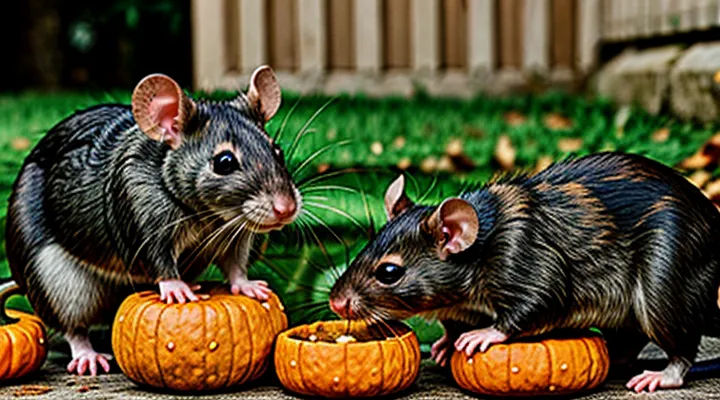
Introduction to Rat Diet and Nutrition
General Dietary Guidelines for Pet Rats
Pet rats require a balanced diet that mimics their natural omnivorous habits while meeting the nutritional needs of a domesticated animal. Commercial rat blocks or pellets should form the core of each meal, providing protein, fat, fiber, vitamins, and minerals in appropriate ratios. Fresh foods supplement the base diet, offering variety and additional nutrients, but must be introduced gradually and offered in limited amounts.
- Protein sources: cooked chicken, boiled egg, low‑fat cheese, or small portions of boiled beans.
- Vegetables: dark leafy greens (kale, spinach), carrots, broccoli, and occasional raw squash or pumpkin, all washed thoroughly.
- Fruits: apple slices (seed‑free), berries, or banana, limited to a few bites per day due to sugar content.
- Treats: nuts, seeds, or whole‑grain crackers, no more than a teaspoon weekly.
- Hydration: fresh water available at all times; replace daily and keep the bottle clean.
Avoid foods that are toxic or difficult to digest, such as raw potatoes, onions, garlic, chocolate, caffeine, and citrus peels. Processed snacks high in salt, sugar, or artificial additives should be excluded. Any new item must be monitored for signs of digestive upset, including diarrhea or reduced appetite.
Overall, the diet should be varied, nutritionally complete, and free from hazardous substances. Regular veterinary check‑ups help confirm that the rat maintains a healthy weight and receives appropriate nutrition throughout its life.
Importance of a Balanced Diet
Raw pumpkin can be a valuable addition to a rat’s diet when incorporated correctly. The fruit supplies dietary fiber, beta‑carotene, and modest amounts of vitamins A and C, all of which support digestive health and immune function. However, pumpkin alone does not satisfy the nutritional requirements of a healthy rodent.
A balanced diet for rats must include protein sources, complex carbohydrates, essential fatty acids, and micronutrients. Typical components are:
- High‑quality rodent pellets (primary protein and vitamin source)
- Fresh vegetables such as leafy greens, carrots, and bell peppers
- Small quantities of fruits, including occasional pumpkin pieces
- Limited seeds, nuts, or grains for healthy fats
Each element contributes to growth, reproduction, and disease resistance. Overreliance on a single food, even one as nutritious as pumpkin, can lead to deficiencies in amino acids, calcium, or phosphorus, which are critical for bone development and metabolic processes.
When offering raw pumpkin, serve it in small, bite‑size portions and monitor for signs of gastrointestinal upset. Combine it with the staple pellet and other fresh foods to maintain nutritional equilibrium. This approach ensures that rats receive the full spectrum of nutrients needed for optimal health while enjoying the benefits of pumpkin’s fiber and antioxidants.
Raw Pumpkin for Rats: The Facts
Nutritional Profile of Pumpkin
Vitamins and Minerals
Raw pumpkin provides a concentration of nutrients that align with the dietary requirements of laboratory and companion rats. The flesh contains water, fiber, and a spectrum of micronutrients that can complement a balanced rodent diet.
- Vitamin A (β‑carotene): 3,000 µg per 100 g, supports visual function and epithelial health.
- Vitamin C: 5 mg per 100 g, contributes to antioxidant defenses.
- Vitamin E (α‑tocopherol): 0.5 mg per 100 g, protects cell membranes from oxidative damage.
- B‑complex (thiamine, riboflavin, niacin, pantothenic acid, pyridoxine): each 0.1–0.3 mg per 100 g, involved in energy metabolism.
Key minerals present in raw pumpkin include:
- Potassium: 340 mg per 100 g, assists in nerve transmission and fluid balance.
- Magnesium: 12 mg per 100 g, required for enzyme activation and bone formation.
- Phosphorus: 30 mg per 100 g, essential for ATP synthesis and skeletal integrity.
- Calcium: 15 mg per 100 g, contributes to skeletal health but remains low enough to avoid calcium‑phosphorus imbalance.
- Iron: 0.8 mg per 100 g, supports hemoglobin production.
Safety considerations dictate that raw pumpkin be offered in moderation. A daily portion not exceeding 5 % of total caloric intake prevents excess sugar and fiber that could disrupt gastrointestinal function. Remove seeds and skin to reduce choking risk and limit exposure to potential pesticide residues. Fresh, unsprayed pumpkin provides the described vitamins and minerals without introducing toxic compounds. Regular monitoring of weight and fecal consistency confirms tolerance; any signs of diarrhea or reduced appetite warrant immediate cessation.
Fiber Content
Raw pumpkin contains a modest amount of dietary fiber, typically ranging from 0.5 g to 1.1 g per 100 g of fresh flesh. The fiber is primarily insoluble, forming a structural component of the pumpkin’s cell walls, with a smaller proportion of soluble fibers such as pectin.
For laboratory and pet rats, recommended fiber inclusion in a balanced diet falls between 3 % and 5 % of total dry matter. Incorporating raw pumpkin can contribute to this target, but the low fiber density means that a substantial volume would be required to meet the recommended percentage. Over‑reliance on pumpkin alone may displace essential protein, fat, and micronutrients.
Potential effects of pumpkin‑derived fiber on rat digestion include:
- Increased bulk in the gastrointestinal tract, promoting regular peristalsis.
- Moderation of stool consistency, reducing the risk of diarrhea or constipation.
- Limited prebiotic activity, as soluble pectin may support beneficial gut bacteria in small amounts.
Excessive fiber intake can impair nutrient absorption by accelerating transit time, potentially leading to weight loss or nutrient deficiencies. Therefore, raw pumpkin should be offered as a supplemental source, mixed with a nutritionally complete base diet.
A practical guideline for inclusion:
- Calculate the rat’s daily dry‑matter requirement (approximately 15 g per 100 g body weight).
- Determine the fiber needed to reach 4 % of the diet (e.g., 0.6 g fiber for a 15 g diet).
- Provide raw pumpkin in a quantity that supplies the calculated fiber, typically 60–120 g of fresh pumpkin, adjusted for the animal’s size and overall diet composition.
Monitoring body weight, stool quality, and overall health will confirm whether the fiber contribution from raw pumpkin is appropriate.
Water Content
Raw pumpkin consists of roughly 90 % water by weight, a figure that remains consistent across most cultivars. The remaining 10 % includes carbohydrates, fiber, vitamins, and trace minerals.
- Fresh pumpkin: 88–92 % moisture
- Canned or cooked pumpkin: 70–80 % moisture (due to processing loss)
- Dried pumpkin pieces: below 20 % moisture
For a typical laboratory rat, the high water content supplies a substantial portion of daily fluid requirements. Consuming a few grams of uncooked pumpkin can provide up to half of the animal’s needed hydration, reducing the necessity for additional drinking water. The fluid also aids in the mechanical breakdown of fibrous material, facilitating smoother passage through the gastrointestinal tract.
Because rats regulate intake based on caloric density and moisture, offering raw pumpkin in moderate quantities prevents over‑hydration while delivering essential nutrients. Excessive portions may dilute overall diet energy, potentially leading to reduced weight gain if not balanced with other feed.
Potential Benefits of Feeding Raw Pumpkin to Rats
Digestive Health Support
Feeding raw pumpkin to pet rats can contribute to gastrointestinal well‑being. The fibrous pulp supplies insoluble fiber that promotes regular peristalsis, preventing constipation and supporting the transit of waste through the intestines. Pumpkin also contains soluble fiber, which forms a gel‑like substance that can soothe irritated mucosa and aid in the formation of a stable stool.
Key digestive benefits include:
- Increased bulk in the diet, enhancing stool formation.
- Mild prebiotic effect from natural sugars, fostering beneficial gut bacteria.
- Antioxidant compounds such as beta‑carotene, which may reduce oxidative stress in the digestive tract.
When introducing pumpkin, follow these guidelines:
- Offer a small portion (approximately one teaspoon for a typical adult rat) to assess tolerance.
- Ensure the pumpkin is fresh, free of mold, and washed thoroughly to remove surface contaminants.
- Observe the rat for signs of diarrhea or abdominal discomfort; discontinue if adverse reactions occur.
- Incorporate pumpkin as a supplement rather than a primary food source, maintaining a balanced diet of commercial pellets, fresh vegetables, and occasional fruits.
Properly administered, raw pumpkin serves as a practical, natural aid for maintaining optimal digestive health in rats.
Hydration
Raw pumpkin contains approximately 90 % water, providing a substantial source of fluid when offered to pet rats. The moisture in the flesh can contribute to daily hydration needs, especially if the pumpkin is served in small, bite‑size pieces that rats can consume readily.
When incorporating raw pumpkin into a rat’s diet, consider the following:
- Monitor overall water intake; the pumpkin’s water content should complement, not replace, fresh drinking water.
- Observe for signs of excess moisture, such as loose stools, which may indicate that the fruit’s fluid contribution is too high for an individual animal.
- Provide a clean water bottle at all times; even well‑hydrated rats will drink water to regulate electrolyte balance.
Hydration from pumpkin is most effective when the fruit is fresh, free of preservatives, and served in moderation. Overreliance on pumpkin for fluid can lead to an imbalanced diet, so it should remain a supplemental source alongside regular water provision.
Antioxidant Properties
Raw pumpkin, when offered uncooked to laboratory or pet rats, supplies a notable concentration of antioxidant compounds that counteract oxidative stress at the cellular level. These molecules neutralize free radicals, reducing damage to lipids, proteins, and DNA, which supports overall physiological stability.
- Beta‑carotene: provitamin A carotenoid with strong free‑radical scavenging activity.
- Vitamin C: water‑soluble antioxidant that regenerates other antioxidants and participates in collagen synthesis.
- Vitamin E (tocopherols): lipid‑soluble protectors of cell membranes from peroxidation.
- Polyphenols (including flavonoids and phenolic acids): contribute to redox balance and exhibit anti‑inflammatory effects.
In rats, the antioxidant load from raw pumpkin can improve immune responsiveness, enhance recovery from metabolic challenges, and mitigate age‑related oxidative decline. Studies on rodent models demonstrate that diets enriched with beta‑carotene and vitamin C correlate with lower markers of oxidative damage in liver and brain tissue.
When incorporating raw pumpkin into a rat’s diet, limit portions to 5–10 % of total daily intake to avoid excessive fiber and sugar, which may disrupt gastrointestinal function. Ensure the pumpkin is fresh, free of mold, and washed thoroughly to eliminate surface contaminants that could introduce pathogens. Regular monitoring of body weight and fecal consistency will confirm tolerability and nutritional benefit.
Potential Risks and Concerns
High Sugar Content
Raw pumpkin contains a measurable amount of simple sugars, typically ranging from 2 % to 4 % by weight. This concentration is modest compared to many fruits but exceeds the carbohydrate levels found in standard rodent chow.
- Average sucrose, glucose, and fructose combined: 2.5 g per 100 g of pumpkin flesh.
- Seasonal variations can raise total sugars to 4 g per 100 g when the fruit is fully ripe.
- Processed pumpkin products (e.g., canned or sweetened varieties) may contain added sugars exceeding 10 g per 100 g.
Rats metabolize sugars efficiently when intake remains within normal dietary limits. Exceeding 5 % of total daily calories from simple sugars can lead to:
- Rapid blood‑glucose spikes.
- Increased risk of obesity and insulin resistance over prolonged periods.
- Dental enamel erosion due to acidic by‑products of sugar fermentation.
Guidelines for feeding raw pumpkin to rats:
- Offer no more than 10 g of pumpkin flesh per 100 g of body weight per day.
- Monitor body condition and adjust portion size if weight gain or lethargy appears.
- Prefer fresh, unsweetened pumpkin to avoid added sugars that amplify metabolic stress.
In summary, the natural sugar content of raw pumpkin is low enough for occasional inclusion in a rat’s diet, provided portions are limited and the fruit is free of added sweeteners.
Choking Hazards from Seeds or Large Pieces
Raw pumpkin can be a nutritious addition to a rat’s diet, but the presence of seeds and oversized pieces creates a genuine risk of airway obstruction. Rat anatomy features a small oral cavity and a delicate trachea; any item that exceeds the size of a typical pellet can become lodged, impairing breathing and requiring immediate intervention.
Key choking hazards include:
- Pumpkin seeds larger than 2 mm in diameter. Even a single seed can block the larynx.
- Chunks bigger than a quarter of an inch. Such pieces can obstruct the esophagus or be forced into the trachea during rapid chewing.
- Hard seed coats. Unsoftened shells resist breakdown, increasing the likelihood of blockage.
Mitigation measures:
- Remove all seeds before offering pumpkin. If seeds are retained, grind them to a powder or soak them until fully softened.
- Cut the flesh into cubes no larger than 4 mm on each side. Verify that the pieces dissolve easily under gentle pressure.
- Observe each rat while it consumes pumpkin. Immediate signs of distress—gasping, silent coughing, or inability to swallow—require emergency veterinary care.
Providing appropriately sized, seed‑free pumpkin eliminates the choking threat while preserving the nutritional benefits of the fruit.
Pesticides and Contaminants
Feeding raw pumpkin to rats introduces nutritional benefits, but the safety of the product depends on pesticide residues and other contaminants. Commercial pumpkin often undergoes conventional farming practices that apply insecticides, fungicides, and herbicides. Residues may remain on the skin or penetrate the flesh, posing health risks such as gastrointestinal irritation, liver stress, or neurotoxicity in rodents.
Key contaminants to consider:
- Organophosphate insecticides: inhibit acetylcholinesterase, leading to neuromuscular dysfunction.
- Carbamate fungicides: can cause liver enzyme disruption.
- Glyphosate-based herbicides: associated with altered gut microbiota.
- Heavy metals (lead, cadmium): accumulate in soil and may be absorbed by the plant.
- Mycotoxins (aflatoxin, ochratoxin): develop on improperly stored pumpkin, causing immunosuppression.
Testing protocols for raw pumpkin include gas chromatography–mass spectrometry for pesticide profiling and inductively coupled plasma mass spectrometry for metal quantification. Acceptable limits follow guidelines set by the FDA and EFSA; exceeding these thresholds warrants rejection of the batch for animal consumption.
To minimize exposure, source pumpkin from certified organic growers, wash thoroughly under running water, and peel the outer layer where residues concentrate. If washing is insufficient, consider blanching briefly to degrade surface pesticides without compromising nutritional content. Regular monitoring of feed supplies ensures that rats receive a safe, contaminant‑free diet.
How to Safely Offer Raw Pumpkin to Rats
Choosing the Right Pumpkin
Organic vs. Conventional
Rats can safely consume uncooked pumpkin when the fruit is free from harmful contaminants. The primary distinction between organic and conventional pumpkin lies in the presence of synthetic pesticides and fertilizers. Organic pumpkin is cultivated without these chemicals, reducing the risk of residue ingestion. Conventional pumpkin may contain pesticide residues that can irritate a rat’s gastrointestinal tract or accumulate over time, potentially affecting liver function.
Nutrient composition—beta‑carotene, fiber, vitamins A and C—remains comparable across both production methods. The decision to offer organic pumpkin therefore hinges on minimizing exposure to synthetic compounds rather than on nutritional superiority.
Key considerations for feeding raw pumpkin to rats:
- Verify that the pumpkin is fresh, firm, and free of mold.
- Wash the fruit thoroughly to remove surface contaminants regardless of production method.
- Remove seeds, which can be a choking hazard and contain higher levels of pesticide residues.
- Introduce pumpkin gradually, monitoring for signs of digestive upset such as diarrhea or reduced appetite.
When organic pumpkin is available, it provides the most precautionary option for rat owners seeking to eliminate pesticide exposure. If only conventional pumpkin can be sourced, rigorous washing and thorough preparation are essential to mitigate health risks.
Freshness and Ripeness
Rats may eat uncooked pumpkin if the fruit is fresh and fully ripe. Freshness is indicated by firm, dense flesh, a bright orange hue, and a mild, sweet aroma. Any soft spots, discoloration, or sour smell suggests decay and should be excluded.
Ripeness affects nutritional value and digestibility. A ripe pumpkin contains higher levels of beta‑carotene and natural sugars, which are easier for rats to process. Over‑ripe or under‑ripe pieces can be hard, fibrous, or contain immature seeds that are difficult to chew.
Potential hazards arise when pumpkin is past its prime. Mold growth, bacterial contamination, or fermentation produce toxins that can cause gastrointestinal upset or respiratory issues in rodents. Removing the skin and seeds reduces the risk of choking and lowers fiber load.
Key indicators of suitable raw pumpkin for rats:
- Uniform orange color without green patches or brown edges
- Firm texture that yields slightly under pressure but does not collapse
- Sweet, fresh scent; absence of sour or musty odors
- No visible mold, slime, or excessive moisture on the surface
- Seeds removed, skin peeled, and flesh cut into bite‑size pieces
Providing pumpkin that meets these criteria supports a safe, nutrient‑rich supplement to a rat’s diet. If any indicator of spoilage appears, discard the portion immediately.
Preparation Methods
Washing Thoroughly
Feeding uncooked pumpkin to pet rodents requires meticulous preparation to prevent contamination. Raw pumpkin may carry soil particles, pesticide residues, or microbial growth that can harm a rat’s digestive system. Thorough cleaning eliminates these risks and ensures the fruit’s nutritional benefits are safely delivered.
Effective cleaning procedure:
- Rinse the pumpkin under running water, using a clean brush to dislodge surface debris.
- Soak the fruit in a solution of one part white vinegar to three parts water for five minutes; this reduces bacterial load.
- Rinse again with fresh water to remove any lingering acidity.
- Pat dry with a sterile cloth or paper towel before cutting into bite‑size pieces.
After washing, inspect the flesh for discoloration or soft spots that may indicate spoilage. Only offer fresh, well‑cleaned pumpkin in moderate quantities, observing the rat’s response for any signs of gastrointestinal upset. This protocol minimizes health hazards while allowing rats to enjoy the fiber and vitamins present in raw pumpkin.
Removing Seeds and Skin
Feeding raw pumpkin to rats requires removing both seeds and skin to prevent health risks. Pumpkin seeds contain high levels of fat and phytates that can cause digestive upset, and whole seeds pose a choking hazard. The outer skin is fibrous, difficult for a rat’s dentition to break down, and may contain pesticide residues if not thoroughly washed.
Preparation steps:
- Rinse the pumpkin under cold running water to eliminate surface contaminants.
- Use a sharp knife or vegetable peeler to strip away the skin, exposing the orange flesh.
- Cut the flesh into bite‑sized pieces appropriate for the rat’s size.
- Extract all seeds; discard them completely.
- Optionally, blanch the flesh for 1–2 minutes to soften fibers, then cool before serving.
Providing only the peeled, seed‑free pumpkin ensures that the animal receives the intended nutrients—beta‑carotene, vitamin C, and dietary fiber—without exposure to indigestible or harmful components.
Cutting into Appropriate Sizes
Raw pumpkin can be a nutritious addition to a rat’s diet, but the pieces must be sized correctly to prevent choking and ensure proper digestion.
- Cut pumpkins into cubes no larger than 1 cm (approximately ½ inch) on each side.
- For very young or small rats, reduce the dimensions to 5 mm (¼ inch) cubes.
- Avoid elongated strips or large wedges that could become lodged in the throat.
Pieces of this size allow the animal to chew thoroughly, exposing the edible flesh while minimizing the risk of obstruction. Smaller fragments also promote faster gastric breakdown, facilitating nutrient absorption without overloading the digestive system.
Before cutting, rinse the pumpkin under running water to remove soil and pesticide residues. Remove the outer skin, which is tough and difficult for rats to gnaw. Discard seeds, as they contain compounds that may be harmful in large quantities and present a choking hazard. After trimming, use a sharp, clean knife to produce uniform cubes that match the dimensions listed above.
Offering appropriately sized pumpkin pieces a few times a week supplies vitamins A and C, fiber, and moisture, supporting overall health while avoiding the complications associated with improperly prepared raw squash.
Feeding Frequency and Portion Control
As an Occasional Treat
Rats may accept uncooked pumpkin as a supplemental snack when offered sparingly. The flesh supplies dietary fiber, beta‑carotene, vitamin C, and modest calories, which can diversify a standard pellet diet without displacing essential nutrients.
Safety depends on preparation. Remove all seeds, which can contain cyanogenic compounds and present choking hazards. Rinse the pumpkin thoroughly to eliminate pesticide residues, then cut a small, bite‑size piece. Discard any portion that shows signs of mold or soft rot, as rats are sensitive to fungal toxins.
A practical serving schedule consists of one to two teaspoons of fresh pumpkin flesh, offered no more than two times per week. This frequency prevents excessive sugar intake and avoids gastrointestinal upset.
Guidelines for occasional pumpkin treats
- Peel and wash the pumpkin; discard the rind if it is thick or fibrous.
- Remove all seeds and any stringy pulp.
- Cut the flesh into pieces roughly the size of a rat’s paw.
- Offer a single piece per rat; monitor for acceptance and any adverse reaction.
- Store unused pumpkin in the refrigerator for up to 24 hours; discard after that period.
When administered according to these parameters, raw pumpkin serves as a harmless, nutrient‑rich treat that can enhance a rat’s diet without compromising health.
Recommended Serving Sizes
Raw pumpkin is a safe, low‑calorie treat for pet rats when offered in moderation. It supplies beta‑carotene, fiber, and vitamins without adding excessive fat or sugar.
Recommended serving sizes depend on the rat’s body weight and overall diet composition:
- Small adult rat (≈80–120 g): ½–1 teaspoon of finely diced raw pumpkin per day.
- Medium adult rat (≈150–200 g): 1–2 teaspoons per day.
- Large adult rat (≈250 g+): up to 3 teaspoons per day.
Treat portions should not exceed 5 % of the animal’s total caloric intake. When introducing pumpkin, start with the lower amount and observe for digestive tolerance. If stools remain firm and the rat shows normal activity, the portion may be increased within the limits above.
Frequency guidelines:
- Daily feeding: acceptable for most rats if the portion stays within the 5 % caloric ceiling.
- Alternate‑day feeding: advisable for younger or weight‑sensitive individuals to prevent over‑consumption.
Always remove seeds and any tough outer skin before serving. Fresh pumpkin should be stored in the refrigerator and used within 2–3 days to avoid spoilage.
Observing Your Rat After Feeding
Feeding a rat uncooked pumpkin introduces a new fiber source that may affect digestion. After the meal, watch the animal closely for the first few hours and then over the next 24 hours.
- Behavior: Normal activity includes climbing, grooming, and exploring. Lethargy, reduced movement, or excessive hiding may signal discomfort.
- Appetite: A healthy response is continued interest in food and water. Loss of appetite or refusal to eat indicates possible irritation.
- Stool: Look for firm, brown droppings. Diarrhea, loose consistency, or a marked change in color suggests that the pumpkin is not being tolerated.
- Bloat: Abdominal swelling or a distended belly requires immediate veterinary attention.
- Respiration: Rapid or labored breathing is a red flag; normal breathing should be quiet and regular.
If any of these signs appear, discontinue pumpkin and consult a veterinarian. Otherwise, the rat can be offered a small amount of raw pumpkin periodically, adjusting the portion based on observed tolerance. Regular monitoring ensures that the new food contributes to nutrition without compromising health.
Other Pumpkin Products and Their Suitability
Cooked Pumpkin
Rats can tolerate pumpkin when it is cooked, which removes the fibrous skin and reduces the risk of gastrointestinal irritation that raw pumpkin may cause. Cooking also softens the flesh, making it easier for small rodents to chew and digest.
Key nutrients retained after cooking include:
- Beta‑carotene, a precursor of vitamin A
- Dietary fiber, supporting gut motility
- Potassium, assisting electrolyte balance
- Vitamin C, though some loss occurs with heat
Safety considerations are straightforward. Avoid adding salt, sugar, spices, or oils, as these additives can stress a rat’s renal and hepatic systems. Ensure the pumpkin is free from mold or rot before cooking. Boiling or steaming for 5–10 minutes achieves a tender texture without excessive nutrient degradation.
Feeding guidelines recommend offering 1–2 teaspoons of cooled, plain cooked pumpkin per 100 g of body weight, two to three times per week. Observe the animal for changes in stool consistency or appetite; discontinue if adverse effects appear. Regular inclusion of cooked pumpkin can diversify a rat’s diet while providing essential micronutrients.
Pumpkin Seeds
Raw vs. Roasted
Rats can include pumpkin in a balanced diet, but the form—raw or roasted—affects safety, digestibility, and nutritional value.
Raw pumpkin offers a high water content and retains heat‑sensitive vitamins such as vitamin C. It is low in fat and free of added oils. When offered fresh, it should be washed thoroughly, peeled, and cut into bite‑size pieces to prevent choking. The fibrous texture supports intestinal motility, yet excessive raw fiber may cause loose stools in sensitive individuals. Contamination risk rises if the fruit is bruised, moldy, or harvested from pesticide‑treated fields; therefore, only organic, undamaged specimens are suitable.
Roasted pumpkin eliminates surface microbes through heat, reduces moisture, and creates a softer texture that many rats find palatable. Cooking diminishes vitamin C but concentrates beta‑carotene and other antioxidants. Roast preparation must avoid added salt, butter, or spices, which can lead to sodium overload or digestive upset. Over‑roasting can produce acrylamide, a compound linked to cellular stress; moderate temperatures (150‑180 °C) for a short duration minimize this hazard.
Comparison
- Nutrient retention – raw preserves vitamin C; roasted enhances beta‑carotene concentration.
- Digestibility – raw provides more fiber; roasted offers easier mastication.
- Safety – raw requires strict hygiene to avoid pathogens; roasted reduces microbial load but introduces heat‑related compounds if overcooked.
- Caloric impact – raw is lower in calories; roasting concentrates sugars slightly.
Veterinary nutritionists recommend offering raw pumpkin in small, clean portions a few times per week, supplemented by occasional lightly roasted pieces to diversify texture and prevent monotony. Monitoring stool consistency and weight helps determine the optimal balance for each individual rat.
Moderation Guidelines
Feeding uncooked pumpkin to pet rats can be safe when introduced gradually and limited in quantity. Pumpkin provides fiber, vitamins A and C, and potassium, but excessive intake may cause digestive upset or weight gain.
- Offer no more than one teaspoon of raw pumpkin per 100 g of body weight per day.
- Introduce the vegetable in small portions (½ tsp) for the first three feedings; observe stool consistency and activity level.
- Ensure pumpkin is fresh, washed, and free of mold or pesticide residue; discard any discolored or soft areas.
- Serve plain, without added sugar, salt, or seasoning; avoid mixing with high‑fat treats.
- Limit frequency to three times per week; alternate with other vegetables to maintain nutritional balance.
- Monitor for signs of diarrhea, bloating, or reduced appetite; reduce or stop feeding if any symptoms appear.
Adjust portions for juvenile rats, which require less than adult counterparts, and for overweight individuals, who may need a reduced serving. Consistent moderation supports health while allowing rats to benefit from pumpkin’s nutritional content.
Canned Pumpkin
Plain vs. Pie Filling
Rats can consume fresh pumpkin flesh, but the form in which the pumpkin is presented influences nutritional value and health risk. Plain pumpkin consists solely of the vegetable’s flesh, skin, and seeds. It provides dietary fiber, beta‑carotene, vitamin C, and potassium without added sugars or spices. The fiber supports gastrointestinal motility, while beta‑carotene converts to vitamin A, essential for vision and immune function. Seeds add protein and healthy fats, but must be offered in small quantities to avoid excess fat intake.
Pumpkin pie filling differs markedly. Commercial preparations typically contain added sweeteners, cinnamon, nutmeg, and thickeners. Sugar raises caloric density and can promote obesity or dental issues in rodents. Spices such as nutmeg are toxic at high concentrations, and thickeners may contain emulsifiers or preservatives that irritate the rat’s digestive tract. Moreover, the cooking process reduces some heat‑sensitive nutrients, diminishing the vitamin C content that raw pumpkin supplies.
When deciding which form to offer, consider the following points:
- Nutrient retention: Raw pumpkin preserves most vitamins; cooked filling degrades them.
- Added ingredients: Sweeteners and spices increase caloric load and toxicity risk.
- Digestibility: Plain flesh is easier for a rat’s short gastrointestinal tract to process than thickened, sugar‑laden mixtures.
- Portion control: Seeds provide beneficial fats but should be limited to avoid excess calories.
For safe inclusion in a rat’s diet, provide small, bite‑size pieces of raw pumpkin flesh, optionally removing the skin if the rat shows difficulty chewing. Avoid any pumpkin prepared for human desserts, especially those containing sugar, spices, or preservatives. Regular monitoring of body condition and stool consistency will confirm tolerance and nutritional benefit.
Additives and Sugar Content
Raw pumpkin offers a source of carbohydrates for rats, but its sugar concentration and the presence of external substances require careful evaluation. A typical raw pumpkin contains approximately 2–3 g of natural sugars per 100 g, a level that can raise blood glucose modestly if offered in large portions. Rats possess a fast metabolism; excessive sugar may contribute to obesity and insulin resistance over time.
Potential additives arise from cultivation and handling rather than the pumpkin itself. Residual pesticides, herbicides, and fungicides may remain on the skin, especially when grown conventionally. Post‑harvest treatments such as wax coatings or preservatives can also be present. These chemicals are not digestible by rats and may cause gastrointestinal irritation or long‑term organ stress.
To minimize risk, follow these practices:
- Select organic or pesticide‑free pumpkins whenever possible.
- Wash the fruit thoroughly under running water; consider a brief soak in a diluted vinegar solution (1 % acetic acid) and rinse again.
- Remove the outer rind if it appears waxed or treated.
- Offer no more than 10–15 g of raw pumpkin per 100 g of body weight per week, divided into small servings.
- Observe the animal for signs of digestive upset, such as loose stools or reduced appetite, after introduction.
Adhering to these guidelines ensures that the carbohydrate benefit of raw pumpkin is delivered without exposing rats to harmful residues or excessive sugar.
Foods to Avoid for Rats
General List of Harmful Foods
Rats require a diet free of substances that can cause toxicity, digestive upset, or long‑term health problems. The following items are widely recognized as hazardous for pet rodents and should be excluded from any feeding regimen.
- Chocolate, cocoa powder, and products containing theobromine
- Caffeine‑containing beverages, coffee grounds, and tea leaves
- Raw or undercooked beans, especially kidney beans, which contain phytohemagglutinin
- Citrus peels and large quantities of citrus fruit, which can irritate the stomach lining
- Avocado flesh and pit, due to persin toxicity
- Onions, garlic, leeks, and chives, which contain thiosulphates that damage red blood cells
- Alcohol and any fermented products
- High‑salt foods such as processed meats, chips, and seasoned snacks
- Sugary candies, gum, and artificial sweeteners like xylitol
- Moldy or spoiled foods, which may harbor mycotoxins
- Raw potatoes and green tomato skins, containing solanine
Eliminating these foods from a rat’s environment reduces the risk of acute poisoning, chronic organ damage, and behavioral issues. A balanced diet based on commercial rodent pellets, supplemented with safe fresh vegetables and occasional fruits, supports optimal health and longevity.
Specific Vegetables and Fruits to Limit or Exclude
Raw pumpkin may be offered to pet rats as an occasional treat, but the overall diet must exclude several plant foods that pose health risks.
- Nightshades (tomato leaves, green tomatoes, eggplant, potatoes) – contain solanine, which can cause gastrointestinal distress and neurological symptoms.
- Cruciferous vegetables (broccoli stems, cabbage leaves, kale stems) – high in calcium oxalate and goitrogenic compounds that may impair calcium absorption and thyroid function.
- Allium family (onion, garlic, leeks, shallots) – contain thiosulfates that damage red blood cells, leading to hemolytic anemia.
- Rhubarb leaves – rich in oxalic acid, a potent kidney toxin.
Fruits with high sugar content or acidity should also be limited:
- Citrus fruits (orange, lemon, lime, grapefruit) – excessive acidity can erode enamel and disturb stomach pH.
- Grapes and raisins – documented to cause acute renal failure in rodents.
- Stone fruits (peaches, plums, cherries) – pits contain cyanogenic glycosides; flesh can be overly sugary, encouraging obesity.
- Bananas – high in fructose; regular feeding may result in weight gain and digestive upset.
Safe vegetables for regular inclusion alongside raw pumpkin include leafy greens (romaine lettuce, spinach in moderation), carrots, bell peppers, and peas. Low‑sugar fruits such as blueberries and small apple slices may be given sparingly. Adjust portions to maintain a balanced diet and monitor for adverse reactions.