
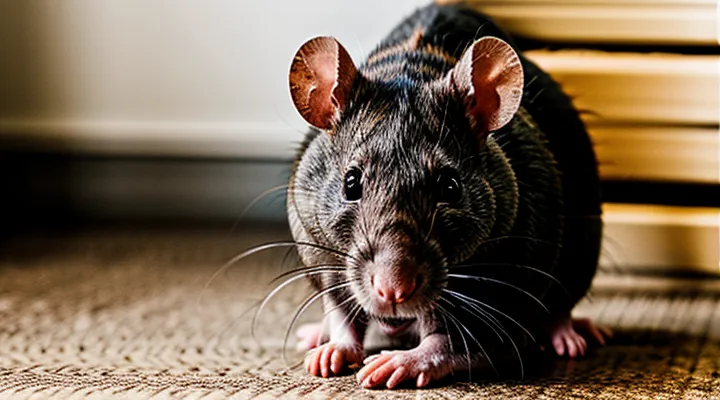
The Basics of Rat Diet
What Do Rats Naturally Eat?
Wild Rat Diet
Wild rats thrive on a varied diet that reflects opportunistic foraging behavior. Primary components include grains, seeds, fruits, insects, and small vertebrates. These foods supply carbohydrates, proteins, fats, vitamins, and minerals essential for growth, reproduction, and immune function.
Pork offers high protein and fat content, but it also introduces risks for wild rats. Raw pork may harbor parasites such as Trichinella spiralis, which can cause severe illness. Cooked pork reduces parasite load but retains high saturated fat, potentially leading to obesity and hepatic stress. Additionally, pork lacks the fiber and micronutrients abundant in the natural plant-based portion of a rat’s diet.
Recommendations for incorporating pork into a rat’s feeding regimen:
- Limit pork to no more than 5 % of total caloric intake.
- Provide only thoroughly cooked pork, avoiding seasoning, salt, and additives.
- Ensure pork is cut into small, manageable pieces to prevent choking.
- Rotate pork with other protein sources (insects, eggs, lean fish) to maintain nutrient balance.
- Monitor weight and health indicators regularly; discontinue pork if signs of digestive upset or excess weight appear.
Pet Rat Dietary Needs
Pet rats require a balanced diet that supplies protein, fiber, vitamins, and minerals while avoiding foods that can cause digestive upset or long‑term health issues. Commercial rat pellets formulated for laboratory or pet use provide a reliable base, delivering consistent nutrient ratios and minimal contaminants.
Fresh vegetables such as broccoli, carrots, spinach, and kale should be offered daily in small quantities. Fruits—apple slices, berries, or banana—can be given occasionally as treats, not exceeding 10 % of total intake. High‑quality protein sources include cooked chicken, boiled egg, and small amounts of low‑fat dairy; these support growth, reproduction, and immune function.
Pork is technically edible for rats but presents several concerns. Raw pork carries a high risk of bacterial contamination (e.g., Salmonella, E. coli). Cooked pork must be lean, unseasoned, and free of sauces, spices, or added fats. Even when prepared safely, pork provides excessive saturated fat and can lead to obesity, pancreatitis, or kidney strain if fed regularly. Therefore, pork should be limited to an occasional, carefully prepared supplement, not a staple.
Key dietary guidelines:
- Base diet: 80 % high‑grade rat pellets.
- Fresh produce: 15 % leafy greens and vegetables, introduced gradually.
- Protein treats: 5 % cooked lean meats, eggs, or low‑fat cheese.
- Water: constant access to clean, fresh water.
- Forbidden items: processed meats, sugary snacks, chocolate, caffeine, and foods high in salt or fat.
Monitoring body condition, coat quality, and activity levels helps identify nutritional deficiencies early. Adjust portions and food variety according to the rat’s age, health status, and reproductive stage. Regular veterinary check‑ups ensure that dietary choices remain appropriate throughout the animal’s lifespan.
Essential Nutrients for Rats
Protein Requirements
Rats require a diet that supplies approximately 14–18 % protein by weight, depending on age, activity level, and reproductive status. Adequate protein supports growth, tissue repair, immune function, and the synthesis of essential enzymes. When evaluating pork as a protein source, consider its composition: lean pork contains about 20–22 % protein, while fattier cuts may have lower protein density and higher saturated fat.
Key factors for incorporating pork into a rat’s diet:
- Protein quality – Pork provides all essential amino acids, matching the rat’s requirements for lysine, methionine, and threonine.
- Fat content – Excessive fat can lead to obesity and hepatic stress; select lean cuts and trim visible fat.
- Cooking method – Cook thoroughly to eliminate pathogens; avoid seasoning, salt, and additives that can harm rodents.
- Portion size – Limit pork to no more than 5 % of total daily caloric intake, ensuring the overall diet remains balanced with grains, vegetables, and a reliable rodent pellet base.
- Frequency – Offer pork as an occasional supplement, not a staple, to prevent nutritional imbalances and maintain fiber intake.
Meeting the rat’s protein requirement with pork is feasible when the meat is lean, properly prepared, and administered in modest, controlled amounts alongside a comprehensive rodent diet.
Fat and Carbohydrate Needs
Rats require a balanced intake of fats and carbohydrates to maintain energy levels, support growth, and preserve organ function. Dietary fat should supply roughly 10–15 % of total caloric intake; this range provides essential fatty acids without risking obesity or hepatic lipid accumulation. Sources such as pork lard, fish oil, or plant‑based oils can meet the requirement, but the fat must be unsaturated or mixed with saturated components to avoid excessive cholesterol buildup.
Carbohydrates should contribute about 55–65 % of calories. Complex carbohydrates—whole grains, legumes, and starchy vegetables—deliver steady glucose release, fiber, and micronutrients essential for digestive health. Simple sugars, including those present in processed pork products, should be limited to less than 5 % of total calories to prevent rapid blood‑sugar spikes and dental issues.
When incorporating pork into a rat’s diet, consider the following guidelines:
- Fat content: Choose lean cuts; trim visible fat to keep total dietary fat within the 10–15 % range.
- Carbohydrate balance: Complement pork with fiber‑rich vegetables (e.g., carrots, broccoli) and whole‑grain cereals to reach the 55–65 % carbohydrate target.
- Portion control: Limit pork servings to no more than 10 % of the overall diet by weight, ensuring that the bulk of calories derives from balanced plant sources.
- Monitoring: Observe body condition and coat quality; adjust fat or carbohydrate levels if rats show signs of weight gain, lethargy, or poor fur.
Adequate water intake remains critical; increase fluid availability when dietary fat rises, as higher lipid metabolism elevates the need for hydration. Regular veterinary assessment helps verify that fat and carbohydrate ratios align with the rat’s health status and that pork inclusion does not disrupt nutritional equilibrium.
Vitamins and Minerals
Rats may be offered pork as an occasional protein source, but the decision must consider the vitamin and mineral profile of the meat and its compatibility with a rodent’s dietary requirements.
Pork supplies several B‑vitamins that contribute to energy metabolism and nervous‑system function. Thiamine (B1), riboflavin (B2), pyridoxine (B6), and cobalamin (B12) are present in amounts that can complement a rat’s standard feed, provided that the overall intake does not exceed recommended levels. Niacin and pantothenic acid further support carbohydrate processing, while vitamin A appears only in trace quantities and should not be relied upon for this nutrient.
Mineral content in pork includes iron, zinc, phosphorus, and selenium. Iron supports hemoglobin synthesis; zinc participates in enzyme activity and immune response; phosphorus is essential for bone mineralization; selenium functions as an antioxidant cofactor. These minerals can fill gaps in a laboratory‑grade diet, yet excessive consumption may lead to imbalances, especially of iron and phosphorus.
Recommendations for incorporating pork into a rat’s diet:
- Cooked, lean pork only; remove visible fat and skin.
- Portion size: no more than 5 % of total daily caloric intake (approximately 0.5 g per 100 g body weight).
- Frequency: 1–2 times per week, alternating with other protein sources.
- Ensure thorough cooking to eliminate pathogens; avoid seasoning, salt, and sauces.
- Monitor body condition and adjust portions if weight gain or gastrointestinal issues arise.
When pork is offered within these limits, it supplies valuable vitamins and minerals without compromising the nutritional balance of a rat’s primary feed.
Is Pork Safe for Rats?
Raw Pork: Risks and Dangers
Bacterial Contamination
Pork can harbor harmful bacteria that pose serious health risks to rats. Raw or undercooked pork often contains pathogens capable of causing gastrointestinal distress, septicemia, or death in small mammals.
Typical bacterial contaminants include:
- Salmonella spp., which multiplies rapidly at room temperature and survives in moist meat.
- Escherichia coli strains, especially those producing Shiga toxin, leading to severe colitis.
- Listeria monocytogenes, capable of crossing the intestinal barrier and inducing systemic infection.
- Clostridium perfringens, producing toxins that damage intestinal epithelium.
Effective risk mitigation requires strict control of temperature, hygiene, and sourcing. Cook pork to an internal temperature of at least 71 °C (160 °F) to ensure pathogen inactivation. Cool cooked meat rapidly, store it at ≤ 4 °C (40 °F), and discard leftovers after 24 hours. Purchase pork from reputable suppliers that follow validated safety standards and avoid meat with visible spoilage or off‑odors.
Recommendations for safe pork inclusion in a rat diet:
- Cook thoroughly; verify temperature with a calibrated probe.
- Cool and portion into single‑serving sizes before refrigeration.
- Use only fresh, high‑quality cuts; reject any product lacking proper labeling.
- Limit pork to occasional treats, not a staple, to reduce cumulative bacterial exposure.
- Observe rats for signs of illness—diarrhea, lethargy, loss of appetite—and seek veterinary care immediately if symptoms appear.
Parasites and Pathogens
Pork can contain a range of parasites and bacterial pathogens that pose health risks to rats. Direct consumption of raw or undercooked pork increases the likelihood of infection, which may lead to gastrointestinal distress, weight loss, or fatal systemic disease.
Common agents found in pork include:
- Trichinella spiralis – muscle‑encysting nematode causing trichinosis.
- Salmonella spp. – bacteria responsible for severe enteritis.
- Yersinia enterocolitica – organism linked to mesenteric lymphadenitis.
- Escherichia coli O157:H7 – toxin‑producing strain causing hemorrhagic colitis.
- Taenia spp. (tapeworms) – intestinal parasites that can develop in rodent hosts.
- Campylobacter jejuni – bacterium associated with diarrhea and fever.
Risk mitigation requires strict control of pork quality and preparation:
- Obtain meat from reputable suppliers with documented safety standards.
- Cook pork to an internal temperature of at least 71 °C (160 °F) to ensure pathogen inactivation.
- Cool cooked pork rapidly, store at 4 °C (40 °F) or lower, and use within 24 hours.
- Avoid cross‑contamination by separating raw pork, cooking utensils, and rat feeding dishes.
- Limit pork portions to occasional treats; base the diet on nutritionally balanced rodent feed.
Implementing these measures reduces exposure to harmful parasites and bacteria, supporting the overall health and longevity of pet or laboratory rats.
Cooked Pork: A Closer Look
Nutritional Value for Rats
Pork provides a high concentration of protein, typically ranging from 20 % to 30 % of its weight, comparable to the protein levels found in many commercial rat diets. It also contains essential amino acids such as lysine, methionine, and tryptophan, which support tissue growth and maintenance. Fat content varies widely; lean cuts contain about 5 %–10 % fat, while fattier portions can exceed 20 %. Excess fat can lead to obesity and hepatic lipidosis in rodents, so moderation is crucial.
Key micronutrients present in pork include:
- Vitamin B12 – vital for red blood cell formation and neurological function.
- Thiamine (B1) – supports carbohydrate metabolism.
- Selenium – acts as an antioxidant and contributes to immune health.
- Zinc – essential for enzyme activity and skin integrity.
Potential concerns:
- Sodium levels are elevated in processed pork products; high sodium intake may cause hypertension and kidney strain.
- Cooking eliminates pathogens such as Salmonella and Trichinella; raw pork poses a serious infection risk.
- Added spices, sauces, or curing agents introduce compounds (e.g., garlic, onion, nitrates) that are toxic to rats.
Recommendations for incorporating pork into a rat’s diet:
- Choose unseasoned, cooked lean meat; boil or steam without oil.
- Limit serving size to no more than 5 % of total daily caloric intake.
- Offer pork as an occasional supplement, not a staple, to maintain balanced nutrient ratios.
- Monitor body condition and adjust portion size if weight gain or digestive issues appear.
When applied correctly, pork can enrich a rat’s diet with high‑quality protein and select vitamins, but it must be prepared safely and fed sparingly to avoid nutritional imbalances and health risks.
Potential Downsides of Cooked Pork
Cooked pork can present several health risks for rats when included in their diet. Excessive fat, sodium, and possible contaminants may lead to immediate and long‑term problems.
- High saturated fat content can cause obesity, hepatic lipidosis, and cardiovascular strain.
- Added salt or seasoning increases the risk of electrolyte imbalance, hypertension, and kidney stress.
- Inadequate cooking or cross‑contamination may leave residual bacteria (e.g., Salmonella, E. coli) that trigger gastrointestinal infection.
- Heat‑treated meat loses essential nutrients such as taurine and certain B‑vitamins, potentially creating deficiencies if it replaces balanced feed.
- Bones, even when softened, can splinter and cause oral trauma or intestinal obstruction.
Rats that consume cooked pork irregularly and in small, unseasoned portions are less likely to experience severe effects, but regular inclusion without nutritional balancing is inadvisable. Monitoring body condition and veterinary consultation are recommended when pork is offered as a supplement.
High Fat Content
Pork contains a high proportion of lipids, typically ranging from 20 % to 35 % of the edible portion, depending on the cut. This fat concentration exceeds the dietary requirements of laboratory and pet rats, whose natural intake of lipids is limited to 5 %–10 % of total calories. Excessive fat intake can lead to obesity, hepatic steatosis, and cardiovascular strain in rodents.
- Energy density: Fat provides 9 kcal g⁻¹, substantially higher than carbohydrates or protein. Introducing pork without adjusting other feed components quickly raises the caloric load.
- Digestive tolerance: Rats possess a relatively short gastrointestinal tract optimized for high‑fiber, low‑fat diets. Large fat loads may cause diarrhoea, malabsorption, and altered gut microbiota.
- Metabolic impact: Elevated dietary fat promotes lipogenesis, insulin resistance, and lipid accumulation in the liver, conditions that reduce experimental reliability and animal welfare.
For safe inclusion of pork in rat diets, adhere to the following limits:
- Limit pork-derived calories to no more than 10 % of the total daily energy intake.
- Select lean cuts (e.g., tenderloin) and trim visible adipose tissue before preparation.
- Cook thoroughly to eliminate pathogens; avoid seasoning, additives, or cured products that introduce sodium or nitrites.
- Balance the remainder of the diet with high‑fiber, low‑fat components such as whole‑grain pellets, fresh vegetables, and lean protein sources.
Implementing these measures ensures that the high fat content of pork does not compromise the health, behavior, or experimental outcomes of rats.
Seasonings and Additives
Rats can consume pork when it is prepared without harmful seasonings or additives. Lean, cooked pork provides protein, but many common flavorings pose health risks.
Safe seasonings and additives for rat pork meals include:
- Plain boiled water
- Unsalted, low‑sodium broth
- Fresh herbs such as parsley or dill in minimal amounts
- A pinch of powdered kelp for trace minerals
- Vitamin C powder to counteract potential scurvy
Ingredients to avoid:
- Salt or soy sauce, which can cause electrolyte imbalance
- Garlic, onion, and related compounds, which are toxic to rodents
- Spices containing capsaicin (e.g., chili powder) that irritate the digestive tract
- Artificial sweeteners, especially xylitol, which are lethal to rats
- Preservatives like nitrates or nitrites, linked to organ damage
Preparation guidelines:
- Trim all visible fat and connective tissue from pork.
- Cook meat thoroughly to an internal temperature of at least 71 °C (160 °F) to eliminate pathogens.
- Rinse cooked pork under cold water to remove residual cooking fats.
- Mix meat with approved seasonings in a ratio not exceeding 1 gram of additive per 100 grams of pork.
- Serve at room temperature; do not refrigerate for more than 24 hours.
Monitoring after feeding:
- Observe for signs of gastrointestinal distress, such as diarrhea or vomiting.
- Check for reduced activity or abnormal grooming behavior.
- Discontinue pork if any adverse reaction occurs and consult a veterinarian.
These practices ensure that pork remains a nutritious occasional supplement without exposing rats to toxic chemicals or excessive sodium.
Processed Pork Products
Bacon and Ham
Rats can consume pork products, but bacon and ham require careful handling due to their high fat, salt, and preservative content. Excessive fat may lead to obesity, liver strain, and digestive upset, while sodium levels can cause electrolyte imbalance and dehydration. Nitrates and nitrites used in curing increase the risk of toxicity, especially in young or compromised animals.
Guidelines for feeding bacon and ham to rats:
- Offer only small, occasional pieces—no larger than a pea‑sized fragment.
- Choose uncured, low‑sodium varieties when possible; avoid smoked or heavily seasoned cuts.
- Remove any visible skin, gristle, or bone before serving.
- Observe the rat for signs of gastrointestinal distress, excessive thirst, or lethargy after ingestion.
- If the rat shows adverse reactions, discontinue pork entirely and consult a veterinarian.
In a balanced diet, protein sources such as lean poultry, eggs, or plant‑based options provide safer nutrition without the complications associated with processed pork.
Sausages and Hot Dogs
Rats can physically chew and swallow small pieces of pork‑based processed meats, but the composition of sausages and hot dogs presents several health hazards. These items contain high levels of sodium, saturated fat, and additives such as nitrites, spices, and flavor enhancers that are unsuitable for a rodent’s diet. Excessive salt can cause dehydration and kidney strain, while fat overload may lead to obesity and hepatic issues. Chemical preservatives have been linked to gastrointestinal irritation and long‑term organ damage in small mammals.
When considering occasional exposure, limit portions to no more than a few millimeters of product, ensure the meat is thoroughly cooked, and remove any casing, seasoning, or glaze. Prefer plain, unseasoned pork without curing agents; avoid varieties that include onions, garlic, or chili powders, as these compounds are toxic to rats.
Recommendations for feeding sausages or hot dogs to rats:
- Offer only unspiced, fully cooked pork; discard any seasoning packets.
- Trim off casings and visible fat before presenting the meat.
- Restrict serving size to less than 0.5 g per 100 g of body weight.
- Provide the treat no more than twice per month; substitute with fresh, lean protein sources for regular meals.
- Observe the animal for signs of digestive upset, excessive thirst, or lethargy; discontinue use if symptoms appear.
Adhering to these guidelines minimizes nutritional imbalance and toxic exposure while allowing brief, controlled sampling of pork‑derived products.
Sodium and Preservatives
Pork intended for laboratory or pet rats often contains added sodium, either from salt seasoning or from curing agents. Rats have a low tolerance for dietary sodium; excess intake can lead to hypertension, kidney strain, and electrolyte imbalance. Studies on rodent nutrition indicate that a daily sodium intake above 0.2 % of total diet weight begins to produce measurable physiological stress. Consequently, pork portions should be limited to an amount that contributes no more than 0.1 % sodium to the overall feed mixture.
Preservatives commonly used in pork products include sodium nitrite, sodium nitrate, and sodium benzoate. Sodium nitrite and nitrate function as antimicrobial agents and color stabilizers in cured meats. In rodents, these compounds can interfere with hemoglobin oxygen transport and may induce methemoglobinemia at high concentrations. Sodium benzoate, while generally recognized as safe for humans, can accumulate in the liver of rats and impair enzymatic activity when consumed regularly above 0.05 % of the diet.
Recommendations for feeding pork to rats:
- Choose fresh, unprocessed pork with no added salt or curing salts.
- If processed pork is unavoidable, verify that sodium content does not exceed 0.2 g per 100 g of meat.
- Avoid pork containing nitrite or nitrate preservatives; opt for products labeled “nitrite‑free.”
- Limit pork servings to no more than 5 % of the total daily food intake, ensuring that the remainder of the diet is balanced with low‑sodium grains, vegetables, and protein sources.
- Monitor rats for signs of dehydration, excessive thirst, or abnormal behavior, which may indicate sodium overload or preservative toxicity.
Adhering to these parameters minimizes health risks associated with sodium and preservative exposure while allowing occasional inclusion of pork as a protein supplement.
How to Introduce New Foods to Your Rat's Diet
Small Portions and Observation
Feeding pork to pet rats requires precise control of quantity and vigilant monitoring. Pork contains protein and fat levels that differ from standard rodent chow; excessive intake can disrupt digestive balance and increase the risk of obesity or gastrointestinal upset.
- Offer no more than a pea‑sized piece (approximately 0.5 g) once per week.
- Ensure the meat is fully cooked, free of seasoning, salt, and additives.
- Present the portion on a clean surface separate from the regular diet to avoid accidental overconsumption.
After each exposure, observe the animal for at least 24 hours. Key indicators include:
- Normal stool consistency and frequency.
- Absence of vomiting, lethargy, or abnormal scratching.
- Stable body weight and activity levels.
If any adverse signs appear, discontinue pork and consult a veterinarian. Consistent documentation of portion size, preparation method, and observed reactions supports informed adjustments to the rat’s diet.
What to Avoid
Toxic Foods for Rats
Rats can safely consume cooked pork when it is plain, unseasoned, and free of bones. However, many common foods are toxic and must be excluded from any rat diet.
- Chocolate: contains theobromine, which can cause cardiac arrhythmia and seizures.
- Caffeine: stimulates the nervous system, leading to hyperactivity, tremors, and potentially fatal heart stress.
- Alcohol: depresses central nervous functions, resulting in respiratory failure and death.
- Raw or undercooked meat: may harbor Salmonella, E. coli, and parasites that cause gastrointestinal distress and systemic infection.
- Processed meats with additives (e.g., cured ham, sausages): contain nitrates, nitrites, and high sodium levels that can induce kidney damage and hypertension.
- Avocado (skin and pit): contains persin, a toxin that damages heart muscle and can be lethal.
- Onions and garlic: contain thiosulfate, leading to hemolytic anemia and organ failure.
- Citrus peels and seeds: contain essential oils and compounds that irritate the digestive tract and may cause liver toxicity.
- Moldy or spoiled food: produces mycotoxins that impair liver function and suppress the immune system.
- High‑fat foods (e.g., butter, lard): cause obesity, hepatic lipidosis, and pancreatitis.
When offering pork, ensure it is fully cooked, trimmed of fat, and served in small portions. Complement the diet with fresh vegetables, high‑quality rodent pellets, and clean water. Regular veterinary check‑ups help detect any adverse reactions early.
Foods with Little Nutritional Value
Rats can digest small amounts of pork, but the overall diet must remain nutritionally balanced. Incorporating foods that contribute little essential protein, fat, vitamins, or minerals reduces the benefits of occasional pork and can lead to deficiencies.
Low‑nutrient items typically contain high water or filler content, minimal calories, and few micronutrients. Common examples include:
- Plain boiled rice or pasta without added sauce or protein
- Cucumber, lettuce, or other watery vegetables in excess
- Unflavored gelatin or plain jelly
- Low‑fat, sugar‑free processed snacks (e.g., sugar‑free crackers)
These foods do not supply the amino acids, fatty acids, or vitamins rats require for growth, immune function, and reproduction. When pork is introduced, the presence of such empty‑calorie items dilutes the protein impact of the meat and may encourage weight gain without improving health markers.
Recommendations for a rat diet that includes pork:
- Limit low‑nutrient foods to less than 5 % of total intake.
- Pair pork portions (no more than 1–2 g per 100 g body weight) with high‑quality rodent pellets, fresh vegetables, and occasional fruit.
- Replace watery vegetables with nutrient‑dense options such as kale, carrots, or bell pepper.
- Avoid feeding plain grains or sugar‑free snacks as regular staples.
By restricting foods with minimal nutritional value, pork can serve as a supplemental protein source without compromising overall dietary integrity.
Safe Alternatives to Pork
Lean Protein Sources
Rats require high‑quality protein to support growth, tissue repair, and metabolic functions. Pork can be offered, but only when trimmed of visible fat and cooked thoroughly to eliminate pathogens. Excessive fat increases the risk of obesity and digestive disturbances, so pork should not be a primary protein source.
Lean protein alternatives include:
- Skinless chicken breast, boiled or baked without seasoning.
- Turkey breast, cooked similarly to chicken.
- White fish such as cod or tilapia, steamed or baked.
- Egg whites, hard‑boiled or lightly scrambled without oil.
- Low‑fat cottage cheese, plain and unsalted.
- Soy‑based products like tempeh, cooked and crumbled.
When incorporating pork, follow these guidelines:
- Remove all external fat and skin.
- Cook to an internal temperature of at least 71 °C (160 °F).
- Limit portion size to no more than 10 % of the daily diet.
- Rotate with other lean proteins to maintain nutritional balance.
Providing a varied selection of low‑fat animal and plant proteins ensures rats receive essential amino acids without the health risks associated with high‑fat pork consumption.
Vegetables and Fruits
Vegetables and fruits provide essential vitamins, minerals, and fiber that support the health of pet rats when pork is not part of their diet. Include leafy greens such as spinach, kale, and romaine lettuce; they supply calcium, vitamin K, and antioxidants. Root vegetables like carrots and sweet potatoes add beta‑carotene and potassium, but should be offered in small, cooked pieces to improve digestibility.
Fruit can be used as an occasional treat. Apples (core removed), blueberries, and strawberries deliver vitamin C and natural sugars. Limit high‑sugar options—grapes, bananas, and dried fruit—to prevent obesity and dental problems.
Guidelines for serving vegetables and fruits
- Wash all produce thoroughly to remove pesticides.
- Offer raw or lightly steamed items; avoid raw cruciferous vegetables (e.g., broccoli, cauliflower) that may cause gas.
- Provide no more than 10 % of the rat’s total daily intake by weight.
- Remove seeds, pits, and skins that could pose choking hazards.
- Observe the animal for signs of digestive upset; discontinue any item that causes diarrhea or loss of appetite.
By integrating a balanced selection of vegetables and fruits, owners can meet nutritional needs while minimizing reliance on meat products such as pork.
Health Implications and Considerations
Digestive Issues
Upset Stomach and Diarrhea
Pork can provide protein for rats, but its high fat content and potential for bacterial contamination often trigger gastrointestinal disturbances. Rats that consume unprocessed or seasoned pork frequently exhibit reduced appetite, lethargy, and watery stools. The presence of excess fat slows digestion, while residual blood, bone fragments, or spices irritate the intestinal lining, leading to inflammation and rapid transit of contents.
Typical signs of an upset stomach include frequent nibbling without consumption, audible rumbling, and a noticeable increase in fecal frequency. Diarrhea appears as soft, unformed droppings that may contain mucus or blood. Persistent symptoms may result in dehydration, weight loss, and secondary infections.
To minimize risk, follow these guidelines:
- Offer only fully cooked, plain pork; avoid sauces, herbs, and spices.
- Trim visible fat and remove all bone fragments before serving.
- Limit portion size to no more than 5 % of the rat’s daily caloric intake.
- Introduce pork gradually, monitoring behavior and stool consistency for 24 hours.
- If diarrhea develops, withhold pork, provide fresh water, and supply electrolyte‑balanced fluids or a commercial rehydration solution.
- Contact a veterinarian if symptoms last longer than 48 hours or if blood is present in the stool.
Adhering to these practices reduces the likelihood of stomach upset and diarrhea, supporting overall health while allowing occasional pork as a supplemental treat.
Pancreatitis Risk
Pork can serve as a protein supplement for laboratory or pet rats, but its high fat content creates a measurable risk of pancreatitis. The pancreas processes dietary fats, and excessive or improperly prepared pork may overwhelm enzymatic capacity, leading to inflammation. Evidence from rodent nutrition studies indicates that unbalanced fat intake accelerates pancreatic stress and can precipitate acute episodes.
Key factors influencing pancreatitis risk include:
- Fat proportion: Lean cuts contain less than 10 % fat; fattier portions exceed 20 % and raise risk.
- Cooking method: Boiling or steaming preserves moisture without adding oil; frying introduces additional fats and potential irritants.
- Seasonings: Salt, spices, and sauces contain compounds that may irritate the gastrointestinal tract and indirectly affect pancreatic function.
- Frequency: Regular daily servings increase cumulative fat load; occasional feeding limits exposure.
Recommendations for safe pork inclusion:
- Select lean cuts such as pork tenderloin or loin chops; trim visible fat.
- Cook thoroughly by boiling or steaming; avoid frying or adding oils.
- Serve small portions—no more than 5 % of total daily caloric intake.
- Exclude all seasonings, sauces, and additives.
- Introduce pork gradually and observe the animal for signs of abdominal discomfort, reduced appetite, or changes in stool consistency.
- If any symptoms appear, discontinue pork and consult a veterinary professional.
Monitoring health parameters—weight, activity level, and stool quality—provides early detection of pancreatic distress, allowing timely intervention.
Long-Term Health Concerns
Obesity and Related Diseases
Feeding pork to rats introduces a source of saturated fat and protein that can raise daily caloric intake. When pork is offered without adjusting the rest of the diet, rats may exceed energy requirements and accumulate adipose tissue.
Excess body fat predisposes rats to several medical conditions:
- Insulin resistance leading to type 2 diabetes
- Hepatic lipid accumulation (steatosis)
- Elevated blood pressure and cardiac remodeling
- Degenerative joint disease due to increased load
To prevent obesity‑related complications, follow these guidelines:
- Offer pork no more than once a week, limiting each portion to 5 % of total daily calories
- Replace a portion of standard chow with low‑fat, high‑fiber alternatives when pork is served
- Record body weight weekly; intervene if gain exceeds 2 % of baseline within a month
- Provide enrichment that encourages locomotion, such as tunnels and running wheels
Adhering to controlled pork exposure and balanced nutrition reduces the likelihood of obesity and its associated diseases in rats.
Impact on Organ Health
Rats can digest pork, but the organ systems that process the meat respond differently to its composition.
The liver metabolizes the high protein and fat content of pork. Excessive saturated fat may promote hepatic lipid accumulation, while elevated amino‑acid load increases urea synthesis. Regular consumption of large pork portions can predispose rats to fatty liver changes and reduced enzymatic efficiency.
Renal function is challenged by the nitrogen burden from pork protein. Increased glomerular filtration of urea and creatinine places stress on nephrons, especially in aged or genetically susceptible animals. Chronic exposure to high‑protein pork diets correlates with glomerulosclerosis and impaired urine concentration.
Cardiovascular health reflects the saturated fatty acid profile of pork. Elevated cholesterol and triglyceride levels can thicken arterial walls, raise blood pressure, and accelerate atherosclerotic plaque formation. Rats on unrestricted pork diets exhibit higher incidence of myocardial hypertrophy and reduced exercise tolerance.
The gastrointestinal tract processes pork with variable efficiency. Raw or undercooked pork carries pathogens such as Salmonella and Trichinella, which can cause enteritis, villus atrophy, and systemic infection. Even well‑cooked pork may contain indigestible connective tissue, leading to transient dysbiosis and reduced nutrient absorption.
Recommendations for safe inclusion of pork in rat nutrition:
- Cook pork thoroughly (minimum internal temperature 71 °C) to eliminate parasites and bacteria.
- Limit portion size to no more than 5 % of total daily caloric intake.
- Offer pork no more than twice per week to prevent cumulative organ stress.
- Monitor liver enzymes, renal markers, and lipid profiles in rats receiving pork regularly.
- Provide a balanced diet rich in fiber, vitamins, and minerals to offset potential deficiencies.
Adhering to these guidelines minimizes adverse effects on liver, kidneys, heart, and digestive health while allowing occasional pork as a protein source.
Veterinary Consultation
A veterinary consultation provides professional assessment of a rat’s nutritional needs before introducing any new protein source. The veterinarian evaluates the animal’s age, health status, and existing diet to determine whether pork can be incorporated safely.
Pork presents specific risks for rodents. Raw or undercooked meat may contain pathogens such as Salmonella and Trichinella, which can cause severe gastrointestinal distress. Even well‑cooked pork is high in fat and may lead to obesity, hepatic lipidosis, or pancreatitis if offered in excess. Additionally, pork lacks the essential vitamins and minerals that laboratory‑formulated rat chow supplies, so reliance on it can create nutrient deficiencies.
A veterinarian typically recommends the following protocol:
- Confirm that the rat is healthy, with no history of digestive disorders.
- Cook pork thoroughly (minimum internal temperature 71 °C) to eliminate parasites and bacteria.
- Trim visible fat and cut the meat into very small, bite‑size pieces.
- Offer pork as an occasional treat, not exceeding 5 % of the total daily caloric intake.
- Monitor the rat for changes in stool consistency, appetite, or behavior for 48 hours after the first exposure.
- Adjust the overall diet to maintain balanced vitamin and mineral levels, possibly supplementing with a multivitamin formulated for rodents.
If adverse symptoms appear, the owner should contact the veterinary clinic immediately for diagnostic testing and treatment. Regular follow‑up appointments allow the veterinarian to reassess the rat’s diet and modify recommendations based on observed health outcomes.