
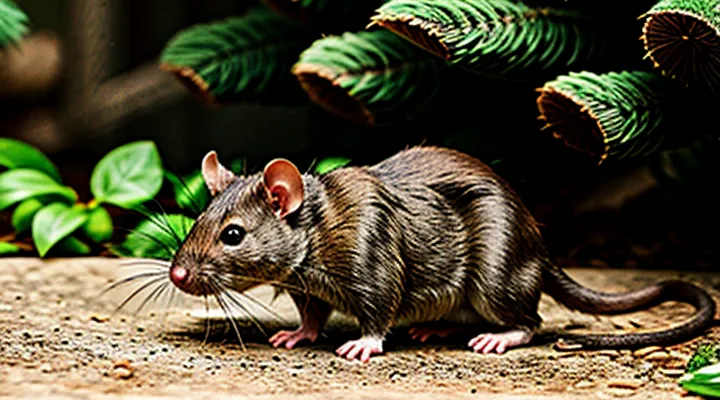
The Nutritional Profile of Pine Nuts
Macronutrients
Fats
Pine nuts contain a high proportion of lipids, typically 45–55 % of their dry weight. The fat profile is dominated by unsaturated fatty acids, especially oleic (C18:1) and linoleic (C18:2) acids, with smaller amounts of saturated palmitic (C16:0) and stearic (C18:0) acids. Polyunsaturated alpha‑linolenic acid (C18:3) is also present, providing essential omega‑3 nutrients.
Rats require dietary fats for energy, membrane synthesis, and absorption of fat‑soluble vitamins. The unsaturated fats in pine nuts align with the nutritional needs of laboratory and pet rats, offering a source of essential fatty acids that cannot be synthesized endogenously. However, excessive intake of high‑energy nuts can disrupt the balance of macronutrients, leading to obesity, hepatic steatosis, or gastrointestinal distress.
Key considerations for incorporating pine nut fat into a rat diet:
- Quantity: Limit to 5 % of total daily caloric intake; higher proportions increase risk of weight gain.
- Frequency: Offer as an occasional supplement, not a staple component.
- Preparation: Provide raw or lightly toasted nuts without added salt, oil, or seasoning to avoid sodium overload and contaminant exposure.
- Monitoring: Observe body condition and stool consistency; adjust or discontinue if adverse effects appear.
In summary, the lipid composition of pine nuts makes them a viable, though limited, source of essential fatty acids for rats. Proper portion control and regular health checks ensure the benefits of the fats are realized without compromising overall dietary balance.
Proteins
Pine nuts contain a high proportion of protein, typically 13–15 % of dry weight. The protein fraction includes all essential amino acids, with notable levels of arginine, leucine, and phenylalanine. For a small omnivorous rodent, such as a rat, this protein source can contribute to the daily requirement of 15–20 % of total caloric intake, provided the overall diet remains balanced.
Key considerations for offering pine nuts to rats:
- Digestibility: Rodent digestive systems efficiently hydrolyze plant proteins, but the dense lipid matrix of pine nuts can slow gastric emptying.
- Amino acid profile: The balance of essential amino acids matches the needs of laboratory and pet rat strains, supporting tissue growth and repair.
- Potential allergens: Some rats may develop sensitivity to specific seed proteins; monitor for signs of gastrointestinal upset or skin irritation.
- Caloric density: Each gram of pine nut protein delivers approximately 4 kcal, accompanied by 20 % fat, which can lead to excess energy intake if not portion‑controlled.
When integrating pine nuts into a rat’s diet, limit servings to 1–2 g per 100 g of total feed. Combine with high‑fiber and low‑fat components to maintain a nutrient‑balanced regimen. Regular observation of weight, coat condition, and stool consistency will indicate whether the protein contribution is appropriate.
Carbohydrates
Pine nuts contain a moderate amount of carbohydrates, primarily in the form of simple sugars and a small proportion of dietary fiber. The carbohydrate profile consists of roughly 13 % total sugars and 3 % fiber per 100 g of raw kernels. Rodents, including laboratory rats, possess enzymatic pathways capable of digesting both monosaccharides and polysaccharides, allowing them to extract energy from these nutrients without adverse effects when consumed in appropriate quantities.
When evaluating pine nut consumption for rats, consider the following points:
- Energy contribution – Carbohydrates provide about 4 kcal/g; the carbohydrate fraction of pine nuts supplies a modest portion of a rat’s daily caloric intake.
- Digestive tolerance – Rats efficiently hydrolyze sucrose, glucose, and fructose, the main sugars in pine nuts. Fiber content supports gastrointestinal motility but should not exceed typical dietary fiber levels.
- Nutrient balance – Pine nuts are rich in fats (≈68 % of dry weight) and protein (≈13 %). Excessive carbohydrate intake could disrupt the intended macronutrient ratio, leading to imbalanced nutrition.
- Portion size – Limiting pine nut portions to 1–2 g per 100 g body weight ensures carbohydrate intake remains within safe limits and prevents overconsumption of calories from fats.
Overall, the carbohydrate component of pine nuts is compatible with rat metabolism, provided the nuts are offered as a controlled supplement rather than a primary food source. Proper portion control maintains nutritional balance and avoids potential issues such as weight gain or gastrointestinal disturbance.
Micronutrients
Vitamins
Pine nuts contain a spectrum of vitamins that can affect rat nutrition. Vitamin E, present in moderate amounts, functions as an antioxidant and supports cellular health. Vitamin B1 (thiamine) and vitamin B2 (riboflavin) contribute to carbohydrate metabolism, essential for the high energy demands of rodents. Vitamin B3 (niacin) aids in protein utilization, while vitamin B6 participates in neurotransmitter synthesis.
Rats can absorb these nutrients when pine nuts are offered in small, controlled portions. Excessive intake may lead to hypervitaminosis, particularly of vitamin E, which can interfere with blood clotting mechanisms. Moreover, the high fat content of pine nuts raises the risk of obesity if incorporated without dietary balance.
Key considerations for feeding pine nuts to rats:
- Limit servings to no more than 1–2 grams per 100 grams of body weight per week.
- Monitor body condition and adjust portions to prevent excess caloric intake.
- Observe for signs of gastrointestinal upset, such as diarrhea, which may indicate intolerance.
- Ensure the overall diet supplies all essential nutrients; pine nuts should complement, not replace, a balanced rodent feed.
When integrated responsibly, the vitamin profile of pine nuts can enrich a rat’s diet, provided that quantity and overall nutritional balance are carefully managed.
Minerals
Pine nuts contain a range of minerals that influence their suitability for rodent diets. The primary minerals present are:
- Phosphorus – approximately 700 mg per 100 g; supports bone development but may overwhelm renal function if intake is excessive.
- Magnesium – about 250 mg per 100 g; contributes to enzymatic activity and muscle function.
- Potassium – roughly 500 mg per 100 g; aids in electrolyte balance.
- Calcium – near 70 mg per 100 g; essential for skeletal health, yet the calcium‑to‑phosphorus ratio is low, which can affect calcium absorption.
- Zinc – around 6 mg per 100 g; required for immune competence and metabolic processes.
- Iron – close to 5 mg per 100 g; necessary for hemoglobin synthesis.
These minerals are bioavailable, meaning rats can absorb them efficiently when pine nuts are included in the diet. However, the high phosphorus content relative to calcium may disrupt mineral homeostasis if pine nuts constitute a large proportion of food intake. Elevated phosphorus can lead to secondary hyperparathyroidism, increasing the risk of kidney stress.
Rats possess a natural tolerance for moderate amounts of nuts, but dietary guidelines for laboratory or pet rats recommend limiting pine nut consumption to less than 5 % of total caloric intake. This restriction ensures that mineral intake remains within safe limits while providing the beneficial nutrients present in the nuts.
In summary, pine nuts supply valuable minerals such as magnesium, potassium, and zinc, but their disproportionate phosphorus level necessitates controlled feeding to avoid metabolic complications in rats.
Potential Risks of Feeding Pine Nuts to Rats
Toxicity Concerns
Thiamine Deficiency
Rats that consume pine nuts as a significant portion of their diet may face a risk of thiamine (vitamin B1) deficiency. Pine nuts provide fats and protein but contain relatively low levels of thiamine, and they do not supply the vitamin in amounts required for the metabolic demands of growing or active rodents. When pine nuts replace a balanced ration, the overall thiamine intake can fall below the threshold needed for normal carbohydrate metabolism.
Thiamine functions as a co‑enzyme in the decarboxylation of pyruvate, α‑ketoglutarate and branched‑chain amino acids. Insufficient thiamine impairs energy production in the central nervous system and the heart. Clinical manifestations in rats include:
- Loss of appetite and weight loss
- Ataxia and tremors
- Hind‑limb weakness or paralysis
- Cardiac enlargement and reduced contractility
- Increased mortality in severe cases
Laboratory analysis of affected animals typically shows reduced thiamine concentrations in blood and tissue, elevated lactate levels, and histopathological evidence of neuronal degeneration.
Preventing deficiency requires a diet that meets the National Research Council recommendation of at least 1 mg kg⁻¹ of thiamine for laboratory rats. Strategies include:
- Limiting pine nut proportion to less than 10 % of total feed mass.
- Supplementing the feed with a commercial vitamin mix that contains thiamine.
- Periodically rotating protein sources to avoid prolonged reliance on low‑thiamine foods.
Monitoring body weight, neurological behavior, and cardiac function provides early detection of thiamine shortage. Adjusting the diet promptly restores normal metabolic activity and prevents irreversible damage.
Aflatoxins
Aflatoxins are toxic metabolites produced by certain Aspergillus species that frequently contaminate nuts, including pine nuts, during improper storage. The compounds, primarily aflatoxin B₁, exhibit hepatotoxic, immunosuppressive, and carcinogenic effects in mammals.
Rats exposed to aflatoxin‑contaminated pine nuts demonstrate dose‑dependent liver damage, reduced weight gain, and increased mortality. Laboratory studies show that even low concentrations (0.5 ppm) can elevate serum alanine aminotransferase levels, indicating hepatic injury.
Key points for evaluating the safety of pine nuts for rodent consumption:
- Verify storage conditions: low humidity and temperatures below 15 °C minimize fungal growth.
- Test batches for aflatoxin levels using high‑performance liquid chromatography or enzyme‑linked immunosorbent assay.
- Establish a maximum allowable aflatoxin concentration of 20 ppb for feed, aligning with regulatory guidelines for animal nutrition.
In practice, feeding rats pine nuts without confirming aflatoxin absence poses a health risk. Routine screening and proper storage are essential to prevent toxin exposure.
Digestive Issues
High Fat Content
Pine nuts contain a high proportion of lipids, typically 45‑55 % of their dry weight. The dominant fatty acids are oleic, linoleic, and pinolenic acids, which together supply a dense source of calories. For a small rodent weighing 200 g, a single gram of pine nuts delivers roughly 9 kcal, far exceeding the energy provided by standard grain or seed portions.
The elevated fat content influences several physiological parameters in rats:
- Energy balance – rapid caloric intake can lead to weight gain if not offset by increased activity.
- Digestive load – rodents possess a limited capacity to emulsify large fat quantities; excess may cause steatorrhea or reduced nutrient absorption.
- Lipid metabolism – high intake of unsaturated fats can alter plasma cholesterol and triglyceride levels, affecting cardiovascular health.
- Vitamin supply – pine nuts provide fat‑soluble vitamins (E and K), which may supplement deficiencies but also risk hypervitaminosis at excessive doses.
When incorporating pine nuts into a rat’s diet, the following guidelines minimize adverse effects:
- Limit portions to no more than 0.5 % of total daily feed weight.
- Combine with high‑fiber, low‑fat staples to maintain balanced macronutrient ratios.
- Monitor body weight and fecal consistency for signs of over‑feeding or malabsorption.
- Provide fresh water to assist lipid digestion.
In summary, the substantial fat content of pine nuts offers a potent energy source and beneficial fatty acids but requires careful portion control to avoid metabolic disturbances in rats.
Choking Hazard
Rats can physically ingest pine nuts, but the hard, elongated shells pose a genuine choking risk. The shells are often larger than a rat’s tracheal diameter; if a whole shell is swallowed, it can become lodged in the airway or obstruct the esophagus, leading to rapid respiratory distress or fatal blockage.
Key factors that increase the hazard:
- Shell size exceeds typical rat bite capacity, especially in younger or smaller individuals.
- Irregular shape creates sharp edges that can embed in the throat.
- Rats may attempt to chew the nut without removing the shell, reducing the time needed for safe ingestion.
Mitigation strategies:
- Remove shells completely before offering pine nut kernels.
- Crush or grind kernels into small, uniform pieces no larger than 2 mm.
- Supervise any introduction of pine nuts, watching for signs of coughing, gagging, or abnormal breathing.
- Limit portion size to a few kernels per feeding to prevent overconsumption and reduce the chance of accidental inhalation.
If a rat exhibits choking symptoms—silent cough, labored breathing, or sudden collapse—immediate veterinary intervention is required. Prompt action can prevent irreversible damage and increase survival odds.
Safe Alternatives and Healthy Treats for Rats
Approved Nuts and Seeds
Sunflower Seeds
Sunflower seeds provide a high‑energy source for rats, containing approximately 20 % protein, 50 % fat, and significant levels of vitamin E, B‑complex vitamins, and minerals such as magnesium and selenium. The fat composition is predominantly polyunsaturated, which supports coat health and metabolic functions.
When offered to rats, sunflower seeds should be:
- Unsalted and unroasted to avoid excess sodium and potential acrylamide formation.
- Served in small quantities (no more than a few kernels per day) because the caloric density can quickly lead to obesity.
- Introduced gradually to monitor for digestive upset, as the high fiber content may cause loose stools in sensitive individuals.
Potential concerns include:
- Aflatoxin risk from improperly stored seeds; only purchase from reputable suppliers and store in a cool, dry environment.
- Choking hazard for very young rats; crush or grind seeds for juveniles.
Nutritionally, sunflower seeds differ from pine nuts, which have a higher proportion of monounsaturated fats and lower vitamin E content. Both are calorie‑dense, but sunflower seeds supply more selenium, an essential trace element for antioxidant defense. Consequently, sunflower seeds can complement a rat’s diet when used sparingly and alongside a balanced staple of grains, pellets, and fresh vegetables.
Pumpkin Seeds
Pumpkin seeds offer a high‑protein, low‑fat option for laboratory and pet rats. Each 100 g portion supplies roughly 30 g of protein, 5 g of carbohydrates, and 19 g of fat, with a notable concentration of magnesium, zinc, and vitamin E. The seed coat is thin enough for small rodents to chew without dental injury.
When assessing whether rats can safely ingest pine nuts, pumpkin seeds serve as a comparative benchmark. Pine nuts contain higher levels of polyunsaturated fatty acids and a greater caloric density, which can predispose rats to obesity and digestive upset if offered in excess. Pumpkin seeds, by contrast, present a more balanced fatty‑acid profile and lower caloric load, reducing the risk of weight‑related complications.
Guidelines for incorporating pumpkin seeds into a rat’s diet:
- Offer raw, unsalted seeds only; avoid roasted or flavored varieties that contain added oils or seasonings.
- Limit intake to no more than 5 % of total daily calories to prevent excess fat consumption.
- Introduce seeds gradually, monitoring for signs of gastrointestinal distress such as loose stools or reduced appetite.
- Store seeds in a cool, dry environment to inhibit mold growth, which can produce mycotoxins harmful to rodents.
Overall, pumpkin seeds constitute a nutritionally appropriate supplement for rats, providing essential micronutrients while presenting fewer hazards than pine nuts when administered responsibly.
Walnuts
Walnuts provide a source of protein, healthy fats, and vitamin E that can be safely incorporated into a rat’s diet when offered in moderation. The shell must be removed; whole shells pose a choking hazard and can cause dental injury. A small piece—approximately the size of a pea—covers the nutritional needs without exceeding caloric limits.
When evaluating the suitability of pine nuts for rats, walnuts serve as a benchmark for acceptable nut consumption. Both nuts share similar fat profiles, but walnuts contain higher levels of omega‑3 fatty acids, which support cardiovascular health. Pine nuts have a comparable fat content but differ in the proportion of polyunsaturated fats, making the comparison relevant for dietary planning.
Key considerations for feeding walnuts to rats:
- Quantity: Limit to 1‑2 grams per day for an adult rat; excess leads to obesity and digestive upset.
- Preparation: Remove the hard shell, rinse to eliminate dust, and serve at room temperature.
- Frequency: Offer as an occasional treat, not a staple; primary nutrition should come from a balanced rodent pellet diet.
- Monitoring: Observe for signs of gastrointestinal distress, such as soft stools or reduced activity, after introduction.
In summary, walnuts are a nutritionally appropriate treat for rats when prepared correctly and fed sparingly. Their safety profile helps inform decisions about other nuts, including the question of whether rats can ingest pine nuts, by establishing a clear standard for nut consumption in rodent care.
Fruits and Vegetables
Apples
Apples provide a source of water, fiber, and simple sugars that can supplement a rodent’s diet. The flesh contains approximately 85 % water, 10 % carbohydrates, and trace amounts of vitamins A and C. Fiber in the form of pectin supports gastrointestinal motility, while the natural sugars deliver quick energy without the need for additional supplementation.
When offering apples to rats, select fresh, firm fruit free of bruises or mold. Wash thoroughly to remove pesticide residues, then remove the core and seeds. Apple seeds contain amygdalin, a compound that can release cyanide when metabolized; even small quantities may accumulate over time. Discarding the seeds eliminates this risk.
A moderate portion—no more than a quarter of a medium apple per day—fits within the recommended fruit allowance for a typical adult rat. Excess fruit can lead to digestive upset or obesity due to high sugar content. Monitor the animal for signs of diarrhea or weight gain, adjusting the amount accordingly.
Apples can serve as a safe alternative to nut-based treats, especially when evaluating the suitability of pine nuts for rodents. While pine nuts are rich in fats and protein, they also carry a higher risk of spoilage and potential allergens. Apples, by contrast, are low‑fat, readily digestible, and pose minimal toxicity when prepared correctly.
Key considerations for integrating apples into a rat’s diet:
- Wash and peel to reduce pesticide exposure.
- Remove core and seeds to avoid cyanogenic compounds.
- Limit intake to a small daily portion.
- Observe for adverse reactions and adjust as needed.
Incorporating apples responsibly enhances dietary variety and hydration without compromising health.
Carrots
Rats can safely consume pine nuts in moderation, but the decision to include them in a diet should consider other vegetables such as carrots.
Carrots supply beta‑carotene, fiber, and modest amounts of vitamin C and potassium. Their low fat content contrasts with the high fat and calorie density of pine nuts, making carrots a balancing component in a mixed diet.
When evaluating pine nuts, the primary concerns are fat overload and potential aflatoxin contamination. Carrots contain no fat and present no toxin risk, offering a safe source of moisture and nutrients that support digestion and eye health.
Feeding recommendations:
- Offer fresh, raw carrot pieces no larger than a thumb tip, two to three times per week.
- Limit pine nuts to a few kernels per week; do not exceed 5 % of total caloric intake.
- Monitor weight and stool consistency after introducing either food.
- Rotate carrot varieties (e.g., orange, purple) to provide diverse phytonutrients.
Combining carrots with occasional pine nuts yields a diet that supplies essential vitamins, fiber, and healthy fats while preventing excess calorie intake.
Broccoli
Broccoli is a cruciferous vegetable rich in vitamins C and K, dietary fiber, and glucosinolates. Its nutrient profile provides antioxidants and supports immune function.
Rats tolerate cooked or raw broccoli when offered in moderation. The plant contains low levels of oxalic acid, which can contribute to kidney stone formation if consumed excessively. Small amounts do not pose a health risk for healthy adult rats.
When assessing rat diets that also include pine nuts, consider the balance of fats and fiber. Pine nuts supply high levels of unsaturated fats and calories; excessive intake may lead to obesity or digestive upset. Adding a limited portion of broccoli can offset the caloric density of pine nuts by delivering fiber and micronutrients without adding significant fat.
Feeding recommendations:
- Offer broccoli no more than 5 % of the total daily food weight.
- Provide pine nuts at a maximum of 2 % of the diet, given their caloric density.
- Ensure fresh water is always available.
- Observe rats for signs of gastrointestinal distress after introducing either food.
Proper portion control maintains nutritional equilibrium and reduces the risk of adverse effects associated with high‑fat seeds.
Commercial Rat Foods
Commercial rat foods are formulated to meet the high metabolic rate of rodents, supplying protein, fat, fiber, vitamins, and minerals in balanced ratios. Manufacturers base recipes on laboratory data and field observations, ensuring consistent nutrient delivery across batches.
Pine nuts appear in some premium mixes because they provide concentrated fat, vitamin E, magnesium, and arginine. Fat content exceeds 50 % of the seed’s dry weight, supporting energy needs for active rats. Vitamin E acts as an antioxidant, while magnesium contributes to muscle function. Arginine supports immune response.
Safety considerations include the potential for high caloric density to cause obesity if pine nuts constitute a large portion of the diet. Raw pine nuts may contain trace amounts of aflatoxin; reputable producers apply heat treatment to reduce this risk. Excessive intake can lead to gastrointestinal upset, such as loose stools.
Recommendations for caretakers:
- Verify that the product lists pine nuts among the ingredients and that the proportion does not exceed 5 % of the total mix.
- Monitor body condition regularly; adjust portion size if weight gain accelerates.
- Complement commercial feed with fresh vegetables and a limited quantity of unsalted, raw pine nuts (no more than one to two kernels per day for a 200‑gram rat).
- Choose brands with transparent sourcing and third‑party testing for contaminants.
Selecting a commercial diet that includes pine nuts in modest amounts can enhance palatability and provide beneficial nutrients, provided owners observe portion control and quality standards.
Best Practices for Rat Diet and Nutrition
Balanced Diet Principles
Variety
Rats can consume pine nuts, but the suitability of any given seed depends on the specific variety of pine nut and the rat’s species. Different pine nut species—such as Pinus pinea (Italian stone pine), Pinus koraiensis (Korean pine), Pinus sibirica (Siberian pine), and Pinus cembra (Swiss stone pine)—contain varying levels of fat, protein, and potential antinutrients. The nutritional composition influences digestibility and the risk of gastrointestinal upset.
Rat species exhibit diverse dietary adaptations. Laboratory rats (Rattus norvegicus) possess a broad omnivorous capacity, tolerating higher fat content than wild house mice (Mus musculus). Certain wild rat populations specialize in grain or fruit consumption and may react differently to dense, oil‑rich seeds. Understanding the rat’s natural diet helps predict its response to pine nut varieties.
Key factors when evaluating pine nut varieties for rat consumption:
- Fat content: higher in Pinus koraiensis (≈68 % of dry weight) and lower in Pinus cembra (≈55 %).
- Protein level: roughly 12–14 % across most varieties, sufficient for growth if portioned correctly.
- Antinutrient presence: some species contain higher concentrations of tannins or phytates, which can impair mineral absorption.
- Shell hardness: thicker shells increase choking risk; de‑shelling reduces hazard.
Safe inclusion requires moderate portions, thorough de‑shelling, and monitoring for signs of digestive distress. Selecting low‑tannin, moderate‑fat varieties minimizes adverse effects while providing valuable nutrients.
Moderation
Pine nuts contain protein, healthy fats, and vitamins that can be beneficial for pet rodents when offered sparingly. Their high fat content makes them a calorie‑dense food, so a small portion provides noticeable energy without overwhelming the diet.
- Offer no more than one or two whole nuts per week for an adult rat.
- Split larger nuts into tiny fragments to prevent choking.
- Monitor weight and coat condition; excess calories may lead to obesity or liver strain.
- Stop feeding if the animal shows diarrhea, lethargy, or respiratory irritation.
Moderation ensures the nutritional advantages of pine nuts are realized while minimizing risks such as digestive upset, fat overload, or allergic reactions. Balanced inclusion alongside a staple diet of grains, vegetables, and protein pellets supports overall health without compromising dietary stability.
Consultation with a Veterinarian
Pet owners often consider pine nuts as a treat for their rats because of the nut’s pleasant flavor and high fat content. However, pine nuts contain oils that can be difficult for a rodent’s digestive system and may cause gastrointestinal upset or pancreatitis if fed in excess.
Professional veterinary guidance is essential before introducing any new food. A veterinarian can assess the rat’s current diet, health status, and any underlying conditions that might make pine nuts unsafe. The expert also determines appropriate serving size, frequency, and signs of adverse reactions that owners should monitor.
Typical consultation process
- Provide the vet with the rat’s age, weight, and recent medical history.
- Describe the intended amount and frequency of pine nut feeding.
- Receive a written recommendation on whether the nut is suitable, and if so, the maximum portion per serving.
- Ask for a list of symptoms that require immediate veterinary attention, such as vomiting, diarrhea, or lethargy.
- Schedule follow‑up checks to evaluate the rat’s response after the first exposure.
Following a veterinarian’s advice ensures that any inclusion of pine nuts aligns with the rat’s nutritional needs and minimizes health risks.