
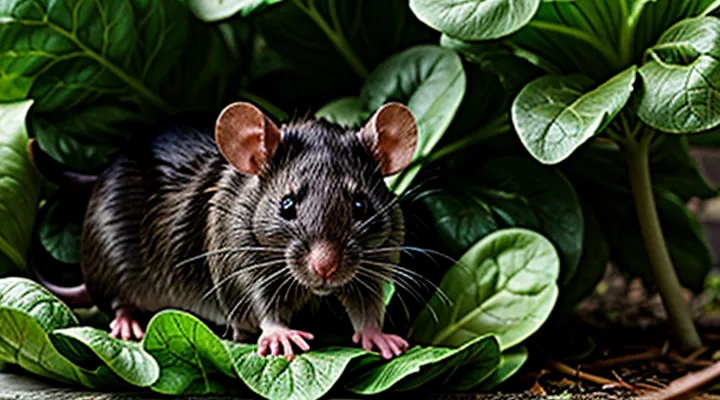
Is Leaf Lettuce Safe for Rats?
Nutritional Benefits of Leaf Lettuce for Rats
Leaf lettuce is a low‑calorie vegetable that can be incorporated into a rat’s diet without compromising nutritional balance. Its composition includes high moisture content, dietary fiber, and a range of micronutrients that support physiological functions.
- Water: approximately 95 % of fresh lettuce, aids hydration.
- Dietary fiber: soluble and insoluble fibers promote gastrointestinal motility.
- Vitamin A (β‑carotene): essential for retinal health and immune response.
- Vitamin K: contributes to blood clotting and bone metabolism.
- Folate: supports DNA synthesis and cellular division.
- Minerals such as potassium and calcium: help regulate electrolyte balance and bone strength.
These components deliver specific advantages for rodents. Adequate hydration from the vegetable’s water reduces the need for supplemental liquids. Fiber improves stool consistency and prevents constipation, a common issue in captive rats. Vitamin A and folate sustain vision and rapid cell turnover, essential for growth and tissue repair. Potassium assists in nerve transmission and muscle contraction, while calcium supports skeletal development.
When offering leaf lettuce, observe the following guidelines. Provide washed, pesticide‑free leaves to eliminate toxic residues. Serve in moderate quantities; excessive intake may displace protein‑rich foods and lead to imbalanced nutrition. Combine with a balanced grain‑based base to ensure complete amino acid and fat requirements are met.
Potential Risks and Considerations
Leaf lettuce is low‑calorie, high‑water foliage that provides modest amounts of vitamin A, vitamin K and folate. Rats can ingest small quantities without immediate toxicity, but several factors merit careful assessment before making it a regular component of their diet.
- Pesticide residues: Commercially grown lettuce often carries insecticides or herbicides that can cause neurological or hepatic damage in rodents if not thoroughly washed.
- Bacterial contamination: Surface microbes such as Salmonella or E. coli may survive on leaves, leading to gastrointestinal infection, especially in young or immunocompromised animals.
- Oxalate content: Even the mild oxalate levels in lettuce can accumulate in the kidneys of rats prone to stone formation, potentially impairing renal function.
- Nutrient imbalance: Excessive lettuce displaces protein‑rich pellets, resulting in deficiencies of essential amino acids, fats and minerals required for growth and reproduction.
- High water load: The predominance of water may cause soft stools or diarrhea, increasing the risk of dehydration if fluid intake is not monitored.
- Physical hazards: Large, intact leaves can pose a choking risk or create intestinal blockage if a rat swallows a substantial piece whole.
When offering lettuce, select organic, pesticide‑free varieties, rinse thoroughly, and limit portions to no more than 5 % of the total daily food volume. Rotate with other leafy greens to maintain a balanced nutrient profile and observe the animal for any signs of digestive upset or behavioral change.
How to Feed Leaf Lettuce to Your Rat
Preparation Guidelines
When offering leaf lettuce to pet rodents, start with fresh, organic varieties such as romaine, butterhead, or green leaf. Avoid lettuce that has been treated with pesticides or stored for extended periods, as residues and wilting increase the risk of gastrointestinal upset.
- Rinse the leaves thoroughly under running water; a brief soak in a diluted vinegar solution (1 part vinegar to 10 parts water) can help remove surface contaminants. Rinse again to eliminate any vinegar taste.
- Pat dry with a clean cloth or paper towel. Excess moisture encourages mold growth, which can be harmful.
- Remove the core and any discolored or bruised sections. Cut the remaining foliage into bite‑size pieces, roughly 1–2 cm, to facilitate chewing and digestion.
- Offer a small portion—no more than 10 % of the rat’s daily food intake. For an adult rat, this equates to about 5–7 g of lettuce per day, divided into two servings.
- Introduce lettuce gradually, monitoring the animal for signs of diarrhea, reduced appetite, or changes in behavior. If adverse reactions appear, discontinue the vegetable and consult a veterinarian.
Store any unused lettuce in a sealed container within the refrigerator, separate from other produce, and use within 24 hours to preserve freshness. Replace the lettuce daily to prevent bacterial growth. Consistent observation and adherence to these steps ensure that leaf lettuce serves as a safe, occasional supplement to a balanced rodent diet.
Portion Sizes and Frequency
Leaf lettuce can be included in a pet rat’s diet as a source of moisture and fiber, but it should remain a minor component compared with a balanced pellet or chow base.
- Small adult rats (200–250 g) tolerate 5–10 g of fresh leaf lettuce per day, roughly one to two medium leaves.
- Juvenile rats (under 150 g) should receive no more than 3–5 g, equivalent to a single small leaf.
- Larger breeding pairs may accept up to 15 g each, but the total lettuce amount must not exceed 10 % of the overall fresh‑food intake.
Offer lettuce no more than three times per week. Daily provision can lead to excessive water intake and dilute essential nutrients. When lettuce is served, replace an equal portion of the regular fresh‑food ration to keep caloric balance stable.
Monitor body condition and stool consistency after each feeding. Signs of diarrhea, weight loss, or reduced appetite indicate that the portion size or frequency is excessive and should be reduced immediately. Use only pesticide‑free, washed lettuce to avoid toxic residues.
Introducing New Foods to Rats
Introducing new foods to pet rats requires careful assessment of nutritional value, digestibility, and potential contaminants. Rats thrive on a varied diet, but each addition should be evaluated for safety and balance before becoming a regular component.
Leafy greens such as lettuce provide moisture and fiber but differ in vitamin and mineral content. Fresh leaf lettuce contains low levels of calcium and vitamin A, while also presenting a risk of pesticide residues if not thoroughly washed. The high water content may cause loose stools if offered in large quantities.
To incorporate leaf lettuce safely, follow a structured approach:
- Wash the lettuce under running water, removing any visible soil or chemicals.
- Offer a small portion (approximately one teaspoon for an adult rat) on a clean dish.
- Observe the rat for 24 hours, noting acceptance, chewing behavior, and stool consistency.
- If the rat tolerates the lettuce without digestive upset, gradually increase the portion to a maximum of two teaspoons per day, maintaining overall diet balance.
Key points for successful food introduction:
- Verify freshness and cleanliness of the vegetable.
- Begin with minimal portions to gauge tolerance.
- Monitor health indicators such as appetite, activity, and stool quality.
- Adjust serving size based on individual response, ensuring other nutrients remain adequate.
Other Safe Vegetables for Rats
Leafy Greens
Rats can safely consume leaf lettuce when it is offered as part of a balanced diet of leafy greens. Lettuce provides moisture and a modest amount of fiber but lacks the protein, fat, and essential nutrients rats require for optimal health. Therefore, it should be treated as a supplemental treat rather than a staple food.
Key factors to consider when feeding leaf lettuce to rats:
- Freshness: Use only crisp, uncontaminated leaves. Wilted or spoiled lettuce may harbor bacteria.
- Quantity: Limit portions to a few small leaves per day for an adult rat; juveniles require even less.
- Preparation: Rinse thoroughly under running water to remove pesticides or soil residues. Remove any tough stems that could cause choking.
- Variety: Rotate lettuce with other leafy greens such as kale, spinach, and romaine to provide a broader nutrient profile and prevent dietary monotony.
Potential concerns include the low caloric density of lettuce, which can lead to nutritional deficiencies if overrelied upon, and the presence of oxalic acid in certain varieties, which may affect calcium absorption. Monitoring body condition and adjusting the overall diet accordingly will mitigate these risks.
In summary, leaf lettuce is an acceptable, low‑risk addition to a rat’s diet when presented fresh, in limited amounts, and combined with nutritionally complete feed and other vegetables.
Root Vegetables
Rats frequently receive leaf lettuce as a treat, yet many caretakers wonder whether root vegetables fit into a balanced diet.
Root vegetables differ from leafy greens in carbohydrate density, fiber content, and mineral profile. Some varieties pose health risks, while others provide valuable nutrients when offered correctly.
- Carrots – high in beta‑carotene, low in oxalates; feed in small, raw pieces.
- Sweet potatoes – rich in vitamin A and potassium; serve cooked, without seasoning.
- Beets – contain nitrates; limit to occasional, well‑cooked portions.
- Radishes – sharp flavor, moderate fiber; offer raw slices sparingly.
- Turnips – low sugar, moderate fiber; provide raw or lightly steamed.
Excessive starch from root veg can lead to weight gain and digestive upset. Balance with protein sources and leafy greens to maintain a varied nutrient intake.
Preparation guidelines: wash thoroughly to remove soil and pesticides; peel when skin is tough or contaminated; cook starchy roots (boil or steam) to improve digestibility; cut into bite‑size pieces to prevent choking; introduce new items gradually, monitoring for adverse reactions.
Incorporating appropriate root vegetables expands dietary diversity, supporting dental health, gut motility, and overall vigor in pet rats.
Other Options to Consider
Rats thrive on a varied diet that supplies protein, fiber, vitamins, and minerals. While leaf lettuce is occasionally offered, several alternatives provide more nutritional value.
- Dark leafy greens such as kale, spinach, and romaine deliver calcium, iron, and antioxidants.
- Cruciferous vegetables—including broccoli florets, cauliflower, and Brussels sprouts—offer vitamin C and fiber.
- Root vegetables like carrots, sweet potatoes, and beetroot supply beta‑carotene and complex carbohydrates.
- Fresh fruits in moderation, such as apple slices (seedless), blueberries, and melon, add natural sugars and vitamins.
- Cooked lean proteins, for example boiled chicken breast, scrambled eggs, or low‑fat cottage cheese, fulfill essential amino acid requirements.
- Whole grains, including cooked oatmeal, brown rice, or barley, contribute energy and B‑vitamins.
Each option should be introduced gradually, washed thoroughly, and served in appropriate portion sizes to avoid digestive upset. Rotate selections to maintain interest and prevent nutrient deficiencies.
Vegetables to Avoid Feeding Your Rat
Toxic Vegetables
Rats may consume leaf lettuce without adverse effects, but numerous garden vegetables contain compounds that can harm them. Recognizing these plants prevents accidental poisoning and supports healthy rodent nutrition.
- Nightshade family (Solanaceae): tomatoes, potatoes, eggplant, bell peppers – contain solanine, a neurotoxic glycoalkaloid.
- Members of the Brassicaceae family: kale, cabbage, broccoli, cauliflower – high in glucosinolates that can irritate the gastrointestinal tract in large quantities.
- Allium species: onions, garlic, leeks, chives – produce thiosulfates that damage red blood cells, leading to hemolytic anemia.
- Rhubarb leaves – contain oxalic acid, which can cause renal failure.
- Avocado (especially the skin and pit) – harbors persin, a toxin that can cause respiratory distress.
- Citrus peels – contain essential oils that may cause liver irritation.
Typical signs of vegetable toxicity in rats include loss of appetite, lethargy, vomiting, diarrhea, tremors, or abnormal breathing. Rapid onset of these symptoms after a new food introduction warrants immediate veterinary assessment.
When offering fresh greens, prioritize non‑toxic options such as leaf lettuce, spinach, carrots, and zucchini. Introduce any novel vegetable gradually, monitor the animal’s response, and remove any plant parts known to contain harmful substances. Regularly clean feeding areas to avoid contamination from spoiled produce, which can introduce additional toxins.
Vegetables That Can Cause Digestive Issues
Rats can safely consume leaf lettuce as part of a balanced diet, but several common vegetables pose a risk of gastrointestinal distress.
- Cruciferous vegetables (broccoli, cauliflower, cabbage): contain glucosinolates that ferment in the hindgut, producing gas and bloating.
- High‑fiber greens (kale, collard greens, spinach): excessive fiber accelerates transit time, leading to loose stools and possible irritation of the intestinal lining.
- Starchy roots (potatoes, sweet potatoes, carrots): raw starches are difficult to digest, may cause cramping, and can promote bacterial overgrowth.
- Allium family (onion, garlic, leeks): contain thiosulfates that irritate the mucosa and can result in vomiting or diarrhea.
- Nightshades (tomato leaves, green peppers, eggplant): solanine and related alkaloids are toxic at moderate concentrations, provoking abdominal pain and reduced appetite.
When introducing any new vegetable, offer a minimal amount (no more than 5 % of total daily intake) and observe stool consistency and behavior for 24–48 hours. If signs of soft feces, reduced activity, or regurgitation appear, discontinue the food immediately. Provide fresh water and a stable supply of safe greens such as leaf lettuce to maintain hydration and nutrient balance.
Signs of an Upset Stomach in Rats
Common Symptoms
Rats that consume leaf lettuce may display several observable signs. Recognizing these symptoms helps determine whether the vegetable is suitable for a particular animal.
- Soft, watery stools or sudden onset of diarrhea
- Frequent or forceful vomiting
- Reduced activity, prolonged rest periods, or apparent lethargy
- Decreased food intake or refusal to eat other foods
- Noticeable weight loss over a short period
- Respiratory irritation, such as sneezing or nasal discharge, potentially linked to pesticide residues
If any of these conditions appear after introducing lettuce, discontinue the food source and monitor the animal. Persistent or severe manifestations warrant veterinary evaluation.
When to Consult a Veterinarian
Leaf lettuce is a low‑calorie, water‑rich vegetable that many rat owners offer as a snack. It contains minimal fiber and vitamin A, but it lacks the protein and fat rats need for a balanced diet. Occasionally feeding a small piece is safe, yet owners must monitor the animal for any adverse reaction.
Consult a veterinarian if any of the following occurs after introducing lettuce or any new food:
- Persistent diarrhea or loose stools lasting more than 24 hours
- Vomiting or regurgitation shortly after eating
- Sudden loss of appetite or refusal to eat usual foods
- Lethargy, tremors, or unsteady gait
- Noticeable swelling, bloating, or abdominal pain
- Excessive drooling, pawing at the mouth, or signs of oral irritation
- Unexplained weight loss or rapid weight gain
Additional circumstances that warrant professional advice include pre‑existing health conditions (such as kidney disease or gastrointestinal disorders) and pregnancy, because dietary changes can affect both the mother and offspring. If a rat shows any of these signs, prompt veterinary evaluation helps prevent complications and ensures appropriate treatment.