
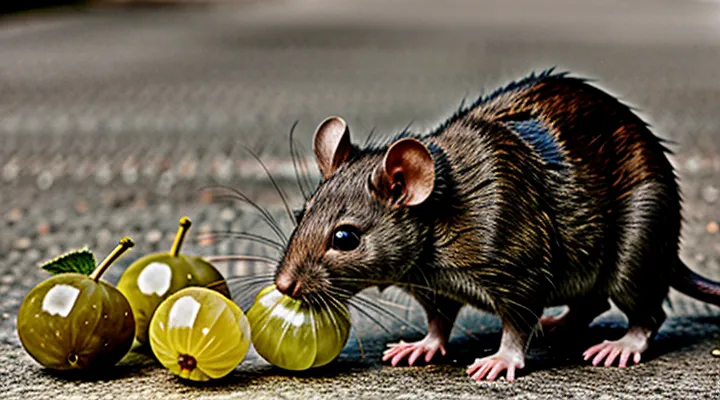
Rat Dietary Staples and Sensitivities
The Foundation of a Healthy Rat Diet
A balanced rat diet supplies protein, essential fatty acids, fiber, vitamins, and minerals in proportions that support growth, reproduction, and immune function. Primary protein sources include high‑quality rodent pellets, cooked eggs, and lean meats. Fat requirements are modest; a small amount of sunflower or fish oil provides necessary omega‑3 and omega‑6 fatty acids. Fiber is supplied by whole grains, hay, and safe vegetables, promoting gastrointestinal health and preventing hairball formation.
Safe fruit options contribute vitamins and antioxidants but must be offered sparingly because excess sugars can disrupt gut flora. Suitable fruits include apples (seedless), berries such as strawberries and blueberries, and citrus segments with membranes removed. Gooseberries are technically edible for rats; however, their acidic taste and high fiber content require limited portions—no more than a few grams per week—to avoid digestive upset.
A practical feeding plan follows these guidelines:
- Provide a commercially formulated pellet as the staple (≈80 % of daily intake).
- Add a protein supplement (≈10 % of daily intake).
- Offer fresh vegetables and a modest fruit mix (≈10 % of daily intake).
- Ensure constant access to clean water.
Monitoring body condition, stool quality, and activity levels confirms nutritional adequacy. Adjust portions if weight gain, loss, or digestive disturbances appear.
Foods That Must Be Strictly Avoided
Rats require a diet free of substances that cause toxicity, digestive upset, or long‑term health problems. Certain items must never be offered, regardless of the overall quality of the animal’s feeding regimen.
- Chocolate, cocoa products, and any foods containing theobromine – highly toxic, can cause seizures and death.
- Caffeine‑containing beverages, coffee grounds, and energy drinks – stimulate the heart, risk fatal arrhythmias.
- Raw or undercooked beans, especially red kidney beans – contain phytohemagglutinin, which induces severe gastrointestinal distress.
- Citrus peels, including those of oranges and grapefruits – high acidity damages the stomach lining and can lead to ulceration.
- Onions, garlic, chives, and other Allium species – cause hemolytic anemia by damaging red blood cells.
- Salty snacks, processed meats, and cured products – excess sodium strains kidneys and raises blood pressure.
- Alcoholic liquids and fermented foods – depress the central nervous system, can be lethal in small doses.
- Artificial sweeteners, particularly xylitol – trigger rapid insulin release, resulting in hypoglycemia and liver failure.
Gooseberries themselves are low in sugar and free of known toxins, making them safe for occasional inclusion. However, any preparation that adds sugar, salt, or harmful additives converts a benign fruit into a prohibited food.
Analyzing Fruit and Vegetable Suitability for Rodents
Rats can consume a variety of fruits and vegetables, but each item must meet criteria for safety and nutritional balance. Key factors include vitamin and mineral content, sugar level, acidity, presence of seeds or pits, and any known toxic compounds. Items that are high in fiber, low in oxalates, and free of cyanogenic glycosides are generally acceptable.
Gooseberries present a mixed profile for rodent consumption. The fruit contains vitamin C, dietary fiber, and moderate amounts of sugars, which provide quick energy. Acidity ranges from pH 2.8 to 3.5, a level that most adult rats tolerate without gastric distress. Seeds are small, hard, and may pose a choking hazard if not removed. No documented toxic alkaloids exist in the flesh, but excessive intake can lead to digestive upset due to the fruit’s tartness and fiber density.
Feeding recommendations:
- Remove all seeds before offering the fruit.
- Limit portions to 1‑2 small berries per day for an adult rat weighing 250‑300 g.
- Introduce gradually to monitor for signs of diarrhea or reduced appetite.
- Combine with a balanced pellet diet to avoid nutrient imbalances.
- Offer fresh, washed berries; avoid canned or sugary preparations.
Alternative fruits with similar nutritional benefits but lower acidity include blueberries, strawberries, and peeled apples. These options reduce the risk of gastrointestinal irritation while still supplying antioxidants and fiber.
Gooseberry Composition and Rat Safety
Detailed Nutritional Profile of the Fruit
Vitamin and Antioxidant Content
Gooseberries contain a diverse vitamin profile that aligns with the nutritional needs of laboratory rats. Per 100 g of fresh fruit, the average composition includes vitamin C (approximately 27 mg), vitamin A (about 150 IU), vitamin K (≈ 2 µg), and B‑complex vitamins such as thiamine (0.04 mg) and riboflavin (0.06 mg). These levels satisfy a substantial portion of the Recommended Dietary Allowance (RDA) for rats, which requires roughly 10 mg of vitamin C and 300 IU of vitamin A daily.
The antioxidant spectrum of gooseberries is dominated by anthocyanins, flavonols, and phenolic acids. Typical concentrations are:
- Anthocyanins: 30–50 mg per 100 g
- Total flavonoids: 70–90 mg per 100 g
- Total phenolics: 150–200 mg per 100 g
These compounds scavenge free radicals, reduce oxidative stress, and support immune function in rodents. Studies on rat models indicate that dietary inclusion of 5–10 % fresh gooseberry puree enhances plasma antioxidant capacity without adverse effects.
Safety considerations focus on sugar content and potential gastrointestinal irritation. Gooseberries supply roughly 7 g of sugars per 100 g; excessive intake may disrupt glycemic balance. A conservative feeding guideline suggests limiting fresh gooseberries to no more than 2 % of total diet weight, equivalent to 2 g per 100 g of feed, to maintain nutrient equilibrium while preserving the antioxidant benefit.
Fiber and Moisture Levels
Gooseberries contain approximately 2–3 g of dietary fiber per 100 g of fresh fruit. The soluble fiber consists mainly of pectin, which can moderate glucose absorption and promote a healthy gut microbiota in rodents. Insoluble fiber, present in the skin and seeds, adds bulk to feces and encourages regular intestinal motility. For laboratory rats, a diet providing 4–5 % total fiber is typical; the contribution of gooseberries therefore represents a modest supplement rather than a primary source.
Moisture content in ripe gooseberries ranges from 80 % to 85 % by weight. High water availability supports hydration but also dilutes nutrient density. Rats can tolerate the moisture level without adverse effects, provided the fruit is offered in limited quantities to avoid excess fluid intake that could disturb electrolyte balance.
Key considerations for including gooseberries in a rat’s diet:
- Fiber type – soluble pectin aids digestion; insoluble skin fibers support bowel regularity.
- Quantity – 1–2 g of fresh fruit per 100 g of body weight supplies fiber within recommended limits.
- Freshness – avoid moldy or over‑ripe berries, which can harbor pathogens.
- Complementary diet – maintain a balanced pellet base to meet protein, vitamin, and mineral requirements.
Overall, the fiber and moisture profiles of gooseberries are compatible with the physiological needs of rats when the fruit is administered as an occasional treat rather than a staple.
Assessing Natural Sugars and Acidity
Gooseberries contain a blend of simple sugars and organic acids that directly influence rodent consumption safety. The fruit’s sugar profile is dominated by fructose and glucose, together accounting for roughly 5–7 % of fresh weight. These monosaccharides are readily absorbed in the small intestine of rats, providing quick energy without the need for extensive enzymatic breakdown. However, the high fructose proportion can overload hepatic fructolysis if intake is excessive, potentially leading to lipid accumulation and insulin resistance.
Acidity in gooseberries derives mainly from citric, malic, and ascorbic acids, yielding a typical pH range of 2.8–3.5. Such low pH can irritate the gastric mucosa of rats, especially when the fruit is offered in large, unprocessed quantities. The acidic environment also slows gastric emptying, which may cause transient discomfort or reduced feed intake.
Key considerations for offering gooseberries to rats:
- Sugar load: Limit servings to ≤10 g per 100 g body weight to prevent fructose‑induced metabolic strain.
- Acid exposure: Provide the fruit in small, bite‑size pieces (1–2 g) and monitor for signs of gastric irritation.
- Frequency: Offer as an occasional treat (no more than twice weekly) to avoid cumulative acid stress.
- Preparation: Rinse thoroughly and consider blanching briefly to reduce surface acidity without significantly altering sugar content.
When these guidelines are observed, the natural sugars supply a modest caloric boost, while the acidity remains within tolerable limits for healthy adult rats. Excessive consumption, however, raises the risk of gastrointestinal upset and metabolic disturbances.
Identifying Potential Toxic Compounds in Gooseberries
Rats that are offered gooseberries must be evaluated for exposure to substances that can cause adverse physiological effects. Toxicological assessment focuses on compounds naturally present in the fruit and on metabolites that may accumulate during storage or processing.
- Cyanogenic glycosides (e.g., prunasin) – hydrolyze to hydrogen cyanide, a potent respiratory inhibitor.
- Oxalic acid – contributes to calcium oxalate crystal formation, potentially inducing renal irritation.
- Tannins – high concentrations can reduce protein digestibility and interfere with nutrient absorption.
- Pesticide residues – organophosphates or neonicotinoids may remain on the surface if the fruit is not thoroughly washed.
- Mycotoxins – aflatoxin or ochratoxin can develop if berries spoil under humid conditions.
The presence of these agents establishes a risk profile for rat consumption. Levels of cyanogenic glycosides in ripe gooseberries typically remain below lethal thresholds for adult rodents, yet juvenile or compromised individuals may experience toxicity. Oxalic acid concentrations approach the upper limit of tolerable intake, suggesting limited portion sizes. Tannins and any residual agrochemicals further diminish safety margins. Consequently, only carefully screened, fresh, and minimally processed gooseberries should be incorporated into rat diets, and even then, quantity must be restricted to avoid cumulative toxic effects.
Practical Guidelines for Feeding Gooseberries
The Consensus: Moderation and Preparation
Rats can safely ingest gooseberries when the fruit is offered in limited quantities and prepared correctly. The edible portion should be washed thoroughly to remove pesticides or soil, then the skin and seeds are best removed because they contain higher levels of acids and potential toxins. Cutting the fruit into bite‑size pieces prevents choking and facilitates digestion.
Guidelines for moderate feeding:
- Offer no more than one to two small pieces (approximately 5 g) per rat per day.
- Introduce the fruit gradually; observe the animal for signs of gastrointestinal upset.
- Provide fresh water alongside the fruit to aid hydration and nutrient absorption.
- Limit the frequency to 2–3 times weekly to avoid excessive sugar intake.
Prepared gooseberries supply vitamin C, dietary fiber, and antioxidants, contributing to a balanced diet when combined with standard rodent chow. Overconsumption may lead to diarrhea, dental wear, or metabolic disturbances, underscoring the need for controlled portions and proper preparation.
Necessary Steps Before Serving
Washing and Pesticide Concerns
Rats may ingest gooseberries only if the fruit is free of surface contaminants. Thorough cleaning reduces the risk of introducing harmful substances into their diet.
- Rinse under running water for at least 30 seconds.
- Gently rub each berry with a soft brush to dislodge dirt.
- Soak briefly in a dilute solution of food‑grade vinegar (1 part vinegar to 4 parts water) and rinse again.
- Pat dry with a clean cloth or paper towel before offering to the animal.
Pesticide residues pose a significant hazard. Commercially grown gooseberries often receive insecticides, fungicides, or herbicides that can accumulate on the skin. Even low‑level exposure may cause gastrointestinal irritation, neurological effects, or organ toxicity in rodents. Selecting organic produce, confirming that any applied chemicals are approved for consumption by small mammals, or performing laboratory testing of residue levels provides the most reliable safeguard. When uncertainty remains, exclude the fruit from the rat’s diet.
Handling of Stems and Leaves
Rats may be offered gooseberries as an occasional treat, but safe consumption depends on proper preparation of the fruit’s non‑edible parts. Stems and leaves contain compounds that can irritate the gastrointestinal tract and, in some cases, exhibit mild toxicity. Direct exposure to these tissues increases the risk of digestive upset and should be avoided.
Effective preparation eliminates the hazards associated with stems and leaves:
- Remove all stems completely; they are fibrous and may cause choking or intestinal blockage.
- Detach leaves, discarding them entirely; their surface can harbor pesticides or natural toxins.
- Rinse the fruit under running water to reduce surface residues.
- Cut the berry into bite‑size pieces, ensuring each piece contains only flesh and seed.
After preparation, monitor rats for any signs of discomfort, such as reduced appetite or abnormal stool, and discontinue the treat if symptoms appear. Limiting the portion to no more than one or two berries per week prevents excessive sugar intake while allowing the animal to enjoy the nutritional benefits of the fruit’s flesh.
Determining Appropriate Serving Frequency and Size
Rats can safely include gooseberries in their diet when portion size and feeding frequency are carefully controlled. Gooseberries provide vitamins C and K, antioxidants, and fiber, but their acidity and natural sugars require moderation to avoid digestive upset.
A typical adult laboratory rat (200‑250 g) tolerates a serving of 1–2 small berries (approximately 0.5 g total weight) per feeding. Larger pet rats may handle up to 5 berries (about 1.5 g) without adverse effects, provided the fruit is fresh, washed, and free of pesticides.
Feeding schedule recommendations:
- Daily: Offer a single small portion (1–2 berries) as a treat, not exceeding 5 % of total caloric intake.
- Every other day: Provide a slightly larger portion (3–5 berries) for rats accustomed to fruit, ensuring the overall diet remains balanced.
- Weekly: Introduce up to 10 berries split across several feedings for rats with proven tolerance, monitoring for signs of diarrhea or reduced appetite.
Key considerations:
- Observe individual response; discontinue if vomiting, loose stools, or reduced water consumption occur.
- Combine gooseberries with a high‑fiber, low‑fat base diet to prevent nutritional imbalance.
- Store berries refrigerated, discard any that are moldy or overly soft.
By limiting each serving to a few grams and spacing feedings according to the guidelines above, owners can safely enrich a rat’s diet with gooseberries while maintaining health and digestive stability.
Observing Health and Digestibility
Signs of Dietary Distress in Rats
Feeding rats unfamiliar fruits requires careful observation of their physiological response. Gooseberries contain organic acids and tannins that may challenge a rodent’s digestive system. Recognizing early indicators of dietary distress prevents prolonged discomfort and possible illness.
Typical manifestations of nutritional imbalance in laboratory and pet rats include:
- Reduced food intake or refusal of the offered food.
- Lethargy, diminished activity, and prolonged periods of lying still.
- Diarrhea or soft, unformed feces, often accompanied by a foul odor.
- Weight loss measured over consecutive days.
- Ruffled or piloerect coat, especially around the neck and back.
- Excessive grooming or scratching, suggesting skin irritation.
- Respiratory changes such as audible wheezing or shallow breathing.
- Abnormal urine output, including discoloration or increased frequency.
When any of these signs appear after introducing a new fruit, discontinue the item immediately. Provide a balanced diet consisting of standard rodent pellets, fresh water, and a limited amount of safe vegetables. Monitor the animal for 24–48 hours; if symptoms persist, seek veterinary assessment. Continuous evaluation ensures that novel foods do not compromise the health of the rat.
Positive Effects of Occasional Fruit Treats
Rats can safely consume gooseberries in small amounts, providing several nutritional advantages when the fruit is offered as an occasional treat.
- Vitamin C content supports antioxidant defenses, reducing oxidative stress in rodent tissues.
- Dietary fiber enhances gastrointestinal motility, helping prevent constipation and promoting a balanced gut microbiome.
- Natural sugars supply quick energy without causing the spikes associated with processed snacks, contributing to stable activity levels.
Moderate inclusion of fruit also encourages exploratory behavior, stimulating mental engagement and preventing boredom. Regular monitoring of portion size ensures that the extra calories do not lead to weight gain, maintaining overall health while delivering these benefits.
Long-Term Impact of High-Sugar Foods
Rats can be offered gooseberries, but the decision must consider the sugar density of the fruit and the documented consequences of sustained high‑sugar intake in rodents.
Gooseberries contain approximately 5–7 g of sugar per 100 g, along with vitamin C, dietary fiber, and organic acids. The fruit’s sugar proportion is lower than that of many processed treats, yet it remains a concentrated carbohydrate source.
Long‑term exposure to diets rich in simple sugars produces several physiological alterations in rats:
- Persistent elevation of blood glucose and insulin levels, leading to insulin resistance.
- Accumulation of visceral fat, increasing the risk of obesity‑related complications.
- Dyslipidemia characterized by raised triglycerides and lowered HDL cholesterol.
- Impaired hepatic function, with steatosis evident in chronic cases.
- Altered gut microbiota composition, favoring pathogenic strains and reducing short‑chain‑fatty‑acid producers.
- Accelerated dental decay due to frequent acid and sugar exposure.
- Shortened lifespan associated with metabolic syndrome and cardiovascular strain.
When gooseberries are incorporated as an occasional supplement, the total daily sugar contribution stays below the thresholds that typically trigger these pathologies. Regular feeding at levels comparable to a high‑sugar diet reproduces the same metabolic disturbances observed with sugary pellets or syrup‑based feeds. Consequently, limiting the frequency and portion size of gooseberries is essential to avoid the chronic effects linked to excessive carbohydrate consumption.