
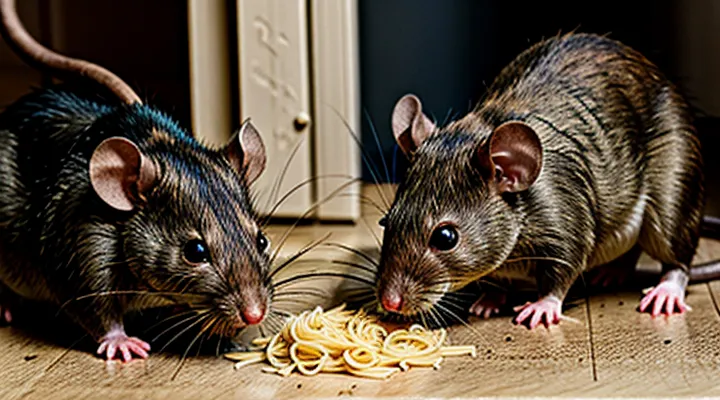
Nutritional Value of Dry Pasta
Carbohydrates
Dry pasta consists primarily of complex carbohydrates, mainly starch derived from wheat. Rats possess amylase enzymes in their saliva and pancreas capable of breaking down starch into glucose, allowing them to extract energy from such foods. However, the dry form lacks moisture, which slows enzymatic activity and may cause gastrointestinal discomfort if consumed in large amounts.
Key considerations for feeding uncooked pasta to rats:
- Carbohydrate content: Approximately 70 % of dry pasta’s weight is starch, providing a rapid source of calories.
- Digestive capacity: Rats can digest starch, but the absence of water increases the risk of hard, indigestible particles forming in the gut.
- Nutrient balance: Pasta supplies carbohydrates but lacks protein, fat, vitamins, and minerals essential for a rat’s balanced diet.
- Potential hazards: Excessive intake may lead to obesity, blood‑sugar spikes, or intestinal blockage, especially in young or compromised individuals.
- Preparation recommendation: Soaking or cooking pasta reduces hardness, improves digestibility, and mitigates the risk of obstruction.
In the context of evaluating whether rats may safely consume dry pasta, the carbohydrate profile indicates that the food is technically edible, yet the lack of hydration and nutritional completeness renders it unsuitable as a regular dietary component. Moderation, proper preparation, and supplementation with balanced rodent feed are required to avoid adverse health effects.
Protein
Dry pasta contains roughly 7–8 % protein by weight, primarily in the form of gliadin and glutenin. These proteins provide essential amino acids, but the profile lacks sufficient lysine and methionine for a complete rat diet.
Rats require approximately 18–20 % protein in their daily intake to support growth, reproduction, and tissue maintenance. When a rat consumes uncooked pasta, the protein contribution is modest; a 10‑gram serving supplies about 0.75 g of protein, far below the 2–3 g needed for an average adult rat.
Key considerations for using dry pasta as a protein source:
- Amino‑acid completeness: Pasta protein is incomplete; supplementation with animal or soy protein is necessary to meet all essential amino‑acid requirements.
- Digestibility: Raw gluten proteins are less digestible than cooked equivalents, reducing the actual usable protein.
- Caloric balance: Pasta is high in carbohydrates; excessive intake can lead to obesity if protein is insufficient.
- Nutrient gaps: Vitamins and minerals present in typical rat feed are absent in pasta, requiring additional dietary sources.
In practice, dry pasta should be regarded as a supplemental carbohydrate source rather than a primary protein provider for rats. Adequate protein must be sourced from balanced laboratory chow or dedicated protein foods.
Fiber
Fiber is a crucial component of a rat’s diet, influencing gastrointestinal motility and microbial balance. Dry pasta contains a modest amount of dietary fiber, typically 2–3 g per 100 g of product, derived mainly from wheat bran. This level is lower than the fiber found in standard rodent chow, which often provides 5–7 g per 100 g.
When rats ingest uncooked pasta, the fiber present can:
- Promote regular bowel movements.
- Support growth of beneficial gut bacteria.
- Reduce the risk of constipation.
However, the overall fiber contribution from a small serving of dry pasta is limited. To meet the recommended fiber intake for laboratory rats (approximately 5 % of total diet by weight), supplemental sources such as oat bran, beet pulp, or commercial fiber mixes are advisable.
Excessive consumption of dry pasta may introduce a high starch load without sufficient accompanying fiber, potentially leading to digestive disturbances. Balanced feeding regimens should combine pasta with fiber‑rich vegetables or specialized additives to maintain optimal gut health.
Vitamins and Minerals
Dry pasta contains a modest amount of B‑vitamins, primarily thiamine (B1) and niacin (B3). These nutrients support carbohydrate metabolism in rodents, but the levels are insufficient to meet the daily requirements of a typical laboratory rat. Supplementary sources such as fortified rodent chow or fresh vegetables are necessary to achieve adequate intake.
Mineral content in uncooked pasta is low. Sodium, potassium, calcium, and iron are present in trace quantities that do not contribute significantly to a rat’s dietary needs. Excessive consumption may introduce unnecessary carbohydrates without delivering essential minerals, potentially leading to imbalanced nutrition.
Key considerations for offering dry pasta to rats:
- Nutrient density: Low in vitamins and minerals; high in starch.
- Digestibility: Raw pasta is hard; rats may chew it but absorption of nutrients remains limited.
- Health impact: Occasional small pieces pose minimal risk; regular feeding can cause weight gain and nutrient deficiencies.
For a balanced diet, prioritize feeds formulated with complete vitamin‑mineral profiles. If dry pasta is introduced as a treat, limit portions to less than 5 % of total daily intake and compensate with fortified foods to maintain nutritional adequacy.
Potential Risks of Feeding Dry Pasta to Rats
Choking Hazard
Rats can ingest uncooked pasta, but the solid, elongated shape creates a significant choking risk. Their incisors easily break the pasta into smaller pieces, yet the remaining fragments may obstruct the trachea or esophagus because rats lack the ability to cough forcefully.
Key factors that increase the hazard:
- Length of strands exceeds the diameter of the rat’s laryngeal opening.
- Hard texture prevents rapid softening in the moist oral cavity.
- Rapid chewing can produce irregular fragments that lodge in the airway.
Symptoms of an obstructed airway include noisy breathing, gagging, reduced activity, and loss of appetite. Immediate veterinary intervention is required; attempts to dislodge the blockage without professional tools can cause further injury.
Preventive measures:
- Offer only cooked pasta that is fully softened and cooled to safe temperatures.
- Provide alternative chewable foods such as vegetables, grains, or specially formulated rodent treats.
- Supervise any introduction of new dry foods and remove uneaten pieces promptly.
Understanding the anatomical limitations of rats and the physical properties of dry pasta eliminates the choking danger and ensures safe dietary choices.
Digestive Issues
Rats can physically chew dry pasta, but the lack of moisture makes it difficult to digest. The hard texture can linger in the gastrointestinal tract, increasing the risk of impaction. Impaction may cause abdominal pain, reduced appetite, and lethargy, and can progress to life‑threatening blockage if untreated.
High carbohydrate content in uncooked pasta overloads the rat’s short digestive system. Excess starch is fermented by gut bacteria, producing gas and volatile fatty acids that irritate the intestinal lining. Resulting symptoms include soft or watery stools, bloating, and occasional diarrhea.
The low fiber level of plain pasta fails to promote normal peristalsis. Without sufficient bulk, the colon may slow, leading to constipation and occasional fecal accumulation. Chronic constipation can damage the anal glands and cause painful straining.
Potential nutrient imbalance arises because pasta supplies mainly carbohydrates and negligible protein, fat, vitamins, or minerals. A diet dominated by such a food can lead to deficiencies, weight loss, and weakened immune function.
Mitigation strategies
- Soak or cook pasta briefly to soften texture and increase water content.
- Offer only tiny portions (no more than a few grams) as an occasional treat.
- Combine with high‑fiber foods such as leafy greens or whole‑grain pellets.
- Observe stool consistency and activity for at least 24 hours after feeding.
- Discontinue if any signs of gastrointestinal distress appear and consult a veterinarian.
Nutritional Imbalance
Dry pasta consists primarily of refined wheat flour and water, providing high levels of simple carbohydrates with minimal protein, fat, vitamins, and minerals. Rats require a diet rich in protein (15‑20 % of calories), essential amino acids, calcium, phosphorus, and B‑complex vitamins. Feeding uncooked pasta introduces a disproportionate carbohydrate load while omitting critical nutrients, creating a clear nutritional imbalance.
The imbalance manifests in several ways:
- Protein deficiency – insufficient amino acids impair growth, muscle maintenance, and immune function.
- Calcium‑phosphorus mismatch – low calcium and high phosphorus risk skeletal deformities and renal strain.
- Vitamin shortfall – absence of B‑vitamins disrupts metabolism and nervous system health.
- Excess glucose – persistent high carbohydrate intake can lead to obesity, insulin resistance, and hepatic lipidosis.
Rats consuming only dry pasta may exhibit weight loss despite caloric surplus, reduced fur quality, lethargy, and increased susceptibility to disease. The diet also lacks dietary fiber, essential for gastrointestinal motility, potentially causing constipation or dysbiosis.
A balanced rodent diet must incorporate protein sources (e.g., soy, fish meal), calcium‑rich foods (e.g., crushed eggshell, mineral blocks), vitamin supplements, and limited complex carbohydrates. Dry pasta, if offered, should be an occasional, small treat mixed with a nutritionally complete base, not a primary food source.
Contaminants
Dry pasta intended for human consumption may contain residues that pose health risks to rodents. Pesticide and herbicide traces from grain cultivation can remain after processing; even low‑level exposure can affect liver function and neurobehavior in rats. Mold growth during storage produces mycotoxins such as aflatoxin B1 and ochratoxin A, which are nephrotoxic and immunosuppressive. Heavy metals—lead, cadmium, arsenic—may be introduced through contaminated soil or water used in grain irrigation, accumulating in the final product and causing chronic toxicity. Packaging materials can leach plasticizers (e.g., phthalates) or bisphenol A, especially when stored at elevated temperatures, adding endocrine‑disrupting compounds to the diet.
Key considerations for evaluating dry pasta as a rat food source:
- Verify that the product is certified pesticide‑free or meets strict residue limits.
- Inspect for visible mold, discoloration, or off‑odors; discard any compromised batches.
- Request analytical reports confirming heavy‑metal concentrations below established rodent safety thresholds.
- Store pasta in airtight containers at cool, dry conditions to minimize fungal proliferation and chemical migration.
- Prefer products packaged in food‑grade glass or metal containers over low‑density polyethylene, which has higher migration potential.
When contaminants are detected above acceptable levels, the safest approach is to exclude the pasta from the rat’s diet and replace it with verified rodent‑specific feeds. Regular monitoring of storage environments and supplier certifications reduces the likelihood of inadvertent exposure.
Preparing Pasta for Rats: Safe Practices
Cooking Requirements
Rats can be offered pasta, but the product must be prepared correctly to avoid digestive problems and nutritional imbalances. Raw, dry spaghetti or penne contains high levels of resistant starch, which can ferment in the gut and cause bloating, diarrhea, or gas. Cooking transforms starch into a digestible form and reduces the risk of gastrointestinal upset.
The preparation process should follow these steps:
- Place pasta in a pot of boiling water; use enough water to allow free movement of the noodles.
- Cook for 8–10 minutes, or until the pasta reaches a soft, al‑dente texture. Over‑cooking creates a mushy consistency that rats may reject, while under‑cooking leaves resistant starch intact.
- Drain thoroughly; rinse with cool water to halt cooking and lower temperature.
- Remove any seasoning, oil, or sauce; add only plain water.
- Cut the strands or pieces into bite‑size segments (approximately 0.5 cm) to match the animal’s chewing capacity.
A single serving should not exceed 1 cm³ of cooked pasta per 100 g of rat body weight. Offer this portion no more than twice a week to prevent excess carbohydrate intake, which can displace essential protein and fiber in the diet.
Store cooked pasta in an airtight container in the refrigerator for up to 48 hours. Discard any portion that shows signs of spoilage, such as mold, off‑odor, or slime, before presenting it to the animal. By adhering to these preparation and serving guidelines, pasta can be incorporated safely as an occasional treat in a rat’s diet.
Portion Control
Rats may safely consume uncooked pasta, but only in limited quantities. Their digestive systems can break down the starches, yet excessive portions can lead to gastrointestinal blockage or nutrient imbalance.
- A single piece of dry spaghetti, roughly 2–3 cm long, provides enough carbohydrate without overloading the stomach.
- Offer no more than one to two pieces per feeding session for an adult rat weighing 300–350 g.
- Monitor the animal for signs of discomfort, such as reduced activity or abnormal droppings, and discontinue if symptoms appear.
Portion control prevents caloric excess, which can contribute to obesity and related health issues. When introducing dry pasta, combine it with a balanced diet of pellets, fresh vegetables, and occasional treats. Adjust the serving size based on the rat’s age, weight, and activity level to maintain optimal health.
Ingredients to Avoid
Rats may accept dry pasta as a carbohydrate source, but the safety of the dish depends on its composition. Certain additives and flavorings commonly found in store‑bought pasta can be toxic or cause digestive distress in rodents.
- Salt or high‑sodium seasonings
- Garlic powder or fresh garlic
- Onion powder or fresh onion
- Cheese powders and artificial cheese flavorings
- Spices containing nutmeg, cinnamon, or clove in large quantities
- Sugar, honey, or sweetened sauces
- Preservatives such as sulfites, benzoates, or MSG
Excess sodium disrupts fluid balance and can lead to hypertension. Allium family members (garlic, onion) contain compounds that damage red blood cells, resulting in hemolytic anemia. Dairy powders often include lactose, which many rats cannot digest, leading to diarrhea. High‑potency spices may irritate the gastrointestinal lining or cause neurotoxic effects. Sugars provide rapid spikes in blood glucose and promote obesity. Chemical preservatives can interfere with liver metabolism and provoke allergic reactions. Avoiding these ingredients ensures that dry pasta, when offered sparingly, remains a harmless supplement rather than a health hazard for pet rats.
Frequency of Feeding
Rats may safely consume uncooked pasta when it is offered as an occasional supplement rather than a staple. Pasta provides primarily carbohydrates and lacks the protein, fat, and fiber essential for a balanced rodent diet; therefore, its inclusion must be limited.
- Offer dry pasta no more than once or twice per week.
- Limit each serving to 1–2 small pieces (approximately 2–3 g).
- Observe the animal for signs of digestive upset, such as loose stools or reduced activity, after each feeding.
- Adjust frequency or discontinue if adverse reactions occur.
Regular feeding schedules should prioritize commercial rat chow, fresh vegetables, and occasional protein sources. Dry pasta should remain a rare treat, integrated sparingly to avoid nutritional imbalance.
Alternative Safe Treats for Rats
Fruits
Rats often encounter dry pasta in household environments, but the texture and carbohydrate concentration differ markedly from natural foods. Fruit provides water, vitamins, and fiber that dry pasta lacks, making it a more balanced supplement for rodent diets.
Key considerations when offering fruit to rats:
- Hydration – most fruits contain 80‑90 % water, supporting kidney function.
- Vitamins – vitamin C and B‑complex are abundant in berries, citrus, and apples.
- Fiber – soluble and insoluble fibers aid gastrointestinal motility.
- Sugar content – high‑sugar fruits (grapes, bananas) should be limited to prevent obesity and dental issues.
- Toxicity – avoid grapes, avocado, and citrus seeds, which can be harmful.
When comparing fruit to dry pasta, the former supplies essential micronutrients and moisture, while the latter offers only starch. Incorporating small fruit portions (approximately 5‑10 % of total daily intake) improves nutritional balance without displacing the primary rodent feed.
Vegetables
Rats that are offered uncooked pasta benefit from the addition of fresh vegetables, which provide essential vitamins, minerals, and fiber that dry pasta lacks. Vegetables also increase moisture intake, preventing dehydration that can result from a diet consisting solely of dry grains.
- Leafy greens (e.g., kale, spinach, romaine) supply calcium, iron, and antioxidants.
- Root vegetables (e.g., carrots, sweet potatoes) deliver beta‑carotene and soluble fiber.
- Bell peppers and cucumbers add vitamin C and additional water content.
Including these vegetables alongside dry pasta improves digestibility. Fiber slows the absorption of starch, reducing rapid spikes in blood glucose that could stress a rat’s metabolism. Moisture from vegetables softens the pasta in the gastrointestinal tract, facilitating enzymatic breakdown.
Some vegetables should be avoided because they interfere with starch digestion or introduce toxins. Raw onions, garlic, and leeks contain compounds that can cause hemolytic anemia in rodents. High‑oxalate vegetables such as rhubarb leaves may precipitate kidney stones when combined with a starch‑rich diet.
A balanced regimen for a pet rat typically consists of 70 % commercial rodent pellets, 20 % fresh vegetables, and a limited portion of dry pasta as an occasional treat. This proportion ensures adequate nutrient intake while preventing digestive upset.
Grains
Dry pasta is produced from durum wheat, a cereal grain that supplies carbohydrates, protein, and small amounts of fiber, vitamins, and minerals. For laboratory or pet rats, the carbohydrate proportion can serve as an energy source, but the low fiber content deviates from the high‑fiber diets typical of wild rodents.
Nutritional considerations for rodents include:
- Carbohydrate load – rapid digestion may cause spikes in blood glucose, potentially stressing the rat’s metabolic regulation.
- Fiber deficiency – insufficient roughage can lead to gastrointestinal slowdown and fecal abnormalities.
- Protein balance – wheat protein lacks some essential amino acids required by rats; supplemental animal protein is usually necessary.
- Mineral profile – calcium and phosphorus ratios in wheat are lower than optimal for bone health; fortified feeds compensate for this shortfall.
Potential health effects of feeding dry pasta alone:
- Weight gain due to excess calories.
- Dental wear from hard, uncooked pieces, which may damage incisors.
- Gastrointestinal disturbances, including constipation or diarrhea, when fiber intake is inadequate.
Safe incorporation into a rat’s diet requires:
- Cooking the pasta to soften texture and reduce hardness on teeth.
- Mixing with a high‑fiber base such as whole‑grain cereal, leafy greens, or commercial rodent chow.
- Limiting portion size to no more than 5 % of total daily caloric intake.
- Monitoring body condition and stool consistency after introduction.
In controlled amounts, wheat‑based pasta can provide supplemental energy, but it must be balanced with fiber‑rich and protein‑rich components to meet the nutritional demands of rats. Continuous observation ensures that the inclusion does not compromise health or growth.
Commercial Rat Foods
Commercial rat foods are formulated to meet the specific nutritional requirements of laboratory and pet rodents. Protein levels range from 15 % to 25 % of the diet, supplied by soy, fish meal, or whey. Carbohydrate sources include corn, wheat, and barley, providing energy without the high starch concentration found in uncooked pasta. Fat content is limited to 3 %–5 % and comes from vegetable oils, ensuring a balanced caloric profile. Vitamins and minerals are added in precise ratios to prevent deficiencies common in grain‑only diets.
Dry pasta offers a simple carbohydrate matrix with minimal protein, fat, or micronutrients. When offered alone, it can lead to rapid weight gain, digestive disturbances, and nutrient imbalances. Commercial rat pellets incorporate fiber from cellulose or oat hulls, which supports gut motility—a component absent in plain pasta.
Key differences between standard rodent chow and uncooked pasta:
- Protein: 20 % (chow) vs. <5 % (pasta)
- Fiber: 5 %–7 % (chow) vs. <1 % (pasta)
- Essential vitamins: complete (chow) vs. none (pasta)
- Digestibility: optimized (chow) vs. variable (pasta)
If dry pasta is introduced, it should be limited to less than 5 % of total intake and supplemented with a certified rodent feed to maintain nutritional balance. Regular monitoring of body condition and stool consistency is necessary to detect adverse effects promptly.
When to Consult a Veterinarian
Rats that have eaten dry pasta may appear normal initially, but certain signs indicate the need for professional veterinary assessment.
- Persistent vomiting or regurgitation after the meal.
- Diarrhea lasting more than 24 hours, especially if watery or containing blood.
- Lethargy, loss of coordination, or inability to move normally.
- Sudden weight loss or refusal to eat and drink.
- Abdominal swelling, tenderness, or visible pain when touched.
- Excessive drooling, difficulty breathing, or facial swelling.
If any of these symptoms develop, contact a veterinarian promptly. Early intervention can prevent complications such as intestinal blockage, dehydration, or nutritional deficiencies. Even in the absence of acute signs, a routine health check is advisable when introducing unfamiliar foods, to ensure the rat’s digestive system tolerates the new diet without adverse effects.