
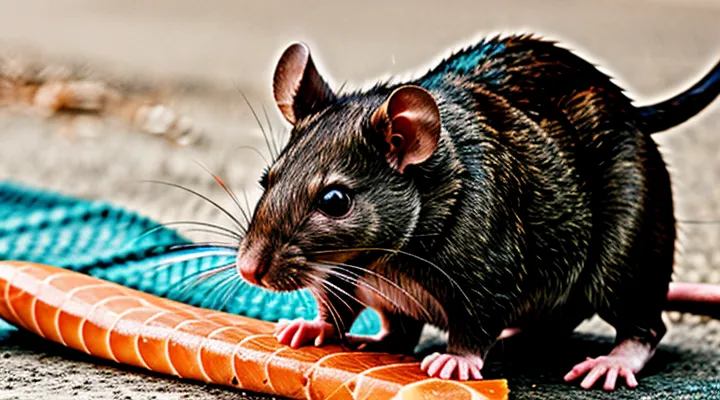
Understanding Rat Diet
Natural Rat Diet
Rats in the wild consume a highly varied diet that reflects opportunistic foraging behavior. Their intake consists mainly of seeds, grains, fruits, insects, and occasional animal tissue. This mixture supplies carbohydrates, proteins, fats, vitamins, and minerals required for rapid growth and reproduction.
Protein sources include insects, small vertebrates, and carrion. Fish can appear in a rat’s diet when it scavenges near water bodies. The nutritional profile of fish provides essential amino acids and omega‑3 fatty acids that complement plant‑derived nutrients.
Cooking alters fish composition. Heat removes parasites and reduces bacterial load, but it also concentrates sodium and may introduce seasonings or oils that exceed a rat’s tolerance. Small, sharp bones pose a choking hazard and can cause gastrointestinal injury. Moreover, the denaturation of certain proteins can affect digestibility.
For domesticated rats, a balanced regimen should emulate natural intake while minimizing health risks. Recommended components:
- Whole grains (e.g., oats, barley, wheat)
- Fresh fruits and vegetables (e.g., apple, carrot, leafy greens)
- Insects or insect‑based treats (e.g., mealworms)
- Small portions of lean, unseasoned animal protein (e.g., boiled chicken, plain cooked fish without bones)
When offering cooked fish, ensure it is plain, boneless, and served in limited quantities. Regular monitoring for signs of digestive upset or excess sodium intake is essential. Substituting fish with other protein sources reduces the likelihood of complications while preserving the nutritional balance characteristic of a rat’s natural diet.
Nutritional Needs of Rats
Rats require a balanced diet that supplies protein, fats, carbohydrates, vitamins, and minerals in specific proportions. Protein should constitute 14‑20 % of total calories, supporting growth, tissue repair, and enzyme production. Essential amino acids such as lysine, methionine, and tryptophan must be present; deficiency impairs growth and immune function.
Fats provide 5‑10 % of caloric intake, delivering essential fatty acids (linoleic and α‑linolenic acids) for cell membrane integrity and hormone synthesis. Carbohydrates supply the remaining energy, with complex sources preferred to maintain stable blood glucose levels.
Key micronutrients include:
- Calcium (0.5‑1 % of diet) for bone development and neuromuscular signaling
- Phosphorus (0.4‑0.8 %) to complement calcium and support metabolic pathways
- Vitamin A for vision and epithelial health
- Vitamin D for calcium absorption
- B‑complex vitamins for energy metabolism
Cooked fish can fulfill the protein and fat requirements when prepared without seasoning, bones, or excessive oil. The cooking process denatures some proteins, making them more digestible, but also reduces certain heat‑sensitive vitamins, notably vitamin B12. To avoid mineral imbalances, fish should not exceed 10 % of total daily intake; otherwise, excess phosphorus may disrupt calcium absorption. Incorporating a small, unseasoned portion of cooked fish alongside a staple grain‑based pellet ensures rats receive a nutritionally complete regimen.
Cooked Fish for Rats: The Basics
Is Cooked Fish Safe for Rats?
Potential Benefits of Cooked Fish
Cooked fish provides a range of nutritional advantages for rats that are relevant when assessing the suitability of this food source.
- High‑quality protein supports muscle development and tissue repair.
- Omega‑3 fatty acids, particularly EPA and DHA, contribute to neural function and may improve learning capacity.
- Bioavailable vitamin D enhances calcium absorption, promoting bone health.
- Low levels of antinutrients, compared with raw fish, reduce the risk of gastrointestinal irritation.
- Heat treatment eliminates most parasites and pathogenic bacteria, lowering infection risk.
Inclusion of modest portions of properly prepared fish can complement a balanced rodent diet, offering essential nutrients without introducing significant health hazards.
Risks Associated with Cooked Fish
Cooked fish may contain harmful substances that affect rodent health. High temperatures can create heterocyclic amines and polycyclic aromatic hydrocarbons, both classified as carcinogens. These compounds accumulate in tissues and increase the risk of tumor development when rats consume the meat regularly.
The nutritional profile of fish changes after cooking. Fat oxidation produces rancid lipids, which can irritate the gastrointestinal lining and lead to inflammation. Excessive protein from over‑cooked portions may strain renal function, especially in older or compromised animals.
Potential hazards include:
- Bacterial contamination (e.g., Salmonella, Listeria) that survives inadequate heating.
- Presence of bones that can cause choking or internal injury.
- Salt or seasoning residues that disrupt electrolyte balance.
- Heavy metal concentration (mercury, lead) that becomes more bioavailable after heat treatment.
Types of Fish to Offer
Safe Fish Options
Rats may consume cooked fish when it meets specific safety criteria.
- Small, boneless fillets of white fish such as cod, haddock, or tilapia are suitable.
- Fatty species like salmon provide omega‑3 fatty acids but should be offered in limited portions to prevent excess oil.
- Freshwater varieties, for example, trout, are acceptable if thoroughly cooked.
Preparation guidelines ensure healthful feeding:
- Remove all bones to eliminate choking hazards.
- Cook the fish by steaming, boiling, or baking without oil, butter, or seasoning.
- Cool the flesh to room temperature before serving.
- Serve only a bite‑size portion, roughly 1‑2 grams per 100 g of body weight, to avoid digestive overload.
Unsafe practices include frying, adding salt, spices, sauces, or using smoked and cured fish, all of which introduce sodium, preservatives, or toxic compounds.
Providing a balanced diet requires that fish constitute no more than 10 % of a rat’s total weekly intake, complementing standard rodent pellets, fresh vegetables, and occasional fruits.
Fish to Avoid
Rats can tolerate some cooked fish, but several species pose health risks and should be excluded from their diet.
- Predatory saltwater fish (e.g., shark, swordfish, king mackerel): contain high mercury levels that accumulate in rodent tissues.
- Large, oily fish (e.g., tuna, bluefin tuna, salmon from polluted waters): risk excessive fat intake and potential exposure to polychlorinated biphenyls (PCBs).
- Fish with fine, splintery bones (e.g., sardines, anchovies): increase choking hazard and cause internal injury.
- Fish known to carry parasites when not thoroughly cooked (e.g., herring, cod): can transmit nematodes or tapeworms to rats.
- Canned fish with added salts or sauces (e.g., seasoned tuna, fish spreads): sodium overload may lead to renal stress.
When offering fish, select small, boneless, low‑mercury species such as whitebait or farm‑raised tilapia, ensure thorough cooking to destroy parasites, and limit portions to no more than 5 % of total daily intake. Regularly monitor rats for signs of digestive upset or abnormal behavior after introducing any new protein source.
Preparation Guidelines
Proper Cooking Methods
Rats may safely eat fish that has been prepared without seasoning, bones, or residual contaminants. The cooking process must eliminate parasites, bacterial pathogens, and toxins that could harm a small mammal’s digestive system.
- Boil the fillet in plain water for 5–7 minutes until the flesh reaches an internal temperature of at least 70 °C; this kills most parasites and harmful bacteria.
- Steam the fish for 6–8 minutes, covering the pot tightly to retain moisture and ensure even heat distribution.
- Bake at 180 °C for 12–15 minutes, placing the flesh on a foil-lined tray to prevent sticking and to keep the surface dry.
Avoid frying, grilling, or adding oils, salt, sauces, and spices; these introduce unnecessary fats and sodium that can cause renal stress in rodents. After cooking, allow the fish to cool to room temperature, remove all bones, and break the meat into bite‑size pieces before offering it to the rat.
Seasoning and Additives to Avoid
Feeding rats cooked fish requires careful selection of seasonings and additives. Many common flavorings pose health risks and should be excluded from a rat’s diet.
- Salt: excess sodium leads to hypertension and kidney strain. Use only a pinch if absolutely necessary, but preferably omit.
- Garlic and onion powders: contain compounds that damage red blood cells, causing hemolytic anemia.
- Chili powders, cayenne, and other hot spices: irritate the gastrointestinal tract and can cause ulceration.
- Soy sauce, teriyaki, and other fermented sauces: high in salt and often contain added sugars and preservatives.
- Sugar, honey, and artificial sweeteners: promote obesity and dental problems; xylitol is toxic to rodents.
- MSG (monosodium glutamate): may cause neurological disturbances and appetite suppression.
- Citric acid and vinegar in large quantities: can upset stomach acidity and lead to dehydration.
- Preservatives such as sodium benzoate, potassium sorbate, and BHA/BHT: have been linked to liver toxicity in rodents.
- Smoke flavorings and liquid smoke: contain polycyclic aromatic hydrocarbons that increase cancer risk.
When preparing fish for rats, steam or bake it plain, then allow it to cool to room temperature. A small portion of unseasoned, boneless fish can be offered occasionally as a protein source. Regularly monitor the animal for changes in behavior, appetite, or stool consistency to ensure the diet remains safe.
Portion Control
Portion control determines whether cooked fish can be a safe supplement in a rat’s diet. Over‑feeding introduces excess protein and fat, which may lead to obesity, digestive upset, or liver strain. Under‑feeding provides insufficient nutritional benefit and may encourage scavenging of inappropriate foods.
Key factors for appropriate serving size:
- Piece size – no larger than a thumbnail; roughly 1–2 g for an adult rat.
- Frequency – limit to one small portion per week; occasional treats prevent nutrient imbalance.
- Fish type – choose lean, low‑salt species such as cod or tilapia; avoid heavily seasoned or oily varieties.
- Diet balance – ensure that the majority of calories come from a complete rodent pellet; fish should not exceed 5 % of total daily intake.
Implementing these guidelines keeps the rat’s overall diet stable while allowing occasional exposure to cooked fish. Monitor weight and stool consistency after each serving; adjust portion size or frequency if adverse signs appear. Consistent, measured portions preserve health and maximize the nutritional value of the treat.
Health Considerations
Common Issues from Improper Feeding
Digestive Problems
Rats that consume cooked fish are prone to several digestive disturbances.
High protein concentration can overwhelm the small intestine, leading to excessive fermentation and gas formation. Fatty fillets, especially those prepared with oil, slow gastric emptying and increase the risk of steatorrhea. Residual bones fragment into sharp pieces that irritate the mucosa, causing minor bleeding and inflammation.
Improper cooking may leave pathogenic bacteria such as Salmonella or Listeria viable; ingestion triggers acute enteritis characterized by watery stools and abdominal cramping. Seasonings containing salt, garlic, or onion are toxic to the gastrointestinal epithelium and provoke nausea and vomiting.
Typical clinical signs in affected rodents include:
- Diarrhea, sometimes with mucus
- Abdominal distension
- Decreased food intake
- Lethargy or rapid weight loss
- Occasional vomiting (in species capable of regurgitation)
Mitigation strategies focus on dietary control:
- Serve only boneless, skinless portions
- Cook fish plain, without added fats or spices
- Limit serving size to no more than 5 % of the animal’s body weight per week
- Verify complete heat treatment to eliminate microbial hazards
Adhering to these guidelines reduces the incidence of gastrointestinal upset and supports normal nutrient absorption in rats.
Allergic Reactions
Rats may experience allergic reactions after consuming cooked fish. Symptoms include rapid breathing, swelling of the face or paws, hives, and gastrointestinal distress such as vomiting or diarrhea. These responses result from immune system activation against fish proteins that survive the cooking process.
Identifying an allergic episode requires close observation of the animal’s behavior and physical condition. Immediate signs are:
- Labored or noisy respiration
- Red, raised skin lesions
- Paw or facial edema
- Sudden lethargy or agitation
- Vomiting or watery stools
If any of these appear after a fish meal, discontinue the food and consult a veterinarian. Treatment options typically involve antihistamines, corticosteroids, or supportive care such as fluid therapy, depending on severity.
Preventive measures reduce risk:
- Introduce fish gradually, starting with minimal portions.
- Use fish species known for lower allergenic protein content, such as whitefish.
- Cook fish thoroughly to denature most proteins, but recognize that some allergens persist.
- Observe the rat for delayed reactions up to 24 hours after ingestion.
- Keep a detailed log of diet and any adverse responses to identify patterns.
Understanding the potential for allergic reactions helps ensure that feeding cooked fish does not compromise rat health.
Recognizing Adverse Reactions
Cooked fish is sometimes offered to laboratory or pet rats as a protein supplement. Introducing this food requires vigilance because rats can exhibit negative physiological responses that may be mistaken for normal behavior.
Observable adverse reactions include:
- Respiratory distress (labored breathing, wheezing)
- Gastrointestinal upset (vomiting, diarrhea, reduced feed intake)
- Skin irritation (redness, swelling around the mouth or paws)
- Neurological signs (tremors, loss of coordination, lethargy)
If any of these symptoms appear within hours of feeding, the source of the reaction should be investigated promptly. Possible causes are:
- Bacterial contamination from insufficient cooking or storage.
- High fat content leading to pancreatitis or hepatic overload.
- Allergic sensitization to specific fish proteins.
Effective monitoring protocol:
- Record baseline behavior and weight before introducing cooked fish.
- Observe each rat for at least 24 hours after the first exposure, noting any deviation from baseline.
- Conduct a short-term health assessment (body temperature, stool consistency, activity level) at 12‑hour intervals.
- If symptoms persist beyond 48 hours, discontinue fish, provide supportive care, and consult a veterinarian.
Preventive measures reduce risk:
- Cook fish to an internal temperature of 165 °F (74 °C) to eliminate pathogens.
- Remove bones and skin to avoid choking or obstruction.
- Offer small, measured portions to assess tolerance before increasing quantity.
Recognizing and responding to adverse reactions ensures that cooked fish, when used, contributes to nutritional goals without compromising rat health.
When to Consult a Vet
Rats can be offered small pieces of cooked fish as an occasional treat, but owners must watch for any signs of distress or illness.
Consult a veterinarian if any of the following occur after feeding fish:
- Persistent vomiting or regurgitation
- Diarrhea lasting more than 24 hours
- Loss of appetite lasting more than a day
- Lethargy or abnormal weakness
- Swelling, redness, or discharge around the mouth or eyes
- Unexplained weight loss
- Respiratory difficulty or coughing
Even in the absence of obvious symptoms, a professional assessment is advisable when a rat shows repeated adverse reactions to new foods. Prompt veterinary care reduces the risk of complications and supports the animal’s long‑term health.
Alternative Protein Sources for Rats
Other Meat Options
Rats thrive on protein sources that are easily digestible and low in fat. When evaluating alternatives to cooked fish, consider the following options:
- Cooked chicken breast – lean, boneless meat; remove skin and excess fat before serving.
- Boiled turkey – similar to chicken, provides essential amino acids; ensure no seasoning or bones remain.
- Ground lean beef – 5% fat or less; cook thoroughly to eliminate pathogens; drain excess grease.
- Cooked pork loin – trim visible fat; cook until internal temperature reaches 71 °C (160 °F) to destroy parasites.
- Eggs – hard‑boiled or scrambled without oil; a complete protein source, suitable for occasional feeding.
Each meat should be prepared without salt, spices, sauces, or additives. Portion sizes must align with the rat’s overall diet, typically no more than 10–15 % of daily caloric intake. Overfeeding protein can stress the kidneys and lead to digestive upset. Always monitor for signs of intolerance, such as loose stools or reduced activity, and discontinue any meat that triggers adverse reactions.
Plant-Based Proteins
Rats that receive cooked fish as a protein source can also thrive on diets that rely on plant-derived proteins. Plant proteins supply the nitrogen required for tissue growth, provided the diet includes a balanced array of essential amino acids.
Soybean meal, pea protein isolate, and lentil flour each contain 40–50 % crude protein. These ingredients deliver lysine, methionine, and tryptophan in quantities comparable to animal tissue when formulated correctly. Complementary combinations—such as mixing legumes with cereal grains—offset the typical deficiency of sulfur‑containing amino acids in legumes alone.
Digestibility of plant proteins ranges from 70 % to 85 % in laboratory rats, slightly lower than the 90 %+ observed for fish muscle. Enzyme treatment, heat processing, or fermentation can raise digestibility to levels that meet the species’ requirements.
Practical inclusion guidelines:
- Soybean meal: 20–30 % of total diet weight, heat‑treated to deactivate anti‑nutritional factors.
- Pea protein isolate: 10–15 % of diet, combined with a cereal grain to improve methionine balance.
- Lentil flour: up to 15 % of diet, soaked and cooked to reduce lectins.
- Quinoa germ: 5 % of diet, provides a complete amino‑acid profile and additional micronutrients.
When plant proteins replace fish, monitor body weight, coat condition, and reproductive performance. Consistent growth rates and normal litter sizes indicate that the protein quality meets physiological demands. Adjust mineral supplementation—particularly calcium and phosphorus—to compensate for lower bioavailability in plant matrices.
Commercial Rat Food
Commercial rat diets are formulated to meet the nutritional requirements of rodents in laboratory and pet settings. Protein sources commonly include soy, whey, and fish meal, which provide essential amino acids without the need for owners to add fresh seafood. When evaluating the suitability of cooked fish as a supplemental treat, consider the following points:
- Nutrient balance: Commercial formulas already contain calibrated levels of protein, fat, and vitamins. Adding cooked fish may disrupt the intended ratios, leading to excess fat or imbalanced amino acid profiles.
- Safety: Heat‑treated fish can retain bones, scales, or seasoning residues that pose choking hazards or gastrointestinal irritation. Commercial feeds undergo stringent processing to eliminate such risks.
- Digestibility: Processed fish meal is hydrolyzed for optimal absorption, whereas whole cooked fillets may contain connective tissue that rats digest less efficiently.
- Regulatory compliance: Certified rodent chow adheres to standards set by agencies such as the Association of American Feed Control Officials (AAFCO). Homemade additions are not subject to these controls.
If occasional inclusion of cooked fish is desired, follow these guidelines: ensure the portion does not exceed 5 % of total daily intake, remove all bones and skin, avoid added salt or spices, and monitor the animal for changes in weight or stool consistency. For most applications, reliance on a high‑quality commercial rat food product provides a complete, safe, and nutritionally consistent diet, rendering supplemental fish unnecessary.