
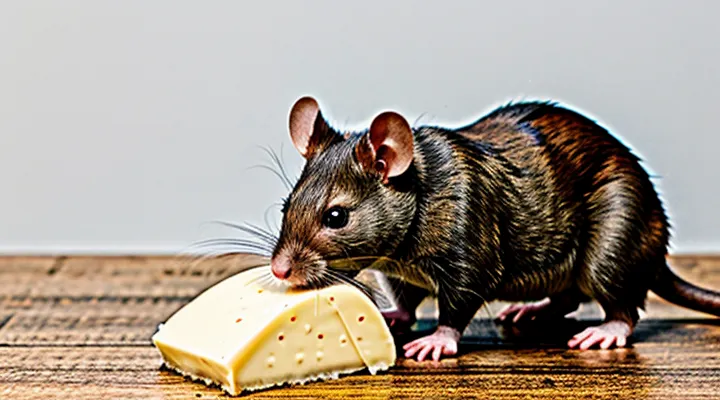
Understanding Rat Dietary Needs
What Do Rats Naturally Eat?
Rats are opportunistic omnivores that thrive on a varied diet found in their natural habitats. Their primary food sources include:
- Seeds and grains – wheat, corn, barley, and assorted wild grasses provide carbohydrates and protein.
- Fruits and berries – apples, grapes, cherries, and seasonal berries supply sugars, vitamins, and fiber.
- Nuts and legumes – peanuts, acorns, beans, and peas offer essential fats and amino acids.
- Invertebrates – insects, larvae, and small arthropods contribute protein and micronutrients.
- Vegetative matter – leaves, shoots, and tubers deliver minerals and roughage.
In the wild, rats supplement these staples with occasional animal protein from carrion or small vertebrates. Their digestive systems are adapted to process high‑energy foods, but excessive fat intake can strain metabolic processes. Consequently, while rats can ingest dairy fats such as butter, such items are not part of their natural nutritional profile and should be offered only sparingly, if at all.
Essential Nutrients for Rats
Rats require a balanced diet that supplies protein, essential fatty acids, carbohydrates, vitamins, and minerals in specific ratios. Protein should constitute 14–16 % of total calories, sourced from meat, eggs, or soy. Fat contributes 4–6 % of calories, providing energy and aiding absorption of fat‑soluble vitamins. Carbohydrates supply the remaining energy, with whole grains and vegetables preferred over simple sugars.
Key micronutrients include:
- Vitamin A – supports vision and immune function; 0.4 mg/kg diet.
- Vitamin D – regulates calcium metabolism; 1 µg/kg diet.
- Vitamin E – antioxidant; 10 mg/kg diet.
- Vitamin K – clotting factor; 0.5 mg/kg diet.
- B‑complex (B1, B2, B6, B12, niacin, folic acid) – metabolic enzymes; 2–5 mg/kg total.
- Calcium – bone formation; 0.8–1.0 % of diet.
- Phosphorus – works with calcium; 0.6–0.8 % of diet.
- Magnesium, potassium, sodium, iron, zinc – each required in trace amounts for enzymatic activity and physiological balance.
Butter delivers primarily saturated fat and a small amount of vitamin A, but it lacks protein, most vitamins, and essential minerals. Occasional, minimal exposure does not provide nutritional benefit and may introduce excess calories, increasing the risk of obesity and related health issues. For a diet that meets all nutritional requirements, rely on commercially formulated rodent pellets supplemented with fresh fruits, vegetables, and occasional protein treats.
Butter and Rat Health
Is Butter Toxic to Rats?
Butter is not poisonous to rats, but it presents nutritional and health risks when offered regularly. The high fat content can overwhelm a rat’s digestive system, leading to diarrhea, vomiting, or steatorrhea. Excessive consumption may cause rapid weight gain, increased cholesterol, and strain on the liver and pancreas, potentially precipitating pancreatitis.
Key points to consider before feeding butter to a rat:
- Quantity – only a tiny fragment (no more than a few milligrams) is safe for occasional tasting.
- Frequency – avoid daily or weekly inclusion; treat as an occasional novelty.
- Health status – rats with obesity, liver disease, or pancreatic issues should never receive butter.
- Alternative treats – low‑fat fruits, vegetables, or specially formulated rodent treats provide safer enrichment.
If a rat ingests a noticeable amount of butter, monitor for:
- Loose stools or watery feces.
- Lethargy or reduced activity.
- Abdominal swelling or discomfort.
Prompt veterinary evaluation is advisable if symptoms persist beyond a few hours. In summary, butter does not contain acute toxins for rats, but its rich fat profile makes it unsuitable as a regular dietary component.
Nutritional Content of Butter
Fat Content
Butter contains approximately 80 % total fat by weight, primarily saturated fatty acids such as palmitic and stearic acid, with smaller amounts of monounsaturated oleic acid and trace polyunsaturated fats. The caloric density of butter is roughly 7 kcal per gram, derived almost entirely from its lipid fraction. In rats, dietary fat is metabolized in the liver and contributes to energy balance, cellular membrane composition, and hormone synthesis.
When assessing whether rats can safely ingest butter, consider the following points:
- Energy surplus: The high caloric content can quickly exceed a rat’s daily energy requirements, leading to rapid weight gain.
- Digestive tolerance: Rats possess gastrointestinal enzymes capable of breaking down triglycerides, but excessive fat may cause steatorrhea or pancreatitis.
- Nutrient imbalance: Butter lacks essential vitamins and minerals; reliance on it reduces intake of protein, fiber, and micronutrients needed for normal growth.
- Long‑term health effects: Chronic high‑fat diets in rodents are linked to elevated serum cholesterol, hepatic steatosis, and insulin resistance.
Therefore, while rats can digest the fat in butter, the extreme concentration of lipids makes butter an unsuitable regular food source. Limited, occasional exposure may be tolerated, but consistent consumption poses metabolic and nutritional risks.
Salt Content
Butter contains varying amounts of sodium depending on whether it is salted or unsalted. Unsalted butter usually has less than 0.1 g of salt per 100 g, while salted varieties contain approximately 1–2 g per 100 g. The exact concentration is listed on the product label and can differ between brands.
Rats are sensitive to dietary sodium. Their kidneys regulate sodium balance efficiently, but excessive intake can lead to dehydration, hypertension, and kidney strain. A typical laboratory rat consumes about 10 g of food daily; at that rate, a 1 g portion of salted butter would contribute roughly 10 mg of sodium, representing 0.4 % of the recommended maximum daily sodium intake for a rat of that size.
Feeding butter to rats requires attention to salt content:
- Choose unsalted butter for any regular inclusion in the diet.
- Limit butter portions to no more than 0.5 g per day for an adult rat.
- If only salted butter is available, reduce the quantity proportionally to keep sodium intake below 20 mg per day.
- Monitor the animal for signs of excess thirst, reduced activity, or abnormal weight gain.
When sodium levels remain within the recommended range, butter can be offered as an occasional treat without posing a health risk. Exceeding these limits increases the likelihood of adverse physiological effects.
Lactose Content
Butter contains a small but measurable amount of lactose, the milk sugar that remains after the cream is churned. Typical commercial butter shows lactose concentrations ranging from 0.1 % to 0.5 % by weight, depending on the manufacturing process and fat content. The residual lactose originates from the milk solids that are not removed during clarification.
Rats, like most rodents, experience a marked decline in lactase enzyme activity after the weaning period. Consequently, even low levels of lactose can provoke gastrointestinal disturbances such as bloating, diarrhea, and reduced nutrient absorption. The risk is proportional to the amount of butter ingested; a single bite may deliver only a few milligrams of lactose, which many adult rats tolerate, whereas larger servings can exceed their limited lactase capacity.
Key points for evaluating butter as a food for rats:
- Lactose content: 0.1 %–0.5 % (1–5 mg per gram of butter)
- Lactase activity in adult rats: minimal to absent
- Potential effects: mild to severe digestive upset if intake exceeds tolerance threshold
Therefore, the lactose present in butter constitutes the primary nutritional factor limiting its suitability for regular rat consumption. Small, occasional exposures may be harmless, but consistent feeding poses a measurable health risk.
Risks of Feeding Butter to Rats
Digestive Upset
Rats that ingest butter may experience digestive upset due to the high fat content and low water activity of the product. Their short, herbivorous‑adapted gastrointestinal tract processes limited amounts of fat efficiently, but excessive lipids can overwhelm bile secretion and pancreatic enzyme capacity.
The primary mechanisms behind the disturbance include:
- Rapid gastric emptying of fatty particles, leading to irritation of the stomach lining.
- Reduced absorption of essential nutrients as fat interferes with the transport of carbohydrates and proteins.
- Altered gut microbiota composition, favoring opportunistic bacteria that thrive on lipids.
Typical signs of gastrointestinal distress in rats after butter consumption are:
- Loose, watery stools or occasional diarrhea.
- Abdominal swelling or visible discomfort.
- Reduced food intake and lethargy.
- Increased frequency of grooming around the anal area.
Management strategies focus on minimizing exposure and supporting recovery:
- Remove butter and any other high‑fat foods from the cage environment.
- Provide fresh water and a diet rich in fiber to aid intestinal transit.
- Offer a small portion of plain, cooked pumpkin or plain yogurt to soothe the mucosa.
- Monitor stool consistency for 48–72 hours; if diarrhea persists, consult a veterinarian for possible antimicrobial or anti‑inflammatory treatment.
Preventive measures include limiting treats to low‑fat options and ensuring that the primary diet meets the species‑specific nutritional requirements for protein, fiber, and essential vitamins.
Obesity and Related Health Issues
Diabetes
Rats that ingest butter are exposed to high levels of saturated fat and simple sugars, both of which can influence glucose metabolism. In laboratory settings, butter‑fed rodents frequently exhibit elevated fasting blood glucose and impaired insulin sensitivity, hallmarks of diabetes mellitus.
Key metabolic changes observed in butter‑eating rats include:
- Increased hepatic gluconeogenesis
- Reduced peripheral glucose uptake
- Hyperinsulinemia followed by pancreatic β‑cell exhaustion
- Elevated serum triglycerides and cholesterol
These alterations mirror the pathophysiology of diet‑induced type 2 diabetes in humans, indicating that butter consumption can serve as a model for studying disease mechanisms. Researchers use such models to evaluate the efficacy of antidiabetic agents, dietary interventions, and genetic factors that modulate susceptibility.
When designing experiments involving butter as a dietary component, control groups should receive isocaloric, low‑fat diets to isolate the specific impact of butter on diabetic outcomes. Monitoring parameters such as glucose tolerance, insulin secretion, and lipid profiles provides a comprehensive assessment of disease progression.
Heart Disease
Butter is a high‑fat food that raises plasma cholesterol when included in a rat diet. Elevated cholesterol promotes atherosclerotic plaque formation, a primary factor in cardiac pathology. Studies using laboratory rats demonstrate that diets containing 10 % butter increase low‑density lipoprotein (LDL) levels by 30‑40 % compared with standard chow, while high‑density lipoprotein (HDL) concentrations decline proportionally.
Key observations from rodent experiments include:
- Accelerated development of intimal thickening in coronary arteries after 8 weeks of butter supplementation.
- Increased incidence of myocardial fibrosis detected by histological staining.
- Elevated markers of oxidative stress (malondialdehyde, superoxide dismutase activity) correlating with lipid peroxidation in cardiac tissue.
These physiological changes mirror early stages of human heart disease, confirming that butter consumption can serve as a model for diet‑induced cardiovascular risk in rats. Researchers employ this model to evaluate preventive agents, such as omega‑3 fatty acids and statins, which have shown efficacy in reducing plaque burden and normalizing lipid profiles.
Consequently, feeding butter to rats provides a controlled method for investigating the mechanisms linking dietary saturated fats to cardiac dysfunction, offering insight applicable to human nutritional guidelines.
Choking Hazard
Butter is a dense, semi‑solid dairy product composed primarily of fat. Its consistency can form lumps that exceed the diameter of a rat’s oral cavity, creating a potential obstruction if the animal attempts to ingest a sizable piece.
Rats have a limited ability to chew and break down large, sticky masses. When presented with uncut butter, the following risks may occur:
- Immediate blockage of the trachea or esophagus if a chunk lodges in the airway.
- Partial obstruction that impedes breathing, leading to rapid oxygen deprivation.
- Aspiration of butter into the lungs, causing inflammation or infection.
Preventive measures focus on texture control and portion size. Small, melt‑derived droplets or a thin coating on a solid food item reduce the likelihood of a blockage. Monitoring the animal during initial exposure allows prompt identification of distress signs such as gasping, pawing at the mouth, or loss of consciousness.
In practice, providing butter in minute, fully liquefied quantities eliminates the choking hazard while still allowing occasional dietary inclusion. Alternative high‑fat treats with lower viscosity, such as softened nuts or seed oils, present a safer option for rodents.
Additives and Preservatives
Rats may ingest butter, but the presence of additives and preservatives determines safety. Commercial butter often contains salt, food‑grade colorants, emulsifiers (e.g., lecithin), and synthetic preservatives such as butylated hydroxytoluene (BHT) or potassium sorbate. These compounds affect rodents differently from humans because of variations in metabolic pathways and tolerances.
Typical additives and their relevance for rats:
- Salt (sodium chloride): High concentrations can lead to electrolyte imbalance and hypertension. Recommended limit for laboratory rats is ≤0.5 % of diet weight.
- Lecithin: Generally regarded as safe; aids lipid digestion without known toxicity at normal dietary levels.
- Artificial colorants (e.g., Yellow 5, Red 40): Limited data suggest low acute toxicity, but chronic exposure may affect gut microbiota.
- BHT (butylated hydroxytoluene): Antioxidant used to prevent rancidity. Rodent studies report liver enzyme induction at doses above 100 mg kg⁻¹ day⁻¹; typical butter contains far less, but cumulative exposure should be monitored.
- Potassium sorbate: Inhibits mold growth. Toxicity threshold in rats approximates 2000 mg kg⁻¹ day⁻¹; dietary levels are usually negligible.
When evaluating butter for rat consumption, consider the following steps:
- Verify ingredient list for added salts, emulsifiers, and synthetic preservatives.
- Calculate the additive concentration relative to the rat’s daily food intake.
- Compare calculated values with established toxicological thresholds for rodents.
- Prefer unsalted, additive‑free butter or small quantities of freshly churned butter without preservatives.
In experimental settings, researchers often use plain, unsalted butter as a caloric supplement, limiting portions to 1–2 % of total diet weight to avoid adverse effects. For pet rats, occasional feeding of additive‑free butter in minimal amounts is acceptable, whereas butter containing standard commercial additives should be offered sparingly, if at all.
Safe Alternatives and Treats
Healthy Snack Options for Rats
Fruits
Rats readily accept many fruits as part of a balanced diet, but fruit selection must consider toxicity, sugar content, and digestive tolerance.
- Safe options: apple (core removed), banana, blueberry, strawberry, melon, pear, and peach. These provide vitamins, antioxidants, and hydration without adverse effects when offered in moderate portions.
- Fruits to avoid: citrus peel, avocado skin, grape seeds, and unripe or sour cherries. These parts contain compounds that can irritate the gastrointestinal tract or cause toxicity.
- High‑sugar fruits such as mango and pineapple should be limited to prevent obesity and metabolic disturbances, especially when rodents also consume calorie‑dense foods like dairy spreads.
When evaluating whether rodents can ingest butter, the nutritional profile of fruits offers a contrasting source of carbohydrates and micronutrients. Incorporating appropriate fruit varieties reduces reliance on fatty supplements and supports overall health. Regular monitoring of weight and stool consistency confirms that fruit intake remains beneficial.
Vegetables
Rats can ingest butter, but the nutritional value of butter is limited for these omnivorous rodents. When evaluating a rat’s diet, vegetables provide essential vitamins, minerals, and fiber that balance the high fat content of butter. Incorporating vegetables reduces the risk of obesity and liver strain that can result from excessive dairy fats.
Suitable vegetables for rat consumption include:
- Carrots – source of beta‑carotene and soluble fiber.
- Broccoli – supplies vitamin C, calcium, and phytonutrients.
- Spinach – offers iron, magnesium, and folate; feed in moderation due to oxalates.
- Peas – provide protein and complex carbohydrates.
- Bell peppers – rich in vitamin A and antioxidants.
Providing a varied vegetable mix alongside occasional butter ensures a more complete diet, supports digestive health, and prevents the metabolic imbalances associated with a high‑fat, low‑fiber regimen.
Grains
Rats thrive on a diet that is primarily composed of grains. Whole‑grain cereals, such as oats, wheat, and barley, supply essential carbohydrates, fiber, and protein needed for growth and reproduction. These staples also provide vitamins B and E, which support metabolic functions.
Butter introduces a concentrated source of saturated fat. While small amounts can increase caloric intake, excess fat may lead to obesity, hepatic strain, and digestive upset. Rats lack the enzymatic capacity to efficiently process large quantities of dairy fat, making regular butter consumption unsafe.
Combining grains with occasional, minimal butter offers a balanced approach. The grain base delivers steady nutrition; a thin butter smear can serve as a treat without overwhelming the animal’s digestive system.
Recommended grain options
- Oats (rolled or steel‑cut)
- Whole‑wheat kernels
- Barley flakes
- Brown rice
When offering butter, limit exposure to no more than 1‑2 % of total daily calories and monitor weight and stool consistency. Regular feeding of grains ensures dietary stability, while controlled butter supplementation provides occasional enrichment without compromising health.
Protein Sources
Rats that are offered butter receive a food item that contains minimal protein, making it unsuitable as a primary nutrient source. Their dietary protein requirement ranges from 15 % to 20 % of total calories, a level that butter cannot meet.
Adequate protein for rats comes from:
- Commercial rodent pellets formulated to contain balanced amino acid profiles.
- Cooked lean meats such as chicken breast, turkey, or lean beef, providing high‑quality animal protein.
- Eggs, particularly boiled or scrambled without added fats, offering a complete protein source.
- Legume‑based options like cooked lentils, peas, or chickpeas, supplying plant protein and fiber.
- Dairy products with higher protein content than butter, such as low‑fat yogurt or cottage cheese, when introduced gradually.
Butter’s protein contribution is approximately 0.5 g per 100 g, far below the levels required for healthy growth and maintenance. Relying on butter can lead to protein deficiency, reduced growth rates, and impaired immune function.
For optimal health, incorporate protein‑rich foods that meet the caloric and amino acid specifications of a rat’s diet, and treat butter only as an occasional, low‑nutrient treat if at all.
How to Introduce New Foods Safely
Introducing a novel food to a pet rodent requires a systematic approach. Begin by researching the specific ingredient’s nutritional profile and potential risks. Butter, for example, is high in saturated fat and contains lactose, both of which can stress a rat’s digestive system if consumed in excess.
Start with a minimal portion—no more than a quarter of a teaspoon—mixed into the animal’s regular diet. Observe the rat for at least 24 hours, noting any changes in stool consistency, activity level, or appetite. If adverse reactions appear, discontinue the food immediately and consult a veterinarian.
When the initial trial shows no negative effects, gradually increase the serving size in small increments, maintaining a record of quantities and observations. The total amount of high‑fat foods should never exceed 5 % of the daily caloric intake to prevent obesity and related health issues.
Maintain a balanced diet by providing a staple of commercial rodent pellets, fresh vegetables, and occasional treats. Use the following checklist to ensure safe introduction of new items:
- Verify the ingredient is non‑toxic for rats.
- Offer a tiny test portion mixed with familiar food.
- Monitor behavior and physical condition for at least a full day.
- Increase the portion slowly only if no adverse signs occur.
- Keep the overall contribution of rich foods low to preserve nutritional balance.
Document each step, adjust the feeding plan based on the animal’s response, and seek professional advice if uncertainty remains. This methodical process minimizes health risks while allowing occasional dietary variety.