
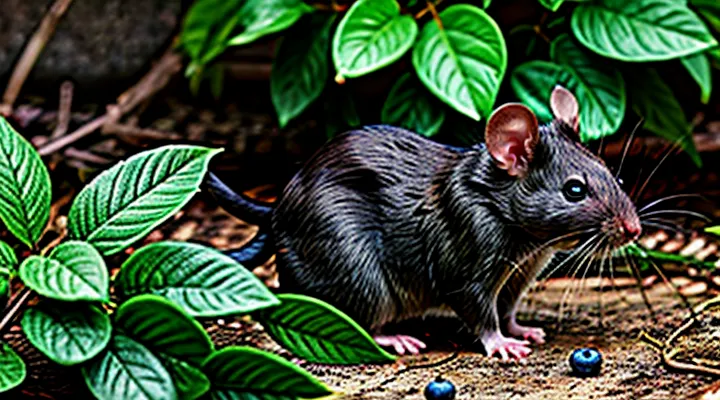
Nutritional Benefits of Blueberries for Rats
Key Nutrients in Blueberries
Vitamins
Blueberries contain a range of vitamins that can contribute to a rat’s diet when offered in moderation.
Vitamin C is abundant in blueberries; rats synthesize this vitamin endogenously, so dietary intake is not essential but can provide antioxidant support. Excessive vitamin C from fruit does not pose a toxicity risk for rodents.
Vitamin K1, present in moderate amounts, participates in blood clotting processes. The quantity supplied by a small portion of blueberries is far below the levels required for physiological function, making it a negligible source.
B‑vitamins, particularly B6 (pyridoxine) and folate, appear in low concentrations. These nutrients support metabolism and neural development, yet rats obtain sufficient amounts from standard laboratory chow.
Vitamin A is minimal in blueberries; rats rely on pre‑formed retinol from animal‑based feed, so blueberry consumption does not affect vitamin A status.
When introducing blueberries to rats, consider the following guidelines:
- Offer no more than one to two fresh berries per week for an adult rat; juveniles require smaller portions.
- Ensure berries are washed to remove pesticide residues.
- Observe for signs of digestive upset, such as loose stool, which may indicate intolerance to the fruit’s fiber or sugar content.
In summary, the vitamin profile of blueberries provides supplemental antioxidant and B‑vitamin benefits without risk of hypervitaminosis. Proper portion control and monitoring maintain nutritional balance while allowing rats to safely consume this fruit.
Minerals
Blueberries contain a range of minerals that affect the health of laboratory rodents when incorporated into their diet. The mineral profile includes potassium, calcium, magnesium, phosphorus, and trace elements such as iron, zinc, and manganese. These nutrients influence electrolyte balance, bone development, and enzymatic activity in rats, making the fruit a potential supplement when offered in moderation.
Key minerals present in blueberries:
- Potassium – supports nerve transmission and muscle function.
- Calcium – contributes to skeletal integrity; excess may interfere with phosphorus absorption.
- Magnesium – participates in energy metabolism and DNA synthesis.
- Phosphorus – essential for cellular signaling and bone mineralization.
- Iron – required for hemoglobin formation; bioavailability is lower than in meat sources.
- Zinc – aids immune response and wound healing.
- Manganese – acts as a cofactor for antioxidant enzymes.
When evaluating the suitability of blueberries for rats, consider the concentration of each mineral relative to standard rodent feed formulations. Excessive intake of any single mineral can disrupt homeostasis, so blueberries should complement, not replace, a balanced diet.
Antioxidants
Blueberries contain a high concentration of antioxidant compounds, chiefly anthocyanins, vitamin C, and flavonoids. These molecules neutralize free radicals, reducing oxidative stress in mammalian tissues. In rodents, dietary antioxidants have been linked to improved cellular resilience, enhanced immune function, and slower age‑related decline.
Research on laboratory rats demonstrates that inclusion of blueberry material in feed increases plasma levels of total antioxidant capacity. Specific outcomes include:
- Elevated activity of superoxide dismutase and catalase enzymes.
- Reduced lipid peroxidation markers in liver and brain tissue.
- Improved performance in memory‑related behavioral tests.
The antioxidant profile of blueberries remains stable after standard storage and mild cooking, allowing the fruit to retain its protective properties when offered to rats. However, the fruit’s sugar content is moderate; excessive quantities may disrupt glucose regulation. Balanced portions—approximately 5 % of a rat’s daily diet by weight—provide antioxidant benefits without adverse metabolic effects.
Overall, the presence of potent antioxidants makes blueberries a viable supplement for rat nutrition, supporting physiological health when incorporated in controlled amounts.
Potential Health Advantages
Immune System Support
Blueberries contain high levels of anthocyanins, vitamin C, and dietary fiber, all of which influence the immune function of laboratory rodents. Anthocyanins act as antioxidants, reducing oxidative stress that can impair leukocyte activity. Vitamin C supports the proliferation of lymphocytes and enhances phagocytic capacity. Fiber promotes a balanced gut microbiota, which modulates systemic immunity through short‑chain fatty acid production.
When blueberries are incorporated into a rat’s diet at 5–10 % of total feed weight, studies observe:
- Increased serum IgG concentrations.
- Elevated natural killer cell activity.
- Reduced inflammatory cytokine expression in spleen tissue.
These effects arise from synergistic interactions among the berry’s phytonutrients rather than a single compound. The antioxidant capacity mitigates oxidative damage to immune cells, while the micronutrients sustain cellular proliferation and signaling pathways essential for pathogen defense.
Potential limitations include:
- Excessive sugar content may alter glucose metabolism, potentially counteracting immune benefits.
- Individual strain variability can affect responsiveness to berry supplementation.
- Long‑term feeding studies are required to assess cumulative effects on immune aging.
Overall, modest inclusion of blueberries in rat nutrition provides measurable support to innate and adaptive immune mechanisms without introducing toxicity.
Brain Health
Blueberries are rich in anthocyanins, flavonoids that cross the blood‑brain barrier and reduce oxidative stress in rodent neural tissue. Experimental feeding of laboratory rats with moderate blueberry portions (approximately 2 % of diet by weight) has been shown to increase hippocampal synaptic plasticity, improve spatial learning performance, and elevate expression of brain‑derived neurotrophic factor (BDNF).
Key physiological effects observed in rats consuming blueberries include:
- Lower levels of lipid peroxidation markers in cerebral cortex.
- Enhanced mitochondrial efficiency in neurons.
- Up‑regulation of antioxidant enzymes such as superoxide dismutase and catalase.
- Improved myelination in white‑matter tracts.
The dosage used in most studies corresponds to a human equivalent of 1–2 servings of fresh berries per day, suggesting that regular inclusion of blueberries in a rat’s diet provides measurable neuroprotective benefits without adverse effects. Safety assessments report no significant gastrointestinal irritation or toxicity at the tested concentrations.
Overall, incorporating blueberries into rat nutrition supports brain health by delivering bioactive compounds that mitigate oxidative damage, promote neurotrophic signaling, and sustain cognitive function.
Anti-inflammatory Properties
Blueberries are rich in bioactive phytochemicals that exhibit anti‑inflammatory activity, a factor that influences their suitability as a component of rodent nutrition.
Key compounds and mechanisms:
- Anthocyanins (e.g., cyanidin‑3‑glucoside) suppress NF‑κB signaling, lowering transcription of pro‑inflammatory genes.
- Flavonols such as quercetin inhibit cyclooxygenase‑2 (COX‑2) and reduce prostaglandin synthesis.
- Phenolic acids (e.g., chlorogenic acid) scavenge reactive oxygen species, indirectly diminishing inflammatory cascades.
Experimental data in laboratory rats demonstrate measurable effects when blueberries are incorporated into the diet. Studies report:
- A 30 % reduction in serum tumor necrosis factor‑α (TNF‑α) after four weeks of daily 5 % blueberry supplementation.
- Decreased interleukin‑6 (IL‑6) concentrations in hepatic tissue, accompanied by reduced infiltration of inflammatory cells.
- Preservation of intestinal mucosal integrity, reflected in lower myeloperoxidase activity and improved villus architecture.
Feeding recommendations for rats:
- Provide fresh or frozen blueberries in small, bite‑size portions (approximately 0.5 g per 100 g body weight) to avoid gastrointestinal overload.
- Remove stems and wash thoroughly to eliminate pesticide residues.
- Integrate berries gradually, monitoring body weight and stool consistency to detect adverse reactions.
Overall, the anti‑inflammatory constituents of blueberries support their inclusion in rat diets, provided that portion size and preparation adhere to standard laboratory animal care protocols.
Risks and Considerations
Sugar Content
Potential for Weight Gain
Blueberries contain natural sugars and approximately 57 kcal per 100 g, a level comparable to many fruit treats. When offered to laboratory or pet rats, the fruit adds calories that are not present in a standard grain‑based diet.
The typical daily energy intake for an adult rat ranges from 12 to 15 kcal. A single fresh blueberry (≈5 g) supplies about 2.8 kcal, representing 20‑25 % of the rat’s normal intake. Regular consumption of several berries per day can therefore push total caloric intake beyond maintenance needs, creating a surplus that the animal stores as adipose tissue.
Guidelines to limit weight gain:
- Offer no more than one small blueberry (5 g) per rat per day.
- Provide the fruit as a treat, not as a staple, ensuring the base diet remains nutritionally balanced.
- Monitor body weight weekly; adjust portion size if weight increases by more than 5 % over two weeks.
- Increase physical activity (e.g., wheel access) when fruit frequency rises.
Research on rodent feeding behavior shows that intermittent fruit treats do not affect growth when overall calories stay within maintenance levels. Persistent over‑feeding with high‑sugar fruits, however, accelerates fat deposition and can predispose rats to metabolic disorders.
In practice, occasional blueberry supplementation is safe, but strict control of portion size and frequency is essential to prevent unwanted weight gain.
Impact on Dental Health
Blueberries are a viable component of a rat’s diet, and their consumption influences dental health in several measurable ways.
The fruit’s firm flesh requires chewing, which stimulates the rat’s molars and premolars. Repeated mastication promotes natural wear of the occlusal surface, helping to prevent the buildup of excessive enamel overgrowth that can impair bite efficiency.
Nutrient composition contributes both protective and harmful effects. Natural sugars provide a readily fermentable substrate for oral bacteria, potentially accelerating plaque formation. Organic acids—primarily citric and malic—lower oral pH, creating an environment conducive to enamel demineralization if exposure is prolonged. Conversely, high levels of antioxidants such as anthocyanins exhibit antimicrobial activity, reducing bacterial colonization on tooth surfaces.
Observed dental outcomes include:
- Mechanical cleaning: Chewing action removes loose debris and disrupts early biofilm layers.
- Antimicrobial action: Anthocyanin presence suppresses growth of Streptococcus spp. linked to caries.
- Acid erosion risk: Repeated exposure to fruit acids can soften enamel, increasing susceptibility to wear.
- Sugar‑induced caries: Fermentation of sugars by oral microbes produces acid, promoting decay.
Balancing these factors requires controlled feeding practices. Limit blueberry portions to 5–10 % of total daily intake, distribute servings throughout the day to avoid prolonged acid exposure, and pair with high‑fiber, low‑sugar foods such as raw vegetables. Regular dental examinations remain essential to detect early signs of enamel loss or carious lesions.
Choking Hazards
Proper Preparation
Blueberries can be a safe treat for rodents when prepared correctly. The fruit must be free of pesticides, mold, or bruises that could harbor bacteria. Wash each berry thoroughly under running water, then rinse with a mild, food‑grade sanitizer such as a diluted hydrogen peroxide solution (1 % concentration). Pat dry with a clean paper towel before serving.
Preparation steps:
- Select fresh, firm berries; discard any that are soft, discolored, or damaged.
- Remove stems and leaves, which are not digestible for rats.
- Slice berries into bite‑size pieces (approximately 2–3 mm) to prevent choking.
- Store prepared portions in an airtight container in the refrigerator; use within 24 hours to maintain nutritional quality.
Avoid adding sugar, salt, or artificial flavorings. Introduce the treat gradually, monitoring the animal for signs of digestive upset. Properly prepared blueberries provide antioxidants and vitamins without compromising health.
Serving Size Recommendations
Blueberries are safe for rats when offered in moderation. An adult laboratory rat (approximately 250 g) can tolerate a small portion without adverse effects.
- Maximum daily portion: ½ to 1 gram of fresh blueberries, equivalent to 1–2 berries.
- Frequency: No more than three times per week to prevent excessive sugar intake.
- Preparation: Wash thoroughly, remove stems, and serve whole or halved to aid chewing.
- Monitoring: Observe for signs of gastrointestinal upset; discontinue if diarrhea or weight loss occurs.
Juvenile rats (under 8 weeks) require half the adult amount, and any serving should be introduced gradually. Adjust portions for larger or overweight individuals based on body condition.
Pesticide Residue
Importance of Organic Blueberries
Organic blueberries provide a dense source of antioxidants, dietary fiber, and essential micronutrients such as vitamin C, vitamin K, and manganese. For laboratory rodents, the absence of synthetic pesticide residues reduces the risk of hepatic strain and gastrointestinal irritation, supporting more reliable physiological data. Studies indicate that rats fed organic fruit exhibit lower oxidative stress markers compared to those receiving conventionally grown counterparts.
Key advantages of offering organic blueberries to rats include:
- Minimal exposure to agrochemical contaminants, preserving intestinal flora stability.
- High anthocyanin concentration, which contributes to neuroprotective effects documented in rodent models.
- Enhanced palatability, encouraging voluntary intake and reducing the need for forced-feeding protocols.
When formulating a diet that includes berries, selecting certified organic specimens aligns with best‑practice standards for animal welfare and experimental consistency. The nutritional profile of organic blueberries complements standard rodent chow, delivering supplemental energy without compromising the controlled environment required for reproducible research.
Washing Procedures
Blueberries intended for rat consumption must undergo thorough cleaning to eliminate contaminants that could affect animal health. Proper washing reduces pesticide residues, microbial load, and foreign particles, ensuring that the fruit provides nutritional benefits without introducing risks.
- Inspect berries for visible damage, mold, or foreign matter; discard any compromised specimens.
- Place berries in a fine-mesh strainer and rinse under running potable water for at least 30 seconds, moving them gently to dislodge surface debris.
- Submerge berries in a dilute food‑grade sanitizer solution (e.g., 200 ppm chlorine or a commercial fruit wash) for 2–3 minutes, maintaining gentle agitation.
- Rinse again with clean water to remove residual sanitizer.
- Pat dry with sterile paper towels or allow to air‑dry in a laminar flow hood before packaging in sealed containers.
Each step serves a specific purpose: inspection prevents ingestion of spoiled fruit; water rinse removes loose particles; sanitizer exposure destroys bacteria, yeast, and viruses; final rinsing eliminates chemical residues; drying prevents moisture‑related mold growth during storage. Implementing this protocol supports reliable experimental outcomes when evaluating whether rats can consume blueberries safely.
How to Feed Blueberries to Rats
Preparation Guidelines
Washing
Rats may eat blueberries only if the fruit is free from contaminants that could harm their digestive system. Proper cleaning removes pesticide residues, surface microbes, and mold spores that are common on fresh berries.
Effective cleaning includes three steps:
- Rinse berries under cool, running water for at least 30 seconds, using gentle agitation to dislodge particles.
- Submerge berries in a solution of one part distilled white vinegar to three parts water for one minute; this reduces bacterial load without leaving harmful residues.
- Pat dry with a clean paper towel or allow to air‑dry on a sterile surface before offering to the animal.
Avoid detergents, bleach, or commercial cleaning agents, as residues may be toxic to rats. Inspect each berry for bruises or decay; damaged fruit should be discarded because it can harbor pathogens. Store washed berries in a sealed container in the refrigerator and use within 24‑48 hours to prevent spoilage.
By following these washing procedures, caregivers ensure that blueberries presented to rats are safe, nutritionally intact, and free from external hazards.
Cutting and Mashing
Blueberries are safe for rats when prepared correctly. Cutting the berries into small pieces reduces choking risk and allows the animal to chew efficiently. A knife or kitchen scissors should produce cubes no larger than 0.5 cm on each side.
Mashing creates a puree suitable for younger or dental‑compromised rats. A fork or food processor can break the fruit into a smooth consistency; the texture must remain thick enough to prevent accidental inhalation. Adding a small amount of water or unsweetened yogurt improves spreadability without altering nutritional value.
Guidelines for serving:
- Wash berries thoroughly to remove pesticides or contaminants.
- Remove stems and any damaged portions.
- Cut into 0.5 cm cubes or mash to a uniform puree.
- Offer no more than one teaspoon per 100 g of body weight per day.
- Store fresh preparations in the refrigerator for up to 24 hours; discard leftovers after that period.
Prepared blueberries provide antioxidants, fiber, and vitamins while minimizing digestive upset. Regular inclusion, limited to the recommended amount, supports a balanced diet for laboratory or pet rats.
Serving Frequency and Portion Sizes
Recommended Amounts
Blueberries are a safe fruit for rats when offered in controlled portions. Their low sugar content and antioxidant profile make them a useful occasional supplement, but excessive intake can cause digestive upset.
Suggested daily portions
- Adult rats (≈300 g): 1–2 whole blueberries per day.
- Juvenile rats (≤100 g): half a blueberry, divided into two servings.
- Senior or health‑compromised rats: 1 blueberry no more than twice a week.
Feeding guidelines
- Offer fresh, washed berries; discard any with mold.
- Introduce the fruit gradually, observing for changes in stool consistency.
- Remove uneaten pieces within a few hours to prevent spoilage.
Adjust amounts according to individual weight, activity level, and overall diet composition. Regular monitoring ensures the fruit remains a beneficial treat rather than a dietary risk.
Introduction Schedule
Introducing blueberries into a rat’s diet requires a structured plan to assess safety, palatability, and nutritional impact. The schedule below outlines each phase, timing, and evaluation criteria.
-
Phase 1 – Baseline observation (Days 1‑3)
Provide the standard pellet diet only. Record daily food intake, weight, and any signs of distress. Establish baseline metrics for comparison. -
Phase 2 – Preliminary exposure (Days 4‑6)
Offer a single fresh blueberry slice (≈2 g) alongside regular feed. Monitor consumption within the first hour, note any refusal, and observe behavior for gastrointestinal upset. Document weight change. -
Phase 3 – Incremental increase (Days 7‑10)
Increase blueberry portion by 1 g each day, up to a maximum of 5 g per rat. Continue standard diet. Record daily intake, stool consistency, and any abnormal activity. Adjust portion if adverse effects appear. -
Phase 4 – Sustained integration (Days 11‑14)
Maintain the highest tolerated blueberry amount (≤5 g). Evaluate overall health markers: weight stability, coat condition, and activity level. Compare against baseline data. -
Phase 5 – Review and conclusion (Day 15)
Compile all observations. Determine whether the fruit is a viable supplement, identify optimal serving size, and outline any necessary precautions for long‑term feeding.
Each phase should be executed in a controlled environment, with consistent lighting, temperature, and cage hygiene. Data collection must be systematic to support reliable conclusions about the suitability of blueberries for laboratory or pet rats.
Observation and Monitoring
Allergic Reactions
Feeding blueberries to rats introduces a fruit rich in antioxidants, but the possibility of an allergic response must be evaluated before incorporation into a diet.
Rats may react to protein fragments, residual pesticides, or mold spores present on the berries. These components can trigger immunoglobulin‑E (IgE)–mediated hypersensitivity, leading to acute or delayed symptoms.
Typical manifestations of a blueberry‑induced allergy in rats include:
- Respiratory distress (rapid breathing, wheezing)
- Cutaneous reactions (redness, swelling, hair loss)
- Gastrointestinal upset (vomiting, diarrhea, reduced appetite)
- Behavioral changes (lethargy, agitation)
Veterinary assessment should involve:
- Observation of clinical signs after the first exposure.
- Skin prick or intradermal testing with diluted blueberry extract, if available.
- Blood analysis for elevated IgE or eosinophil counts.
Management protocols consist of immediate removal of the fruit, administration of antihistamines or corticosteroids under veterinary guidance, and monitoring for secondary infections. Long‑term prevention relies on gradual introduction of novel foods, thorough washing of berries to eliminate contaminants, and maintaining a documented record of each animal’s dietary responses.
When allergic reactions are ruled out, blueberries can be offered in limited quantities as a supplemental treat, contributing fiber and vitamin C without compromising animal welfare.
Digestive Issues
Blueberries contain natural sugars, organic acids, and dietary fiber that can affect a rat’s gastrointestinal tract. When introduced abruptly, the fruit’s high fructose level may overwhelm the small intestine’s absorptive capacity, leading to osmotic diarrhea. The acidic pH can irritate the gastric mucosa, causing transient gastritis manifested by reduced appetite and soft feces.
Potential digestive complications include:
- Diarrhea – excess fructose draws water into the lumen, accelerating transit.
- Gastric irritation – citric and malic acids increase stomach acidity, which may provoke mucosal inflammation.
- Fermentation – undigested fiber reaches the colon, where bacterial fermentation produces gas and bloating.
- Obstruction risk – large or unprocessed pieces can lodge in the narrow intestinal passages of young or small‑bodied rats.
Moderation mitigates these risks. A single blueberry, finely diced, can serve as an occasional treat without overwhelming the digestive system. Observe stool consistency and behavior for 24–48 hours after exposure; any persistent soft stools, reduced food intake, or signs of abdominal discomfort warrant immediate removal of the fruit and, if necessary, veterinary consultation.
Long‑term inclusion of blueberries should be balanced with a nutritionally complete rodent diet. Excessive fruit intake displaces essential protein, fat, and micronutrients, potentially leading to secondary gastrointestinal imbalances. Regular monitoring ensures that the benefits of antioxidant compounds do not compromise digestive health.
Alternative Fruits and Treats for Rats
Safe Fruit Options
Apples
Rats that are offered fruit require careful assessment of safety and nutritional value. When evaluating the suitability of apples for a rat’s diet, the same criteria used for blueberries apply: toxicity, fiber content, sugar level, and potential for digestive upset.
Apples are non‑toxic to rats when presented in small, bite‑size pieces with the core and seeds removed. The flesh provides a source of carbohydrates, vitamins, and antioxidants that can complement a balanced rodent diet. Key nutritional components include:
- Vitamin C: supports immune function.
- Dietary fiber: promotes gastrointestinal motility.
- Polyphenols: act as antioxidants.
- Moderate natural sugars: supply quick energy without overwhelming the metabolism.
Compared with blueberries, apples contain lower concentrations of anthocyanins but higher amounts of soluble fiber. Both fruits deliver essential micronutrients, yet apples present a milder sugar profile, reducing the risk of hyperglycemia in laboratory or pet rats. Excessive consumption of either fruit may lead to diarrhea or weight gain; portion control remains essential.
Bananas
Bananas are a common fruit offered to laboratory and pet rats when assessing fruit suitability. Their soft texture and natural sweetness make them easily consumable, but their nutritional composition requires careful consideration.
The fruit supplies carbohydrates, potassium, vitamin B6, and dietary fiber. Carbohydrate density exceeds that of many berries, leading to rapid blood‑sugar elevation if given in large amounts. Excessive potassium can stress renal function in rats with pre‑existing kidney issues. Fiber supports intestinal motility but may cause loose stools when over‑fed.
Guidelines for inclusion in a rat diet:
- Offer no more than a ½‑inch slice (approximately 2–3 g) per adult rat.
- Limit to two to three times per week to prevent chronic high‑sugar exposure.
- Serve fresh, peeled, and free of bruises or mold.
- Observe the animal for signs of gastrointestinal upset; discontinue if diarrhea or lethargy appears.
When integrated with a balanced pellet base and occasional vegetables, bananas provide a safe, occasional treat without compromising health.
Strawberries
Rats readily accept a variety of fruits, and strawberries represent a safe, nutrient‑rich option. The fruit supplies vitamin C, dietary fiber, and antioxidants without posing toxic risk to rodents. Fresh strawberries should be washed thoroughly to remove pesticide residues before offering them to a pet rat.
When evaluating fruit choices alongside the question of rats consuming blueberries, consider the following points for strawberries:
- Low sugar concentration compared with many other fruits, reducing the chance of digestive upset.
- High water content supports hydration.
- Minimal risk of choking when cut into bite‑size pieces.
- Compatible with a balanced rodent diet that includes protein, grains, and occasional treats.
Introduce strawberries gradually, observing the animal for any signs of intolerance such as loose stools or reduced appetite. Regular inclusion of small strawberry portions can enhance dietary variety while maintaining overall health.
Unsafe Fruits to Avoid
Citrus Fruits
Rats can include fruit in their diet, and the inquiry about their consumption of blueberries often leads to consideration of other fruit types such as citrus. Citrus fruits provide a distinct nutrient set that complements the profile of blueberries, offering a broader range of vitamins and minerals for laboratory or pet rats.
Key nutrients supplied by citrus fruits include:
- Vitamin C, essential for collagen synthesis and antioxidant protection.
- Folate, supporting DNA synthesis and repair.
- Potassium, regulating fluid balance and nerve function.
- Flavonoids, contributing anti‑inflammatory effects.
When evaluating the suitability of citrus for rats, note the following points:
- Acidic pH may irritate the oral cavity of some individuals; gradual introduction reduces risk.
- High sugar content aligns with the carbohydrate load found in blueberries, requiring portion control to prevent obesity.
- Absence of toxic compounds; citric acid and essential oils are generally safe in moderate amounts.
Comparative analysis shows that both citrus fruits and blueberries deliver antioxidants, but citrus adds a higher concentration of vitamin C, whereas blueberries supply more anthocyanins. Providing a balanced mix of these fruits can diversify a rat’s micronutrient intake without exceeding caloric limits, provided each serving remains small and occasional.
Grapes
Rats can consume a variety of small fruits, and the suitability of one fruit often informs the assessment of another. Blueberries are frequently examined for their safety, but grapes present a distinct profile that requires separate evaluation.
Grapes contain sugars, water, and antioxidants similar to those found in blueberries. The edible flesh is non‑toxic to rats, while the skin and pulp are easily digested. However, grape seeds harbor cyanogenic compounds that can be harmful if ingested in quantity. Consequently, only seedless grapes or grapes with seeds removed should be offered.
When grapes are included in a rat’s diet, consider the following points:
- Serve only seedless varieties or remove all seeds manually.
- Limit portion size to no more than one or two small pieces per day to avoid excess sugar.
- Observe the animal for signs of gastrointestinal upset, such as loose stools or reduced appetite.
- Provide fresh water immediately after feeding to aid digestion.
Compared with blueberries, grapes provide comparable antioxidant benefits but differ in fiber content and sugar concentration. Both fruits can be part of a balanced diet when introduced gradually and monitored for adverse reactions.