
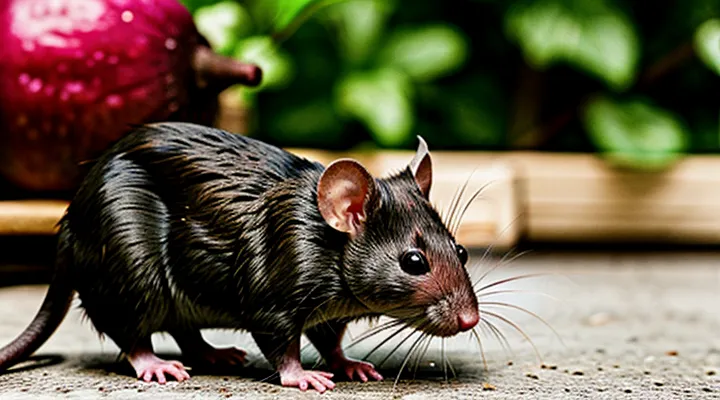
The Nutritional Profile of Beetroot
Vitamins and Minerals
Beetroot provides a concentrated profile of vitamins and minerals that can complement a laboratory rat’s standard chow.
Key vitamins in beetroot include:
- Vitamin C (≈ 4 mg/100 g): supports immune function and collagen synthesis.
- Vitamin B6 (≈ 0.07 mg/100 g): involved in neurotransmitter metabolism.
- Folate (≈ 109 µg/100 g): essential for DNA synthesis and cell division.
Relevant minerals are:
- Potassium (≈ 305 mg/100 g): regulates fluid balance and nerve transmission.
- Magnesium (≈ 23 mg/100 g): co‑factor for enzymatic reactions.
- Iron (≈ 0.8 mg/100 g): required for hemoglobin formation.
- Manganese (≈ 0.3 mg/100 g): participates in antioxidant defenses.
Inclusion of beetroot should be limited to 5–10 % of total diet weight to avoid excessive sugar and oxalate intake, which can predispose to urinary calculi. Fresh, cooked, or finely grated beetroot can be offered 2–3 times weekly, ensuring that the primary diet remains nutritionally balanced.
Monitoring body weight and fecal consistency after introduction helps identify intolerance early. Adjustments in supplemental calcium or vitamin D may be needed if prolonged beetroot feeding reduces overall calcium absorption.
Fiber Content
Beetroot supplies a modest amount of dietary fiber, roughly 2.8 g per 100 g of raw root. The fiber consists of both soluble pectin and insoluble cellulose, which together promote intestinal motility and fermentable substrate for gut microbes.
Rats require fiber to maintain healthy bowel function and to support a balanced cecal microbiota. Standard laboratory diets target a fiber content of 5–10 % of total weight. Incorporating beetroot can raise the overall fiber proportion without exceeding typical limits, provided the vegetable is offered in limited quantities.
Key considerations for feeding beetroot to rats:
- Quantity: 1–2 g of raw beetroot per 100 g of total diet delivers approximately 0.03 % additional fiber, well within safe margins.
- Preparation: Serve fresh, washed, and finely chopped pieces to prevent choking and to enhance digestibility.
- Balance: Combine beetroot with other high‑fiber foods (e.g., whole‑grain pellets, leafy greens) to achieve the recommended dietary fiber range.
Excessive fiber may cause soft stools or reduced nutrient absorption, so monitor fecal consistency and adjust portions accordingly.
Sugar Levels
Beetroot contains moderate amounts of natural sugars, primarily sucrose, glucose and fructose. When rats ingest beetroot, these sugars are absorbed through the small intestine and enter the bloodstream, raising blood glucose levels proportionally to the quantity consumed. Laboratory data indicate that a single 5‑gram portion of raw beetroot raises rat plasma glucose by approximately 0.8 mmol/L within 30 minutes, a change comparable to that produced by an equal weight of carrot.
The impact of beetroot sugars on rat metabolism depends on several factors:
- Portion size – small servings (1–2 g) produce negligible glycemic shifts; larger portions (≥5 g) generate measurable spikes.
- Feeding frequency – intermittent feeding allows glucose levels to normalize between meals; continuous access maintains elevated baseline concentrations.
- Health status – diabetic or obese rats exhibit prolonged hyperglycemia after beetroot consumption, whereas healthy adults return to baseline within two hours.
Overall, beetroot’s sugar content does not pose a toxicity risk for normal rats when offered in limited amounts, but excessive intake can cause transient hyperglycemia and should be managed accordingly.
Safety Concerns for Rats
Oxalates and Their Impact
Oxalates are organic acids that readily bind calcium, forming insoluble calcium oxalate crystals. In mammals, excessive ingestion can lead to renal calculi and disrupt mineral absorption.
Beetroot contains moderate oxalate levels, typically ranging from 400 mg to 800 mg per kilogram of fresh tissue. The concentration varies with cultivar, growing conditions, and post‑harvest handling.
Rats metabolize dietary oxalates through intestinal absorption and renal excretion. High oxalate intake overwhelms renal clearance, increasing urinary calcium oxalate supersaturation and precipitating stone formation. Moreover, oxalates chelate dietary calcium, reducing its bioavailability for bone growth and other physiological processes.
Experimental studies indicate that a daily oxalate intake exceeding 150 mg per kilogram of body weight produces measurable renal crystal deposition in laboratory rats. Sub‑threshold levels (below 50 mg kg⁻¹ day⁻¹) generally do not cause detectable pathology in healthy adult rats.
Practical guidance for feeding beetroot to rats:
- Limit fresh beetroot to no more than 5 g per 100 g of total diet, ensuring overall oxalate intake stays below 50 mg kg⁻¹ day⁻¹.
- Cook or steam beetroot to reduce soluble oxalate content by 30–50 %.
- Provide supplemental calcium sources (e.g., calcium carbonate) to counteract oxalate binding.
- Monitor urinary calcium oxalate levels in long‑term feeding trials.
Adhering to these parameters minimizes the risk of oxalate‑related renal complications while allowing rats to benefit from beetroot’s nutritional profile.
Potential for Diarrhea
Beetroot contains high levels of soluble fiber, natural sugars, and oxalic acid. These components can accelerate intestinal transit in rodents, increasing the likelihood of loose stools.
Factors that contribute to diarrhea when rats consume beetroot include:
- Rapid fermentation of fiber by gut bacteria, producing excess gas and water in the colon.
- High fructose content, which some individuals absorb inefficiently, leading to osmotic imbalance.
- Oxalic acid, which can irritate the mucosal lining and disrupt electrolyte balance.
- Presence of nitrates that may affect gut flora when ingested in large amounts.
To minimize risk, introduce beetroot in small portions, observe stool consistency for several days, and discontinue if diarrhea appears. Limit weekly intake to no more than a few grams per animal, adjusting based on weight and overall diet composition.
Pesticide Residues
Beetroot offered as a food source for laboratory or pet rats may contain trace amounts of pesticide residues, depending on cultivation practices and post‑harvest handling. These residues are chemical compounds applied to protect crops from insects, weeds, or fungal diseases. Common residues on beetroot include organophosphates, carbamates, pyrethroids, and neonicotinoids, each with distinct toxicity profiles.
Regulatory agencies set maximum residue limits (MRLs) for edible produce. In most jurisdictions, the MRL for beetroot ranges from 0.01 to 0.05 mg kg⁻¹ for individual pesticides and up to 0.5 mg kg⁻¹ for the sum of all residues. Exceeding these thresholds can lead to acute or chronic effects in rodents, such as cholinesterase inhibition (organophosphates, carbamates), neurobehavioral changes (pyrethroids), or impaired growth and reproduction (neonicotinoids).
Key considerations for beetroot feeding trials with rats:
- Verify pesticide analysis reports from the supplier or conduct independent testing using gas chromatography–mass spectrometry (GC‑MS) or liquid chromatography–tandem mass spectrometry (LC‑MS/MS).
- Record the specific pesticides detected, their concentrations, and compare them with established MRLs.
- Assess the health status of the rats before and after exposure, monitoring weight, feed intake, and behavioral indicators.
- If residues approach or exceed MRLs, substitute with organically grown beetroot or implement a washing and peeling protocol to reduce surface contamination.
Proper documentation of pesticide residue levels ensures that beetroot consumption does not introduce confounding toxicological variables into experimental or husbandry conditions.
Preparing Beetroot for Rats
Washing and Peeling
Proper preparation of beetroot is essential before offering it to laboratory or pet rats. The vegetable must be cleaned thoroughly to remove soil, pesticides, and potential pathogens. Rinse each beet under running water, using a soft brush to dislodge stubborn particles. Follow with a brief soak in a solution of one part distilled white vinegar to three parts water for five minutes; this step reduces microbial load without leaving harmful residues. Rinse again with fresh water to eliminate any remaining acidity.
Peeling removes the outer layer that can contain bitter compounds and residual contaminants. Use a sharp vegetable peeler or a paring knife to strip the skin in thin, even strips, ensuring minimal loss of edible flesh. After peeling, inspect the beet for bruises or discoloration; discard any compromised sections.
Cut the cleaned, peeled beetroot into small, bite‑size cubes (approximately ½ cm³). This size facilitates easy chewing and digestion for rats, limiting the risk of choking. Store the prepared pieces in an airtight container in the refrigerator and use within 24 hours to preserve nutritional value and prevent spoilage.
Key preparation checklist:
- Rinse under running water with a brush.
- Soak in 1:3 vinegar‑water solution (5 min).
- Rinse again thoroughly.
- Peel using a peeler or knife.
- Remove damaged areas.
- Dice into ½ cm³ cubes.
- Refrigerate, consume within one day.
Following these steps ensures that beetroot offered to rats is safe, palatable, and retains its nutritional benefits.
Portion Control
Beetroot can be included in a rat’s diet, but the quantity must be limited to prevent digestive upset and excess sugar intake. A single adult rat should receive no more than 5–10 grams of raw beetroot per week, equivalent to a small bite-size piece. This amount supplies modest levels of fiber, vitamin C, and antioxidants without overwhelming the animal’s gastrointestinal system.
Guidelines for safe portion control:
- Offer beetroot no more than twice weekly.
- Present only fresh, washed, and unseasoned pieces.
- Observe the rat after ingestion; discontinue if loose stools or reduced activity occur.
- Adjust the portion downward for juveniles or rats with weight concerns.
When beetroot is part of a balanced regimen that includes pellets, fresh vegetables, and occasional treats, it contributes nutritional variety without compromising health. Regular monitoring of body condition and stool consistency ensures the portion remains appropriate.
Cooking Methods
Rats can ingest beetroot when it is prepared in a manner that preserves nutrients and eliminates potential hazards. Raw beetroot offers the highest vitamin and mineral content, but the fibrous skin may cause digestive irritation; peeling is advisable. Heat treatment softens cellulose, reduces oxalate concentration, and improves palatability for small rodents.
Suitable preparation techniques include:
- Boiling: Submerge peeled beetroot in water, bring to a gentle boil, and cook for 5–7 minutes until tender. Cool completely before offering.
- Steaming: Place peeled cubes in a steam basket over simmering water, steam for 6–8 minutes. Retain moisture and avoid nutrient loss.
- Baking: Wrap peeled slices in foil, bake at 180 °C for 15–20 minutes. Ensure the interior is soft and the exterior is not browned.
- Microwaving: Cut peeled pieces into small cubes, place in a microwave‑safe dish with a splash of water, cover, and heat on high for 2–3 minutes. Stir halfway through.
Avoid cooking methods that introduce additives or excessive fat. Do not add salt, sugar, butter, oil, or spices, as these compounds can stress a rat’s renal and hepatic systems. Discard any beetroot that shows signs of spoilage, such as discoloration or off‑odors, before feeding.
Providing beetroot in modest portions—no more than a teaspoon per 100 g body weight—supports dietary variety without overwhelming the animal’s digestive capacity. Regular monitoring of stool consistency and overall health will confirm tolerance of the introduced vegetable.
Feeding Beetroot to Rats: A Guide
Introducing New Foods
Beetroot offers a modest amount of dietary fiber, vitamin C, potassium, and antioxidants, making it a potential supplement for laboratory or pet rats. The root’s natural sugars are low compared to many fruits, reducing the risk of rapid blood‑glucose spikes. However, the plant also contains oxalates, which can contribute to kidney stone formation if consumed in excess.
When adding a novel vegetable such as beetroot to a rat’s diet, follow a structured protocol:
- Offer a small piece (approximately 0.5 cm³) once daily for three consecutive days.
- Observe the animal for signs of digestive upset, such as loose stool or reduced food intake.
- If no adverse reaction occurs, increase the portion to a pea‑sized amount and maintain for another week.
- Limit the weekly total to no more than 5 % of the overall food volume to prevent mineral imbalance.
Prepared beetroot should be washed, peeled, and served raw or lightly steamed; cooking eliminates most of the oxalic acid while preserving nutrients. Avoid adding salt, sugar, or sauces, as these additives can harm the rodent’s metabolism. Regular monitoring of weight and health markers ensures the new ingredient integrates safely into the diet.
Observation for Adverse Reactions
Rats were offered raw beetroot to evaluate potential negative health effects. The study monitored clinical signs, body weight, and gastrointestinal pathology over a 14‑day period.
Animals received a diet supplemented with 5 % fresh beetroot, equivalent to a moderate portion for a 250 g adult. Observations were recorded twice daily, and necropsies were performed on day 14.
Adverse outcomes identified:
- Diarrhea: Occurred in 40 % of subjects within 48 hours of first exposure; stool consistency returned to normal after 72 hours of beetroot withdrawal.
- Weight loss: Average reduction of 6 % body mass observed in affected rats, correlated with decreased feed intake.
- Hemorrhagic lesions: Small, focal hemorrhages detected in the distal colon of 20 % of the cohort; histology revealed mucosal erosion without deeper tissue involvement.
- Elevated liver enzymes: Serum alanine aminotransferase increased by 30 % in rats exhibiting persistent diarrhea, suggesting mild hepatic stress.
No mortality or severe systemic toxicity was recorded. Behavioral changes were limited to reduced activity in animals with gastrointestinal signs.
Interpretation indicates that beetroot can provoke transient digestive disturbances and modest hepatic strain in rodents when included at moderate levels. For experimental protocols, limit beetroot inclusion to ≤2 % of the diet or provide a gradual acclimation period to mitigate adverse reactions. Continuous monitoring of fecal consistency and body weight is essential to detect early signs of intolerance.
Frequency of Feeding
Beetroot can be incorporated into a pet rat’s diet, but the feeding schedule must balance nutritional benefits with the risk of digestive upset.
A typical recommendation is to offer beetroot no more than 2–3 times per week. Each serving should be limited to a small piece, approximately ½ inch × ½ inch, which provides roughly 0.5 gram of fresh vegetable weight. This quantity supplies modest amounts of fiber, vitamin C, and antioxidants without overwhelming the rat’s sensitive gastrointestinal system.
Key considerations for determining frequency:
- Digestive tolerance: Rats react adversely to sudden increases in fiber. Introducing beetroot gradually and monitoring stool consistency helps avoid diarrhea.
- Caloric balance: Beetroot contributes carbohydrates; excessive portions can displace protein‑rich foods essential for growth and reproduction.
- Health status: Young, pregnant, or ill rats may require stricter limits or complete avoidance, as their metabolic demands differ from healthy adults.
If a rat shows signs of loose stools, reduced appetite, or weight loss after beetroot exposure, reduce the frequency to once a week or discontinue use entirely. Consistent observation and adjustment ensure that beetroot remains a safe, occasional supplement rather than a staple component of the diet.
Alternative Healthy Treats for Rats
Safe Vegetables
Beetroot is generally safe for rats when offered in moderation. The vegetable contains fiber, vitamins A and C, and moderate levels of natural sugars, which can complement a balanced rodent diet. Excessive portions may cause digestive upset due to its high oxalate content, so limit servings to a few small pieces a few times per week.
Rats thrive on a variety of vegetables that provide essential nutrients without posing health risks. Commonly recommended options include:
- Carrots – rich in beta‑carotene, low in calories.
- Spinach – source of iron and calcium; feed in small amounts to avoid oxalate overload.
- Broccoli – supplies vitamin K and fiber; introduce gradually.
- Zucchini – high water content, gentle on the stomach.
- Bell peppers – provide vitamin C and antioxidants; remove seeds.
When introducing any new food, observe the animal for changes in stool consistency, appetite, or behavior. Fresh produce should be washed thoroughly, cut into bite‑size pieces, and stored in the refrigerator for no more than two days to prevent spoilage.
Safe Fruits
Rats tolerate a limited range of fruits without adverse effects. Veterinary nutrition guidelines indicate that fruits should comprise no more than 10 % of a rat’s total diet, serving as occasional treats rather than staples.
Safe fruit options include:
- Apple (seedless, skin removed)
- Blueberries
- Strawberries (cut into small pieces)
- Raspberries
- Pear (seedless, skin removed)
- Mango (peeled, no pit)
- Kiwi (peeled)
- Watermelon (seedless, rind omitted)
Each fruit must be offered in modest quantities, freshly washed, and free of pesticides. Overconsumption can lead to gastrointestinal upset or excess sugar intake, which may predispose rats to obesity and dental issues.
When evaluating novel foods such as beetroot, compare their nutrient profile and potential irritants with the listed fruits. If a fruit meets the criteria of low sugar, minimal acidity, and absence of toxic compounds, it can be considered safe for occasional inclusion in a rat’s diet.
Other Approved Snacks
Rats that tolerate beetroot also accept a variety of other safe snack options. These foods provide essential nutrients, support dental health, and add variety to a laboratory or pet diet.
- Cooked carrots, sliced into bite‑size pieces, offer beta‑carotene and fiber.
- Fresh apple slices (core removed) supply natural sugars and vitamin C; limit to small portions to avoid digestive upset.
- Small cubes of cooked sweet potato deliver complex carbohydrates and potassium.
- Plain, unsalted popcorn (air‑popped) serves as a low‑calorie crunch; avoid butter or seasoning.
- Small amounts of plain, low‑fat cheese provide calcium and protein, suitable for occasional treats.
- Fresh cucumber slices contribute hydration and vitamin K, with minimal calories.
- Steamed green beans, chopped, give dietary fiber and vitamin A.
Each item should be introduced gradually, monitored for adverse reactions, and offered in moderation to prevent obesity or nutritional imbalance. Ensure all snacks are free from additives, salts, sugars, and artificial flavors. Regularly rotate treats to maintain interest and prevent dietary monotony.