
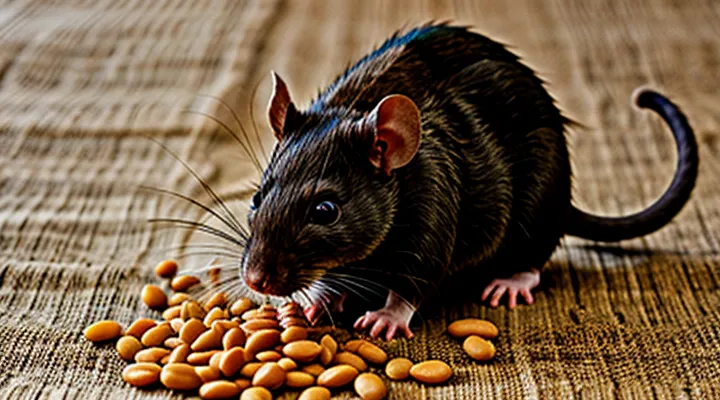
Understanding Rat Diet Basics
Essential Nutritional Needs of Rats
Rats require a balanced intake of protein, fat, carbohydrates, vitamins, and minerals to sustain growth, reproduction, and immune function. Protein should represent 14‑20 % of the diet, supplying essential amino acids such as lysine and methionine. Fat contributes 5‑10 % of calories, delivering linoleic acid and vitamin E for membrane integrity and antioxidant protection. Carbohydrates supply energy, but excess simple sugars can predispose rats to obesity and dental disease.
Key micronutrients include calcium, phosphorus, magnesium, potassium, and trace elements like zinc and iron. Calcium‑phosphorus ratio must stay near 1:1 to prevent skeletal abnormalities. Vitamin C is not required because rats synthesize it, yet vitamin A, D3, and B‑complex vitamins remain critical for vision, calcium metabolism, and neurological health.
Legumes such as beans introduce plant protein and fiber, but also antinutrients that interfere with mineral absorption. When considering beans as a supplement, observe the following guidelines:
- Cook beans thoroughly to deactivate lectins and phytohemagglutinins.
- Limit portion size to 5‑10 % of total daily calories to avoid excess phosphorus and potassium.
- Monitor for gastrointestinal upset; discontinue if diarrhea or bloating occurs.
- Complement bean meals with a calcium‑rich source (e.g., fortified pellet) to maintain mineral balance.
Meeting the rat’s essential nutritional requirements while incorporating legumes demands careful formulation, precise cooking, and regular health observation.
Foods to Avoid in a Rat's Diet
Rats require a balanced diet that supports dental health, digestive function, and immune resilience. Certain foods compromise these systems and must be excluded from daily feeding.
- Citrus fruits (oranges, lemons, grapefruits) – high acidity damages enamel and can cause stomach irritation.
- Chocolate and caffeine‑containing products – contain theobromine and caffeine, which are toxic at low doses, leading to cardiac and neurological disturbances.
- Raw potatoes and green tomatoes – contain solanine, a glycoalkaloid that induces vomiting, diarrhea, and neurological symptoms.
- Onions, garlic, and chives – introduce compounds that cause hemolytic anemia, reducing red blood cell count.
- High‑fat processed snacks (chips, crackers, salty nuts) – contribute to obesity, hepatic lipidosis, and pancreatitis.
- Sugary treats (candies, soda, flavored syrups) – promote dental decay, dysbiosis, and insulin dysregulation.
- Alcoholic beverages – depress central nervous system function, leading to respiratory failure and death.
- Dairy products (milk, cheese) in excess – many adult rats lack lactase, resulting in diarrhea and nutrient malabsorption.
- Uncooked beans and legumes – contain lectins and trypsin inhibitors that impair protein digestion and can cause intestinal inflammation.
Excluding these items reduces the risk of acute toxicity, chronic disease, and behavioral issues, ensuring that the rat’s diet remains nutritionally sound and safe.
The Legume Question: Can Rats Eat Beans?
General Overview of Beans and Legumes
What Are Legumes?
Legumes are a plant family (Fabaceae) whose seeds develop within pods that split open at maturity. The edible portion consists primarily of the seed, surrounded by a thin husk, and the plants often fix atmospheric nitrogen through symbiotic root bacteria.
Common legume varieties include:
- Beans (e.g., kidney, black, pinto)
- Lentils
- Chickpeas
- Peas
- Soybeans
- Lupins
Nutritional profile typically features:
- High protein content (15–30 % of dry weight)
- Complex carbohydrates with low glycemic index
- Dietary fiber ranging from 5–15 %
- Essential minerals such as iron, zinc, and magnesium
- B‑vitamin complex, especially folate and thiamine
- Variable fat levels, low in most types but elevated in soybeans
For rodents, legumes supply concentrated protein and fiber, but they also contain anti‑nutritional factors (e.g., lectins, phytates) that may impair digestion if not properly processed. Inclusion in a balanced diet requires moderation and, when possible, cooking or soaking to reduce these compounds.
Nutritional Profile of Beans
Beans supply a balanced mix of macronutrients and micronutrients relevant to rodent health. A typical serving (100 g, cooked) contains approximately 8 g protein, 0.5 g fat, and 21 g carbohydrates, of which 7 g are dietary fiber. The protein includes essential amino acids such as lysine, threonine, and tryptophan, though it lacks sufficient methionine for a complete profile; supplementation with a complementary source can address this shortfall.
Key micronutrients per 100 g include:
- Iron: 2 mg (11 % of daily requirement)
- Calcium: 30 mg (3 % of daily requirement)
- Magnesium: 40 mg (10 % of daily requirement)
- Potassium: 400 mg (9 % of daily requirement)
- Vitamin B6: 0.2 mg (15 % of daily requirement)
- Folate: 70 µg (18 % of daily requirement)
Beans also provide antioxidants such as polyphenols and flavonoids, which may support cellular health. However, they contain anti‑nutritional factors—phytic acid, lectins, and oligosaccharides—that can impair mineral absorption and cause gastrointestinal discomfort if not properly prepared. Soaking, thorough cooking, and fermentation markedly reduce these compounds.
Overall, beans deliver high-quality protein, complex carbohydrates, and a spectrum of vitamins and minerals, but their nutritional benefits for rats depend on correct processing and balanced inclusion with other protein sources.
The "Pros" of Feeding Beans to Rats
Potential Health Benefits
Protein Source
Rats require a steady supply of high‑quality protein for growth, tissue repair, and immune function. Conventional diets rely on animal‑derived sources such as meat, dairy, or eggs, but legumes present an alternative that can supplement or replace these ingredients under controlled conditions.
Beans contain 20–25 % crude protein by weight, with a spectrum of essential amino acids including lysine, threonine, and tryptophan. The protein is plant‑based, meaning it lacks the complete profile of some animal proteins; however, the deficit can be mitigated by pairing beans with complementary foods that supply methionine and cysteine.
Advantages of beans as a protein source for rats
- High protein density reduces the volume of feed needed to meet nutritional requirements.
- Rich in dietary fiber, supporting gut motility and microbiome diversity.
- Provide iron, zinc, and B‑vitamins that contribute to overall health.
- Cost‑effective and readily available in most markets.
Potential drawbacks
- Presence of lectins and trypsin inhibitors can impair protein digestion if beans are fed raw.
- Phytic acid binds minerals, decreasing their bioavailability.
- Excess fiber may cause soft stools or diarrhea in sensitive individuals.
- Certain bean varieties contain higher levels of saponins, which may irritate the gastrointestinal tract.
To incorporate beans safely, cook them thoroughly to deactivate anti‑nutritional factors, rinse to remove residual oligosaccharides, and limit inclusion to no more than 10 % of the total diet by weight. Combine bean protein with a modest amount of animal protein or a complementary grain (e.g., rice) to achieve a balanced amino acid profile. Regular monitoring of body condition, fecal consistency, and blood parameters will confirm that the legume component contributes positively without compromising health.
Fiber Content
Beans provide a substantial amount of dietary fiber, primarily in the form of soluble and insoluble polysaccharides. In rats, fiber influences gastrointestinal motility, microbial fermentation, and nutrient absorption.
- Soluble fiber forms a viscous gel in the gut, slowing glucose absorption and moderating post‑prandial blood sugar spikes. This effect can be beneficial for rats prone to hyperglycemia when fed high‑carbohydrate diets.
- Insoluble fiber adds bulk to feces, promoting regular bowel movements and reducing the risk of constipation, a common issue in captive rodents receiving low‑fiber pellets.
- Fermentable fiber serves as a substrate for colonic bacteria, producing short‑chain fatty acids (SCFAs) that support colonocyte health and enhance immune function.
Excessive fiber intake may produce adverse outcomes:
- High bulk can dilute the overall energy density of the diet, leading to reduced caloric intake and potential weight loss if not compensated with additional protein or fat sources.
- Rapid fermentation of certain legumes may generate gas, causing abdominal distension and discomfort.
- Some beans contain anti‑nutritional factors (e.g., lectins, phytates) that bind minerals and reduce their bioavailability; processing methods such as soaking and cooking mitigate these effects but do not eliminate them entirely.
Optimal inclusion of beans in a rat’s diet typically ranges from 5 % to 10 % of total feed weight, providing sufficient fiber without compromising caloric balance. Monitoring stool consistency and body condition scores helps determine whether adjustments are necessary.
Vitamins and Minerals
Rats can safely consume beans when the diet is balanced and the legumes are properly prepared. Beans contribute a range of vitamins and minerals that support growth, immune function, and metabolic processes.
- Vitamin B complex – beans provide thiamine, riboflavin, niacin, and folate. These nutrients facilitate carbohydrate metabolism, red blood cell formation, and nervous system maintenance.
- Vitamin C – present in certain varieties, aids collagen synthesis and antioxidant defense, reducing oxidative stress in rodents.
- Iron – essential for hemoglobin production; beans supply non‑heme iron that is absorbable when paired with vitamin C‑rich foods.
- Calcium – supports bone development and muscle contraction; legumes contain moderate levels that complement a calcium‑rich pellet diet.
- Magnesium – involved in enzymatic reactions, nerve transmission, and energy production; beans offer a reliable source.
- Phosphorus – works with calcium to maintain skeletal integrity and cellular signaling pathways.
- Potassium – regulates fluid balance and blood pressure; beans contribute appreciable amounts.
Potential drawbacks arise from anti‑nutrients and mineral imbalances:
- Phytic acid – binds iron, zinc, and calcium, decreasing their bioavailability. Soaking, sprouting, or cooking beans reduces phytic content.
- Excess protein and certain minerals – high bean inclusion can elevate nitrogen waste and overload the kidneys if not offset by adequate water intake.
- Fiber overload – excessive soluble fiber may cause gastrointestinal upset, including flatulence and diarrhea, particularly in young or compromised rats.
- Lectins – raw beans contain lectins that can damage intestinal lining; thorough cooking eliminates this risk.
Integrating beans into a rat’s diet requires moderation, proper preparation, and monitoring of overall nutrient ratios. A balanced approach ensures that the vitamin and mineral benefits of legumes enhance health without introducing toxicity or digestive disturbances.
Acceptable Bean Varieties for Rats
Cooked Green Beans
Cooked green beans are a safe, occasional addition to a rat’s diet when prepared without seasoning or added fats. The vegetables retain most of their fiber, vitamins A and C, and essential minerals after boiling, offering a low‑calorie source of nutrients that complement a grain‑based staple.
Advantages
- High dietary fiber supports gastrointestinal motility.
- Vitamin C content helps prevent scurvy, a condition rats cannot synthesize themselves.
- Low fat and sugar reduce the risk of obesity and metabolic disturbances.
- Soft texture after cooking makes the food easy to chew for young or dental‑compromised individuals.
Potential drawbacks
- Boiling can leach water‑soluble nutrients; overcooking diminishes vitamin levels.
- Raw or undercooked beans may contain lectins and phytic acid, which impair mineral absorption.
- Excessive portions introduce oxalates that could contribute to urinary stone formation.
- Improper storage encourages bacterial growth, leading to gastrointestinal upset.
Feeding guidelines recommend offering 1‑2 grams of plain, cooled, boiled green beans per adult rat, no more than twice weekly. Ensure the beans are rinsed, boiled until tender, and cooled without adding salt, oil, or spices. Monitor the animal for changes in stool consistency or appetite after introduction; discontinue if adverse effects appear.
Cooked Lentils
Cooked lentils provide a source of protein, fiber, and essential minerals such as iron and folate, which can complement the nutritional profile of a laboratory or pet rat’s diet. The heat‑treatment eliminates lectins and reduces antinutritional factors, making the legumes safer for consumption.
Advantages
- High‑quality plant protein supports muscle maintenance.
- Soluble fiber promotes gastrointestinal motility and helps regulate blood glucose.
- Iron and folate contribute to hemoglobin synthesis and cell division.
- Low fat content aligns with the typical energy requirements of rodents.
Potential drawbacks
- Excessive fiber may cause bloating or soft stools if introduced abruptly.
- Residual phytates can bind minerals, decreasing their bioavailability.
- Overreliance on lentils may displace animal‑origin proteins needed for optimal growth.
- Improper cooking (undercooked or overcooked) can reintroduce harmful compounds.
When adding cooked lentils, start with a 5‑10 % inclusion rate relative to total food weight and monitor stool consistency and weight gain. Ensure the lentils are plain, without added salt, spices, or oil. Mix them with a balanced rodent chow to maintain overall nutrient ratios. Gradually increase the proportion up to 15 % if the rats tolerate the change without digestive upset. Regular veterinary checks are advisable to confirm that mineral status remains within normal limits.
Cooked Chickpeas
Cooked chickpeas provide a concentrated source of protein, dietary fiber, and essential micronutrients such as iron, magnesium, and folate, making them a nutritionally dense addition to a rat’s diet. Their soft texture after cooking reduces the risk of dental injury and improves digestibility compared to raw legumes.
Advantages
- High-quality protein supports muscle maintenance and growth.
- Soluble fiber promotes gastrointestinal motility and can help regulate blood glucose levels.
- Vitamin B‑complex content contributes to energy metabolism.
- Mineral profile aids in bone health and oxygen transport.
Disadvantages
- Residual antinutrients (e.g., lectins, phytic acid) may interfere with mineral absorption if not thoroughly cooked.
- Excessive fiber can cause bloating, flatulence, or diarrhea in sensitive individuals.
- Sodium or seasoning added during preparation introduces unnecessary electrolytes and potential toxins.
- Overreliance on chickpeas may displace other essential food groups, leading to nutritional imbalances.
For safe inclusion, offer small portions (no more than 10 % of total daily intake), ensure thorough cooking without added salt or spices, and observe the animal for changes in stool consistency or behavior. Regular rotation with other protein sources maintains dietary diversity and minimizes the risk of adverse effects.
The "Cons" and Risks of Feeding Beans to Rats
Harmful Components in Raw Beans
Lectins and Their Effects
Lectins are protein compounds that bind to carbohydrate molecules and are abundant in many legumes, including beans commonly offered to laboratory and pet rats. Their biological activity influences nutrient absorption, gut integrity, and immune response.
In rats, lectins can:
- Interact with intestinal epithelium, altering permeability.
- Trigger mild inflammatory signaling when present in high concentrations.
- Reduce the availability of certain micronutrients by forming insoluble complexes.
When beans are properly cooked, heat denatures most lectins, lowering their biological activity to levels that rats tolerate without adverse effects. Raw or undercooked beans retain active lectins, which may cause:
- Vomiting or diarrhea within hours of ingestion.
- Reduced feed efficiency due to impaired nutrient uptake.
- Transient weight loss in severe cases.
Controlled inclusion of cooked legumes provides:
- Source of plant protein and fiber that complements animal‑based diet components.
- Prebiotic effect supporting beneficial gut bacteria.
- Moderate levels of antioxidants and phytochemicals.
Risk mitigation strategies for rodent caretakers include:
- Boiling beans for at least 30 minutes, ensuring internal temperature reaches 100 °C.
- Rinsing cooked beans to remove residual soluble lectins.
- Introducing legumes gradually, monitoring stool consistency and body condition.
- Limiting legume portion to no more than 10 % of total daily caloric intake.
Scientific studies indicate that rats adapt to low‑level lectin exposure, developing tolerance over weeks, but sudden spikes in active lectin intake remain a health threat. Proper preparation and measured portion sizes allow rats to benefit from legumes while minimizing lectin‑related risks.
Trypsin Inhibitors
Trypsin inhibitors are proteins that bind to the digestive enzyme trypsin, reducing its activity. They occur naturally in many legumes, including common beans, lentils, and peas. In rats, the presence of these inhibitors can impair protein digestion, lower growth rates, and alter gut morphology when diets contain high levels of raw or insufficiently processed beans.
Potential drawbacks for rats
- Decreased protein assimilation leading to slower weight gain.
- Increased pancreatic enzyme secretion as the organ compensates for inhibited trypsin.
- Possible intestinal irritation or inflammation from undigested proteins.
Potential benefits
- Antinutritional effect may limit overgrowth of certain gut bacteria, providing a modest antimicrobial advantage.
- Low‑dose exposure can stimulate adaptive enzyme production, enhancing digestive resilience over time.
Mitigation strategies
- Heat treatment (boiling, steaming, pressure cooking) for 10–20 minutes reduces inhibitor activity by 70–90 %.
- Fermentation with lactic‑acid bacteria deactivates inhibitors and improves amino‑acid availability.
- Inclusion of supplemental trypsin or exogenous proteases offsets residual inhibition in formulated rat feeds.
When incorporating beans into a rat diet, assess the inhibitor level of the specific legume variety, apply appropriate processing, and monitor growth performance to ensure nutritional adequacy.
Digestive Issues and Other Problems
Bloating and Gas
Beans introduce fermentable carbohydrates that rats cannot fully digest. The undigested sugars reach the large intestine, where bacterial fermentation produces carbon dioxide, methane, and short‑chain fatty acids. This gas accumulation expands the gut, leading to visible abdominal distension and discomfort.
Typical signs of digestive upset include:
- Swollen abdomen that feels firm to the touch
- Rapid, shallow breathing indicative of abdominal pressure
- Increased frequency of flatulence or audible rumbling noises
- Reduced food intake and lethargy
The severity of bloating correlates with the bean type and preparation method. Raw or undercooked legumes contain higher levels of oligosaccharides and anti‑nutrients, intensifying gas production. Soaking, thorough cooking, and grinding beans reduce these compounds, but do not eliminate them entirely.
Mitigation strategies:
- Introduce legumes gradually, starting with 1‑2 % of the total diet and monitoring for abdominal changes.
- Provide a balanced fiber source (e.g., shredded carrots or oat bran) to promote regular bowel movement.
- Ensure constant access to fresh water to aid digestion and gas expulsion.
- Consider probiotic supplementation to support beneficial gut bacteria that can ferment legumes more efficiently.
Excessive bloating may progress to intestinal obstruction, a life‑threatening condition requiring immediate veterinary intervention. Regular observation of abdominal shape and behavior remains essential when legumes are part of a rat’s diet.
Nutrient Absorption Interference
Legumes contain compounds that can reduce the bioavailability of essential nutrients for rats. Phytates bind minerals such as zinc, iron, calcium, and magnesium, forming insoluble complexes that pass through the gastrointestinal tract without absorption. Lectins attach to intestinal epithelium, impairing the transport of amino acids and sugars. Tannins precipitate proteins, decreasing the efficiency of protein digestion. Trypsin inhibitors interfere with pancreatic enzymes, lowering the breakdown of dietary proteins.
- Mineral chelation: Phytate‑mineral complexes diminish plasma levels of zinc and iron, potentially leading to deficiency despite adequate dietary intake.
- Protein digestion inhibition: Lectins and trypsin inhibitors reduce the activity of proteases, resulting in lower amino acid absorption and slower growth rates.
- Fiber interference: High soluble fiber content can accelerate intestinal transit, limiting the time available for nutrient uptake.
Mitigation strategies include soaking, sprouting, or fermenting beans before inclusion in rat diets. These processes deactivate most anti‑nutrient factors, improving mineral and protein absorption while preserving the fiber benefits of legumes.
Kidney Problems
Legumes such as beans contain protein, fiber, and minerals that can affect renal function in rats. High‑quality plant protein supplies essential amino acids without the saturated fat found in many animal sources, which may lessen the workload on the kidneys. However, beans also deliver considerable amounts of phosphorus and potassium, electrolytes that can accumulate in animals with compromised renal filtration.
When renal disease is present, the following considerations apply:
- Phosphorus load – beans are rich in phosphorus; excess intake can accelerate mineral imbalance and promote secondary hyperparathyroidism.
- Potassium concentration – elevated potassium may lead to hyperkalemia, a dangerous condition for rats with reduced excretory capacity.
- Oxalate content – certain beans contain oxalates that can precipitate as kidney stones, increasing the risk of obstructive uropathy.
- Fiber benefits – soluble fiber can improve gut health and reduce systemic inflammation, indirectly supporting kidney health.
- Protein quality – plant protein is generally lower in certain essential amino acids; inadequate supplementation may trigger muscle catabolism, placing additional stress on renal tissue.
In healthy rats, moderate bean consumption (approximately 5–10 % of daily caloric intake) typically does not impair kidney function and may provide antioxidant compounds that protect renal cells. In rats diagnosed with chronic kidney disease, dietary plans should limit beans to minimal portions, prioritize low‑phosphorus and low‑potassium varieties, and balance protein with supplemental amino acids to meet nutritional needs without overburdening the kidneys.
Unsafe Bean Varieties
Raw Beans
Raw beans are rich in protein, complex carbohydrates, dietary fiber, and micronutrients such as iron, zinc, and B‑vitamins. Their nutritional profile can complement a rat’s diet when the beans are properly prepared.
Uncooked beans contain high levels of lectins, particularly phytohemagglutinin, which can bind to intestinal cells and cause damage. The toxin is resistant to stomach acidity and remains active after brief exposure to heat. Even a small amount may trigger vomiting, diarrhea, and, in severe cases, hemolysis.
Rats metabolize lectins similarly to other mammals; ingestion of raw beans can lead to gastrointestinal distress, reduced nutrient absorption, and potential long‑term gut inflammation. Chronic exposure may impair growth and immune function.
Pros of raw beans (when fully cooked):
- Provide high‑quality protein for muscle maintenance.
- Supply soluble fiber that supports gut motility.
- Contribute essential minerals that aid enzymatic processes.
Cons of raw beans:
- Contain phytohemagglutinin, a potent anti‑nutrient.
- May cause acute gastrointestinal symptoms.
- Risk of long‑term intestinal irritation if fed regularly.
For safe inclusion, raw beans must be boiled for at least 10 minutes to deactivate lectins, then cooled before offering to rats. Without this step, raw beans pose a clear health hazard.
Canned Beans (High Sodium Content)
Canned beans are convenient sources of protein, fiber, and micronutrients, but the sodium levels typical of commercial varieties exceed the dietary tolerance of most laboratory and pet rats. Excess sodium can lead to dehydration, increased blood pressure, and renal strain, especially in small rodents with limited capacity to excrete electrolytes. When evaluating canned beans for rat consumption, consider the following points.
Potential benefits
- Provides readily digestible protein and essential amino acids.
- Supplies soluble fiber that can support gut motility.
- Contains iron, potassium, and folate in bioavailable forms.
Risks associated with high sodium
- Fluid imbalance due to osmotic draw, prompting excessive drinking.
- Elevated arterial pressure, potentially causing cardiovascular complications.
- Kidney overload, which may accelerate age‑related decline in renal function.
- Possible interference with calcium absorption, increasing risk of bone demineralization.
Practical recommendations
- Rinse canned beans under running water for at least one minute to reduce surface sodium by 30‑40 %.
- Choose low‑sodium or no‑salt‑added varieties when available; label terms include “reduced sodium” or “no salt added.”
- Limit portion size to no more than 5 % of the total daily caloric intake, ensuring that the bulk of the diet consists of a balanced rodent chow.
- Monitor water intake and urine output after introducing beans; adjust fresh water supply accordingly.
- Conduct periodic health checks, focusing on weight, hydration status, and signs of hypertension (e.g., lethargy, rapid breathing).
Incorporating canned beans into a rat’s diet is feasible only after sodium reduction and strict portion control. Without these measures, the mineral load outweighs the nutritional advantages, posing a clear health hazard.
Kidney Beans
Kidney beans provide protein, fiber, and a range of micronutrients, making them a potential supplement to a rat’s standard grain‑based diet. Their composition includes approximately 24 % protein, 25 % complex carbohydrates, and 2–3 % fat, along with iron, potassium, and folate.
Potential benefits
- Increased protein intake supports tissue growth and repair.
- Soluble fiber may aid gastrointestinal motility.
- Iron and folate contribute to hemoglobin synthesis and cell division.
Health concerns
- Raw kidney beans contain phytohaemagglutinin, a lectin toxic to rodents; ingestion can cause vomiting, diarrhea, and, in severe cases, fatal hemolysis.
- Over‑reliance on legumes may displace essential fats and calcium found in commercial rodent pellets.
- High fiber levels can lead to bloating or flatulence if introduced abruptly.
Feeding recommendations
- Cook beans thoroughly (boil for at least 30 minutes) to reduce lectin concentration below toxic thresholds.
- Cool and rinse beans to remove excess sodium if canned.
- Offer no more than a teaspoon (≈5 g) per 100 g of body weight per week, mixed with standard feed to maintain nutrient balance.
- Observe rats for signs of digestive upset after initial exposure; discontinue if adverse reactions appear.
When prepared correctly and offered in moderation, kidney beans can enrich a rat’s diet without compromising safety.
Lima Beans
Lima beans (Phaseolus lunatus) provide a notable source of protein, complex carbohydrates, and dietary fiber, which can support the energy demands of laboratory and pet rats. Their protein content, ranging from 20‑25 % of dry weight, supplies essential amino acids that complement the lower‑quality protein found in standard rodent chow. The fiber component promotes gastrointestinal motility and can aid in preventing constipation, a common issue in captive rodents.
Potential advantages of incorporating lima beans into a rat’s diet include:
- Enhanced protein intake without excessive fat.
- Increased supply of micronutrients such as iron, potassium, and folate.
- Presence of resistant starch that may foster beneficial gut bacteria.
Conversely, risks associated with lima beans must be considered:
- Raw beans contain lectins and cyanogenic glycosides that can cause hemolysis and gastrointestinal irritation; thorough cooking eliminates these toxins.
- Over‑feeding may lead to bloating, gas, or soft stools due to high fiber and oligosaccharide content.
- Individual rats may exhibit allergic reactions, manifested by itching, swelling, or respiratory distress.
Safe implementation guidelines:
- Cook beans thoroughly—boil for at least 20 minutes, discard the cooking water, and allow to cool.
- Introduce gradually, starting with 1–2 % of the total diet by weight, and monitor stool consistency and behavior.
- Limit frequency to two to three times per week, ensuring the primary diet remains nutritionally balanced rodent pellets.
When prepared correctly and offered in moderation, lima beans can serve as a valuable supplemental protein and fiber source for rats, while minimizing the likelihood of adverse effects.
Fava Beans
Fava beans (Vicia faba) are a legume rich in protein, dietary fiber, and micronutrients such as folate, iron, and vitamin B6. Their macronutrient composition provides roughly 25 % protein, 12 % fiber, and a moderate amount of complex carbohydrates, making them a potentially valuable supplement to a rat’s standard grain‑based diet.
Advantages for rats
- High‑quality plant protein supports muscle maintenance and growth.
- Fiber promotes gastrointestinal motility and helps balance gut microbiota.
- Folate and iron contribute to red blood cell formation and metabolic processes.
Potential drawbacks
- Raw fava beans contain vicine and convicine, compounds that can cause hemolytic anemia in susceptible individuals, including some rodents.
- Excessive protein may strain renal function if the overall diet is already protein‑dense.
- Alkaloid levels increase with age of the bean; mature beans may be more irritating to the digestive tract.
Safe incorporation requires proper preparation. Soaking fava beans for several hours, followed by thorough cooking (boiling at 100 °C for at least 15 minutes), reduces antinutritional factors to negligible levels. After cooling, beans should be chopped into bite‑size pieces and offered in moderation—no more than 5–10 % of the total daily food intake by weight.
Monitoring is essential. Observe rats for signs of digestive upset, lethargy, or discoloration of urine, which may indicate a reaction to residual toxins. If adverse symptoms appear, discontinue the legume and consult a veterinary professional.
In summary, cooked fava beans can enrich a rat’s diet with protein and essential nutrients, provided they are prepared correctly, fed sparingly, and closely monitored for health effects.
Best Practices for Feeding Beans to Rats
Proper Preparation Methods
Soaking
Soaking beans before offering them to rats reduces antinutrient levels such as phytic acid and lectins, which can interfere with mineral absorption and cause gastrointestinal irritation. The process also softens the seed coat, making the beans easier to chew and digest, and shortens the cooking time required to achieve full gelatinization of starches.
Advantages of soaking
- Decreases concentrations of compounds that may be toxic to rodents.
- Enhances protein and mineral bioavailability.
- Lowers the risk of bloating and flatulence caused by fermentable oligosaccharides.
- Shortens subsequent boiling or steaming duration, preserving heat‑sensitive nutrients.
Disadvantages of soaking
- Requires planning; beans must be left in water for 8–12 hours or overnight.
- Prolonged exposure at room temperature can promote bacterial growth; water should be changed once and the beans kept refrigerated if soaking exceeds four hours.
- Some water‑soluble vitamins, notably certain B‑complex vitamins, may leach into the soaking liquid and be lost if the liquid is discarded.
- Improper rinsing after soaking may leave residual antinutrients on the surface.
Practical guidelines: rinse beans thoroughly, submerge in enough cold water to cover by at least two inches, change the water once during the soak, and keep the container in a cool environment. After soaking, boil or steam beans until they reach an internal temperature of at least 75 °C, then cool and serve in small, measured portions. Introduce soaked beans gradually, monitoring the rats for signs of digestive upset.
Thorough Cooking
Rats can digest beans only when the legumes are fully cooked. Heat destroys lectins and protease inhibitors that interfere with nutrient absorption and may cause gastrointestinal distress. Proper cooking also softens cell walls, allowing enzymes to access starches and proteins more efficiently.
Key steps for thorough preparation:
- Rinse beans under running water to remove dust and surface contaminants.
- Soak dried legumes for 8–12 hours; discard the soaking liquid, which contains soluble antinutrients.
- Bring fresh water to a rolling boil, then maintain a vigorous boil for 10 minutes to inactivate heat‑labile toxins.
- Reduce heat to a gentle simmer; cook until beans are uniformly soft, typically 30–45 minutes for small varieties (e.g., lentils, mung beans) and 60–90 minutes for larger beans (e.g., kidney, black beans).
- Verify doneness by pressing a bean between fingers; it should collapse without resistance.
- Cool the beans to room temperature before mixing them into the rat’s regular diet; avoid adding seasoning, salt, or oil.
Benefits of including well‑cooked legumes:
- High‑quality protein complementing the animal’s primarily grain‑based diet.
- Fiber that supports intestinal motility and microbiome diversity.
- Micronutrients such as iron, magnesium, and B‑vitamins that contribute to overall health.
Potential drawbacks if preparation is inadequate:
- Residual lectins may cause vomiting, diarrhea, or reduced appetite.
- Incomplete softening can lead to choking hazards or obstructive blocks.
- Overcooking can degrade heat‑sensitive vitamins, diminishing the nutritional value.
When beans are incorporated responsibly—cooked thoroughly, portioned appropriately (no more than 10 % of total calories), and introduced gradually—rats gain protein and fiber without exposing themselves to the risks associated with raw or undercooked legumes.
Portion Control
Beans can supplement a rat’s diet, but the quantity must be limited to prevent nutritional imbalance and digestive problems. A typical serving for an adult laboratory rat (≈250 g) consists of ½ – 1 teaspoon of cooked, unsalted beans, providing roughly 1–2 g of protein and a modest amount of fiber. Smaller rats require proportionally less; a 100‑g juvenile should receive no more than ¼ teaspoon.
- Offer beans no more than three times per week.
- Introduce a new legume in a single small portion; increase only if no adverse reaction occurs.
- Record any changes in stool consistency, activity level, or weight after each feeding.
Excessive bean intake often produces:
- Soft or watery feces
- Bloating and flatulence
- Rapid weight gain
- Reduced appetite for staple foods such as pellets
When these signs appear, reduce or discontinue legumes immediately and return to a balanced base diet. Gradual adjustment, combined with regular monitoring, ensures that beans contribute nutritional benefits without overwhelming the rat’s digestive system.
Introducing New Foods to Rats
Gradual Introduction
Introducing beans to a rat’s diet requires a measured approach to avoid digestive upset and potential toxicity. Sudden exposure can overwhelm the gut microbiota, leading to gas, diarrhea, or reduced appetite. A staged increase allows enzymatic systems to adapt and gives the owner time to observe any adverse reactions.
Key considerations for a gradual rollout include the type of legume, preparation method, and portion size. Cooked beans are preferable because heat deactivates most antinutrients. Raw or undercooked legumes retain high levels of lectins and phytic acid, which can impair nutrient absorption.
Step‑by‑step protocol
- Day 1‑3: Offer a tablespoon of thoroughly cooked, unsalted beans mixed with the regular pellet feed at a 5 % ratio. Observe stool consistency and activity level.
- Day 4‑7: Increase the bean portion to 10 % of the total diet, maintaining the same cooking standards. Record any changes in weight or behavior.
- Day 8‑14: If no signs of distress appear, raise the inclusion to 15 % and introduce a second legume variety (e.g., lentils) in equal proportion. Continue monitoring.
- Beyond two weeks: Maintain a maximum of 20 % legumes in the overall diet, balancing with high‑quality protein sources and fiber to preserve nutritional equilibrium.
During each phase, watch for loose feces, reduced water intake, or lethargy. Immediate reduction or removal of beans is warranted if symptoms emerge. Regular weight checks confirm that energy intake remains adequate.
A controlled introduction maximizes the nutritional benefits of legumes—protein, fiber, and micronutrients—while minimizing risks associated with rapid dietary shifts.
Monitoring for Adverse Reactions
When introducing beans or other legumes into a rat’s diet, systematic observation is essential to detect negative health effects promptly. Continuous monitoring provides data that distinguishes normal digestive adaptation from pathological responses, allowing owners and researchers to adjust feed composition before serious complications develop.
Key elements of an effective surveillance protocol include:
- Baseline assessment – record weight, coat condition, activity level, and stool characteristics before the dietary change.
- Daily visual checks – note any vomiting, diarrhea, lethargy, respiratory distress, or changes in grooming behavior.
- Weekly measurements – track body mass and food intake to identify unexpected weight loss or gain.
- Biochemical sampling – collect blood or urine at regular intervals (e.g., every 2–4 weeks) to evaluate renal function, glucose levels, and markers of inflammation.
- Record keeping – maintain a log that timestamps each observation, correlates it with the specific legume type and quantity, and flags deviations from baseline.
When adverse signs appear, immediate steps should include:
- Suspend the bean supplement.
- Provide a bland, easily digestible diet (e.g., plain pelleted feed).
- Consult a veterinarian with the documented observations and test results.
- Re‑introduce legumes only after veterinary clearance, using a reduced portion and extending the monitoring period.
By adhering to these practices, caretakers can ensure that the nutritional benefits of legumes are realized without compromising rat health.
Frequency of Feeding Beans
Feeding beans to rats should be limited to occasional supplementation rather than a daily staple. Legumes contain protein, fiber, and micronutrients that can enhance a balanced diet, but they also carry antinutrients such as lectins and phytic acid, which may impair nutrient absorption if consumed in excess.
- Maximum frequency: 1–2 servings per week, each serving no larger than a teaspoon of cooked, unsalted beans per adult rat.
- Minimum interval: At least three days between servings to allow gut flora to recover and to prevent digestive upset.
- Adjustment factors: Increase interval for young, pregnant, or compromised rats; reduce portion size for smaller individuals.
Consistent monitoring of stool consistency and body condition will indicate whether the current schedule aligns with the animal’s tolerance. Adjust frequency promptly if signs of gas, diarrhea, or weight loss appear.
Alternative Healthy Treats for Rats
Safe Fruits
Rats tolerate a variety of fruits when offered in moderation, complementing a diet that may include legumes. Fruit supplies water, vitamins, and natural sugars, but excessive amounts can cause digestive upset or obesity.
Safe options include:
- Apple (core and seeds removed)
- Blueberries
- Strawberries
- Raspberries
- Pear (seedless)
- Banana (small pieces)
- Kiwi (peeled)
- Mango (seedless)
Fruits to avoid because of toxicity or high acidity:
- Citrus (orange, lemon, lime)
- Grapefruit
- Avocado
- Tomato (fruit classification but high acid)
- Cherries (pits)
When integrating fruit with bean‑based meals, limit fruit to no more than 10 % of total intake and provide fresh water. Monitor weight and stool consistency to ensure the combination supports healthy digestion.
Safe Vegetables
Rats benefit from a varied diet that includes vegetables alongside legumes. Certain vegetables provide essential vitamins, minerals, and fiber without posing digestive risks.
- Leafy greens: kale, spinach, romaine lettuce, arugula
- Root vegetables (cooked, peeled): carrots, sweet potatoes, beets
- Cruciferous options (moderate amounts): broccoli florets, cauliflower, Brussels sprouts
- Squash varieties: zucchini, yellow squash, pumpkin (seedless)
- Bell peppers: red, yellow, orange (seedless)
These items are low in oxalates and antinutrients, making them safe for regular consumption. Nutrient density supports immune function, coat health, and energy metabolism. Overfeeding any single vegetable can cause diarrhea; balance with protein sources and limited fruit.
Preparation should involve washing thoroughly, removing stems, seeds, and skins that are hard to digest. Cooking softens fibrous textures and reduces potential toxins in cruciferous and root vegetables. Serve in small, bite‑size portions and monitor for adverse reactions.
Other Protein Sources
Rats require protein for growth, reproduction, and immune function. While legumes can contribute amino acids, their antinutrients and variable digestibility make it prudent to include other protein sources in a balanced diet.
-
Animal‑based options
• Cooked eggs: high‑quality protein, readily absorbed, low fat when whites are used.
• Small amounts of lean meat (chicken, turkey): complete amino acid profile, must be unseasoned and cooked thoroughly.
• Insect protein (mealworms, crickets): rich in essential amino acids, also provides chitin, which can aid gut motility. -
Plant‑based alternatives
• Soy products (tofu, tempeh): complete protein, low fiber, requires cooking to deactivate trypsin inhibitors.
• Hemp seed: 25 % protein, contains omega‑3 fatty acids, easily digestible.
• Spirulina powder: concentrated protein, includes vitamins and minerals, recommended in small quantities to avoid excess iodine. -
Supplemental feeds
• Commercial rat pellets fortified with whey or casein: ensure consistent protein levels, formulated for optimal bioavailability.
• Purified amino‑acid mixes: allow precise adjustment of specific amino acids such as methionine or lysine, useful when dietary sources are limited.
Integrating a variety of these proteins reduces reliance on beans, mitigates potential digestive issues, and supports overall health. Adjust portions to maintain a protein contribution of 15‑20 % of total caloric intake, monitor body condition, and rotate sources to prevent nutrient imbalances.