
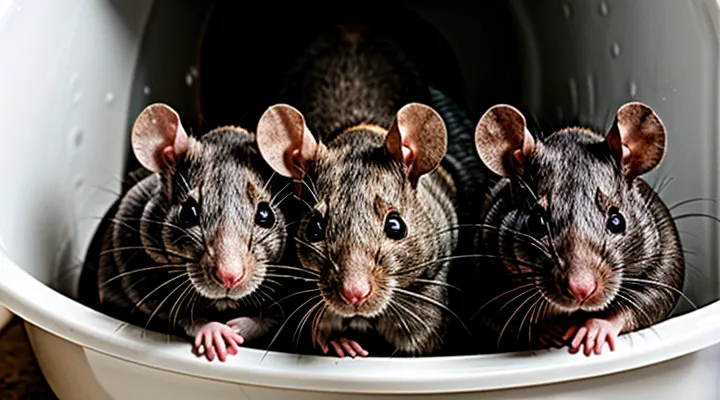
«The Natural Cleanliness of Rats»
«Grooming Habits of Pet Rats»
«Self-Grooming Behavior»
Rats devote a large portion of their daily activity to self‑grooming. The behavior combines licking of the fur, chewing of the skin, and precise scratching with the hind paws. Saliva distributes oils that maintain coat flexibility, while chewing removes loose hair and debris.
Typical grooming sessions last from one to three minutes and occur several times per day. Social interactions, temperature changes, and the presence of parasites increase the frequency of these bouts. Rats also groom after eating, handling objects, or exploring new environments.
Self‑grooming performs three essential functions. First, it removes contaminants that could harbor bacteria or fungi. Second, it distributes sebaceous secretions that protect skin from desiccation. Third, it regulates body temperature by adjusting fur density.
Because rats manage their own cleanliness, routine bathing is unnecessary and can interrupt these processes. Water immersion removes natural oils, leading to dry skin, increased shedding, and heightened stress. Stress responses manifest as reduced grooming, altered feeding, and weakened immune function.
When external cleaning becomes unavoidable—such as severe soiling, a confirmed ectoparasite infestation, or medical treatment—follow a minimal‑intervention protocol:
- Use lukewarm water (30‑32 °C) and a mild, rodent‑safe shampoo.
- Limit exposure to 2–3 minutes; keep the head dry.
- Rinse thoroughly to eliminate all residues.
- Dry with a soft towel; keep the animal in a warm, draft‑free area until fur is dry.
- Observe the rat for signs of distress or reduced grooming after the procedure.
In most circumstances, supporting natural self‑grooming—by providing nesting material, a clean cage, and a stress‑free environment—maintains coat health without the need for manual washing.
«Mutual Grooming in Colonies»
Rats maintain colony hygiene through reciprocal grooming, a behavior that reduces ectoparasite load and reinforces social bonds. Each individual alternates between cleaning a partner’s fur and receiving the same service, creating a continuous exchange that distributes grooming effort across the group.
Key characteristics of mutual grooming include:
- Bidirectional contact: Both participants use forepaws and teeth to remove debris and parasites from each other’s coats.
- Frequency modulation: Grooming bouts increase during periods of high pathogen risk, such as after introduction of new members or exposure to contaminated environments.
- Stress mitigation: The act releases endorphins, lowering cortisol levels and stabilizing group hierarchy without overt aggression.
When considering the feasibility of bathing rats, the natural grooming system provides a benchmark. Laboratory observations show that forced immersion interrupts the established exchange, leading to heightened stress markers and temporary suppression of social grooming. Consequently, external washing methods must mimic the tactile and temporal patterns of mutual grooming to avoid adverse physiological responses.
Practical implications for handling rats:
- Gentle application of water: Use lukewarm temperature and limited volume to prevent disruption of coat texture.
- Short duration: Limit exposure to a few seconds, mirroring the brief nature of typical grooming sessions.
- Post‑wash social interaction: Allow rats to resume mutual grooming immediately after cleaning to restore normal hormonal balance.
Understanding the intrinsic grooming dynamics of rat colonies informs humane washing practices and highlights why spontaneous, self‑initiated grooming remains the most effective hygiene mechanism for these rodents.
«When Washing a Rat Might Be Considered»
«Specific Situations Requiring a Bath»
«Severe Soiling or Contamination»
Rats that have been exposed to feces, urine, food debris, or environmental contaminants can develop severe soiling. This condition compromises coat integrity, promotes bacterial growth, and increases the likelihood of skin irritation or infection.
Washing heavily soiled rats presents specific challenges. Wet fur retains moisture longer, creating a breeding ground for pathogens. Improper drying can lead to hypothermia, while excessive agitation may cause stress or injury. Contaminated water can spread microbes to handlers and surrounding equipment.
Effective cleaning of severely soiled rodents requires a systematic approach:
- Pre‑wash inspection: Identify areas of heavy contamination, assess skin condition, and remove any foreign objects.
- Gentle removal of debris: Use a soft brush or damp cloth to loosen solid waste before immersion.
- Controlled immersion: Submerge the animal in lukewarm, mild‑detergent solution (e.g., 0.5 % veterinary‑grade shampoo) for no more than two minutes.
- Thorough rinsing: Rinse with filtered water to eliminate all soap residues.
- Rapid drying: Pat dry with absorbent towels, then apply a low‑temperature heat source (e.g., a warming pad set at 30 °C) for 5–10 minutes to prevent hypothermia.
- Post‑wash monitoring: Observe for signs of stress, skin lesions, or respiratory distress; provide a clean, dry enclosure with fresh bedding.
Adhering to these steps minimizes health risks for both the animal and the caretaker while restoring coat condition after severe contamination.
«Medical Necessity as Advised by a Vet»
Veterinarians recommend bathing rats only when a specific medical condition demands it. Common indications include severe skin infections, fungal overgrowth, or excessive oil buildup that impedes grooming. In such cases, a controlled wash helps deliver topical medication, reduces irritation, and prevents secondary complications.
Key considerations for a therapeutic wash:
- Use lukewarm water (approximately 37 °C) to avoid hypothermia.
- Apply a veterinarian‑approved antiseptic or antifungal solution; avoid human shampoos that disrupt the animal’s natural skin pH.
- Limit exposure to 2–3 minutes; prolonged immersion increases stress and risk of respiratory distress.
- Dry the animal promptly with a low‑heat source or a soft towel; maintain a warm environment until the rat regains normal body temperature.
- Monitor for signs of distress, such as rapid breathing, vocalization, or attempts to escape; discontinue the procedure if these appear.
If the rat exhibits normal grooming behavior, clean fur, and no dermatological lesions, routine washing is unnecessary and may cause more harm than benefit. Regular health checks and a balanced diet support skin health, reducing the need for medical bathing.
«The Dangers of Frequent Bathing»
«Impact on Natural Oils and Skin Health»
Washing a rat removes the sebum that coats its fur and skin. Sebum provides waterproofing, antimicrobial protection, and helps maintain skin elasticity. When the lipid layer is stripped, the epidermis becomes exposed to moisture and friction, which can lead to dryness, irritation, and an increased risk of infection.
The removal of natural oils also alters the microbiome that resides on the rodent’s skin. Beneficial bacteria rely on the oily environment for nourishment; their decline allows opportunistic pathogens to colonize more easily. This shift may manifest as redness, scaling, or lesions, especially in areas where water remains trapped, such as the tail or paws.
Practical considerations for caretakers:
- Limit baths to emergency situations (e.g., severe contamination, medical treatment).
- Use a mild, unscented cleanser formulated for small mammals, if cleansing is unavoidable.
- Rinse thoroughly to avoid residue that can further disrupt the lipid barrier.
- Apply a veterinary‑approved moisturizer or barrier ointment after drying, focusing on dry patches.
- Monitor the animal for signs of dermatitis, alopecia, or behavioral changes indicating discomfort.
Regular grooming with a soft brush preserves the natural oil distribution while removing loose debris, supporting skin health without compromising the protective lipid layer.
«Stress and Hypothermia Risks»
Bathing rodents induces acute physiological responses that can compromise welfare if not managed correctly. Immersion in water triggers a sympathetic surge, elevating heart rate and cortisol levels within minutes. The stress response diminishes appetite, disrupts normal activity patterns, and may prolong recovery after handling.
Cold exposure presents an additional hazard. Rats maintain core temperature near 37 °C; water temperatures below 30 °C accelerate heat loss, leading to hypothermia. Symptoms include shivering, reduced locomotion, and lethargy. Prolonged hypothermia can impair immune function and increase mortality risk.
Mitigation measures:
- Use lukewarm water (30–32 °C) to match skin temperature.
- Limit exposure time to 30 seconds or less per individual.
- Dry each animal promptly with a soft absorbent cloth.
- Provide a warm environment (30 °C) for at least 15 minutes post‑bath.
- Monitor body temperature with a rectal probe or infrared sensor.
Implementing these protocols minimizes stress and prevents dangerous drops in core temperature, ensuring that cleaning procedures do not endanger the animal’s health.
«The Proper Way to Bathe a Rat»
«Preparation Before Bathing»
«Gathering Supplies»
To clean a pet rat effectively, assemble all necessary items before beginning. Proper preparation prevents stress for both animal and caretaker and ensures a safe, hygienic process.
Essential supplies include:
- A shallow basin or sink that can hold lukewarm water without dripping onto the floor.
- Soft, absorbent towels for drying and handling.
- A mild, fragrance‑free pet shampoo formulated for small mammals.
- A small cup or spray bottle for gentle rinsing.
- Disposable gloves to maintain hygiene and protect skin.
- A thermometer or temperature‑checking device to verify water stays between 30‑35 °C (86‑95 °F).
- A clean, dry enclosure where the rat can recover after the wash.
- Disinfectant wipes for sanitizing surfaces and equipment post‑use.
Optional items that improve comfort:
- A few drops of chamomile extract diluted in water for soothing skin.
- A soft brush with ultra‑fine bristles for removing debris without damaging fur.
Before use, verify that all tools are clean, free of residues, and positioned within easy reach. This arrangement minimizes handling time and reduces the likelihood of accidental spills or temperature fluctuations during the cleaning session.
«Creating a Calm Environment»
When preparing a rat for a bath, the primary objective is to minimize stress and maintain safety for both animal and handler. A stable environment reduces the likelihood of panic, which can lead to injury or respiratory issues.
- Choose a quiet room with minimal foot traffic; close doors and windows to block sudden noises.
- Dim lighting to a soft, steady level; harsh shadows can trigger anxiety.
- Place a non‑slippery mat or towel at the bottom of the sink or basin to provide firm footing.
- Keep water temperature between 30‑32 °C (86‑90 °F); water that is too hot or cold provokes discomfort.
- Use a shallow depth (no more than 2 cm) so the rat can stand without having to swim.
- Have a separate container of warm, clean water ready for immediate rinsing after the wash solution.
- Prepare a gentle, rodent‑safe cleanser in advance; apply only a thin layer, avoiding the eyes and ears.
- Maintain a calm voice and slow movements throughout the process; abrupt gestures increase agitation.
After the bath, wrap the rat in a soft, absorbent towel and hold it gently until the fur is dry. Provide a warm, draft‑free enclosure for recovery, and monitor for signs of respiratory distress or excessive shivering. Consistent application of these environmental controls creates a predictable routine, allowing rats to tolerate washing with reduced fear and physiological impact.
«The Bathing Process»
«Water Temperature and Depth»
When cleaning a rodent, the temperature of the water determines the animal’s physiological response. Temperatures below 20 °C induce hypothermia, while those above 30 °C risk hyperthermia and rapid heart rate. A range of 24 °C to 27 °C maintains core temperature without triggering thermal stress. Use a calibrated thermometer to verify the water before immersion.
Depth influences buoyancy, respiratory effort, and stress levels. Rats float comfortably in water no deeper than the length of their torso; excess depth forces them to keep their heads above the surface, increasing anxiety and the likelihood of aspiration. A depth of 2–3 cm (approximately one inch) provides sufficient immersion for cleaning the fur while allowing the animal to stand on the bottom and breathe freely.
Practical guidelines:
- Fill a shallow container with lukewarm water (24 °C–27 °C).
- Measure depth with a ruler; ensure the water does not exceed the rat’s shoulder height.
- Gently place the rat into the water, supporting its body to prevent panic.
- Limit exposure to 30–45 seconds; monitor for signs of distress such as rapid breathing or frantic movement.
- Remove the animal, dry with a soft towel, and keep it warm until recovery.
Adhering to the specified temperature and depth minimizes physiological shock, reduces stress, and ensures an effective cleaning process.
«Approved Shampoos and Soaps»
Rats tolerate brief bathing when dirty coats, skin irritation, or odor become problematic. Proper grooming reduces parasite load and supports dermatological health.
Approved products meet three criteria: pH 6‑7, free of harsh detergents, and contain non‑toxic additives. Veterinary‑tested options include:
- Rodent‑Safe Shampoo (e.g., “RodentClean”) – mild, plant‑based surfactants, aloe vera, and vitamin E; no parabens or sulfates.
- Unscented Baby Wash (e.g., “GentleTouch”) – pH‑balanced, hypoallergenic, glycerin moisturizers; suitable for short‑haired strains.
- Diluted Castile Soap – 1 part liquid castile to 4 parts warm water; olive‑oil base, no synthetic fragrances; effective for spot cleaning.
Application guidelines:
- Prepare a shallow container with lukewarm water (30‑32 °C).
- Wet the rat’s fur gently; avoid submerging the head.
- Apply a few drops of the selected shampoo or diluted soap; lather briefly, focusing on soiled areas.
- Rinse thoroughly with clean lukewarm water to remove all residue.
- Pat dry with a soft towel; allow the animal to warm up in a draft‑free environment before returning to the cage.
Safety notes: do not use human shampoos containing tea tree oil, citrus extracts, or strong fragrances; these agents can cause dermatitis or respiratory irritation. Observe the rat for signs of stress, excessive grooming, or skin redness after each wash; discontinue use if adverse reactions appear and consult a veterinarian.
«Gentle Handling Techniques»
Rats occasionally require cleaning to remove dirt, urine, or debris that can cause skin irritation or respiratory problems. Successful cleaning depends on handling methods that minimize stress and prevent injury.
Effective handling includes:
- Approaching the animal calmly, allowing it to sniff the hand before contact.
- Supporting the thorax with one palm while the other hand steadies the hindquarters, eliminating the need for forceful restraint.
- Using a shallow, lukewarm water-filled container no deeper than the animal’s belly to avoid submersion.
- Applying a soft, pet‑safe brush in gentle strokes, focusing on areas with visible buildup.
- Monitoring the rat’s breathing and movement; cease the process if the animal shows signs of distress.
After washing, gently pat the fur dry with a low‑lint towel, keep the rat in a warm, draft‑free environment until completely dry, and return it to its enclosure promptly. These steps maintain hygiene while preserving the animal’s well‑being.
«Post-Bath Care»
«Thorough Drying Methods»
Proper drying after cleaning a rat is essential to prevent hypothermia, skin irritation, and respiratory issues. Moisture trapped in fur or on the skin can lower body temperature rapidly, especially in small mammals with high surface‑area‑to‑mass ratios.
- Gently blot the animal with an absorbent, lint‑free towel; press rather than rub to avoid damaging delicate fur.
- Apply a low‑heat, low‑velocity hair dryer set to “warm” (approximately 30 °C). Keep the nozzle at least 15 cm from the coat and move continuously to prevent localized heating.
- Place the rat in a pre‑warmed enclosure (around 28 °C) with low humidity for 5–10 minutes. Ensure ventilation to avoid condensation.
- Observe the animal’s behavior; normal activity and a steady breathing rate indicate successful drying.
Temperature control prevents burns; excessive heat can cause tissue damage. Limit exposure to a maximum of 10 minutes per session, checking the skin for signs of redness. Monitor the rat’s core temperature with a rectal probe if available; values should remain within the normal range of 37–38 °C.
Maintain drying equipment by cleaning the dryer nozzle after each use and sanitizing towels with a mild disinfectant. Replace worn towels to preserve absorbency. Regular inspection of the warming enclosure ensures consistent temperature output.
«Ensuring Warmth and Comfort»
Rats tolerate brief bathing when the procedure addresses hygiene without compromising body temperature. The animal’s small size accelerates heat loss; therefore, each step must preserve warmth and minimize stress.
- Prepare water at 30‑32 °C, matching the rat’s core temperature. Cooler water triggers hypothermia; hotter water risks burns.
- Limit exposure to 30 seconds to two minutes. Extend only if the rat remains active and vocalizations indicate comfort.
- Use a shallow container that supports the animal’s body, allowing natural posture without fully submerging the limbs.
- Immediately after rinsing, wrap the rat in a dry, lint‑free towel. Apply gentle pressure to absorb excess moisture.
- Place the wrapped animal in a pre‑warmed enclosure (approximately 25 °C) for 10‑15 minutes. Avoid drafts and direct airflow.
- Offer a familiar food item or nesting material once the animal is dry. This reinforces a sense of security and encourages normal activity.
Monitoring includes checking ear temperature with a non‑contact infrared device and observing behavior for signs of shivering or lethargy. If temperature drops below 35 °C, cease the wash and provide supplemental heat, such as a low‑intensity heating pad set to 28 °C, covered with a soft cloth.
Consistent application of these measures maintains thermal balance, reduces physiological stress, and supports overall health during occasional cleaning.
«Alternatives to Full Baths»
«Spot Cleaning Techniques»
Spot cleaning addresses localized dirt, urine, or fecal contamination on a rat without subjecting the animal to a full immersion bath. The method preserves skin oils, reduces stress, and maintains a clean living area.
Preparation requires a shallow container, lukewarm water, a soft cloth or cotton swab, and a pet‑safe, unscented cleanser formulated for rodents. Place the rat on a non‑slippery surface, secure the environment to prevent escape, and keep the cleaning area free of drafts.
- Dampen the cloth with water, wring out excess liquid, and gently wipe the affected area.
- Apply a few drops of the cleanser to the cloth, then rub the spot in a circular motion until residue lifts.
- Rinse the cloth with clean water, remove any soap traces by wiping the same area again.
- Pat the cleaned region dry with a lint‑free towel; avoid rubbing, which may irritate the skin.
- Observe the rat for signs of discomfort; if irritation appears, rinse with plain water and monitor.
After spot cleaning, return the rat to its cage, ensure the bedding remains dry, and replenish fresh water. Regular inspection of the animal’s coat and habitat minimizes the need for full baths and supports overall health.
«Providing Dust Baths»
Providing dust baths offers rats a natural method for maintaining coat condition and skin health, reducing the need for water‑based washing. In the wild, rodents roll in dry substrate to remove excess oils, parasites, and debris; a similar environment can be recreated in captivity.
Effective dust‑bath setups include:
- Substrate: commercial chinchilla dust, fine sand, or a mixture of aspen shavings and diatomaceous earth; particle size should remain below 2 mm to prevent respiratory irritation.
- Container: shallow, ventilated box with smooth interior surfaces; dimensions large enough for the animal to turn freely.
- Location: quiet corner of the cage, away from food and water sources, to encourage voluntary use.
Routine guidelines:
- Offer the dust bath 2–3 times per week, monitoring the rat’s engagement.
- Replace the substrate weekly or when it becomes visibly soiled.
- Observe for signs of respiratory distress; discontinue use if sneezing or labored breathing occurs.
Research indicates that regular dust‑bath access lowers fur matting, diminishes ectoparasite load, and minimizes skin irritation, thereby addressing the underlying concerns associated with wet cleaning methods. Implementing a properly maintained dust‑bath environment provides a hygienic alternative to direct washing while supporting the animal’s innate grooming behavior.
«Maintaining a Clean Cage Environment»
«Impact of Cage Hygiene on Rat Cleanliness»
Rats maintain a degree of self‑grooming, yet external cleanliness depends largely on the condition of their enclosure. Accumulated urine, feces, and soiled bedding create a humid substrate that adheres to fur, reducing the animal’s ability to keep its coat dry and clean. When the cage environment remains dirty, rats develop a visible layer of debris that mimics the effect of a failed wash, regardless of any direct bathing attempts.
Studies measuring coat condition before and after systematic cage cleaning show a direct correlation: higher cleaning frequency yields lighter fur, lower odor levels, and fewer skin irritations. In experiments where cages were cleaned weekly versus bi‑weekly, rats in the weekly‑cleaned group exhibited a 40 % reduction in visible dirt and a 30 % decrease in dermatological lesions.
Practical measures that improve rat cleanliness through cage hygiene:
- Replace bedding entirely every 5–7 days; use absorbent, low‑dust materials such as paper‑based or kiln‑treated wood chips.
- Remove soiled nesting material daily; provide fresh nesting supplies to discourage reuse of contaminated material.
- Spot‑clean urine and feces at least once per day; employ absorbent pads to limit spread.
- Perform a full cage wash with mild, animal‑safe detergent once per week; rinse thoroughly to eliminate residue.
- Monitor humidity; maintain ambient levels between 40–60 % to prevent moisture buildup in the substrate.
Maintaining a clean cage environment reduces the need for direct washing, as rats retain a healthier coat naturally. The primary factor influencing external cleanliness is therefore the regular removal of waste and the provision of fresh, dry bedding.