
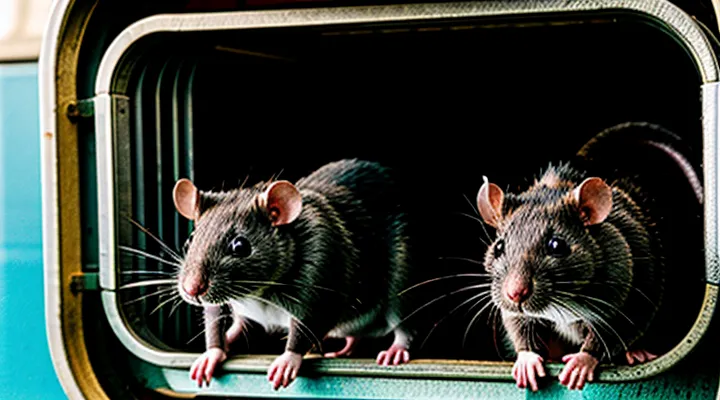
Understanding Rodent Behavior and Transportation
Natural Rodent Movement
Factors Influencing Rat Travel
Rats destined for rail shipment encounter a range of variables that determine the success of the journey. Biological considerations include the species’ tolerance for confinement, stress response, and health status. Only healthy individuals free of contagious diseases should be moved, as compromised immune systems increase mortality risk during prolonged travel.
Logistical elements shape the environment in which rats are transported. Temperature control must maintain a range of 20‑25 °C to prevent hypothermia or overheating. Adequate ventilation prevents the buildup of carbon dioxide and ammonia, which can impair respiration. Secure, escape‑proof containers with cushioning material reduce injury from sudden train movements.
Regulatory requirements impose additional constraints. Transporters must comply with animal welfare legislation that mandates humane handling, proper labeling, and documentation of veterinary inspections. Railway carriers often require certification that containers meet fire‑safety standards and that the load does not obstruct emergency exits.
Key factors influencing rat travel can be summarized as follows:
- Species‑specific health and stress tolerance
- Temperature and humidity regulation
- Ventilation and air quality management
- Container design, cushioning, and security
- Compliance with animal welfare and transport regulations
Each factor interacts with the others; neglecting any single element can jeopardize the entire operation. Effective planning integrates biological needs, logistical controls, and legal obligations to ensure safe and reliable rail transport of rats.
Urban vs. Rural Rat Mobility
Rats that inhabit cities encounter dense infrastructure, continuous waste streams, and frequent human activity. Their movement patterns rely on underground utilities, subways, and building corridors, which provide shelter and food sources within short distances. Consequently, urban rats develop high site fidelity and limited home‑range expansion, often remaining within a few hundred meters of a resource hub.
Rural rats operate in open fields, barns, and scattered settlements. Their environment offers seasonal food fluctuations and fewer permanent structures. Mobility in these areas is characterized by larger foraging ranges, seasonal migrations, and occasional use of natural pathways such as hedgerows and waterways. Home ranges can extend several kilometers, especially during breeding periods.
Implications for rail conveyance of rodents include:
- Capture likelihood – Urban rats are more prone to encounter train tracks near sewer exits and freight yards; rural rats may be drawn to tracks during migration or when tracks intersect agricultural fields.
- Transport distance – Urban individuals are likely to travel short distances before boarding a train, whereas rural specimens may travel longer distances to reach a rail line.
- Survival rates – Dense urban settings provide immediate shelter after disembarkation, while rural releases may require adaptation to open habitats.
Understanding these mobility distinctions informs risk assessments for rail‑borne rodent movement, guiding mitigation strategies such as targeted fencing, waste management, and monitoring programs along high‑traffic corridors.
Risks and Implications of Rat Transportation by Train
Health and Safety Concerns
Disease Transmission
Transporting rodents via railway creates a direct pathway for pathogens to cross geographic boundaries. When rats accompany freight or passenger services, they can deposit infectious material in stations, cargo holds, and surrounding environments, exposing humans, livestock, and wildlife to disease agents.
- Leptospira spp. – survives in urine; contamination of water sources near rail yards can lead to outbreaks in nearby communities.
- Salmonella enterica – shed in feces; can infiltrate food supplies handled at stations or on board.
- Hantavirus – airborne from dried droppings; risk increases in enclosed carriages and maintenance facilities.
- Yersinia pestis – historically linked to rat‑borne plague; modern transport systems could revive transmission cycles if control lapses.
Regulatory bodies classify rail‑borne rodent movement as a biosecurity threat. Requirements typically include mandatory pest‑control inspections, sealing of cargo compartments, and documentation of rodent‑free certifications for trains crossing international borders. Failure to comply results in quarantine penalties and mandatory decontamination procedures.
Effective mitigation combines engineering and operational controls:
- Install rodent‑exclusion screens on ventilation ducts and cargo doors.
- Conduct weekly trapping and baiting programs at depots and along routes.
- Apply environmental sanitation protocols that remove food residues and nesting sites.
- Deploy real‑time monitoring devices that detect rodent activity and trigger rapid response.
Adhering to these measures limits pathogen dissemination, protects public health, and preserves the integrity of rail logistics networks.
Contamination of Goods and Infrastructure
Rats that gain access to freight trains introduce biological and physical contaminants that compromise both cargo integrity and railway infrastructure.
Rodent presence results in direct contamination through feces, urine, and saliva, which can carry pathogens such as Salmonella, Leptospira, and hantavirus. Indirect contamination occurs when animals gnaw insulation, wiring, or sealing materials, creating entry points for moisture and dust that accelerate corrosion.
Cargo contamination manifests as:
- Violation of food‑safety standards for perishable goods
- Chemical alteration of pharmaceuticals and chemicals due to urine exposure
- Loss of marketability for textiles and electronics after rodent damage
Infrastructure damage includes:
- Breached cable sheathing leading to short circuits in signaling systems
- Compromised brake lines from gnawed plastic components
- Deteriorated insulation that reduces thermal efficiency of refrigerated cars
Regulatory frameworks require documented pest‑management plans for rail operators. Effective controls combine physical barriers (sealed doors, rodent‑proof screens), routine inspections, and targeted extermination programs using bait stations and electronic monitoring. Consistent application of these measures limits the spread of contaminants and preserves the reliability of rail‑borne transport.
Economic and Operational Challenges
Damage to Railway Equipment
Rats that travel aboard freight or passenger trains pose a direct threat to the integrity of railway infrastructure. Their incisors can sever insulated copper conductors, damage signaling cables, and compromise control panels. When gnawed wires lose insulation, short circuits occur, leading to signal failures and potential service interruptions. Chewed brake lines or hydraulic hoses reduce braking efficiency, increasing the risk of accidents on steep grades.
Common forms of equipment impairment include:
- Destruction of fiber‑optic communication lines, resulting in loss of data transmission between control centers.
- Corrosion acceleration where rodent urine and droppings contaminate metal components, promoting rust in joints and fasteners.
- Obstruction of ventilation ducts and cooling systems by nests, causing overheating of electronic modules.
- Damage to track‑side sensors and detectors, which rely on precise alignment and clear view of passing trains.
Mitigation measures such as sealed conduit, rodent‑proof barriers, and regular pest‑inspection schedules reduce the likelihood of these failures and sustain safe train operations.
Delays and Disruptions to Service
Rail shipment of rats encounters delays that stem from regulatory, operational, and infrastructure factors. Mandatory health inspections often require additional time at departure and arrival stations, extending the scheduled window. Unforeseen equipment failures, such as malfunctioning climate‑control units in animal cars, interrupt the planned itinerary and force rerouting or temporary storage.
Key contributors to service disruption include:
- Compliance checks for zoonotic disease prevention
- Limited availability of specialized rail cars equipped for small‑mammal containment
- Conflicts with freight scheduling priorities on shared tracks
- Infrastructure maintenance that restricts access to certain routes
Extended transit periods increase physiological stress for the rodents, raise the probability of temperature excursions, and elevate handling costs. Prolonged exposure to variable conditions may breach animal‑welfare standards established by transport authorities, leading to penalties and reputational damage for carriers.
Mitigation strategies involve detailed advance planning, allocation of dedicated animal‑transport cars, synchronized scheduling with freight operators, and deployment of real‑time monitoring systems to detect temperature or humidity deviations. Early coordination with veterinary inspectors reduces inspection bottlenecks, while contingency protocols for equipment failure limit the duration of unplanned stops.
Legal and Regulatory Aspects
Biosecurity Regulations
Transporting laboratory or wild‑caught rats by rail requires compliance with strict biosecurity regulations designed to prevent disease spread, accidental release, and contamination of cargo. Authorities classify rodents as high‑risk vectors, mandating containment measures that apply to any inter‑city or interstate rail movement.
Key regulatory elements include:
- Packaging standards – sealed, puncture‑resistant containers with secondary barriers; each unit must display a biohazard label and a unique identifier.
- Documentation – a transport manifest detailing species, origin, health status, and handling instructions; signed certifications from a licensed veterinarian confirming that the animals are disease‑free.
- Carrier qualifications – rail operators must hold a biosecurity permit, maintain temperature‑controlled cars, and provide staff training on animal welfare and emergency protocols.
- Inspection procedures – mandatory checkpoints at departure and arrival stations where officials verify packaging integrity, review documentation, and may conduct visual or laboratory testing.
- Containment during emergencies – predefined response plans for spills, derailments, or loss of power, including isolation zones, decontamination kits, and rapid communication with public health agencies.
Failure to meet these requirements can result in fines, suspension of transport privileges, and mandatory quarantine of the animals. Compliance ensures that railways remain a viable option for moving rats while safeguarding public health and preserving research integrity.
Pest Control Compliance
Transporting rodents via rail demands strict adherence to pest‑control regulations. Authorities require that any shipment containing rats be classified as a live‑animal cargo and handled according to established sanitary standards.
Regulatory oversight includes federal wildlife statutes, state health codes, and railway carrier policies. Each jurisdiction defines permissible species, packaging requirements, and reporting obligations. Non‑compliance triggers penalties, cargo seizure, and potential service suspension.
Compliance hinges on three core elements. First, containment devices must prevent escape and protect surrounding environments. Second, sanitation procedures must eliminate attractants and control vector populations throughout the journey. Third, documentation must record species identification, origin, destination, and inspection results, and be available for audit at any checkpoint.
- Use certified, lockable containers with ventilation that meets animal‑welfare criteria.
- Apply approved disinfectants to containers and loading areas before and after transport.
- Perform pre‑departure health checks and certify that rats are free of transmissible diseases.
- Submit a detailed manifest to railway authorities, including carrier permits and pest‑control certifications.
- Schedule routine inspections by authorized veterinarians or pest‑management officials during transit.
Failure to meet these requirements compromises biosecurity, endangers public health, and jeopardizes rail operations. Maintaining rigorous pest‑control compliance ensures safe, lawful movement of rat shipments across the rail network.
Preventing and Mitigating Rat Transportation by Train
Railway Infrastructure Measures
Rodent-Proofing Train Cars and Stations
Effective rodent exclusion in rail vehicles and terminal facilities hinges on three core measures: structural barriers, environmental management, and monitoring protocols.
Structural barriers involve sealing all openings larger than ½ inch with metal mesh, gasketed doors, and welded joints. Gaps around ventilation ducts, cable trays, and handrails require removable grates that lock in place during operation. Flooring must consist of non‑porous materials with interlocking seams; any access panels should feature self‑closing latches tested for repeated cycling.
Environmental management reduces attractants that draw rodents onto platforms and into rolling stock. Regular removal of spilled grain, food waste, and litter prevents food sources. Drainage systems must be inspected weekly to eliminate standing water, which supports nesting. Lighting design should minimize dark zones where rodents could hide; motion‑activated LEDs discourage nocturnal activity.
Monitoring protocols provide early detection and rapid response. Install infrared motion sensors and chew‑resistant bait stations at strategic points in each car and at station perimeters. Data loggers record activity patterns, triggering alerts when thresholds are exceeded. Conduct monthly visual inspections of seals, insulation, and waste containers, documenting any signs of gnawing or droppings.
Implementation checklist:
- Seal all exterior and interior penetrations with stainless‑steel mesh or approved gasket systems.
- Fit removable grates on ventilation openings; verify lock mechanisms before each departure.
- Replace porous flooring with welded steel panels; ensure interlocking seams are tight.
- Schedule weekly waste removal and platform cleaning; use sealed containers.
- Inspect drainage and eliminate standing water at least once per week.
- Deploy infrared sensors and chew‑resistant bait stations; integrate alerts into maintenance software.
- Perform monthly visual audits of seals, insulation, and waste handling equipment; record findings.
Adhering to these practices limits rodent ingress, safeguards cargo integrity, and complies with transportation safety regulations. Continuous evaluation and maintenance sustain the protective measures throughout the service life of rail assets.
Regular Inspections and Maintenance
Regular inspections verify that rail cars designated for rodent transport meet structural and sanitary standards. Inspectors confirm integrity of doors, locks, and ventilation ducts, ensuring that no gaps allow escape or entry of external contaminants. Documentation of each check is entered into a maintenance log that accompanies the shipment.
Maintenance schedules address wear on flooring, sealing of joints, and functionality of temperature‑control systems. Routine cleaning removes waste and debris that could compromise animal health or attract unwanted pests. Service crews replace damaged components promptly, following manufacturer specifications and regulatory guidelines for the movement of live animals.
Key inspection and maintenance actions include:
- Verification of secure containment mechanisms before loading.
- Measurement of airflow rates to maintain appropriate oxygen levels.
- Inspection of temperature regulation devices for consistency.
- Assessment of sanitation procedures and waste removal systems.
- Review of compliance records with animal‑transport regulations.
Operational Practices
Waste Management Protocols
When rats are moved by rail, waste generated during the journey must be handled according to strict protocols that prevent contamination of the carriage, stations, and surrounding environment. Containers used for the animals are required to be sealed, leak‑proof, and equipped with absorbent material that can be removed without exposing the carriage interior. Any bedding, droppings, or spilled feed must be collected in dedicated waste bags that meet hazardous‑material specifications.
Protocols dictate immediate segregation of waste at designated collection points within the train car. Trained personnel must transfer sealed bags to a separate storage compartment that is isolated from passenger areas and equipped with ventilation to prevent odor buildup. Upon arrival at the destination, waste bags are handed over to certified disposal services that follow the following steps:
- Verify sealing integrity and label compliance.
- Transport bags in a locked, temperature‑controlled vehicle.
- Process waste through autoclaving or incineration according to regional health regulations.
- Record disposal details in a traceable log for audit purposes.
Compliance with these measures ensures that rat transport by rail does not introduce sanitary risks, protects crew and passengers, and satisfies regulatory requirements for animal‑related waste management.
Loading and Unloading Procedures
Effective rail transport of laboratory or pet rats depends on strict loading and unloading protocols. Prior to any movement, each animal must be placed in an approved cage that meets ventilation, size, and structural standards. Cages are sealed with tamper‑evident latches, labeled with species, identification numbers, and destination details. Documentation includes a transport manifest, health certificates, and emergency contact information, all verified by the carrier’s compliance officer.
Loading proceeds as follows:
- Position the carriage door at a height compatible with cage dimensions; adjust ramps or lifts to prevent excessive tilt.
- Verify that the interior temperature remains within the 18‑24 °C range; activate climate‑control systems if necessary.
- Insert cages onto secured racks, ensuring a minimum of 2 inches of clearance between adjacent units to avoid contact.
- Fasten each rack to the carriage floor with lockable brackets; inspect for wobble before departure.
- Conduct a visual check for cage integrity, confirming that lids are locked and bedding is contained.
Unloading mirrors the loading sequence in reverse order. Upon arrival, the carriage door is opened only after the train has come to a complete stop and brakes are released. Staff wearing protective gloves remove racks, transport cages to a designated holding area, and perform a health assessment before releasing rats to the receiving facility. All used equipment is sanitized, and the transport manifest is signed off to document successful delivery.
Integrated Pest Management Strategies
Trapping and Baiting Programs
Rail transport of rats raises specific concerns about the effectiveness of trapping and baiting programs at stations, warehouses, and onboard cars. These programs aim to prevent infestations that could compromise cargo safety, public health, and compliance with sanitary regulations.
Effective programs combine physical traps with strategically placed bait stations. Traps are typically snap or live‑capture devices positioned near loading docks, waste containers, and ventilation openings. Bait stations contain anticoagulant or non‑anticoagulant rodenticides formulated for limited exposure, reducing the risk of accidental poisoning of non‑target species. Placement follows a grid pattern that covers high‑traffic zones while respecting safety distances from passenger areas.
Key operational elements include:
- Regular inspection: Personnel conduct visual checks and trap counts at least weekly, documenting captures and bait consumption.
- Data‑driven adjustments: Capture rates inform redistribution of traps and bait, focusing on hotspots identified through trend analysis.
- Compliance verification: Programs align with local pest‑control ordinances and railway safety standards, requiring documented training for staff handling rodenticides.
- Record keeping: Detailed logs capture date, location, type of device, and number of rodents removed, supporting audits and liability assessments.
Integrating these measures with train scheduling minimizes downtime. For example, loading bays are cleared of bait before passenger boarding, and traps are serviced during scheduled maintenance windows. Continuous monitoring ensures that the presence of rats does not interfere with cargo integrity or pose a threat to railway personnel.
Biological Control Methods
Transporting rats by rail presents a unique set of biosecurity concerns, prompting the application of biological control methods to mitigate infestation risks. Effective strategies focus on reducing rat populations within train cars, cargo compartments, and associated facilities without relying on chemical pesticides.
- Predatory mammals – Deployment of barn owls or feral cats in station warehouses and maintenance yards creates a natural predation pressure that discourages colonization.
- Entomopathogenic fungi – Introduction of Metarhizium spores onto bedding and refuse areas triggers fungal infections in rodents, decreasing survival rates.
- Sterile‑male release – Rearing and releasing irradiated male rats lowers reproductive output, gradually shrinking local populations that might infiltrate rail vehicles.
- Bacterial biocontrol – Application of Yersinia pestis‑derived bacteriophages targets gut flora, impairing health and reducing breeding capacity, provided strict containment protocols are observed.
Implementation requires coordination with railway operators, wildlife agencies, and public‑health authorities. Monitoring protocols involve regular trapping, population counts, and pathogen surveillance to assess efficacy. Integration of these biological tactics with mechanical barriers—such as sealed doors, rodent‑proof storage, and regular cleaning—offers a comprehensive defense against rat intrusion during rail transport.