
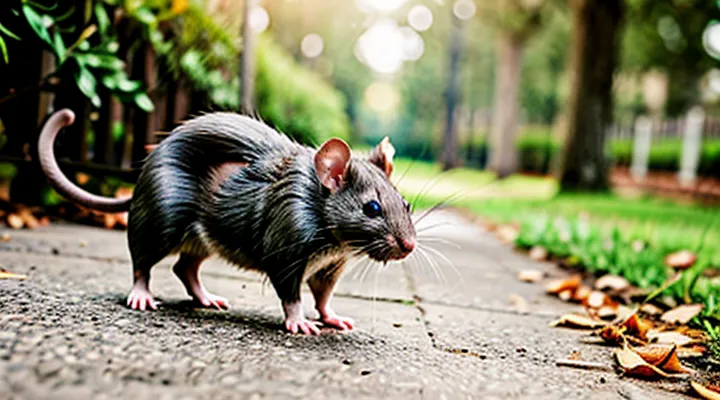
Understanding Rat Nature and Needs
Natural Instincts and Environment
Rats possess strong foraging instincts that drive them to explore confined spaces, seek shelter, and locate food sources. In a controlled indoor environment these behaviors manifest as gnawing, climbing, and nesting within limited boundaries. When a rat is introduced to an outdoor setting, the same impulses compel it to investigate unfamiliar terrain, assess potential predators, and establish temporary hideaways.
Outdoor habitats present sensory stimuli—varying temperatures, wind, and a broader spectrum of smells—that differ markedly from those experienced indoors. These conditions can trigger heightened alertness, rapid stress responses, and altered activity cycles. A rat’s natural tendency to avoid open exposure means that without proper enclosure or supervision, it may become vulnerable to predation or escape.
Key considerations for safe outdoor exposure include:
- Secure, ventilated carrier or harness designed to restrict movement while allowing sensory enrichment.
- Gradual acclimation: brief, supervised sessions that progressively increase duration.
- Monitoring of temperature extremes; rats tolerate moderate climates but suffer in excessive heat or cold.
- Immediate access to shelter within the enclosure to satisfy the instinct to retreat.
Understanding these innate behaviors and environmental demands enables owners to provide meaningful outdoor experiences without compromising the animal’s welfare.
Stress and Sensory Overload
Loud Noises and Unfamiliar Scents
Rats experience heightened stress when exposed to sudden, high‑decibel sounds such as traffic, construction equipment, or fireworks. Their acute hearing picks up frequencies beyond human perception, causing rapid heart‑rate spikes and a tendency to freeze or flee. Prolonged exposure can lead to adrenal fatigue, reduced immune function, and behavioral regression.
Unfamiliar scents—pheromones from other rodents, predator odors, or strong chemical smells like gasoline or cleaning agents—trigger instinctual alarm responses. The olfactory system processes these cues within seconds, prompting escape behaviors, increased grooming, or aggressive displays. Persistent odor exposure may result in chronic anxiety, diminished appetite, and avoidance of the outdoor environment.
Practical measures for safe outdoor excursions:
- Conduct a brief acclimation session in a quiet, scent‑neutral area before longer walks.
- Choose times when ambient noise is low (early morning or late evening) and traffic is minimal.
- Carry a portable, unscented carrier that shields the rat from wind‑borne odors while allowing ventilation.
- Avoid routes near dumpsters, chemical storage, or areas with known predator activity.
- Monitor the rat’s body language continuously: flattened ears, rapid breathing, or excessive vocalization indicate distress.
- If a loud noise occurs, pause, secure the carrier, and provide a calming scent such as a small amount of familiar bedding material.
By minimizing auditory and olfactory stressors, owners can increase the likelihood that rats will tolerate outdoor walks without compromising their physiological well‑being.
Exposure to Predators
Outdoor walks place pet rats in direct contact with natural predators, a factor that dramatically increases the likelihood of injury or loss.
Typical predators encountered in urban and suburban environments include hawks, owls, feral cats, larger dogs, and, in some regions, snakes or raccoons. Each species can attack a rat with little warning, especially when the animal is unrestrained or unfamiliar with the surroundings.
Risk assessment depends on location, time of day, and visibility. Open fields and parks provide clear lines of sight for birds of prey, while dense vegetation offers concealment for terrestrial hunters. Dawn and dusk coincide with peak activity periods for many predators, raising danger levels during those hours.
Mitigation strategies:
- Use a secure, well‑fitted harness attached to a short leash.
- Keep the walk within a fenced or enclosed area where predators cannot enter.
- Choose times when predator activity is low, such as mid‑day in shaded spots.
- Remain vigilant; watch for sudden movements overhead or sounds indicating nearby cats or dogs.
- Carry a lightweight carrier to retreat quickly if a threat appears.
Implementing these precautions reduces exposure to predators while allowing rats to experience outdoor stimulation safely.
Risks and Dangers of Outdoor Walks
Health Concerns
Parasites and Diseases
Walking pet rats in outdoor environments introduces exposure to a range of parasites and infectious agents not typically encountered indoors. These organisms can cause acute illness, chronic health problems, or mortality, reducing the animal’s welfare and increasing veterinary costs.
Common ectoparasites and endoparasites found in outdoor settings include:
- Fleas (Ctenocephalides spp.) – blood‑feeding insects that cause anemia, dermatitis, and transmit bacterial pathogens.
- Mites (e.g., Myobia spp., Ornithonyssus spp.) – cause skin irritation, hair loss, and secondary infections.
- Ticks (Ixodes, Dermacentor spp.) – vectors for bacterial and viral diseases such as Lyme disease and tick‑borne encephalitis.
- Protozoa (Giardia, Cystoisospora, Toxoplasma gondii) – induce gastrointestinal upset, weight loss, and systemic signs.
- Helminths (Hymenolepis nana, Syphacia obvelata) – produce diarrhoea, malabsorption, and may lead to intestinal obstruction.
- Bacterial pathogens (Leptospira, Salmonella, Yersinia) – cause fever, septicemia, and organ damage.
- Viral agents (Arenavirus, Hantavirus) – rare but potentially fatal, transmitted through contaminated droplets or urine.
Preventive measures reduce risk:
- Conduct a thorough health assessment before initiating outdoor walks; ensure the rat is parasite‑free and vaccinated where applicable.
- Use a secure, breathable harness and a short leash to limit contact with vegetation, soil, and other animals.
- Restrict walking routes to well‑maintained, pesticide‑free areas; avoid places with known wildlife activity or standing water.
- Perform weekly external examinations; look for signs of itching, hair loss, or skin lesions.
- Schedule regular fecal examinations (every 3–4 months) to detect internal parasites early.
- Apply veterinarian‑approved ectoparasite preventatives before each outing; avoid products toxic to rodents.
- Maintain strict hand hygiene and disinfect equipment after each walk to prevent cross‑contamination.
Monitoring during and after walks is essential. Observe the rat for abnormal behavior, respiratory distress, or gastrointestinal changes. Prompt veterinary consultation at the first indication of illness improves outcomes and limits disease spread within a household.
Exposure to Toxins and Poisons
Rats that accompany their owners on outdoor outings face numerous chemical hazards that can quickly become lethal. Common environmental toxins include rodenticides, insecticides, antifreeze, and heavy metals such as lead or cadmium. These substances may be present in garden soil, puddles, or on surfaces where rats explore.
- Rodenticides: Anticoagulant baits (e.g., brodifacoum, difethialone) cause internal bleeding after a single bite. Even trace residues on ground cover can be ingested during foraging.
- Insecticides: Organophosphates and pyrethroids disrupt nervous function. Contact with treated lawns or sprayed plants leads to rapid symptom onset.
- Antifreeze (ethylene glycol): Sweet taste attracts rodents; ingestion results in kidney failure within hours.
- Heavy metals: Lead particles in old paint chips or contaminated dust accumulate in tissues, impairing cognition and organ health.
Exposure routes extend beyond ingestion. Dermal absorption occurs with liquid chemicals, while inhalation of aerosolized sprays introduces toxins directly into the respiratory system. Rats’ keen sense of smell often draws them toward scented bait, increasing ingestion risk.
Preventive strategies focus on environmental control and protective equipment. Owners should:
- Survey walking routes for visible signs of pesticide application, dead rodents, or discarded bait containers.
- Choose paths away from industrial zones, construction sites, and areas with known chemical runoff.
- Equip rats with a lightweight, breathable harness that limits direct contact with contaminated surfaces.
- Carry an emergency kit containing activated charcoal and a veterinarian‑approved antidote for anticoagulant poisoning.
Regular health monitoring is essential. Early symptoms—lethargy, tremors, excessive salivation, or blood in urine—indicate possible toxin exposure and require immediate veterinary intervention.
By systematically eliminating sources of poison and maintaining vigilant supervision, owners can reduce the likelihood of accidental poisoning while allowing rats to experience outdoor stimulation safely.
Safety Hazards
Escapism and Getting Lost
Taking a rat outside offers a brief departure from the confined environment of a cage, providing sensory stimulation that mimics natural foraging. This intentional break serves as a form of escapism, allowing the animal to experience unfamiliar textures, scents, and sounds that are otherwise absent in a domestic setting. The temporary immersion in an outdoor micro‑habitat can reduce monotony and encourage exploratory behavior, which research links to improved mental health in small mammals.
However, the same openness that delivers novelty also creates the risk of the rat becoming lost. Unlike larger pets, rats lack innate navigation skills for expansive spaces and rely heavily on visual landmarks and scent trails. When those cues disappear—such as in a crowded park or a densely vegetated garden—the animal may fail to locate the path back to its handler, leading to stress, injury, or predation.
Key factors to manage escapism while preventing loss:
- Secure a lightweight, breathable harness that fits snugly without restricting movement.
- Choose a controlled area: a quiet backyard, a fenced garden, or a quiet corner of a public space.
- Keep the leash short enough to maintain constant contact yet long enough to allow natural exploration.
- Monitor the rat’s behavior continuously; pause if signs of panic appear.
- Have a portable enclosure or carrier ready for immediate retrieval if the rat attempts to flee.
Balancing the desire for an outdoor escape with the imperative of safety requires deliberate planning, appropriate equipment, and vigilant supervision. When executed correctly, brief walks can enrich a rat’s life without compromising its security.
Injuries from Other Animals
Outdoor walks place pet rats in environments where encounters with other animals are possible. Such encounters can result in physical trauma that compromises the rat’s health and longevity.
Common sources of injury include:
- Birds of prey (hawks, owls) that may swoop down on a small mammal.
- Domestic cats and dogs, which can bite or scratch.
- Wild mammals such as squirrels, raccoons, or foxes that may seize a rat.
- Insects and arachnids (ticks, fleas, spiders) that can bite or transmit disease.
- Fellow rodents, especially aggressive or territorial individuals.
Typical injuries are:
- Puncture wounds from teeth or beaks, often accompanied by deep tissue damage.
- Lacerations caused by claws or sharp objects.
- Fractures resulting from falls or blunt force impacts.
- Contusions and bruises that may hide internal bleeding.
- Secondary infections, including cellulitis and septicemia.
- Parasitic infestations that weaken the immune system.
Owners should monitor for:
- Visible bleeding or open wounds.
- Swelling, heat, or discoloration around a limb or torso.
- Limping, reluctance to move, or altered gait.
- Changes in grooming, appetite, or activity level.
- Audible distress or excessive vocalization.
When injury is suspected:
- Secure the rat calmly to prevent further stress.
- Apply gentle pressure with sterile gauze to stop bleeding.
- Rinse the affected area with lukewarm saline solution.
- Cover the wound with a clean, non‑adhesive dressing.
- Contact a veterinarian experienced with small mammals without delay.
Preventive strategies reduce risk:
- Use a well‑fitted harness and leash that restricts escape.
- Choose walking locations free of predators, such as enclosed gardens or quiet parks.
- Conduct walks during daylight hours when predator activity is lowest.
- Keep the rat under constant visual supervision; do not allow unsupervised interaction with other animals.
- Inspect the walking route for hazards (sharp objects, poisonous plants, standing water) before each outing.
- Apply veterinarian‑approved parasite preventatives regularly.
Alternatives to Outdoor Excursions
Safe Indoor Enrichment
Playpens and Exploration Areas
Playpens provide a secure enclosure for rats during outdoor excursions, allowing controlled exposure to fresh air while preventing escape. A well‑designed playpen limits the animal’s range to a defined perimeter, reducing the risk of predators, traffic, and accidental loss.
Key characteristics of an effective outdoor enclosure include:
- Sturdy, chew‑resistant frame (metal or reinforced plastic) to withstand gnawing.
- Fine mesh panels (no larger than ½ inch) that block entry of insects and small predators.
- Secure latch system that can be operated with one hand while holding the rat.
- Lightweight construction for easy transport and quick setup.
- Adjustable size to accommodate different activity levels and terrain.
When establishing an exploration area, place the playpen on a flat, non‑slippery surface away from direct sunlight and strong winds. Lay a layer of natural substrate (e.g., untreated wood chips) to simulate indoor flooring and encourage foraging behavior. Supervise the rat continuously, watching for signs of stress or attempts to breach the enclosure, and intervene immediately if safety concerns arise.
Interactive Toys and Puzzles
Rats that are allowed to explore the outside environment need mental challenges that match the physical activity of a walk. Interactive toys and puzzles provide stimulation that prevents boredom and reduces stress during outdoor excursions.
Suitable items for outdoor use include:
- Small, lightweight chew toys that attach to a harness or leash.
- Portable ball mazes that can be placed on a flat surface for brief sessions.
- Puzzle feeders with sealed compartments that release treats when the rat manipulates levers or slides.
These devices should be made of non‑toxic materials, easy to clean, and resistant to weather exposure. Harness‑compatible toys prevent loss while allowing the animal to manipulate objects with its paws and teeth. Puzzle feeders encourage problem‑solving, reinforcing natural foraging instincts even when the rat is away from its cage.
Safety measures are essential. Verify that all moving parts are secure and cannot detach and become a choking hazard. Inspect toys for cracks or worn edges before each outing. Limit playtime to short intervals to avoid overheating and fatigue.
For optimal results, rotate toys regularly to maintain novelty, and combine interactive sessions with brief periods of free roaming. This approach maximizes mental enrichment while preserving the physical benefits of outdoor walks.
Harness Training Considerations
Purpose and Limitations
Pet rats may be escorted outside for brief, supervised excursions. The primary purpose of such outings is to provide sensory enrichment that cannot be replicated indoors. Exposure to natural aromas, varied textures, and gentle airflow stimulates exploratory behavior, supports mental health, and reinforces the bond between animal and caretaker.
Limitations govern safety and welfare. Outdoor environments introduce unpredictable hazards: predators, toxic plants, extreme temperatures, and sudden noises. Rats lack the physiological resilience of larger mammals; prolonged exposure to cold or heat can cause hypothermia or heat stress. Containment must be absolute; even a small gap in a harness or carrier permits escape, leading to injury or loss. Public spaces often restrict small animals, and legal ordinances may prohibit unsupervised rodent presence.
Effective outdoor sessions adhere to the following guidelines:
- Limit duration to 10‑15 minutes, adjusting for weather conditions.
- Use a secure, well‑ventilated harness designed specifically for rodents.
- Conduct walks in quiet, low‑traffic areas free of predators and chemicals.
- Monitor temperature closely; avoid outings when ambient temperature falls below 15 °C (59 °F) or rises above 27 °C (81 °F).
- Keep the rat within sight at all times; never release it from the harness.
By respecting these constraints, owners can safely extend their rats’ environmental experience without compromising health or security.
Safety Precautions
Taking pet rats outside requires strict safety measures to prevent injury, escape, and disease exposure.
- Use a well‑fitted, escape‑proof harness designed for small rodents; check for chafing before each outing.
- Attach the harness to a short, lightweight leash; keep slack minimal to maintain control.
- Choose a quiet, low‑traffic area free of predators such as cats, birds of prey, and snakes.
- Inspect the ground for hazards: sharp objects, hot pavement, toxic plants, and chemical residues.
- Maintain a temperature range comfortable for rats (18‑24 °C); avoid extreme heat, cold, or direct sunlight.
- Carry a portable carrier or cage for emergencies; ensure it is ventilated and securely closed.
Supervision must be continuous; never leave a rat unattended, even in a fenced yard. Hand‑wash or disinfect any surfaces the rat contacts before returning home to limit pathogen transfer. Monitor the animal for signs of stress, respiratory distress, or injury during and after the walk; discontinue outdoor activity if any abnormal behavior appears.
Adhering to these precautions protects the rat’s health and preserves the owner’s responsibility for safe, humane handling.
Responsible Pet Ownership
Prioritizing Rat Well-being
Taking a pet rat outside requires careful attention to its physical and psychological health. Rats are prey animals; sudden exposure to unfamiliar sights, sounds, and predators can trigger acute stress. Ensuring a safe, controlled environment is the first prerequisite for any outdoor excursion.
- Temperature must stay within the rat’s comfort zone (18‑24 °C). Direct sunlight or wind can cause overheating or hypothermia.
- Surface should be non‑slippery and free of toxic substances; avoid grass treated with pesticides or mulch that may contain mold.
- Noise levels should be low; loud traffic or crowds increase cortisol release and can lead to respiratory issues.
- The rat’s health status must be checked before each walk; signs of illness, dental problems, or injuries contraindicate outdoor activity.
- Supervision is mandatory; a harness or secure carrier prevents escape and protects against predators.
Gradual habituation improves tolerance. Begin with short sessions in a quiet, enclosed patio, using a well‑fitted harness that distributes pressure evenly across the chest. Extend duration only after the rat shows calm behavior and no signs of fatigue. Keep the leash short to maintain control, and regularly inspect paws and fur for abrasions or debris. Offer water and a small treat after the walk to reinforce positive association.
Decisions about outdoor walks should be based solely on the individual rat’s response and overall health. If any indicator of distress appears, the activity must be halted and the animal returned to its indoor enclosure. Prioritizing welfare eliminates unnecessary risk and supports a longer, healthier life for the pet rat.
Creating a Stimulating Indoor Environment
Creating a stimulating indoor environment is essential for the health and well‑being of pet rats, especially when outdoor excursions are limited or occasional. A well‑designed interior habitat provides mental challenges, physical exercise, and opportunities for natural behaviors.
- Provide a variety of climbing structures such as wooden branches, rope ladders, and PVC tubes. Arrange them at different heights to encourage vertical movement.
- Include tunnels, hideouts, and nesting boxes made from safe, non‑toxic materials. Rotate these items regularly to maintain novelty.
- Offer foraging opportunities by hiding small food pieces within paper rolls, shredded cardboard, or specially designed treat puzzles. This mimics the search for food in a natural setting.
- Introduce sensory enrichment through scented herbs (e.g., mint, rosemary) and textured surfaces like sandpaper or sisal rope. Change scents periodically to prevent habituation.
- Ensure ample floor space with a solid, chew‑resistant base. Use low‑pile bedding that can be rearranged to create new pathways.
Social interaction remains a cornerstone of rat welfare. Housing compatible individuals together and providing joint enrichment activities reinforce bonding and reduce stress. When a rat is taken outside for a walk, the indoor setup should complement that experience by reinforcing skills practiced outdoors, such as navigating narrow passages and responding to novel stimuli.
Regularly evaluate the habitat for signs of boredom or wear. Replace damaged items promptly and adjust the layout based on the rats’ preferences observed during daily interaction. Consistent, varied enrichment within the home environment sustains curiosity, promotes exercise, and supports overall health, making indoor life as rewarding as any outdoor adventure.
When to Consult a Veterinarian
Taking pet rats on outdoor walks can be rewarding, but owners must recognize situations that demand professional veterinary assessment. Prompt consultation prevents complications and safeguards the animal’s health.
Signs that require immediate veterinary attention include:
- Persistent coughing, sneezing, or nasal discharge, indicating respiratory infection.
- Visible skin lesions, excessive itching, or hair loss, suggesting parasites or dermatitis.
- Sudden changes in appetite, weight loss, or dehydration.
- Lethargy, unsteady gait, or tremors, which may signal neurological or metabolic issues.
- Unexplained bleeding, discharge from eyes or ears, or abnormal stool (blood, mucus, diarrhea).
Additional circumstances warranting a vet visit:
- Introduction of a new outdoor environment after a period of confinement, to evaluate stress‑related conditions.
- Observation of allergic reactions after exposure to plants, insects, or pollen encountered outdoors.
- After a bite or scratch from another animal encountered during a walk, to assess infection risk.
- Prior to initiating regular outdoor excursions for a rat with a pre‑existing medical condition, to confirm suitability and obtain preventive recommendations.
Routine health checks remain essential even when outdoor walks are infrequent. Regular examinations allow the veterinarian to monitor the rat’s overall condition, update vaccination status, and advise on safe outdoor practices.