
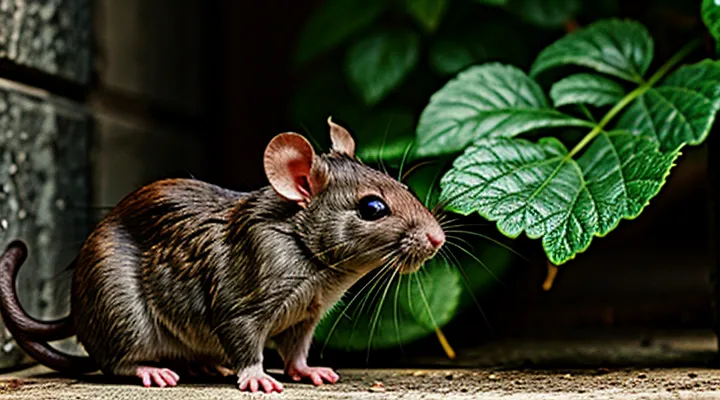
The Nutritional Value of Raisins
Vitamins and Minerals
Raisins contain a modest spectrum of micronutrients that may contribute to a rodent’s diet. The fruit supplies several water‑soluble vitamins and a range of essential minerals, yet the overall nutritional profile is dominated by simple sugars.
• Vitamins
‑ Vitamin C – antioxidant, supports collagen synthesis.
‑ Thiamine (B1) – co‑factor in carbohydrate metabolism.
‑ Riboflavin (B2) – involved in energy production.
‑ Niacin (B3) – aids in metabolic pathways.
• Minerals
‑ Potassium – regulates fluid balance and nerve function.
‑ Iron – component of hemoglobin, essential for oxygen transport.
‑ Calcium – required for bone mineralization.
‑ Magnesium – participates in enzymatic reactions.
The high sugar concentration of raisins can precipitate rapid glycaemic spikes, increasing the risk of obesity and dental decay in rats. Additionally, dried fruit may contain trace amounts of pesticide residues or mycotoxins, which pose health hazards when consumed regularly. The low fiber content offers limited digestive benefit compared with whole grains or leafy greens.
For safe inclusion, limit raisin portions to no more than 1 g per 100 g of body weight, offered no more than twice weekly. Observe weight, coat condition, and stool consistency after each serving; discontinue if adverse effects appear. Substitute occasional raisin treats with low‑sugar vegetables to maintain balanced micronutrient intake while avoiding excess carbohydrates.
Sugars and Calories
Raisins contain a high concentration of simple carbohydrates. Approximately 79 % of their dry weight consists of sugars, primarily fructose and glucose. The caloric density reaches about 300 kcal per 100 g of fresh fruit.
- Sugar content: 15 g per 30 g serving
- Calories: 90 kcal per 30 g serving
- Fiber: 1.5 g per 30 g serving
Elevated sugar intake accelerates hepatic lipogenesis in rodents, promotes rapid weight gain, and predisposes to insulin resistance. Excessive calories contribute to adiposity, which shortens lifespan in laboratory rats. Dental health may deteriorate due to the acidic nature of the fruit and the adherence of sugary residues to enamel.
If raisins are offered, restrict portions to no more than 2–3 g per day for an adult rat weighing 300 g, and limit frequency to a single occasion per week. Monitor body weight and blood glucose levels after consumption. Alternative treats with lower sugar content, such as fresh vegetables or low‑calorie fruit slices, provide enrichment without the metabolic burden associated with raisins.
Fiber Content
Raisins provide a measurable amount of dietary fiber, a component that influences gastrointestinal function in rodents. The fruit contains roughly 3.7 g of fiber per 100 g of edible portion, predominantly soluble polysaccharides that can increase stool bulk and promote regular intestinal motility.
Fiber contributes to the formation of a gel-like matrix in the gut, slowing nutrient absorption and moderating post‑prandial glucose spikes. In rats, moderate fiber intake supports microbial diversity and may reduce the incidence of constipation. Excessive fiber, however, can lead to fermentation overload, producing gas and potentially causing abdominal discomfort or diarrhea.
Guidelines for offering raisins to rats should consider the following points:
- Limit portions to no more than 5 g of fresh raisins per 100 g of body weight per week, ensuring total dietary fiber remains within the species‑specific range of 2–5 % of the diet.
- Monitor fecal consistency after introduction; any increase in loose stools warrants reduction or cessation of the fruit.
- Combine raisins with a balanced pellet diet that supplies adequate protein, fats, and minerals, preventing nutrient imbalances.
When fiber intake aligns with these parameters, raisins can be incorporated as an occasional treat without compromising digestive health.
Potential Risks of Feeding Raisins to Rats
High Sugar Content and Diabetes
Raisins consist of roughly 70 % sugars by weight, a level comparable to many confectionery items. When introduced into a rodent diet, this concentration can elevate post‑prandial glucose spikes, challenging the homeostatic mechanisms that regulate blood‑sugar balance.
Elevated glucose excursions increase the demand on pancreatic β‑cells to secrete insulin. Persistent over‑stimulation may accelerate β‑cell exhaustion, a recognized pathway toward insulin resistance and type 2 diabetes in laboratory rats. Consequently, diets enriched with high‑sugar fruits should be limited to prevent metabolic dysregulation.
Practical considerations for researchers:
- Quantify raisin portions to ensure total dietary sugar remains below established thresholds for rat metabolic studies.
- Monitor fasting glucose and insulin levels weekly to detect early signs of dysglycemia.
- Substitute low‑sugar treats (e.g., cucumber slices) when behavioral enrichment is required.
Adhering to these guidelines minimizes the risk that excessive sugar intake from raisins will compromise experimental validity through unintended diabetic phenotypes.
Choking Hazard
Raisins present a measurable choking risk for pet rodents. Their size and irregular shape can become lodged in a rat’s oral cavity or trachea, especially when the animal attempts to swallow whole pieces. Small, pliable fruits may compress against the epiglottis, obstructing airflow and leading to rapid respiratory distress.
Key factors influencing the hazard include:
- Diameter of the raisin relative to the rat’s mandibular width; pieces exceeding 5 mm often exceed safe limits.
- Moisture content, which can cause the fruit to swell after ingestion, increasing blockage potential.
- Rat’s chewing behavior; limited mastication of soft fruits reduces fragmentation, raising the chance of obstruction.
Preventive measures consist of offering only appropriately sized, pre‑cut fragments, typically no larger than 2 mm, and monitoring consumption closely. If a rat exhibits coughing, labored breathing, or sudden silence after eating, immediate veterinary intervention is required to address possible airway obstruction.
Dental Issues
Raisins are high‑sugar fruits that can affect a rat’s dentition. The carbohydrate load promotes bacterial growth, leading to plaque formation on incisors and molars. Excessive plaque accelerates enamel demineralisation, increasing the risk of dental caries.
Dental problems associated with sugary treats include:
- Overgrowth of oral bacteria such as Streptococcus spp.
- Development of cavities on the chewing surfaces of teeth.
- Periodontal inflammation caused by plaque accumulation.
- Malocclusion resulting from uneven wear due to soft, sticky food residues.
Rats continuously gnaw to wear down their ever‑growing incisors. Introducing a sticky, sugary snack interferes with natural wear patterns, potentially causing uneven tooth length and misalignment. Persistent malocclusion can impede food intake, lead to weight loss, and necessitate veterinary intervention.
Preventive measures focus on diet composition. Limiting high‑sugar items, providing ample chewable materials (e.g., wooden blocks, mineral rods), and monitoring oral health through regular examinations reduce the likelihood of dental complications. Early detection of enamel lesions permits prompt treatment, preserving the animal’s ability to feed efficiently.
Toxicity Concerns (Grapes vs. Raisins)
Raisins and grapes share a common toxic profile in rodents; both have been linked to acute kidney injury and gastrointestinal distress. Experimental data demonstrate that ingestion of even small quantities can trigger renal tubular necrosis, characterized by elevated blood urea nitrogen and creatinine levels. The toxic agent has not been isolated, but hypotheses include mycotoxin contamination, high potassium concentration, and a yet‑undefined phenolic compound.
Key distinctions relevant to rat diets:
- Grapes: often consumed fresh, moisture content may dilute toxin exposure per gram; however, rapid absorption of sugars can exacerbate hyperglycemia in diabetic strains.
- Raisins: dehydrated form concentrates sugars and potential toxins, increasing risk per unit weight; typical feeding trials report adverse effects at doses as low as 0.5 g kg⁻¹ body weight.
- Metabolic response: both foods provoke oxidative stress markers, yet raisins induce higher malondialdehyde levels, indicating greater lipid peroxidation.
Safety guidelines recommend avoiding any inclusion of these fruits in laboratory rat chow. If occasional exposure is unavoidable, limit quantity to below 0.1 g kg⁻¹ and monitor renal function through serum biomarkers and urinalysis.
Safe Feeding Practices
Moderation is Key
Raisins contain high levels of natural sugars and a modest amount of dietary fiber. In small quantities they provide a quick source of energy without overwhelming a rat’s digestive system. Excessive intake can lead to rapid spikes in blood glucose, potential weight gain, and increased risk of gastrointestinal upset.
Guidelines for offering raisins to pet rodents:
- Limit portions to no more than one half‑to‑one small piece per week.
- Observe the animal for any signs of diarrhea or reduced appetite after consumption.
- Provide fresh water immediately following the treat.
- Alternate with low‑sugar fruits such as apple slices or blueberries to maintain nutritional balance.
Scientific studies on rodent metabolism indicate that occasional fruit treats are safe when incorporated into a diet primarily composed of balanced commercial pellets and fresh vegetables. The principle of moderation prevents the adverse effects associated with high‑sugar foods while allowing enrichment through occasional variety.
Preparation Methods
When offering dried fruit to laboratory or pet rodents, preparation must eliminate contaminants and adjust texture to suit small oral capacities. The process begins with selection of fresh, pesticide‑free raisins, followed by a series of steps designed to reduce microbial load and prevent choking hazards.
• Rinse the berries under running water for 30 seconds to remove surface dust.
• Immerse in a mild saline solution (0.9 % NaCl) for 2 minutes; this step dislodges residual spores.
• Rinse again with sterile distilled water to eliminate residual salt.
• Pat dry with lint‑free paper towels, ensuring no moisture remains that could promote mold growth.
• Cut into pieces no larger than 2 mm, matching the average rat’s bite width and reducing the risk of airway obstruction.
• Store portions in airtight, low‑temperature containers (4 °C) and use within 48 hours to preserve freshness.
If a softer consistency is required for juvenile or compromised specimens, the prepared pieces may be briefly warmed in a water bath at 37 °C for 1 minute, then re‑cooled to room temperature before presentation. All tools and surfaces must be sterilized before use to maintain a sterile environment.
Frequency of Feeding
Raisins can be included in a rat’s diet, but the interval between servings must be limited to avoid excessive sugar intake and potential digestive disturbances. Veterinary guidance suggests offering raisins no more than once or twice per week, with each serving confined to a small fragment—approximately one to two grams for an adult laboratory‑grade rat. This schedule provides a taste enrichment while maintaining nutritional balance.
Key considerations for scheduling:
- Frequency: 1–2 times weekly.
- Portion size: 1–2 g per adult rat.
- Monitoring: Observe for signs of diarrhea or weight gain after each exposure.
- Alternative treats: Replace occasional raisins with low‑sugar vegetables or commercial rodent treats to diversify nutrition.
Adhering to the outlined cadence ensures that the occasional sweet treat does not compromise overall health, supporting stable body weight and gastrointestinal function. «Raisins are high in natural sugars, and regular consumption can lead to metabolic stress in small mammals».
Observing Your Rat's Reaction
When a dried grape is introduced to a pet rat, direct observation determines whether the fruit is tolerated. Immediate signs include changes in chewing activity, facial expression, and locomotion. Delayed signs may involve alterations in stool consistency, appetite, and energy levels.
- rapid chewing or refusal to bite the fruit
- excessive salivation or drooling
- sudden twitching, shaking, or tremor
- labored breathing or audible wheeze
- loose, watery droppings or constipation
- loss of interest in regular feed within several hours
Interpretation of these cues guides further action. A brief hesitation followed by normal behavior usually indicates safe ingestion. Persistent discomfort, abnormal sounds, or gastrointestinal upset warrants removal of the fruit, close monitoring, and consultation with a veterinarian familiar with rodent nutrition.
Alternative Healthy Treats for Rats
Fruits and Vegetables
Raisins are dried grapes, a fruit product with a high concentration of natural sugars and a modest amount of fiber. Their calorie density exceeds that of most fresh fruits, and they may contain traces of sulfites used as preservatives.
When offered to rats, raisins present several concerns. Elevated sugar intake can promote weight gain and alter blood‑glucose regulation. The dried texture increases the risk of choking or gastrointestinal blockage, especially in young or small individuals. Improper storage may lead to mold growth, producing mycotoxins harmful to rodent health.
Guidelines for incorporating raisins into a rat’s diet emphasize moderation and observation. Offer no more than one or two small pieces per week, ensure the fruit is fresh and free of mold, and monitor the animal for signs of digestive upset or changes in behavior. Prefer fresh fruits and vegetables as primary sources of vitamins and hydration.
Typical fruits and vegetables suitable for rats include:
- Apples (core removed, skin thin)
- Blueberries
- Carrots (cooked or raw, finely chopped)
- Bell peppers (any color)
- Cucumbers
- Leafy greens such as kale or romaine lettuce
- Zucchini
Items generally avoided because of toxicity or digestive difficulty:
- Citrus peels
- Onion and garlic
- Raw potato skins
- Avocado flesh and skin
- Rhubarb leaves
«Raisins contain approximately 70 % sugar by weight», a composition that underscores the need for careful portion control. Regular dietary assessment helps maintain a balanced nutrient intake while allowing occasional treats.
Grains and Seeds
Grains and seeds constitute a primary energy source for laboratory and pet rats. They supply carbohydrates, proteins, essential fatty acids, and micronutrients such as vitamin E, B‑complex vitamins, and minerals (iron, zinc, magnesium). Whole‑grain cereals (e.g., wheat, oats, barley) retain bran and germ, providing fiber that supports gastrointestinal motility. Seed varieties (e.g., sunflower, pumpkin, hemp) contribute high‑quality lipids and phyto‑phytonutrients that enhance coat condition and immune function.
Safety considerations focus on contamination, mycotoxin risk, and size. Unprocessed grains may harbor mold spores; storage in airtight containers at low humidity reduces exposure. Seeds with hard shells should be offered in sizes that prevent choking; grinding or soaking softens texture for smaller individuals. Excessive seed intake can lead to obesity due to high fat content, therefore balance with low‑fat grain portions is essential.
Feeding guidelines:
- Provide 10–15 % of total daily caloric intake from whole grains, measured by weight rather than volume.
- Limit seed contribution to 5 % of daily calories, selecting unsalted, non‑roasted varieties.
- Rotate grain types weekly to prevent nutrient imbalances.
- Monitor body condition regularly; adjust portions if weight gain exceeds 2 % per week.
When evaluating alternative treats such as dried fruit, the nutritional profile of grains and seeds offers a baseline for comparison, ensuring that any additions do not compromise the rat’s balanced diet. «Balanced nutrition remains the cornerstone of rodent health».
Commercial Rat Treats
Commercial rat treats are formulated to supplement a balanced diet, providing enrichment and occasional indulgence. Many products incorporate dried fruit, including raisins, to attract rodents with natural sweetness.
Typical formulations combine protein sources such as soy or whey, grain-based carbohydrates, and added vitamins. Dried fruit appears in small percentages, often under 5 % of total weight, to avoid excessive sugar. Manufacturers label the exact fruit content, allowing owners to assess suitability.
Raisins contribute concentrated glucose and fructose, raising the risk of dental plaque and gastrointestinal upset when consumed in large amounts. Their low fiber content offers limited digestive benefit compared to fresh fruit. Consequently, treats with high raisin concentrations may not align with recommended caloric limits for pet rodents.
When selecting a commercial treat, consider the following criteria:
- Fruit proportion below 5 % of ingredient list
- Absence of added sugars or syrups
- Inclusion of chew‑enhancing fibers (e.g., oat bran)
- Certified nutritional adequacy for rodents
Adhering to these guidelines minimizes health risks while preserving the motivational value of occasional fruit‑flavored rewards.
Understanding Your Rat's Dietary Needs
Essential Nutrients
Rats require a balanced diet that supplies protein, essential fatty acids, carbohydrates, vitamins, minerals, and adequate hydration. Protein sources such as soy, wheat germ, or animal-derived meals provide the amino acids necessary for growth and tissue repair. Essential fatty acids, primarily omega‑3 and omega‑6, support cell membrane integrity and neurological function. Carbohydrates supply energy, but must be complemented by fiber to maintain gastrointestinal health. Vitamins A, D, E, K, and the B‑complex group prevent deficiencies that can impair vision, bone metabolism, immune response, and metabolic pathways. Minerals—including calcium, phosphorus, magnesium, potassium, and trace elements like zinc and selenium—regulate enzymatic activity, bone formation, and electrolyte balance.
Raisins consist mainly of simple sugars, dietary fiber, and small amounts of vitamin C, potassium, and iron. The sugar concentration exceeds typical rodent carbohydrate allowances and lacks protein, essential fatty acids, and most vitamins required for optimal health. High sucrose intake can predispose rats to obesity, insulin resistance, and dental disease. Fiber content may be beneficial in moderation, yet the overall nutrient profile does not meet the comprehensive requirements listed above.
When evaluating the inclusion of dried grapes in a rodent diet, consider the following points:
- Protein deficiency: raisins provide negligible protein relative to daily needs.
- Fat deficiency: essential fatty acids are absent.
- Excessive sugars: may disrupt glucose regulation.
- Limited vitamin spectrum: lacks most vitamins required for physiological functions.
- Potential for gastrointestinal upset: high fiber and sugar can cause diarrhea or bloating.
Given these factors, raisins should not serve as a primary or regular component of a rat’s nutrition. Occasional, very small portions may be offered as a treat, provided that the overall diet remains balanced and that the animal shows no adverse reactions. Continuous monitoring of weight, behavior, and health indicators is essential when introducing any novel food item.
Foods to Avoid Entirely
Rats require a diet that excludes foods posing toxic, gastrointestinal, or metabolic risks. Evaluating sweet treats such as raisins highlights the broader category of items that must be eliminated entirely from a rodent’s menu.
Toxic compounds, high fat content, and excessive sugars trigger acute or chronic health problems in rats. These substances overwhelm hepatic enzymes, irritate the digestive tract, or induce neurological disturbances. Consequently, any food containing the listed ingredients is unsuitable for regular or occasional feeding.
- Chocolate and cocoa products – contain theobromine, fatal at low doses.
- Caffeine‑containing beverages and foods – cause hyperactivity, cardiac arrhythmia.
- Alcohol – depresses central nervous system, leads to respiratory failure.
- Raw onions, garlic, leeks – introduce thiosulfates that damage red blood cells.
- Grapes and related berries – associated with renal failure in rodents.
- Citrus seeds and pits – contain cyanogenic glycosides, toxic when ingested.
- Processed snack foods – high in salt, artificial additives, and unhealthy fats.
- High‑sugar candies and syrups – provoke obesity, insulin resistance, dental decay.
- Dairy products – most rats lack lactase, resulting in severe diarrhea.
Raisins belong to the high‑sugar category and share the same health hazards as other sugary fruits. Excluding them aligns with the principle of providing a nutritionally balanced, hazard‑free diet. Safer alternatives include fresh vegetables such as carrots, broccoli, and leafy greens, which supply essential vitamins without the associated risks.
Consulting a Veterinarian
When considering the suitability of raisins for pet rodents, professional veterinary advice is essential. Raisins contain natural sugars and a small amount of sulfites, substances that may cause digestive upset or, in rare cases, toxic reactions in small mammals. A veterinarian can assess the individual animal’s health status, dietary history, and potential risk factors before any fruit is introduced.
Key points to discuss with a veterinarian:
- Current diet composition and nutritional balance.
- History of gastrointestinal sensitivity or metabolic disorders.
- Recommended portion size, if any, and frequency of feeding.
- Signs of adverse reaction to monitor after consumption.
The veterinarian’s guidance ensures that any fruit offering aligns with the rat’s overall nutritional plan and health requirements, reducing the likelihood of complications.