
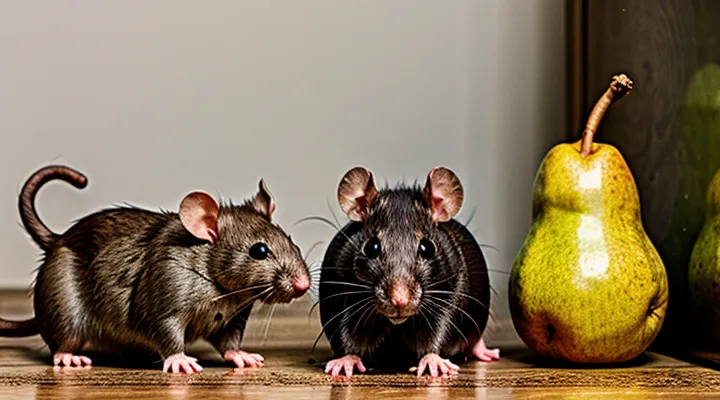
The Nutritional Value of Pears for Rats
Vitamins and Minerals Present in Pears
Pears contain a range of micronutrients that can contribute to the dietary profile of laboratory or pet rats. The fruit’s composition includes water, natural sugars, fiber, and a spectrum of vitamins and minerals, each present in modest concentrations.
-
Vitamin C: approximately 4 mg per 100 g; supports antioxidant defenses and collagen synthesis.
-
Vitamin K: about 4 µg per 100 g; essential for blood clotting processes.
-
Vitamin B6 (pyridoxine): roughly 0.02 mg per 100 g; participates in amino‑acid metabolism.
-
Vitamin A (as β‑carotene): near 25 µg per 100 g; contributes to vision and immune function.
-
Potassium: 119 mg per 100 g; regulates cellular fluid balance and nerve transmission.
-
Copper: 0.1 mg per 100 g; required for enzymatic activity and iron metabolism.
-
Magnesium: 7 mg per 100 g; involved in muscle contraction and energy production.
-
Phosphorus: 11 mg per 100 g; supports bone mineralization and cellular signaling.
When incorporating pears into a rat’s diet, limit portions to avoid excessive sugar intake, which can disrupt glucose regulation. Introduce the fruit gradually to monitor tolerance, as the fiber content may cause gastrointestinal discomfort in sensitive individuals. Fresh, ripe pears are preferable to processed forms, which may contain additives detrimental to rodent health.
Potential Benefits of Pear Consumption for Rats
Pears provide a source of soluble fiber, vitamins, and antioxidants that can complement the standard rodent diet. The fruit’s natural sugars supply a quick energy boost, while its low‑fat composition aligns with the caloric requirements of laboratory and pet rats.
Nutrient content includes vitamin C, vitamin K, copper, and potassium, all of which contribute to physiological processes such as immune function, blood coagulation, and electrolyte balance. The presence of flavonoids and phenolic compounds offers oxidative‑stress mitigation, potentially reducing cellular damage associated with aging and disease.
Potential advantages of incorporating pears into rat nutrition:
- Enhanced gastrointestinal motility due to soluble fiber, which may prevent constipation.
- Support of immune defenses through antioxidant activity.
- Supplementary vitamin C intake, a nutrient not synthesized by rats, aiding collagen synthesis and wound healing.
- Moderate carbohydrate provision for active or growth phases, improving stamina without excessive caloric load.
Cautions are necessary: pears contain fructose, which can promote dental decay and metabolic disturbances if offered in large quantities. Residual pesticide residues must be eliminated by thorough washing, and the fruit should be served without seeds to avoid cyanogenic glycosides. Introducing pears gradually allows observation of tolerance and prevents gastrointestinal upset.
Risks and Considerations
Sugar Content and Diabetes Risk
Feeding rats fruit that contains natural sugars requires evaluation of carbohydrate load and potential impact on glucose regulation. Pears provide approximately 10 g of total sugars per 100 g of edible flesh, composed of roughly 5 g fructose, 3 g glucose, and 2 g sucrose. The glycemic index of ripe pear ranges from 30 to 38, indicating a moderate rise in blood glucose after consumption.
Research on rodent models demonstrates that diets enriched with simple sugars above 15 % of total caloric intake accelerate hyperglycemia and promote pancreatic β‑cell stress. Repeated exposure to fructose‑rich foods correlates with increased insulin resistance, a primary precursor to diabetes mellitus in rats. Consequently, introducing a fruit with the sugar profile of a pear can contribute to the cumulative carbohydrate burden, especially when combined with other high‑glycemic feeds.
Practical recommendations for laboratory or pet rats:
- Serve no more than 5 g of fresh «pear» flesh per 100 g of body weight per week.
- Limit exposure to a maximum of two servings per week, spaced by at least three days.
- Pair «pear» portions with high‑fiber, low‑sugar vegetables to mitigate rapid glucose absorption.
- Monitor fasting blood glucose regularly when fruit is incorporated into the diet.
Adhering to these guidelines minimizes the risk that the natural sugar content of «pear» will exacerbate diabetes‑related outcomes in rats.
Acidity and Digestive Issues
Pears contain natural sugars and a modest amount of organic acids, primarily malic acid. The fruit’s overall pH ranges from 3.5 to 4.5, placing it in the mildly acidic category. When a rat consumes a small piece of pear, the acidic component interacts with the animal’s gastric environment, which is already highly acidic (pH 1.5–3.5).
Rats possess a digestive system adapted to process a variety of plant materials, yet their stomach lining is sensitive to sudden shifts in acidity. Introducing a fruit with a pH lower than typical rodent feed can temporarily increase gastric acidity, potentially overwhelming the protective mucus layer.
Elevated acidity may produce the following digestive disturbances:
- Gastric irritation leading to reduced feed intake
- Diarrhea caused by rapid transit through the intestines
- Softened feces with increased water content
- Occasional vomiting in severe cases
These symptoms usually resolve within 24 hours if the source of excess acid is removed. Persistent issues suggest that the rat’s diet already approaches its tolerance limit for acidic foods.
To mitigate risk, follow these guidelines:
- Offer pear in quantities not exceeding 5 % of total daily food weight.
- Present the fruit without skin, as the peel contains higher concentrations of phenolic compounds that can aggravate irritation.
- Observe the animal for changes in stool consistency and appetite for at least 48 hours after introduction.
- If any of the listed symptoms appear, discontinue pear and return to a neutral‑pH diet until normal digestion resumes.
Controlled inclusion of pear provides nutritional variety without compromising gastrointestinal health, provided acidity is managed within the rat’s digestive capacity.
Choking Hazards and Preparation
Removing Seeds and Core
Pears can be included in a rat’s diet when the fruit is free of seeds and the central core. Both components contain amygdalin, a compound that releases cyanide upon digestion, and may cause gastrointestinal blockage if ingested whole.
Preparation requires thorough cleaning and precise removal of the inedible parts. The process reduces toxic risk and ensures the fruit is easily consumable.
- Wash the pear under running water to eliminate surface contaminants.
- Slice the fruit longitudinally, exposing the interior.
- Extract and discard all seeds; each seed presents a cyanogenic hazard.
- Separate the fibrous core, which is difficult for rats to chew and may cause obstruction.
- Cut the remaining flesh into cubes approximately 0.5 cm on a side, suitable for a rat’s bite size.
Serve the prepared pieces in moderation, observing the animal for any adverse reactions. Regular inclusion of properly processed pear flesh provides vitamins and fiber without compromising safety.
Cutting Pears into Appropriate Sizes
When providing pears to rats, the fruit must be prepared in sizes that prevent choking and facilitate digestion.
Recommended dimensions:
- Cubes ≈ 0.5 cm on each side; suitable for small‑to‑medium rats, easy to grasp with paws.
- Thin sticks ≈ 1 cm long × 0.2 cm thick; appropriate for larger individuals, encourages gnawing.
- Small wedges ≈ 0.3 cm thick; useful for gradual introduction, reduces risk of gastrointestinal upset.
Key preparation steps:
- Remove the skin if it is tough; a smooth surface reduces oral irritation.
- Eliminate the core and all seeds; seeds contain cyanogenic compounds that are toxic to rodents.
- Select ripe but firm pears; overly soft flesh may adhere to teeth and cause dental wear, while very hard pieces can damage incisors.
Serve fresh portions no larger than one‑quarter of the rat’s body length. Limit intake to a few small pieces per week to avoid excessive sugar intake and monitor for signs of digestive distress.
Pesticides and Organic Options
Rats may consume pears only if pesticide residues are below toxic thresholds. Conventional pear production often involves synthetic insecticides such as imidacloprid and chlorpyrifos. Residue levels reported by monitoring programs typically range from 0.01 mg/kg to 0.15 mg/kg, exceeding the no‑observable‑effect level for rodents by a factor of two to ten. Chronic exposure to these compounds can impair liver function and reproductive health in laboratory rats.
Organic pears are cultivated without synthetic pesticides, relying on cultural controls and approved organic substances like neem oil. Regulatory standards require that organic fruit contain no detectable synthetic residues, yet natural pesticides and environmental contaminants may still be present. Studies on organically grown pears show average residue levels below 0.005 mg/kg, well within safety margins for rodent consumption.
Practical measures to reduce risk when offering pears to rats include:
- Rinse fruit under running water for at least 30 seconds; use a brush to remove surface particles.
- Peel the fruit to eliminate the skin, where residues concentrate.
- Source pears labeled “certified organic” from reputable suppliers.
- Store fruit in a cool, dry place and discard any bruised or moldy portions.
Adhering to these steps aligns the nutritional benefits of pears with the health requirements of rodent diets, minimizing the likelihood of pesticide‑related adverse effects.
Safe Feeding Practices
Moderation is Key
Pears may be introduced into a rat’s diet, but only as an occasional treat. High natural sugar and fiber can disrupt digestive balance when offered in large quantities.
Nutritional profile includes simple carbohydrates, modest vitamin C, and dietary fiber. Excessive intake raises the risk of diarrhea, weight gain, and potential aggravation of metabolic disorders.
Guidelines for safe inclusion:
- Wash thoroughly to remove pesticide residues.
- Peel and core; seeds contain trace cyanogenic compounds.
- Offer a bite‑size piece (approximately 0.5 cm³) no more than twice per week.
- Observe for signs of gastrointestinal upset; discontinue if symptoms appear.
- Adjust portion size for juvenile or obese individuals.
Health status influences suitability. Rats with diabetes, obesity, or sensitive gut flora should receive fewer or no pear pieces. Regular monitoring ensures that the treat does not replace nutritionally balanced pellets and fresh vegetables.
«Moderation ensures that occasional fruit enriches the diet without compromising health».
Frequency of Feeding Pears
Pears supply rats with water, dietary fiber, vitamin C, and modest amounts of natural sugars. These nutrients complement a standard laboratory or pet rodent chow, which typically provides balanced protein, fat, and mineral content.
Feeding pears should occur intermittently rather than daily. A safe schedule consists of offering a bite‑sized piece (approximately 0.5 g) no more than two times per week. Excessive sugar intake can predispose rodents to obesity, gastrointestinal upset, and dental plaque formation; limiting exposure mitigates these risks.
Practical guidelines:
- Cut fruit into a piece no larger than the tip of a rat’s forepaw.
- Remove skin and core to reduce fiber load and potential choking hazards.
- Introduce the fruit gradually, observing for changes in stool consistency or appetite.
- Record each feeding event to track frequency and quantity.
Consistent adherence to these parameters supports the inclusion of pears as an occasional treat without compromising overall health.
Introducing New Foods to Your Rat's Diet
Introducing fresh items expands a rat’s palate and supplies nutrients absent from a standard pellet diet. New foods must be safe, digestible, and free of pesticides or additives that could harm gastrointestinal health.
Pears offer mild sweetness, fiber, and vitamin C, but preparation determines suitability. Remove the core and seeds, wash the flesh thoroughly, and cut into bite‑size pieces no larger than a pea. Offer one to two pieces per 100 g of body weight, no more than three times per week, to avoid excess sugar and potential diarrhea.
Guidelines for adding any unfamiliar item:
- Present a single small piece on a clean surface.
- Observe the animal for 24 hours, noting appetite, stool consistency, and behavior.
- If no adverse reaction occurs, increase the portion gradually, maintaining a maximum of 10 % of the total daily intake from the new food.
- Record the introduction date, quantity, and any health changes for future reference.
Consistent monitoring and controlled portions ensure that novel treats enhance diet quality without compromising health.
Observing for Adverse Reactions
Feeding pears to laboratory rats requires systematic observation for any negative health effects. Baseline physiological parameters—body weight, food intake, and activity level—must be recorded before introducing the fruit. Pear portions should be standardized by weight and delivered at consistent intervals, typically once daily for a defined trial period.
During the trial, observers monitor the following indicators:
- Reduced food consumption or refusal of the test food
- Sudden weight loss exceeding 5 % of initial body mass
- Diarrhea, soft stools, or abnormal fecal color
- Excessive grooming, lethargy, or loss of coordination
- Respiratory distress, nasal discharge, or coughing
- Skin lesions, swelling, or signs of inflammation
Any occurrence of these signs warrants immediate cessation of pear exposure and veterinary assessment. Documentation should include time of onset, severity rating, and correlation with dosage. Comparative analysis with a control group receiving a standard diet clarifies whether observed effects are attributable to the fruit rather than environmental variables.
Statistical evaluation of incidence rates across groups determines the safety threshold for pear consumption in rats. Results inform guidelines for dietary inclusion of fruit in rodent research protocols.
Alternatives to Pears
Other Safe Fruits for Rats
Rats can safely enjoy a variety of fruits besides pears, provided the fruit is fresh, washed, and served in small portions. Veterinary nutritionists recommend limiting fruit to no more than 10 % of a rat’s overall diet to prevent digestive upset and excess sugar intake.
- Apples (core removed, skin optional)
- Blueberries
- Strawberries (stem removed)
- Bananas (thin slice)
- Mango (pit removed)
- Melon (cantaloupe, honeydew)
- Kiwi (skin removed)
- Papaya (seedless)
- Peaches (pit removed)
- Raspberries
Each fruit should be introduced gradually, observing the animal for signs of intolerance such as diarrhea or reduced appetite. Seeds, pits, and cores must be discarded because they may contain toxic compounds or present choking hazards. Offer fruit as an occasional treat rather than a staple, and store leftovers in the refrigerator for no more than 24 hours to maintain freshness.
Commercial Rat Foods and Supplements
Commercial rat diets are formulated to meet the complete nutritional requirements of laboratory‑bred and pet rodents. Protein levels typically range from 15 % to 20 % of the mix, while fiber content stays between 5 % and 7 % to support gastrointestinal health. Fat provision rarely exceeds 5 % to prevent obesity. These standards create a baseline that allows occasional fruit treats without compromising dietary balance.
Supplements marketed for rodents fall into three primary groups: vitamin complexes, mineral blends, and probiotic preparations. Vitamin complexes often contain A, D, E and B‑group vitamins at levels calibrated to avoid hypervitaminosis. Mineral blends supply calcium, phosphorus, magnesium and trace elements such as zinc and selenium, each regulated to maintain the calcium‑phosphorus ratio around 1 : 1. Probiotic products deliver live cultures of Lactobacillus and Bifidobacterium species to enhance gut flora stability.
Pears introduce natural sugars (fructose and glucose) and soluble fiber (pectin) that differ from the starch‑rich carbohydrates of standard pellets. The additional sugar load can be tolerated when the overall diet remains low in added sugars, but excessive fruit intake may displace essential protein and fat sources. Fiber from pears complements the insoluble fiber already present in pellets, potentially improving bowel regularity, yet the high moisture content may dilute nutrient density if offered in large quantities.
Practical guidelines for integrating fruit into a rodent feeding program:
- Offer fresh pear slices no larger than 1 cm³ per animal, limiting exposure to two or three times per week.
- Ensure the primary diet remains a nutritionally complete pellet; fruit should never replace more than 5 % of total caloric intake.
- Monitor body weight and coat condition weekly; adjust portion size if weight gain exceeds 5 % over a month.
- Avoid canned or sweetened pear products; only unsweetened, pesticide‑free fresh fruit is acceptable.
- Pair fruit servings with a probiotic supplement when introducing new carbohydrates to support gut adaptation.
Adhering to these parameters maintains the integrity of commercial diets while allowing the occasional inclusion of pears as a safe, enriching treat.