
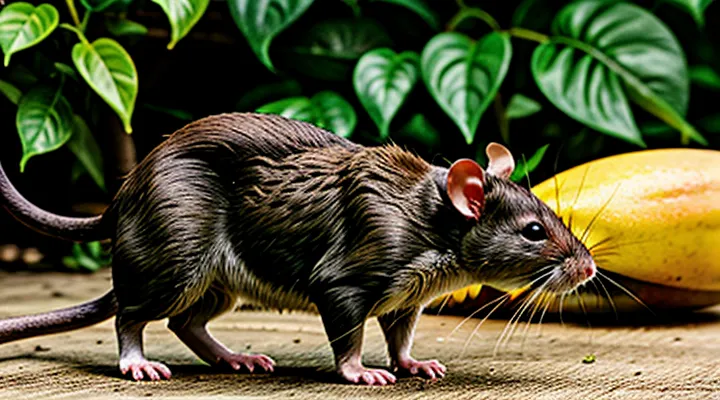
Understanding Rat Diet: The Basics
What Do Rats Naturally Eat?
Rats in the wild consume a varied diet that reflects the opportunistic nature of their foraging behavior. Their intake consists primarily of:
- Grains such as wheat, barley, and oats
- Seeds from grasses, legumes, and sunflowers
- Fresh vegetation including leafy greens, shoots, and stems
- Fruits like berries, apples, and figs
- Nuts and kernels, providing essential fats
- Invertebrates—worms, insects, and their larvae—supplying protein
- Small amounts of carrion when available
These food categories supply carbohydrates, proteins, fats, vitamins, and minerals required for growth, reproduction, and immune function. The proportion of each component fluctuates with seasonal availability; during harvest periods, grains dominate, whereas in wetter seasons fruits and insects become more prominent.
Domestic rats inherit this dietary flexibility, but their nutrition must be balanced to prevent deficiencies. Commercial rodent chow replicates the natural mix of macronutrients and micronutrients, ensuring consistent intake. Supplemental fresh items can be offered safely when they align with the natural composition listed above.
Mango, a tropical fruit, contains high sugar levels and a pit that is toxic if ingested. Introducing small, seed‑free mango flesh occasionally does not conflict with the natural fruit component of a rat’s diet, provided it remains a minor portion of total calories. Regular feeding of mango or any sugary fruit can displace essential nutrients and lead to obesity or digestive upset. Therefore, mango should be treated as an occasional treat, not a staple, and always served without the pit.
Dietary Needs of Pet Rats
Essential Nutrients for Rats
Rats require a balanced diet that supplies protein, essential fatty acids, carbohydrates, vitamins, minerals, fiber, and adequate water. Protein, sourced from animal or plant matter, supports growth, tissue repair, and immune function. Essential fatty acids, particularly omega‑3 and omega‑6, maintain cell membrane integrity and neurological health. Carbohydrates provide energy but should be moderated to prevent obesity.
Key vitamins for rats include:
- Vitamin A – vision, skin, and immune response
- Vitamin D – calcium absorption, bone development
- Vitamin E – antioxidant protection
- Vitamin K – blood clotting
- B‑complex (B1, B2, B3, B5, B6, B12, folate) – metabolism, nerve function
Critical minerals comprise calcium, phosphorus, magnesium, potassium, sodium, iron, zinc, copper, and selenium, each contributing to skeletal strength, enzymatic activity, and physiological regulation.
Fiber, primarily from plant material, promotes gastrointestinal motility and microbiome health. Fresh water must be continuously available.
Mango offers vitamin A, vitamin C, and dietary fiber, but it lacks sufficient protein, essential fatty acids, and several B‑vitamins and minerals required for rat health. The fruit’s high sugar content can lead to weight gain and metabolic disturbances if fed in excess. Consequently, mango should be treated as an occasional treat, not a staple, and only introduced after confirming the animal tolerates it without digestive upset.
A prudent feeding plan for rats includes a commercial base diet that meets all nutrient requirements, supplemented with small portions of fresh vegetables, occasional fruits such as mango, and occasional protein sources like boiled egg or lean meat. Monitoring body condition and health markers ensures the diet remains appropriate.
Foods to Avoid for Rats
Mango can be an occasional treat for pet rats, but many common foods pose health risks and should be excluded from their diet. Toxic or indigestible items can cause gastrointestinal distress, liver damage, or fatal poisoning.
Foods to avoid for rats
- Chocolate and cocoa products – contain theobromine, which is lethal to rodents.
- Caffeine‑containing beverages and foods – stimulate the heart and nervous system dangerously.
- Alcohol – depresses central nervous function and can be fatal even in small doses.
- Raw beans, especially kidney beans – contain lectins that irritate the intestinal lining.
- Citrus peels and high‑acid fruits – cause stomach irritation and may lead to dental erosion.
- Processed snack foods (chips, crackers, salty nuts) – high sodium and artificial additives strain kidneys.
- Dairy products – many rats lack lactase, resulting in diarrhea and nutrient imbalance.
- Avocado flesh and pit – persin toxin damages heart and respiratory tissues.
- Onions, garlic, chives – sulfur compounds cause hemolytic anemia.
- High‑fat meats and fried foods – promote obesity and cardiovascular problems.
Provide fresh water, a balanced pellet base, and occasional safe vegetables or fruit pieces. Limit mango to a few small cubes no more than once a week, ensuring it does not replace essential nutrients. Regularly monitor weight and stool consistency; any signs of illness warrant immediate veterinary evaluation.
Mango and Rats: A Detailed Analysis
Can Rats Eat Mango?
The Nutritional Value of Mango for Rats
Mango provides rats with a range of nutrients that can complement a balanced laboratory or pet diet. The fruit’s carbohydrate content supplies quick energy, while its fiber supports digestive health. Vitamin A, present as beta‑carotene, contributes to vision and immune function; vitamin C offers antioxidant protection; and vitamin E aids cellular integrity.
Key nutritional components of mango relevant to rat physiology include:
- Carbohydrates: Approximately 15 g per 100 g fresh fruit, primarily simple sugars.
- Dietary fiber: Roughly 1.6 g per 100 g, promoting gut motility.
- Vitamin A (beta‑carotene): About 540 µg RAE per 100 g, supporting retinal health.
- Vitamin C: Near 36 mg per 100 g, enhancing immune response.
- Vitamin E: Approximately 0.9 mg per 100 g, protecting membrane lipids.
- Potassium: Around 156 mg per 100 g, regulating fluid balance and nerve activity.
- Folate: About 43 µg per 100 g, necessary for DNA synthesis.
Mango should be offered in limited quantities; excess sugars can disrupt glucose regulation and contribute to obesity. A serving size of no more than 5 % of a rat’s daily caloric intake is advisable, typically a small bite of peeled fruit. Removing the pit eliminates the risk of choking and exposure to cyanogenic compounds. Regular monitoring of weight and behavior will indicate whether mango supplementation is appropriate for a specific animal.
Potential Benefits of Feeding Mango to Rats
Providing mango to rats introduces several nutritional advantages. Mango fruit supplies simple carbohydrates, which can serve as an immediate energy source for active rodents. The fruit’s vitamin C content contributes to antioxidant defenses, helping to mitigate oxidative stress. Dietary fiber in mango supports gastrointestinal motility and may promote a balanced gut microbiome.
Key benefits include:
- Enhanced energy levels from natural sugars.
- Improved immune function through vitamin C and other phytochemicals.
- Support for digestive health via soluble and insoluble fiber.
- Potential reduction of inflammation owing to flavonoids such as quercetin and mangiferin.
Risks and Considerations of Feeding Mango to Rats
Oxalates in Mango
Mango contains oxalic acid, which forms oxalate salts. Typical ripe mango flesh holds approximately 5–15 mg of oxalates per 100 g, while the skin and seed contain considerably higher concentrations, often exceeding 100 mg per 100 g. Oxalates can bind calcium, creating insoluble calcium oxalate crystals that may precipitate in the urinary tract.
In rats, excessive dietary oxalates can:
- Reduce calcium absorption, leading to hypocalcemia.
- Promote formation of renal calculi, especially in strains predisposed to kidney stone development.
- Induce mild gastrointestinal irritation when large amounts are ingested.
Research indicates that a controlled inclusion of mango flesh at 5–10 % of a rat’s total diet does not produce measurable adverse effects on renal function or mineral balance. However, feeding mango skin or seed material should be avoided due to their high oxalate load.
Practical guidelines for offering mango to rats:
- Use only peeled, ripe fruit.
- Limit portions to no more than 10 g of flesh per 100 g of body weight per day.
- Monitor urinary output for signs of crystal formation in long‑term feeding programs.
- Provide a diet rich in calcium to counteract potential oxalate‑induced calcium loss.
When these precautions are observed, the oxalate content of mango does not pose a significant health risk to laboratory or pet rats.
Sugar Content and Its Implications
Mango contains approximately 14 g of sugar per 100 g of edible flesh, primarily as fructose, glucose, and sucrose. This concentration exceeds the typical carbohydrate intake of a laboratory rat, which averages 5–7 g of total sugars per day when fed a standard grain‑based diet.
High sugar levels can trigger rapid spikes in blood glucose, challenging the limited insulin capacity of rodents. Repeated exposure may predispose rats to glucose intolerance, weight gain, and fatty liver development. Dental health also suffers; elevated oral sugar promotes bacterial proliferation and enamel demineralization, increasing the risk of caries.
Practical considerations for offering mango to rats include:
- Limit portions to no more than 5 g of fresh fruit per 100 g of body weight, delivered no more than twice weekly.
- Prefer ripe fruit with low external pesticide residues; wash thoroughly before serving.
- Monitor body weight, blood glucose, and oral condition after introduction.
- Provide alternative low‑sugar treats (e.g., cucumber or leafy greens) to satisfy novelty without excessive carbohydrate load.
Overall, the sugar content of mango demands controlled, infrequent feeding to avoid metabolic disturbances and oral disease in rats.
Allergic Reactions in Rats
Mango fruit contains several potential allergens, including urushiol‑like phenolic compounds and proteins that can trigger immune responses in rodents. When rats ingest mango, the following signs may indicate an allergic reaction:
- Skin erythema, pruritus, or localized swelling around the mouth and paws.
- Respiratory distress such as rapid breathing, wheezing, or nasal discharge.
- Gastrointestinal upset manifested by vomiting, diarrhea, or reduced appetite.
- Systemic manifestations including lethargy, tremors, or collapse.
Allergic mechanisms in rats involve IgE‑mediated hypersensitivity or non‑IgE pathways that activate mast cells and release histamine, prostaglandins, and leukotrienes. The severity of the response depends on the amount of mango consumed, prior sensitization, and individual genetic predisposition.
Diagnostic evaluation should begin with a detailed dietary history and observation of clinical signs after mango exposure. Laboratory confirmation may include:
- Serum IgE quantification specific to mango proteins.
- Skin prick testing using diluted mango extract.
- Histopathological examination of affected tissues for eosinophilic infiltration.
Management focuses on immediate symptom control and prevention of further exposure. First‑line treatment consists of antihistamines (e.g., diphenhydramine) and corticosteroids for severe inflammation. In cases of respiratory compromise, supplemental oxygen and bronchodilators are warranted. After stabilization, the animal should be placed on an allergen‑free diet, and any mango‑containing treats must be eliminated.
Preventive strategies include gradual introduction of new foods under veterinary supervision, monitoring for adverse reactions, and maintaining a record of known allergens for each animal. When considering mango as a dietary supplement for rats, the risk of hypersensitivity must be weighed against any nutritional benefit, and alternative fruits with lower allergenic potential should be preferred.
Choking Hazards: Preparing Mango for Rats
Mango can be a safe occasional treat for rats when preparation eliminates choking risks. The fruit’s pit, fibrous skin, and large chunks present the primary hazards. Proper handling reduces the chance of airway obstruction and digestive upset.
- Remove the seed entirely; it is hard, large, and can become lodged in the throat.
- Peel the mango or trim away any tough, stringy flesh that may resist chewing.
- Cut the edible portion into pieces no larger than ¼ inch (approximately 6 mm) on each side.
- Inspect each piece for residual fibers or tough sections; discard any that remain.
- Offer only a few pieces at a time, observing the rat for signs of difficulty swallowing or excessive gulping.
After presenting the prepared mango, monitor the animal for coughing, gagging, or prolonged pauses in breathing. If any distress occurs, remove the fruit immediately and provide fresh water. Consistently applying these steps keeps mango consumption safe and minimizes choking incidents.
How to Safely Offer Mango to Your Rat
Choosing the Right Type of Mango
Mango can be a suitable supplement for pet rats when the fruit is selected carefully. The type of mango influences nutritional value, digestibility, and the risk of contaminants.
- Choose varieties with low fiber and moderate sugar, such as Ataulfo or Honey mango; avoid highly fibrous types like Kent that may cause gastrointestinal upset.
- Select fruit that is fully ripe but not over‑ripe; a firm yet yielding texture indicates optimal sweetness without excess fermentation.
- Verify that the mango is organic or certified pesticide‑free; residues can be toxic to small mammals.
- Remove the skin only if it appears thick or waxed; some skins contain higher concentrations of natural chemicals that rats may not tolerate.
- Eliminate the pit completely; pits contain cyanogenic compounds and pose choking hazards.
Prepare the fruit by rinsing under running water, cutting into bite‑size cubes (approximately 0.5 cm), and offering no more than one or two pieces per day for an adult rat. Observe the animal for changes in stool consistency or reduced appetite, which may signal intolerance. Adjust portion size or discontinue feeding if adverse effects appear.
Proper Preparation of Mango for Rats
Mango may be offered to pet rats when it is cleaned, de‑seeded, and portioned appropriately.
- Wash the fruit under running water to remove surface contaminants.
- Peel the skin; the outer layer contains fibers and pesticide residues that rats cannot digest efficiently.
- Remove the pit completely; the stone is a choking hazard and contains cyanogenic compounds.
- Cut the flesh into cubes no larger than ½ inch (≈1.3 cm) to facilitate handling and prevent accidental ingestion of large pieces.
A single serving should not exceed 1 teaspoon (≈5 g) of mango flesh per day for an adult rat, representing less than 1 % of total caloric intake. Offer the portion once or twice weekly, alternating with other fruit options to maintain nutritional balance.
Store prepared mango in a sealed container in the refrigerator and use within 24 hours. Discard any portion that shows signs of spoilage, such as discoloration, off‑odor, or mold, to avoid bacterial contamination.
By following these steps, mango can be introduced safely as an occasional treat without compromising the rat’s health.
Recommended Serving Size and Frequency
Mango can be offered to pet rats as an occasional treat, provided the portion size and feeding frequency are carefully controlled.
A safe serving for a single adult rat is approximately 0.5 g of fresh mango flesh, which equates to a cube about 0.5 cm on each side. The fruit should be peeled, seeded, and cut into uniform pieces to prevent choking.
Guidelines for frequency:
- Offer mango no more than twice per week.
- Limit each session to a single 0.5 g piece.
- Observe the rat for any signs of digestive upset; discontinue if vomiting, diarrhea, or reduced appetite occurs.
When incorporating mango into a balanced diet, ensure that the bulk of nutrition comes from a high‑quality rodent pellet, with fresh vegetables and limited fruit treats. Adjust the total fruit intake if other fruits are also provided, keeping the combined fruit portion below 5 % of the rat’s daily caloric intake.
Observing Your Rat After Feeding Mango
After introducing mango to a pet rat, immediate observation is essential to determine tolerance and health impact.
Key indicators to watch include:
- Food intake: Note whether the rat continues to eat regular diet or shows reduced appetite.
- Stool consistency: Look for diarrhea, softening, or unusual color, which may signal digestive upset.
- Activity level: Observe changes in exploration, grooming, or lethargy.
- Weight fluctuations: Weigh the rat before feeding and again after 24‑48 hours to detect rapid loss or gain.
- Oral health: Check for swelling, redness, or irritation around the mouth and teeth.
If any adverse signs appear, discontinue mango and consult a veterinarian. Continue monitoring for at least 48 hours after the first serving; stable behavior and normal stool indicate safe tolerance. For future feedings, limit mango to small, seed‑free pieces no more than once a week to prevent sugar overload and potential gastrointestinal irritation.
Alternative Safe Fruits for Rats
Berries and Their Advantages
Berries provide a concentrated source of nutrients that can support the health of laboratory and pet rodents when included as a supplementary treat. Antioxidants such as anthocyanins protect cellular membranes from oxidative damage, while vitamin C contributes to collagen synthesis and immune function. Fiber content promotes gastrointestinal motility, reducing the risk of constipation in small mammals.
Key advantages of berries for rodent diets:
- High levels of polyphenols that mitigate inflammation.
- Low caloric density, allowing occasional feeding without excessive energy intake.
- Natural sugars that satisfy taste preferences while offering additional micronutrients.
When evaluating the suitability of mango for rodents, the nutritional profile of berries offers a relevant comparison. Mango supplies carbohydrates and vitamin A but lacks the robust antioxidant spectrum found in many berries. Incorporating berries alongside or in place of mango can diversify the diet, enhance nutrient balance, and provide protective compounds absent from mango alone.
Other Safe Fruit Options
Rats can safely eat a variety of fruits, offering nutritional benefits without the risks associated with mango’s high sugar content. The following fruits are routinely recommended for laboratory and pet rats:
- Apple (core removed) – provides fiber, vitamin C, and antioxidants; serve in small, bite‑size pieces.
- Blueberries – rich in anthocyanins and low in calories; offer a few berries per serving.
- Strawberries – source of vitamin C and folate; trim stems and limit to a few slices.
- Pear (seedless) – supplies dietary fiber and potassium; cut into small cubes.
- Kiwi – high in vitamin K and vitamin C; remove skin and offer in modest portions.
- Melon (cantaloupe or honeydew) – contains water and electrolytes; provide a few chunks.
- Papaya – offers digestive enzymes and vitamin A; serve without seeds and in limited amounts.
Each fruit should be introduced gradually, monitored for tolerance, and offered no more than 10 % of the rat’s daily diet. Avoid fruits with pits, high acidity, or excessive sugar to prevent gastrointestinal upset. Regularly rotate fruit selections to maintain dietary variety and prevent nutrient imbalances.