
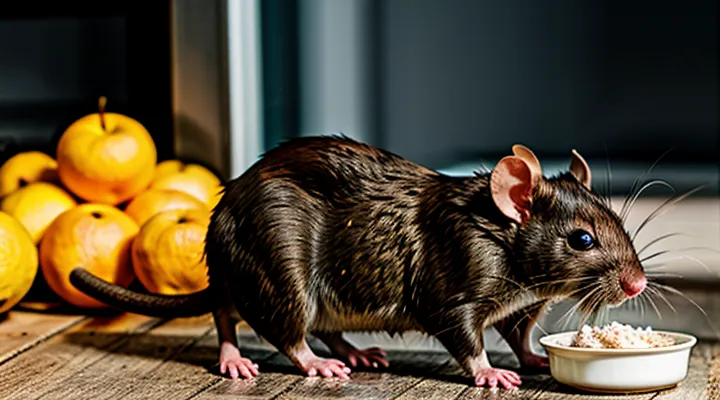
Understanding Rat Dietary Needs
Essential Nutrients for Rats
Macronutrients
Lard consists primarily of fat, providing a dense source of energy for laboratory or pet rats. The macronutrient profile is:
- Fat: 100 g of lard supplies approximately 900 kcal, composed of about 55 % saturated fatty acids, 35 % monounsaturated fatty acids, and 10 % polyunsaturated fatty acids.
- Protein: Negligible; less than 1 g per 100 g.
- Carbohydrate: Negligible; less than 1 g per 100 g.
Rats require a balanced diet that includes protein (15–20 % of calories), carbohydrates (45–55 % of calories), and fat (5–10 % of calories). Introducing lard increases the fat proportion dramatically, potentially displacing essential protein and carbohydrate intake. Excess saturated fat can elevate serum cholesterol and promote hepatic steatosis in rodents, while the low content of essential linoleic acid limits the supply of polyunsaturated fatty acids required for cell membrane integrity.
When lard is used as a supplemental ingredient, the following guidelines apply:
- Limit inclusion to no more than 5 % of total diet weight, ensuring that protein and carbohydrate targets remain met.
- Combine with a high‑quality rodent chow that supplies adequate amino acids, vitamins, and minerals.
- Monitor body weight, blood lipid profiles, and liver histology regularly to detect adverse effects.
In summary, lard delivers high caloric density but lacks the macronutrient balance necessary for optimal rat nutrition. Controlled, minimal supplementation may be acceptable for specific experimental protocols, provided that overall dietary composition adheres to established nutritional standards.
Micronutrients
Lard supplies a dense energy source for laboratory and pet rats, yet its contribution to essential micronutrients remains limited. The fat matrix contains measurable amounts of fat‑soluble vitamins and a few trace elements, but the concentrations fall short of the daily requirements for most rodent species.
- Vitamin E (α‑tocopherol): present in modest quantities, acts as an antioxidant.
- Vitamin D3 (cholecalciferol): detectable at low levels, supports calcium metabolism.
- Vitamin K2 (menaquinone): trace amounts, involved in blood clotting.
- Selenium: minute concentrations, part of antioxidant enzymes.
- Vitamin B2 (riboflavin) and B3 (niacin): trace residues, contribute to energy metabolism.
Key micronutrients absent or insufficient in pure lard include vitamin A, vitamin C, calcium, phosphorus, magnesium, iron, zinc, and copper. These deficits can impair vision, immune function, skeletal development, and enzymatic activity if lard constitutes a major dietary component.
Excessive fat intake predisposes rats to obesity and hepatic steatosis; however, micronutrient toxicity is unlikely unless lard is artificially fortified. Over‑supplementation of vitamin A, for example, can cause hypervitaminosis and skeletal abnormalities.
Optimal practice combines lard with a nutritionally complete pelleted diet or targeted supplements that deliver the missing vitamins and minerals. This approach ensures adequate micronutrient intake while preserving the caloric benefit of lard.
Common Rat Food Options
Rats thrive on a diet that balances carbohydrates, protein, fiber, and moderate fat. Common options include:
- Whole grains: oats, barley, brown rice, and wheat provide essential carbohydrates and B‑vitamins.
- Seeds and nuts: sunflower seeds, pumpkin seeds, and unsalted peanuts supply healthy fats and minerals; quantities should be limited to prevent excess caloric intake.
- Fresh produce: carrots, broccoli, peas, apples, and berries deliver fiber, antioxidants, and vitamins; avoid citrus skins and highly acidic fruits.
- Protein sources: boiled chicken, lean turkey, boiled eggs, and mealworms offer amino acids necessary for growth and tissue repair.
- Commercial rodent pellets: formulated to meet nutritional standards, they contain a precise blend of macro‑ and micronutrients.
Each item contributes to overall health, yet excessive fat can lead to obesity and liver strain. Lard, a concentrated animal fat, dramatically raises the dietary fat percentage compared with the foods listed above. Small, occasional portions may be tolerated, but regular inclusion disrupts the balanced nutrient profile that typical rat foods provide. Monitoring weight and activity levels is essential when adjusting fat content in a rat’s regimen.
Lard as a Dietary Component for Rats
What is Lard?
Composition of Lard
Lard is rendered pig fat, primarily composed of triglycerides. The fatty acid profile includes approximately 45 % saturated fatty acids, 40 % monounsaturated fatty acids, and 15 % polyunsaturated fatty acids. The main saturated acids are palmitic (C16:0) and stearic (C18:0). Oleic acid (C18:1) dominates the monounsaturated fraction, while linoleic acid (C18:2) accounts for most polyunsaturated content. Minor components comprise cholesterol, phospholipids, and trace fat‑soluble vitamins (A, D, E, K). Residual moisture is typically below 0.5 %, and the caloric density ranges from 9.0 to 9.5 kcal g⁻¹.
Key constituents relevant to rodent nutrition:
- Energy source: high caloric density supplies rapid energy.
- Essential fatty acids: limited linoleic acid provides a modest source of omega‑6.
- Saturated fats: palmitic and stearic acids influence membrane rigidity.
- Monounsaturated fats: oleic acid supports lipid metabolism.
- Cholesterol: contributes to steroid synthesis and membrane structure.
- Fat‑soluble vitamins: potential source of vitamins A, D, E, K, though levels vary with processing.
The absence of carbohydrates and protein means lard cannot meet the complete dietary requirements of rats. Its high saturated fat content may affect lipid profiles if included excessively. Therefore, understanding the precise composition is essential when evaluating lard as a supplemental ingredient in rodent diets.
Nutritional Profile of Lard
Lard consists primarily of fat, providing approximately 900 kcal per 100 g. The fatty‑acid profile is dominated by saturated and monounsaturated triglycerides, with a smaller proportion of polyunsaturated acids.
- Saturated fatty acids: 40–45 % (palmitic, stearic)
- Monounsaturated fatty acids: 45–50 % (oleic)
- Polyunsaturated fatty acids: 2–5 % (linoleic, α‑linolenic)
- Cholesterol: 80–90 mg per 100 g
- Vitamin D: 0.5–1 µg per 100 g
- Vitamin E (α‑tocopherol): 0.1–0.2 mg per 100 g
- Trace minerals: sodium ≈ 50 mg, potassium ≈ 100 mg, negligible iron and calcium
Lard contains no protein, carbohydrate, fiber, or significant amounts of water. The high energy density and elevated saturated‑fat content make it a concentrated source of calories but provide limited micronutrients beyond the listed vitamins and trace minerals.
When assessing suitability for rodents, the absence of essential amino acids and the risk of excessive saturated‑fat intake must be weighed against the caloric benefit.
Potential Benefits of Lard for Rats
Energy Source
Lard supplies a high caloric density, delivering approximately 9 kcal per gram, which surpasses the energy provided by most carbohydrate- or protein‑based feeds. The fatty acids in pork fat—primarily saturated palmitic and stearic acids, together with monounsaturated oleic acid—are readily absorbed in the rat’s small intestine, contributing directly to ATP production via β‑oxidation.
Metabolic effects of a lard‑enriched diet include:
- Increased plasma triglyceride levels within 24 hours of ingestion.
- Elevated hepatic fatty acid oxidation rates, observable after 48 hours.
- Potential reduction in glycogen stores when lard replaces carbohydrate sources.
Digestibility studies report that rats assimilate 95 % of dietary lard, indicating minimal losses in the gastrointestinal tract. Energy conversion efficiency (gross energy to metabolizable energy) for lard averages 0.88, higher than that of typical grain‑based diets.
Feeding recommendations:
- Limit lard to no more than 10 % of total diet weight to avoid excessive lipid accumulation.
- Pair lard with adequate levels of essential fatty acids (linoleic and α‑linolenic acids) to prevent deficiency.
- Monitor body weight and serum lipid profiles weekly; adjust inclusion rate if hyperlipidemia develops.
Overall, lard functions as a potent energy source for rats, delivering dense calories and readily metabolizable fats, provided that inclusion levels remain controlled and balanced with essential nutrients.
Fat-Soluble Vitamin Absorption
Feeding rats pork fat introduces a dense source of dietary lipids that directly influences the intestinal uptake of vitamins A, D, E, and K. These micronutrients dissolve in the lipid phase, forming micelles that facilitate transport across the enterocyte membrane. Once inside the cell, they are incorporated into chylomicrons and enter the lymphatic system, bypassing hepatic first‑pass metabolism and reaching peripheral tissues.
Key factors affecting the efficiency of this process include:
- Fat quantity: Adequate levels of lard (approximately 5–10 % of diet weight) provide sufficient solubilizing medium for micelle formation.
- Fat composition: High‑saturated‑fat content enhances micellar stability, but excessive saturation may impair bile secretion.
- Bile availability: Adequate bile acid secretion is required to emulsify lard particles; deficiencies reduce micelle size and vitamin solubility.
- Presence of antagonists: Phytates or excessive dietary fiber can bind fat‑soluble vitamins, lowering absorption rates.
In practice, incorporating lard into a standard rodent chow increases serum concentrations of vitamins A and D within two weeks, while vitamin E levels rise proportionally to the amount of unsaturated fatty acids present. Vitamin K absorption shows the greatest variability, responding to both fat content and gut microbiota composition.
Monitoring plasma vitamin concentrations after diet modification ensures that the enhanced absorption does not exceed physiological limits, preventing hypervitaminosis. Adjustments to lard inclusion should consider the baseline nutritional status of the colony and the specific experimental objectives.
Potential Risks and Concerns of Lard for Rats
High Saturated Fat Content
Lard consists primarily of saturated fatty acids, with approximately 40‑45 % of its total fat content classified as saturated. This proportion exceeds that of most plant‑based oils and aligns with the fatty‑acid profile of animal fats such as beef tallow.
Elevated saturated fat intake influences rat physiology in several measurable ways:
- Increases serum cholesterol and low‑density lipoprotein concentrations.
- Promotes hepatic lipid accumulation, potentially leading to steatosis.
- Alters membrane fluidity, affecting neuronal signaling and muscle contractility.
- Reduces insulin sensitivity, accelerating the onset of glucose intolerance.
Experimental data indicate that diets containing more than 10 % lard by weight produce statistically significant changes in these biomarkers within four weeks. Rats on lower inclusion levels (2‑5 % of total diet) display modest shifts but maintain baseline metabolic parameters.
When formulating rodent feeds, the following guidelines mitigate adverse effects of high saturated fat:
- Limit total saturated fat to ≤5 % of caloric intake for long‑term studies.
- Balance lard with unsaturated fat sources (e.g., soybean or canola oil) to improve fatty‑acid ratios.
- Incorporate fiber and antioxidants to counteract oxidative stress associated with saturated lipid metabolism.
- Monitor blood lipid panels and liver enzymes regularly throughout the feeding period.
Understanding the precise contribution of saturated fatty acids in lard enables researchers to design diets that reflect specific nutritional objectives while preserving animal health.
Caloric Density
Lard contains approximately 9 kilocalories per gram, the highest energy density among common animal fats. This value exceeds that of most rodent feed components, such as grains (≈3.5 kcal/g) and standard laboratory chow (≈3.2 kcal/g). Consequently, a small portion of lard supplies a disproportionate amount of calories, rapidly increasing total energy intake.
When formulating a diet for laboratory or pet rats, the caloric contribution of lard must be calculated precisely. An excess of even a few grams can raise daily energy consumption by 30–50 % relative to a balanced diet, potentially leading to rapid weight gain and metabolic disturbances.
Practical considerations for inclusion of lard:
- Limit to ≤0.5 g per 100 g of total diet to keep overall caloric density near 4 kcal/g.
- Monitor body weight and adiposity weekly; adjust portion size if gain exceeds 2 % per week.
- Pair with low‑fat protein sources to maintain appropriate macronutrient ratios.
Accurate assessment of caloric density ensures that lard, if used, contributes energy without compromising the nutritional balance required for healthy rat physiology.
Digestive Issues
Lard is a dense source of saturated fat that can be introduced into a rat’s diet for caloric enrichment. When presented in excessive amounts, the rat’s digestive system may struggle to emulsify and absorb the lipid load, leading to measurable disturbances.
High‑fat intake can suppress gastric emptying, reduce intestinal motility, and overwhelm pancreatic lipase activity. The resulting imbalance often manifests as loose, oily stools and occasional abdominal discomfort. Chronic exposure may predispose rats to fatty liver infiltration and inflammation of the intestinal mucosa.
Common digestive complications include:
- Steatorrhea (fatty, foul‑smelling feces)
- Bloating and gas accumulation
- Reduced appetite due to gastrointestinal irritation
- Weight loss despite high‑calorie provision
To mitigate these effects, follow a conservative feeding protocol:
- Limit lard to no more than 5 % of total daily caloric intake.
- Introduce the fat gradually over several days, observing stool consistency.
- Pair lard with high‑fiber ingredients such as shredded wheat or beet pulp to promote bowel regularity.
- Conduct regular health checks, focusing on fecal appearance and abdominal palpation.
When administered responsibly, lard can contribute to the energy budget of a rat without provoking severe digestive upset. Vigilant monitoring and strict portion control remain essential to preserve gastrointestinal health.
Obesity and Related Health Problems
Feeding laboratory rodents a diet enriched with animal fat dramatically increases caloric density. Each gram of rendered pork fat supplies approximately 9 kcal, exceeding the energy provided by standard grain‑based chow. When rodents consume such high‑energy meals, excess calories are stored as adipose tissue, leading to rapid weight gain.
Key physiological effects of excessive fat intake include:
- Elevated serum triglycerides and cholesterol, predisposing to atherosclerotic changes.
- Insulin resistance development, marked by impaired glucose tolerance and hyperinsulinemia.
- Hepatic steatosis, characterized by lipid accumulation within liver cells and potential progression to fibrosis.
- Increased inflammatory cytokine production, contributing to systemic low‑grade inflammation.
Experimental data show that a 20 % increase in dietary fat content can raise body weight by 30–40 % within four weeks. Parallel observations report a proportional rise in leptin levels, yet leptin signaling becomes attenuated, reinforcing appetite dysregulation.
Long‑term exposure to a high‑fat regimen also compromises cardiovascular function. Rats exhibit left‑ventricular hypertrophy and reduced cardiac output, mirroring human obesity‑related heart disease. Renal pathology emerges as glomerular sclerosis and proteinuria, reflecting strain on kidney filtration mechanisms.
Mitigation strategies employed in research settings involve:
- Gradual reduction of dietary fat proportion.
- Introduction of fiber‑rich components to promote satiety.
- Regular physical activity protocols to increase energy expenditure.
These interventions demonstrate reversal of weight gain and improvement in metabolic markers within eight weeks, underscoring the plasticity of obesity‑related conditions when dietary fat intake is controlled.
Feeding Guidelines and Alternatives
Safe Introduction of New Foods
Feeding lard to laboratory or pet rats requires careful assessment of fat content, potential contaminants, and the animal’s existing diet. Lard supplies saturated and monounsaturated fats, providing a dense energy source; however, excessive intake can lead to obesity, hepatic steatosis, and altered lipid metabolism. Prior to inclusion, verify that the product is rendered from healthy animals, free of additives, and stored at low temperature to prevent oxidation.
When introducing any novel food, follow a structured protocol:
- Baseline health check: Record weight, coat condition, and activity level before exposure.
- Gradual incorporation: Replace 5 % of the standard chow with lard for three days, then increase to 10 % if no adverse signs appear.
- Monitoring period: Observe daily for changes in stool consistency, respiratory rate, and behavior; document any gastrointestinal distress.
- Post‑introduction evaluation: Re‑measure body weight and conduct a brief blood panel focusing on triglycerides, cholesterol, and liver enzymes.
If any negative response emerges, discontinue the supplement and revert to the original diet. Long‑term feeding of lard should not exceed 10 % of total caloric intake, and periodic health assessments remain necessary to prevent metabolic complications.
Recommended Fat Sources for Rats
Healthy Oils
Rats metabolize fats differently from humans; saturated fat from pork fat (lard) is high in calories and contains minimal essential fatty acids. Substituting lard with plant‑derived oils improves the balance of omega‑3 and omega‑6 fatty acids, supports cell membrane integrity, and reduces the risk of diet‑induced obesity in laboratory rodents.
Key characteristics of healthy oils for rat diets:
- Olive oil – rich in monounsaturated oleic acid; low in saturated fat; provides antioxidant polyphenols.
- Canola oil – moderate omega‑3 (α‑linolenic acid) content; low saturated fat; suitable for balanced n‑6/n‑3 ratio.
- Flaxseed oil – highest plant‑based omega‑3 concentration; promotes anti‑inflammatory pathways; requires storage in dark, cool conditions to prevent oxidation.
- Sunflower oil (high‑oleic) – elevated monounsaturated fats; minimal polyunsaturated fats; stable at higher temperatures.
When formulating a rat chow that includes oils, consider the following guidelines:
- Limit total fat contribution to 5–10 % of the diet’s caloric content to avoid excess energy intake.
- Protect oils from oxidation by adding vitamin E or storing them under nitrogen.
- Verify that the oil source is free of contaminants such as pesticides or trans‑fat residues.
- Rotate oil types periodically to ensure a broader spectrum of fatty acids.
Replacing lard with the oils listed above delivers essential fatty acids absent in saturated animal fat, improves lipid profiles, and aligns with nutritional standards for rodent research.
Specific Seeds and Nuts
Seeds and nuts provide concentrated energy, essential fatty acids, and micronutrients that can complement or replace animal fats in a rat’s diet. Their lipid profiles differ from lard, offering higher proportions of polyunsaturated fats, which support cell membrane fluidity and hormone synthesis.
Key nutritional contributions of common rodent‑suitable seeds and nuts include:
- Sunflower seeds – rich in linoleic acid, vitamin E, and selenium; moderate protein content.
- Pumpkin seeds – high in zinc, magnesium, and tryptophan; contain both omega‑6 and omega‑3 fatty acids.
- Flaxseed – source of alpha‑linolenic acid (ALA), lignans, and dietary fiber; promotes digestive health.
- Almonds – supply monounsaturated fats, calcium, and biotin; low in carbohydrate load.
- Walnuts – contain omega‑3 ALA, antioxidants, and manganese; beneficial for neural development.
When integrating seeds or nuts, limit portions to 5–10 % of total daily intake to avoid excess calories and potential gastrointestinal upset. Ensure the selected varieties are unsalted, free of additives, and introduced gradually to monitor tolerance. Combining these plant‑based fats with modest amounts of animal fat can create a balanced energy profile while delivering diverse vitamins and minerals essential for growth, reproduction, and overall health in laboratory or pet rats.
Foods to Avoid for Rats
Rats require a balanced diet to maintain health, prevent obesity, and support organ function. Certain foods present acute or chronic risks and should never be offered.
- Processed meats and high‑fat animal products (including excessive lard) can cause hepatic lipidosis and pancreatitis.
- Sugary treats such as candy, baked goods, and fruit juice lead to rapid blood‑glucose spikes and dental decay.
- Raw or undercooked beans contain lectins that damage intestinal lining and may cause hemolytic anemia.
- Citrus fruits and juices are highly acidic, irritating the stomach and potentially causing ulceration.
- Dairy products often cause gastrointestinal upset because many rats lack lactase.
- Caffeine, nicotine, and alcohol are neurotoxic, producing tremors, seizures, or fatal respiratory depression.
- Chocolate, especially dark varieties, contains theobromine, which induces cardiac arrhythmia and seizures.
- Allium family members (onion, garlic, leeks) contain thiosulfates that damage red blood cells, leading to anemia.
- Avocado flesh and pit contain persin, a toxin that can cause respiratory distress and myocardial damage.
- Raw potatoes and green tomato skins hold solanine, a neurotoxin that may result in lethargy and vomiting.
- Salty snacks and soy sauce create electrolyte imbalance, risking dehydration and kidney strain.
Avoiding these items reduces the likelihood of metabolic disorders, organ failure, and premature death, ensuring a longer, healthier life for pet rats.
Monitoring Rat Health and Diet
When introducing animal fat into a rodent diet, systematic health monitoring becomes essential. Baseline data—body weight, coat condition, activity level, and stool consistency—should be recorded before any dietary change. Subsequent measurements at regular intervals (e.g., every three days) reveal trends that indicate acceptance or adverse effects.
Key parameters to track include:
- Body mass: rapid gain may signal excess caloric intake; loss suggests intolerance or metabolic distress.
- Serum lipid profile: cholesterol, triglycerides, and free fatty acids provide direct insight into fat metabolism.
- Liver enzymes: alanine aminotransferase (ALT) and aspartate aminotransferase (AST) detect hepatic stress.
- Blood glucose: fluctuations reveal potential impacts on insulin sensitivity.
- Behavioral observations: lethargy, aggression, or changes in grooming habits often precede physiological symptoms.
Data collection should employ calibrated scales, handheld glucometers, and laboratory assays performed under consistent conditions. Recording tools—digital logs or spreadsheet templates—facilitate trend analysis and enable rapid identification of outliers.
If any parameter deviates beyond established reference ranges, adjust the fat proportion or discontinue the ingredient. Gradual introduction, starting at 1–2 % of total caloric content and increasing no more than 0.5 % weekly, minimizes shock to the digestive system. Complementary nutrients—fiber, vitamins, and minerals—must remain balanced to prevent deficiencies that could confound health assessments.
Long‑term monitoring, extending several weeks beyond the adjustment period, confirms whether the dietary modification sustains normal growth patterns and physiological stability. Consistent documentation, coupled with objective laboratory metrics, provides the evidential basis for determining the suitability of animal fat in rat nutrition.
Expert Opinions and Research
Veterinary Recommendations
Veterinarians advise that lard, a rendered pork fat, provides a high concentration of saturated fats and calories but lacks essential nutrients required for a balanced rodent diet. Excessive intake can lead to obesity, hepatic lipidosis, and cardiovascular strain in rats.
Key considerations:
- Energy density – Lard supplies roughly 9 kcal per gram; a few grams can exceed a rat’s daily caloric requirement.
- Fat composition – Predominantly saturated fatty acids; limited polyunsaturated fats, which are vital for membrane fluidity and inflammation control.
- Micronutrient deficiency – No significant vitamins, minerals, or fiber; reliance on lard reduces intake of essential nutrients from commercial rat chow or fresh foods.
- Digestive tolerance – High‑fat meals may cause diarrhea or pancreatitis, especially in young, elderly, or compromised animals.
Veterinary recommendations:
- Avoid routine feeding – Do not incorporate lard as a regular component of a rat’s diet.
- Limit occasional treats – If offered, restrict to ≤0.5 g per adult rat, no more than once a week.
- Monitor body condition – Track weight and coat quality after any fat supplement; discontinue if signs of excess weight or lethargy appear.
- Prefer balanced sources – Use commercially formulated rat diets that contain appropriate fat ratios, supplemented with small amounts of unsaturated oils (e.g., flaxseed) when additional fat is needed.
- Consult a professional – Seek veterinary guidance before introducing any high‑fat food, particularly for rats with known metabolic or cardiac conditions.
In summary, lard delivers caloric energy but provides no nutritional balance and poses health risks. Veterinary guidance limits its use to rare, minimal treats, emphasizing a diet that meets rats’ comprehensive nutritional requirements.
Studies on Fat Intake in Rodents
Research on dietary fat in laboratory rodents provides quantitative data on energy balance, lipid metabolism, and health outcomes relevant to feeding lard to rats. Controlled trials compare purified fats, such as corn oil or soybean oil, with animal-derived fats like lard, measuring caloric efficiency, body composition, and plasma lipid profiles.
Key findings from peer‑reviewed studies include:
- Energy density: Lard supplies approximately 9 kcal g⁻¹, matching the caloric value of other fats but delivering a higher proportion of saturated fatty acids, which influences hepatic lipid synthesis.
- Growth performance: Rats receiving diets with 10–20 % lard exhibit weight gain comparable to those fed equivalent levels of vegetable oil, provided protein and micronutrient levels remain constant.
- Serum lipids: Diets high in lard raise total cholesterol and low‑density lipoprotein concentrations more than polyunsaturated oil diets; high‑density lipoprotein levels show modest increases.
- Gut microbiota: Saturated fat from lard alters microbial composition, increasing Firmicutes‑to‑Bacteroidetes ratios, a pattern associated with enhanced energy harvest.
- Inflammatory markers: Elevated intake of lard correlates with higher circulating tumor necrosis factor‑α and interleukin‑6, indicating a pro‑inflammatory response absent in diets rich in unsaturated fats.
Methodological considerations emphasize the need for isocaloric formulations, consistent fatty‑acid profiles, and appropriate control groups. Long‑term studies reveal that excessive lard consumption can predispose rats to hepatic steatosis and insulin resistance, whereas moderate inclusion (≤10 % of total diet) supports normal growth without overt metabolic disruption.
Overall, empirical evidence suggests that lard can be incorporated into rat nutrition at controlled levels, delivering comparable energy to other fats while imposing distinct effects on lipid metabolism, inflammatory status, and gut ecology. Researchers must balance these outcomes against experimental objectives when selecting fat sources for rodent diets.