
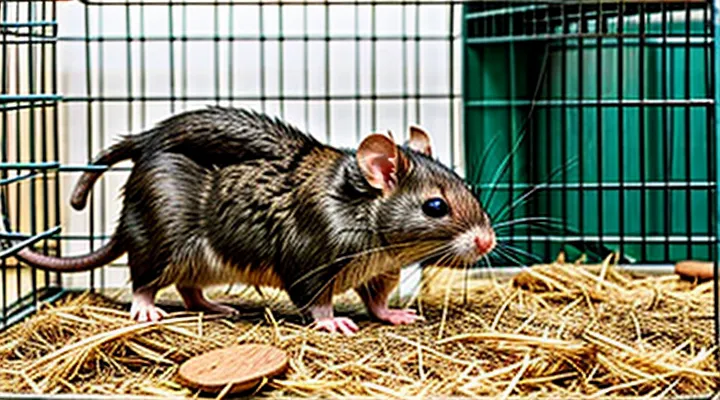
Hay and Rats: The Basics
What is Hay?
Types of Hay
Hay offers a source of fiber and chewing material for caged rats, but not all hay varieties are appropriate. Selection should prioritize safety, palatability, and nutritional balance.
- Timothy hay – Low in protein and calcium, dry texture encourages gnawing without excessive dust. Suitable for adult rats; avoid overly mature stalks that become brittle.
- Orchard grass – Soft, aromatic blades provide a gentle chewing option. Contains moderate fiber; monitor intake to prevent overconsumption.
- Meadow hay – Mix of grasses and wildflowers, delivers diverse flavors. Ensure the blend is free of toxic plants such as ragwort or thistle.
- Oat straw – Coarse, high‑fiber stalks ideal for nest building. Limited nutritional value; use as supplemental material rather than primary food.
- Alfalfa hay – High protein and calcium, beneficial for growing juveniles or lactating females. Excessive intake can lead to urinary issues in adults; restrict to occasional use.
When introducing hay, offer small quantities in a clean, dry container. Replace any damp or mold‑affected portions promptly to prevent respiratory irritation. Regular observation of the rats’ behavior will confirm acceptance and detect potential adverse reactions.
Nutritional Value of Hay
Hay consists primarily of indigestible cellulose, providing fiber that promotes gastrointestinal motility in rodents. The macronutrient profile includes:
- Roughage: 80‑90 % dry matter, largely insoluble fiber.
- Protein: 5‑10 % of dry weight, containing limited essential amino acids.
- Fat: less than 2 % of dry weight, negligible energy contribution.
- Carbohydrates: 5‑10 % soluble sugars, quickly fermented by gut microbes.
Vitamins and minerals are present in modest amounts. Typical hay supplies:
- Vitamin A precursors (β‑carotene) at 150–300 IU kg⁻¹.
- Vitamin E (α‑tocopherol) at 5–10 mg kg⁻¹.
- Calcium at 0.5–1 % of dry weight.
- Phosphorus at 0.2–0.4 % of dry weight.
- Trace minerals (magnesium, potassium, selenium) in trace concentrations.
Energy density is low, averaging 1.5–2 MJ kg⁻¹ dry matter, insufficient to meet the caloric requirements of an adult rat, which range from 45–55 kcal day⁻¹. Consequently, hay cannot serve as a primary food source but can function as a supplemental fiber source when offered alongside a balanced pellet or mash diet.
Potential benefits include:
- Reduction of dental overgrowth through natural gnawing.
- Stimulation of exploratory behavior, decreasing stress-related stereotypies.
- Enhancement of fecal bulk, lowering the risk of impaction.
Potential drawbacks involve:
- Minimal protein and fat contribution, risking nutrient deficiency if hay replaces core diet components.
- Possible contamination with mold or dust, which may cause respiratory irritation.
In practice, offering small quantities of clean, dry hay as an adjunct to a nutritionally complete rat diet provides fiber without compromising overall nutrient intake. Regular monitoring of body condition and dietary balance remains essential.
Why Consider Hay for Rats?
Natural Instincts and Enrichment
Rats possess a strong gnawing drive and a natural tendency to forage for fibrous material. Providing dried grasses satisfies these instincts while delivering essential roughage that complements a balanced pellet or grain diet.
Hay contributes to dental health by offering a safe, abrasive surface that encourages continuous tooth wear, preventing over‑growth. The fiber content supports intestinal motility, reducing the risk of constipation and related complications. Additionally, the tactile and olfactory stimulation of handling loose hay promotes exploratory behavior, which mitigates boredom and stress.
When selecting hay for cage enrichment, consider the following guidelines:
- Choose low‑dust, pesticide‑free varieties such as timothy, oat, or meadow hay.
- Trim stems to lengths that prevent entanglement in the cage bars.
- Introduce small amounts (one to two teaspoons per rat) and observe for signs of digestive upset.
- Replace hay daily to maintain freshness and avoid mold growth.
- Store unused hay in a sealed container away from humidity.
Excessive consumption may lead to loose stools or minor allergies; therefore, hay should complement, not replace, the primary nutrition source. Monitoring weight, fecal consistency, and overall activity ensures the enrichment remains beneficial without adverse effects.
Dental Health Benefits
Providing hay inside a rat enclosure promotes continuous tooth wear, which prevents the overgrowth common in these rodents. The fibrous texture of hay forces the incisors to grind against each other during chewing, maintaining the natural curvature and length required for effective gnawing. Regular abrasion reduces the risk of malocclusion, a condition that can lead to difficulty eating, weight loss, and secondary infections.
Hay also stimulates natural foraging behavior, encouraging frequent bite cycles that keep the molars polished and free of plaque buildup. This mechanical cleaning action complements oral hygiene, decreasing the likelihood of dental abscesses and periodontal disease.
Key dental advantages of hay inclusion:
- Sustained enamel wear to match growth rate of incisors.
- Prevention of sharp edges that could injure the oral cavity.
- Reduction of bacterial colonization through constant chewing motion.
- Support of overall jaw strength and alignment.
Incorporating a modest amount of timothy or meadow hay daily ensures that rats receive the necessary abrasive stimulus without compromising nutrition, thereby safeguarding their dental health throughout captivity.
Absorbency and Odor Control
Hay can serve as a supplemental substrate for pet rats, offering both moisture‑binding capacity and a means to mitigate cage odors. Its fibrous structure absorbs urine and spills, reducing liquid pooling on the cage floor. Compared with paper bedding, hay typically retains a higher volume of fluid per gram, which slows surface wetness and limits the immediate release of ammonia.
The plant material also contributes to odor control through several mechanisms. First, the cellulose fibers trap volatile compounds, preventing rapid diffusion into the cage atmosphere. Second, the natural scent of dried hay masks minor ammonia odors, creating a more neutral olfactory environment. Third, hay’s low dust content, when properly sourced, minimizes airborne particles that can carry odor‑binding molecules.
Practical considerations for using hay to enhance absorbency and odor management:
- Choose dry, well‑cured hay; moisture content above 15 % compromises absorbency and promotes mold growth.
- Blend hay with a primary bedding such as aspen shavings; the combination balances moisture capture and ease of cleaning.
- Replace hay weekly or sooner if it becomes saturated or soiled; prolonged exposure to urine increases ammonia production despite the material’s inherent odor‑reducing properties.
- Store unused hay in a sealed container to maintain dryness and prevent infestation by insects or rodents.
When integrated correctly, hay improves the cage’s ability to manage liquids and suppress unpleasant smells, supporting a healthier environment for rats without compromising hygiene.
Potential Concerns and Risks of Hay for Rats
Respiratory Issues
Dust and Allergens
Hay introduces fine particulate matter that readily becomes airborne within a small enclosure. These particles settle on bedding, food dishes, and the animal’s fur, creating a persistent source of inhalable dust. Rats inhale the suspended dust during normal activity, which can irritate the respiratory tract and trigger inflammation.
Allergenic compounds present in dried grasses, such as pollen remnants and mold spores, may colonize the hay if storage conditions are humid. Exposure to these allergens can provoke sneezing, nasal discharge, and, in susceptible individuals, exacerbate asthma‑like symptoms. Managing the risk involves:
- Selecting hay that has been thoroughly dried and stored in a moisture‑controlled environment.
- Providing a well‑ventilated cage to disperse airborne particles.
- Monitoring rats for signs of respiratory distress and removing hay at the first indication of irritation.
Regular cleaning of the enclosure reduces accumulated dust and limits allergen buildup, thereby preserving the health of the rodents while allowing occasional hay supplementation.
Mold and Fungi
Providing hay to cage‑bound rats introduces a potential source of mold and fungi. Hay stored in damp conditions readily develops mold colonies, which release spores that rats inhale or ingest. Respiratory irritation, allergic reactions, and gastrointestinal disturbances are common outcomes of exposure to common genera such as Aspergillus and Penicillium. Chronic inhalation may predispose rats to lower‑track respiratory infections, while ingestion of mycotoxins can impair liver function.
Preventive measures focus on hay selection, handling, and storage. Choose hay that is dry, crumbly, and free of visible discoloration. Inspect each bundle before placement; discard any pieces showing black, green, or gray patches. Store unused hay in airtight containers within a cool, low‑humidity environment. Replace hay regularly—ideally every two weeks—to avoid prolonged exposure to latent spores.
Key practices for cage management:
- Keep cage bedding dry; moisture accelerates fungal growth on any organic material.
- Separate hay from wet food items to limit cross‑contamination.
- Clean the cage weekly, removing residual hay fragments that could retain moisture.
- Monitor rats for signs of respiratory distress, sneezing, or nasal discharge; immediate removal of suspect hay is warranted.
When mold risk cannot be eliminated, consider alternative fiber sources such as shredded, sterilized paper or commercial chew blocks that are manufactured under controlled conditions. These options provide enrichment without introducing viable fungal spores.
Parasites and Pests
Mites and Other Insects
Introducing dry, fibrous bedding such as hay into a rat enclosure provides a substrate that can support a variety of arthropods. Moisture trapped in hay strands creates microhabitats where mites and insects may proliferate, increasing the likelihood of infestation.
Typical mites encountered in hay‑based cages include:
- Fur mites (e.g., Myobia musculus) – feed on skin debris, cause irritation and hair loss.
- Grain mites (Acarus siro) – thrive in dry organic matter, reproduce rapidly, and can spread to other cage components.
- Cheese mites (Tyrophagus putrescentiae) – attracted to residual food, may colonize hay and contaminate feed.
Other insects that commonly colonize hay are:
- Dermestid beetles – consume dried organic material, can damage cage furnishings.
- Fruit flies – lay eggs on moist patches within hay, leading to larval development and increased waste.
- Cockroaches – use hay as shelter, introduce pathogens, and compete with rats for resources.
Effective control measures consist of:
- Selecting low‑dust, kiln‑dried hay to minimize moisture retention.
- Replacing hay weekly and removing any soiled sections promptly.
- Conducting regular visual inspections for arthropod activity and treating identified infestations with approved acaricides or insect growth regulators.
- Maintaining overall cage hygiene through thorough cleaning of all accessories and proper waste disposal.
Adhering to these practices reduces the risk that hay introduces harmful mites and insects, thereby protecting rat health while preserving the enrichment benefits of fibrous bedding.
Contamination Risks
Providing dried vegetation to rodents housed indoors introduces several pathways for microbial and chemical contamination. Unprocessed hay may contain soil particles that harbor bacteria such as Salmonella, Escherichia coli, and Clostridium species. These organisms can proliferate if moisture accumulates, leading to gastrointestinal illness in the animals and potential zoonotic transmission to handlers.
Mold growth represents a frequent hazard. Spores of Aspergillus, Penicillium, and Stachybotrys thrive on damp or improperly stored forage. Inhalation of airborne conidia can cause respiratory irritation, allergic reactions, or chronic pulmonary disease in susceptible individuals.
Chemical residues constitute another risk factor. Hay harvested from fields treated with pesticides, herbicides, or fertilizers may retain trace amounts of toxic compounds. Even low-level exposure can impair hepatic function and disrupt endocrine balance.
The following items summarize primary contamination concerns:
- Bacterial proliferation due to moisture retention
- Fungal spore development on stale or wet material
- Mycotoxin production from mold colonies
- Pesticide and heavy‑metal residues from agricultural treatments
- Parasitic ova or larvae introduced via soil particles
Mitigation strategies include sourcing hay from reputable suppliers that certify pesticide‑free harvests, storing the material in airtight containers at low humidity, inspecting each batch for discoloration, odor, or visible mold before use, and rotating supplies regularly to prevent long‑term storage. Cleaning the cage after hay removal reduces cross‑contamination with other food items and bedding. Implementing these controls minimizes health risks while allowing the enrichment benefits of fibrous forage.
Digestive Problems
Impaction Risk
Hay can be offered to cage‑bound rats as a source of roughage, but excessive ingestion creates a risk of gastrointestinal impaction. The fibrous material may accumulate in the stomach or intestines, especially when particles are large, poorly chewed, or when the animal’s digestive motility is compromised.
Impaction occurs when indigestible fiber forms a blockage that prevents normal passage of contents. Rats with limited water intake, dental problems, or reduced activity are particularly vulnerable. The condition can progress rapidly, leading to abdominal distension, loss of appetite, and potentially fatal dehydration.
Factors that increase impaction risk
- Large hay clumps left unchewed
- Low water consumption
- Dental malocclusion limiting effective chewing
- Reduced mobility or illness affecting gut motility
- Introduction of hay without gradual acclimation
Preventive measures
- Provide small, pre‑cut pieces of hay to encourage thorough chewing
- Ensure constant access to fresh water
- Monitor dental health and address overgrowth promptly
- Observe eating behavior; remove uneaten hay after a few hours
- Introduce hay gradually, mixing with familiar diet to assess tolerance
Prompt veterinary evaluation is required if a rat shows signs of abdominal swelling, lethargy, or refusal to eat, as early intervention improves outcomes.
Nutritional Imbalance
Providing hay to caged rats introduces a high‑fiber, low‑nutrient component that can disrupt the balance of essential nutrients required for healthy growth and maintenance. Rats are obligate omnivores; their diet must supply adequate protein, fat, vitamins, and minerals. When hay occupies a significant portion of daily intake, the following nutritional imbalances may occur:
- Protein deficiency – hay contains negligible protein, reducing the proportion of animal‑derived protein needed for tissue repair and immune function.
- Calcium‑phosphorus ratio disruption – some hay varieties are high in calcium but low in phosphorus, potentially leading to skeletal abnormalities such as demineralization or excessive bone growth.
- Vitamin scarcity – essential vitamins A, D, E, and B‑complex are virtually absent in hay, increasing the risk of ocular, skin, and metabolic disorders.
- Fat deficiency – insufficient dietary fat impairs hormone synthesis and energy storage, which may manifest as lethargy or weight loss.
- Excessive fiber – while moderate fiber aids digestion, overconsumption can cause gastrointestinal stasis, bloating, and reduced nutrient absorption.
To maintain nutritional equilibrium, hay should be offered only as a supplemental enrichment, not as a primary food source. The core diet must consist of a balanced commercial rat pellet or mash, complemented by occasional fresh vegetables, protein treats, and a controlled amount of fiber‑rich items. Monitoring body condition and adjusting feed ratios ensures that the inclusion of hay does not compromise the rat’s overall health.
Other Safety Considerations
Sharp Stems and Injuries
Hay can be offered to rats as enrichment, but the physical characteristics of the material demand careful assessment.
Stems that are thin, brittle, or have pointed tips may pierce delicate skin, cause lacerations, or damage whiskers. Injuries often appear as puncture wounds on the abdomen, hind limbs, or tail, and can become infected if left untreated.
Risk mitigation includes:
- Selecting hay varieties with soft, flexible stems such as timothy or oat grass.
- Inspecting each batch for splinters, seed heads, or excessively dry stalks.
- Cutting hay into short lengths (2‑3 cm) to reduce leverage and prevent rats from pulling large pieces into their mouths.
- Monitoring cages daily for signs of bleeding, swelling, or altered behavior.
If an injury is observed, isolate the affected rat, clean the wound with a sterile saline solution, and apply an appropriate antiseptic. Veterinary consultation is advisable for deep or persistent wounds.
Providing hay remains beneficial for dental wear and foraging behavior, provided that the chosen material minimizes the likelihood of sharp‑stem injuries.
Chemical Treatments on Hay
Hay offered to pet rats often originates from agricultural production lines that employ chemical agents to protect the crop. These agents may remain on the material despite drying and packaging processes.
Common chemical treatments applied to hay include:
- Pesticides targeting insects and larvae
- Herbicides used to control weeds during growth
- Fungicides preventing mold development
- Preservatives extending shelf life
Each residue poses a specific hazard to rodents. Toxic compounds can be absorbed through the digestive tract, leading to liver or kidney strain. Volatile residues may irritate nasal passages and lungs, causing respiratory distress. Some chemicals disrupt gut flora, resulting in diarrhea or reduced nutrient absorption.
Safe practices recommend:
- Selecting hay labeled as “organic” or “chemical‑free”
- Purchasing from reputable suppliers who provide batch testing results
- Rinsing hay with distilled water and allowing it to air‑dry before placement in the cage
- Storing hay in airtight containers to prevent contamination from ambient chemicals
Adhering to these measures minimizes exposure to harmful residues and supports the health of rats that are provided with hay as enrichment material.
Best Practices for Offering Hay to Rats (If at all)
Hay Selection and Sourcing
Quality and Type of Hay
Rats benefit from hay that meets strict quality standards and matches their dietary needs. Choose hay that is:
- Freshly cut, with a bright green or golden hue indicating recent harvest.
- Free of mold, dust, and fungal spores; any discoloration or sour smell signals contamination.
- Grown without pesticides, herbicides, or synthetic fertilizers to avoid toxic residues.
- Dried to a moisture level below 12 %; overly damp hay promotes bacterial growth, while excessively dry material becomes brittle and less palatable.
The most suitable varieties for rodent cages include:
- Timothy hay – low in protein and calcium, ideal for adult rats that require fiber without excess nutrients.
- Orchard grass – similar fiber content to timothy, offers a mild scent that encourages chewing.
- Meadow hay – blends of grasses and wildflowers provide diverse textures, stimulating natural foraging behavior.
- Oat hay – higher in protein and energy, appropriate for juveniles or pregnant females in limited amounts.
- Alfalfa hay – rich in protein and calcium; best reserved for young rats or breeding stock, as excessive intake can lead to urinary issues in adults.
When selecting hay, verify the supplier’s batch information, ensuring the product is labeled “for small animals” and meets the above quality criteria. Store hay in a sealed container at room temperature, away from direct sunlight, to preserve freshness and prevent infestation. Replace any portion that becomes damp, moldy, or develops an off‑odor.
Providing high‑quality, appropriately chosen hay supports dental health, encourages natural chewing behavior, and contributes to overall well‑being in a confined environment.
Organic and Dust-Reduced Options
Providing hay to laboratory or pet rats housed in cages can support dental health, enrichment, and foraging behavior. When selecting hay, prioritize products that meet organic standards and exhibit low particulate emissions to protect respiratory health.
- Certified organic timothy hay: free from synthetic pesticides and fertilizers; typically low in dust when stored properly.
- Organic meadow hay blend: includes diverse grasses and herbs, offering varied textures while maintaining organic certification.
- Dust‑reduced alfalfa hay: processed with air‑screening techniques to remove fine particles; suitable for rats requiring higher calcium intake.
- Compressed hay cubes (organic): compacted form reduces airborne fibers; rehydrates when moistened, providing a safe, low‑dust chew source.
Ensure hay is introduced gradually, monitored for spoilage, and kept in a dry container to maintain its organic integrity and minimal dust profile.
Preparation and Presentation
Cleaning and Airing Hay
Hay introduced into a rat’s enclosure must remain clean and well‑ventilated to prevent mold, dust accumulation, and respiratory irritation. Proper maintenance involves routine inspection, thorough cleaning, and regular airing.
During each weekly cage cleaning, remove all hay pieces and place them in a separate container. Shake the material over a clean surface to dislodge loose debris, then discard any fragments that appear damp, discolored, or crumbly. Use a fine‑mesh sieve to separate fine particles from larger stems, reducing the amount of dust that can become airborne.
To keep hay fresh between cleanings, store it in an airtight container in a cool, dry location. Open the container briefly each day to allow air exchange, preventing moisture buildup while limiting exposure to ambient humidity. If the storage area is prone to temperature fluctuations, add a desiccant packet to maintain low moisture levels.
Airing the hay within the cage can be achieved by:
- Placing a small, shallow tray of hay on a raised platform to promote airflow underneath.
- Rotating the hay bundle weekly so that all sides receive exposure to ambient air.
- Removing excess hay after each feeding session to avoid compacted piles that retain moisture.
Replace all hay supplies every two to three weeks, or sooner if visual inspection reveals signs of mold, fungal growth, or a strong odor. Consistent removal of contaminated material and systematic airing preserve the health of the rats and maintain a hygienic environment.
Appropriate Hay Racks and Feeders
Rats benefit from access to hay, but the delivery system must meet specific criteria to ensure safety and effectiveness. Suitable hay racks and feeders are constructed from non‑toxic, chew‑resistant materials such as stainless steel, powder‑coated metal, or hard‑plastic composites. These materials withstand gnawing without breaking into sharp fragments that could injure the animal.
The design of a proper rack includes the following elements:
- Secure mounting: Attach the rack to the cage side or top using stainless‑steel brackets to prevent wobbling.
- Elevated platform: Position the hay at least 2–3 cm above the cage floor to keep it dry and out of reach of droppings.
- Restricted opening size: Openings no larger than 5 mm stop rats from pulling out large pieces that could cause choking.
- Easy removal: A latch or slide mechanism allows quick replacement and cleaning without dismantling the entire cage.
Feeders intended for hay should provide a stable base and limit spillage. Preferred models feature a shallow trough with a sloping side, directing excess hay toward a collection area that can be emptied regularly. Incorporating a detachable mesh cover prevents debris from entering while allowing airflow to keep the hay fresh.
Maintenance procedures are straightforward. After each feeding cycle, remove the rack or feeder, discard wilted hay, and rinse with warm water. A brief soak in a mild, animal‑safe disinfectant followed by thorough rinsing eliminates bacterial buildup. Dry the components completely before reinstating them in the cage.
Selecting the appropriate hay rack and feeder eliminates contamination risks, supports proper dental wear, and encourages natural foraging behavior, thereby enhancing the overall welfare of pet rats.
Monitoring and Observation
Health Checks for Rats
Health assessments are essential before introducing any new substrate, including hay, into a rat’s enclosure. The primary goal is to confirm that the animal can tolerate fibrous material without compromising physiological functions.
Key health parameters to evaluate:
- Dental condition: inspect incisors for overgrowth, sharp edges, or malocclusion; proper chewing of hay can aid wear, but compromised teeth may cause injury.
- Respiratory status: listen for wheezing, nasal discharge, or labored breathing; dry hay can produce dust that aggravates sensitive airways.
- Body weight and condition score: ensure the rat maintains a healthy weight range; excessive fiber may reduce caloric intake in underweight individuals.
- Fecal analysis: observe stool shape, consistency, and presence of undigested fibers; abnormal output may indicate digestive intolerance.
- Skin and fur integrity: check for hair loss, lesions, or irritation that could result from hay particles contacting the skin.
If all indicators fall within normal limits, gradual introduction of a small quantity of clean, pesticide‑free hay can be trialed. Monitor the rat closely for any adverse reactions during the first 48 hours, adjusting or discontinuing the substrate if health concerns emerge. Regular veterinary examinations reinforce safe dietary experimentation and support overall well‑being.
Frequency of Hay Provision
Rats benefit from occasional access to hay, which supplies fiber and encourages natural foraging behavior. The optimal schedule balances nutritional value with cage cleanliness and the animals’ individual preferences.
- Offer fresh hay 2–3 times per week.
- Provide a small portion (approximately 1–2 inches of stalk per rat) at each offering.
- Replace any uneaten hay within 24 hours to prevent mold growth.
- Observe each rat’s interest; increase frequency for individuals that actively chew or display reduced activity, and reduce if hay remains untouched.
Daily provision is unnecessary and may lead to excess fiber, which can cause digestive upset. Consistent monitoring ensures that hay remains a beneficial enrichment rather than a source of waste.
Alternatives to Hay for Enrichment
Safe Bedding Options
Rats thrive when their cages contain bedding that is absorbent, non‑toxic, and free of sharp particles. Hay can be included safely if it meets these criteria, but it should be combined with other proven materials to maintain hygiene and prevent respiratory irritation.
Safe bedding options include:
- Aspen shavings – low in aromatic oils, dust‑free, excellent absorbency.
- Paper‑based bedding (recycled paper pellets or shredded paper) – soft, low‑dust, easy to replace.
- Coconut fiber (coir) – natural, breathable, minimal dust; avoid varieties treated with chemicals.
- Hay (timothy or orchard) – suitable as a supplemental layer; use fresh, pesticide‑free stalks, and replace regularly to prevent mold.
Avoid cedar, pine, or scented wood products because volatile oils can damage the rats’ respiratory system. Regular cleaning, complete bedding changes every two weeks, and monitoring for moisture buildup are essential to keep the environment safe and comfortable.
Chew Toys and Foraging Materials
Chew toys and foraging materials are essential components of a rat’s enclosure when hay is introduced. Hay supplies fiber and encourages natural gnawing, but it does not provide the varied textures and problem‑solving opportunities that rodents require for dental health and mental stimulation. Appropriate chew items complement hay by offering hardness levels that promote continual tooth wear, reducing the risk of overgrowth.
Effective chew options include:
- Untreated wooden blocks or dowels, preferably from fruit trees such as apple or pear.
- Mineral-rich chew sticks made from compressed calcium carbonate and natural fibers.
- Safe, untreated corncob or sisal rope pieces, cut to appropriate lengths.
Foraging materials expand the cage’s complexity and encourage exploratory behavior. Incorporating hidden food within bedding, tunnels, or puzzle boxes forces rats to use their whiskers and forepaws, reinforcing sensory development. Materials suitable for foraging tasks are:
- Paper towel rolls cut lengthwise, filled with small seed portions.
- Cardboard boxes with perforated lids, containing scattered treats.
- Plastic tubing or PVC pipes with removable caps, allowing placement of pellets inside.
When combining hay with these items, ensure that all elements are free of chemicals, pesticides, or synthetic dyes. Rotate chew toys and foraging setups regularly to prevent habituation and maintain engagement. Monitoring for wear and discarding damaged pieces preserves hygiene and prevents ingestion of splinters or fragments.