
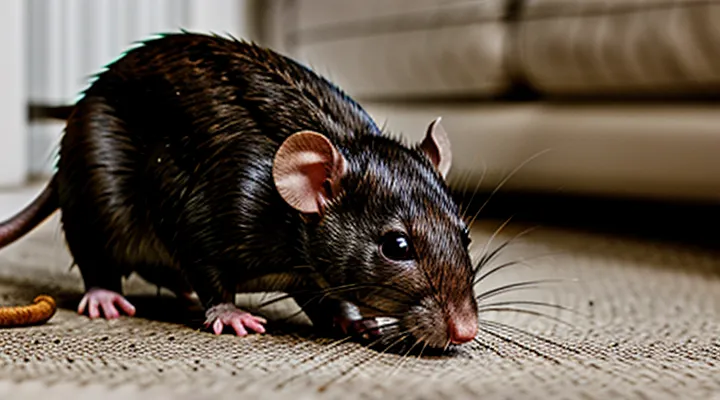
Understanding Rat Dietary Needs
Essential Components of a Healthy Rat Diet
Rats require a balanced diet that supplies energy, growth, reproduction and immune function. The diet must deliver adequate protein, fat, carbohydrate, fiber and water, while providing essential vitamins and minerals in bioavailable forms.
- Protein: 15‑20 % of total calories; sources include soy, casein, whey, cooked eggs, and commercial rodent pellets formulated for laboratory or pet use.
- Fat: 5‑10 % of calories; supplied by vegetable oils, animal fats, and seed oils.
- Carbohydrate: 50‑60 % of calories; derived from grains, legumes, and starches.
- Fiber: 3‑5 % of diet; supplied by cellulose, beet pulp, and bran to support gastrointestinal motility.
- Water: continuous access to clean, fresh water; dehydration accelerates renal disease.
Micronutrients must meet species‑specific recommendations:
- Vitamin A, D3, E, K: prevent ocular degeneration, bone disorders, oxidative damage and coagulopathy.
- B‑complex vitamins: support metabolism and nervous system health.
- Vitamin C: not essential for rats, but excess may cause gastrointestinal upset.
- Minerals: calcium, phosphorus, magnesium, potassium, sodium, chloride, iron, zinc, copper, manganese, selenium; balanced ratios prevent skeletal deformities and anemia.
Treats may supplement the base diet but must not exceed 5‑10 % of total intake. Dried fruits, including raisins, contain high sugar concentrations and low fiber, raising the risk of obesity, dental decay and gastrointestinal blockage. If raisins are offered, limit to a single piece per week and monitor for signs of diarrhea or weight gain. Safer alternatives include fresh apple slices (seedless), berries, or small quantities of unsalted nuts.
A practical feeding schedule:
- Provide measured portions of a nutritionally complete pellet twice daily.
- Offer fresh water at all times.
- Supplement with a limited amount of fresh vegetables (e.g., carrots, broccoli) three times weekly.
- Introduce occasional treats, adhering to the 5‑10 % rule and selecting low‑sugar options.
- Record body weight and food intake weekly; adjust portions to maintain a stable condition index.
Adhering to these components ensures optimal health, minimizes metabolic disorders, and allows safe inclusion of occasional dried fruit treats under controlled conditions.
Foods to Avoid or Limit for Rats
Toxic Foods for Rats
Rats are omnivorous rodents that tolerate many human foods, yet several items pose serious health risks. Toxic substances can cause gastrointestinal distress, organ failure, or death, even in small quantities.
Commonly hazardous foods include:
- Chocolate and cocoa products – contain theobromine, which rats cannot metabolize.
- Caffeine‑containing beverages and snacks – stimulate the heart and nervous system excessively.
- Alcohol – depresses central nervous function and impairs coordination.
- Raw or undercooked beans – contain lectins that damage intestinal lining.
- Onions, garlic, chives – introduce compounds that cause hemolytic anemia.
- Avocado flesh and pits – contain persin, toxic to many mammals.
- Citrus peels – high acidity irritates the stomach and may lead to ulceration.
- Processed meats with nitrates or high salt – increase risk of hypertension and kidney strain.
- Artificial sweeteners, especially xylitol – can trigger rapid insulin release and hypoglycemia.
Dried grapes, while not listed among the primary toxins, present secondary concerns. Their high sugar concentration can promote obesity, dental decay, and dysbiosis of gut flora. Moreover, raisins may contain trace levels of mycotoxins if not stored properly, adding a potential hazard.
When offering treats, prioritize fresh vegetables, small portions of unsalted nuts, or commercial rodent treats formulated for balanced nutrition. Any introduction of new foods should be monitored for adverse reactions, and the animal’s diet must remain primarily a high‑quality rodent pellet.
Foods with High Sugar or Fat Content
Rats tolerate limited amounts of foods high in sugar or fat, but such items can quickly disrupt metabolic balance.
High‑sugar foods commonly offered to pets include:
- Dried fruits (raisins, apricots, dates)
- Sweetened cereals
- Honey or maple syrup
- Commercial treats containing added sugars
These items raise blood glucose, increase insulin demand, and may precipitate obesity, dental decay, or hepatic lipidosis in rodents.
High‑fat foods frequently presented to small mammals consist of:
- Nut butters and oils
- Cheese and processed meats
- Seeds with added oil coatings
- Commercial high‑fat pellets
Excess dietary fat elevates triglyceride levels, stresses the liver, and accelerates weight gain, compromising cardiovascular health.
Raisins contain approximately 60 % carbohydrates, predominantly fructose and glucose. A single raisin delivers more than 1 g of sugar, exceeding the daily carbohydrate allowance for an average adult rat. Regular consumption can lead to hyperglycemia, insulin resistance, and gastrointestinal upset.
For safe feeding practices, limit exposure to sugary or fatty items to occasional, minute portions. Provide a balanced diet of formulated rodent pellets, fresh vegetables, and limited protein. Reserve raisins for rare, controlled treats, ensuring total sugar intake remains below 5 % of daily caloric consumption.
Avoid integrating high‑sugar or high‑fat foods as staple components of a rat’s regimen. Maintain strict portion control and monitor body condition to prevent metabolic disorders.
The Question of Raisins and Rats
Nutritional Profile of Raisins
Sugar Content in Raisins
Raisins contain approximately 60–70 % total sugars by weight, with the majority composed of fructose and glucose in roughly equal proportions and a smaller fraction of sucrose. A standard serving of 100 g dried raisins provides about 59 g of sugar, delivering 240 kcal of energy, of which 94 % derives from carbohydrates.
Compared with fresh grapes, the drying process concentrates sugars, raising the glycemic load per gram. Typical sugar profiles for raisins are:
- Fructose ≈ 30 g per 100 g
- Glucose ≈ 30 g per 100 g
- Sucrose ≈ 5 g per 100 g
These values exceed the sugar content of most other dried fruits, such as apricots (≈ 30 g/100 g) or figs (≈ 45 g/100 g).
Rats metabolize simple sugars efficiently but are susceptible to diet‑induced metabolic disturbances when intake exceeds physiological limits. High‑sugar foods can accelerate weight gain, impair glucose regulation, and promote dental plaque formation. Consequently, incorporating raisins into a rodent diet requires strict portion control; a single raisin (≈ 1 g) contributes roughly 0.6 g of sugar, which approaches the upper threshold of recommended daily carbohydrate intake for a typical laboratory rat (≈ 5 % of total calories). Regular feeding of raisins is therefore inadvisable without comprehensive nutritional balancing.
Other Nutrients in Raisins
Raisins contain a range of nutrients that extend beyond simple carbohydrates. Each ounce (≈28 g) provides approximately 22 g of natural sugars, primarily fructose and glucose, which supply rapid energy but can contribute to hyperglycemia if consumed excessively. Dietary fiber accounts for about 1.5 g per ounce, supporting gastrointestinal motility and microbial fermentation in the large intestine.
Vitamins present in raisins include:
- Vitamin B6 (pyridoxine) – 0.1 mg, involved in amino‑acid metabolism.
- Vitamin K – 2 µg, essential for blood‑clotting cascade.
- Small amounts of thiamine (B1) and riboflavin (B2).
Mineral composition comprises:
- Potassium – 322 mg, crucial for cellular electrolyte balance.
- Iron – 0.8 mg, contributes to hemoglobin synthesis.
- Calcium – 27 mg, supports skeletal structure.
- Magnesium – 20 mg, a cofactor in over 300 enzymatic reactions.
Antioxidant compounds such as flavonoids, resveratrol, and phenolic acids are concentrated in the skin of dried grapes. These agents scavenge free radicals and may mitigate oxidative stress, a factor relevant to the health of laboratory rodents.
While the nutrient profile suggests potential benefits, the high sugar density and low protein content of raisins diverge from the balanced macronutrient ratios required for optimal rat nutrition. Consequently, inclusion of raisins should be limited to occasional treats, with careful monitoring of caloric intake and blood‑glucose levels.
Potential Risks of Feeding Raisins to Rats
High Sugar and Dental Health
Dried grapes contain approximately 60 % sugars by weight, delivering a rapid glucose surge when consumed. Rats metabolize simple carbohydrates quickly, which can overwhelm their limited insulin capacity and promote systemic hyperglycemia.
Elevated blood glucose accelerates the growth of oral bacteria that metabolize sugars into acidic by‑products. In rodents, these acids demineralize incisor enamel, leading to:
- Increased incidence of dental caries
- Accelerated wear of enamel surfaces
- Higher risk of pulp exposure and infection
Rats possess continuously growing incisors that require regular abrasion from chewing fibrous material. High‑sugar foods provide minimal abrasive action, reducing natural wear and encouraging malocclusion.
Given the sugar load and the associated dental hazards, dried grapes should not be part of a routine rat diet. If occasional exposure is unavoidable, limit the portion to a single small piece and monitor oral health closely. A diet emphasizing low‑sugar grains, fresh vegetables, and occasional fibrous treats supports metabolic stability and maintains dental integrity.
Digestive Issues and Bloating
Rats that consume dried grapes may experience gastrointestinal disturbances due to the fruit’s high sugar concentration and low water content. The rapid fermentation of residual sugars in the colon can generate excess gas, leading to abdominal swelling. Additionally, the dense fiber matrix in dried raisins can slow intestinal transit, increasing the likelihood of constipation and secondary bloating.
Potential digestive complications include:
- Gas accumulation causing visible abdominal distension.
- Diarrhea resulting from osmotic imbalance.
- Constipation due to indigestible fiber buildup.
- Discomfort manifested by reduced activity or altered posture.
Veterinary guidelines advise limiting or avoiding dried grape products in rodent diets. If a rat ingests such items, monitor for the listed symptoms and provide fresh water and a balanced, high‑moisture food source to mitigate adverse effects.
Choking Hazards
Rats may be offered dried grapes, but the size and texture of the fruit create a significant choking risk. The pieces commonly exceed the diameter of a rat’s esophagus, and the dehydrated skin becomes firm enough to resist chewing. When a rat attempts to swallow a whole raisin, the fruit can become lodged in the oral cavity or upper throat, leading to rapid airway obstruction.
Key factors that contribute to the hazard:
- Length of each raisin typically ranges from 1 cm to 2 cm, surpassing the safe swallowing threshold for most laboratory and pet rats.
- Moisture loss renders the skin brittle yet resistant to fragmentation, preventing natural breakdown during mastication.
- Natural sugars promote saliva production, which can cause the raisin to adhere to the tongue or palate, increasing the likelihood of blockage.
Preventive measures:
- Cut raisins into pieces no larger than 2 mm in any dimension.
- Soak the fragments in warm water for 5–10 minutes to restore softness before offering.
- Observe each rat during consumption; discontinue the treat if any hesitation or coughing occurs.
- Provide alternative, low‑risk treats such as fresh apple slices, cucumber, or commercially formulated rodent snacks.
Given the inherent choking potential, dried grapes should be presented only after thorough size reduction and softening, or omitted entirely in favor of safer alternatives.
Potential for Mycotoxins in Dried Fruits
Dried grapes, commonly known as raisins, are prone to fungal colonisation that can produce mycotoxins. Aflatoxin B₁ and ochratoxin A are the most frequently reported contaminants in these products. Both toxins exhibit hepatotoxic and nephrotoxic effects, which can impair the health of laboratory rodents when present in their diet.
Contamination levels depend on pre‑harvest conditions, drying temperature, and post‑harvest storage. High humidity, inadequate ventilation, and prolonged storage increase the likelihood of mould growth. Commercially processed raisins may undergo sorting and heat treatment, yet residual toxin concentrations can remain above safe thresholds for small mammals.
Detection of mycotoxins in dried fruit samples relies on analytical techniques such as high‑performance liquid chromatography (HPLC) coupled with fluorescence detection or mass spectrometry. These methods provide limits of quantification suitable for assessing compliance with rodent feed safety standards.
Practical measures to minimise toxin exposure for rats include:
- Procuring raisins from suppliers that certify mycotoxin testing results.
- Storing the product in a cool, dry environment with relative humidity below 65 %.
- Inspecting batches for visual signs of mould before inclusion in feed.
- Conducting periodic laboratory analysis of stored supplies.
Implementing these controls reduces the risk of mycotoxin ingestion, thereby supporting the welfare and experimental reliability of rodent studies that incorporate dried fruit components.
Veterinary and Expert Opinions
General Recommendations for Fruit in Rat Diets
Rats may eat fruit, but fruit should represent a small portion of a balanced diet. Commercial rodent pellets provide the essential nutrients; fruit serves only as occasional enrichment.
- Safe fruits: apple (core removed), banana, blueberries, strawberries, melon, pear (seedless).
- Preparation: wash thoroughly, remove skins or seeds that could cause obstruction, cut into bite‑size pieces.
- Frequency: 1–2 times per week.
- Quantity: no more than 10 % of daily caloric intake, typically ½ to 1 teaspoon of chopped fruit per 100 g body weight.
Dried fruits contain concentrated sugars and may harbor mold. Raisins, being dried grapes, have a high sugar load and a risk of dental decay and gastrointestinal upset. If offered, limit to a single small piece (no larger than a pea) and monitor for signs of diarrhea or reduced appetite. Regular feeding of raisins is not recommended.
Overall guidance: introduce any new fruit gradually, observe the animal’s response, and prioritize fresh over dried options to maintain optimal health.
Specific Guidance on Dried Fruits
Rats may accept dried fruits as occasional treats, but each variety requires careful evaluation of nutritional content, sugar level, and potential contaminants. Dried fruits are high‑energy foods; excessive intake can lead to obesity, dental issues, and gastrointestinal upset in rodents.
Raisins contain concentrated sugars, low fiber, and occasional pesticide residues. Their small size increases the risk of choking, especially in younger or smaller rats. Moreover, the high fructose concentration can destabilize blood glucose regulation, which rodents manage less efficiently than humans.
Guidance for offering dried fruits to rats:
- Choose unsulfured, organic raisins without added sugars or preservatives.
- Limit portions to no more than one to two small pieces per week for an average‑sized adult rat.
- Observe each rat for signs of discomfort, such as excessive drooling, coughing, or changes in stool consistency, after the first exposure.
- Provide fresh water immediately to aid digestion and mitigate sugar spikes.
- Rotate raisins with other low‑sugar dried fruits (e.g., apricot halves, small apple slices) to balance nutrient intake and reduce monotony.
In summary, dried raisins can be included in a rat’s diet only as a rare, controlled supplement. Strict portion control, quality selection, and vigilant monitoring are essential to prevent health complications.
When to Consult a Veterinarian
Feeding dried grapes to pet rats can introduce health risks, especially if the fruit is stale, contaminated, or consumed in excess. Even when the snack appears harmless, adverse reactions may develop quickly, making prompt veterinary assessment essential.
Veterinary consultation is warranted if any of the following symptoms appear after a rat has eaten raisins:
- Vomiting or regurgitation
- Diarrhea, especially with blood or mucus
- Lethargy or sudden loss of activity
- Labored breathing or rapid pulse
- Swelling of the abdomen or noticeable pain when touched
- Unexplained weight loss or failure to gain weight
- Signs of dehydration, such as sunken eyes or dry skin
If a rat exhibits multiple signs simultaneously, seek emergency care. Even isolated symptoms should be reported to a veterinarian within 24 hours to rule out toxicity or gastrointestinal obstruction. Early professional intervention improves outcomes and reduces the likelihood of long‑term complications.
Safe Treats and Snacks for Rats
Recommended Fruits and Vegetables
Preparing Fruits and Vegetables for Rats
Providing fresh produce to pet rodents requires careful handling to prevent nutritional imbalances and health risks. Before offering any fruit or vegetable, wash the item thoroughly under running water to eliminate pesticide residues and soil particles. Peel skins that are tough, waxed, or contain high levels of natural toxins, such as the skins of citrus fruits or potatoes. Cut the produce into bite‑size pieces, roughly one‑centimeter cubes, to facilitate chewing and digestion. Remove any seeds, pits, or cores, as these can pose choking hazards or contain harmful compounds.
When considering dried fruits, such as raisins, evaluate their sugar concentration and potential for mold growth. Dried grapes contain concentrated sugars that can lead to obesity or dental decay if fed in excess. Limit portions to no more than a single raisin per feeding, and monitor the rodent for signs of gastrointestinal upset. Offer dried fruit only as an occasional treat, not as a regular dietary component.
Practical steps for preparing safe produce:
- Rinse thoroughly; use a vegetable brush for firm items.
- Peel or trim off inedible or high‑fiber skins.
- Trim to uniform, small cubes.
- Discard seeds, pits, and stems.
- Store prepared portions in a sealed container in the refrigerator for up to 48 hours.
Adhering to these procedures ensures that fruits and vegetables contribute positively to a rat’s diet while minimizing risks associated with contaminated or unsuitable foods.
Other Healthy Treat Options
Rats thrive on a diet that includes protein, fiber, and small amounts of natural sugars. Treats should complement the staple feed without causing nutritional imbalance.
- Fresh vegetables such as broccoli florets, carrot slices, and kale leaves provide vitamins and antioxidants.
- Small pieces of fruit like apple (seed‑free), blueberry, or strawberry deliver modest sugar and fiber.
- Unsalted nuts (e.g., almonds, walnuts) offer healthy fats; limit to one or two fragments per week.
- Cooked lean proteins—boiled egg white, shredded chicken, or tofu—supply essential amino acids.
- Whole‑grain options such as plain oatmeal or unflavored popcorn give complex carbohydrates and texture.
Portion sizes must remain under one teaspoon per serving, and treats should not exceed 10 % of total caloric intake. Introduce new foods gradually, observing for digestive upset or allergies. Consistent, balanced treat selection supports overall health while satisfying a rat’s natural foraging behavior.