
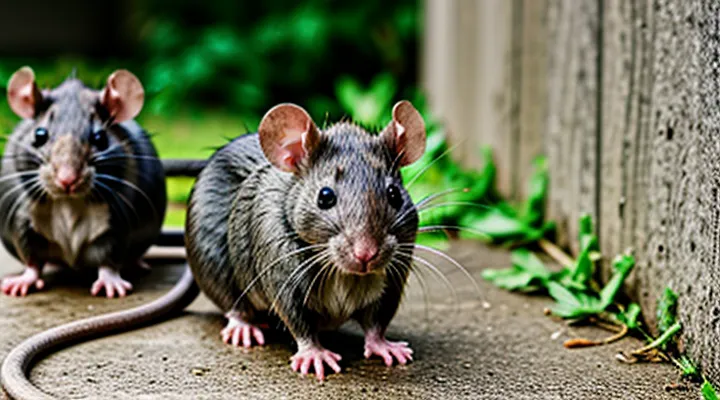
Can Rats Eat Chicken: The Nutritional Perspective
Protein Content and Benefits for Rats
Essential Amino Acids
Essential amino acids are the nine protein‑building blocks that rats cannot synthesize and must obtain from their diet. They include histidine, isoleucine, leucine, lysine, methionine, phenylalanine, threonine, tryptophan, and valine. Each plays a distinct role in tissue repair, enzyme function, and neurotransmitter production.
Chicken meat supplies all essential amino acids in ratios that closely match the rat’s nutritional requirements. The protein quality of poultry is high, delivering readily digestible amino acids that support rapid growth, muscle development, and immune competence.
Advantages of incorporating chicken into a rat’s diet
- Completes the essential amino acid profile without the need for supplement blends.
- Improves feed conversion efficiency, reducing the amount of food required for weight gain.
- Provides additional nutrients such as vitamin B12 and selenium, which complement amino acid metabolism.
Potential drawbacks
- Excessive chicken can elevate saturated fat intake, leading to increased adiposity and lipid disturbances.
- Overreliance on a single protein source may limit dietary diversity, reducing exposure to other beneficial micronutrients.
- Improper preparation (e.g., added seasoning, bones) introduces toxins or choking hazards that compromise health.
Balancing chicken with other protein sources, fiber, and micronutrients ensures that rats receive the full spectrum of essential amino acids while mitigating the risks associated with a mono‑protein regimen.
Muscle Development and Maintenance
Feeding chicken to rats introduces a high‑quality protein source that directly supports muscle protein synthesis. Chicken meat supplies essential amino acids, particularly leucine, which activates the mTOR pathway and promotes muscle fiber growth. Regular inclusion of cooked, skin‑less chicken can help maintain lean body mass in adult rats and accelerate recovery after periods of reduced activity or injury.
Potential drawbacks must be considered. Chicken’s fat content, especially when skin is retained, can increase caloric density and lead to excess adipose deposition, which may mask improvements in muscle quality. The cholesterol present in poultry can affect lipid metabolism in rats prone to hyperlipidemia. Additionally, a diet overly reliant on chicken may lack sufficient fiber, vitamins, and minerals that are abundant in plant‑based components, risking deficiencies that indirectly impair muscle function.
Key points for muscle development and maintenance when using chicken:
-
Advantages
- High biological value protein enhances muscle protein synthesis.
- Rich in leucine and other branched‑chain amino acids.
- Supports rapid tissue repair after injury or stress.
-
Risks
- Elevated fat and cholesterol may promote unwanted weight gain.
- Potential nutrient imbalance if chicken replaces varied food sources.
- Over‑cooking can degrade heat‑sensitive nutrients important for muscle health.
Balancing chicken with complementary feeds—such as whole grains, vegetables, and appropriate supplements—optimizes muscle development while mitigating metabolic and nutritional concerns. Monitoring body composition and adjusting portion sizes ensures that protein intake supports lean muscle without encouraging excess fat accumulation.
Potential Risks and Considerations
Bones: A Choking Hazard
Chicken provides high‑quality protein for rats, yet the skeletal component of the meat introduces a distinct risk. Rat airways and esophageal diameters are small; even miniature bone fragments can obstruct passage, leading to rapid respiratory compromise.
The structure of rodent larynx and trachea permits only limited clearance of foreign objects. Sharp edges of cooked or raw chicken bones can pierce mucosal tissue, while splintered pieces may lodge in the pharynx or bronchi. Obstruction prevents oxygen intake, causing hypoxia within minutes if not addressed promptly.
- Immediate blockage of airway → suffocation
- Laceration of oral or pharyngeal tissue → bleeding, infection
- Migration of bone fragment into lung → pneumonia, abscess formation
- Chronic irritation → inflammation, reduced appetite
Veterinary recommendations advise exclusive use of boneless chicken or finely minced meat when offering poultry to rats. If bone exposure is unavoidable, ensure pieces are no larger than a few millimeters and monitor the animal continuously. In case of suspected choking, apply gentle abdominal thrusts and seek emergency veterinary care without delay.
Seasonings and Additives: Hidden Dangers
Feeding chicken to pet rats can provide high‑quality protein, but the presence of seasonings and additives often introduces health hazards that are not immediately apparent.
Common flavor enhancers such as garlic powder, onion powder, and chili flakes contain compounds that rats metabolize poorly. These substances can cause hemolytic anemia, gastrointestinal irritation, and respiratory distress. Salt, even in modest quantities, elevates blood pressure and accelerates renal decline in small mammals. Sugar‑based glazes add unnecessary calories and promote obesity, while artificial sweeteners like xylitol are toxic and may trigger rapid insulin release.
Preservatives and flavor‑boosting chemicals present in processed chicken products present additional risks:
- Sodium nitrite – interferes with oxygen transport, leading to methemoglobinemia.
- Monosodium glutamate (MSG) – can provoke hyperexcitability and stress‑related behaviors.
- BHA/BHT – antioxidant additives linked to liver enzyme disruption.
- Phosphates – increase calcium excretion, weakening skeletal integrity.
Commercially prepared chicken often contains anti‑microbial sprays (e.g., chlorine washes) that leave residue. Residual chlorine can irritate the delicate mucosa of a rat’s digestive tract and alter normal gut flora.
To minimize hidden dangers, provide plain, unseasoned chicken that has been boiled or baked without added fats, salts, or sauces. Verify that the meat is free from pre‑marinated rubs, marinades, or processed deli slices. If seasoning is desired for human consumption, remove it entirely before offering the portion to the rat.
In practice, the nutritional advantage of chicken remains valid only when the protein source is delivered without extraneous chemicals. Eliminating all seasonings and additives ensures that the rat receives the intended benefit without exposure to toxic agents.
Raw Chicken: Bacterial Concerns
Raw chicken carries a high load of pathogenic bacteria, primarily Salmonella, Campylobacter and certain strains of Escherichia coli. These microorganisms can survive in uncooked tissue, multiply rapidly at room temperature, and resist brief exposure to low heat. When rats ingest contaminated meat, the bacteria may colonize the gastrointestinal tract, leading to diarrhea, dehydration, weight loss, and in severe cases, septicemia.
Key bacterial risks associated with uncooked poultry:
- Salmonella spp. – causes enteritis, fever, and systemic infection; transmission occurs within hours of ingestion.
- Campylobacter jejuni – produces bloody diarrhea and can trigger Guillain‑Barré‑like neuropathy in susceptible rodents.
- Pathogenic E. coli – releases toxins that damage intestinal mucosa and may result in hemolytic–uremic syndrome.
Rats are particularly vulnerable because their digestive system lacks the robust gastric acidity found in many carnivores. Even small doses of contaminated chicken can overwhelm their immune defenses. Clinical signs may appear within 12–48 hours and progress quickly if untreated.
Mitigation measures:
- Cook chicken to an internal temperature of at least 74 °C (165 °F) to ensure bacterial death.
- Store raw meat at 4 °C (40 °F) or below; discard any portion left at ambient temperature for more than two hours.
- Practice strict hygiene: wash hands, utensils, and surfaces after handling raw poultry; avoid cross‑contamination with rat food or water dishes.
- Observe rats for abnormal stool, lethargy, or loss of appetite; seek veterinary care promptly if symptoms emerge.
Providing raw chicken to rats without thorough cooking introduces a predictable health hazard that outweighs any nutritional benefit. Proper preparation eliminates the bacterial threat and allows safe inclusion of poultry protein in a rat’s diet.
Cooked Chicken: Preparation Guidelines
Cooked chicken can be a protein source for pet rats when prepared correctly. The meat must be boneless, skinless, and free of additives such as salt, spices, or sauces, which can cause electrolyte imbalance or digestive irritation in rodents.
To ensure safety, follow these steps:
- Select fresh, high‑quality chicken – discard any product with off‑odor or discoloration.
- Trim all visible fat and remove skin – excess fat is difficult for rats to digest.
- Boil or bake – bring water to a rolling boil, submerge the meat, and cook for 12–15 minutes, or bake at 350 °F (175 °C) for 20–25 minutes, until the internal temperature reaches 165 °F (74 °C).
- Cool rapidly – place the cooked pieces on a clean surface, let them reach room temperature within 30 minutes, then refrigerate.
- Cut into bite‑size cubes – pieces about the size of a pea prevent choking and allow accurate portion control.
- Store – keep refrigerated portions in a sealed container for up to three days; freeze longer batches in airtight bags for up to two months.
When offering cooked chicken, limit the amount to no more than 5–10 % of the rat’s daily caloric intake. Provide it as an occasional supplement alongside a balanced diet of commercial rat pellets, fresh vegetables, and occasional fruits. Monitor the animal for signs of gastrointestinal upset, such as loose stool or reduced appetite, and discontinue if adverse reactions appear.
Fat Content: Moderation is Key
Chicken provides essential protein for pet rats, but its fat levels vary between cuts and preparation methods. Skinless breast meat contains roughly 1–2 g of fat per 100 g, while thigh or drumstick portions may reach 5–7 g. Cooked, breaded, or fried pieces can exceed 10 g per 100 g, quickly surpassing the caloric budget of a small rodent.
Excessive dietary fat leads to rapid weight gain, hepatic strain, and reduced lifespan in laboratory studies. Controlled portions maintain health while delivering nutrients.
- Offer 1–2 g of lean chicken (≈ 5 % of daily caloric intake) no more than twice weekly.
- Avoid skin, marinades, and added oils; these increase fat and sodium.
- Track body condition; adjust serving size if weight rises.
Balanced inclusion of low‑fat chicken supports muscle development without compromising metabolic stability.
How to Safely Offer Chicken to Your Rat
Choosing the Right Cut
When feeding chicken to rats, the cut selected determines nutrient balance, digestibility, and safety.
Lean portions such as breast meat contain high protein with minimal fat, supporting muscle development and preventing excess caloric intake. However, low‑fat cuts may lack essential fatty acids needed for coat health, requiring supplementation from other sources.
Dark meat, including thigh and drumstick, offers a richer profile of iron, zinc, and intramuscular fat. The added fat improves palatability and supplies energy, but excessive consumption can lead to weight gain and gastrointestinal upset.
Bone‑involved cuts, like wing tips or neck, provide calcium and phosphorus essential for bone strength. Raw bones pose a choking hazard and may splinter; cooking softens them but reduces calcium bioavailability.
Organ meats—liver, heart, and gizzard—deliver concentrated vitamins (A, B12) and minerals. Their strong flavor can deter some rats, and overfeeding may cause hypervitaminosis.
Guidelines for selecting the appropriate cut
- Choose boneless, skinless breast for routine protein supplementation.
- Rotate with small portions of thigh or drumstick to introduce healthy fats.
- Offer cooked, deboned neck pieces sparingly for calcium.
- Include organ meat no more than 5 % of the total diet volume.
Balancing these cuts ensures rats receive a comprehensive nutrient profile while minimizing risks associated with fat overload, bone injury, or vitamin excess.
Proper Cooking Methods
Boiling and Steaming
Boiled chicken provides a reliable way to eliminate pathogens while maintaining a soft texture that rats can easily chew. The process involves submerging meat in water and heating it to a rolling boil for at least five minutes. This temperature reliably destroys salmonella and other bacteria. Boiling also reduces fat content because excess fat separates and can be discarded with the cooking liquid. However, prolonged exposure to water can leach water‑soluble vitamins, especially B‑complex nutrients, decreasing the nutritional value of the meat. The method yields a bland product; without careful seasoning removal, any added salt or spices become a health risk for rodents.
Steaming cooks chicken by exposing it to saturated steam at temperatures around 100 °C without direct contact with water. The technique preserves more vitamins and minerals because the meat does not sit in liquid that can carry nutrients away. Steamed chicken retains a firmer texture than boiled meat, which can help maintain dental health by encouraging chewing. The method also minimizes fat loss, offering a higher energy density per gram. Drawbacks include the need for a steamer apparatus and the possibility of insufficient heat penetration if pieces are too large, which could leave pockets of bacteria alive. The resulting product can be drier, requiring additional moisture (e.g., a small amount of water or broth) to prevent dehydration in the animal.
Boiling – advantages
- Consistent pathogen elimination
- Low fat content
- Soft texture suitable for all ages
Boiling – disadvantages
- Loss of water‑soluble vitamins
- Requires removal of any added seasonings
- Potentially bland, may need enrichment
Steaming – advantages
- Higher retention of vitamins and minerals
- Firmer texture supports dental wear
- Preserves natural fat, increasing caloric value
Steaming – disadvantages
- Requires specific equipment
- Risk of undercooking large pieces
- Drier consistency may need supplemental moisture
When incorporating chicken into a rat’s diet, remove all bones, avoid salt and spices, and serve portions appropriate for the animal’s size and activity level. Both boiling and steaming can produce safe, nutritious protein sources; the choice depends on nutrient preservation priorities and available kitchen tools.
Grilling (Unseasoned)
Grilled chicken without any seasoning is a protein source that can be introduced into a rat’s diet, but its suitability depends on preparation, portion size, and the animal’s health status.
Advantages
- High‑quality protein supports muscle maintenance and tissue repair.
- Absence of salt, spices, or sauces eliminates risk of sodium overload and gastrointestinal irritation.
- Cooking destroys pathogens such as Salmonella and Campylobacter, reducing infection likelihood.
- Simple preparation minimizes exposure to additives that could cause allergic reactions.
Disadvantages
- Cooking removes most natural moisture, potentially creating a dry texture that rats may reject or find difficult to chew.
- Heat can denature certain amino acids, slightly lowering nutritional value compared with raw, lean meat.
- Overreliance on chicken can displace essential fiber‑rich foods, leading to digestive imbalance.
- Improper grilling (excessive charring) may generate heterocyclic amines, compounds linked to cellular stress in rodents.
When offering unseasoned grilled chicken, limit servings to no more than 5 % of total daily intake, ensure the meat is fully cooked and cooled, and combine it with a balanced pellet base, fresh vegetables, and adequate water. Regular monitoring of weight and stool consistency will reveal whether the addition benefits or harms the individual rat.
Portion Control and Frequency
Chicken can be introduced into a rat’s diet, but the amount and timing must be regulated to avoid nutritional imbalance and digestive problems.
A typical adult rat (150–250 g) should receive no more than 5–10 g of cooked, skin‑less chicken per serving. This quantity provides high‑quality protein without displacing essential fiber, vitamins, and minerals supplied by the staple grain mix. Portion size should be measured with a kitchen scale; visual estimates often lead to overfeeding.
Feeding frequency influences how the protein is processed. Offering chicken two to three times per week is sufficient for most pet rats. Daily inclusion can overload the liver and kidneys, especially if the overall diet is already protein‑rich. Space intervals of 48–72 hours between chicken meals allow the gut microbiota to recover and maintain normal stool consistency.
Guidelines for safe inclusion
- Cook thoroughly; avoid seasoning, salt, and sauces.
- Serve in small, bite‑sized pieces to prevent choking.
- Limit to 5–10 g per serving, based on the rat’s body weight.
- Provide no more than three servings per week, spaced by at least two days.
Adhering to these limits ensures that chicken contributes beneficial amino acids without compromising health or causing digestive upset.
Observing Your Rat’s Reaction
Introducing chicken into a pet rat’s diet requires immediate visual assessment. The animal’s response determines whether the protein source is suitable or a potential health risk.
- Approaches the offering promptly
- Grasps the piece with forepaws or teeth within seconds
- Consumes the portion without excessive chewing or dropping
- Shows normal grooming and activity after eating
Signs of adverse reaction must be recorded as soon as they appear:
- Pauses before touching the food, sniffs then retreats
- Regurgitates, vomits, or produces watery droppings within hours
- Displays reduced activity, hunched posture, or rapid breathing
- Develops skin lesions or excessive scratching after the meal
Best practice involves a gradual introduction: offer a bite‑size fragment, observe the rat for at least thirty minutes, and note any of the behaviors listed above. Maintain a log of each trial, adjusting portion size or frequency based on documented tolerance. If negative indicators persist, discontinue chicken and consult a veterinarian.
Alternatives to Chicken for Protein
Other Lean Meats
Rats benefit from protein sources that are low in fat and free of additives. When chicken is evaluated for safety and nutritional value, several other lean meats merit comparison.
- Turkey breast – high protein, comparable amino‑acid profile to chicken; low saturated fat; may contain higher sodium if processed.
- Rabbit meat – exceptionally low fat, rich in vitamin B12; limited commercial availability; higher cost.
- Lean beef (e.g., sirloin) – provides iron and zinc; contains more saturated fat than poultry; requires thorough cooking to eliminate pathogens.
- White fish (e.g., cod, haddock) – excellent source of omega‑3 fatty acids; very low fat; bones must be removed to prevent injury.
- Pork tenderloin – moderate protein, low intramuscular fat; risk of trichinosis if undercooked; occasional strong odor may deter some rats.
Each alternative presents a balance of nutrient density and practical considerations. Ideal inclusion involves cooking meat without oil, seasoning, or sauces, then cutting into bite‑size pieces. Rotate proteins to avoid dietary monotony and to expose rats to a broader spectrum of micronutrients. When introducing a new meat, monitor for digestive upset or changes in behavior for at least 48 hours.
Plant-Based Protein Sources
Plant-based proteins provide a viable alternative to animal flesh when evaluating whether rats should receive chicken as part of their diet.
Common sources include soybeans, lentils, chickpeas, peas, quinoa, hemp seeds, and pumpkin seeds. Each delivers a distinct amino‑acid profile, digestibility rate, and fiber content, allowing formulation of balanced meals without meat.
Advantages
- Complete or near‑complete amino‑acid spectra when combined (e.g., soy + quinoa).
- Lower saturated‑fat levels, reducing risk of obesity and cardiovascular strain.
- Absence of cholesterol and pathogens associated with raw poultry.
- High fiber content supports gastrointestinal motility.
Disadvantages
- Certain legumes contain anti‑nutritional factors such as phytates or lectins that hinder mineral absorption; processing (soaking, cooking) is required.
- Plant proteins may lack sufficient taurine, an essential amino acid for rodents; supplementation is necessary.
- Fiber excess can lead to soft stools or diarrhea if not balanced.
- Some rats exhibit strong preference for animal flesh, potentially reducing overall intake of a plant‑based regimen.
When choosing between chicken and plant-derived proteins, assess the rat’s health status, activity level, and observed dietary preferences. Ensure any plant formula meets the recommended protein‑energy ratio (approximately 14–16 % protein of total calories) and includes supplemental taurine and vitamin B12 if meat is omitted. Regular monitoring of body condition and fecal quality will indicate whether the selected protein source maintains optimal growth and wellbeing.
Expert Recommendations and Veterinary Advice
Veterinarians agree that plain, cooked chicken can be an occasional protein source for pet rats, provided it meets strict safety criteria.
Potential benefits
- High-quality animal protein supports muscle maintenance.
- Low fat content helps prevent obesity when offered sparingly.
- Absence of plant fibers reduces digestive load compared to many vegetables.
Possible drawbacks
- Overreliance may displace essential fiber‑rich foods, leading to gastrointestinal imbalance.
- Undercooked or seasoned meat carries bacterial contamination risk.
- Excess protein can strain renal function in older or health‑compromised individuals.
Guidelines for safe inclusion
- Use boneless, skinless chicken boiled or baked without salt, spices, or oils.
- Cool thoroughly before serving; cut into bite‑size pieces no larger than a pea.
- Limit to 1–2 teaspoons per week for an adult rat; adjust downward for juveniles or senior rats.
- Observe the animal for signs of intolerance—loose stools, reduced appetite, or lethargy—and discontinue if symptoms appear.
- Consult a veterinarian before introducing chicken to a rat with known health issues or dietary sensitivities.
Adhering to these recommendations ensures protein enrichment without compromising the rat’s overall nutritional balance.