
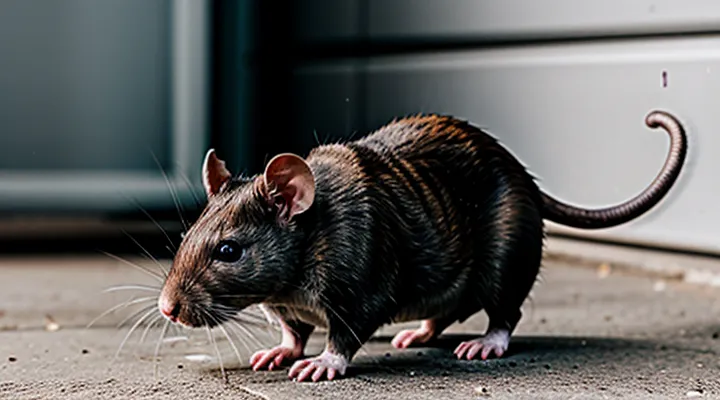
Understanding Rat Diet and Nutritional Needs
Essential Nutrients for Rats
Rats require a balanced intake of macronutrients and micronutrients to maintain health, support growth, and prevent disease. Protein should constitute 14–20 % of the diet, sourced from soy, fish meal, or meat products. Fat supplies 5–10 % of calories, with emphasis on omega‑3 and omega‑6 fatty acids. Carbohydrates provide the remaining energy, typically from grains and vegetables.
Micronutrients are equally critical. Essential vitamins include:
- Vitamin A – retinal health and immune function
- Vitamin D – calcium absorption and bone mineralization
- Vitamin E – antioxidant protection
- Vitamin K – blood clotting
- B‑complex (B1, B2, B3, B5, B6, B7, B9, B12) – metabolism and nervous system support
Key minerals must be supplied in appropriate ratios:
- Calcium and phosphorus – maintain a 1:1 to 1.5:1 ratio to avoid skeletal disorders
- Magnesium – enzyme activation and neuromuscular function
- Potassium and sodium – fluid balance and nerve transmission
- Iron, zinc, copper, selenium – hemoglobin synthesis, immune response, and antioxidant enzymes
Water is a non‑negotiable component; rats need constant access to clean, fresh water.
When evaluating the practice of offering chalk (calcium carbonate) to rats, the existing nutrient profile is decisive. Chalk delivers a concentrated calcium load without accompanying phosphorus, vitamin D, or other trace elements. Excess calcium disrupts the calcium‑phosphorus balance, leading to hypercalcemia, urinary calculi, and kidney strain. The absence of vitamin D impairs calcium utilization, increasing the risk of skeletal abnormalities. Moreover, chalk lacks protein, essential fatty acids, and vitamins, providing no nutritional benefit beyond calcium.
Therefore, a diet that already meets recommended calcium levels—through formulated pellets, fortified foods, or natural sources such as leafy greens—renders supplemental chalk unnecessary and potentially harmful. Adjustments to the overall nutrient regimen should prioritize balanced mineral ratios, adequate vitamin provision, and complete protein sources rather than isolated calcium additives.
Foods to Avoid for Rat Health
Rats require a diet that mimics their natural foraging habits while avoiding substances that can cause acute or chronic health issues. Certain foods present clear toxic or nutritional risks and must be excluded from any feeding regimen.
- Processed meats, cured sausages, and deli slices contain high levels of sodium, preservatives, and nitrites, leading to kidney strain and gastrointestinal irritation.
- Chocolate, cocoa products, and any items containing theobromine are cardiotoxic and can trigger seizures or fatal arrhythmias.
- Caffeinated beverages, energy drinks, and foods with added caffeine elevate heart rate and cause tremors, especially in smaller specimens.
- Raw or undercooked beans, particularly kidney beans, contain phytohemagglutinin, a potent toxin that can cause severe vomiting and diarrhea.
- Citrus fruits in large quantities introduce excessive acidity, resulting in enamel erosion and digestive upset.
- High‑fat snacks such as chips, crackers, and fried foods contribute to obesity, hepatic lipidosis, and pancreatitis.
- Artificial sweeteners, especially xylitol, induce rapid insulin release, leading to hypoglycemia and potential liver failure.
- Salty snacks, pretzels, and seasoned nuts exceed safe sodium thresholds, causing dehydration and hypertension.
- Dairy products, including cheese and milk, are low in lactase for most rats; consumption often results in diarrhea and nutrient malabsorption.
- Moldy or spoiled food carries mycotoxins that damage liver tissue and compromise immune function.
Inclusion of any of these items compromises the animal’s physiological stability and can exacerbate complications associated with mineral supplementation, such as chalk administration. Maintaining a diet composed of high‑quality rodent pellets, fresh vegetables, limited fruits, and occasional protein sources ensures optimal health and reduces the likelihood of adverse reactions.
Why Chalk Is Not Suitable for Rats
The Composition of Chalk
Types of Chalk and Their Ingredients
Chalk is a mineral-based product commonly used for writing, drawing, or as a dietary supplement. Its composition varies according to the intended application, and each variant carries distinct implications for rodent consumption.
Calcium carbonate chalk consists primarily of powdered limestone. It may contain minor amounts of silica, magnesium, and trace minerals. Food‑grade versions are free of dyes and binders, whereas industrial chalk often includes anti‑caking agents such as calcium silicate.
Magnesium carbonate chalk is composed mainly of magnesium carbonate crystals, sometimes blended with calcium carbonate to adjust hardness. Additives can include talc for smoothness and a small percentage of silicone oil to reduce dust.
Gypsum chalk, also known as calcium sulfate dihydrate, contains calcium sulfate, water molecules, and occasionally a polymer binder like polyvinyl alcohol. Some formulations incorporate pigments for color coding, which may be synthetic organic dyes.
Talc‑based chalk is primarily talc (magnesium silicate) with a filler such as calcium carbonate. It may also contain a binding resin, typically a cellulose derivative, to improve cohesion.
Industrial chalks designed for construction or blackboard use often add:
- Anti‑dust agents (e.g., calcium silicate)
- Hardeners (e.g., sodium silicate)
- Colorants (synthetic pigments)
- Preservatives (e.g., benzalkonium chloride)
Food‑grade chalks intended for animal consumption are limited to pure mineral powders without additives, preservatives, or synthetic dyes. Any presence of binders, oils, or chemicals increases the risk of gastrointestinal irritation, mineral imbalance, or toxicity in rats.
Potential Toxins in Chalk
Calcium carbonate makes up the bulk of most commercial chalk, but the material often contains additional substances that can be harmful to rodents.
- Heavy metals: Lead, cadmium, and arsenic may be present as trace impurities from raw mineral sources or manufacturing equipment. Even low concentrations can accumulate in rat liver and kidneys, leading to neurotoxicity and renal failure.
- Silica particles: Fine silica dust generated during grinding can cause respiratory irritation and pulmonary fibrosis when inhaled or ingested.
- Fluoride compounds: Some chalk formulations include sodium fluoride or other fluoride salts to improve durability; excess fluoride interferes with calcium metabolism and can produce skeletal abnormalities.
- Colorants and dyes: Synthetic pigments used for brightening may contain azo compounds or heavy‑metal‑based pigments, both of which are carcinogenic or mutagenic in rodents.
- Anti‑caking agents: Substances such as silicon dioxide or magnesium stearate are added to prevent clumping; they are not nutritionally defined and can disrupt gastrointestinal flora.
- Microbial contamination: Chalk stored in humid conditions can support mold growth; mycotoxins produced by fungi are hepatotoxic and immunosuppressive.
These contaminants are not listed on standard chalk packaging, making risk assessment difficult. Laboratory analysis of any chalk intended for rat consumption should include heavy‑metal screening, silica content measurement, and microbial testing. Without verification, offering chalk to rats introduces unpredictable toxic exposure that can compromise organ function, behavior, and overall health.
Digestive System of Rats and Ingestible Materials
How Rats Process Food
Rats possess a short, highly efficient gastrointestinal tract designed for rapid processing of diverse foods. Oral ingestion delivers food to the esophagus, then to the stomach where gastric acid and pepsin initiate protein breakdown. The small intestine, lined with villi and microvilli, absorbs amino acids, simple sugars, fatty acids, and minerals through active transport and diffusion. Enzymes from the pancreas (amylase, lipase, proteases) continue digestion, while bile salts emulsify lipids. The cecum and large intestine host microbial fermentation, converting resistant starches and fibers into short‑chain fatty acids that supply additional energy. Excess nutrients are excreted as feces; water balance is regulated by the kidneys.
When a non‑nutritive calcium carbonate source such as chalk enters this system, several physiological disruptions may occur:
- pH alteration: Calcium carbonate neutralizes gastric acid, reducing protein denaturation and enzyme activity, which can impair digestion.
- Mineral imbalance: Elevated calcium levels interfere with absorption of magnesium and phosphorus, leading to hypomagnesemia or hypophosphatemia.
- Gastrointestinal obstruction: Coarse chalk particles may aggregate, causing blockage in the stomach or intestines, presenting as reduced feed intake and abdominal distension.
- Renal load: Excess calcium increases urinary excretion, stressing renal function and potentially precipitating kidney stones.
- Microbial shift: Altered intestinal pH can suppress beneficial fermentative bacteria, diminishing short‑chain fatty acid production and compromising gut health.
These effects demonstrate that introducing chalk into a rat’s diet carries significant risk to digestive efficiency, nutrient balance, and overall physiological stability.
The Inability to Digest Inorganic Materials
Rats lack enzymatic pathways capable of breaking down inorganic compounds such as calcium carbonate, the primary component of chalk. Their digestive systems are adapted to metabolize organic nutrients; mineral particles pass through the gastrointestinal tract without chemical alteration.
When chalk is ingested, it accumulates in the stomach and intestines, increasing bulk and altering pH. The resulting effects include:
- Reduced absorption of essential minerals due to competitive binding.
- Mechanical irritation of the mucosal lining, potentially leading to ulceration.
- Formation of fecal casts that can obstruct the colon.
- Elevated calcium levels in the bloodstream, risking hypercalcemia and renal stress.
Chronic exposure may impair growth rates, weaken bone remodeling, and predispose rats to metabolic disorders. Immediate symptoms often present as decreased appetite, lethargy, and abnormal stool consistency.
Veterinary protocols advise against offering any form of inorganic filler to rodents. If accidental ingestion occurs, prompt veterinary assessment is required to evaluate electrolyte balance and gastrointestinal integrity.
Risks and Consequences of Rats Ingesting Chalk
Immediate Health Concerns
Choking Hazards and Obstruction
Chalk is a brittle, powder‑forming mineral that can break into small, irregular fragments when handled by rats. Those fragments may be large enough to lodge in the upper airway or pass into the bronchial tree, creating an immediate choking hazard.
The rat’s tracheal diameter ranges from 1 mm to 2 mm, depending on size and age. Chalk pieces measuring 2 mm or more can occlude the airway, while finer particles can accumulate in the bronchi, leading to partial obstruction, impaired gas exchange, and rapid onset of respiratory distress.
Obstruction manifests as labored breathing, audible wheezing, cyanosis, and loss of consciousness. Without prompt veterinary assistance—typically involving airway clearance and oxygen therapy—progression to hypoxia and death is common.
Preventive actions include:
- Eliminating chalk from cages and surrounding areas.
- Providing enrichment items made of safe, non‑breakable materials such as untreated wood blocks or chew toys.
- Regularly inspecting the environment for stray fragments of any hard substance.
- Monitoring rats during any experimental procedures that involve powdered substances, and having emergency equipment on hand.
Adhering to these measures removes the risk of choking and ensures that respiratory health remains uncompromised.
Gastrointestinal Irritation and Pain
Feeding chalk to rats introduces a high concentration of calcium carbonate directly into the digestive tract. The substance is abrasive and poorly soluble, which can damage the mucosal lining of the stomach and intestines. Irritation manifests as inflammation, ulceration, and increased permeability of the gut wall, leading to discomfort and reduced nutrient absorption.
Clinical signs of gastrointestinal distress in rodents include:
- Decreased food and water intake
- Reduced body weight or failure to gain weight
- Hunched posture and reluctance to move
- Soft stools, diarrhea, or occasional blood in feces
- Vocalization or agitation when handled
The underlying mechanisms involve mechanical irritation from chalk particles and a shift in gastric pH toward alkalinity. Alkaline conditions impair the activity of digestive enzymes such as pepsin, slowing protein breakdown and causing maldigestion. Prolonged exposure may trigger chronic gastritis, which predisposes rats to secondary infections and systemic inflammation.
If chalk is inadvertently consumed, immediate steps should include:
- Removing the source of chalk from the environment.
- Providing easy access to fresh water to dilute residual particles.
- Monitoring stool consistency and behavior for at least 48 hours.
- Consulting a veterinarian for possible treatment with gastroprotective agents or anti‑inflammatory medication.
Preventive measures focus on eliminating chalk from cages, using rodent‑safe enrichment materials, and ensuring that any dietary supplements are formulated specifically for laboratory or pet rats.
Long-Term Health Complications
Mineral Imbalances and Toxicity
Chalk, primarily calcium carbonate, is sometimes offered to laboratory rats as a source of calcium. The material often contains additional minerals and trace contaminants that can disrupt normal electrolyte balance.
Excess calcium intake can produce hypercalcemia, which interferes with the absorption of phosphorus, magnesium and zinc. Resulting deficiencies manifest as reduced bone mineralization, impaired neuromuscular function and weakened immune response.
- Elevated serum calcium suppresses parathyroid hormone, lowering phosphorus reabsorption.
- Magnesium depletion follows competitive inhibition at intestinal transport sites.
- Zinc availability declines due to shared binding proteins.
Calcium carbonate also poses direct toxicity risks. High doses raise blood pH, leading to metabolic alkalosis and increased renal load. Chronic alkalosis reduces respiratory drive and may precipitate kidney stone formation. Contaminants such as lead, arsenic or silica, frequently present in low‑grade chalk, accumulate in hepatic and renal tissue, producing neurotoxic and hematologic effects.
- Metabolic alkalosis: reduced ventilation, muscle weakness.
- Renal strain: glomerular filtration decline, stone development.
- Heavy‑metal accumulation: anemia, encephalopathy, organ dysfunction.
Safe practice requires replacing chalk with calibrated calcium supplements, monitoring serum electrolyte panels, and verifying purity of any mineral additive. Regular veterinary assessment prevents irreversible organ damage and maintains physiological homeostasis.
Organ Damage and Failure
Calcium carbonate, the primary component of chalk, is not a natural dietary element for rats. When ingested in quantities exceeding physiological limits, it induces hypercalcemia. Elevated serum calcium overloads renal tubules, leading to nephrocalcinosis, reduced glomerular filtration, and eventual renal failure. Persistent renal impairment compromises fluid balance, electrolyte regulation, and waste excretion, accelerating systemic toxicity.
Excessive calcium also disrupts hepatic function. Hepatocytes experience intracellular calcium dysregulation, which impairs enzymatic activity and promotes oxidative stress. Resulting hepatocellular injury manifests as elevated transaminases, reduced synthetic capacity, and, in severe cases, hepatic necrosis. Liver dysfunction aggravates metabolic alkalosis by impairing bicarbonate handling, further destabilizing acid‑base homeostasis.
Additional organ systems affected include:
- Gastrointestinal tract: obstruction or ulceration from indigestible chalk particles.
- Cardiovascular system: arrhythmias due to altered calcium signaling in myocardial cells.
- Skeletal system: ectopic calcification in soft tissues, reducing mobility and causing pain.
Collectively, these pathophysiological changes culminate in multi‑organ failure if chalk consumption remains unchecked. Immediate cessation of exposure and veterinary intervention are required to prevent irreversible damage.
Behavioral Changes and Stress
Providing chalk to laboratory rats triggers measurable alterations in activity patterns and stress biomarkers. Rats exposed to calcium carbonate particles display reduced exploration in open‑field tests, increased latency to approach novel objects, and a higher frequency of immobility bouts. These behavioral shifts correlate with elevated corticosterone concentrations in plasma, indicating activation of the hypothalamic‑pituitary‑adrenal axis.
Key observations include:
- Decreased grooming and nesting behavior, suggesting compromised comfort.
- Increased thigmotaxis (preference for arena walls), reflecting heightened anxiety.
- Frequent self‑directed stereotypies such as repetitive gnawing, often linked to environmental frustration.
Physiological stress markers reinforce the behavioral data. Rats ingesting chalk exhibit:
- Raised serum cortisol levels, consistent with chronic stress.
- Altered heart rate variability, denoting autonomic imbalance.
- Suppressed immune function, evidenced by reduced lymphocyte proliferation.
The combined evidence demonstrates that chalk supplementation imposes significant psychological and physiological strain on rodents. Researchers should limit or avoid such interventions unless a rigorous risk‑benefit analysis justifies their use, and must implement enrichment strategies to mitigate adverse effects.
What to Do If Your Rat Has Eaten Chalk
Immediate Actions
Assessing the Situation
Providing chalk to rats requires a systematic evaluation of physiological and behavioral responses. The assessment begins with a review of the substance’s composition, focusing on calcium carbonate concentration and any additives that could affect metabolism.
Key health parameters to monitor include:
- Blood calcium levels; elevated values indicate hypercalcemia.
- Gastrointestinal integrity; presence of ulceration or irritation suggests mucosal damage.
- Dental condition; excessive abrasion may compromise incisors.
- Renal function; calcium overload can precipitate nephrolithiasis.
Behavioral metrics should be recorded daily. Reduced food intake, lethargy, or increased grooming can signal distress. Conversely, unchanged activity patterns may indicate tolerance, though subclinical effects remain possible.
Risk analysis combines quantitative data (lab values, weight changes) with qualitative observations (behavioral shifts). Thresholds for intervention are set at 10 % deviation from baseline weight, calcium levels exceeding 12 mg/dL, or any sign of gastrointestinal bleeding. Exceeding these limits mandates immediate cessation of chalk exposure and veterinary treatment.
The final judgment balances nutritional benefit against documented hazards. In the absence of clear advantage, the precautionary principle advises against routine chalk provision to rats.
Contacting a Veterinarian
When a rat’s diet is being altered with an unusual supplement such as calcium chalk, professional veterinary advice is essential. A veterinarian can evaluate the animal’s health status, identify contraindications, and recommend safe dosage or alternative calcium sources.
Immediate contact is warranted if the rat shows any of the following signs after exposure to chalk: loss of appetite, vomiting, diarrhea, lethargy, respiratory distress, or abnormal behavior. Any sudden change in weight or appearance of sores around the mouth also requires prompt consultation.
Information to provide during the call:
- Rat’s age, sex, and breed
- Current weight and recent weight changes
- Description of the chalk product (brand, composition, amount offered)
- Duration and frequency of exposure
- Observed symptoms and their onset time
- Recent dietary history and any other supplements
- Existing medical conditions or previous treatments
The veterinarian will typically ask detailed questions to confirm the risk level, may request a physical examination, and could recommend diagnostic tests such as blood calcium measurement or imaging. Treatment may involve cessation of chalk, administration of supportive fluids, medications to correct electrolyte imbalance, or monitoring for long‑term complications. Follow‑up appointments ensure recovery and guide future dietary planning.
Prevention Strategies
Secure Storage of Non-Food Items
Secure storage of non‑food items, such as chalk, is a critical component of any protocol that involves rodents. Chalk intended for experimental or enrichment purposes must be kept in containers that prevent accidental ingestion or contamination of bedding, water, and feed. Use airtight, child‑proof jars made of glass or high‑density polyethylene; label each container with hazard warnings and intended species. Store containers on shelves out of reach of the animals, preferably in a locked cabinet that records access.
When planning to assess the effects of chalk exposure on rats, follow these safeguards:
- Separate storage area from food‑grade supplies; maintain a minimum distance of 1 meter between non‑food and food items.
- Implement a documented inventory system: record batch numbers, acquisition dates, and disposal dates.
- Conduct regular inspections for seal integrity, moisture accumulation, and pest intrusion.
- Train personnel on handling procedures, including the use of gloves and dedicated tools to avoid cross‑contamination.
Failure to isolate chalk from consumables can lead to unintended ingestion, resulting in gastrointestinal irritation, calcium imbalance, or respiratory issues from dust inhalation. Proper containment eliminates these risks and ensures that experimental outcomes reflect intentional exposure rather than accidental contamination.
Providing Safe Chew Toys and Enrichment
Rats continuously grind their incisors; without proper wear, teeth can overgrow, leading to pain and infection. Supplying chew items that mimic natural textures prevents dental problems and reduces the temptation to gnaw on unsuitable materials such as chalk.
Characteristics of safe chew toys
- Material: untreated hardwood (e.g., apple, willow), natural fibers, or mineral blocks specifically formulated for rodents.
- Size: larger than the animal’s head to avoid accidental swallowing.
- Texture: varied hardness to promote balanced wear across the tooth surface.
- Cleanliness: free from pesticides, mold, or chemical treatments.
Enrichment strategies
- Rotate objects weekly to maintain novelty and stimulate curiosity.
- Incorporate tunnels, climbing platforms, and foraging puzzles that require gnawing to access food.
- Provide untreated natural branches or twigs for nesting material and chewing.
- Use chewable toys that also serve as shelters, encouraging nesting behavior while protecting teeth.
Implementing these measures minimizes the risk of rats ingesting harmful substances. Regular observation of chewing behavior allows early detection of dental issues, ensuring prompt veterinary intervention when necessary.
Misconceptions About Rats and Chalk
The «Calcium Supplement» Myth
Chalk is often presented as a cheap calcium supplement for pet rats, yet the premise lacks scientific support. Calcium is essential for bone development and muscle function, but rats obtain adequate amounts from a balanced diet that includes commercial rodent pellets, fresh vegetables, and occasional fruits. Chalk consists mainly of calcium carbonate, a compound that rodents cannot digest efficiently. The material passes through the gastrointestinal tract largely unchanged, providing negligible mineral absorption.
The myth persists because owners observe chalk’s white, powdery appearance and assume it mirrors calcium tablets used for larger animals. This visual cue does not translate into nutritional value. Moreover, chalk may contain additives such as anti‑caking agents, dyes, or trace heavy metals, which can irritate the intestinal lining or accumulate over time.
Potential risks include:
- Gastrointestinal irritation leading to reduced appetite or diarrhea.
- Formation of renal calculi due to excess insoluble calcium carbonate.
- Exposure to contaminants that may cause toxic reactions.
Consequences of prolonged chalk consumption can manifest as:
- Impaired calcium homeostasis, paradoxically weakening bone density.
- Increased stress on the urinary system, predisposing rats to bladder stones.
- General decline in health markers, such as weight loss and lethargy.
A reliable calcium source for rats should be a formulated supplement designed for small mammals, offering bioavailable calcium salts (e.g., calcium gluconate) in measured doses. Regular veterinary consultation ensures appropriate supplementation without the hazards associated with chalk.
Chalk as a «Teething Aid» for Rats
Chalk is sometimes offered to pet rats under the assumption that it can relieve discomfort during tooth eruption. The material is primarily calcium carbonate, a hard, insoluble mineral that does not break down in the gastrointestinal tract. When a rat gnaws on a piece of chalk, the following physiological effects are observed:
- Abrasive contact may wear enamel, increasing susceptibility to cracks and infections.
- Ingestion of fine particles can cause respiratory irritation and lung inflammation.
- Large fragments can obstruct the esophagus or intestines, leading to emergency surgery.
- Excess calcium intake disrupts the balance of phosphorus and magnesium, potentially resulting in kidney strain.
- Chalk often contains additives such as dyes or binders that are toxic to rodents.
Scientific reports indicate that rats lack the enzymatic mechanisms to digest calcium carbonate efficiently, and their natural diet already supplies adequate calcium through fresh vegetables and fortified pellets. Consequently, supplemental chalk provides no nutritional benefit and introduces avoidable hazards.
Safer alternatives for managing teething discomfort include:
- Untreated wooden chew blocks designed for small rodents.
- Natural mineral sticks composed of safe, digestible minerals.
- Fresh, soft vegetables (e.g., cucumber, carrot) that soften incisors without abrasive damage.
In summary, using chalk as a teething aid for rats presents multiple health risks without demonstrable advantages. Veterinary guidance recommends avoiding chalk and opting for materials specifically formulated for rodent oral health.