
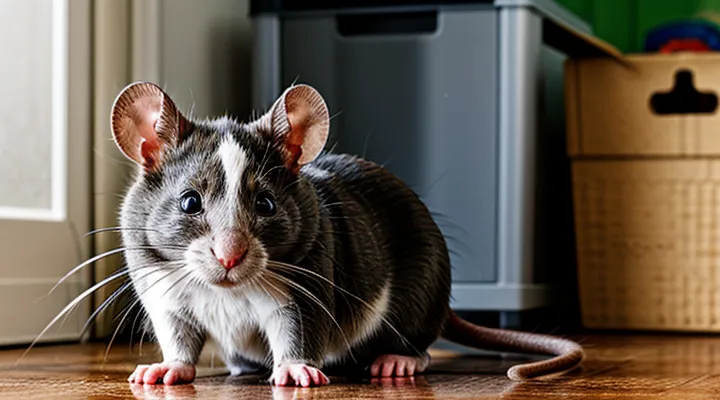
Understanding Rat Dietary Needs
Essential Nutrients for Rats
Protein Requirements
Rats require a diet that supplies approximately 14–20 % protein by weight, depending on age, activity level, and reproductive status. Essential amino acids such as lysine, methionine, and tryptophan must be present in sufficient quantities to support tissue growth, immune function, and enzymatic processes. A shortfall in protein can lead to stunted growth, poor coat condition, and reduced fertility, while excess protein may increase nitrogen waste and strain renal function.
Cat food typically contains 30–40 % protein, derived from animal sources that are highly digestible for carnivorous mammals. When a rat’s diet is supplemented with cat food, the elevated protein level can accelerate muscle development and improve coat sheen, especially in growing or pregnant individuals. However, the formulation of most feline products also includes high levels of fat, taurine, and certain micronutrients that exceed the nutritional tolerances of rodents.
Potential advantages
- Rapid provision of complete animal proteins
- Improved hair quality and skin health
- Enhanced growth rates in juveniles
Potential disadvantages
- Excessive fat leading to obesity and hepatic lipidosis
- Imbalance of calcium‑phosphorus ratio, risking skeletal issues
- Presence of additives (e.g., preservatives, flavor enhancers) not tested for rodent safety
Balancing protein intake with overall nutrient composition is essential; occasional, limited inclusion of cat food may be acceptable, but a diet formulated specifically for rats remains the most reliable method to meet their protein requirements without introducing secondary health risks.
Fat Requirements
Rats require dietary fat for energy, insulation, and absorption of fat‑soluble vitamins. The ideal fat content for a laboratory‑grade rat diet ranges from 4 % to 7 % of total calories. Excess fat can lead to obesity, hepatic lipidosis, and reduced lifespan, while insufficient fat may cause poor coat condition, low fertility, and impaired growth.
Cat food typically contains 10 %–15 % fat, designed for felines’ higher energy needs. When fed to rats, this level can:
- Increase caloric intake rapidly, promoting weight gain.
- Provide ample arachidonic acid, beneficial for reproductive health, but also raise the risk of lipid imbalance.
- Supply essential fatty acids absent in many rodent pellets, improving skin and fur quality.
Conversely, the elevated fat may:
- Overload the rat’s liver, precipitating fatty liver disease.
- Distort nutrient ratios, reducing protein and fiber proportion relative to caloric density.
- Encourage gastrointestinal upset, such as diarrhea, due to rich, animal‑based fat sources.
Balancing fat intake requires either mixing cat food with a low‑fat rodent diet or limiting cat food portions to no more than 10 % of total daily consumption. Monitoring body condition scores and adjusting portions ensures that rats receive necessary fatty acids without exceeding safe caloric limits.
Carbohydrate Requirements
Rats require a moderate amount of carbohydrates to maintain blood‑glucose stability and support glycogen storage in skeletal muscle. Typical laboratory rat diets contain 45–55 % of calories from carbohydrates, primarily starches and simple sugars that are easily digestible. The carbohydrate profile of commercial feline kibble differs markedly: protein and fat dominate the caloric content, while carbohydrates usually account for only 10–20 % of the energy supply.
When evaluating cat food as a supplemental or primary source for rats, consider the following points:
- Energy density: higher fat content raises caloric value per gram, risking excess energy intake if rats consume the same volume as a standard rodent diet.
- Glycemic impact: limited carbohydrate levels may cause rapid fluctuations in blood glucose, potentially leading to hypoglycemia during periods of inactivity.
- Digestibility: feline formulas often use highly processed grain derivatives that rats can digest, but the low fiber content may reduce gastrointestinal motility.
- Nutrient balance: insufficient carbohydrate intake can force rats to rely on gluconeogenesis from protein, increasing nitrogen waste and stressing renal function.
If cat food is introduced, it should be mixed with a conventional rat chow to preserve the recommended carbohydrate proportion. Monitoring body weight, activity level, and stool consistency will indicate whether the carbohydrate supply remains adequate.
Vitamin and Mineral Needs
Rats require a balanced intake of essential vitamins and minerals to support growth, reproduction, immune function, and skeletal health. Key micronutrients include vitamin A (vision and epithelial maintenance), vitamin D3 (calcium absorption), vitamin E (antioxidant protection), B‑complex vitamins (energy metabolism), vitamin K (blood clotting), calcium, phosphorus, magnesium, potassium, sodium, iron, zinc, copper, manganese, and selenium. Adequate ratios—particularly calcium to phosphorus around 1:1 to 1.5:1—prevent metabolic bone disease, while excess sodium can strain renal function.
Cat food typically contains high levels of protein and fat, with vitamin and mineral profiles formulated for felines. Compared with standard rodent diets, cat formulations often provide:
- Elevated vitamin A and D3 concentrations, potentially exceeding safe limits for rats.
- Calcium levels that may be lower relative to phosphorus, risking hypocalcemia.
- Adequate B‑vitamin complex, supporting energy metabolism.
- Sufficient zinc and selenium, though bioavailability can differ between species.
Feeding cat food to rats presents the following considerations:
Potential benefits
- High-quality animal protein supplies essential amino acids.
- Rich in taurine, which, while not essential for rats, may support cardiac function.
- Presence of vitamin B12 assists neurological health.
Potential drawbacks
- Vitamin A excess can cause hypervitaminosis, leading to liver damage and skeletal abnormalities.
- Vitamin D3 surplus may trigger hypercalcemia, resulting in soft tissue mineralization.
- Imbalanced calcium‑phosphorus ratio increases risk of bone demineralization.
- Elevated fat content can promote obesity and hepatic lipidosis.
- Lack of specific rodent‑required nutrients such as niacin or certain trace minerals may cause deficiencies over time.
To meet rats’ micronutrient requirements safely, a diet formulated for laboratory or pet rodents remains the most reliable option. If cat food is introduced, supplementation with a balanced rodent vitamin‑mineral mix and regular health monitoring become essential.
Dangers of Improper Nutrition
Feeding a rodent a diet formulated for felines introduces nutrients in ratios that differ sharply from the species’ physiological requirements. Excess protein and fat accelerate metabolic strain, leading to rapid weight gain and hepatic overload. Elevated sodium levels typical in cat products raise blood pressure and increase the risk of cardiovascular complications in small mammals.
Cat food often contains taurine, a supplement essential for cats but unnecessary for rats. Accumulation of this amino acid can disrupt normal cardiac function. Artificial flavorings, preservatives, and grain additives may trigger gastrointestinal irritation, resulting in diarrhea or constipation. Moreover, the higher caloric density predisposes rats to obesity, which compromises mobility and reduces lifespan.
Potential hazards include:
- Kidney stress from high phosphorus and sodium content.
- Dental decay caused by soft, highly processed textures.
- Nutrient deficiencies, such as insufficient calcium‑phosphorus balance, leading to bone demineralization.
- Allergic reactions to meat by‑products or fillers.
A balanced rodent diet provides controlled protein, fiber, and micronutrients tailored to the animal’s metabolic profile, minimizing the health risks associated with inappropriate food sources.
Cat Food Composition
Key Ingredients in Commercial Cat Food
Protein Sources
Rats require high‑quality protein for growth, tissue repair, and reproductive health. Their diet typically includes animal‑based sources such as lean meat, eggs, and dairy, supplemented with plant proteins like soy or lentils. The protein content of commercial cat food often exceeds 30 % and consists mainly of animal muscle, organ meat, and fish meals, providing a dense source of essential amino acids.
Advantages of using cat food as a protein source for rats
- Concentrated amino‑acid profile matches rat requirements.
- Low carbohydrate content reduces risk of obesity when portions are controlled.
- Shelf‑stable formulation simplifies storage and reduces spoilage.
Disadvantages of using cat food as a protein source for rats
- Elevated fat levels can lead to hepatic lipidosis in small rodents.
- Inclusion of taurine and other feline‑specific additives offers no benefit to rats and may cause digestive upset.
- High salt concentration exceeds safe limits for rodent physiology, potentially causing hypertension or renal strain.
- Lack of fiber reduces gastrointestinal motility, increasing the likelihood of constipation.
When evaluating protein options, compare cat food with established rat formulations that balance protein, fat, fiber, and micronutrients. Selecting a diet that meets the species‑specific nutrient profile ensures optimal health without the metabolic risks associated with inappropriate protein sources.
Fat Sources
Cat food supplies fat primarily from animal sources such as chicken fat, fish oil, and rendered beef tallow. These fats deliver dense energy and essential fatty acids that rodents cannot synthesize themselves. The concentration of fat in most commercial feline formulas ranges from 10 % to 20 % of the total diet, markedly higher than typical rat chow.
Typical feline fat components include:
- Chicken fat: rich in saturated and monounsaturated fats, provides readily digestible calories.
- Fish oil: source of omega‑3 fatty acids EPA and DHA, supports neural development and inflammation control.
- Beef tallow: high in saturated fat, contributes to caloric density but may be harder for rats to metabolize.
Potential advantages for rats:
- Increased energy intake: supports rapid growth or high‑activity periods.
- Supply of essential fatty acids: aids skin health, coat condition, and cellular function.
- Improved palatability: strong aroma may encourage consumption in picky individuals.
Potential disadvantages for rats:
- Excess caloric load: risk of obesity and related metabolic disorders.
- High saturated‑fat ratio: can strain hepatic processing and elevate cholesterol levels.
- Digestive intolerance: some rodents experience diarrhea or steatorrhea when fat exceeds 5 % of their diet.
- Imbalanced nutrient profile: feline formulas lack adequate fiber and certain micronutrients required by rats, leading to deficiencies if used as a sole food source.
Carbohydrate Sources
Carbohydrate content in feline diets often includes corn, wheat, rice, barley, and pea‑derived ingredients. These sources provide quick‑release glucose, modest fiber, and occasional protein contributions, but their composition differs from the complex carbohydrates typically found in rodent feeds.
Rats consuming cat food may experience the following advantages:
- Immediate energy boost from simple starches.
- Limited fiber that can aid short‑term gastrointestinal motility.
- Presence of certain vitamins and minerals co‑present with the carbs.
Potential drawbacks include:
- Elevated glycemic load leading to rapid blood‑sugar spikes.
- Insufficient dietary fiber compared with specialized rat chow, risking constipation.
- Anti‑nutritional factors such as gluten or lectins in wheat and corn, which rodents may not tolerate well.
- Imbalanced macronutrient ratio, with carbohydrates often exceeding the optimal 30‑40 % of total calories for rats.
When evaluating whether to supplement a rat’s diet with feline feed, assess the carbohydrate profile against the animal’s metabolic needs and consider replacing high‑starch components with whole‑grain or vegetable‑based sources that better match rodent nutritional standards.
Additives and Preservatives
Cat food often contains flavor enhancers, colorants, vitamins, and minerals designed for felines. These compounds can alter a rat’s palate and nutritional intake.
Preservatives extend shelf life and protect against microbial growth. Common synthetic agents include BHA, BHT, and ethoxyquin; natural options rely on mixed tocopherols or rosemary extract.
Potential advantages for rodents
- Stabilized nutrient profile reduces risk of vitamin loss during storage.
- Antimicrobial agents limit spoilage, preventing ingestion of contaminated product.
Potential disadvantages for rodents
- Synthetic preservatives may cause liver enzyme induction, leading to metabolic stress.
- Flavor additives can mask natural taste cues, prompting overconsumption and obesity.
- Certain colorants and artificial sweeteners have been linked to gastrointestinal irritation in small mammals.
When evaluating cat food for rats, compare ingredient lists with rodent‑specific formulations. Prioritize products that list minimal, recognized preservatives and avoid artificial flavorings. If any additive is unfamiliar, consult veterinary guidance before inclusion in a rat’s diet.
Nutritional Differences between Cat and Rat Food
Protein Content Discrepancies
Rats require a diet that supplies roughly 14–20 % protein by weight, whereas commercial cat food typically contains 30–45 % protein to meet felines’ obligate carnivore needs. This disparity creates several practical considerations.
- Potential advantage: High‑protein cat food can prevent protein deficiency in rats that are otherwise undernourished, especially during growth or recovery from illness.
- Risk of excess: Persistent intake of 30 %+ protein may overload renal function, accelerate nitrogen waste accumulation, and predispose rats to urinary tract disorders.
- Amino‑acid balance: Cat formulas are formulated for taurine, arachidonic acid, and other nutrients essential to cats but not required in the same proportions for rodents; excess levels can disrupt metabolic pathways in rats.
- Caloric density: Elevated protein often coincides with higher fat content, increasing overall caloric intake and raising the likelihood of obesity if portions are not strictly controlled.
- Digestibility variation: Some cat foods use animal by‑products that rats may find less digestible, leading to gastrointestinal upset or reduced nutrient absorption.
When evaluating whether to incorporate cat food into a rat’s regimen, compare the specific protein percentage on the label to the rat’s dietary requirement, adjust portion size to avoid caloric excess, and monitor renal health markers. If protein levels exceed the recommended range, supplement with a balanced rodent diet rather than relying on cat food as a primary source.
Fat Content Discrepancies
Cat food often contains significantly more fat than the diet recommended for laboratory‑bred or pet rats. Standard dry cat kibble can range from 10 % to 20 % fat by weight, whereas a balanced rat diet typically contains 4 % to 6 % fat. This disparity creates a risk of excessive caloric intake when rats consume cat food without adjustment.
The fat content of cat food varies among manufacturers and product lines. Premium grain‑free formulas may exceed 15 % fat, while some weight‑control varieties stay near 8 %. Rat nutrition guidelines, based on growth studies and metabolic rates, suggest maintaining dietary fat below 7 % to support normal body condition and organ function. When the fat percentage of cat food surpasses this threshold, rats are prone to rapid weight gain and lipid‑related health issues.
- Potential benefits of higher fat intake
- Increased energy availability for active or pregnant rats
- Enhanced coat sheen due to essential fatty acids
- Potential drawbacks of excessive fat
- Accelerated obesity and associated cardiovascular strain
- Hepatic lipidosis risk in long‑term consumption
- Reduced appetite for nutritionally balanced rat chow, leading to micronutrient deficiencies
To mitigate fat content discrepancies, select cat foods labeled “light” or “weight‑control,” or dilute standard kibble with a measured amount of low‑fat rat pellets. Monitor body weight weekly; a gain of more than 5 % in a month signals over‑feeding. Adjust portion sizes to keep total daily fat intake within the 4 %–6 % range recommended for rats. Regular veterinary check‑ups can confirm that the diet remains balanced despite the inclusion of feline products.
Vitamin and Mineral Variations
Feeding a rat a diet formulated for felines introduces a nutrient profile that diverges sharply from the requirements of rodents. Cat food typically contains elevated levels of protein, fat, and certain micronutrients that support obligate carnivores, whereas rats thrive on a more balanced mix of plant‑derived proteins, carbohydrates, and lower fat content.
Vitamin A concentrations in most feline formulas exceed the safe range for rats, potentially leading to hypervitaminosis A, which manifests as liver damage and skeletal abnormalities. Conversely, cat diets often lack sufficient vitamin C, a nutrient that rats must synthesize internally but may benefit from additional intake under stress. Excessive vitamin D, common in cat food to promote calcium absorption, can cause renal calcification in rats.
Mineral composition poses additional risks. Calcium‑phosphorus ratios in cat meals are frequently skewed toward calcium, while rats require a ratio closer to 1:1 to maintain proper bone development. Elevated calcium can precipitate urinary stones in rodents. Sodium levels, higher in feline products to enhance palatability, may induce hypertension in rats over prolonged exposure. Trace minerals such as copper and zinc are present in amounts calibrated for cats and can become toxic to rats if consumed regularly.
Key differences summarized:
- Vitamin A: cat food → high; rat tolerance → low.
- Vitamin D: cat food → high; rat risk → hypercalcification.
- Vitamin C: cat food → low; rat benefit → optional supplementation.
- Calcium‑phosphorus ratio: cat food → calcium‑heavy; rat optimum → balanced.
- Sodium: cat food → elevated; rat health → potential hypertension.
- Trace minerals (copper, zinc): cat food → cat‑specific levels; rat toxicity → possible.
To mitigate these disparities, owners should either avoid feline diets for rats entirely or supplement the cat food with appropriate rat‑specific nutrients while monitoring intake closely. Regular veterinary assessment is essential to detect early signs of micronutrient imbalance.
Potential Risks of Feeding Cat Food to Rats
Short-Term Health Concerns
Digestive Upset
Cat food is formulated for felines, whose digestive systems tolerate higher protein and fat levels than those of rodents. When a rat consumes such a diet, the excess nutrients can overwhelm enzymatic capacity, leading to gastrointestinal disturbance.
High protein concentrations increase nitrogenous waste, while elevated fat content slows gastric emptying. Both factors promote bacterial overgrowth and alter intestinal pH, creating conditions for diarrhea, bloating, and reduced nutrient absorption.
Typical signs of digestive upset in rats include:
- Watery or loose stools
- Abdominal swelling
- Reduced food intake
- Lethargy
- Weight loss
If symptoms appear, remove cat food immediately and revert to a balanced rodent diet. Provide fresh water, monitor stool consistency, and consider a short course of probiotic supplementation to restore gut flora. Persistent issues warrant veterinary evaluation to rule out secondary infections or organ stress. Preventive measures involve limiting cat food to occasional, minimal portions, ensuring that the primary diet meets the species‑specific protein (15‑20 %), fat (5‑10 %), and fiber (5‑10 %) requirements.
Obesity Risk
Cat food typically contains higher levels of fat and protein than standard rat diets. When rats consume such food regularly, caloric intake can exceed their metabolic needs, leading to rapid weight gain.
- Excess calories from animal‑based fats increase adipose tissue deposition.
- High protein content can stimulate growth without proportionate energy expenditure.
- Palatability encourages over‑eating, reducing natural feeding regulation.
Observable signs of obesity in rats include:
- Enlarged abdomen and reduced mobility.
- Visible fat deposits along the spine and hindquarters.
- Decreased grooming efficiency and lower activity levels.
Preventive measures:
- Limit cat food to occasional treats, not a staple.
- Monitor portion size to keep daily caloric intake within recommended ranges for rodents.
- Provide a balanced rodent chow as the primary source of nutrition.
- Track body condition weekly and adjust diet accordingly.
Long-Term Health Issues
Kidney and Liver Problems
Feeding cat food to rats introduces high levels of protein, fat, and certain minerals that can strain renal and hepatic function. Rats normally consume a balanced grain‑based diet with moderate protein; cat formulas often contain 30‑40 % protein and up to 20 % fat, exceeding the species’ metabolic capacity. Excess nitrogen from protein is converted to urea, increasing kidney workload and potentially accelerating glomerular damage in susceptible individuals. Elevated fat content raises hepatic lipid accumulation, which can progress to fatty liver disease if the rat’s liver cannot efficiently process the surplus.
Key considerations for kidney and liver health when offering cat food:
- Protein quantity – monitor for signs of renal stress such as increased water intake, polyuria, or weight loss; limit cat food to occasional treats rather than a staple.
- Fat concentration – observe for hepatic enlargement, lethargy, or abnormal liver enzyme values; supplement with low‑fat, high‑fiber foods to balance intake.
- Mineral balance – cat diets are formulated for felines, often containing higher phosphorus and calcium; excess phosphorus can contribute to nephrocalcinosis, while calcium imbalance may affect liver metabolism.
- Additive exposure – preservatives, taurine, and artificial flavors common in feline products lack documented safety data for rodents; discontinue if adverse reactions appear.
When cat food is used sparingly and combined with a nutritionally complete rat diet, the risk of renal or hepatic complications diminishes. Regular veterinary monitoring of kidney function (blood urea nitrogen, creatinine) and liver health (ALT, AST) is essential for rats receiving any non‑species‑specific feed.
Nutritional Deficiencies
Cat food is formulated for felines, whose dietary requirements differ markedly from those of rodents. When rats consume cat food, several essential nutrients may be insufficient, leading to deficiencies that affect growth, reproduction, and overall health.
- Protein quality: Cat diets rely on animal protein with a high proportion of specific amino acids; rat nutrition requires a broader amino acid profile, including higher levels of methionine and lysine. Deficient intake can impair muscle development and immune function.
- Taurine: Essential for feline vision and cardiac health, taurine is abundant in cat food but not required by rats. Conversely, rats need adequate levels of other sulfur‑containing amino acids that cat food may lack, potentially causing metabolic imbalances.
- Vitamin A: Cat food often contains pre‑formed vitamin A, whereas rats depend on beta‑carotene conversion. Excess pre‑formed vitamin A can be toxic, while insufficient beta‑carotene leads to poor coat condition and impaired reproduction.
- Calcium‑phosphorus ratio: Felids tolerate a higher calcium content; rats require a balanced ratio close to 1:1. Excess calcium from cat food can precipitate kidney stones and weaken bone mineralization.
- Fiber: Cats obtain minimal dietary fiber; rats need substantial roughage for gastrointestinal motility. Low fiber intake may result in constipation, altered gut flora, and reduced nutrient absorption.
- Essential fatty acids: Cat diets emphasize arachidonic acid, whereas rats require higher levels of linoleic and alpha‑linolenic acids. Inadequate essential fatty acids can compromise skin health and inflammatory responses.
These deficiencies illustrate why cat food does not meet the nutritional profile rats require for optimal physiological function.
Increased Risk of Tumors
Feeding a rodent a diet formulated for felines introduces nutrients and additives that differ markedly from standard rat chow. Excessive animal protein, elevated taurine levels, and reduced fiber content can create a metabolic environment conducive to abnormal cell proliferation.
High concentrations of certain preservatives and flavor enhancers common in pet food have been identified as carcinogenic in laboratory studies. When these compounds accumulate in a rat’s body, DNA damage may increase, raising the probability of tumor formation.
Research on laboratory rodents shows a correlation between diets rich in animal-derived proteins and a higher incidence of hepatic and gastrointestinal neoplasms. The same studies report that diets lacking adequate fiber and containing artificial colorants exacerbate oxidative stress, a known promoter of malignancy.
Key factors linking feline diet to tumor risk in rats:
- Overabundant protein and fat leading to altered lipid metabolism.
- Presence of nitrates and nitrites used as preservatives.
- Low dietary fiber reducing gut motility and microbiome diversity.
- Artificial additives that act as endocrine disruptors.
Considering these points, the potential for tumor development represents a significant disadvantage of providing cat food to rats. The risk outweighs any short‑term benefits such as palatability or occasional nutrient enrichment.
Limited Circumstances for Cat Food Use
Emergency Situations
Temporary Food Source
Cat food can serve as an emergency ration for rats when their regular diet is unavailable. It supplies protein, fat, and essential amino acids, allowing short‑term maintenance of body weight and energy levels. However, cat food is formulated for obligate carnivores, not omnivorous rodents, and its nutrient balance diverges from rats’ dietary requirements.
Advantages as a temporary source
- High-quality animal protein supports muscle preservation.
- Elevated fat content provides rapid caloric intake.
- Shelf‑stable formulation reduces spoilage risk during short outages.
Disadvantages as a temporary source
- Excessive fat may cause digestive upset or obesity if used beyond a few days.
- Lack of fiber can lead to gastrointestinal stasis.
- Vitamin and mineral ratios (e.g., calcium, phosphorus) differ from optimal rat levels, risking metabolic imbalance.
Practical guidance: offer cat food in limited quantities (no more than 1 g per 100 g of body weight) for a maximum of 48–72 hours. Replace it promptly with a balanced rodent chow that includes grains, vegetables, and appropriate micronutrients. Monitoring for signs of diarrhea, lethargy, or weight loss is essential during the transition.
Specific Dietary Requirements
Veterinary Guidance
Veterinarians advise that cat kibble is not formulated for the specific dietary requirements of rats. The protein‑to‑fat ratio, mineral balance, and vitamin profile differ markedly from rodent‑specific feeds, increasing the likelihood of health complications.
Potential advantages
- Higher protein content may support short‑term growth in undernourished individuals.
- Elevated fat levels can supply extra energy during acute illness or stress.
Potential disadvantages
- Excessive fat promotes obesity and hepatic lipidosis.
- Imbalanced calcium‑phosphorus ratio leads to skeletal deformities and dental wear.
- Lack of essential amino acids and fiber predisposes to gastrointestinal upset and poor coat condition.
- Additives such as taurine, designed for felines, have no proven benefit for rodents and may interfere with normal metabolism.
Professional guidance recommends a diet based on commercially available rat or mouse pellets, supplemented with fresh vegetables, occasional fruits, and a limited amount of protein sources such as cooked eggs or lean meat. In emergency situations where rat‑specific feed is unavailable, a small quantity of cat food may be offered for a single meal, followed by immediate transition back to an appropriate rodent diet. Continuous monitoring of weight, coat quality, and stool consistency is essential after any deviation from the standard diet.
Safe Alternatives and Best Practices
Recommended Commercial Rat Foods
High-Quality Brands
Rats can digest many components of premium cat food, but brand selection determines nutritional balance and health outcomes. High‑quality cat foods typically contain animal‑derived proteins, essential amino acids, and controlled fat levels, which align with a rat’s dietary requirements when offered sparingly. However, formulations designed for felines often exceed the caloric density and sodium content suitable for rodents, creating a risk of obesity, renal strain, or gastrointestinal upset if fed regularly.
Key criteria for choosing a reputable cat food brand for occasional rat supplementation include:
- Protein source – named animal proteins (chicken, turkey, fish) rather than generic “meat meal.”
- Amino‑acid profile – presence of taurine and arginine, which support rodent metabolism.
- Fat content – moderate levels (8‑12 % of total calories) to prevent excess weight gain.
- Additives – minimal artificial preservatives, colors, or flavor enhancers.
- Transparency – detailed ingredient list and guaranteed analysis on packaging.
Examples of brands meeting these standards:
- Orijen Original – 85 % animal protein, low carbohydrate, no grain fillers.
- Acana Wild Prairie – 70 % animal protein, limited sodium, limited ingredient formula.
- Wellness CORE Grain-Free – 45 % protein, balanced omega fatty acids, no by‑products.
- Blue Buffalo Wilderness – high protein, modest fat, free of artificial additives.
When integrating premium cat food into a rat’s diet, follow these practices:
- Offer no more than one teaspoon per day, divided into two small portions.
- Complement with a baseline rodent pellet diet that provides fiber, vitamins, and minerals.
- Monitor body condition, stool consistency, and water intake for signs of intolerance.
- Rotate brands or switch back to a rat‑specific diet if weight gain or health issues emerge.
In summary, selective use of top‑tier cat food can enrich a rat’s protein intake, provided the brand’s composition aligns with rodent nutritional limits and feeding is strictly controlled.
Appropriate Homemade Rat Diets
Balanced Ingredient Combinations
Cat food is formulated for obligate carnivores, providing high levels of animal protein, fat, and limited carbohydrates. Rats, as omnivores, require a more varied nutrient profile that includes plant‑derived fibers, moderate protein, and essential vitamins and minerals. When cat food is incorporated into a rat’s diet, the overall balance of ingredients determines whether the mixture supports health or introduces risk.
High protein content aligns with the rat’s need for amino acids that sustain growth and tissue repair. Fat levels in many cat foods supply concentrated energy, useful for active or pregnant individuals. Certain cat formulas add taurine, an amino sulfonic acid absent in most rodent feeds, which can prevent retinal degeneration and cardiac issues. When these nutrients are combined with a base of standard rodent pellets or fresh vegetables, the resulting blend can meet the rat’s macronutrient targets without excessive caloric overload.
Potential benefits of a well‑balanced mix include:
- Improved coat condition due to elevated essential fatty acids.
- Enhanced muscle development from increased high‑quality protein.
- Short‑term boost in energy for demanding activities or recovery periods.
Potential drawbacks of an imbalanced mix include:
- Excessive fat leading to obesity, hepatic lipidosis, or cardiovascular strain.
- Deficiency of fiber, causing gastrointestinal disturbance and altered gut flora.
- Over‑reliance on animal‑based nutrients, resulting in insufficient vitamins A, C, and certain B‑complex vitamins typically supplied by plant sources.
Achieving a safe formulation requires limiting cat food to no more than 10 % of total daily intake, supplementing with fresh produce, and ensuring the primary ration remains a nutritionally complete rodent diet. Regular monitoring of body condition and veterinary assessment confirm that the ingredient combination remains within optimal parameters.
Healthy Treats for Rats
Fruits and Vegetables
Rats that receive cat food obtain high protein and fat levels, but lack sufficient fiber, vitamins, and minerals typical of a balanced rodent diet. Incorporating fresh produce can offset these deficiencies.
- Apples, pears, and berries provide vitamin C, a nutrient rats cannot synthesize and which cat food often omits.
- Leafy greens such as kale, spinach, and romaine supply calcium, magnesium, and dietary fiber that aid digestion and prevent constipation.
- Carrots and sweet potatoes deliver beta‑carotene, a source of vitamin A essential for eye health and immune function.
Adding fruits and vegetables improves palate variety, reduces monotony, and can prevent obesity by diluting the caloric density of cat food. However, excessive fruit intake introduces sugars that may promote weight gain and dental issues. Certain produce—citrus peels, avocado, and raw potatoes—contain compounds toxic to rodents and must be excluded.
When supplementing cat food, follow a ratio of roughly 10 % fresh produce to 90 % formulated feed. Measure portions to avoid overfeeding and monitor for gastrointestinal upset. Regular veterinary checks ensure that nutrient balance remains within safe limits.
Grains and Seeds
Grains and seeds appear in many commercial cat foods as carbohydrate sources and texture enhancers. For rats, these ingredients provide energy, dietary fiber, and micronutrients such as B‑vitamins and minerals, but they also alter the nutritional balance required for optimal rodent health.
Advantages for rats
- Supplies readily digestible carbohydrates that support activity levels.
- Contributes soluble and insoluble fiber, which promotes gastrointestinal motility.
- Delivers trace amounts of minerals (e.g., magnesium, phosphorus) and B‑vitamins that complement a rat’s diet.
Disadvantages for rats
- Protein content is typically lower than that of dedicated rodent feeds, risking inadequate growth and muscle maintenance.
- Fat levels in cat food often exceed the safe range for rats, potentially leading to obesity and hepatic strain.
- Presence of anti‑nutrients (e.g., phytates) in some grains can impair mineral absorption.
- Lack of species‑specific nutrients such as linoleic acid and certain amino acids may cause deficiencies over time.
In summary, grains and seeds in cat food can meet short‑term energy needs for rats, yet they do not provide a balanced nutrient profile. Regular inclusion without supplemental rodent‑specific feed may result in protein deficiency, excess fat intake, and micronutrient imbalances. Careful formulation or exclusive use of rat‑appropriate diets is essential for long‑term health.