
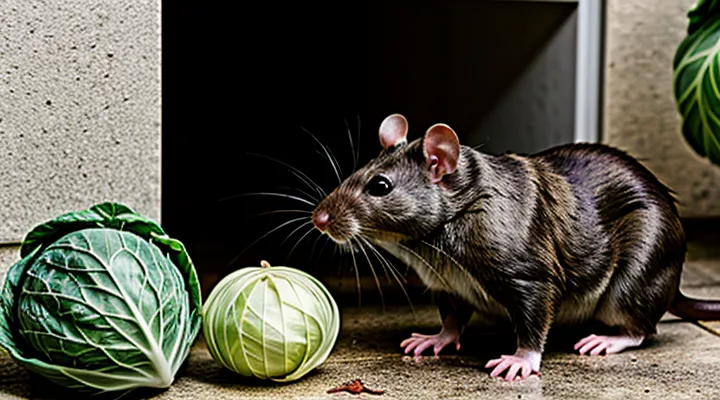
Cabbage and Rat Diet
Nutritional Value of Cabbage for Rats
Vitamins and Minerals
Cabbage supplies a modest amount of vitamin C, vitamin K, vitamin B6, folate, and the B‑complex vitamins riboflavin and niacin. It also provides calcium, potassium, magnesium, phosphorus, and trace amounts of iron and zinc. These nutrients can complement a laboratory‑grade rat diet, which already meets the baseline requirements for growth, reproduction, and health.
- Vitamin K: Supports normal blood clotting; excess levels are unlikely to cause toxicity in rodents.
- Vitamin B‑complex: Contribute to energy metabolism and nervous‑system function; dietary levels in cabbage are well below the thresholds for deficiency.
- Calcium and phosphorus: Required for bone development; the calcium‑to‑phosphorus ratio in cabbage is favorable but insufficient as a sole source.
- Potassium and magnesium: Aid in muscle contraction and enzymatic reactions; quantities in cabbage are modest and safe.
Potential concerns include the high fiber content, which can accelerate gastrointestinal transit, and glucosinolates that may interfere with thyroid hormone synthesis when consumed in large amounts. Oxalates present in raw cabbage can bind calcium, reducing its bioavailability. Therefore, cabbage should be offered in limited portions and preferably cooked to reduce glucosinolate activity.
Practical guidance: introduce cabbage as a supplemental treat not exceeding 5 % of the total daily food intake, monitor body weight and stool consistency, and ensure the primary diet continues to satisfy all AAFCO nutrient specifications.
Fiber Content
Cabbage provides a notable amount of dietary fiber, which influences gastrointestinal function in rodents. Raw green cabbage contains approximately 2.5 g of total fiber per 100 g, composed of soluble and insoluble fractions in roughly equal proportions. Soluble fiber forms a viscous gel, moderating glucose absorption, while insoluble fiber adds bulk, promoting intestinal motility.
Rats process fiber through microbial fermentation in the cecum, generating short‑chain fatty acids that serve as an energy source for colonocytes. Excessive insoluble fiber can accelerate transit time, potentially leading to loose stools, whereas a modest inclusion supports healthy bowel movements and microbial diversity.
Practical guidelines for incorporating cabbage into a rat’s diet:
- Offer no more than 10 g of fresh cabbage per 100 g of total daily food intake.
- Combine cabbage with other fiber‑rich vegetables to balance soluble and insoluble sources.
- Monitor fecal consistency; reduce portion size if stools become watery.
Adequate fiber from cabbage contributes to gut health without overwhelming the digestive system when administered within the suggested limits.
Water Content
Cabbage contains a high proportion of water, typically ranging from 90 % to 93 % by fresh weight. The exact figure varies with variety and maturity:
- Green cabbage: about 92 % moisture.
- Red cabbage: approximately 91 % moisture.
- Savoy cabbage: close to 93 % moisture.
The water content contributes to the overall caloric density, reducing the energy provided per gram of fresh cabbage. When rats ingest cabbage, the bulk of the intake is water, which can affect their daily fluid balance. A moderate portion—no more than 10 % of the total diet by weight—provides hydration without displacing essential protein and fat sources.
Excessive cabbage may introduce excess moisture, potentially leading to softer stools and mild gastrointestinal upset. Monitoring stool consistency after introducing cabbage helps determine the appropriate amount for each animal.
Potential Risks of Feeding Cabbage to Rats
Digestive Issues
Rats can eat cabbage, but the vegetable’s high fiber and sulfur compounds often provoke digestive disturbances. Excessive fiber accelerates intestinal transit, leading to loose stools or diarrhea. Sulfur‑rich glucosinolates may cause gas accumulation, abdominal discomfort, and bloating. Rapid changes in diet increase the risk of dysbiosis, where beneficial gut bacteria are displaced by opportunistic species, potentially resulting in weight loss or reduced nutrient absorption.
Typical signs of cabbage‑induced digestive upset include:
- Watery or unformed feces
- Increased frequency of defecation
- Abdominal distension or visible gas
- Loss of appetite following the meal
- Soft, swollen abdomen upon gentle palpation
To minimize these issues, introduce cabbage gradually. Begin with a teaspoon of finely chopped leaves per animal, observe tolerance for 48 hours, then increase to no more than two teaspoons three times per week. Pair cabbage with a balanced staple diet to ensure adequate protein, fat, and vitamins. Provide constant access to fresh water to aid digestion and prevent dehydration caused by loose stools.
If symptoms persist after a single exposure, discontinue cabbage for at least one week and monitor recovery. Persistent diarrhea or weight loss warrants veterinary assessment to rule out underlying gastrointestinal pathology.
Gas and Bloating
Cabbage contains raffinose, glucosinolates, and fiber that undergo bacterial fermentation in the rat’s cecum. Fermentation produces hydrogen, methane, and carbon dioxide, leading to abdominal distension and audible flatulence. Excessive gas can compress the intestines, impair nutrient absorption, and provoke discomfort.
Key points for caretakers:
- Introduce cabbage gradually, starting with 1‑2 g per 100 g body weight per day.
- Observe for signs of bloating: a tight abdomen, reduced activity, or audible rumbling.
- Limit feeding frequency to no more than three times weekly to allow gut flora adaptation.
- Provide ample fresh water to aid digestion and prevent constipation.
- Supplement the diet with probiotic‑rich foods (e.g., yogurt) or commercial rodent probiotics to balance microbial populations.
If bloating persists despite moderation, discontinue cabbage and replace it with low‑fermentable vegetables such as carrots or zucchini. Persistent abdominal swelling warrants veterinary examination to rule out obstruction or underlying gastrointestinal disease.
Diarrhea
Rats that consume cabbage may develop diarrhea due to the vegetable’s high fiber and sulfur‑containing compounds. These substances accelerate intestinal motility and increase water secretion in the gut, leading to loose stools.
Typical signs of cabbage‑induced diarrhea in rats include:
- Watery feces
- Increased frequency of defecation
- Reduced body weight
- Dehydration symptoms such as sunken eyes and dry skin
Preventive measures involve limiting cabbage portions to a small fraction of the total diet, gradually introducing the vegetable to allow microbial adaptation, and providing ample fresh water. If diarrhea occurs, replace cabbage with a bland, low‑fiber feed, monitor hydration status, and consider oral rehydration solutions formulated for rodents.
Persistent diarrhea warrants veterinary assessment to rule out secondary infections or underlying gastrointestinal disorders. Treatment may require antibiotics, probiotics, or dietary adjustments based on professional diagnosis.
Goitrogens and Thyroid Health
Rats can eat cabbage, but the plant contains compounds that interfere with thyroid hormone synthesis. These substances, known as goitrogens, are primarily glucosinolates that convert to isothiocyanates and thiocyanates during digestion. When absorbed, they inhibit the uptake of iodide by the thyroid gland, reducing the production of thyroxine (T4) and triiodothyronine (T3).
In rodent studies, diets with more than 5 % raw cabbage by weight consistently produced elevated serum thyroid‑stimulating hormone (TSH) and reduced circulating T4. The effect is dose‑dependent; low‑level exposure (1–2 % of the diet) rarely alters thyroid function in healthy adult rats, whereas young or iodine‑deficient animals are more vulnerable.
Practical guidance for feeding cabbage to laboratory or pet rats:
- Limit cabbage to ≤2 % of total feed weight.
- Provide a diet sufficient in iodine (approximately 0.3 mg I/kg feed) to counteract goitrogenic activity.
- Monitor serum TSH and T4 in long‑term studies or when feeding cabbage regularly.
- Prefer cooked cabbage, which reduces glucosinolate content by 30–50 % compared with raw tissue.
Following these measures allows inclusion of cabbage as a modest dietary component without compromising thyroid health.
Pesticide Residue Concerns
Feeding cabbage to laboratory or pet rats introduces the risk of pesticide residues that may affect health and experimental outcomes. Residues stem from conventional farming practices that rely on synthetic insecticides, fungicides, and herbicides. Even low‑level contamination can accumulate in the gastrointestinal tract, potentially altering gut microbiota, liver enzyme activity, and immune response.
Key considerations for minimizing exposure:
- Source cabbage from certified organic producers or growers who provide pesticide‑free certification.
- Conduct residue testing using chromatographic methods (e.g., GC‑MS, LC‑MS) before incorporating the vegetable into diets.
- Implement a washing protocol that includes multiple rinses with distilled water and, when appropriate, a mild food‑grade surfactant.
- Rotate cabbage with other low‑risk vegetables to reduce the likelihood of chronic exposure to a single contaminant.
When pesticide residues exceed regulatory limits, they may induce hepatic toxicity, neurobehavioral changes, and reproductive impairments in rats. Such effects can compromise the validity of toxicology studies and lead to misinterpretation of data. Therefore, rigorous screening and selection of cabbage are essential components of any rat feeding regimen.
Safe Feeding Practices for Cabbage
Types of Cabbage to Avoid
Feeding cabbage to rats requires attention to the specific varieties that can cause health problems. Certain types contain compounds or textures that are unsuitable for rodent digestion and may lead to gastrointestinal distress or nutrient imbalances.
- Savoy cabbage – thick, crinkled leaves increase risk of choking and contain higher levels of indigestible fiber.
- Red cabbage – rich in anthocyanins that can irritate the gut and interfere with iron absorption when offered in large quantities.
- Fermented cabbage (sauerkraut) – high sodium content and live cultures may disrupt the rat’s natural gut flora and cause dehydration.
- Cabbage sprouts – contain glucosinolates that can impair thyroid function if consumed regularly.
- Cabbage leaves treated with pesticides or wax coatings – residues are toxic and should never be given to rats.
Signs of intolerance include loose stools, reduced appetite, and lethargy. If any of these symptoms appear, discontinue cabbage immediately and provide fresh water and a balanced diet.
Preparation for Feeding
Washing
When offering cabbage to pet rats, the vegetable must be thoroughly cleaned to prevent ingestion of contaminants that could cause digestive upset or illness. Raw cabbage may carry soil particles, pesticide residues, and microorganisms; washing removes these hazards and improves palatability.
Effective washing procedure:
- Rinse under cool, running water for at least 30 seconds, separating leaves to expose hidden surfaces.
- Submerge leaves in a bowl of water; gently agitate to dislodge debris.
- Apply a food‑grade sanitizer (e.g., a dilute vinegar solution of 1 part vinegar to 3 parts water) for 2–3 minutes if pesticide exposure is suspected.
- Rinse again with clean water to remove any residual sanitizer.
- Pat dry with a clean cloth or paper towel before cutting into bite‑size pieces.
Key considerations:
- Use only fresh, firm cabbage; wilted or discolored leaves increase the risk of spoilage.
- Store washed cabbage in a sealed container in the refrigerator; consume within 24 hours to maintain freshness.
- Introduce cabbage gradually, observing the rat for signs of soft stool or reduced appetite, which may indicate intolerance.
By adhering to these steps, caregivers ensure that cabbage serves as a safe, nutritious supplement for rats without introducing avoidable health risks.
Chopping Size
Feeding cabbage to rats requires precise preparation to ensure safe consumption and optimal nutrient absorption. The size of each piece directly influences the animal’s ability to chew, swallow, and digest the vegetable without causing obstruction or stress.
Small, uniform pieces reduce the risk of choking and allow the rat’s incisors to break down the fibrous tissue efficiently. Larger chunks may remain partially intact in the gastrointestinal tract, leading to discomfort or impaction.
Recommended chopping dimensions:
- Approximately 0.5 cm (¼ inch) cubes for standard laboratory or pet rats.
- 0.3–0.4 cm (⅛–⅙ inch) strips for juvenile or very small individuals.
- No pieces exceeding 1 cm (⅓ inch) in any dimension.
Prior to cutting, rinse cabbage thoroughly under running water to remove pesticide residues and soil particles. After chopping, store portions in a sealed container in the refrigerator for no more than 24 hours to preserve freshness and prevent bacterial growth. Introduce new cabbage gradually, observing the rat for any signs of digestive upset.
Recommended Portions and Frequency
Cabbage can be included in a rat’s diet as an occasional vegetable, providing fiber and vitamin C. It should never replace a balanced staple of high‑quality pellets and fresh water.
- Portion size: 1‑2 grams of raw cabbage per 100 grams of body weight, roughly the size of a small pea for a 200‑gram adult rat.
- Frequency: 2‑3 times per week, with at least one day without cabbage between servings.
- Preparation: wash thoroughly, remove outer leaves, and cut into bite‑size pieces.
- Monitoring: observe for loose stool or reduced appetite; discontinue if adverse signs appear.
These guidelines align with veterinary nutrition recommendations for small rodents.
Monitoring Your Rat's Reaction
When introducing cabbage into a rat’s diet, systematic observation is essential. Begin with a small portion—approximately a teaspoon of finely chopped raw or lightly steamed cabbage. Offer the piece in a clean bowl separate from regular food to isolate the response.
Record the rat’s immediate behavior. Note any of the following reactions:
- Approaches the bowl, sniffs, and begins to eat
- Ignores the cabbage, continues with regular feed
- Shows signs of distress (rapid breathing, excessive grooming, vocalizations)
- Exhibits gastrointestinal upset (wet tail, loose stools, reduced activity)
Observe the animal for at least two hours after the first exposure. Document the timing of each reaction, the amount consumed, and any changes in posture or activity level. Use a simple log format: date, time, amount offered, observed behavior, and follow‑up actions.
If the rat consumes the cabbage without adverse signs, repeat the test after 24 hours with a slightly larger portion, up to one tablespoon. Continue incremental increases while maintaining detailed records. Should any negative symptoms appear, discontinue cabbage immediately and consult a veterinarian. Monitoring must be consistent; irregular checks can miss delayed reactions such as mild diarrhea that develop several hours after ingestion.
Alternatives and Complementary Vegetables
Leafy Greens Safe for Rats
Rats tolerate many leafy vegetables, but safety depends on species, source, and preparation. Fresh, pesticide‑free greens supply fiber, vitamins A, C, K, and minerals that support digestion, immune function, and coat health. Over‑feeding introduces excess water and oxalates, which can cause diarrhea or kidney strain.
Safe options include:
- Romaine lettuce (moderate amounts)
- Spinach (small portions, limited frequency)
- Kale (trimmed, occasional)
- Swiss chard (remove thick stems)
- Arugula (fresh, limited)
- Mustard greens (no more than a few leaves per week)
Problematic varieties:
- Iceberg lettuce (low nutrition, high water)
- Raw cabbage (high sulfur compounds, may cause gas)
- Collard greens (large leaf size, potential choking)
Preparation guidelines:
- Wash thoroughly under running water to eliminate residues.
- Trim tough stems and remove wilted sections.
- Offer 1–2 teaspoons per 100 g body weight, divided into two feedings.
- Observe behavior for signs of digestive upset; reduce or discontinue if symptoms appear.
Integrating leafy greens with a balanced diet of pellets, protein sources, and occasional fruit ensures optimal health for pet rats. Regular veterinary checks confirm that dietary choices remain appropriate as the animal ages.
Other Healthy Vegetable Options
Rats thrive on a varied vegetable diet that supplies fiber, vitamins, and antioxidants. In addition to cabbage, several other vegetables meet these nutritional requirements while minimizing the risk of digestive upset.
- Broccoli florets – rich in vitamin C and calcium; offer small portions (1 ‑ 2 cm pieces) once or twice weekly.
- Carrot slices – provide beta‑carotene and moderate sugar; serve raw in bite‑size chunks daily or every other day.
- Spinach leaves – source of iron and folate; give a few leaves two to three times per week, avoiding excess due to oxalates.
- Bell pepper strips – supply vitamin C and A; offer raw, seed‑removed pieces three times weekly.
- Zucchini cubes – low in calories, high in water content; feed raw or lightly steamed daily in small amounts.
- Green beans – deliver fiber and protein; provide a few trimmed beans two to three times weekly.
- Peas – contain protein and vitamins; serve a handful of shelled peas twice weekly.
All vegetables should be washed thoroughly, free of pesticides, and introduced gradually to monitor tolerance. Remove any uneaten portions within two hours to prevent spoilage. Balanced inclusion of these options supports optimal health without relying solely on cabbage.
When to Consult a Veterinarian
Cabbage is a common vegetable offered to pet rats, but its inclusion in the diet can trigger health issues that require professional evaluation. Recognizing when a rat’s condition exceeds normal digestive adjustments is essential for preventing serious complications.
Typical indicators that veterinary care is necessary include:
- Persistent diarrhea lasting more than 24 hours
- Blood or mucus in feces
- Sudden weight loss or failure to gain weight
- Lethargy, reduced activity, or loss of coordination
- Labored breathing or abnormal respiratory sounds
- Swelling or discharge around the mouth, eyes, or limbs
- Visible signs of pain when handling the abdomen
Even in the absence of acute symptoms, a veterinarian should be consulted:
- Before introducing cabbage regularly into a rat’s diet, especially if the animal has a history of gastrointestinal sensitivity
- When the rat has pre‑existing conditions such as renal disease, liver dysfunction, or metabolic disorders
- If the rat is under six weeks of age, because younger individuals are more vulnerable to dietary imbalances
- When the owner observes changes in eating habits, water consumption, or toileting patterns after feeding cabbage
Prior to the appointment, cease cabbage provision, record the rat’s recent diet, note the onset and progression of any symptoms, and gather information on the animal’s age, weight, and medical history. Presenting these details enables the veterinarian to diagnose promptly and recommend appropriate treatment or dietary adjustments.