
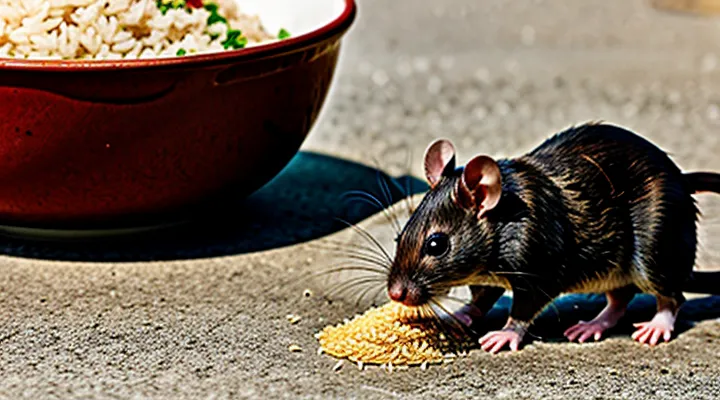
Rice for Rats: An Overview
Nutritional Value of Rice for Rodents
Carbohydrates and Energy
Rice supplies a high proportion of starch, a polysaccharide composed of glucose units. When rats digest starch, pancreatic amylase and intestinal brush‑border enzymes break it down into maltose and glucose, which enter the bloodstream and become the primary substrate for cellular respiration. The rapid absorption of glucose provides immediate energy for muscular activity, thermoregulation, and brain function.
In a typical laboratory diet, carbohydrates contribute 40–60 % of the metabolizable energy. Adding rice can increase this proportion, but the overall balance depends on protein, fat, fiber, and micronutrient content. Excessive carbohydrate intake may lead to:
- Elevated blood glucose levels
- Reduced protein utilization for tissue growth
- Potential weight gain if caloric density exceeds energy expenditure
Rats possess a limited capacity to store glycogen in liver and muscle; surplus glucose is converted to fatty acids and deposited as adipose tissue. Therefore, rice should be offered in moderation, preferably mixed with a protein source (e.g., soy or casein) and a modest amount of fat to maintain a nutritionally complete ration.
When evaluating rice as a component of rat feed, consider the following criteria:
- Digestibility – Cooked rice has a digestibility of 90 % or higher, ensuring efficient conversion to usable energy.
- Glycemic impact – High‑glycemic carbohydrates cause rapid glucose spikes; pairing rice with fiber or protein can moderate this response.
- Nutrient completeness – Rice lacks essential amino acids (e.g., lysine) and certain vitamins; supplementation is required to avoid deficiencies.
In summary, rice delivers readily metabolizable carbohydrates that supply immediate energy, but its inclusion must be calibrated against the rat’s total dietary requirements to prevent metabolic imbalance.
Vitamins and Minerals
Rice supplies limited amounts of essential nutrients for rodents. Most vitamins are present in trace quantities, while minerals such as calcium, phosphorus, and iron are below the levels required for healthy growth and reproduction.
- Vitamin B complex (thiamine, riboflavin, niacin) appears in small concentrations; deficiency can lead to metabolic disturbances.
- Vitamin A and vitamin D are virtually absent; lack may cause vision problems and impaired calcium metabolism.
- Calcium content is low, risking skeletal weakness if rice constitutes a large portion of the diet.
- Phosphorus is present but in an imbalanced ratio to calcium, potentially disrupting bone mineralization.
- Iron and zinc are present in marginal amounts; prolonged reliance on rice may precipitate anemia or immune dysfunction.
To incorporate rice safely, supplement the diet with a balanced rodent vitamin‑mineral premix or provide complementary foods rich in the missing nutrients, such as leafy greens, fortified pellets, or commercial rodent chow. Monitoring body condition and conducting periodic health assessments ensure that nutrient deficiencies do not develop.
Fiber Content
Rice provides a modest amount of dietary fiber, typically 0.3–0.5 g per 100 g of cooked product. This level falls well below the 3–5 % fiber recommended for laboratory or pet rats, whose gastrointestinal health benefits from higher fiber intake. The low fiber content means rice contributes little to stool bulk or gut motility, and excessive reliance on rice could lead to softer feces or mild constipation if not balanced with other sources.
Key considerations for incorporating rice into a rat’s diet:
- Fiber quantity – 0.3–0.5 g/100 g (cooked); 1–2 g/100 g (raw, due to lower water content).
- Fiber type – primarily insoluble cellulose; minimal soluble fiber.
- Digestive impact – limited bulking effect; does not markedly promote peristalsis.
- Nutrient balance – rice is high in carbohydrates, low in protein and fat; supplement with high‑fiber vegetables (e.g., carrots, leafy greens) or commercial rodent mixes to meet fiber requirements.
When feeding rice, limit portions to a small fraction of total daily intake (no more than 10 % of caloric content) and ensure the overall diet includes adequate fiber from other ingredients. Regular monitoring of fecal consistency and body condition will indicate whether the fiber level remains appropriate.
Types of Rice and Their Suitability
White Rice
White rice provides primarily carbohydrates with minimal protein, fat, and fiber. Its caloric density is high, delivering about 130 kcal per 100 g of cooked grain. The grain lacks essential amino acids, vitamins, and minerals required for a balanced rodent diet, making it an incomplete food source when offered alone.
When included as a supplemental ingredient, white rice must be prepared correctly. Cooking eliminates raw starches that can cause digestive upset; boiling until soft and cooling to room temperature prevents burns. Avoid adding salt, butter, oil, or seasonings, as these introduce sodium and fats that exceed safe levels for rats.
Feeding recommendations:
- Offer no more than 5 % of the total daily intake by weight.
- Provide in small, bite‑size portions to reduce choking risk.
- Monitor for signs of diarrhea or weight gain; adjust or discontinue if adverse effects appear.
- Combine with protein‑rich pellets, fresh vegetables, and occasional fruit to meet nutritional requirements.
Potential concerns include rapid blood‑sugar spikes due to the high glycemic index of white rice, which can stress the rat’s metabolic system. Repeated overfeeding may lead to obesity and related health problems. Consequently, white rice should be treated as an occasional treat rather than a staple component of a rat’s diet.
Pros and Cons
Feeding rice to pet or laboratory rats presents measurable advantages and notable drawbacks.
-
Nutritional energy – Cooked white rice supplies readily digestible carbohydrates, supporting weight gain in undernourished specimens.
-
Low cost – Bulk rice is inexpensive, facilitating large‑scale feeding programs.
-
Palatability – Many rats accept soft rice, reducing stress during transition to new diets.
-
Limited protein – Rice contains minimal essential amino acids; exclusive reliance can cause deficiency.
-
Insufficient fiber – Absence of adequate roughage may impair gastrointestinal motility.
-
Potential for over‑feeding – High glycemic load can lead to obesity and glucose intolerance if not balanced with protein and fat sources.
-
Contamination risk – Improper storage may introduce mold or mycotoxins, posing health hazards.
Effective incorporation of rice requires precise formulation: combine with high‑quality rodent chow, supplement with protein‑rich foods, and monitor body condition regularly. Without such controls, the disadvantages outweigh the economic and convenience benefits.
Preparation for Rats
Rats can safely consume rice when it is prepared correctly. The preparation process eliminates contaminants, ensures digestibility, and aligns the grain with the animal’s nutritional needs.
- Rinse the rice thoroughly under running water to remove dust, pesticide residues, and surface starch.
- Cook the rice in plain water without added salt, oil, or seasoning. Use a 1:2 rice‑to‑water ratio and boil until the grains are soft but not mushy; overcooking reduces texture and may encourage bacterial growth.
- Cool the cooked rice to room temperature before offering it to the rat. Hot food can cause burns, while warm rice promotes rapid bacterial proliferation.
- Portion size should not exceed 10 % of the animal’s daily caloric intake. For an average adult rat, a tablespoon of cooked rice per day is sufficient.
- Store any leftovers in an airtight container in the refrigerator for no more than 24 hours. Discard any rice that shows signs of spoilage, such as off‑odor or mold.
Incorporating rice into a balanced diet requires complementary protein sources, fresh vegetables, and a reliable rodent pellet base. Monitoring the rat’s weight and stool consistency after introducing rice helps detect any adverse reactions early. If digestive issues arise, reduce or cease rice provision and consult a veterinarian.
Brown Rice
Brown rice provides carbohydrates, fiber, and a modest amount of protein, making it a potential component of a rat’s diet. The grain’s fiber supports digestive health, while its complex carbohydrates supply steady energy. However, brown rice lacks essential amino acids, vitamins, and minerals that rats require from protein‑rich sources such as meat, eggs, or fortified rodent chow.
When offering brown rice to rats, follow these guidelines:
- Cook thoroughly; raw grains pose a choking hazard and contain anti‑nutrients that impede mineral absorption.
- Rinse before cooking to remove excess starch and reduce arsenic residues.
- Serve in small portions—approximately one teaspoon per adult rat per day—mixed with primary food to prevent nutrient imbalance.
- Observe for signs of gastrointestinal upset, such as soft stools or reduced appetite, and discontinue if symptoms appear.
Brown rice should not replace the staple diet but can serve as occasional variety. Regular monitoring of body condition and overall health will confirm suitability.
Nutritional Advantages
Rice offers a readily digestible carbohydrate source for laboratory and pet rodents. The grain’s high starch content supplies quick‑release energy, supporting activity levels and thermoregulation without imposing a heavy caloric load. Its low fat profile helps maintain a lean body composition, reducing the risk of obesity‑related complications.
Nutritional benefits include:
- Energy provision: Approximately 130 kcal per 100 g, comparable to standard rodent chow, enabling stable weight maintenance.
- Digestibility: Starch is readily broken down by pancreatic amylase, allowing efficient absorption of glucose.
- Fiber contribution: The outer layers of whole‑grain rice contain soluble and insoluble fiber, promoting gut motility and microbial diversity.
- Micronutrients: Small amounts of B‑vitamins (thiamine, niacin, folate) and minerals (magnesium, phosphorus) supplement the dietary requirements of rats.
- Cost efficiency: Bulk rice is inexpensive, facilitating large‑scale feeding programs while preserving budgetary resources.
When incorporated into a balanced diet, rice should be combined with protein‑rich components such as soy, whey, or insect meal to meet the animal’s amino acid needs. Excessive reliance on rice alone can lead to deficiencies in essential fatty acids, vitamins A and D, and trace elements. Proper portion control—generally no more than 10 % of total daily intake—prevents overconsumption of carbohydrates and maintains nutritional equilibrium.
Potential Concerns
Feeding rats rice introduces several health risks that require careful consideration.
- Nutritional imbalance – Rice is high in carbohydrates but low in protein, essential amino acids, and many vitamins. Relying on it as a staple can deprive rats of nutrients needed for growth, immune function, and reproduction.
- Caloric overload – The dense energy content may lead to excessive weight gain, insulin resistance, and related metabolic disorders when portions are not strictly controlled.
- Arsenic exposure – Certain rice varieties accumulate inorganic arsenic from soil and water. Chronic ingestion of contaminated grains can impair liver and kidney function and increase the risk of carcinogenesis.
- Digestive disturbances – Uncooked or improperly prepared rice can cause gastrointestinal blockage or fermentation, producing gas and discomfort. Even cooked rice may swell in the stomach, posing a choking hazard for small rodents.
- Mold and mycotoxins – Stored rice can develop fungal growth, producing aflatoxins and other toxins that damage hepatic tissue and suppress the immune system.
- Lack of fiber – Minimal dietary fiber in plain rice may lead to constipation, hindering normal bowel movements and increasing the likelihood of anal prolapse.
To mitigate these concerns, rice should be offered only as an occasional, well‑cooked supplement, portioned precisely, and balanced with high‑quality protein sources, fresh vegetables, and fortified rodent chow. Regular monitoring of body condition and laboratory testing for heavy metals are advisable when rice becomes a repeated component of the diet.
Preparation for Rats
Rats may consume rice safely when it is prepared correctly. The grain must be plain, fully cooked, and cooled before offering it to a pet rat.
- Rinse the rice under cold water to remove surface starch.
- Cook with a 2:1 water‑to‑rice ratio until the grains are soft but not mushy.
- Do not add salt, butter, oil, sauces, or seasonings.
- Allow the cooked rice to reach room temperature; hot food can cause digestive distress.
- Portion the rice into small amounts, roughly one teaspoon per 100 g of body weight, to prevent overfeeding.
Mix the rice with a balanced rodent diet or fresh vegetables to provide protein, fiber, and essential nutrients. Store any unused rice in an airtight container in the refrigerator for up to three days; discard if it shows signs of spoilage. Regular monitoring of the rat’s health and stool consistency will indicate whether the rice is well tolerated.
Other Rice Varieties
Various rice cultivars differ markedly in composition, affecting their suitability as a component of a rat’s diet. Compared with standard white rice, colored and aromatic grains contain higher levels of fiber, antioxidants, and micronutrients, while maintaining a carbohydrate base that rats can digest.
- Brown rice – retains bran and germ; provides 3 g fiber per 100 g, elevated B‑vitamins, and modest fat content. Requires thorough cooking to soften hulls and reduce hardness that can cause dental wear.
- Black rice – rich in anthocyanins; delivers antioxidant capacity and 2.5 g fiber per 100 g. Slightly higher protein (≈2.7 g/100 g) than white rice. Cook until fully tender before offering.
- Red rice – contains phenolic compounds; offers 2 g fiber per 100 g and a modest increase in iron. Preparation identical to brown rice.
- Wild rice – technically a grass; low in calories, high in protein (≈4 g/100 g) and fiber (≈3 g/100 g). Requires extended soaking and cooking to achieve a soft texture.
- Aromatic varieties (jasmine, basmati) – similar macronutrient profile to white rice but with distinct aroma compounds. No additional nutritional benefit; suitable only as occasional variety.
When incorporating these grains, observe the following guidelines:
- Cook all rice thoroughly; raw or undercooked grains pose choking hazards and impede digestion.
- Cool cooked rice to room temperature before mixing with standard chow to prevent thermal injury.
- Limit rice to no more than 10 % of total daily intake by weight, ensuring balanced protein, fat, and vitamin supply from primary feed.
- Monitor for signs of gastrointestinal upset; discontinue any variety that provokes diarrhea or reduced appetite.
- Source rice from reputable suppliers to minimize exposure to arsenic, which accumulates more in brown and wild rice; rinse grains multiple times and discard excess cooking water if arsenic concerns exist.
Overall, alternative rice types can enrich a rat’s diet when prepared correctly and offered in moderation, complementing the nutritional profile of conventional feed.
Wild Rice
Wild rice (Zizania spp.) is an aquatic grass seed that contains higher protein (≈14 % dry weight) and dietary fiber (≈2 % dry weight) than most cereal grains. The grain also supplies essential minerals such as magnesium, phosphorus, and zinc, and B‑vitamins including thiamine and niacin. These nutrients can complement the diet of laboratory or pet rats, which require protein levels of 15‑20 % and adequate fiber to support gastrointestinal health.
Safety considerations include the presence of natural phytates that may bind minerals, and the possibility of mold or mycotoxin contamination if the grain is stored improperly. Cooking eliminates most surface pathogens and reduces phytate activity. Recommended preparation: rinse the raw grain, soak for 30 minutes, then boil in water at a rolling boil for 20‑25 minutes until the kernels are soft but retain shape. Do not add salt, butter, or seasoning.
Feeding guidelines:
- Introduce wild rice gradually, starting with 1 g per 100 g body weight.
- Offer cooked grain two to three times per week, not exceeding 10 % of total daily caloric intake.
- Observe for signs of digestive upset, such as soft stools or reduced appetite; discontinue if adverse reactions occur.
- Ensure the primary diet remains a balanced rodent chow formulated for the specific strain and life stage.
When incorporated correctly, wild rice provides a nutritious supplement that can enhance protein and fiber intake without compromising the overall dietary balance for rats.
Basmati and Jasmine Rice
Basmati and Jasmine rice are long‑grain varieties commonly used in human cuisine. Both grains are primarily composed of carbohydrates, with modest amounts of protein, fiber, and micronutrients such as thiamine, niacin, and magnesium. Their nutritional profile makes them a potential supplemental energy source for pet rats, provided certain conditions are met.
When offering these rice types to rats, consider the following guidelines:
- Cooked only; raw grains contain lectins that can irritate the digestive tract.
- Plain preparation; omit salt, butter, oil, or seasonings that could cause electrolyte imbalance or digestive upset.
- Cool to room temperature before serving to prevent burns.
- Portion size limited to 1–2 teaspoons per adult rat, representing no more than 5 % of daily caloric intake.
- Frequency restricted to occasional treats, not a staple, to avoid excessive carbohydrate load and potential weight gain.
Potential concerns include:
- High glycemic index, which may lead to rapid blood glucose spikes in susceptible individuals.
- Low fiber content compared to whole‑grain or seed diets, offering limited benefit for gut motility.
- Risk of mold growth if rice is stored improperly; discard any rice with off‑odor or discoloration.
In a balanced diet that emphasizes commercial rodent pellets, fresh vegetables, and occasional protein sources, small amounts of cooked Basmati or Jasmine rice can be incorporated safely. Monitor the animal for signs of digestive disturbance, such as loose stools or reduced appetite, and discontinue use if adverse reactions occur.
Considerations for Exotic Rice
Rats can consume rice, but exotic varieties require specific assessment before inclusion in their diet. These grains differ markedly from standard white or brown rice in composition, processing, and potential hazards.
- Protein and fiber levels vary; some exotic types contain higher amylose, affecting digestibility.
- Antinutrients such as phytic acid may be elevated, reducing mineral absorption.
- Residual pesticides or heavy metals are more likely in specialty cultivars; testing or sourcing from certified producers is advisable.
- Grain size and texture influence chewing effort and risk of impaction; larger kernels may need pre‑soaking or grinding.
- Cooking method matters; thorough boiling eliminates raw starch, while steaming preserves nutrients but may retain higher glycemic load.
- Portion control prevents excess carbohydrate intake, which can lead to obesity or metabolic imbalance.
- Frequency should remain occasional; rice should complement, not replace, protein‑rich foods and fresh vegetables.
- Storage conditions affect mold growth; keep dry, airtight, and discard any grain showing discoloration or odor.
When exotic rice is introduced, start with a minimal amount, monitor the rat’s health, and adjust based on weight, stool consistency, and activity levels. Proper selection, preparation, and moderation ensure the grain contributes safely to a balanced rodent diet.
Risks and Precautions
Potential Dangers of Rice
Digestive Issues
Rats can consume rice, but the grain poses specific digestive challenges that require careful management.
Rice is primarily starch. Excessive starch can overwhelm a rat’s small intestine, leading to rapid fermentation in the cecum. The result is gas accumulation, abdominal distension, and diarrhea. Uncooked or undercooked rice contains resistant starch that resists enzymatic breakdown, further increasing the risk of bloating and discomfort.
Potential digestive problems include:
- Gas and bloating: Fermentation of undigested starch produces volatile fatty acids and gases.
- Diarrhea: Overload of simple carbohydrates draws water into the intestinal lumen.
- Nutrient imbalance: High carbohydrate content displaces protein and fiber, essential for normal gut motility.
- Mold and mycotoxins: Stored rice can develop fungi; ingestion may cause gastrointestinal irritation or systemic toxicity.
- Obstruction risk: Large, dry grains can form bezoars, especially in young or ill animals.
Mitigation strategies:
- Cook rice thoroughly to gelatinize starch, making it more digestible.
- Cool and serve in small portions, mixing with a balanced rodent diet that includes protein, fiber, and vitamins.
- Store rice in airtight containers, discard any that shows signs of spoilage.
- Introduce rice gradually, monitoring stool consistency and appetite.
When these precautions are observed, rice can serve as an occasional carbohydrate source without compromising rat gastrointestinal health.
Bloating and Gas
Rice provides a high‑energy carbohydrate that many owners consider for pet rats. Uncooked grains contain resistant starch that resists digestion in the small intestine and passes to the colon, where bacterial fermentation produces gas. The same process can cause rapid intestinal expansion, known as bloating, especially when large quantities are introduced at once.
Rats possess a relatively short gastrointestinal tract optimized for protein and moderate fiber. When starch reaches the colon in excess, anaerobic microbes break it down, releasing carbon dioxide, methane, and short‑chain fatty acids. The gas accumulates faster than it can be expelled, leading to abdominal distension. Simultaneously, the osmotic effect of undigested starch draws water into the lumen, aggravating swelling and potentially precipitating diarrhoea.
Observable signs include a visibly enlarged abdomen, frequent flatulence, restlessness, reduced food intake, and occasional vomiting. Persistent bloating may compromise blood flow to the intestines, increasing the risk of necrotic lesions if left untreated.
Preventive measures:
- Cook rice thoroughly to gelatinize starch, making it more digestible.
- Introduce rice in small portions (no more than 5 % of total daily diet) and observe tolerance.
- Combine rice with high‑fiber foods such as timothy hay or vegetables to promote regular motility.
- Ensure constant access to fresh water to facilitate transit and reduce osmotic load.
- Limit feeding frequency to once or twice weekly to avoid chronic accumulation.
When bloating occurs, reduce or discontinue rice immediately, provide plain water, and monitor for improvement. Persistent symptoms warrant veterinary assessment to rule out obstruction or infection.
Constipation
Feeding rice to laboratory or pet rats introduces a carbohydrate source with minimal dietary fiber. When rice constitutes a significant portion of the diet, stool bulk may decrease, increasing the risk of constipation. Rats rely on fiber to stimulate intestinal motility; insufficient fiber slows transit time and can lead to dry, hard feces.
Signs of constipation include reduced fecal output, small or pellet‑shaped stools, and occasional straining. Persistent constipation may cause abdominal discomfort, weight loss, and, in severe cases, intestinal blockage. Early detection requires regular observation of stool consistency and quantity.
To mitigate constipation when rice is included in the diet, consider the following measures:
- Limit rice to no more than 10 % of total caloric intake.
- Supplement the diet with high‑fiber ingredients such as timothy hay, oat bran, or beet pulp.
- Ensure constant access to fresh water; dehydration exacerbates hard stools.
- Provide occasional vegetable treats rich in soluble fiber, for example, carrots or broccoli.
- Monitor body weight and behavior weekly; any decline warrants dietary adjustment.
If constipation persists despite these interventions, veterinary evaluation is recommended. Treatment may involve gentle laxatives, increased hydration, or a temporary shift to a high‑fiber diet until normal bowel function resumes.
Choking Hazards
Rice can pose a choking risk for pet rodents when offered whole or insufficiently softened. The grain’s compact shape and rigid texture may block a rat’s narrow airway if it does not break apart during chewing.
Cooking softens the starch, expands the grain, and reduces hardness, decreasing the likelihood of obstruction. Uncooked rice remains hard and retains its original size, making it unsuitable for direct feeding.
Precautions for safe inclusion of rice in a rat’s diet:
- Cook rice thoroughly; use a water‑to‑rice ratio that yields a soft, fluffy texture.
- Cool the cooked rice to room temperature before serving.
- Offer only small portions, no larger than a pea‑sized piece per feeding.
- Observe each rat while eating; discontinue if any signs of distress appear.
- Provide alternative fiber sources, such as oats or barley, which present lower choking potential.
Regular monitoring and adherence to these guidelines minimize respiratory hazards while allowing occasional rice as a supplemental treat.
Cooked vs. Uncooked Rice
Rats can consume rice, but the form of the grain determines safety and nutritional value.
Uncooked rice consists of hard starch granules that resist enzymatic breakdown. Rats lack the necessary amylase activity to digest raw grains efficiently, leading to reduced caloric gain and potential gastrointestinal blockage. Raw kernels may also harbor spores of Bacillus cereus, a toxin‑producing bacterium that can cause illness. The physical hardness increases choking risk, especially in smaller specimens.
Cooked rice presents softened starches that rats can absorb readily. Plain, boiled rice offers a source of carbohydrates without excess fiber, supporting energy needs. The grain must be cooled to room temperature before offering to prevent thermal injury. Seasonings, oil, salt, or sauces introduce sodium and fats that exceed a rat’s dietary limits and should be omitted. Over‑cooking can produce a mushy texture that encourages bacterial proliferation if left warm for extended periods; prompt refrigeration after cooling mitigates this risk.
Practical guidelines:
- Use only white or short‑grain rice; brown varieties contain higher fiber that may be harder to digest.
- Boil rice in water alone; discard excess liquid to avoid moisture buildup in the cage.
- Cool rice to ≤ 25 °C before placement in the feeder.
- Offer no more than 1 teaspoon (≈ 5 g) per adult rat per day, adjusting for size and activity level.
- Remove uneaten rice after 24 hours to prevent spoilage.
In summary, cooked rice, prepared without additives and served in modest quantities, is a safe occasional supplement for rats, whereas raw rice poses digestibility, choking, and microbial hazards and should be avoided.
Grain Size Considerations
Rice can be part of a rat’s diet, but the size of the grain determines safety and digestibility.
Whole, unprocessed kernels present a choking hazard and may cause intestinal blockage, especially in juveniles or miniature breeds. The hard outer layer resists chewing, leading to prolonged retention in the gastrointestinal tract and potential impaction.
Milled or broken grains pass through the digestive system more readily. Their reduced size increases surface area, allowing enzymes to act efficiently. However, finer particles raise the risk of rapid glucose absorption, which can contribute to weight gain if portions are not limited.
Cooking softens starch granules, eliminates hardness, and improves palatability. Short‑grain varieties retain a slightly firmer texture after cooking, offering a balance between chewability and nutrient availability. Long‑grain rice becomes overly fluffy, increasing the likelihood of over‑consumption.
Key points for practitioners:
- Use cooked rice; raw grains increase impaction risk.
- Prefer short‑grain or medium‑grain types for moderate texture.
- Avoid whole, uncooked kernels in cages with small or young rats.
- Limit portions to a few teaspoons per week to prevent excess carbohydrate intake.
- Ensure water is readily available to aid digestion of starches.
Adhering to these grain‑size guidelines minimizes health hazards while allowing rats to benefit from the occasional inclusion of rice in their nutrition plan.
Pesticides and Contaminants
Rice intended for rodent consumption may contain pesticide residues, heavy metals, and mycotoxins that compromise animal health. Residues arise from agricultural treatments applied before harvest; common compounds include organophosphates, carbamates, and pyrethroids. Heavy metals such as arsenic, cadmium, and lead accumulate in soil and can be absorbed by the grain. Mycotoxins, particularly aflatoxin B1, develop when rice is stored under humid conditions.
Exposure to these contaminants can produce acute toxicity, neurological impairment, renal dysfunction, and immunosuppression in rats. Organophosphate ingestion interferes with acetylcholinesterase activity, leading to muscle tremors and respiratory failure. Chronic ingestion of arsenic disrupts cellular metabolism and increases tumor incidence. Aflatoxin B1 suppresses immune response and reduces growth rates.
Risk mitigation requires systematic evaluation of rice batches before inclusion in rodent diets. Recommended actions:
- Conduct laboratory analysis for pesticide residues, heavy metals, and mycotoxins using validated methods (e.g., GC‑MS, ICP‑MS, ELISA).
- Compare results with established safety thresholds for laboratory animals (e.g., EPA, FDA, EU limits).
- Reject any batch exceeding permissible levels; replace with certified contaminant‑free rice or alternative carbohydrate sources.
- Implement storage protocols that maintain low humidity and temperature to inhibit fungal growth.
- Document all test results and maintain traceability for each rice lot used in experiments.
Adhering to these procedures ensures that rice serves as a nutritionally appropriate carbohydrate without introducing toxicological variables that could confound experimental outcomes.
Washing Rice
Washing rice removes surface dust, pesticide residues, and excess starch that can cause digestive upset in rodents. Rinsing also reduces the likelihood of mold growth during storage, which is essential for maintaining a safe diet for pet rats.
The standard procedure includes:
- Place the desired amount of rice in a fine‑mesh sieve.
- Rinse under cool running water, stirring with a spoon until the water runs clear.
- Transfer to a bowl, fill with fresh water, and agitate gently for 30 seconds; discard the water.
- Repeat the rinse‑and‑agitate step two to three times, depending on the rice variety.
- Drain thoroughly and spread the grains on a clean towel to air‑dry for at least 15 minutes before cooking or storage.
Cooking rice after thorough washing ensures that the final product contains minimal residual contaminants. For rats, boiled rice should be plain—no added salt, butter, or seasoning—because such additives may lead to electrolyte imbalance or gastrointestinal irritation.
When preparing rice for rats, follow these safety guidelines:
- Use only fresh, uncontaminated water for rinsing and cooking.
- Cook until the grains are soft but not mushy; overcooking can increase the glycemic load.
- Cool the cooked rice to room temperature before offering it to the animals.
- Store any unused portion in an airtight container in the refrigerator for no more than 24 hours.
Proper washing and preparation make rice a viable occasional component of a rat’s diet, providing a source of carbohydrates without the risks associated with unprocessed grains.
Organic Options
Rats require a balanced diet that includes carbohydrates, protein, fiber, and essential vitamins. When incorporating rice, choose varieties grown without synthetic pesticides or fertilizers to avoid contaminant exposure.
- Certified organic white or brown rice provides a source of digestible starch.
- Brown rice retains the bran layer, offering additional fiber and micronutrients such as B‑vitamins and magnesium.
- White rice, stripped of the hull and bran, is easier to digest but lacks the fiber benefits of its whole‑grain counterpart.
Organic rice should be rinsed thoroughly to remove any residual dust or debris before cooking. Cooked rice must be cooled to room temperature; serving it warm can cause digestive upset. Portion sizes should not exceed 10 % of the total daily caloric intake, ensuring that the primary diet remains protein‑rich.
Alternative organic carbohydrate sources include:
- Quinoa – complete protein profile, gluten‑free.
- Oats – high in soluble fiber, low glycemic impact.
- Barley – provides beta‑glucan, beneficial for gut health.
These options can be rotated with organic rice to prevent nutrient monotony and reduce the risk of carbohydrate overload. Selecting reputable organic suppliers and adhering to proper preparation protocols ensures that rice contributes safely to a rat’s nutritional regimen.
Safe Feeding Practices
Portion Control
Rats can safely consume rice when it is offered as a supplementary component of a balanced diet. Rice supplies carbohydrates but lacks essential proteins, fats, vitamins, and minerals required for optimal rodent health. Consequently, rice must be treated as an occasional treat rather than a staple.
Portion control prevents nutritional imbalances and digestive issues. For an adult laboratory rat weighing 250 g, a suitable serving is 5–10 g of cooked, unseasoned rice per day. Juvenile rats require half that amount. Portion size should be adjusted according to the animal’s weight, activity level, and overall diet composition.
- Measure rice with a kitchen scale; avoid estimating by volume.
- Offer rice in small batches, observing the rat’s consumption within 30 minutes.
- Remove any uneaten rice to prevent spoilage and mold growth.
- Combine rice with protein‑rich foods (e.g., boiled egg, lean meat) to create a more complete snack.
- Limit rice servings to three times per week to maintain dietary diversity.
Excessive rice intake can lead to weight gain, hyperglycemia, and reduced appetite for nutritionally dense foods. Overconsumption may also cause gastrointestinal disturbances such as soft stools or diarrhea.
Adhering to the outlined quantities and frequency ensures that rice contributes caloric energy without compromising the rat’s overall nutritional balance.
Cooking Methods
Rats can safely consume rice when it is prepared correctly. Cooking eliminates raw starch, reduces the risk of bacterial contamination, and creates a texture that rodents can chew without dental strain.
-
Boiling: Submerge grains in water, bring to a rolling boil, then simmer for 10–12 minutes until fully softened. Drain excess water, let cool to room temperature before offering. This method preserves most carbohydrates while ensuring the grain is non‑sticky.
-
Steaming: Place rice in a perforated basket above simmering water, cover, and steam for 12–15 minutes. The result is fluffy, separate grains that are easy for rats to pick up. No added fat or salt is required.
-
Microwaving: Combine rice and water in a microwave‑safe container (ratio 1:2). Cover loosely and heat on high for 3–4 minutes, then let stand for 2 minutes. Stir and cool before serving. This approach is quick but may produce uneven hydration; check that all grains are fully softened.
-
Pressure cooking: Use a low‑pressure setting for 5 minutes, then release pressure gradually. The grain becomes very tender, suitable for older or dental‑compromised rats. Rinse thoroughly after cooking to remove excess starch.
Key considerations for all methods:
- Cool rice to below 40 °C to prevent burns.
- Avoid seasonings, oil, butter, or sauces; these introduce unnecessary fats and sodium.
- Serve in small portions; rice should complement a balanced diet of protein, vegetables, and fortified rodent pellets.
- Discard any leftover rice after 24 hours to prevent spoilage.
Properly cooked rice provides a digestible carbohydrate source without compromising rat health when integrated responsibly into their diet.
Boiling
Rice can be included in a laboratory‑grade rodent diet if it is prepared correctly. Raw grains contain antinutrients and resistant starch that impair digestion; heat treatment eliminates these factors and reduces microbial load.
Boiling requires a water‑to‑rice ratio of approximately 2 : 1. Bring the mixture to a rolling boil, then reduce heat to maintain a gentle simmer for 12–15 minutes until the grains are tender but not mushy. Remove the pot from the heat, cover, and allow the rice to stand for five minutes; this step ensures even moisture distribution.
Properly boiled rice supplies carbohydrates with a moderate glycemic index, supporting energy needs without causing rapid blood‑sugar spikes. The process also preserves most B‑vitamins and small amounts of protein, which complement a balanced pellet formulation.
Safety considerations:
- Use filtered or distilled water to avoid mineral buildup.
- Do not add salt, oil, or seasonings; these can disrupt electrolyte balance.
- Cool the rice to room temperature before mixing with the regular feed to prevent heat stress.
- Store cooked rice in airtight containers at 4 °C and discard after 24 hours to prevent spoilage.
Procedure for preparing rice for rodents
- Rinse 100 g of white or brown rice under cold water.
- Place rice in a pot with 200 ml of water.
- Bring to a boil, then simmer for 12–15 minutes.
- Remove from heat, cover, and rest for five minutes.
- Spread on a clean tray, cool to ambient temperature.
- Incorporate into the daily ration at a maximum of 10 % of total feed weight.
Steaming
Feeding rats rice requires a cooking method that preserves nutritional value while eliminating harmful substances. Steaming meets these criteria by using only water vapor, avoiding added fats or salts that could upset a rodent’s delicate digestive system.
Steaming retains the carbohydrate structure and most B‑vitamins present in the grain. The process also reduces the presence of anti‑nutritional factors such as phytic acid more effectively than raw preparation, yet it does not introduce the acrylamide compounds sometimes formed during high‑temperature frying.
Preparation steps
- Rinse one part rice under cold water until the runoff is clear.
- Place rice in a steamer basket above boiling water; cover tightly.
- Steam for 20–25 minutes, or until grains are tender and easily broken apart with a fork.
- Remove from heat, spread on a clean surface, and allow to cool to room temperature.
- Serve plain, without additives, in small portions.
Portion size should not exceed 10 % of the rat’s daily caloric intake; a typical adult laboratory rat can consume 1–2 grams of cooked rice per day. Offer rice alongside a balanced diet of protein, fiber, and micronutrients to prevent nutritional imbalances. Observe the animal for changes in weight, stool consistency, or behavior after introduction.
Improper handling can introduce hazards. Store cooked rice in a sealed container in the refrigerator for no more than 48 hours; discard any batch that develops odor, discoloration, or mold. Ensure grains are soft enough to avoid choking; break larger pieces before serving.
Frequency of Feeding
Rats may consume cooked rice as an occasional supplement, but the feeding schedule must reflect their nutritional requirements and digestive tolerance.
- Offer rice no more than once or twice per week. Frequent inclusion displaces protein‑rich pellets and fresh vegetables, leading to imbalanced nutrient intake.
- Limit each serving to 1‑2 teaspoons of cooked, unseasoned rice per adult rat. This amount provides a modest carbohydrate source without excessive caloric load.
- Provide rice only after it has cooled to room temperature; hot or cold rice can cause gastrointestinal distress.
- Observe each rat for signs of bloating, soft stools, or reduced activity after rice consumption. If adverse reactions appear, discontinue rice entirely.
Consistent feeding of high‑quality rodent pellets should remain the primary diet. Rice serves solely as a treat, not a staple, and its infrequent use preserves the balance of protein, fiber, and essential vitamins required for optimal health.
Combining Rice with Other Foods
Rice can be part of a rat’s diet when paired with complementary nutrients. Plain, cooked white or brown rice supplies carbohydrates but lacks sufficient protein, fiber, and essential vitamins. To create a balanced meal, combine rice with the following food groups:
- Protein sources: boiled eggs, cooked chicken, low‑fat cottage cheese, or commercially prepared rodent protein pellets. Aim for 15‑20 % of the total meal weight.
- Vegetables: finely chopped carrots, broccoli, spinach, or bell peppers. Provide 20‑30 % of the portion to add fiber, vitamins, and minerals.
- Fruits (occasionally): apple slices, blueberries, or banana pieces. Limit to 5‑10 % to avoid excess sugar.
- Healthy fats: a few drops of unsalted, cold‑pressed oil or a small piece of plain nuts. Keep under 5 % of the diet.
Preparation guidelines:
- Cook rice without salt, butter, or spices; rinse thoroughly after cooking to remove excess starch.
- Cool rice to room temperature before mixing with other ingredients.
- Serve fresh portions; discard leftovers after 24 hours to prevent bacterial growth.
- Introduce new combinations gradually, monitoring for digestive upset or changes in fecal consistency.
Potential issues:
- Overreliance on rice can lead to weight gain and nutrient deficiencies.
- Uncooked rice contains lectins that may irritate the gastrointestinal tract; always serve cooked rice.
- Moldy or stale rice poses a risk of mycotoxin exposure; store rice in airtight containers and use within a week of cooking.
By adhering to these ratios and preparation steps, rice becomes a safe carbohydrate component within a nutritionally complete rat diet.
Observing Your Rat's Reaction
Allergic Reactions
Feeding rice to rats introduces a potential allergen that can trigger immune responses similar to those observed with other grains. Rats exhibit hypersensitivity through the production of IgE antibodies, leading to clinical signs that develop shortly after ingestion.
Typical manifestations include:
- Facial swelling or edema
- Itching and excessive grooming of the ears, paws, or tail
- Respiratory distress, such as wheezing or rapid breathing
- Gastrointestinal upset, manifested by vomiting or diarrhea
- Lethargy and reduced activity levels
Allergic reactions are not universal; susceptibility varies among strains and individual genetic backgrounds. Laboratory studies indicate that certain inbred lines display higher IgE titers when exposed to rice proteins, while outbred populations show lower incidence.
Management strategies focus on prevention and rapid intervention:
- Conduct a trial feeding period with a minimal rice portion, observing the animal for at least 24 hours.
- If signs appear, discontinue rice immediately and provide supportive care, including antihistamines (e.g., diphenhydramine) and, when necessary, corticosteroids.
- Maintain a detailed diet log to correlate specific foods with observed reactions, facilitating future dietary adjustments.
Regular health monitoring and controlled diet composition reduce the risk of severe allergic episodes, ensuring that rice, when used, does not compromise rat welfare.
Behavioral Changes
Feeding rats rice introduces a carbohydrate source that can modify their behavior. The change stems from altered energy availability and texture differences compared to standard pellets.
Immediate responses often include heightened locomotion and exploratory actions. Rats display frequent rearing, increased runway speed, and a tendency to investigate the rice grains before consumption.
Sustained inclusion of rice produces measurable shifts in routine activities. Observations show:
- Reduced time spent gnawing on hard chow, replaced by softer chewing motions;
- Increased frequency of food‑search bouts during dark cycles;
- Altered social hierarchy, with dominant individuals monopolizing the rice supply;
- Enhanced nest‑building activity, using rice husks as supplemental material;
- Modified grooming patterns, reflecting changes in fur oil composition from dietary fats.
These behavioral adjustments correlate with measurable metabolic changes, confirming that rice supplementation impacts both physiological state and observable actions.
Consulting a Veterinarian
When owners consider adding grain products such as rice to a pet rat’s diet, professional guidance reduces the risk of nutritional imbalance and digestive upset. A veterinarian can evaluate the animal’s current feeding regime, health status, and specific dietary requirements before any new food is introduced.
A veterinary assessment typically includes:
- Verification that the rat’s overall diet meets protein, fat, vitamin, and mineral needs.
- Determination of suitable rice varieties (e.g., plain white or brown, fully cooked, unsalted).
- Identification of preparation methods that avoid harmful additives or contaminants.
- Evaluation of possible allergies, gastrointestinal sensitivity, or underlying conditions that could be aggravated by starches.
Owners should prepare for the consultation by collecting relevant information:
- Record of daily food items, portion sizes, and feeding frequency.
- Recent changes in weight, coat condition, or behavior.
- Any observed gastrointestinal symptoms such as diarrhea or constipation.
- Questions about safe serving quantities and frequency of rice inclusion.
Following the veterinarian’s recommendations ensures that rice, if approved, is incorporated safely and in a manner that supports the rat’s health. Ongoing observation of the animal’s response allows timely adjustment of the diet under professional supervision.