
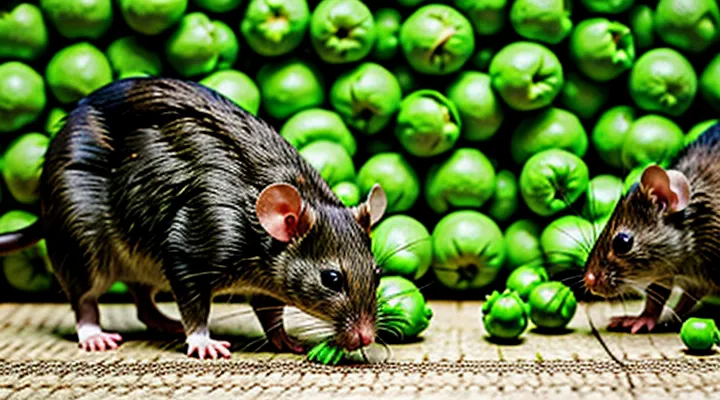
Nutritional Profile of Peas
Key Nutrients in Peas
Peas provide a concentrated source of nutrients that can complement a rat’s diet when offered in moderation.
- Protein – Approximately 5 g per 100 g, supplying essential amino acids required for tissue growth and repair.
- Dietary fiber – Around 6 g per 100 g, supporting gastrointestinal motility and microbial balance.
- Carbohydrates – Predominantly complex starches, delivering steady energy without rapid glucose spikes.
- Vitamins – Rich in vitamin C, vitamin K, and B‑vitamins (including folate and thiamine), contributing to antioxidant defenses, blood coagulation, and metabolic pathways.
- Minerals – Contain iron, magnesium, potassium, and zinc, essential for hemoglobin synthesis, enzymatic activity, electrolyte balance, and immune function.
- Phytonutrients – Include flavonoids and carotenoids that exhibit anti‑inflammatory and oxidative‑stress‑reducing properties.
When incorporated into a balanced feeding regimen, peas can address specific nutrient gaps, particularly protein and fiber, while providing vitamins and minerals that support overall health. Excessive portions should be avoided to prevent carbohydrate overload and potential digestive disturbances.
Potential Benefits for Rats
Vitamins and Minerals
Peas are a source of several essential nutrients that can complement a laboratory‑ or pet‑rat diet when offered in moderation. Their nutrient profile includes water‑soluble and fat‑soluble vitamins, as well as macro‑ and trace minerals that support metabolic functions, immune competence, and skeletal health.
- Vitamin C: present in appreciable amounts, contributes to antioxidant defenses and collagen synthesis.
- Vitamin K: supports blood clotting mechanisms.
- B‑complex vitamins (B1, B2, B3, B6, folate): participate in energy metabolism and neurotransmitter synthesis.
- Vitamin A (as β‑carotene): converted to retinol, essential for vision and epithelial integrity.
Mineral content of peas includes:
- Phosphorus: required for ATP production and bone mineralization.
- Potassium: regulates cellular osmolarity and nerve impulse transmission.
- Magnesium: cofactor for enzymatic reactions and muscle function.
- Iron: integral to hemoglobin formation and oxygen transport.
- Zinc: involved in immune response and protein synthesis.
- Calcium: present in modest quantities; excess may disrupt calcium‑phosphorus balance.
When incorporating peas into a rat’s diet, monitor total vitamin and mineral intake to avoid hypervitaminosis or mineral overload. Peas lack sufficient levels of certain nutrients, such as vitamin D and adequate calcium, necessitating supplementation from a balanced rodent chow. Additionally, raw peas contain anti‑nutritional factors (e.g., lectins) that diminish digestibility; brief blanching reduces these compounds without significant nutrient loss. Regular observation of stool consistency and weight gain can indicate tolerance and nutritional adequacy.
Fiber Content
Peas contain a substantial amount of dietary fiber, averaging 5–6 g per 100 g of fresh product. The fiber is composed of soluble fractions such as pectins and insoluble components like cellulose and hemicellulose. Soluble fiber slows gastric emptying, while insoluble fiber adds bulk to the intestinal contents.
Rats digest fiber differently from humans. Their cecum hosts microbial populations capable of fermenting soluble fiber into short‑chain fatty acids, which supply additional energy. Insoluble fiber promotes peristalsis and helps prevent fecal impaction. Excessive fiber, however, can dilute nutrient density and lead to reduced caloric intake.
When incorporating peas into a rat’s diet, consider the following limits:
- Fresh peas: no more than 10 g per 100 g of total daily food intake.
- Cooked peas (softened, no added salt): limit to 8 g per 100 g of total diet.
- Freeze‑dried peas: adjust to 5 g per 100 g of diet, accounting for reduced water content.
Monitoring stool consistency and body weight provides immediate feedback on tolerability. If stools become overly soft or weight loss occurs, reduce or discontinue pea supplementation.
Protein Source
Peas provide a moderate amount of protein, typically 5 g per 100 g of raw beans. The amino‑acid profile includes lysine, arginine, and leucine, which complement the diets of laboratory and pet rats. Digestibility of pea protein ranges from 70 % to 80 % in rodents, making it a viable supplemental source when combined with other ingredients.
Key considerations for incorporating peas into a rat’s diet:
- Protein contribution – each gram of pea protein supplies roughly 4 kcal, supporting growth and maintenance without excessive caloric load.
- Anti‑nutrients – raw peas contain lectins and phytic acid that can impair mineral absorption; cooking or steaming reduces these compounds by 60 %–80 %.
- Fiber content – 5 g of fiber per 100 g aids gastrointestinal motility but may cause loose stools if introduced abruptly.
- Portion limits – a daily inclusion of 10 %–15 % of total feed weight maintains protein balance while preventing over‑reliance on a single source.
When evaluating peas as a protein source for rats, compare them with alternatives such as soy, whey, and insect meal. Soy delivers 36 g of protein per 100 g with higher digestibility, while whey offers rapid amino‑acid absorption but can be costly. Insect meal provides a complete amino‑acid spectrum and low fiber, though availability varies.
Practical recommendation: introduce cooked peas gradually, monitor stool consistency, and ensure the overall diet supplies 14 %–16 % protein for adult rats and 18 %–20 % for growing juveniles. Adjust the formulation to keep total protein within these ranges, using peas as part of a diversified protein portfolio.
Feeding Peas to Rats
Types of Peas Safe for Rats
Fresh Peas
Fresh peas offer a high proportion of water, carbohydrates, and moderate protein, making them a potential supplement for laboratory and pet rats. The vegetable supplies dietary fiber, vitamin C, and B‑group vitamins, which can contribute to digestive health and immune function when included in small amounts.
Rats possess a monogastric digestive system capable of processing soft legumes, but raw peas contain antinutritional factors such as lectins and phytic acid. Heat treatment reduces these compounds, enhancing digestibility and lowering the risk of gastrointestinal irritation. Therefore, lightly steamed or boiled peas, cooled to room temperature, are the safest form for regular feeding.
Feeding guidelines:
- Offer 1–2 fresh peas per 100 g of body weight, no more than twice weekly.
- Remove any green pods or skins that may be tough for the animal to chew.
- Observe the rat for signs of bloating, diarrhea, or reduced appetite after introduction.
- Rotate peas with other vegetables to maintain a balanced micronutrient profile.
Overconsumption can lead to excess carbohydrate intake, potentially causing weight gain or blood‑sugar spikes. Monitoring portion size and frequency ensures that peas remain a supplemental, not primary, component of the rat’s diet.
Frozen Peas
Rats can safely include frozen peas in their diet when the peas are thawed, rinsed, and served without added salt or seasoning. Peas provide a source of protein, fiber, vitamins A, C, K, and B‑complex, as well as minerals such as iron and manganese. The low‑fat, low‑sugar composition makes peas a suitable occasional supplement to a grain‑based base diet.
Key considerations for feeding frozen peas:
- Thaw peas at room temperature or in a microwave without oil.
- Rinse thoroughly to remove any freezer‑bag residue.
- Cut peas into bite‑size pieces for small‑breed rats to prevent choking.
- Offer no more than 5 % of the total daily food intake; excess fiber can cause gastrointestinal upset.
- Monitor for signs of digestive distress (soft stools, reduced appetite) and discontinue if symptoms appear.
Potential risks include mold growth if peas are stored beyond the manufacturer’s recommended freezer life, and the presence of anti‑nutrients such as lectins, which are reduced by brief cooking or blanching before freezing. Providing peas that have been properly prepared minimizes these hazards while delivering nutritional benefits.
Cooked Peas
Cooked peas provide a source of protein, fiber, vitamins A, C, K, and minerals such as iron and potassium. When boiled or steamed without added salt, butter, or seasoning, they become easily digestible for rodents.
Nutritional considerations for rats:
- Protein content: 5 g per 100 g cooked peas, supporting growth and tissue repair.
- Fiber: 3 g per 100 g, promoting gastrointestinal motility.
- Vitamin C: 5 mg per 100 g, beneficial for immune function.
- Low fat: less than 1 g per 100 g, reducing risk of obesity.
Safety guidelines:
- Cool peas to room temperature before offering to prevent burns.
- Serve only small portions (approximately 1–2 teaspoons for an adult rat) to avoid digestive upset.
- Introduce gradually, monitoring for signs of diarrhea or reduced appetite.
- Avoid canned peas that contain added sodium or preservatives; choose fresh or frozen peas that are plain and cooked.
Potential issues:
- Excessive fiber may cause loose stools.
- Overfeeding can lead to weight gain due to carbohydrate content.
- Raw peas contain lectins that can irritate the intestinal lining; cooking deactivates these proteins.
In a balanced diet, cooked peas can supplement a rat’s staple feed of commercial pellets, grains, and occasional fresh vegetables. Regular rotation with other vegetables ensures a diverse nutrient profile and reduces the chance of deficiencies.
Canned Peas: Considerations
Canned peas can be included in a rat’s diet, but several factors must be evaluated before offering them regularly.
The product’s sodium level is typically higher than that of fresh peas. Excess sodium may lead to hypertension or kidney strain, especially in small rodents. Check the label for “no added salt” or “low‑sodium” varieties, and limit portions to a teaspoon or less per feeding.
Preservatives such as citric acid or sulfites are common in canned goods. Some rats exhibit sensitivity, resulting in digestive upset or allergic reactions. When possible, choose cans that list only peas and water as ingredients.
Texture influences safety. Soft, mushy peas can adhere to a rat’s teeth, increasing the risk of dental wear. Rinse the peas, drain excess liquid, and mash them slightly to create a manageable consistency.
Feeding frequency should remain occasional. A balanced rat diet consists mainly of high‑quality rodent pellets, with fresh vegetables and limited treats. Canned peas are a treat, not a staple; offering them no more than two to three times per week prevents nutritional imbalance.
Monitoring is essential. Observe the animal for changes in stool consistency, appetite, or behavior after introduction. Any adverse signs warrant immediate cessation and consultation with a veterinarian.
Key considerations
- Sodium content: prefer low‑sodium or no‑salt options.
- Preservatives: select products with minimal additives.
- Texture: ensure a soft but non‑sticky consistency.
- Portion size: ≤ 1 tsp per serving.
- Frequency: 2–3 times weekly, not daily.
- Health monitoring: watch for digestive or behavioral changes.
Preparation Guidelines
Washing and Shelling
Feeding rats peas requires proper preparation to prevent contamination and ensure digestibility. The preparation process consists of two essential stages: cleaning and removing the pod.
Cleaning
- Place peas in a colander.
- Rinse under cool, running water for at least 30 seconds, stirring to dislodge surface debris.
- Transfer to a bowl of fresh water; soak for 5 minutes to loosen residual dust.
- Drain and repeat a second rinse.
Shelling
- While the peas remain moist, gently press each pea between thumb and forefinger to separate the seed from the pod.
- Discard the pod fragments; they are indigestible for rats.
- Inspect the seeds for cracks or discoloration; remove any compromised pieces.
Prepared peas may be offered raw in small portions or lightly steamed for 3–4 minutes to soften cell walls, enhancing nutrient absorption. Avoid adding salt, spices, or oils, as these additives can harm rodent health. Regularly rotate pea servings with other vegetables to maintain a balanced diet.
Cooking Methods
Peas offer protein, fiber, and vitamins that support rodent health, but raw legumes may contain anti‑nutrients that irritate the digestive tract. Cooking reduces these compounds and improves palatability, making peas a viable supplement for laboratory and pet rats when prepared correctly.
Boiling is the simplest method. Submerge fresh or frozen peas in water, bring to a rolling boil, and maintain for three to five minutes. Drain and cool to room temperature before serving. This process deactivates lectins and phytic acid without adding fat.
Steaming preserves more nutrients than boiling. Place peas in a perforated basket over simmering water, cover, and steam for four minutes. Remove, let cool, and serve. The brief exposure to heat retains vitamin C and folate while still reducing anti‑nutrients.
Microwaving provides rapid preparation. Spread peas in a microwave‑safe dish, add a tablespoon of water, cover loosely, and heat on high for one to two minutes, stirring halfway. Allow a brief cooling period to avoid burns. This technique limits nutrient loss and eliminates the need for additional cookware.
Roasting is unsuitable for rats. High temperatures cause Maillard reactions that generate compounds potentially harmful to small mammals and create a dry texture that rats may reject.
Regardless of method, follow these safety guidelines:
- Cool peas to below 30 °C before offering.
- Serve only a small portion (approximately 5 % of daily diet by weight) to avoid gastrointestinal upset.
- Avoid added salt, butter, or seasoning.
- Observe rats for signs of discomfort or allergic reaction after the first exposure.
Properly cooked peas can be incorporated into a balanced rat diet, providing supplemental nutrients without compromising digestive health.
Portion Sizes and Frequency
Peas provide protein, fiber, and vitamins that complement a laboratory‑grade rodent diet. When incorporated correctly, they enhance gastrointestinal health without displacing essential nutrients.
Recommended portion sizes depend on the animal’s body weight and overall diet composition. A safe inclusion ranges from 5 % to 10 % of the total daily caloric intake. For practical measurement:
- Rats weighing up to 150 g: 0.5 g fresh peas per day (approximately 5 % of diet).
- Rats weighing 150–250 g: 1 g fresh peas per day (about 6 % of diet).
- Rats weighing over 250 g: 1.5 g fresh peas per day (up to 8 % of diet).
These amounts correspond to roughly 10–15 % of the total fresh‑food portion, ensuring that peas supplement rather than dominate the diet.
Feeding frequency should align with the animal’s routine. Peas are best offered:
- Once daily, mixed with the regular feed, to avoid sudden spikes in carbohydrate load.
- No more than three times per week, allowing gut flora to adapt and preventing excessive sugar intake.
If a rat shows signs of digestive upset, reduce the portion by half or suspend peas for a week before reintroducing at the lower level. Continuous monitoring of body weight and fecal consistency confirms that the regimen remains appropriate.
Introducing Peas to a Rat's Diet
Peas provide protein, fiber, vitamins A, C, and K, and minerals such as iron and magnesium, making them a suitable occasional supplement for pet rats. Their natural sweetness encourages consumption, and the low fat content aligns with the species’ dietary requirements.
When adding peas, follow these steps:
- Cook peas briefly (2‑3 minutes) to soften cell walls; raw peas may cause digestive discomfort.
- Rinse thoroughly to eliminate residual salts or seasonings.
- Cool to room temperature before offering.
- Serve a portion no larger than one tablespoon per adult rat, equivalent to roughly 5 g, and observe intake during the first 24 hours.
Potential concerns include:
- Excess fiber leading to loose stools; limit frequency to two to three times per week.
- Phytic acid, present in legumes, can bind minerals; rotating peas with other vegetables mitigates this effect.
- Individual sensitivities; any signs of bloating, diarrhea, or reduced activity warrant immediate removal.
Monitoring guidelines:
- Record the rat’s weight and stool consistency weekly.
- Adjust portion size if weight gain exceeds 2 % per month.
- Introduce peas gradually, beginning with a quarter of the recommended amount.
Incorporating peas responsibly expands dietary variety, supports nutritional balance, and enhances enrichment without compromising health.
Potential Risks and Precautions
Choking Hazards
Peas are occasionally presented as a treat for pet rodents, but their size and firmness can obstruct a rat’s airway.
Potential choking sources include:
- Whole fresh peas larger than the animal’s molar width.
- Frozen peas that retain a solid core after thawing.
- Dried or dehydrated peas that become hard and brittle.
- Pea pods that contain multiple seeds, creating a bulk that may block breathing passages.
To reduce risk, peas should be prepared before offering:
- Slice or crush each pea to a length shorter than the rat’s incisors.
- Steam or boil until the flesh becomes soft, then cool to room temperature.
- Remove the pod entirely and discard any residual skins.
- Present a single piece at a time, observing the animal’s chewing behavior.
Safe feeding practices recommend limiting pea treats to occasional servings, no more than one‑to‑two small pieces per week, and always supervising the rat during consumption. If a rat exhibits coughing, gagging, or labored breathing after ingesting a pea, intervene immediately and seek veterinary assistance.
Digestive Issues
Gas and Bloating
Peas contain oligosaccharides, chiefly raffinose and stachyose, that resist digestion in the small intestine of rodents. When these sugars reach the colon, bacterial fermentation produces carbon dioxide, hydrogen, and methane, leading to abdominal distension. The resulting gas accumulation can cause visible swelling of the belly and discomfort for the animal.
Signs of excessive fermentation include:
- Rapid increase in abdominal girth
- Flatulence audible during handling
- Reduced appetite and slower weight gain
- Soft or watery stools
Management strategies focus on limiting fermentable carbohydrates. Recommended practices are:
- Offer peas in moderation, not exceeding 5 % of the total daily diet by weight.
- Introduce peas gradually, allowing gut flora to adapt.
- Combine peas with high‑fiber ingredients such as beet pulp to promote regular motility.
- Monitor individual rats for changes in abdominal size and stool consistency; adjust portion size if bloating appears.
Research indicates that controlled pea inclusion does not inherently harm rat health, provided fermentation‑induced gas is kept within tolerable limits. Continuous observation and dietary balance remain essential to prevent chronic bloating and associated complications.
Diarrhea
Peas are a source of soluble fiber and fermentable carbohydrates that can alter the gastrointestinal environment of laboratory and pet rats. When introduced suddenly or in large quantities, these components may increase intestinal motility and osmotic load, leading to watery stools. The condition typically presents as loose, unformed feces that may be accompanied by increased frequency of defecation and occasional mucus.
Key factors influencing the risk of diarrhea include:
- Portion size: servings exceeding 5 % of the total daily diet weight can overwhelm the digestive capacity.
- Introduction speed: abrupt addition without a gradual adaptation period raises the likelihood of upset.
- Individual tolerance: some strains or aged animals exhibit lower enzymatic activity for carbohydrate breakdown.
- Preparation method: raw peas contain antinutritional factors; cooking or blanching reduces these and lessens irritation.
Management strategies:
- Begin with a small amount (1–2 g per 100 g of standard feed) and observe stool consistency for 48 hours.
- Increase the amount incrementally, not exceeding a cumulative 10 % of the diet.
- Provide ample fresh water to aid hydration and facilitate transit.
- If diarrhea persists beyond 24 hours, discontinue peas and monitor for recovery; consider a probiotic supplement if appropriate.
Understanding these parameters allows caretakers to incorporate peas safely while minimizing the incidence of diarrheal episodes.
Allergic Reactions
Rats may develop hypersensitivity to legumes, including peas, when introduced into their diet. Clinical signs of an allergic response appear within minutes to hours after ingestion and can include:
- Respiratory distress (rapid breathing, wheezing)
- Dermatological manifestations (scratching, erythema, swelling around the muzzle)
- Gastrointestinal upset (vomiting, diarrhea, abdominal cramping)
- Systemic effects (lethargy, collapse, sudden death in severe cases)
Laboratory analysis frequently reveals elevated serum IgE specific to pea proteins, confirming immunoglobulin‑mediated sensitization. Histopathology of affected tissues typically shows eosinophilic infiltration and mast cell degranulation.
Preventive measures rely on gradual introduction of pea‑based feed, monitoring for early signs, and maintaining a record of individual tolerance. If an allergic reaction is suspected, immediate cessation of pea consumption and administration of antihistamines or corticosteroids, under veterinary supervision, are recommended. Long‑term management may involve substituting peas with alternative carbohydrate sources that lack cross‑reactive epitopes.
Peas to Avoid
Dried Peas
Dried peas offer a concentrated source of protein, complex carbohydrates, and dietary fiber, making them a candidate for inclusion in laboratory‑reared or pet rat nutrition. Their nutrient profile includes approximately 25 % protein, 60 % carbohydrate, and a modest amount of essential amino acids, vitamins (particularly B‑complex), and minerals such as iron and phosphorus.
Rats can tolerate dried peas when the legumes are processed to reduce antinutritional factors. Raw dried peas contain lectins and phytic acid, which may impair nutrient absorption and irritate the gastrointestinal tract. Soaking the peas for 12 hours, draining, and cooking them until soft eliminates most lectins and lowers phytic acid levels. After cooking, the peas should be cooled and offered in small, bite‑size pieces to prevent choking.
Feeding guidelines:
- Offer cooked, cooled peas no more than twice per week.
- Limit each serving to 5–10 % of the rat’s total daily caloric intake.
- Observe for signs of digestive upset, such as loose stool or reduced appetite.
- Rotate with other protein sources to ensure a balanced diet.
When incorporated correctly, dried peas provide supplemental protein and fiber without displacing the primary components of a rat’s diet, which should remain based on commercially formulated rodent pellets, fresh vegetables, and occasional treats. Regular monitoring and adherence to preparation protocols ensure that peas contribute safely to overall nutritional adequacy.
Seasoned or Flavored Peas
Seasoned peas can be offered to pet rats as an occasional treat, provided the seasoning contains no toxic ingredients. Plain peas supply protein, fiber, and micronutrients such as vitamin C and B‑vitamins; the addition of flavorings does not increase nutritional value and may introduce risks.
Potential hazards arise from common additives:
- Salt or soy sauce: excessive sodium can lead to dehydration and renal strain.
- Garlic or onion powder: compounds that damage red blood cells in rodents.
- Spicy powders (cayenne, chili): irritate the gastrointestinal tract and cause stress.
- Sugar‑based glazes: promote obesity and dental decay.
Safe flavoring options include:
- A pinch of dried parsley or dill, offering mild aroma without harmful compounds.
- A drizzle of unsweetened, low‑sodium vegetable broth, diluted to one part broth to three parts water.
- A sprinkle of powdered kelp, adding iodine and trace minerals.
Preparation steps ensure safety:
- Cook peas until soft but not mushy; overcooking reduces fiber content.
- Rinse thoroughly to remove residual cooking salts.
- Cool to room temperature before applying the chosen seasoning.
- Serve a portion no larger than one teaspoon per rat, limiting intake to two–three times per week.
Monitoring is essential. Observe the animal for signs of digestive upset, such as loose stool or reduced appetite, and discontinue flavored peas if any adverse reaction occurs. Regular diet should remain based on a balanced rat feed, with peas serving only as supplemental enrichment.
Alternative Vegetables for Rats
Safe and Healthy Options
Peas are generally safe for rats when offered in moderation. They provide protein, fiber, and vitamins such as A, C, and K, which support growth and immune function. Raw peas contain antinutrients that can interfere with digestion; lightly steaming or blanching reduces these compounds while preserving most nutrients.
Guidelines for feeding peas to rats:
- Serve only a few peas per day, equivalent to 1–2% of the animal’s body weight.
- Cool cooked peas to room temperature before offering.
- Remove any skins or shells that could cause choking.
- Observe the rat for signs of digestive upset, such as loose stool, and discontinue if symptoms appear.
Alternative vegetables that supply similar nutrients include:
- Green beans – high in fiber and low in sugar.
- Broccoli florets – rich in vitamin C and calcium.
- Spinach – source of iron and folate, provided in small amounts to avoid oxalic acid buildup.
Vegetables to Limit or Avoid
Including peas in a rat’s diet requires awareness of other vegetables that can compromise health. Some vegetables contain compounds that irritate the digestive system, interfere with nutrient absorption, or pose toxicity risks. Limiting or excluding these items helps maintain a balanced regimen when peas are offered as a protein‑rich supplement.
- Potatoes (raw) – contain solanine, a glycoalkaloid toxic to rodents; only cooked, unsalted potatoes are safe in small amounts.
- Tomatoes (green or unripe) – high levels of tomatine can cause gastrointestinal upset; ripe fruit is acceptable in moderation.
- Eggplant – similar to tomatoes, unripe flesh contains solanine; best avoided entirely.
- Onions and garlic – contain thiosulfates that damage red blood cells, leading to hemolytic anemia; must not be fed.
- Rhubarb leaves – oxalic acid concentration can cause kidney failure; the stalk is also high in oxalates and should be limited.
- Cabbage family (broccoli, cauliflower, kale) in excess – excessive glucosinolates may irritate the gut and affect thyroid function; small portions are permissible.
- Spinach and beet greens – rich in oxalates, which can precipitate kidney stones; occasional feeding only.
When peas are incorporated, ensure they constitute no more than 10 % of the total daily intake. Complement the diet with safe, low‑fiber vegetables and a high‑quality pellet base to provide essential nutrients without the risks associated with the items listed above.