
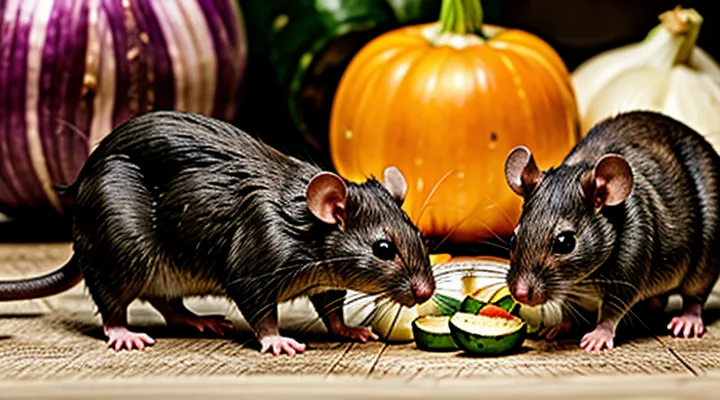
Understanding Rat Dietary Needs
Essential Nutritional Requirements for Rats
Rats require a balanced diet that supplies adequate protein, fats, carbohydrates, fiber, vitamins, minerals, and water. Protein sources such as high‑quality rodent pellets provide essential amino acids for growth, tissue repair, and immune function. Fats, comprising 5–10 % of total calories, supply energy and support absorption of fat‑soluble vitamins. Carbohydrates from grains and vegetables supply readily available energy, while insoluble fiber promotes gastrointestinal motility and prevents impaction.
Key micronutrients include:
- Calcium and phosphorus in a ratio of approximately 1 : 1 to maintain skeletal health.
- Vitamin A for vision and epithelial integrity.
- Vitamin D for calcium metabolism.
- Vitamin E as an antioxidant.
- B‑complex vitamins for metabolic processes.
- Trace elements such as zinc, iron, and selenium for enzymatic activity.
Water availability is critical; rats consume 10–15 ml per 100 g body weight daily. Dehydration rapidly impairs renal function and reduces feed intake.
Regarding vegetable inclusion, many greens contribute fiber, vitamins, and minerals, yet certain plants contain compounds that can harm rats. Onions, leeks, and related Allium species possess thiosulfate, which can cause hemolytic anemia. Consequently, these vegetables should be excluded from the diet. Safe vegetable options include carrots, broccoli, bell peppers, and leafy greens, offered in moderation to avoid excess sugar or calcium.
A concise feeding regimen might consist of:
- Commercial rodent pellets meeting the nutritional specifications above.
- Fresh water refreshed daily.
- Limited portions of safe vegetables, introduced gradually.
- Occasional protein treats such as cooked egg or lean meat, not exceeding 5 % of total caloric intake.
Adhering to these nutritional guidelines ensures optimal health, growth, and longevity for pet rats while preventing the risks associated with toxic vegetables.
Foods to Avoid for Rat Health
Toxic Foods for Rats
Rats are highly sensitive to certain plant compounds that can cause severe health problems. Among vegetables, members of the Allium family—onions, leeks, shallots, and garlic—contain thiosulfates that damage red blood cells, leading to hemolytic anemia. Even small amounts can be lethal, and the risk increases with repeated exposure.
Common toxic foods for rats include:
- « onion » and all related Allium vegetables
- « garlic »
- « chives »
- « leeks »
- raw potatoes (especially green parts)
- chocolate (theobromine)
- caffeine‑containing beverages
- avocado (persin)
- rhubarb leaves
Onion vegetables pose a particular danger because thiosulfate is released during digestion, regardless of cooking method. Symptoms of toxicity appear within hours and may involve weakness, rapid breathing, pale mucous membranes, and dark urine. Laboratory analysis often reveals elevated bilirubin and reduced hemoglobin levels.
Owners should eliminate all Allium products from a rat’s diet. Safe alternatives for flavor and nutrition include carrots, broccoli, peas, and leafy greens such as kale or romaine lettuce. Fresh water must be available at all times, and any accidental ingestion of onion‑related foods warrants immediate veterinary consultation.
Foods Causing Digestive Issues
Rats are susceptible to gastrointestinal disturbances when exposed to certain plant foods. The onion family, including onions, leeks, garlic, and chives, contains compounds that irritate the digestive lining and can trigger hemolysis. Symptoms may appear within hours and include loose stools, abdominal cramping, and pale mucous membranes. Immediate removal of the offending food and veterinary assessment are advised.
Other vegetables that frequently cause digestive upset in rats include:
- Cabbage and related cruciferous greens (broccoli, cauliflower) – fermentable sugars produce gas and bloating.
- Raw potatoes – solanine content irritates the intestinal tract.
- Tomato leaves and stems – alkaloids lead to vomiting and diarrhea.
- Rhubarb leaves – oxalic acid induces gastrointestinal irritation.
Feeding protocols should prioritize low‑fiber, non‑allergenic produce. Introduce new items in minimal quantities, observe stool consistency, and discontinue any food that provokes adverse reactions. Commercial rat diets supplemented with small, well‑tested vegetable portions provide balanced nutrition while minimizing the risk of digestive issues.
Onion Vegetables: A Detailed Analysis
What are Onion Vegetables?
Common Types of Onion Vegetables
Onion vegetables encompass several cultivated species that share the Allium genus. Each type presents distinct morphology, flavor profile, and nutritional composition, factors relevant when assessing their appropriateness for rodent diets.
- Onion (Allium cepa) – bulb-forming plant with layered scales; high in flavonoids and sulfur compounds; raw tissue can cause gastrointestinal irritation in small mammals.
- Shallot (Allium cepa var. aggregatum) – smaller, milder bulbs; similar chemical constituents to common onion but lower concentration of pungent compounds.
- Leek (Allium ampeloprasum var. porrum) – long, cylindrical leaves with a small white base; contains lower levels of thiosulphates than bulb onions, yet still possesses fibrous tissue.
- Scallion or green onion (Allium fistulosum) – elongated white stalks and hollow green tops; reduced bulb development results in milder flavor and diminished irritant compounds.
- Chive (Allium schoenoprasum) – slender, hollow leaves; minimal bulb formation; contains modest amounts of allicin, the active sulfur agent.
- Spring onion (Allium cepa var. aggregatum) – young onion harvested before full bulb development; milder taste and lower irritant concentration.
- Pearl onion (Allium ampeloprasum var. sectivum) – miniature, sweet-flavored bulbs; higher sugar content, yet retains typical Allium sulfur profile.
When evaluating rat consumption, the primary concern is the presence of thiosulphates, which can induce hemolytic anemia in susceptible species. Bulb-forming varieties, especially mature onions and shallots, exhibit the highest concentrations and therefore pose greater risk. Leafy forms such as scallions, chives, and young spring onions contain reduced levels, yet still warrant moderation. Nutritional benefits include vitamins C and B6, modest protein, and dietary fiber, all of which can contribute positively if incorporated in limited quantities and thoroughly cooked to diminish irritant compounds.
Nutritional Composition of Onions
Key Components and Their Effects
Feeding rats onion‑based vegetables raises concerns because onions contain several biologically active substances. Understanding the principal components clarifies potential risks and benefits for the animal.
- Thiosulfinates (e.g., allicin) – irritate gastrointestinal mucosa, may cause hemolysis by damaging red‑cell membranes.
- Disulfides (e.g., dipropyl disulfide) – responsible for oxidative damage to erythrocytes, leading to anemia at moderate to high intake.
- Flavonoids (quercetin, kaempferol) – provide antioxidant activity, support immune function when present in low concentrations.
- Vitamins (C, B6) – contribute to metabolic processes, enhance tissue repair; excess vitamin C can increase urinary acidity.
- Minerals (potassium, selenium) – essential for electrolyte balance; high potassium may strain renal excretion in small rodents.
- Dietary fiber – improves gut motility, but excessive insoluble fiber can cause impaction.
Safety assessment indicates that trace amounts of cooked onion vegetables may be tolerated, whereas raw onion material poses a high risk of hemolytic events. Monitoring for signs of jaundice, lethargy, or dark urine is essential when any onion component is introduced. Limiting exposure to sub‑toxic levels, preferably through thorough cooking and dilution with safe feed, reduces adverse outcomes while allowing limited nutritional benefit from flavonoids and vitamins.
The Dangers of Feeding Onions to Rats
Thiosulphates and Their Impact
Mechanism of Action in Rats
Onion-derived vegetables contain organosulfur compounds that interact with rat physiology through well‑characterized biochemical pathways. Upon ingestion, the primary agents—alk(en)yl‑thiosulphates such as propanethial S‑oxide—undergo enzymatic conversion by gastric and hepatic sulfoxide‑reducing enzymes, releasing volatile sulfur species that penetrate erythrocyte membranes.
These sulfur species oxidize hemoglobin, forming methemoglobin, which reduces oxygen‑carrying capacity. Concurrently, the compounds stimulate hepatic cytochrome P450 isoforms, enhancing oxidative metabolism and generating reactive oxygen intermediates. The combined effect precipitates:
- Methemoglobinemia, manifested by cyanotic discoloration and reduced arterial oxygen saturation.
- Hepatocellular stress, indicated by elevated transaminases and oxidative damage markers.
- Gastrointestinal irritation, reflected in reduced feed intake and altered motility.
Neurotoxic outcomes arise from the interaction of sulfide metabolites with neuronal ion channels, leading to altered synaptic transmission and potential motor dysfunction. The dose–response relationship is steep; sub‑lethal concentrations may produce transient symptoms, whereas higher intakes result in rapid systemic toxicity.
Mitigation strategies focus on eliminating onion vegetables from rodent diets, monitoring methemoglobin levels in exposed populations, and providing antioxidant therapy to counteract oxidative stress.
Symptoms of Thiosulphate Poisoning
Onion-derived vegetables contain thiosulphates, compounds that may cause acute toxicity in rodents. When a rat ingests a sufficient amount, the following clinical signs typically appear within minutes to a few hours:
- Salivation and drooling
- Nasal discharge or mucus accumulation
- Respiratory distress, including rapid or shallow breathing
- Abdominal discomfort, manifested as cramping or reduced activity
- Muscle tremors or convulsions
- Hemolysis leading to pallor of mucous membranes and dark urine
- Lethargy progressing to coma in severe cases
Laboratory analysis often reveals elevated levels of methemoglobin and reduced erythrocyte count, confirming oxidative damage. Prompt veterinary intervention, such as administration of antioxidants and supportive fluid therapy, mitigates mortality risk. Monitoring for the listed symptoms enables early detection and effective treatment of thiosulphate poisoning in rats.
Other Harmful Compounds in Onions
Onions contain several phytochemicals that can impair rat health beyond the well‑known thiosulphates.
Organosulfur compounds such as propanethial S‑oxide, diallyl disulphide and n‑propyl disulphide act as strong irritants to the gastrointestinal mucosa. Exposure often results in vomiting, diarrhoea and reduced feed intake.
Phenolic substances, including quercetin‑glycosides and sinapic acid, may interfere with iron metabolism. Their chelating action can exacerbate anaemia caused by haemolysis, a condition already triggered by sulphur‑derived toxins.
Flavonoids present in onion tissue, for example kaempferol and luteolin, possess antioxidant activity but also display cytotoxic effects at high concentrations. In rodents, these compounds can induce oxidative stress in liver cells, leading to elevated enzyme markers and tissue damage.
A concise list of additional harmful constituents:
- Propanethial S‑oxide – irritant, hemolytic agent.
- Diallyl disulphide – gastrointestinal irritant, potential liver toxin.
- N‑propyl disulphide – similar irritant properties.
- Quercetin‑glycosides – iron‑chelating, may worsen anaemia.
- Sinapic acid – interferes with mineral absorption.
- Kaempferol, luteolin – cytotoxic at elevated doses.
Collectively, these substances increase the risk of haemolytic crisis, digestive disturbances and hepatic impairment when rats consume onion vegetables. The presence of multiple toxic agents underscores the necessity of excluding onions from rodent diets.
Potential Health Risks
Anemia and Red Blood Cell Damage
Feeding rats vegetables that contain onion introduces thiosulphates, compounds known to cause oxidative damage to erythrocyte membranes. The resulting hemolysis leads to a decrease in circulating red blood cells, a condition classified as anemia. «Hemolytic anemia» manifests when the rate of red cell destruction exceeds the capacity of bone‑marrow regeneration.
Key physiological effects include:
- Reduced hemoglobin concentration, impairing oxygen transport.
- Elevated plasma bilirubin from breakdown of hemoglobin.
- Increased lactate dehydrogenase activity, indicating cell lysis.
- Presence of reticulocytes as the marrow attempts compensatory production.
The primary mechanism involves thiosulphate‑induced oxidation of hemoglobin, forming methemoglobin and compromising membrane integrity. Oxidative stress triggers lipid peroxidation, leading to cell fragility and premature rupture. In susceptible strains, the severity of anemia correlates with the quantity of onion‑derived compounds ingested.
Preventive strategies consist of limiting onion content in rodent diets, monitoring complete blood counts for early detection, and providing antioxidant supplements such as vitamin E to mitigate oxidative injury. Prompt identification of anemia signs enables timely intervention, reducing morbidity associated with red blood cell damage.
Gastrointestinal Distress
Onion‑containing vegetables present a risk of gastrointestinal upset in rats. The plant’s sulfur‑rich compounds, particularly thiosulphates, irritate the mucosal lining and can provoke inflammation.
Typical manifestations include:
- Diarrhoea
- Abdominal cramping
- Reduced feed intake
- Weight loss
The irritant effect stems from rapid oxidation of thiosulphates into reactive sulfenic acids, which damage epithelial cells and disrupt normal gut motility. Prolonged exposure may lead to secondary complications such as dehydration and electrolyte imbalance.
Preventive measures advise excluding onions and related alliums from rodent diets. If accidental ingestion occurs, monitor stool consistency and fluid intake; provide readily available water and consider a bland diet of plain cooked rice or oatmeal until normal bowel function resumes. Veterinary consultation is warranted for persistent symptoms or signs of systemic toxicity.
Expert Recommendations and Safe Alternatives
Veterinary Advice on Rat Diets
Onions, belonging to the Allium genus, contain compounds that can damage red blood cells in rodents. Veterinary consensus advises that rats should not be given any form of onion, including raw, cooked, or powdered varieties. The toxic agents, such as thiosulfates, are not neutralized by heat and can cause hemolytic anemia, lethargy, and, in severe cases, death.
A balanced rat diet consists primarily of a commercial pellet formulated for laboratory or pet rats, supplemented with fresh vegetables and occasional fruit. Safe vegetable options include:
- Carrots, sliced thinly
- Bell peppers, seed‑removed
- Broccoli florets, in small quantities
- Zucchini, raw or lightly steamed
- Leafy greens such as romaine lettuce and kale, washed thoroughly
When introducing new produce, limit the portion to no more than 10 % of the total daily intake and monitor for digestive upset. Avoid feeding rats any members of the Allium family—onion, garlic, leeks, chives, and shallots—because even minimal exposure can accumulate toxic effects over time.
Protein sources should be derived from high‑quality rodent chow, supplemented with occasional boiled egg or cooked lean meat. Treats must remain infrequent and low‑calorie to prevent obesity, a common health issue in captive rats.
If a rat consumes onion inadvertently, immediate veterinary evaluation is essential. Blood tests can detect hemolysis, and supportive care may involve fluid therapy, antioxidants, and, in severe cases, blood transfusion. Early intervention improves prognosis, but prevention remains the most reliable strategy.
Safe Vegetables for Rats
Approved Leafy Greens
Rats tolerate a variety of vegetables, yet members of the allium family, including onions, present toxicity risks. Leafy greens provide essential nutrients without the hazards associated with allium crops, making them suitable components of a balanced rodent diet.
Approved leafy greens for rats include:
- Romaine lettuce
- Spinach (offered in moderation due to oxalate content)
- Kale
- Swiss chard
- Arugula
- Mustard greens
- Collard greens
- Dandelion leaves (fresh, pesticide‑free)
These greens should be washed thoroughly, cut into bite‑size pieces, and introduced gradually to observe tolerance. Freshness enhances palatability and nutrient retention; wilted or spoiled material must be discarded. Mixing approved greens with a small portion of safe root vegetables can improve diet variety while avoiding the adverse effects linked to onion consumption.
Approved Root Vegetables
Root vegetables provide essential nutrients for pet rats while avoiding the toxicity of allium family members. Safe options include:
- Carrots – rich in beta‑carotene and fiber; serve raw or lightly steamed.
- Sweet potatoes – high in complex carbohydrates and vitamin A; offer in small, cooked cubes.
- Beets – source of potassium and folate; feed cooked, peeled pieces.
- Parsnips – supply vitamin C and manganese; serve raw or steamed.
- Turnips – contain glucosinolates and vitamin K; provide raw slices in moderation.
- Radishes – low‑calorie, crunchy texture; limit due to potential mild irritation.
Each vegetable should be introduced gradually, monitored for digestive tolerance, and presented in bite‑size portions. Avoid raw onions, garlic, leeks, and related bulbs, as they contain compounds harmful to rats. Regular inclusion of the listed root vegetables supports a balanced diet without compromising health.
Proper Feeding Practices
Rats may ingest onion‑derived vegetables only when strict safety measures are observed. Onion species contain thiosulfate, a compound that can cause hemolytic anemia in rodents; even small quantities can produce adverse effects if not properly managed.
Feeding protocol requires thorough preparation, precise portion control, and regular health observation. Cooked onion vegetables reduce thiosulfate concentration, making them safer than raw forms. Recommended limits do not exceed 5 % of the total daily diet by weight, and feeding should occur no more than two times per week. Immediate monitoring after introduction detects signs of distress, such as lethargy or discoloration of the mucous membranes.
Balanced nutrition calls for diverse vegetable sources. Incorporate low‑risk greens, carrots, and broccoli to complement the limited onion content. Maintain a diet composition of approximately 70 % commercial rodent pellets, 20 % fresh vegetables, and 10 % protein supplements.
«Safe feeding practices»
- Cook onion vegetables thoroughly before offering.
- Limit inclusion to 5 % of daily food weight.
- Restrict frequency to twice weekly.
- Observe rats for any signs of hemolysis after consumption.
- Alternate with non‑allium vegetables to ensure dietary variety.