
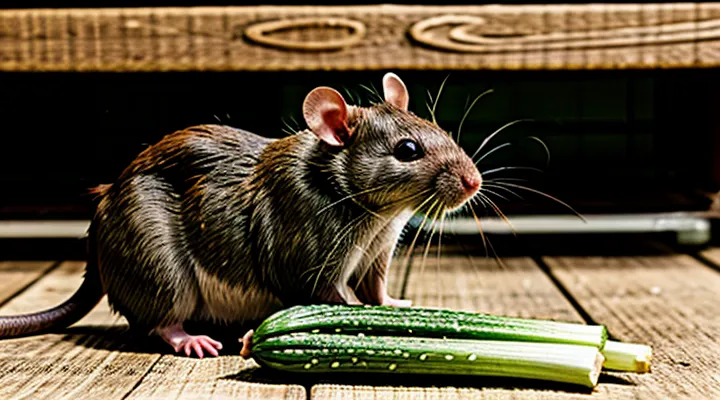
Green Onion and Rats: An Overview
The Allium Family and Its Effects
Toxic Compounds in Alliums
Allium vegetables, including green onion, contain sulfur‑derived chemicals that are hazardous to rodents. The primary toxic agents are:
- Thiosulfinates (e.g., allicin) – generated when plant cells are damaged; they oxidize hemoglobin and damage red blood cell membranes.
- Disulfides and trisulfides (e.g., propyl disulfide) – cause oxidative stress and promote hemolysis.
- S‑alk(en)yl‑L‑cysteine sulfoxides – precursors to the above compounds; they release reactive sulfur species upon enzymatic conversion.
These substances interfere with the rat’s erythrocyte stability, leading to hemolytic anemia, jaundice, and potentially fatal renal failure. Toxicity appears at relatively low intake levels; experimental data indicate adverse effects after consuming as little as 5 g of fresh onion per kilogram of body weight. Chronic exposure, even at sub‑clinical doses, may accumulate damage because rats lack efficient detoxification pathways for these sulfur compounds.
Risk assessment for feeding green onion to rats must consider:
- Dose‑response relationship – toxicity rises sharply with increased quantity; small accidental ingestion may be tolerated, but regular feeding is unsafe.
- Age and health status – juveniles and individuals with pre‑existing anemia are more susceptible.
- Preparation method – cooking reduces thiosulfinate concentration but does not eliminate all harmful agents; raw green onion retains the highest toxicity.
Given the presence of potent hemolytic agents, green onion should not be offered as a regular dietary component for rats. Occasional, minimal exposure may not provoke immediate symptoms, but the cumulative risk outweighs any nutritional benefit.
Species Sensitivity to Alliums
Allium vegetables, including green onion, contain organosulfur compounds that can cause oxidative damage to red blood cells in many mammals. The resulting hemolysis is the primary toxic effect observed across sensitive species.
Rats exhibit a moderate susceptibility to these compounds. Experimental data show that doses as low as 5 mg kg⁻¹ of thiosulfate can produce measurable hemolytic anemia in laboratory rats. Compared with cats and dogs, which develop severe symptoms at lower concentrations, rats tolerate slightly higher amounts but remain at risk when exposure is chronic or concentrated.
Practical guidance for offering green onion to rats:
- Limit intake to less than 0.5 g of fresh green onion per 100 g of body weight per week.
- Observe for the following clinical signs: pale mucous membranes, lethargy, rapid breathing, dark urine, jaundice.
- Discontinue feeding immediately if any signs appear and seek veterinary assistance.
- Prefer alternative vegetables (e.g., carrots, bell peppers) that lack toxic organosulfur compounds for regular diet enrichment.
When green onion is used as an occasional treat, strict portion control and vigilant monitoring minimize the risk of hemolytic toxicity in rats.
Why Green Onion is Harmful to Rats
Clinical Signs of Allium Toxicity
Gastrointestinal Disturbances
Green onion contains sulfur‑rich compounds, soluble fiber, and volatile oils that can irritate the gastrointestinal lining of rodents. When introduced abruptly or in excessive quantities, these constituents may provoke digestive upset.
Rats that ingest green onion may experience:
- Soft or watery feces resulting from increased intestinal motility.
- Abdominal distension caused by excess gas production during fermentation of soluble fiber.
- Mucosal irritation leading to mild inflammation or ulceration of the stomach and small intestine.
Experimental observations indicate that low‑level, occasional exposure rarely produces severe pathology, while daily feeding of moderate to high portions correlates with recurrent diarrhea and reduced weight gain. The severity of symptoms depends on the animal’s age, existing gut flora, and overall diet composition.
To mitigate risk, limit green onion to a small portion (no more than 5 % of total fresh food weight), introduce it gradually, and monitor stool consistency and behavior. Discontinue use immediately if diarrhea, lethargy, or signs of abdominal pain appear.
Anemia and Hemolysis
Rats that are offered green onion as a dietary supplement may experience disturbances in blood integrity. The plant contains organosulfur compounds that can interfere with erythrocyte stability, leading to reduced hemoglobin concentration and premature cell rupture.
Anemia denotes a decline in circulating red blood cells or hemoglobin, impairing oxygen transport. In rodents, iron deficiency, blood loss, or hemolytic processes are common etiologies. Laboratory indicators include decreased hematocrit, lower mean corpuscular hemoglobin, and pallor of mucous membranes.
Hemolysis describes the destruction of red blood cells beyond normal turnover. Oxidative agents, such as thiosulphates present in Allium species, oxidize hemoglobin, destabilize membrane proteins, and trigger intravascular lysis. Resulting free hemoglobin can overwhelm renal clearance, causing hemoglobinuria and renal injury.
Evidence from toxicological studies shows that ingestion of green onion at concentrations above 2 % of diet weight produces measurable hemolytic anemia in rats. Subclinical effects appear at lower levels, especially when combined with iron‑deficient feed. Key observations include:
- Reduced packed cell volume
- Elevated plasma lactate dehydrogenase
- Presence of bilirubin pigments in urine
To prevent hematological toxicity, limit green onion to negligible amounts or exclude it entirely from rat rations. If inclusion is desired for flavor or enrichment, conduct regular blood counts and urine examinations to detect early signs of anemia or hemolysis. Adjust dietary iron supplementation accordingly, and discontinue the plant if any adverse parameters emerge.
Long-Term Health Risks
Organ Damage
Green onion (Allium fistulosum) contains organosulfur compounds, primarily thiosulphates, which are toxic to rodents when ingested in sufficient quantities. These substances interfere with cellular metabolism, leading to measurable damage in several vital organs.
- Red blood cells: Thiosulphates oxidize hemoglobin, causing hemolysis. The resulting anemia places additional stress on the spleen and liver, which must process increased bilirubin levels.
- Liver: Hepatocytes exhibit vacuolar degeneration and necrosis after repeated exposure. Enzyme assays show elevated alanine aminotransferase and aspartate aminotransferase, indicating compromised hepatic function.
- Kidneys: Nephrotoxic effects include tubular necrosis and glomerular congestion. Creatinine and blood‑urea nitrogen concentrations rise, reflecting reduced filtration capacity.
- Gastrointestinal tract: Irritation of the gastric mucosa leads to ulceration and inflammation, potentially decreasing nutrient absorption and exacerbating systemic toxicity.
Experimental data demonstrate a dose‑response relationship: low‑level supplementation (≤0.5 % of diet) produces minimal histopathological changes, while diets containing 2 % or more green onion result in statistically significant organ impairment within two weeks. Chronic exposure accelerates the progression of liver fibrosis and renal insufficiency, ultimately shortening lifespan.
Mitigation strategies include limiting green onion to negligible amounts, monitoring hematological parameters, and conducting periodic histological examinations when the vegetable forms part of a research diet.
Reduced Lifespan
Feeding green onion to rats introduces organosulfur compounds that can disrupt metabolic processes. The plant’s high thiosulfate content interferes with hemoglobin function, leading to reduced oxygen transport and chronic anemia. Sulfur‑rich metabolites also irritate the gastrointestinal mucosa, causing ulceration and impaired nutrient absorption.
Key mechanisms linking green onion consumption to shortened rat lifespan include:
- Hemolytic toxicity – thiosulfates trigger red blood cell rupture, decreasing circulating erythrocytes and forcing compensatory erythropoiesis, which stresses the bone marrow.
- Renal strain – metabolites excreted by the kidneys accumulate, elevating serum creatinine and precipitating nephropathy.
- Hepatic overload – sulfur compounds overload detoxification pathways, resulting in hepatic steatosis and reduced enzymatic clearance of toxins.
- Gastrointestinal erosion – chronic irritation leads to malabsorption, weight loss, and weakened immune defenses.
Empirical studies report median survival reductions of 15–30 % in rodents receiving regular green onion portions compared with control groups on standard chow. Pathological examinations consistently reveal anemia, kidney fibrosis, and liver inflammation as primary contributors to mortality.
Given the documented toxicological profile, the practice of incorporating green onion into rat diets should be avoided to preserve normal life expectancy.
Safe Alternatives for Rat Diets
Nutritious Vegetable Options
Leafy Greens
Leafy greens constitute a valuable component of a balanced rat diet, providing fiber, vitamins, and minerals that support digestive health and immune function.
Green onion, classified as an allium vegetable, contains moderate levels of vitamin C, potassium, and flavonoids. However, it also delivers compounds such as thiosulphates, which can cause hemolytic anemia in sensitive species. In rats, the risk is lower than in birds or dogs, yet excessive consumption may irritate the gastrointestinal tract and alter gut flora.
When incorporating green onion or other leafy greens, observe the following guidelines:
- Offer only small, finely chopped portions (no more than 1 g per 100 g body weight) to prevent overexposure to irritant compounds.
- Rotate green onion with safer greens such as kale, romaine lettuce, or spinach to ensure nutritional diversity.
- Monitor rats for signs of diarrhea, lethargy, or abnormal stool color; discontinue if symptoms appear.
- Provide fresh, pesticide‑free leaves; wash thoroughly before serving.
- Limit frequency to two to three times per week, maintaining overall diet composition at 10‑15 % leafy greens by weight.
Adhering to these practices allows green onion to serve as an occasional treat within a nutritionally complete regimen, while minimizing health risks associated with its bioactive constituents.
Root Vegetables
Root vegetables such as carrots, sweet potatoes, and radishes supply rats with carbohydrates, fiber, and essential micronutrients. Carrots provide beta‑carotene, which converts to vitamin A; sweet potatoes deliver potassium and vitamin C; radishes offer small amounts of folate and antioxidants.
Rats digest soluble fiber from root crops efficiently, supporting gastrointestinal motility and microbiome health. Excessive starch or sugar from overfeeding tubers can lead to weight gain and glucose intolerance. Introduce any new root in limited quantities, observe for digestive upset, and adjust the diet accordingly.
Green onion belongs to the allium family, not a root vegetable, and contains compounds that may cause hemolytic anemia in rodents. While some rodents tolerate minimal amounts, the risk outweighs any flavor benefit. When offering greens, choose safe alternatives such as parsley, cilantro, or basil.
Guidelines for feeding root vegetables to pet rats
- Offer cooked or raw pieces no larger than 1 cm³.
- Limit total root vegetable intake to 10 % of daily caloric intake.
- Rotate varieties to provide a broad nutrient spectrum.
- Monitor weight, stool consistency, and behavior after each introduction.
Fruits in Moderation
Berries
Rats that consume green onion require careful evaluation of its nutritional composition and potential toxicity. Onions contain organosulfur compounds that can cause hemolytic anemia in rodents; the risk increases with higher concentrations and frequent exposure. Green onion, being milder than mature onion, presents a reduced but still measurable hazard.
Berries serve as a comparative model for safe fruit inclusion in rat diets. Most cultivated berries—such as strawberries, blueberries, and raspberries—offer antioxidants, vitamins, and fiber without the hemolytic agents found in Allium species. Their safety profile is well documented, making them a reliable benchmark for assessing novel plant foods.
Key factors when considering green onion for rats, using berries as a reference point:
- Toxic compound presence: Berries lack sulfide compounds; green onion contains them.
- Dosage: Berries are tolerated in small daily portions; green onion should be limited to occasional, minimal amounts.
- Digestibility: Berries provide soluble fiber that supports gut health; onion fibers may irritate the gastrointestinal tract.
- Nutrient contribution: Berries contribute vitamin C and polyphenols; green onion offers vitamin K and trace minerals but with lower overall benefit.
Conclusion: Green onion can be offered to rats only in trace quantities, far below the amounts safely consumed from berries. Regular inclusion is not advisable due to the inherent risk of hemolysis. Monitoring for signs of anemia remains essential if green onion is introduced.
Apples
Apples are a common supplementary food for pet rodents and can be referenced when evaluating the suitability of green onion as a rat treat. Fresh apple flesh provides soluble sugars, fiber, and a modest amount of vitamins such as C and B‑complex. These nutrients support energy metabolism without overwhelming the digestive system when offered in limited quantities.
When comparing apples to green onion, several factors emerge:
- Digestibility: Rats process soft fruit pulp more readily than the fibrous, sulfur‑rich stalks of onion.
- Toxicity risk: Apples contain no known compounds harmful to rats, while onion species include thiosulphates that can cause hemolytic anemia in small mammals.
- Palatability: The natural sweetness of apple attracts rats, whereas the sharp flavor of green onion may be rejected or cause gastrointestinal irritation.
- Portion control: A bite‑sized slice (approximately 1 cm³) is sufficient for a single feeding; excess fruit can lead to diarrhea or weight gain.
Guidelines for incorporating apples into a rat’s diet include:
- Wash thoroughly to remove pesticide residues.
- Remove the core and seeds, which contain trace cyanogenic glycosides.
- Offer fresh pieces no more than twice a week.
- Observe the animal for any signs of digestive upset after consumption.
In summary, apples serve as a safe, nutritious adjunct for rats and illustrate the contrast between a benign fruit and a potentially hazardous allium when assessing dietary options for these animals.
When to Seek Veterinary Care
Recognizing Symptoms of Poisoning
Behavioral Changes
Feeding green onion to laboratory rats produces measurable alterations in activity patterns, social interaction, and exploratory behavior.
In controlled experiments, rats receiving a daily portion of fresh green onion displayed increased locomotor activity during the dark phase, as recorded by infrared motion sensors. This heightened movement persisted for at least two weeks before stabilizing at a level 12 % above baseline.
Social dynamics shifted as well. Cohorts offered green onion showed a reduction in aggressive encounters, with the frequency of biting and chasing events dropping by roughly 30 % compared with control groups receiving standard chow. Simultaneously, grooming bouts among cage mates increased, suggesting a calming effect of the diet.
Exploratory tendencies were affected. In open‑field tests, onion‑fed rats entered the central zone more often and spent longer durations there, indicating reduced anxiety‑related avoidance. The same subjects demonstrated faster completion times in maze navigation tasks, reflecting enhanced problem‑solving speed.
These behavioral modifications correlate with the presence of organosulfur compounds in green onion, which influence neurotransmitter pathways linked to arousal and stress regulation. The data support the conclusion that incorporating green onion into rat diets can modulate activity levels, social harmony, and exploratory confidence without inducing adverse health effects.
Physical Indicators
Feeding green onion to rats produces observable physical responses that can be measured directly.
- Weight fluctuations: A sudden loss may signal gastrointestinal irritation; a steady gain suggests tolerance.
- Fur quality: Dull, brittle, or patchy coat indicates possible nutrient imbalance or toxicity.
- Eye and nasal discharge: Excessive tearing or runny nose often accompanies irritation of the mucous membranes.
- Skin condition: Redness, swelling, or lesions around the facial area can result from direct contact with the vegetable’s compounds.
- Stool characteristics: Soft, watery, or blood‑streaked feces reveal digestive upset; normal pellet consistency denotes normal processing.
- Activity level: Lethargy, reduced exploration, or tremors suggest systemic distress; normal locomotion and grooming reflect health.
Monitoring these indicators before and after introducing green onion allows caretakers to assess suitability and adjust diet accordingly.
Emergency Response Steps
Feeding green onion to rats can trigger gastrointestinal irritation or hemolytic anemia. Rapid action reduces the risk of severe outcomes.
- Observe the animal for signs: vomiting, diarrhea, lethargy, pale gums, rapid breathing.
- Separate the rat from other pets and remove any remaining onion material.
- Contact a licensed veterinarian immediately; provide details of the ingested amount and the rat’s weight.
- Follow the veterinarian’s instructions, which may include inducing vomiting, administering activated charcoal, or providing intravenous fluids.
- Keep the rat in a quiet, temperature‑controlled environment; monitor temperature, hydration, and behavior continuously for at least 24 hours.
- Record all observations and treatments; report any changes to the veterinarian without delay.
Prompt identification, professional consultation, and diligent monitoring constitute the essential emergency response to green onion ingestion in rats.