
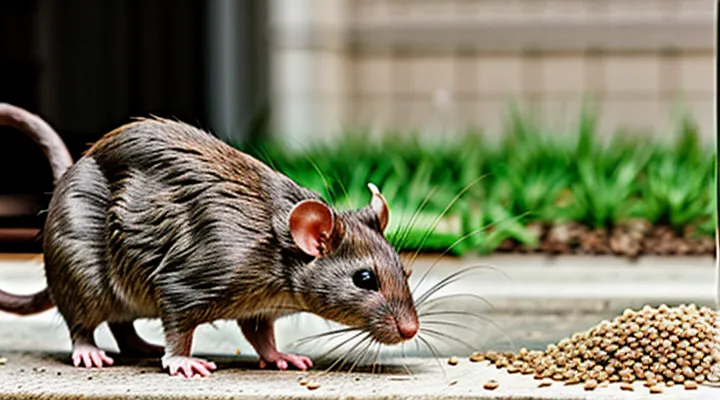
Understanding Rat Dietary Needs
Essential Nutrients for Rats
Protein Requirements
Rats require dietary protein levels of 14‑20 % of total calories to maintain growth, reproduction, and tissue repair. The minimum for adult maintenance hovers around 14 %, while breeding females and growing juveniles often need 18‑20 % to support rapid tissue synthesis.
Dry buckwheat supplies approximately 13‑14 % protein by weight, which falls short of the lower bound for adult maintenance. Its amino‑acid profile is deficient in lysine and methionine, essential for rodent metabolism. Consequently, reliance on buckwheat as the sole protein source would result in suboptimal nitrogen balance and impaired growth.
To incorporate dry buckwheat safely, formulate a mixed diet that meets or exceeds the following protein criteria:
- Total crude protein ≥ 14 % of the diet for maintenance; ≥ 18 % for breeding or growing rats.
- Lysine content ≥ 1.5 % of diet crude protein.
- Methionine + cysteine ≥ 1.2 % of diet crude protein.
- Balanced ratio of essential to non‑essential amino acids to avoid antagonism.
Supplementation options include adding soy meal, fish meal, or whey protein isolates to raise overall protein concentration and correct amino‑acid deficiencies. Monitoring body weight, coat condition, and feed intake provides practical feedback on dietary adequacy.
In summary, dry buckwheat alone cannot satisfy rat protein requirements. When used as part of a diversified ration, it contributes carbohydrate and fiber but must be paired with higher‑protein ingredients to achieve the necessary nutrient thresholds.
Carbohydrate Needs
Rats require carbohydrates as a primary energy source. Digestible starches and sugars should represent roughly 45‑55 % of a balanced rodent diet, providing glucose for brain function and muscular activity. Excessive carbohydrate intake can lead to obesity, insulin resistance, and hepatic lipidosis; insufficient supply may cause lethargy and impaired growth.
Dry buckwheat contains approximately 70 % carbohydrates, primarily complex starches, with a modest amount of soluble fiber. Its glycemic load is lower than that of refined grains, reducing rapid blood‑sugar spikes. The fiber fraction supports gastrointestinal motility and microbial fermentation, contributing to short‑chain fatty acid production, which benefits colon health.
When incorporating dry buckwheat into a rat’s diet, observe the following guidelines:
- Limit buckwheat to no more than 15 % of total feed weight to maintain overall macronutrient balance.
- Ensure the grain is free of mold and stored in a dry, airtight container to prevent mycotoxin exposure.
- Pair with a protein‑rich source (e.g., soy, casein) and a calibrated vitamin‑mineral mix to meet the full nutritional profile.
Properly measured, dry buckwheat can satisfy a portion of the rat’s carbohydrate requirement without compromising health, provided the overall diet remains balanced and nutritionally complete.
Fat Intake
Rats require dietary fat to supply essential fatty acids, support neural development, and aid absorption of fat‑soluble vitamins. Commercial rodent diets typically contain 4–6 % fat on a dry‑matter basis; laboratory formulations often target a minimum of 5 % to meet physiological needs.
Dry buckwheat delivers approximately 2–3 % fat per 100 g of dry weight, considerably lower than standard rodent chow. Its protein and carbohydrate content are higher, while the fat fraction consists mainly of polyunsaturated linoleic acid. The low fat level means that a diet composed largely of dry buckwheat will fall short of the recommended fat intake for healthy rats.
To achieve adequate fat consumption when dry buckwheat forms a substantial portion of the ration, add one or more of the following sources:
- Sunflower oil: 1 % of total diet weight supplies roughly 9 % of calories from fat.
- Flaxseed meal: 3 % of diet provides omega‑3 fatty acids and additional fiber.
- Animal fat (e.g., lard): 2 % of diet contributes saturated and monounsaturated fatty acids.
The chosen supplement should raise the overall fat content to at least 5 % of the final mixture, while maintaining the intended protein‑carbohydrate balance.
When formulating a mixed diet, calculate the proportion of dry buckwheat, then add the selected fat source(s) to reach the target fat percentage. Verify the final composition with a nutrient analysis kit or laboratory testing to ensure compliance with the rat’s nutritional requirements.
Vitamins and Minerals
Dry buckwheat delivers a distinct set of micronutrients that influence rodent health. The grain supplies several B‑vitamins, notably thiamine (B1), riboflavin (B2), and niacin (B3), each supporting energy metabolism and nervous system function. Vitamin E occurs in modest amounts, contributing antioxidant protection, while vitamin K is present at low levels, aiding blood coagulation.
Key minerals in dry buckwheat include:
- Magnesium – essential for enzymatic reactions and bone formation.
- Phosphorus – supports skeletal development and cellular signaling.
- Potassium – regulates fluid balance and nerve transmission.
- Iron – required for hemoglobin synthesis; bioavailability is moderate.
- Zinc – involved in immune response and protein synthesis.
- Copper – participates in iron metabolism and antioxidant enzymes.
Rats have specific dietary requirements for these nutrients. For example, adult laboratory rats need approximately 0.1 mg thiamine per 100 g of diet, 0.12 mg riboflavin, and 15 mg phosphorus. Dry buckwheat alone meets a portion of these targets but falls short of recommended levels for calcium, vitamin A, and vitamin D. Consequently, a diet relying exclusively on dry buckwheat risks mineral imbalances such as calcium deficiency and excess phosphorus, which may impair bone integrity.
Integrating dry buckwheat as a supplemental component can enhance dietary variety and provide beneficial B‑vitamins and magnesium. Optimal formulation pairs the grain with a balanced rodent chow that supplies missing nutrients, particularly calcium, vitamin A, and vitamin D. Monitoring feed intake and conducting periodic blood analyses ensure that micronutrient concentrations remain within safe limits, preventing deficiencies or toxicities associated with over‑reliance on a single source.
Buckwheat: Nutritional Profile
Macronutrients in Buckwheat
Carbohydrates and Fiber
Dry buckwheat provides a high proportion of complex carbohydrates, primarily starch, which supplies rapid energy for laboratory and pet rats. The carbohydrate content typically ranges from 70 % to 75 % of dry weight, delivering approximately 300 kcal per 100 g. Starch in buckwheat is readily digestible by the rat’s pancreatic amylase, supporting glycogen replenishment after periods of activity. Excessive carbohydrate intake can lead to weight gain and hyperglycemia; therefore, portion sizes should align with the animal’s caloric requirements.
Fiber in dry buckwheat consists of both soluble and insoluble fractions, together accounting for roughly 10 % of the grain. Soluble fiber forms a viscous gel that moderates glucose absorption and supports beneficial gut microbiota. Insoluble fiber adds bulk, promoting regular intestinal motility and preventing constipation. Excessive fiber may reduce nutrient absorption and cause gastrointestinal distress, especially in young or compromised rats.
Key nutritional parameters for dry buckwheat:
- Carbohydrates: 70–75 % of dry matter
- Total dietary fiber: 9–12 % (≈ 2–3 % soluble, 7–9 % insoluble)
- Energy density: ~300 kcal · 100 g⁻¹
- Protein: 13–15 % (complementary to carbohydrate energy)
When integrating dry buckwheat into a rat diet, balance carbohydrate and fiber contributions with protein, fat, vitamins, and minerals to avoid metabolic imbalance. Monitoring body condition and fecal consistency will indicate whether the fiber level is appropriate for the individual animal.
Protein Content
Dry buckwheat offers a protein concentration of roughly 13 % of its dry weight, a level comparable to many cereal grains used in laboratory rodent diets. Standard rat chow typically contains 18–20 % protein; therefore, buckwheat alone falls short of meeting the full protein requirement for adult rats.
- Crude protein: ~13 % (dry basis)
- Essential amino acids present: lysine, threonine, tryptophan, methionine, phenylalanine, valine, leucine, isoleucine
- Limiting amino acid: methionine, lower than in soy‑based feeds
The amino acid profile supplies all essential residues, yet the relatively low methionine content may restrict growth or reproduction if buckwheat constitutes a major portion of the diet. Supplementing with a methionine‑rich source, such as soy protein concentrate or a synthetic amino acid blend, restores balance.
When incorporating dry buckwheat into a rat feeding regimen, ensure total dietary protein reaches the 18–20 % target by mixing buckwheat with higher‑protein ingredients or adding isolated protein supplements. This approach maintains nutritional adequacy while exploiting buckwheat’s fiber and mineral benefits.
Fat Composition
Dry buckwheat contains a modest fat fraction, typically 2–3 % of its dry weight. The lipid profile is dominated by polyunsaturated fatty acids, with a small proportion of saturated and monounsaturated fats.
- Linoleic acid (omega‑6): 1.2–1.5 % of dry matter
- Alpha‑linolenic acid (omega‑3): 0.2–0.3 %
- Oleic acid (monounsaturated): 0.3–0.4 %
- Palmitic acid (saturated): 0.4–0.5 %
- Stearic acid (saturated): 0.1–0.2 %
Rats require essential fatty acids, particularly linoleic and alpha‑linolenic acids, for membrane integrity, hormone synthesis, and energy metabolism. The linoleic acid concentration in dry buckwheat meets a portion of these needs, while the omega‑3 content remains low relative to the species’ dietary recommendations (approximately 0.3 % of total calories). Consequently, dry buckwheat can contribute to the overall fat intake but cannot supply a balanced essential fatty‑acid profile on its own.
When incorporating dry buckwheat into a rodent diet, limit its share to 5–10 % of the total feed mass. Complement the diet with sources rich in omega‑3 fatty acids, such as flaxseed or fish oil, to achieve the recommended ratio of omega‑6 to omega‑3 (approximately 5:1). Monitoring body condition and plasma lipid levels ensures that the combined fat sources satisfy the animal’s nutritional requirements without excess caloric load.
Micronutrients in Buckwheat
Vitamins Present
Dry buckwheat contains a range of water‑soluble vitamins that contribute to the nutritional profile of a rodent diet. The grain supplies thiamine (B1), riboflavin (B2), niacin (B3), pyridoxine (B6) and folate, each supporting metabolic pathways such as carbohydrate processing, amino‑acid turnover and nucleic‑acid synthesis. Vitamin E is present as α‑tocopherol, offering antioxidant protection for cell membranes. Small quantities of vitamin K1 appear, influencing blood‑clotting mechanisms.
The vitamin composition of dry buckwheat lacks significant amounts of fat‑soluble vitamins A, D and B12, nutrients that rodents typically obtain from animal‑derived ingredients or fortified feeds. Consequently, a diet relying heavily on buckwheat must be balanced with complementary sources to meet the full vitamin requirements of laboratory or pet rats.
Key points for formulation:
- Include thiamine, riboflavin, niacin, pyridoxine and folate from buckwheat; monitor levels to avoid excess.
- Supplement vitamin E if the overall diet is low in antioxidant capacity.
- Add external sources of vitamins A, D and B12 to achieve a complete profile.
- Assess the overall mineral balance, as buckwheat’s phytate content can affect mineral absorption.
By integrating dry buckwheat with appropriate supplements, a rat diet can benefit from its vitamin content while maintaining nutritional completeness.
Minerals Present
Dry buckwheat, when offered as a dry component of a rat’s diet, supplies a range of essential minerals. The grain’s mineral profile per 100 g of dry matter typically includes:
- Magnesium: 230 mg
- Phosphorus: 380 mg
- Potassium: 460 mg
- Calcium: 18 mg
- Iron: 2.2 mg
- Zinc: 1.5 mg
- Copper: 0.3 mg
- Manganese: 1.1 mg
- Selenium: 0.5 µg
These values meet or exceed the daily requirements for magnesium, phosphorus, and potassium in adult laboratory rats, supporting enzymatic activity, bone formation, and nerve function. Calcium content falls well below the recommended intake, indicating that additional calcium sources are necessary to prevent hypocalcemia and maintain proper bone mineralization. Zinc and iron levels satisfy the minimal needs for hemoglobin synthesis and immune competence, yet the narrow margin between adequacy and excess warrants monitoring when other fortified feeds are combined.
Elevated phosphorus relative to calcium can disrupt the calcium‑phosphorus ratio, potentially leading to secondary hyperparathyroidism if not balanced with supplemental calcium. Iron concentrations approach the upper tolerable limit; chronic over‑exposure may cause oxidative stress. Selenium, present in trace amounts, aligns with the narrow therapeutic window required for antioxidant enzymes without posing toxicity risk.
In practice, incorporating dry buckwheat into a balanced rodent chow demands complementary calcium‑rich ingredients (e.g., limestone or dairy powders) and careful formulation to preserve optimal mineral ratios. Regular analysis of diet composition ensures that mineral intake remains within species‑specific nutritional guidelines.
Can Rats Eat Dry Buckwheat?
Potential Benefits of Buckwheat for Rats
Fiber for Digestion
Dry buckwheat provides a source of dietary fiber that influences gastrointestinal transit in rats. The coarse structure of the grain stimulates peristalsis, promoting regular bowel movements and preventing fecal retention. Fiber also absorbs water within the colon, softening stool and reducing the risk of impaction.
When incorporating dry buckwheat into a rat’s diet, consider the following fiber-related factors:
- Soluble versus insoluble content: Buckwheat contains primarily insoluble fiber, which adds bulk and accelerates passage through the intestines. Complementary sources of soluble fiber (e.g., oat bran) may be needed to balance fermentation processes.
- Quantity: A modest inclusion, such as 5–10 % of total feed weight, supplies sufficient fiber without overwhelming the digestive system. Excessive amounts can cause diarrhea or nutrient dilution.
- Hydration: Adequate water availability is essential; fiber’s water‑binding capacity increases fluid requirements.
Long‑term feeding trials show that rats receiving a diet with appropriate levels of dry buckwheat maintain stable body weight, exhibit normal fecal output, and display no signs of gastrointestinal distress. Monitoring stool consistency and adjusting fiber ratios ensures that the grain contributes positively to digestive health.
Energy Source
Dry buckwheat provides a high‑carbohydrate, low‑fat energy source suitable for laboratory and pet rodents when incorporated correctly. The grain contains approximately 340 kcal per 100 g, with carbohydrates accounting for 70 % of its dry matter, protein for 13 %, and fiber for 10 %. The carbohydrate fraction is primarily starch, which supplies rapid glucose availability, while the fiber component supports gastrointestinal motility.
When evaluating the feasibility of offering dry buckwheat to rats, consider the following points:
- Caloric density aligns with typical rodent maintenance diets; replace no more than 10 % of total dry matter to avoid excess energy intake.
- Protein content meets a portion of the animal’s requirement but lacks sufficient lysine; supplement with a complementary protein source if the proportion exceeds 10 %.
- Fiber level is moderate; excessive inclusion may reduce digestibility of other nutrients.
- Antinutritional factors such as tannins are present at low concentrations; prolonged high‑level feeding can impair mineral absorption.
Practical feeding guidelines:
- Grind or crush dry buckwheat to particle sizes of 1–2 mm to enhance oral processing and gastric breakdown.
- Mix the processed grain uniformly with a standard pelleted diet, ensuring total dry‑matter contribution does not surpass 10 % of the final formulation.
- Monitor body weight and feed conversion ratios weekly; adjust inclusion rates if weight gain exceeds 5 % of baseline over a two‑week period.
- Provide fresh water ad libitum to counteract the increased osmotic load from carbohydrate metabolism.
In summary, dry buckwheat can serve as an auxiliary energy contributor for rats, provided it is limited to a modest proportion of the overall diet, appropriately processed, and combined with a balanced nutrient profile.
Antioxidant Properties
Dry buckwheat provides a source of natural antioxidants that can be incorporated into laboratory rat diets. The grain’s phytochemical profile includes flavonoids, phenolic acids, and vitamin‑related compounds known to counteract oxidative damage.
- Rutin: a flavonol glycoside with strong free‑radical scavenging activity.
- Quercetin: a flavonoid that enhances cellular antioxidant defenses.
- Phenolic acids (e.g., ferulic, p‑coumaric): contributors to lipid‑peroxidation inhibition.
- Vitamin E (tocopherols): lipid‑soluble antioxidants protecting membrane integrity.
In rats receiving dry buckwheat, studies report reductions in malondialdehyde concentrations and elevations in superoxide‑dismutase and glutathione‑peroxidase activities, indicating lowered oxidative stress. These biochemical shifts translate into improved cellular resilience and may influence disease‑model outcomes.
Effective inclusion levels range from 5 % to 15 % of total feed weight. Lower percentages ensure adequate antioxidant intake without compromising nutrient balance, while higher rates risk excess fiber and reduced palatability. Monitoring feed consumption and body weight remains essential to adjust formulations.
When designing rodent nutrition protocols, the antioxidant attributes of dry buckwheat offer a measurable benefit for experiments sensitive to oxidative parameters. Incorporating the grain aligns with objectives to control redox status while maintaining overall diet quality.
Potential Risks of Dry Buckwheat for Rats
Choking Hazard
Dry buckwheat is a small, hard grain often considered as a supplemental treat for pet rodents. Its rigid texture and irregular shape can create a blockage if a rat attempts to swallow it whole.
Rats have a relatively narrow trachea and a strong chewing instinct, yet an unsoftened grain may lodge in the pharynx before the animal can break it down. Blockage can lead to respiratory distress, loss of appetite, and potentially fatal outcomes if not addressed promptly.
To reduce choking risk when offering dry buckwheat:
- Soak the grains in water for 10–15 minutes, then drain and dry lightly. Moistening softens the exterior and prevents sharp edges.
- Crush or grind the grain into coarse powder before serving. Smaller particles pass through the airway more easily.
- Offer only a few kernels at a time and observe the rat’s chewing behavior.
- Remove any uneaten pieces after 30 minutes to avoid prolonged exposure.
Implementing these precautions allows owners to provide buckwheat as a nutritional supplement without compromising airway safety.
Digestive Issues
Dry buckwheat consists mainly of complex carbohydrates, protein, and a high proportion of insoluble fiber. In rats, the fiber can accelerate intestinal transit, while the starch may ferment rapidly in the hindgut. Both effects challenge the normal digestive balance.
Potential digestive problems include:
- Excessive bulk: Insoluble fiber may overwhelm the cecum, leading to loose stools.
- Fermentation overload: Rapid starch breakdown produces gas and short‑chain fatty acids, causing bloating and discomfort.
- Anti‑nutrients: Raw buckwheat contains tannins and phytic acid that interfere with mineral absorption and may irritate the mucosa.
- Abrupt dietary shift: Introducing a new grain without a transition period can disrupt microbial populations and trigger diarrhea.
Observable signs of gastrointestinal distress are watery feces, visible mucus, reduced appetite, and abdominal swelling. Persistent symptoms warrant immediate dietary adjustment and veterinary consultation.
To mitigate risks, follow these steps:
- Introduce gradually: Begin with 5 % of the total diet, increase by 5 % weekly if tolerance is confirmed.
- Pre‑treat the grain: Soak for several hours, then dry or lightly toast to reduce anti‑nutrient levels.
- Monitor closely: Record stool consistency and body weight daily during the transition.
- Provide alternatives: Offer other low‑fiber grains such as cooked rice or oatmeal as primary carbohydrate sources.
Adhering to a measured introduction protocol minimizes digestive upset while allowing rats to benefit from the nutritional profile of dry buckwheat.
Nutritional Imbalance
Feeding rats dry buckwheat introduces a pronounced nutritional imbalance. The grain is high in carbohydrates and low in essential protein, leading to a deficit in amino acids required for tissue growth and repair. Fat content is minimal, which fails to supply sufficient energy‑dense lipids and the fatty acids necessary for cell membrane integrity.
Key nutritional shortcomings of a dry‑buckwheat‑only diet include:
- Inadequate complete protein (low lysine, methionine, and tryptophan).
- Deficient vitamins A, D, E, and K, which are scarce in the grain.
- Insufficient calcium and phosphorus, disrupting bone mineralization.
- Lack of trace minerals such as zinc, copper, and selenium, impairing enzyme function.
Conversely, excessive intake of certain components can be harmful. The high fiber and phytate levels in buckwheat may bind minerals, reducing their bioavailability and aggravating the existing deficiencies. Continuous reliance on this single food source risks weight loss, weakened immune response, and impaired reproductive performance. A balanced rat diet must incorporate protein‑rich sources, appropriate fat levels, and a full spectrum of vitamins and minerals to offset these imbalances.
Recommendations for Feeding Buckwheat
Soaking and Cooking
Soaked or cooked buckwheat is a viable component of a rodent diet when preparation follows safety guidelines. Raw, dry kernels contain phytic acid and enzyme inhibitors that diminish nutrient absorption. Soaking in cool water for 4–6 hours lowers these compounds and softens the grain, making it easier for a rat’s digestive system to process. After soaking, rinsing removes residual debris and soluble antinutrients.
Cooking further improves digestibility and eliminates potential microbial contaminants. A brief boil—approximately 5 minutes for whole kernels or 2–3 minutes for cracked or rolled forms—achieves the necessary gelatinization of starches without overcooking. Following the boil, draining and cooling the buckwheat prevents moisture buildup that could foster mold growth.
Practical guidelines:
- Use fresh, unblemished buckwheat; discard discolored or sprouted seeds.
- Soak in a non‑metal container; change water once if soaking exceeds 6 hours.
- Boil in a pot with a 1:2 grain‑to‑water ratio; do not add salt or seasoning.
- Cool to room temperature before serving; store leftovers in a sealed container for no more than 24 hours in the refrigerator.
When incorporated in moderate amounts—no more than 10 % of the total daily food volume—cooked buckwheat supplies protein, fiber, and essential minerals without posing digestive risks. Regular monitoring of body condition and stool consistency confirms suitability.
Portion Control
Rats can safely consume dry buckwheat when the amount is carefully regulated. Overfeeding may cause digestive upset, weight gain, or nutrient imbalance. Portion control ensures the grain complements a balanced diet that includes protein, vegetables, and fortified pellets.
A typical serving for an adult laboratory rat (250 g body weight) is 0.5 g of dry buckwheat per day. For larger pet rats (350–400 g), the portion can be increased to 0.8 g. Juvenile rats require less, approximately 0.3 g daily, because their primary nutrition should come from high‑protein feeds.
Guidelines for implementing portion control:
- Weigh each serving with a digital scale accurate to 0.01 g.
- Offer the measured amount once daily, preferably at the same time each day.
- Observe the rat’s consumption within two hours; uneaten grain should be removed to prevent spoilage.
- Adjust portions gradually if weight loss or gain exceeds 5 % of the animal’s body weight over a month.
Monitoring frequency is essential. Record daily intake, body weight, and any signs of gastrointestinal distress. Consistent data allow rapid modification of portions, maintaining health while providing the nutritional benefits of buckwheat’s fiber and antioxidants.
Frequency of Feeding
Veterinary nutritionists advise that dry buckwheat should be offered as an occasional supplement rather than a daily staple. The grain’s high carbohydrate and fiber content can disrupt a balanced rat diet if provided too frequently.
- Limit servings to 1–2 teaspoons per 100 g of body weight.
- Offer the supplement no more than twice a week.
- Alternate days with other protein‑rich treats such as cooked egg or low‑fat cheese.
Regular monitoring of body condition and fecal consistency is essential. Weight gain, soft stools, or reduced activity indicate that the feeding interval should be extended or the portion reduced. Integrating dry buckwheat into a varied diet that includes commercial pellets, fresh vegetables, and occasional protein sources ensures nutritional adequacy while preventing overreliance on a single ingredient.
Combining with Other Foods
Dry buckwheat can serve as a carbohydrate source in a rat’s diet, but it must be paired with other foods to meet the species’ complete nutritional requirements.
Buckwheat supplies starch, modest protein, dietary fiber, and minerals such as magnesium and phosphorus. It lacks sufficient levels of essential amino acids, vitamin A, and certain B‑vitamins, making it an incomplete staple when offered alone.
Combining buckwheat with complementary items creates a balanced profile:
- Protein sources: cooked chicken, boiled egg, low‑fat cottage cheese, or commercial rat pellets (20 % protein minimum).
- Fresh vegetables: kale, broccoli, carrots, or bell pepper (provide vitamin A, C, and fiber).
- Fruit treats: apple slices, blueberries, or banana (offer additional sugars and antioxidants, limited to 10 % of total intake).
- Healthy fats: small amounts of unsalted nuts or a few drops of olive oil (supply essential fatty acids).
Practical feeding guidelines:
- Introduce dry buckwheat gradually, starting with 5 % of the daily ration.
- Increase the proportion to no more than 15 % once the rat tolerates it without digestive upset.
- Ensure the remainder of the diet consists of high‑quality pellets, fresh produce, and a reliable protein source.
- Monitor body weight and fecal consistency weekly; adjust portions if weight loss or diarrhea occurs.
When integrated correctly, dry buckwheat contributes energy without compromising nutritional completeness. Regular assessment and balanced pairing with protein, vegetables, and limited fruit maintain optimal health for laboratory and pet rats alike.
Alternatives and Supplements
Safe Grains for Rats
Oats
Oats are a common grain in rodent nutrition and can complement a diet that includes dried buckwheat. Their high fiber content supports digestive health, while moderate protein levels (approximately 13 % by weight) provide essential amino acids. Complex carbohydrates in oats release energy slowly, helping to maintain stable blood glucose in rats.
Key considerations for incorporating oats:
- Digestibility: Oats are readily digestible for rats; cooking or soaking improves texture and nutrient absorption.
- Nutrient balance: Oats lack certain vitamins and minerals found in buckwheat, such as rutin and magnesium; supplementation may be required.
- Portion control: Limit oats to 5–10 % of total dry feed weight to avoid excess calories and potential weight gain.
- Allergy risk: Rare but possible; monitor for signs of gastrointestinal upset when introducing oats.
When evaluating the feasibility of feeding rats dry buckwheat, oats serve as a safe, complementary grain that enhances fiber intake and diversifies the nutrient profile. Proper preparation and balanced inclusion ensure a nutritionally complete diet without compromising health.
Barley
Barley is a common grain in laboratory rodent diets and offers a nutritional profile that differs markedly from dry buckwheat. Protein content in barley ranges from 10 to 12 % of dry matter, whereas buckwheat typically provides 13 to 15 % protein. The amino‑acid composition of barley includes higher lysine levels, a limiting amino acid in many rodent feeds, while buckwheat supplies more methionine and cysteine. Fiber in barley consists mainly of insoluble cellulose and hemicellulose, contributing to gut motility; buckwheat’s fiber is richer in soluble polysaccharides, which can affect digestion speed.
When evaluating barley as an alternative or supplement to dry buckwheat for rats, consider the following factors:
- Energy density: Barley delivers approximately 3.6 kcal g⁻¹, slightly lower than the 3.9 kcal g⁻¹ typical of buckwheat.
- Mineral balance: Barley provides higher calcium and phosphorus ratios, supporting skeletal health, while buckwheat supplies more magnesium and manganese.
- Antinutritional compounds: Barley contains low levels of phytates; buckwheat may contain rutin, which can influence oxidative status.
- Palatability: Rats generally accept barley readily, but texture differences may affect intake when mixed with dry buckwheat.
In practice, incorporating a modest proportion of barley (10–20 % of the total grain mix) can stabilize protein intake and improve mineral balance without compromising the benefits of buckwheat’s soluble fiber. Excessive barley inclusion may reduce overall energy density and alter gut microbiota composition, potentially leading to weight loss if not compensated with other energy sources.
Overall, barley serves as a nutritionally compatible grain that can complement dry buckwheat in rat feed formulations, provided that protein, mineral, and energy levels are carefully balanced.
Rice
Rice is a readily available cereal grain with a carbohydrate‑rich composition, low fat, and modest protein content. The starch in polished rice is highly digestible, while whole‑grain varieties retain fiber, vitamins, and minerals such as thiamine, niacin, and magnesium. Compared with buckwheat, rice supplies fewer essential amino acids and less dietary fiber, but it provides a palatable energy source for small mammals.
Laboratory and pet rats require a balanced diet that includes protein, fat, fiber, and micronutrients. Rice can contribute calories without overwhelming the animal’s protein requirements. When incorporated into a rat’s diet, rice should be cooked or softened to prevent gastrointestinal blockage; dry grains pose a choking hazard and may cause impaction. Uncooked rice retains higher levels of antinutrients such as phytic acid, which can interfere with mineral absorption.
Considering the question of feeding dry buckwheat, rice may serve as an adjunct or alternative carbohydrate source. The following points summarize practical guidelines:
- Cook rice thoroughly; allow it to cool before offering.
- Limit rice to no more than 10 % of the total daily food intake to maintain protein balance.
- Prefer whole‑grain rice for added fiber, but monitor for excess stool bulk.
- Avoid seasoning, oil, or salt; plain rice prevents electrolyte disturbances.
- Observe each rat for signs of digestive upset; discontinue if diarrhea or reduced appetite occurs.
In summary, rice can be included in a rat’s diet as a supplemental energy carrier, provided it is prepared safely and offered in controlled amounts alongside protein‑rich foods and fiber sources. This approach aligns with the nutritional considerations relevant to evaluating dry buckwheat as a feed option.
Other Healthy Food Options
Vegetables
Dry buckwheat provides a high‑carbohydrate source for laboratory and pet rats, but it lacks essential vitamins, minerals, and fiber. Incorporating vegetables balances the diet, supports gastrointestinal health, and supplies micronutrients that buckwheat alone cannot deliver.
Suitable vegetables for rats receiving dry buckwheat include:
- Carrots, peeled and finely diced, for beta‑carotene and soluble fiber.
- Broccoli florets, steamed briefly to reduce glucosinolate content, offering vitamin C and calcium.
- Spinach leaves, washed and chopped, delivering iron, magnesium, and folate.
- Bell peppers, red or yellow, chopped, providing vitamin A and antioxidants.
- Zucchini, raw or lightly cooked, supplying water and potassium.
When adding vegetables, follow these guidelines:
- Offer fresh produce daily; discard uneaten portions after two hours to prevent spoilage.
- Limit high‑oxalate items (e.g., beet greens) to prevent kidney stone formation.
- Maintain a vegetable‑to‑buckwheat ratio of roughly 1:3 by weight to avoid excessive moisture that could compromise dry feed storage.
- Introduce new vegetables gradually, monitoring for digestive upset or changes in stool consistency.
Properly balanced, a diet that pairs dry buckwheat with a variety of vegetables meets the nutritional requirements of rats, promotes optimal growth, and reduces the risk of deficiencies associated with grain‑only feeding.
Fruits
Rats may be offered dry buckwheat as a carbohydrate source, but their diet should include a variety of fruit to supply vitamins, antioxidants, and hydration. Fruit contributes soluble fiber that aids digestion and balances the high starch content of buckwheat.
Typical fruit choices for laboratory or pet rats include:
- Apple (seedless, thinly sliced)
- Blueberries (fresh or frozen, unsweetened)
- Pear (core removed, diced)
- Banana (small pieces, limited frequency)
- Strawberries (halved, no added sugar)
When integrating fruit with dry buckwheat, observe the following guidelines:
- Limit fruit to 10 % of total daily intake to prevent excess sugar.
- Introduce new fruit gradually, monitoring for digestive upset or allergic reactions.
- Provide fruit in small, bite‑size portions to reduce choking risk.
- Store fresh fruit in the refrigerator and discard any that become moldy or overly soft.
Nutrient synergy between fruit and dry buckwheat supports overall health: vitamin C from citrus or berries enhances iron absorption from buckwheat, while natural sugars in fruit offset the low energy density of the grain. Properly balanced, the combination supplies a complete profile of macronutrients and micronutrients suitable for adult rats.
Protein Sources
Dry buckwheat contains approximately 13 % protein by weight, making it a modest contributor to a rat’s dietary protein requirement. However, the protein quality of buckwheat is lower than that of animal‑based sources because it lacks sufficient amounts of certain essential amino acids, particularly lysine and methionine.
When evaluating protein options for rats, consider the following categories:
- Animal‑derived proteins: chicken meal, fish meal, egg whites, and whey protein concentrate. These provide high biological value and complete amino acid profiles.
- Legume‑derived proteins: soybeans, lentils, and peas. They offer substantial protein content but may require supplementation with methionine‑rich ingredients.
- Grain‑derived proteins: oats, barley, and quinoa. They contribute protein and fiber but usually fall short of meeting the full essential amino acid spectrum.
- Supplemental isolates: casein or soy protein isolates. They deliver concentrated, digestible protein with minimal antinutritional factors.
In practice, a balanced rat diet should combine multiple sources to achieve a complete amino acid profile. A typical formulation might allocate 30–40 % of total protein to animal‑derived ingredients, 30–40 % to legumes, and the remainder to grains and isolates. Adding a modest amount of dry buckwheat can increase dietary fiber and provide supplemental protein, but it should not replace higher‑quality protein sources.
Monitoring growth rates, coat condition, and reproductive performance provides indirect evidence of protein adequacy. Deficiencies often manifest as reduced weight gain, poor fur quality, and decreased litter size. Adjust the protein mix accordingly to maintain optimal health outcomes.