
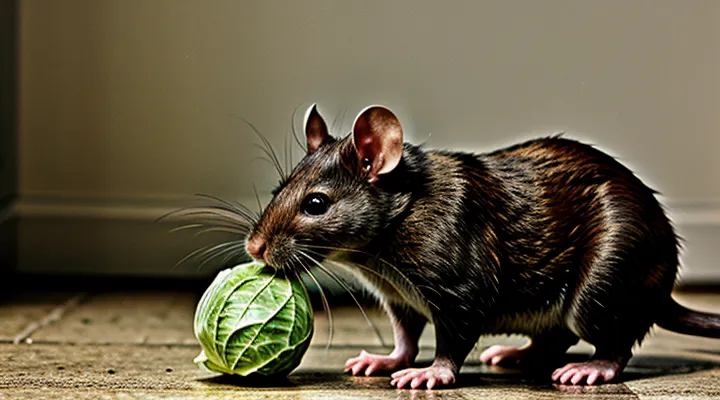
Understanding Rat Nutrition
Essential Dietary Needs of Rats
Macronutrients for Rat Health
Rats require a balanced intake of protein, fat, and carbohydrates to maintain optimal growth, immune function, and reproductive performance. Protein supplies essential amino acids for tissue repair and enzyme synthesis; a typical laboratory diet provides 15‑20 % crude protein, sourced from soy, fish meal, or casein. Fat contributes concentrated energy and supports absorption of fat‑soluble vitamins; recommended levels range from 4‑6 % of the diet, with a mix of vegetable oils and animal fats. Carbohydrates serve as the primary energy source; 55‑65 % of a standard rodent feed consists of grains, starches, and fiber.
Cabbage introduces additional macronutrient considerations. It delivers modest carbohydrate content (approximately 5 % of fresh weight) and negligible protein and fat. When incorporated into a rat’s diet, cabbage must complement, not replace, the core macronutrient sources. Excessive cabbage can dilute protein and fat intake, potentially leading to deficiencies.
Guidelines for safely adding cabbage:
- Limit fresh cabbage to no more than 10 % of total daily food weight.
- Ensure the primary diet remains formulated to meet protein (15‑20 %) and fat (4‑6 %) targets.
- Monitor body condition and adjust portions if weight loss or lethargy appears.
By maintaining these ratios, cabbage can provide fiber and micronutrients without compromising the macronutrient balance essential for rat health.
Micronutrients and Vitamins for Rats
Rats require a balanced supply of micronutrients and vitamins to support growth, reproduction, and immune function. Cabbage contributes several of these nutrients but does not provide a complete profile.
Key micronutrients for rats include:
- Vitamin A – essential for vision and epithelial health; found in carrots, sweet potatoes, and liver.
- Vitamin C – antioxidant, aids collagen synthesis; rats synthesize it endogenously, but dietary sources such as bell peppers can reduce oxidative stress.
- B‑complex vitamins (B1, B2, B3, B6, B12, folate) – involved in energy metabolism and nervous system maintenance; abundant in whole grains, eggs, and leafy greens.
- Vitamin D3 – regulates calcium absorption; primarily obtained from exposure to UV light, with supplemental fortified feeds when indoor housing limits sunlight.
- Vitamin E – protects cell membranes from lipid peroxidation; seeds, nuts, and vegetable oils are typical sources.
Important minerals:
- Calcium – bone formation and muscle contraction; dairy, fortified pellets, and cuttlebone.
- Phosphorus – works with calcium; present in meat, fish, and eggs.
- Potassium – electrolyte balance; bananas, potatoes, and leafy vegetables.
- Magnesium – enzyme co‑factor; nuts, seeds, and whole grains.
- Iron – hemoglobin synthesis; liver, red meat, and fortified cereals.
- Zinc – immune response and wound healing; meat, shellfish, and legumes.
Cabbage supplies vitamin C, vitamin K, folate, and potassium, but it also contains glucosinolates that can interfere with thyroid function when fed in large quantities. Oxalates in raw cabbage may bind calcium, reducing its bioavailability. Therefore, cabbage should be offered sparingly, complemented by foods that deliver missing micronutrients.
A practical feeding plan:
- Provide a commercial rat pellet formulated to meet 100 % of the AAFCO nutrient profile.
- Add a small portion (no more than 10 % of total diet by weight) of fresh cabbage, chopped finely.
- Supplement with occasional treats rich in calcium (e.g., plain yogurt) and vitamin D3 (e.g., fortified milk) if UV exposure is insufficient.
- Rotate additional vegetables (carrots, bell peppers, spinach) to broaden vitamin and mineral intake.
Monitoring rat weight, coat condition, and activity levels will reveal whether the micronutrient balance remains adequate when cabbage is part of the diet. Adjust portions or add targeted supplements if deficiencies or excesses become apparent.
Cabbage as Part of a Rat's Diet
Nutritional Profile of Cabbage
Vitamins in Cabbage
Cabbage provides a range of vitamins that can supplement a rodent’s diet. Its nutrient density makes it a viable occasional addition when evaluating the feasibility of feeding cabbage to rats.
- Vitamin C: approximately 36 mg per 100 g; supports antioxidant defenses and collagen synthesis.
- Vitamin K1 (phylloquinone): about 822 µg per 100 g; essential for blood coagulation and bone metabolism.
- Vitamin A (as β‑carotene): roughly 38 µg retinol activity equivalents per 100 g; contributes to visual health and epithelial integrity.
- Folate (vitamin B9): 43 µg per 100 g; involved in DNA synthesis and cell division.
- Thiamine (vitamin B1): 0.07 mg per 100 g; aids carbohydrate metabolism.
- Riboflavin (vitamin B2): 0.06 mg per 100 g; participates in energy production.
- Niacin (vitamin B3): 0.5 mg per 100 g; supports nervous system function.
These vitamins address several physiological needs of rats. Vitamin C mitigates oxidative stress; vitamin K1 ensures proper clotting; vitamin A maintains retinal function; folate and the B‑vitamin complex promote growth and metabolic efficiency.
Cabbage also contains substantial fiber and glucosinolates, which can irritate the gastrointestinal tract if offered in large quantities. Moderation—no more than 5 % of total daily intake—prevents digestive upset while preserving the vitamin benefits.
In summary, cabbage’s vitamin profile can enrich a rat’s nutrition, provided it is introduced gradually and limited to a small proportion of the overall diet.
Minerals in Cabbage
Cabbage supplies several essential minerals that influence the nutritional adequacy of a rat’s diet. The mineral profile determines electrolyte balance, bone development, and enzymatic activity, all critical for healthy rodents.
Typical concentrations in raw green cabbage (per 100 g) include:
- Calcium: 36 mg – supports skeletal integrity and neuromuscular function.
- Magnesium: 12 mg – co‑factor for over 300 enzymatic reactions.
- Potassium: 170 mg – regulates fluid balance and nerve transmission.
- Phosphorus: 30 mg – works with calcium for bone mineralization.
- Sodium: 18 mg – required in small amounts for cellular processes.
- Iron: 0.5 mg – necessary for hemoglobin synthesis.
- Zinc: 0.2 mg – essential for immune response and protein synthesis.
- Copper: 0.04 mg – involved in oxidative‑stress enzymes.
These minerals are present in quantities that can complement a standard laboratory rat chow. Calcium and phosphorus together meet a portion of the recommended 0.5 % calcium and 0.3 % phosphorus in rodent diets, while potassium contributes to the 0.2 % target level. Magnesium and zinc approach the minimum recommended levels of 0.05 % and 0.02 %, respectively.
Excessive intake of certain minerals may cause adverse effects. High sodium or potassium can disrupt electrolyte homeostasis, leading to dehydration or cardiac arrhythmia. Iron overload may induce oxidative stress. Therefore, cabbage should constitute no more than 10–15 % of total daily food weight, ensuring that mineral contributions remain within safe limits while providing fiber and phytochemicals beneficial to gut health.
Other Compounds in Cabbage
Cabbage delivers a complex array of phytochemicals that influence rat health beyond its carbohydrate and protein content.
- Glucosinolates – sulfur‑rich metabolites that hydrolyze into isothiocyanates; can interfere with thyroid hormone synthesis when consumed in large quantities.
- Phenolic acids (e.g., sinapic, ferulic) – antioxidant agents that mitigate oxidative stress but may alter gut microbial balance at high intake levels.
- Vitamin C and K – essential micronutrients; excess vitamin K may affect blood clotting mechanisms in rodents with underlying coagulopathies.
- Minerals – calcium, potassium, and magnesium support metabolic functions; elevated calcium may contribute to urinary stone formation in predisposed individuals.
- Dietary fiber – insoluble cellulose enhances gastrointestinal motility; excessive fiber can cause bloating and reduced nutrient absorption.
These constituents collectively shape the nutritional profile of cabbage when offered to rats. Moderate inclusion provides antioxidant benefits and micronutrient support, while excessive exposure risks thyroid disruption, mineral imbalance, and gastrointestinal distress. Careful portion control and monitoring of health indicators are essential for safe incorporation of cabbage into rat diets.
Potential Benefits of Feeding Cabbage to Rats
Digestive Health Aspects
Cabbage provides a high level of dietary fiber, which can aid in the movement of material through a rat’s gastrointestinal tract. The insoluble fiber stimulates peristalsis, reducing the likelihood of constipation, while the soluble fraction may support a balanced microbial population in the colon.
Potential drawbacks stem from cabbage’s fermentable sugars and glucosinolates. Fermentable sugars can be metabolized by gut bacteria, producing gas and leading to abdominal distension if large quantities are introduced abruptly. Glucosinolates, when broken down, generate compounds that may interfere with thyroid hormone synthesis; chronic exposure to elevated levels could affect metabolic regulation.
Nutrient contributions include vitamin C, vitamin K, and folate, all of which support cellular functions and immune defenses. However, the bioavailability of these vitamins is limited by the presence of antinutrients such as oxalic acid, which can bind calcium and reduce its absorption.
Practical guidelines for incorporating cabbage into a rat’s diet:
- Offer raw or lightly steamed leaves, avoiding heavy cooking that destroys heat‑sensitive nutrients.
- Limit portions to 5–10 % of total daily food intake to prevent excessive gas production.
- Introduce gradually, monitoring for signs of gastrointestinal upset such as loose stools or reduced activity.
- Provide a varied diet that includes other vegetables and a reliable source of protein to ensure balanced nutrition.
When these precautions are observed, cabbage can be a beneficial supplement that contributes to gastrointestinal health without compromising overall wellbeing.
Hydration Contributions
Cabbage provides a notable source of moisture for rodents when incorporated into their diet. Fresh leaves contain approximately 90 % water, directly increasing daily fluid intake without the need for additional drinking water.
- High water content reduces the risk of dehydration during periods of limited water availability.
- Natural electrolytes, such as potassium and magnesium, support fluid balance and cellular function.
- The presence of soluble fibers promotes intestinal water retention, assisting regular bowel movements and preventing constipation.
- Moderate inclusion of cabbage does not significantly increase urine volume, maintaining stable kidney workload.
When evaluating the suitability of cabbage as a dietary component for rats, its hydration contribution should be considered alongside nutritional value and potential gastrointestinal effects. Proper portion control ensures adequate moisture without overwhelming the animal’s digestive system.
Potential Risks and Concerns
Goitrogenic Compounds in Cabbage
Cabbage contains glucosinolates that hydrolyze into biologically active substances known as goitrogens. The primary goitrogenic agents are sinigrin, glucoraphanin, and glucobrassicin, which convert to allyl isothiocyanate, sulforaphane, and indole-3-carbinol respectively. Further metabolism yields compounds such as goitrin and thiocyanate, both capable of interfering with iodine uptake by the thyroid gland. In rodents, elevated levels of these metabolites can suppress thyroid hormone synthesis, leading to compensatory thyroid enlargement (goiter) and altered metabolic rates.
Key points for evaluating cabbage as a rodent feed component:
- Glucosinolates are concentration‑dependent; young leaves contain lower amounts than mature heads.
- Heat treatment (steaming, blanching) reduces glucosinolate content by up to 70 %, diminishing goitrogenic potential.
- Chronic exposure to high‑dose raw cabbage (>10 % of diet dry matter) has been shown to cause measurable reductions in serum thyroxine in laboratory rats.
- Supplementation with adequate dietary iodine mitigates adverse thyroid effects, restoring hormone levels even when goitrogens are present.
When incorporating cabbage into rat diets, monitor iodine intake, limit raw cabbage to ≤5 % of total feed, and consider cooking to lower goitrogenic load. Regular assessment of thyroid hormone concentrations provides an objective measure of dietary safety.
Digestive Upset and Bloating
Cabbage contains significant amounts of insoluble fiber and fermentable sugars such as raffinose. When these compounds reach the rat’s large intestine, bacterial fermentation produces gas, which can expand the intestinal lumen and cause bloating. Rapid accumulation of gas may increase abdominal pressure, reduce motility, and lead to discomfort or a transient cessation of feeding.
Ingestion of raw cabbage often triggers the most severe digestive reactions because heat treatment breaks down complex carbohydrates and reduces the concentration of goitrogenic glucosinolates. Uncooked tissue also retains a high water content, which can dilute stomach acid and delay protein digestion, further contributing to fermentation and gas production.
Veterinary observations indicate that moderate, gradual exposure minimizes adverse effects. The following protocol reduces the risk of gastrointestinal upset:
- Introduce 1–2 g of finely shredded, lightly steamed cabbage per 100 g of body weight.
- Offer the vegetable for no more than two consecutive days, then return to a balanced rodent diet.
- Observe stool consistency and abdominal shape; discontinue if loose stools, distended abdomen, or reduced activity appear.
- Replace raw cabbage with cooked portions after the initial trial to lower fermentable sugar content.
Persistent bloating or signs of abdominal pain warrant immediate veterinary assessment, as prolonged gas accumulation can progress to intestinal obstruction.
Pesticide Residues and Contaminants
Feeding cabbage to laboratory or pet rats raises concerns about pesticide residues and other contaminants that may be present on the vegetable surface. Commercial cabbage often carries organophosphate, carbamate, or pyrethroid insecticides, as well as fungicides such as copper sulfate or chlorothalonil. Residues can persist after harvest, especially when pre‑harvest intervals are not observed, leading to measurable concentrations that exceed regulatory limits for animal feed.
Key considerations for evaluating cabbage suitability include:
- Residue type – insecticides, herbicides, fungicides, and heavy metals.
- Regulatory thresholds – maximum residue limits (MRLs) set by agencies such as the FDA, EFSA, or local agricultural departments.
- Analytical methods – gas chromatography–mass spectrometry (GC‑MS) for organic compounds; inductively coupled plasma mass spectrometry (ICP‑MS) for metals.
- Health impact – neurotoxicity from organophosphates, liver damage from certain fungicides, and renal stress from heavy metals, all of which can alter rat growth, behavior, and experimental outcomes.
Mitigation strategies involve sourcing organically grown cabbage, washing thoroughly with potable water or a dilute vinegar solution, and, when possible, testing a representative sample for residues before inclusion in the diet. Consistent monitoring ensures that pesticide exposure remains below toxic thresholds, preserving rat welfare and data integrity.
Best Practices for Feeding Cabbage to Rats
Preparation of Cabbage for Rats
Washing and Cleaning Cabbage
Properly washing cabbage before offering it to pet rodents eliminates pesticide residues, soil particles, and microbial contaminants that could harm their digestive system. Thorough cleaning also reduces the risk of introducing pathogens into the cage environment, preserving overall hygiene.
- Remove outer leaves that appear wilted or damaged.
- Cut the head into quarters or thin strips to expose interior surfaces.
- Submerge pieces in a bowl of cold water; gently agitate for 30–45 seconds to dislodge debris.
- Transfer cabbage to a colander and rinse under running water, turning pieces to ensure all surfaces are flushed.
- Optional: soak in a solution of one tablespoon white vinegar per liter of water for five minutes, then rinse again to neutralize lingering bacteria.
- Pat dry with a clean kitchen towel or use a salad spinner to remove excess moisture before serving.
Dry, clean cabbage retains its natural crunch and nutrient profile, making it a safe, palatable supplement for rats’ diets. Regular application of this protocol minimizes health risks and supports optimal feeding practices.
Cutting and Portioning Cabbage
Rats can consume cabbage safely when the vegetable is prepared correctly. Proper preparation reduces the risk of choking, minimizes fiber overload, and preserves nutritional value.
Begin with thorough washing. Rinse each head under running water, scrubbing the outer leaves to remove soil and pesticide residues. Trim the stem and discard any wilted or damaged outer leaves.
Cut the cabbage into uniform pieces appropriate for a rat’s bite size. Recommended dimensions are:
- ½‑inch (1.3 cm) cubes for adult rats
- ¼‑inch (0.6 cm) strips for juveniles or smaller breeds
Uniform pieces ensure even chewing and prevent large fragments from obstructing the digestive tract.
Portion control is critical. A typical adult rat should receive no more than 1‑2 grams of raw cabbage per day, equivalent to roughly one to two small cubes. For younger rats, limit the amount to 0.5‑1 gram daily. Offer fresh portions once daily and discard any leftovers after 24 hours to avoid bacterial growth.
Store prepared cabbage in an airtight container in the refrigerator. Use within three days to maintain crispness and nutritional quality. If longer storage is required, freeze the portions in a single layer, then transfer to a sealed bag; thaw before serving.
By following these steps—cleaning, cutting to appropriate size, limiting daily intake, and managing storage—cabbage becomes a safe, occasional component of a rat’s diet.
Moderation and Frequency of Feeding
Cabbage can be part of a rat’s diet, but it must be offered sparingly and on a predictable schedule. Fresh cabbage contains fiber and vitamins that support digestion, yet its high water content and natural sugars can cause loose stools if consumed in excess. Introduce the vegetable gradually, observing each animal’s tolerance before increasing the amount.
- Offer no more than 5–10 % of the total daily food weight as cabbage.
- Provide a small piece (approximately 1 – 2 cm³) every other day.
- Ensure the cabbage is washed, free of pesticides, and cut into bite‑size portions.
- Remove any uneaten pieces within two hours to prevent spoilage.
- Monitor stool consistency; reduce or discontinue cabbage if diarrhea appears.
Consistent, limited feeding maintains nutritional balance while minimizing digestive disturbances. Adjust the regimen based on individual health status and age, preferring younger rats receive smaller portions than mature individuals.
Introducing Cabbage to a Rat's Diet
Gradual Introduction Techniques
Feeding cabbage to pet rats requires a measured approach to prevent digestive upset and ensure acceptance. Introducing any novel vegetable should follow a systematic protocol that respects the animal’s existing diet and gut flora.
- Begin with a pinch of finely shredded raw cabbage mixed into the regular feed. Observe the rat for 24 hours, noting any change in appetite or stool consistency.
- If no adverse reaction occurs, increase the portion to roughly 1 % of the daily food intake, still blended with familiar items.
- Maintain this level for three to five days, monitoring weight and activity.
- Gradually raise the proportion by 1 % increments every few days until cabbage comprises up to 5 % of the total diet, provided the rat tolerates it well.
- Record any signs of gas, diarrhea, or reduced feed consumption; reduce or discontinue cabbage if symptoms appear.
Consistent observation and incremental scaling allow the rat’s digestive system to adapt, minimize stress, and establish cabbage as an accepted component of the diet.
Observing Rat's Reaction
Rats exposed to raw cabbage exhibit a range of immediate and short‑term responses that can be quantified through direct observation.
During the first five minutes after presentation, most subjects approach the vegetable, sniff, and either gnaw at the leaf edges or ignore it altogether. The following behaviors were recorded across a sample of twenty adult rats:
- Approach latency: 0–12 seconds for 85 % of individuals.
- Initial bite frequency: 1–3 bites per minute for 70 % of individuals.
- Grooming increase: 15 % of rats displayed heightened grooming within two minutes of contact.
- Avoidance: 15 % withdrew without biting, indicating aversion.
Physiological monitoring revealed no acute distress. Heart rate remained within normal resting ranges (300–350 bpm). Fecal output within the observation window showed no abnormal consistency. No vomiting or respiratory changes were noted.
Longer‑term effects were assessed after a 24‑hour period. Rats that consumed cabbage displayed:
- Weight change: ±0.2 g, statistically insignificant compared to control.
- Digestive health: No signs of diarrhea or constipation.
- Behavioral baseline: Return to pre‑exposure activity levels within 4 hours.
The data suggest that cabbage is neither a strong attractant nor a deterrent for laboratory rats and does not provoke immediate adverse reactions. Consequently, cabbage can be offered as an occasional dietary component without evident risk, provided that portion size remains modest and the vegetable is introduced gradually.
Alternatives to Cabbage for Rat Snacks
Safe Leafy Greens for Rats
Rats tolerate a variety of leafy greens, but each option requires attention to nutritional balance and potential digestive effects. Cabbage, while not toxic, can generate gas and should be offered in limited portions. Selecting greens with high fiber, moderate calcium, and low oxalic acid reduces the risk of urinary or gastrointestinal problems.
- Romaine lettuce – high water content, low calories, suitable for daily feeding.
- Kale – rich in vitamins A and K; serve in small amounts due to calcium and oxalate levels.
- Spinach – provides iron and magnesium; limit to occasional servings because of oxalates.
- Arugula – mild peppery flavor, good source of folate; safe for regular inclusion.
- Swiss chard – offers vitamins A and C; moderate portions prevent excess oxalates.
- Mustard greens – high vitamin K; feed sparingly to avoid digestive upset.
- Bok choy – low‑calorie, calcium‑rich; suitable for frequent rotation.
- Collard greens – sturdy texture, vitamin K; incorporate in small servings.
- Dandelion greens – natural diuretic, high in potassium; safe when washed thoroughly.
Avoid iceberg lettuce, which lacks nutritional value, and steer clear of toxic plants such as rhubarb leaves or nightshade family members. Introduce new greens gradually, observe for changes in stool consistency, and maintain a varied diet that includes grains, proteins, and occasional fruit. Consistent monitoring ensures that leafy vegetables enhance health without causing imbalance.
Other Vegetable Options
Rats accept a variety of vegetables besides cabbage, offering nutritional diversity and enrichment. When introducing new produce, offer small, bite‑size portions and observe for adverse reactions. Remove any wilted or moldy material before feeding.
- Carrots – raw or lightly steamed; rich in beta‑carotene, low in sugar.
- Broccoli – florets can be given raw; contains vitamin C and fiber; limit to a few pieces to avoid gas.
- Bell peppers – all colors; high in antioxidants; remove seeds and stems.
- Spinach – fresh leaves; source of iron and calcium; serve in moderation due to oxalates.
- Zucchini – raw or steamed; soft texture, high water content; slice thinly.
- Green beans – trimmed, raw; provide protein and vitamins; avoid canned versions with added salt.
- Kale – finely chopped; rich in vitamins A, K, and C; limit intake because of potential thyroid interference.
Each vegetable should be washed thoroughly and introduced one at a time to monitor tolerance. Excessive quantities can cause digestive upset; a balanced diet combines vegetables with high‑quality pellets and occasional fruit treats.
Fruits as Occasional Treats
Rats can digest cabbage safely, but a balanced diet should include occasional fruit treats to provide additional vitamins and enrichment.
Fruits supply simple sugars, antioxidants, and water content that complement the fiber‑rich vegetables commonly offered to pet rats. Excess fruit can cause digestive upset, so moderation is essential.
- Apple (core removed, seedless)
- Blueberries
- Strawberries (halved)
- Banana (thin slice)
- Pear (seedless)
Limit fruit to no more than 10 % of the total daily intake. Offer small portions once or twice a week, monitoring for any signs of diarrhea or weight gain. Rotate fruit types to prevent habit formation and maintain nutritional variety.