
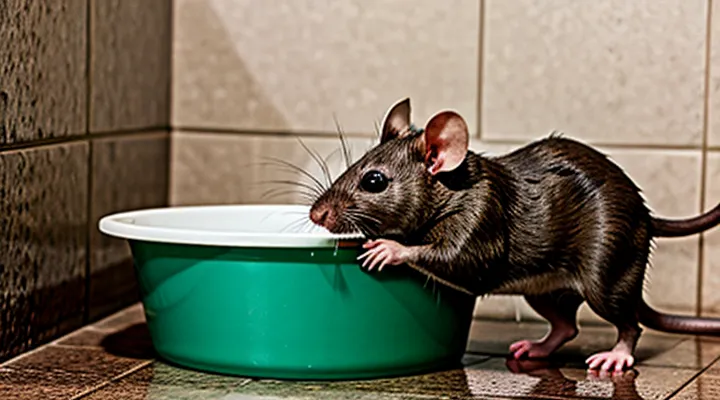
Can Rats Be Bathed? The Short Answer
When is Bathing Necessary for Rats?
Health-Related Reasons
Bathing a rat is justified primarily when health considerations demand it. Regular grooming by the animal usually maintains coat cleanliness; intervention becomes necessary only under specific conditions.
- Skin infections such as dermatitis or fungal growth require immediate cleaning to prevent spread.
- External parasites (mites, lice) are eliminated effectively with a controlled bath using appropriate insecticidal shampoo.
- Persistent odor indicates accumulation of waste or oil, which can signal underlying skin problems.
- Excessive matting or soiled fur impedes temperature regulation and may lead to hypothermia.
- Obesity, injury, or disability can limit a rat’s ability to self‑groom, creating a risk of wound contamination.
- Respiratory irritation caused by dust, urine, or fecal buildup on the coat can exacerbate breathing difficulties.
When a bath is indicated, use lukewarm water, a mild, rodent‑safe cleanser, and limit exposure to two minutes. Rinse thoroughly to avoid residue, then dry gently with a low‑heat source or a soft towel. Immediate post‑bath observation ensures the animal remains warm and exhibits normal behavior; any signs of stress or hypothermia require prompt veterinary attention.
Odor-Related Concerns
Bathing a rat can produce noticeable odors that persist if the procedure is not managed correctly. Odor originates from residual fur oils, skin secretions, and any organic material left on the animal after the soak. These substances decompose quickly in warm, humid conditions, creating an unpleasant scent that may attract pests and affect household air quality.
Effective odor control requires immediate removal of moisture and thorough cleaning of the animal’s coat. Recommended actions include:
- Rinse with lukewarm water promptly after the bath to flush out soap residue.
- Apply a mild, unscented veterinary shampoo designed for rodents; avoid products containing strong fragrances or harsh chemicals.
- Use a soft, absorbent towel to blot the fur, then place the rat in a low‑heat, well‑ventilated environment until completely dry.
- Clean the bathing container with a diluted vinegar solution or a pet‑safe disinfectant after each use to prevent bacterial buildup.
Regular grooming reduces the need for full baths, thereby limiting odor development. Brushing several times per week removes loose hair and distributes natural oils evenly, decreasing the likelihood of greasy buildup that contributes to smell. When a full bath is necessary, limiting the frequency to once every four to six weeks balances hygiene with the rat’s skin health.
Ventilation plays a critical role in odor mitigation. Position the drying area near a window or use a fan set on low speed to disperse humidity. Monitoring the ambient temperature ensures the rat remains comfortable while the environment remains dry, preventing the growth of odor‑producing microbes.
Accidental Exposure to Harmful Substances
Accidental contact with toxic chemicals often occurs during rat bathing because owners may use household cleaners, shampoos, or disinfectants not formulated for rodents. These substances can penetrate the thin skin of a rat, leading to irritation, systemic toxicity, or fatal reactions.
Typical sources of harmful exposure include:
- Multi‑purpose cleaners containing ammonia, bleach, or phenols.
- Human or pet shampoos with strong surfactants, fragrances, or dyes.
- Detergents used for washing bedding or cages that remain on surfaces.
- Insecticides or rodent poisons inadvertently applied near the bathing area.
Preventive measures eliminate most risks:
- Reserve a dedicated container for rat bathing; avoid repurposing buckets that previously held chemicals.
- Use only sterile, lukewarm water and a rodent‑specific, fragrance‑free shampoo when necessary.
- Rinse thoroughly to remove all residues; any remaining soap can be absorbed through the skin.
- Keep cleaning agents, pesticides, and other chemicals stored out of reach and clearly labeled.
- Conduct baths in a well‑ventilated space free from aerosolized disinfectants.
If exposure is suspected, immediate actions are critical:
- Remove the rat from the contaminated water and place it on a dry, clean towel.
- Rinse the animal with fresh, lukewarm water for several minutes to dilute and wash away residues.
- Dry gently to prevent hypothermia; monitor for signs of distress such as rapid breathing, tremors, or lethargy.
- Contact a veterinarian promptly, providing details of the chemical involved and the duration of exposure.
- Follow professional instructions, which may include administering activated charcoal, supportive fluids, or monitoring blood parameters.
Documentation of the incident—date, substance, concentration, and response—assists veterinary assessment and helps refine future bathing protocols. Consistent adherence to rodent‑safe cleaning practices reduces accidental toxic exposure and supports the overall health of the animal during grooming procedures.
Preparing for a Rat Bath
Essential Supplies
Mild Pet Shampoo
Mild pet shampoo is the preferred cleaning agent for rodents because it balances cleansing power with skin safety. Formulated without harsh detergents, it maintains the natural oil layer that protects a rat’s fur and epidermis. The low‑pH composition prevents irritation, reduces the risk of dermatitis, and rinses completely without leaving residue that could be ingested during grooming.
Key characteristics of an appropriate shampoo for rats:
- pH close to neutral (6.5–7.5)
- Free of parabens, sulfates, and artificial fragrances
- Designed for small mammals or specifically labeled “gentle”
- Small amount of hypoallergenic additives, such as aloe or oatmeal, for soothing effect
Application guidelines:
- Prepare a shallow container with lukewarm water, enough to submerge the animal’s body without deep immersion.
- Wet the fur gently; avoid the face and ears.
- Dispense a few drops of shampoo onto the coat, massage from neck to tail, and monitor for any signs of discomfort.
- Rinse thoroughly with clean, lukewarm water until all suds disappear.
- Pat dry with a soft towel; allow the animal to air‑dry in a warm, draft‑free area before returning to the cage.
Using a mild, rodent‑compatible shampoo eliminates the need for aggressive scrubbing, supports coat health, and aligns with best practices for safe bathing procedures.
Soft Towels
Soft towels are essential for safely drying a rat after a bath. Their gentle texture prevents skin abrasion and reduces stress during the drying phase.
Choose towels made of 100 % cotton or a cotton‑blend with a low‑pile weave. High‑absorbency fabrics remove moisture quickly, while a smooth surface avoids snagging the animal’s delicate fur.
Before the bath, lay a towel on a flat, non‑slip surface. Position the rat on the towel immediately after rinsing, supporting its body with one hand to keep it steady. Do not lift the animal while it is still wet; instead, allow the towel to absorb excess water.
Drying procedure:
- Pat the fur lightly; avoid vigorous rubbing.
- Move the towel to a warm, draft‑free area.
- Replace the towel with a fresh, dry one if it becomes saturated.
- Continue until the coat feels dry to the touch, typically 2–4 minutes for an adult rat.
After each use, wash towels in hot water with a mild detergent, rinse thoroughly, and dry completely before storage. Separate rat‑specific towels from other household linens to prevent cross‑contamination. Regular laundering maintains absorbency and hygiene, ensuring consistent performance for future grooming sessions.
Shallow Basin or Sink
A shallow basin or kitchen sink provides a controlled environment for rinsing pet rats without risking submersion. The container should be wide enough for the animal to turn gently and deep enough to hold a thin layer of lukewarm water—approximately 1–2 cm.
- Fill the basin with water at 30–32 °C; colder water induces shock, hotter water causes burns.
- Add a few drops of mild, unscented soap designed for small mammals; excessive detergent leaves residue and irritates skin.
- Place the rat on a non‑slippery surface (silicone mat or towel) to prevent slipping.
- Use a soft, damp cloth or a small silicone brush to clean the fur, moving from head toward tail.
- Rinse thoroughly with fresh lukewarm water, ensuring all soap is removed.
- Dry the animal immediately with a low‑heat hair dryer set on “cool” or a soft absorbent towel; keep the rat in a warm, draft‑free area until completely dry.
The basin’s low walls allow quick removal of the rat, reducing stress. Clean the container after each use with a diluted disinfectant, rinse well, and dry before the next session. This routine maintains hygiene while preserving the rat’s delicate skin and respiratory health.
Warm Water
Warm water is essential for a safe rat bath because it prevents shock and encourages relaxation. The temperature should be measured with a reliable thermometer and kept between 92 °F and 98 °F (33 °C–37 °C). Water cooler than this range can cause hypothermia; hotter water risks burns and stress.
- Test the water with your wrist or elbow before introducing the rat; it should feel comfortably warm, not hot.
- Use a shallow container no deeper than 2 inches (5 cm) to allow the rat to stand without submersion.
- Fill the container with only enough water to cover the paws and lower abdomen, keeping the head above water at all times.
- Add a few drops of a pet‑safe, unscented cleanser if cleaning is required; otherwise, plain warm water suffices for routine grooming.
- Limit the bathing session to 2–3 minutes to reduce exposure and stress.
After the bath, dry the rat promptly with a soft, lint‑free towel. Follow with a brief period of gentle airflow from a low‑speed hair dryer set on cool, ensuring the animal remains warm until fully dry. This sequence preserves the rat’s body temperature and minimizes the risk of illness.
Creating a Safe and Calm Environment
Minimizing Stress
Bathing a pet rat can trigger anxiety; a systematic approach reduces the animal’s stress response.
Prepare the environment before contact. Use a shallow, non‑slippery container filled with lukewarm water (approximately 30 °C). Place a soft towel at the bottom to prevent slipping and to provide a familiar texture. Keep the room quiet, free of sudden noises, and maintain a stable temperature to avoid thermal shock.
Handle the rat gently but securely. Support the body with one hand while the other hand steadies the head, preventing panic‑induced thrashing. Limit exposure to water to no more than two minutes; extended immersion increases cortisol release and impairs thermoregulation.
After washing, immediately wrap the rat in an absorbent, lint‑free towel. Pat the fur gently to remove excess moisture; avoid vigorous rubbing, which can damage the coat and cause discomfort. Allow the animal to recover in a warm, draft‑free area until the fur is dry, monitoring for signs of lingering stress such as rapid breathing or vocalization.
Key practices for stress minimization:
- Gradual acclimation – introduce the bath setup in short, non‑wet sessions before the actual wash.
- Consistent routine – perform baths at the same time of day to establish predictability.
- Positive reinforcement – offer a favored treat immediately after the bath to associate the experience with reward.
- Observation – watch for behavioral cues (e.g., excessive grooming, aggression) that indicate heightened stress; adjust the procedure accordingly.
Ideal Water Temperature
When washing pet rats, water temperature is the most critical factor for safety and comfort. The water should be warm enough to prevent chilling but cool enough to avoid burns. Aim for a temperature between 30 °C and 34 °C (86 °F–93 °F). Anything below 20 °C (68 °F) can cause hypothermia, while temperatures above 37 °C (99 °F) risk skin irritation and heat stress.
- Use a digital or infrared thermometer to verify temperature before each bath.
- Test the water on the inside of your wrist; it should feel comfortably warm, not hot.
- Adjust the temperature gradually if the water is too hot or too cold; sudden changes can startle the animal.
Maintain the target range throughout the bathing session. If the water cools, replace it with freshly warmed water rather than reheating the same batch, which can create uneven temperatures. Consistent temperature control ensures the rat remains calm, reduces stress, and protects delicate fur and skin.
Pre-Bath Grooming
Proper pre‑bath grooming prepares a rat for a safe, effective wash and reduces stress. Removing loose fur and debris prevents mats from forming when the animal is damp. A clean coat also allows the cleaning solution to reach the skin evenly.
- Use a soft, stainless‑steel or silicone grooming brush; gently sweep along the back and sides, following the direction of hair growth.
- Examine the tail, whiskers, and vent area for parasites, injuries, or embedded foreign material; remove any visible debris with tweezers.
- Trim overgrown toenails with a small animal nail clipper; avoid cutting the quick, which appears as a pink line within the nail.
- Clean the ears with a cotton swab dampened in a veterinarian‑approved ear solution; rotate gently, never insert deep into the canal.
- Inspect the skin for lesions, abscesses, or signs of dermatitis; treat any condition before proceeding with a bath.
Select grooming tools that can be sterilized between sessions. Conduct the process in a quiet area to limit agitation. Hold the rat gently but firmly, supporting the body with one hand while the other performs grooming tasks. After grooming, allow the animal to rest for a few minutes before introducing water, ensuring the coat is free of tangles that could trap moisture.
The Bathing Process
Step-by-Step Guide
Gentle Introduction to Water
Introducing a rat to water should be gradual, calm, and controlled. Begin with a shallow container that fits the animal’s size, allowing the rat to stand on a non‑slippery surface. Fill the container only a few centimeters deep with lukewarm water (approximately 30 °C). Observe the rat’s reaction; if it remains still, proceed to the next step, otherwise pause and allow additional acclimation time.
- Place a soft towel at the edge of the container for the rat to climb onto when it chooses to exit.
- Use a gentle stream from a cup or spray bottle, directed at the body rather than the face, to wet the fur.
- Limit exposure to no more than two minutes per session to prevent stress and hypothermia.
- After cleaning, lift the rat carefully, support its hindquarters, and wrap it in a dry, absorbent towel.
Dry the animal thoroughly before returning it to its cage. Ensure the environment remains warm and draft‑free until the fur is completely dry. Repeating short, positive sessions will build confidence and reduce anxiety associated with water.
Applying Shampoo Safely
Rats tolerate baths when shampoo is applied with care and precision.
Before the wash, gather a small basin, lukewarm water (30‑32 °C), a rodent‑specific shampoo, a soft cloth, and a towel. Fill the basin shallow enough for the rat’s chest to remain above water, preventing submersion stress.
Select a shampoo formulated for small mammals; the product should be pH‑balanced for rodent skin, free of fragrances, and free of harsh detergents. Human or pet shampoos can disrupt the rat’s natural skin barrier.
Apply shampoo in the following order:
- Wet the coat lightly with a damp cloth, avoiding the face and ears.
- Dispense a pea‑size amount of shampoo onto the cloth.
- Gently work the lather from the neck toward the tail, using short strokes.
- Keep the head dry; clean the facial area with a damp cotton swab if necessary.
Rinse thoroughly with a clean, damp cloth to remove all residue. Residual shampoo may cause irritation or dermatitis.
Pat the rat dry with a low‑lint towel, then place the animal in a warm, draft‑free area until the fur is completely dry. A low‑heat hair dryer set to “cool” may be used for short periods, but direct airflow should be avoided.
Observe the rat for signs of discomfort, excessive grooming, or skin changes during the following 24 hours. Prompt veterinary consultation is required if redness, swelling, or abnormal behavior occurs.
Rinsing Thoroughly
When washing a pet rat, the final rinse determines whether residue remains on the fur and skin, which can cause irritation or infection. Use lukewarm water (approximately 30‑32 °C) and a gentle, steady flow. Direct the stream from a cup or handheld sprayer rather than a high‑pressure faucet to avoid startling the animal.
- Fill a small bowl with lukewarm water; dip the rat’s body briefly, keeping the head above the water.
- Slowly pour water over the back, sides, and limbs, ensuring soap or shampoo remnants are completely washed away.
- Pay special attention to the area around the tail and hindquarters, where cleaning agents tend to accumulate.
- Avoid water entering the ears, eyes, and nostrils; use a soft cloth to wipe these regions if necessary.
- After rinsing, pat the rat dry with a low‑lint towel; do not rub vigorously, as the fur can become tangled.
A thorough rinse eliminates chemical traces, reduces the risk of dermatitis, and maintains the animal’s natural scent, which is essential for social interaction among rats. Immediate drying prevents chilling and supports rapid recovery after the bath.
Drying Your Rat
After a rat is gently washed, immediate drying prevents chill and skin irritation. Use a low‑heat hair dryer on the cool or warm setting, never hot, and keep the nozzle at least six inches from the animal. Hold the dryer steady while moving it around the body to avoid concentrating airflow on one spot.
- Pat the fur with a soft, lint‑free towel until excess moisture is removed.
- Place the rat in a warm, draft‑free area, such as a heated cage or a room maintained at 24‑26 °C (75‑79 °F).
- Monitor the animal’s behavior; normal activity and a steady body temperature indicate successful drying.
- If the rat shivers or appears lethargic, increase ambient warmth gradually and continue gentle airflow.
Avoid using cotton balls, paper towels, or abrasive materials that can snag fur. Do not rub vigorously; a light, consistent pressure is sufficient. Ensure the rat’s paws, ears, and tail are completely dry, as retained moisture in these areas can lead to fungal growth.
Regular drying after each bath maintains coat health, reduces the risk of respiratory problems, and supports overall well‑being.
Handling and Restraint Techniques
Ensuring Rat Comfort
Rats tolerate brief, warm washes when stress is minimized and handling is gentle. The animal’s skin is sensitive; water temperature should stay between 30 °C and 35 °C, and exposure must not exceed two minutes. After bathing, dry the fur with a soft towel and keep the rat in a warm, draft‑free enclosure until the coat is completely dry.
Key practices for maintaining comfort during a bath:
- Use a shallow container no deeper than the rat’s waist to prevent drowning risk.
- Apply a small amount of pet‑safe, unscented shampoo only to the rear and hind legs; avoid the face, ears, and genital area.
- Rinse with lukewarm water in a gentle, steady stream; do not soak the animal.
- Immediately blot excess moisture with a lint‑free cloth, then place the rat in a pre‑heated cage (approximately 25 °C) with a soft bedding layer.
Monitoring the rat’s behavior provides the most reliable indicator of comfort. Signs of relaxation include calm breathing, a relaxed posture, and grooming after the bath. Signs of distress—such as frantic movement, vocalization, or prolonged shaking—require immediate cessation of the procedure and a return to a quiet, warm environment. Consistent, low‑stress handling paired with these precautions ensures that bathing remains a safe, comfortable experience for the rat.
Avoiding Injury
Bathing a pet rat requires meticulous handling to prevent trauma to delicate skin, eyes, and limbs. Use a shallow container filled with lukewarm water (30‑32 °C) no deeper than the animal’s belly; this limits the risk of drowning and reduces stress on the tail and hindquarters.
- Hold the rat gently but firmly, supporting the torso with one hand while the other guides the head away from the water surface.
- Avoid direct streams; submerge the body by slowly lowering it, allowing water to flow over the fur without force.
- Keep the head above water at all times; use a soft washcloth to clean the face, ears, and whiskers.
- Do not use soaps or detergents; a mild, unscented pet shampoo formulated for small mammals is safe.
- Rinse thoroughly with a cup of clean water to eliminate residue that could cause irritation.
After rinsing, place the rat on a dry, absorbent towel. Pat the fur gently; do not rub, which can pull hair and damage the skin. Allow the animal to recover in a warm, draft‑free area until completely dry. Monitoring for signs of hypothermia—shivering, lethargy, or cold extremities—ensures immediate intervention if temperature regulation fails.
By adhering to these precise steps, the risk of injury during a rat’s bath is minimized, preserving the animal’s health and comfort.
Post-Bath Care
Keeping Your Rat Warm
Towel Drying Methods
After a bath, a rat must be dried promptly to prevent hypothermia and skin irritation. Use a soft, lint‑free towel that absorbs moisture without rubbing the delicate fur.
Choose a towel that is:
- 100 % cotton or bamboo, low‑pile, and free of loose threads;
- sized to cover the animal completely while allowing gentle handling;
- pre‑warmed to room temperature to avoid shock.
Drying procedure
- Place the rat on the towel, head toward the edge for easy access.
- Gently press the towel against the back and sides, absorbing excess water.
- Roll the towel loosely around the body, maintaining light pressure; avoid squeezing.
- Unroll and repeat with a second dry towel if moisture remains.
- Keep the rat in a draft‑free, warm area until fur is fully dry, checking regularly for damp spots.
The method minimizes stress, protects skin health, and ensures the animal remains comfortable after cleaning.
Avoiding Drafts
When washing a pet rat, exposure to drafts can cause rapid temperature loss and stress. A sudden breeze lowers body heat, making the animal susceptible to hypothermia and respiratory issues. Therefore, the bathing environment must be sealed from airflow.
- Choose a room with a closed door and windows shut.
- Use a towel or blanket to cover the cage and any surrounding surfaces, creating a barrier against air currents.
- Position the water bowl on a stable, non‑slipping mat to prevent splashing that could create moving air.
- After the bath, dry the rat immediately with a soft cloth, then keep it in a warm, draft‑free area for at least 15 minutes.
Maintain a constant ambient temperature, preferably between 20–24 °C (68–75 °F). If heating is needed, employ a low‑intensity heat lamp placed at a safe distance, ensuring it does not create localized drafts. Monitor the rat’s behavior; shivering or huddling indicates insufficient protection from airflow. Adjust the setup promptly to eliminate any source of breeze.
Monitoring for Health Issues
Skin Irritation
Bathing a rat can provoke skin irritation if the procedure ignores the animal’s delicate integumentary system. Rats possess a thin epidermis and a dense fur coat that traps moisture; excessive wetting or harsh detergents disrupt the natural oil barrier, leading to redness, itching, or secondary infection.
Key factors that cause irritation:
- Use of human‑grade shampoos containing fragrances, sulfates, or parabens.
- Water temperature above body temperature, which dilates cutaneous vessels.
- Prolonged exposure to water, allowing fur to remain damp for extended periods.
- Inadequate rinsing, leaving residue that irritates the skin.
- Rubbing or scrubbing with abrasive tools.
To mitigate these risks, follow a protocol based on veterinary recommendations:
- Select a mild, rodent‑specific cleanser free of dyes and strong surfactants.
- Prepare lukewarm water (approximately 30 °C/86 °F); test with the forearm before application.
- Limit immersion time to no more than two minutes; focus on targeted cleaning rather than full submersion.
- Apply cleanser gently with fingertips, avoiding vigorous rubbing.
- Rinse thoroughly with clean lukewarm water until no suds remain.
- Pat the fur dry immediately using a soft, absorbent towel; avoid hair dryers unless set to a cool, low‑velocity setting.
- Inspect the skin for signs of inflammation; if redness or swelling persists beyond 24 hours, consult a veterinarian.
Regular grooming reduces the need for full baths. Brushing removes debris, distributes natural oils, and prevents matting, all of which protect the skin from irritation. When a bath is unavoidable—such as after exposure to toxic substances—adhering to the steps above minimizes adverse reactions and supports the rat’s overall health.
Respiratory Problems
Bathing a rat can introduce respiratory stress if water enters the nasal passages or the animal’s lungs. Moisture in the upper airway irritates the mucosa, leading to coughing, sneezing, and potential secondary infections. Wet fur retained on the body reduces heat loss, causing the animal to shiver and inhale cold, damp air, which further compromises airway function.
Key factors that trigger respiratory problems during a bath:
- Water splashing into the nose or mouth
- Inadequate drying of the coat and skin
- Exposure to drafts or low temperatures after bathing
- Use of harsh soaps or detergents that irritate mucous membranes
To minimize risk, follow these steps:
- Place the rat in a shallow, warm water basin no deeper than the chest, avoiding submersion of the head.
- Use a pet‑safe, unscented cleanser applied with a soft cloth; rinse quickly with a gentle stream that does not spray the face.
- Pat the animal dry with a lint‑free towel, then use a low‑heat hair dryer on a distant setting to ensure complete moisture removal.
- Keep the bathing area free of drafts; maintain ambient temperature between 22 °C and 24 °C.
- Observe the rat for signs of labored breathing, nasal discharge, or lethargy; seek veterinary care if symptoms persist beyond 30 minutes post‑bath.
Rewarding Good Behavior
Rewarding a rat after a bath reinforces acceptance of the procedure and reduces stress in future sessions. Positive reinforcement creates an association between the cleaning experience and a desirable outcome, encouraging cooperation.
- Small pieces of high‑protein treat (e.g., cooked egg, mealworm)
- Brief play session with a favorite toy
- Gentle verbal praise in a calm tone
- Access to a favored hiding spot after drying
Timing matters. Deliver the reward immediately after the rat emerges from the water, while the behavior is still fresh in its memory. Consistency across each bathing session strengthens the link between the action and the incentive.
Avoid using food that is high in sugar or fat, as it can lead to health issues. Do not reward with excessive handling that may re‑introduce stress. Limit the duration of the reward to a few seconds to prevent habituation.
By pairing each cleaning episode with a clear, brief reward, owners establish a reliable pattern that makes regular grooming practical and humane.
Alternatives to Full Baths
Spot Cleaning
Damp Cloth Method
The damp‑cloth technique provides a safe alternative to full immersion when cleaning pet rats. It removes surface grime while preserving the animal’s natural oil balance.
Materials required:
- Soft, lint‑free cloth
- Warm (not hot) water
- Optional: a few drops of mild, unscented pet‑safe cleanser
Procedure:
- Moisten the cloth until it is damp but not dripping.
- Gently wrap the cloth around the rat’s body, avoiding the face and ears.
- Lightly rub the fur in the direction of hair growth, concentrating on dirty areas such as the tail base and hindquarters.
- Rinse the cloth frequently in clean water to prevent re‑deposition of dirt.
- After cleaning, pat the rat dry with a separate dry towel; allow the animal to warm up in a draft‑free environment before returning it to its cage.
Precautions:
- Do not saturate the fur; excess moisture can lead to hypothermia.
- Avoid contact with the eyes, nose, and mouth.
- Limit sessions to a few minutes to reduce stress.
- Observe the rat for signs of discomfort; discontinue if the animal struggles.
Benefits:
- Maintains coat cleanliness without stripping essential oils.
- Reduces risk of water entering the respiratory system.
- Enables targeted cleaning of specific problem spots.
The damp‑cloth method, when performed correctly, offers an effective and low‑risk solution for routine grooming of rats.
Unscented Wipes
Unscented wipes provide a practical alternative to full‑body baths for pet rats, delivering targeted cleaning while minimizing stress. The absence of fragrance reduces the risk of respiratory irritation, which is common in small mammals with sensitive nasal passages.
When employing unscented wipes, follow these guidelines:
- Choose wipes labeled specifically for small animals or veterinary use; avoid products intended for humans or household cleaning.
- Test a small area on the rat’s skin before full application to confirm no adverse reaction.
- Gently wipe the dorsal coat, focusing on areas prone to dirt accumulation such as the tail base and hindquarters.
- Use a separate wipe for each animal to prevent cross‑contamination.
- Discard the wipe immediately after use; do not reuse.
After cleaning, allow the rat to air‑dry in a well‑ventilated enclosure. Do not apply additional sprays, powders, or scented products. Observe the animal for signs of discomfort or respiratory changes; if any appear, discontinue use and consult a veterinarian.
Unscented wipes complement regular grooming routines, offering a quick, low‑risk solution for maintaining hygiene without the complexities of water immersion.
Regular Cage Cleaning
Preventing Odor Build-up
Bathing a rat can introduce moisture and residual soap that, if not managed, creates a source of unpleasant smell. Odor originates from trapped water, skin oils, and waste particles left on the fur after a wash. Controlling these factors maintains a clean scent and supports the animal’s health.
- Use a mild, unscented laboratory detergent diluted to a concentration of 0.5 %–1 % in warm water. Rinse thoroughly to eliminate all soap residues.
- Limit bathing time to 2–3 minutes. Prolonged exposure increases water absorption in the coat, which promotes bacterial growth.
- Pat the rat dry with a low‑lint, absorbent towel immediately after rinsing. Avoid vigorous rubbing that may damage fur and skin.
- Apply a low‑heat hair dryer on the lowest setting, keeping it at least 12 cm from the body. Airflow removes remaining moisture without overheating.
- Clean the bathing area with a dilute bleach solution (1 % sodium hypochlorite) after each session. Rinse the surface and allow it to dry completely before the next use.
- Inspect the animal’s skin for signs of irritation or infection after each bath. Treat any lesions promptly to prevent odor‑producing bacteria.
- Maintain a regular grooming schedule (once every 2–4 weeks). Frequent light brushing reduces buildup of oils and debris, decreasing the need for full baths.
A well‑ventilated cage, regular litter changes, and a balanced diet further reduce the risk of odor accumulation. By following these precise actions, the rat remains clean, the environment stays fresh, and the potential for malodorous conditions is minimized.
Maintaining Hygiene
Bathing rats contributes directly to overall health by removing excess oils, urine residue, and environmental debris that can irritate skin and respiratory passages. Proper hygiene reduces the risk of dermatitis, fungal growth, and olfactory discomfort for both the animal and its caretaker.
When a bath is necessary, follow a controlled procedure:
- Use a shallow container of lukewarm water (30‑32 °C).
- Apply a feline‑ or rabbit‑compatible, unscented liquid soap in a few drops; avoid detergents designed for humans.
- Gently wet the rat, focusing on the hindquarters and tail; keep the head dry to prevent water entry into the ears and nose.
- Massage the soap for 10‑15 seconds, then rinse thoroughly with fresh lukewarm water.
- Pat dry with a soft towel, then place the rat in a warm, draft‑free area until fur is completely dry.
Frequency should be limited to situations where the animal is visibly dirty or has a medical indication; routine bathing more than once a month can strip natural oils and compromise skin integrity. Regular grooming with a soft brush, periodic nail trimming, and cage cleaning provide the primary maintenance required for a healthy coat.
If irritation, redness, or abnormal behavior follows a bath, discontinue the practice and consult a veterinarian experienced with small rodents. Properly executed cleaning sessions, combined with consistent enclosure sanitation, sustain a hygienic environment that supports the rat’s longevity and well‑being.
Risks and Precautions
Potential Dangers of Bathing
Hypothermia
Rats lose body heat rapidly when exposed to water below their core temperature of approximately 37 °C. Immersion in cool or lukewarm water for more than a few minutes can lower body temperature enough to trigger hypothermia, a condition in which metabolic functions slow and organ failure may follow.
The risk increases if the bathing environment is drafty, the water temperature is not monitored, or the animal is not dried promptly. Small breeds, juveniles, and individuals with low body condition are especially vulnerable.
Observable signs include shivering, lethargy, reduced responsiveness, pale or bluish skin, and a drop in respiratory rate. Laboratory measurement of rectal temperature below 35 °C confirms the diagnosis.
Preventive actions:
- Test water temperature with a thermometer; maintain 35–38 °C.
- Use a shallow container no deeper than the rat’s torso.
- Limit exposure to 30 seconds to one minute per session.
- Immediately towel‑dry the animal, focusing on the head, ears, and paws.
- Keep the bathing area free of drafts and provide a warm recovery zone (e.g., a heated cage or heating pad set to low).
If hypothermia occurs, place the rat in a pre‑warmed enclosure, apply a warm (not hot) compress to the abdomen, and monitor rectal temperature every five minutes until it returns to 37 °C. Veterinary assistance may be required for severe cases.
Skin Dryness
Bathing a rat can strip natural oils, leading to skin dryness. Dryness appears as flaky patches, dull coat, or itching. Excessive moisture removal reduces the protective barrier, making the animal vulnerable to irritation and infection.
Key factors that aggravate dryness include:
- Water temperature above 30 °C (86 °F) accelerates oil loss.
- Prolonged soaking beyond two minutes increases skin dehydration.
- Harsh soaps or shampoos with strong detergents disrupt the lipid layer.
- Frequent baths without adequate recovery time prevents oil regeneration.
To mitigate skin dryness, follow these practices:
- Use lukewarm water (around 25 °C/77 °F) and limit exposure to one‑minute intervals.
- Select a mild, fragrance‑free rodent shampoo formulated to preserve natural oils.
- Rinse thoroughly to eliminate residue, then pat the fur dry with a soft towel; avoid hairdryers unless set to low heat and held at a safe distance.
- Apply a thin layer of a pet‑safe moisturizer or a diluted aloe‑verga gel after drying, focusing on areas that appear flaky.
- Schedule baths no more than once every two to three weeks, allowing the skin to recover between sessions.
Monitoring the coat after each bath provides early detection of dryness. If persistent flaking occurs, reduce bathing frequency, switch to a gentler cleanser, or consult a veterinarian for possible underlying dermatological conditions.
Stress and Fear
Rats experience acute stress and fear when exposed to water, especially if the experience is unfamiliar or the handling is rough. Their natural avoidance of immersion triggers a fight‑or‑flight response, which can manifest as rapid breathing, vocalization, frantic movement, or attempts to escape the container.
- Elevated heart rate
- Dilated pupils
- Freeze or sudden sprinting
- Aggressive biting or scratching
- Urination or defecation
To minimize these reactions, follow a controlled protocol:
- Acclimate the animal to a shallow water source over several short sessions, allowing brief contact with wet surfaces while the rat remains on a stable platform.
- Use lukewarm water (approximately 30 °C) to prevent thermal shock; avoid cold or hot extremes.
- Secure the rat gently but firmly with a soft cloth or a specialized restraint that distributes pressure evenly, reducing the likelihood of panic.
- Limit exposure time to 30–60 seconds; rinse quickly and dry immediately with a low‑noise, low‑velocity towel or a hair‑dryer set on cool.
- Offer a high‑value treat before and after the procedure to create a positive association and lower anticipatory anxiety.
Monitoring physiological cues throughout the process enables early detection of heightened stress. If a rat exhibits persistent signs—such as sustained vocalization or inability to resume normal activity—terminate the bath and provide a calm recovery environment before attempting again. Consistent application of these measures reduces fear, supports welfare, and ensures the effectiveness of any necessary cleaning.
When Not to Bathe Your Rat
Illness or Weakness
Bathing a rat that is ill or showing signs of weakness can worsen its condition. Fever, lethargy, respiratory distress, or visible wounds indicate that the animal’s immune system is already compromised. Introducing water, temperature changes, or stress may lead to hypothermia, secondary infections, or dehydration.
Key indicators that a rat should not be bathed:
- Elevated body temperature (>103 °F/39.5 °C)
- Persistent coughing, sneezing, or nasal discharge
- Noticeable skin lesions, abrasions, or abscesses
- Unsteady gait or inability to maintain normal posture
- Profuse sweating or excessive panting
If any of these symptoms are present, postpone bathing until a veterinarian confirms recovery. Instead, focus on maintaining a clean environment: replace soiled bedding, provide fresh food and water, and keep the cage dry. Use a damp cloth to gently clean localized dirt without immersing the animal.
When a rat recovers and exhibits normal activity, normal body temperature, and clear respiratory function, a brief, lukewarm bath may be administered. Use water at 95–100 °F (35–38 °C), limit exposure to 2–3 minutes, and dry the animal immediately with a low‑heat source or soft towels. Monitoring throughout the process ensures that the animal does not develop stress‑related symptoms.
Very Young or Old Rats
Bathing neonate or senior rats requires adjustments to temperature, handling, and frequency. Their skin and fur are more fragile, and stress tolerance is lower than in adult specimens.
Young rats under three weeks lack fully developed fur and thermoregulation. Use lukewarm water (approximately 30 °C) and limit exposure to 30 seconds. Support the body with both hands, avoiding submersion of the head. Apply a mild, unscented rodent shampoo sparingly, then rinse thoroughly with a small cup to prevent water pressure damage. Dry immediately with a low‑heat hair dryer set on the lowest setting, keeping the airflow at a safe distance.
Older rats often exhibit reduced mobility and arthritis. Prior to bathing, assess joint flexibility and ensure the animal can be gently lifted without pain. Use a shallow basin with a thin layer of lukewarm water (approximately 28 °C). Limit the soak to 1–2 minutes. Opt for a shampoo formulated for sensitive skin; avoid products containing harsh detergents. Rinse with a soft spray or a cup, then wrap the rat in a warm towel and place it in a heated, draft‑free enclosure until fully dry.
When bathing is unnecessary, employ spot cleaning with a damp cloth or use a grooming brush to remove debris. Regular cage cleaning reduces the need for full baths, especially for vulnerable age groups.
Pregnancy
Bathing a pregnant rodent requires attention to temperature, stress reduction, and hygiene to protect both the mother and developing offspring. Warm water (approximately 30‑32 °C) prevents hypothermia while avoiding overheating that could disrupt gestation. Use a shallow container to limit immersion depth; the mother should remain able to stand with her limbs supported.
Apply a mild, fragrance‑free cleanser specifically formulated for small mammals. Excessive detergent can irritate skin and alter the natural microbiome, increasing infection risk for the litter. Rinse thoroughly with lukewarm water to eliminate residue.
After washing, dry the animal promptly with a soft, absorbent towel. Do not use hair dryers or forced airflow, as rapid drying can cause stress and temperature shock. Allow the rat to recover in a warm, quiet area until fully dry, then return it to its nest.
Key considerations for pregnant rats:
- Stress management – limit handling time to under five minutes; calm movements reduce cortisol release that may affect fetal development.
- Frequency – bathe only when necessary (e.g., severe soiling, medical treatment); routine bathing is unnecessary and may disturb gestation.
- Health monitoring – inspect for signs of dermatitis, discharge, or abnormal behavior after each bath; report anomalies to a veterinarian experienced with rodents.
- Environmental hygiene – maintain clean bedding and cage conditions to minimize the need for bathing; regular spot cleaning preserves nest integrity.
When performed correctly, a single, carefully controlled bath does not jeopardize pregnancy and can improve maternal comfort in cases of extreme contamination. Improper techniques—hot water, harsh chemicals, prolonged exposure—pose risks of hypothermia, stress‑induced abortion, and neonatal health complications.
Maintaining Rat Hygiene Without Water
Diet and Health
Impact on Coat Condition
Bathing directly alters a rat’s coat texture, shine, and shedding pattern. Moisture exposure removes surface oils, which can lead to dryness if not replenished, while excessive washing strips protective lipid layers and predisposes the fur to breakage.
Warm water (approximately 30‑32 °C) preserves cuticle integrity; cold water contracts hair shafts, creating brittleness, and hot water denatures keratin proteins. Maintaining a stable temperature throughout the soak prevents shock and reduces stress‑induced fur loss.
Mild, fragrance‑free rodent‑specific shampoos contain low‑pH surfactants that clean without disrupting the natural pH of the skin. Human or harsh animal shampoos raise skin alkalinity, encouraging bacterial growth and causing the coat to become dull and uneven.
Immediate, gentle drying with a low‑heat setting or a soft towel removes residual moisture that otherwise fosters fungal proliferation. Following drying, a brief brush with a fine‑toothed comb distributes natural oils, realigns hair shafts, and minimizes mat formation.
Key practices for optimal coat condition:
- Limit baths to once every 4–6 weeks unless the animal is visibly soiled.
- Use lukewarm water and a shallow container to keep the head above water level.
- Apply only a few drops of rodent‑formulated shampoo; rinse thoroughly.
- Pat dry with a lint‑free cloth; avoid high‑heat blowers.
- Brush gently after drying to restore oil distribution and prevent tangles.
Adhering to these guidelines maintains coat elasticity, preserves natural sheen, and reduces abnormal shedding associated with improper bathing.
Reducing Odor
Rats emit a distinctive musky scent that intensifies after handling or exposure to damp environments. Effective odor control begins before the bath, with regular cage cleaning and a diet low in strong‑smelling foods. Fresh bedding, weekly litter changes, and prompt removal of waste reduce the baseline odor that water can amplify.
During the bath, water temperature should remain between 30‑32 °C (86‑90 °F) to prevent stress‑induced sweating, which releases additional scent compounds. A mild, unscented laboratory detergent diluted to 0.5 % of the water volume cleans the fur without disrupting the natural skin oils that help mask odor. Rinse thoroughly; residual detergent can cause a chemical smell.
Post‑bath practices are critical for odor reduction:
- Pat the rat dry with a low‑lint, absorbent towel; avoid vigorous rubbing that can spread scent glands.
- Place the animal in a warm, draft‑free enclosure for 10‑15 minutes to allow complete evaporation of moisture.
- Apply a small amount of cornstarch or a pet‑safe, unscented powder to the fur; this absorbs remaining moisture and neutralizes lingering odors.
- Return the rat to a freshly cleaned cage with fresh bedding to prevent re‑contamination.
Long‑term odor management includes weekly grooming with a soft brush to remove loose hair and dander, and periodic health checks to rule out infections that produce foul smells. Consistent application of these measures maintains a neutral scent profile while ensuring the animal’s comfort and hygiene.
Environmental Enrichment
Dust Baths for Self-Grooming
Dust baths serve as a natural self‑grooming mechanism for rats, allowing them to remove excess oils and parasites from their fur without water exposure. Providing a suitable dust bath reduces the need for frequent wet bathing, which can stress the animal and disrupt skin balance.
A proper dust bath setup includes:
- A shallow, sturdy container that prevents escape but offers easy entry.
- Absorbent, non‑toxic substrate such as chinchilla sand, fine wood shavings, or specialized rodent dust.
- A dry environment; keep the container away from moisture to prevent clumping.
- Regular cleaning: remove soiled material weekly and replace with fresh substrate.
Rats typically use dust baths for 5–10 minutes per session. Observing the animal’s behavior will indicate acceptance; frequent digging, rolling, and shaking signal a functional bath. If a rat ignores the provision, adjust substrate texture or container size.
Benefits of dust bathing include:
- Removal of skin oils that can attract mites and fleas.
- Reduction of odor by absorbing secretions.
- Stimulation of natural grooming instincts, contributing to mental well‑being.
When integrating dust baths into a broader grooming regimen, avoid using water baths unless a medical condition necessitates them. Water exposure can strip protective oils, leading to dry skin and increased susceptibility to infection. Instead, rely on dust baths for routine cleanliness and reserve wet bathing for veterinary‑directed treatments.
Chew Toys for Dental Health
Chew toys are essential for maintaining a rat’s dental integrity, especially when the animal undergoes regular bathing. Continuous exposure to water can soften the enamel temporarily; providing appropriate gnawing material encourages natural tooth wear and prevents overgrowth that may lead to malocclusion.
Effective chew toys should meet the following criteria:
- Made from safe, non‑toxic wood (e.g., untreated pine, apple, or willow).
- Offer varying textures to stimulate different chewing motions.
- Possess a size that encourages manipulation without posing a choking hazard.
- Can be easily cleaned or replaced after bathing sessions.
Incorporating chew toys into a rat’s routine supports oral health, reduces stress during grooming, and promotes natural behavior. Regular inspection of the teeth, combined with proper chew objects, ensures optimal dental condition and overall well‑being.