
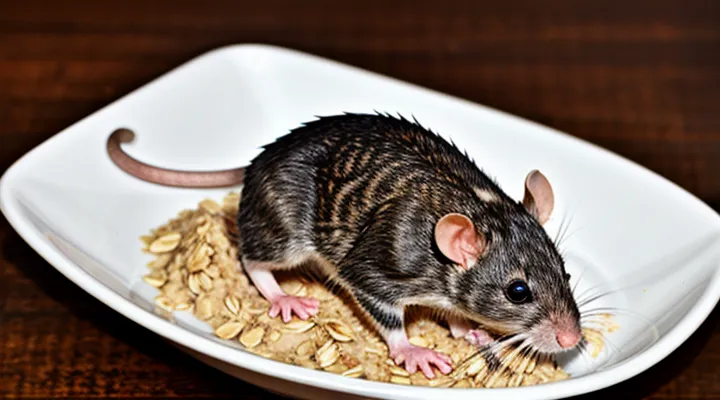
Nutritional Profile of Oatmeal
Macronutrients in Oatmeal
Oatmeal consists primarily of carbohydrates, with a moderate amount of protein and a low level of fat. A typical 100‑gram serving of raw rolled oats provides approximately 66 g of carbohydrates, 13 g of protein, and 7 g of fat. Dietary fiber accounts for about 10 g of the carbohydrate fraction, most of which is soluble β‑glucan that influences gastrointestinal function.
- Carbohydrates: 66 g (≈ 66 % of total weight) – predominantly starch; includes ~10 g of soluble and insoluble fiber.
- Protein: 13 g (≈ 13 % of total weight) – contains essential amino acids such as lysine, methionine, and tryptophan, though levels are lower than in animal‑based proteins.
- Fat: 7 g (≈ 7 % of total weight) – mainly unsaturated fatty acids, with a small proportion of saturated fat and trace amounts of cholesterol‑free lipids.
For rats, the macronutrient profile of oatmeal must align with their nutritional requirements: high carbohydrate intake supports energy needs, while protein supplies growth and maintenance. The protein content, though adequate for occasional supplementation, falls short of the 20 %–25 % protein level typical of laboratory rat chow. The low fat content minimizes excess caloric density, but the presence of soluble fiber can affect gut motility and nutrient absorption. Consequently, oatmeal can be incorporated as a carbohydrate source, provided that additional protein‑rich foods are supplied to meet the species‑specific dietary standards.
Micronutrients in Oatmeal
Oatmeal supplies a range of micronutrients that influence the nutritional adequacy of a rodent diet. The grain’s composition per 100 g of dry oats includes:
- Vitamin B1 (thiamine): 0.5 mg
- Vitamin B2 (riboflavin): 0.1 mg
- Vitamin B3 (niacin): 0.9 mg
- Vitamin B5 (pantothenic acid): 0.9 mg
- Vitamin B6 (pyridoxine): 0.1 mg
- Vitamin B9 (folate): 56 µg
- Vitamin E (α‑tocopherol): 0.5 mg
- Iron: 4.3 mg
- Magnesium: 138 mg
- Phosphorus: 523 mg
- Zinc: 3.0 mg
- Selenium: 24 µg
- Manganese: 4.9 mg
- Copper: 0.6 mg
These values meet or exceed the minimum requirements for adult laboratory rats in several categories, notably magnesium, phosphorus, and manganese. However, the concentrations of vitamin E, zinc, and selenium fall short of the levels recommended for optimal growth and reproductive performance. Consequently, a diet that relies solely on oatmeal would require supplementation of these nutrients to avoid deficiency‑related impairments.
The bioavailability of oat‑derived minerals is moderated by phytic acid, which complexes iron, zinc, and calcium. Processing methods such as soaking, steaming, or enzymatic treatment reduce phytic acid content and improve absorption. Incorporating such treated oatmeal into a mixed diet enhances the contribution of its micronutrients while mitigating antinutrient effects.
In summary, oatmeal delivers a broad spectrum of essential vitamins and minerals, but its raw form does not satisfy the full micronutrient profile required for healthy rats. Strategic supplementation and processing are necessary to integrate oatmeal safely into a rodent feeding regimen.
Benefits of Oatmeal for Rats
Fiber Content and Digestion
Oatmeal contains a mixture of soluble and insoluble fiber, primarily β‑glucan, arabinoxylan, and cellulose. Soluble β‑glucan forms a viscous gel in the gastrointestinal tract, slowing gastric emptying and moderating glucose absorption. Insoluble cellulose and arabinoxylan add bulk, stimulate peristalsis, and support fecal formation.
Rats possess a hindgut capable of fermenting both fiber types. Microbial populations in the cecum and colon break down β‑glucan and arabinoxylan, producing short‑chain fatty acids that supply up to 10 % of the animal’s caloric requirements. Bulk‑forming cellulose accelerates transit, preventing constipation and reducing the risk of gastrointestinal blockage.
When incorporating oatmeal into a rat’s diet, consider the following guidelines:
- Limit total dietary fiber to 4–6 % of the formulated feed, matching standard laboratory rodent diets.
- Use rolled or instant oatmeal without added sugars, salts, or flavorings to avoid excess simple carbohydrates and sodium.
- Introduce oatmeal gradually, increasing the proportion by no more than 5 % of the daily ration each week to allow microbial adaptation.
Excessive fiber intake can lead to reduced nutrient digestibility, soft stools, and, in extreme cases, impaction. Balanced inclusion of oatmeal provides fermentable fiber benefits while maintaining overall diet quality for laboratory or pet rats.
Energy Source
Oatmeal provides a high‑carbohydrate energy supply suitable for laboratory and pet rats when incorporated correctly. The grain delivers approximately 389 kcal per 100 g, with the majority derived from complex starches that break down gradually, offering sustained metabolic support. Compared with standard rodent chow, which typically contains 300–350 kcal per 100 g, oatmeal contributes a higher caloric density and must be portioned to avoid excess intake.
Key nutritional characteristics of oatmeal relevant to rat energy metabolism:
- Carbohydrates: 66 g per 100 g, primarily amylose and amylopectin, supporting glycogen replenishment.
- Protein: 16.9 g per 100 g, supplying essential amino acids but insufficient alone for complete dietary requirements.
- Fat: 6.9 g per 100 g, predominantly unsaturated, offering additional caloric contribution.
- Fiber: 10.6 g per 100 g, including soluble β‑glucan, which moderates glucose absorption and promotes gut health.
- Micronutrients: modest amounts of iron, magnesium, and B‑vitamins, supplementing the mineral profile of a balanced diet.
When oatmeal is used as an energy source, the following guidelines ensure nutritional adequacy:
- Limit inclusion to 10–15 % of total daily feed weight to maintain overall caloric balance.
- Combine with a complete rodent pellet or mash that supplies essential vitamins, minerals, and essential fatty acids.
- Monitor body weight and activity levels regularly; adjust portion size if rapid weight gain occurs.
- Provide fresh water at all times to aid digestion of increased fiber content.
In summary, oatmeal can serve as an effective supplemental energy component for rats, provided that it is integrated into a nutritionally complete regimen and administered in controlled quantities.
Vitamins and Minerals
Oatmeal offers a range of micronutrients that can contribute to a laboratory rat’s nutritional profile, but its composition alone does not satisfy all dietary requirements.
The primary vitamins present in rolled or instant oatmeal include thiamine (B1), riboflavin (B2), niacin (B3), pyridoxine (B6), and folate. Levels are modest; for example, a 100‑g serving supplies approximately 0.1 mg thiamine and 0.3 mg pyridoxine, amounts that cover only a fraction of a rat’s daily needs. Vitamin A and vitamin D are virtually absent, necessitating external sources if oatmeal forms a regular component of the diet.
Key minerals in oatmeal are:
- Phosphorus: ~300 mg per 100 g, supporting bone mineralization and energy metabolism.
- Magnesium: ~130 mg per 100 g, required for enzymatic reactions and neuromuscular function.
- Manganese: ~2 mg per 100 g, cofactor for antioxidant enzymes.
- Iron: ~4 mg per 100 g, essential for hemoglobin synthesis, but bioavailability is reduced by phytic acid.
- Zinc: ~2 mg per 100 g, important for immune competence and growth.
The presence of phytic acid in oat bran binds iron and zinc, lowering their absorption. Regular inclusion of oatmeal without compensatory supplementation can lead to marginal deficiencies, especially for vitamin A, vitamin D, and calcium, which are critical for skeletal health.
To integrate oatmeal safely:
- Limit the proportion of oatmeal to no more than 10 % of total caloric intake.
- Provide a fortified rat chow that supplies missing vitamins (A, D, K) and calcium.
- Monitor serum mineral levels periodically, adjusting supplemental feeds as needed.
- Choose low‑sugar, unflavored oatmeal to avoid excessive carbohydrate spikes.
When these measures are applied, oatmeal can serve as a source of fiber and select micronutrients without compromising the overall nutritional balance required for healthy rat development.
Potential Risks and Considerations
Sugar Content
Oatmeal contains a modest amount of carbohydrate sugars, typically 1–2 g of simple sugars per 100 g of dry product. The majority of its carbohydrate fraction is starch, which rats digest more slowly than free sugars. Consequently, the direct sugar load from a standard serving of oatmeal is low compared to sugary treats such as fruit purees or commercial rat snacks.
Key points for evaluating oatmeal’s sugar contribution:
- Average sugar content: 0.5–2 g/100 g (dry weight), depending on brand and processing.
- Comparison: Fruit snacks often exceed 30 g/100 g; standard rat pellets contain roughly 3–5 g/100 g.
- Metabolic effect: Low simple‑sugar levels reduce the risk of rapid blood‑glucose spikes, which can lead to obesity or insulin resistance in rodents.
When formulating a rat diet, oatmeal can be introduced as a carbohydrate source without significantly increasing overall sugar intake, provided it replaces or supplements, rather than adds to, other high‑sugar components. Regular monitoring of body condition and glucose markers remains advisable.
Raw vs. Cooked Oatmeal
Oatmeal can serve as a carbohydrate source for laboratory and pet rats, but the form in which it is offered influences safety and nutrient absorption. Raw oat grains retain fiber and some heat‑sensitive vitamins, yet they present a higher risk of bacterial contamination and are harder for a rat’s short digestive tract to break down. Cooked oatmeal, prepared with water and without added salt, sugar, or dairy, softens starches, reduces microbial load, and improves digestibility, making it a more reliable component of a balanced diet.
Key differences between raw and cooked oatmeal for rats:
- Digestibility – Cooking gelatinizes starch, allowing enzymes to act more efficiently; raw oats remain largely intact, leading to slower digestion and potential gastrointestinal upset.
- Microbial safety – Heat treatment eliminates most pathogens; raw oats may harbor mold spores or bacteria if stored improperly.
- Fiber impact – Raw oats provide insoluble fiber that can promote intestinal motility; cooked oats retain soluble fiber, which supports gut flora without excessive bulk.
- Vitamin retention – Water‑soluble vitamins (e.g., B‑complex) diminish slightly with cooking; the loss is minor compared with the gain in safety and digestibility.
- Preparation effort – Raw oats require no cooking time; cooked oats need brief boiling (2–3 minutes) and cooling before serving.
When incorporating oatmeal into a rat’s regimen, follow these guidelines:
- Use plain, unflavored oatmeal; avoid instant mixes that contain additives.
- Cook oatmeal in water only; no milk, butter, or sweeteners.
- Cool to room temperature before offering; serve in small portions (no more than 5 % of total daily caloric intake).
- Observe the animal for signs of digestive distress; discontinue if diarrhea or reduced appetite occurs.
- Rotate oatmeal with other grains and vegetables to maintain nutritional diversity.
Overall, cooked oatmeal provides a safer, more digestible option for rats, while raw oats may be used sparingly in well‑controlled environments where contamination risk is minimized.
Choking Hazards
Oatmeal can serve as a source of carbohydrates for rodents, yet its physical form creates a choking risk if presented improperly.
Dry flakes retain a rigid structure that may not break under a rat’s bite, while clumped or hardened portions form solid blocks that can obstruct the airway. Large swirls of cooked oatmeal solidify as they cool, producing dense masses unsuitable for small mammals.
To reduce choking hazards, follow these practices:
- Soak dry oats in water or low‑salt broth until fully softened; test texture by pressing between fingers.
- Blend or crush oats to a coarse powder before mixing with other foods.
- Limit serving size to a pea‑sized amount per feeding session.
- Serve oatmeal warm, not hot, to maintain pliability without creating steam‑induced hardening.
- Observe each animal while eating; intervene immediately if the rat appears to struggle with ingestion.
Regular inspection of the feeding area for leftover oatmeal and prompt removal of uneaten portions prevent accidental ingestion of hardened fragments. Implementing these steps ensures that oatmeal contributes nutritional value without endangering a rat’s airway.
Allergies and Sensitivities
Oatmeal can serve as a source of carbohydrates and soluble fiber for laboratory and pet rats, yet individual animals may exhibit adverse reactions. Allergic responses typically involve immune-mediated mechanisms that manifest as skin irritation, respiratory distress, or gastrointestinal upset. Sensitivities differ from true allergies; they arise from intolerances to specific components such as gluten, lectins, or high‑fiber content, leading to bloating, diarrhea, or reduced nutrient absorption.
Key indicators of a negative reaction include:
- Red, inflamed or scaly skin, especially around the abdomen and paws
- Sneezing, wheezing, or labored breathing after ingestion
- Loose stools, mucus, or blood in feces
- Reduced appetite and weight loss despite adequate feeding
When a rat shows any of these signs after introducing oatmeal, the ingredient should be removed immediately and a veterinarian consulted. Diagnostic steps may involve:
- Elimination trial: cease oatmeal for two weeks, then reintroduce under observation.
- Blood work or skin testing to identify IgE‑mediated allergy.
- Dietary analysis to pinpoint intolerant compounds, such as gluten.
If an allergy is confirmed, alternative carbohydrate sources—such as rice, barley, or corn—provide comparable energy without the offending proteins. For sensitivity without immunologic involvement, gradual introduction of small oatmeal portions can allow the gut microbiota to adapt, reducing fermentative gas production and minimizing discomfort. Monitoring body condition and stool quality remains essential throughout any dietary adjustment.
Feeding Guidelines
Portion Sizes
Oatmeal can be a safe occasional component of a laboratory or pet rat’s nutrition, provided the quantity is carefully controlled. Rats have high metabolic rates and limited stomach capacity; excessive grain can displace essential protein and fat sources, leading to nutrient imbalance.
A typical serving for an adult rat (approximately 250–300 g body weight) should not exceed:
- ¼ teaspoon (about 1 g) of dry rolled oats per day, mixed into the regular pellet or fresh food.
- ½ teaspoon (about 2 g) of cooked oatmeal, cooled, offered no more than three times per week.
- No more than 10 % of the total daily caloric intake should derive from oat-based carbohydrates.
For juvenile rats (under 8 weeks), the allowance must be halved, as their digestive systems are still developing. Adjust portions if the animal shows signs of excess weight, loose stools, or reduced activity.
When introducing oatmeal, monitor the rat’s health for at least one week. If adverse reactions occur, discontinue the grain and revert to a diet composed primarily of commercially formulated rat chow, supplemented with small amounts of fresh vegetables and protein sources.
Frequency of Feeding
Oatmeal can be offered to pet rats as an occasional supplement, but the timing and amount must be controlled. Over‑feeding increases the risk of digestive upset and weight gain, which can shorten lifespan.
- Feed oatmeal no more than twice per week.
- Limit each serving to ½ teaspoon of cooked, unflavored oatmeal per adult rat.
- Provide the portion in the morning, allowing the rat to consume it within a 30‑minute window.
- Remove any uneaten oatmeal after the time limit to prevent spoilage.
If a rat shows signs of diarrhea or reduced activity after a feeding, reduce frequency or discontinue oatmeal entirely. Regular monitoring of body condition and stool consistency ensures that the supplement supports health without compromising the balanced diet of pellets, fresh vegetables, and protein sources.
Preparation Methods
Oatmeal can be a viable component of a laboratory or pet rat’s diet when prepared correctly. Proper preparation ensures digestibility, prevents bacterial growth, and maintains nutritional balance.
- Cook plain rolled oats in water without salt, sugar, or flavorings. Use a 1:2 ratio of oats to water; simmer for 3–5 minutes until soft.
- Cool the cooked oatmeal to room temperature before offering. Warm oatmeal may cause burns or encourage rapid bacterial proliferation.
- Portion size should not exceed 10 % of the daily caloric intake. For an adult rat, this equates to roughly 0.5 g dry weight per day.
- Optional soaking: immerse dry oats in warm water for 10 minutes, then drain. Soaking softens fibers, facilitating chewing and reducing the risk of impaction.
- Mixing method: combine cooled oatmeal with a small amount of fresh vegetables or protein pellets. Maintain a 3:1 ratio of standard feed to oatmeal to preserve overall nutrient ratios.
- Storage: keep uncooked oats in an airtight container at room temperature. Cooked oatmeal must be refrigerated and used within 24 hours; discard any leftovers after that period.
Each method prioritizes safety, palatability, and nutritional adequacy, allowing oatmeal to complement a rat’s regular feed without compromising health.
Plain Oatmeal
Plain oatmeal consists primarily of carbohydrates, modest protein, and small amounts of fiber, vitamins, and minerals. Rats can digest these nutrients, but the composition differs from their natural grain intake, which typically includes higher protein and lower carbohydrate ratios.
Nutritional considerations:
- Carbohydrate content provides quick energy but may lead to excess weight if fed in large quantities.
- Protein level (approximately 12 % in dry oatmeal) falls short of the 15‑20 % recommended for laboratory and pet rats.
- Fiber aids gastrointestinal motility; however, excessive soluble fiber can cause soft stools.
- Micronutrients such as iron, magnesium, and B‑vitamins are present, yet bioavailability may be lower than in rat‑specific feeds.
Potential risks:
- Uncooked oatmeal retains anti‑nutrients (phytic acid) that can impair mineral absorption.
- Moisture content in raw oatmeal may promote mold growth if stored improperly, posing a health hazard.
- High glycemic index may exacerbate metabolic disorders in predisposed individuals.
Preparation guidelines:
- Cook oatmeal in plain water without added salt, sugar, or milk.
- Cool to room temperature before offering to rats.
- Serve a portion no larger than one teaspoon per 100 g of body weight, divided into two feedings per day.
- Observe the animal for changes in stool consistency or appetite; adjust portion size accordingly.
Integration into diet:
- Use oatmeal as an occasional supplement rather than a staple.
- Combine with a balanced rodent pellet that meets protein, fat, and vitamin requirements.
- Rotate with other grains (e.g., barley, quinoa) to provide dietary variety and reduce monotony.
Overall, plain oatmeal can be included safely in a rat’s diet when prepared correctly, offered in limited amounts, and supplemented with a nutritionally complete base feed.
Adding Water or Milk
Oatmeal can serve as a protein‑rich carbohydrate source for pet rats, but the consistency must be adjusted to prevent dehydration and digestive upset. Adding a liquid component creates a palatable, moisture‑balanced meal.
Water‑based preparation
- Use lukewarm tap water; cold water may discourage consumption.
- Mix one part dry oatmeal with two parts water by volume; stir until a thick porridge forms.
- Allow the mixture to cool to room temperature before offering it to the rat.
- Prepare fresh batches daily; discarded leftovers can foster bacterial growth.
Milk‑based preparation
- Rats lack sufficient lactase; regular cow’s milk can cause diarrhea and intestinal distress.
- If milk is desired, select a lactose‑free or plant‑based alternative such as unsweetened almond or soy milk, ensuring no added sugars or flavorings.
- Combine one part oatmeal with one part lactose‑free milk; the thicker texture may require a brief warm‑up to improve fluidity.
- Limit milk‑infused servings to occasional treats, not a staple, to avoid excess fat intake.
Guidelines for safe inclusion
- Offer oatmeal mixed with liquid no more than three times per week.
- Limit each serving to 1–2 teaspoons of prepared porridge per adult rat.
- Observe the animal for signs of gastrointestinal irritation; discontinue the ingredient if symptoms appear.
- Maintain a balanced diet that includes standard rodent pellets, fresh vegetables, and occasional protein sources.
Alternatives and Supplementary Foods
Other Grains
Oatmeal is one of many cereal grains that can be offered to pet rats, but its inclusion should be balanced with other grain options to meet dietary requirements. Rats thrive on a varied carbohydrate source; relying solely on oatmeal may lead to nutrient gaps or excess caloric intake.
Grains suitable for rat nutrition include:
- Brown rice – provides complex carbohydrates, B‑vitamins, and a modest amount of fiber; must be cooked and cooled before serving.
- Barley – rich in soluble fiber and minerals; best offered as cooked, unseasoned kernels.
- Quinoa – contains complete protein, essential amino acids, and iron; rinse thoroughly and cook without added salt.
- Millet – high in magnesium and phosphorus; safe as whole seeds or lightly toasted.
- Whole‑wheat pasta – delivers fiber and trace nutrients; serve in small, cooked pieces.
When integrating oatmeal with these alternatives, observe the following guidelines:
- Limit grain portion to no more than 10 % of the total daily intake; the majority of the diet should consist of a high‑quality laboratory rat chow formulated for balanced nutrition.
- Ensure grains are cooked, unseasoned, and cooled to prevent digestive distress.
- Rotate grain types weekly to diversify nutrient exposure and reduce the risk of deficiencies.
- Monitor body condition and stool consistency; adjust grain quantities if weight gain or loose stools occur.
In summary, oatmeal can be part of a rat’s diet, but it should be complemented by a selection of other whole grains to achieve a comprehensive nutrient profile while avoiding excess starch or caloric overload.
Fruits and Vegetables
When evaluating the suitability of oatmeal for a pet rat, the complementary role of fresh produce must be examined. Fruits and vegetables supply essential vitamins, minerals, and dietary fiber that oatmeal alone cannot provide.
Oatmeal delivers complex carbohydrates and modest protein. To prevent deficiencies, rats require sources of vitamin C, vitamin A, potassium, and calcium. Most fruits and vegetables contain these nutrients in bioavailable forms, supporting immune function, vision, and skeletal health.
Combining produce with oatmeal demands attention to sugar load, calcium‑phosphorus balance, and moisture content. High‑sugar fruits can destabilize blood glucose; leafy greens rich in calcium must be paired with phosphorus‑rich grains to avoid mineral imbalance. Excess water from raw vegetables may dilute nutrient density, so moderate portions are advisable.
Recommended fruits and vegetables for inclusion with oatmeal
- Blueberries – low sugar, high antioxidant content
- Apple slices (core removed) – moderate fiber, vitamin C
- Carrot sticks – beta‑carotene, low calcium
- Spinach – calcium, vitamin K (limit to avoid oxalate buildup)
- Bell pepper strips – vitamin C, low sugar
Guidelines: offer 1–2 grams of fresh produce per 10 grams of oatmeal, three times weekly. Wash all items, remove seeds and pits, and serve at room temperature. Monitor weight and stool consistency; adjust portions if digestive upset occurs.
Commercial Rat Food
Commercial rat food is formulated to meet the complete nutritional requirements of laboratory and pet rats. Typical blends contain a balanced mix of protein (15‑20 %), fat (5‑8 %), fiber, vitamins, and minerals, delivered in pellet or crumble form for easy consumption and minimal waste.
Rats require high‑quality protein for growth, moderate fat for energy, and adequate fiber to support gastrointestinal health. Commercial mixes achieve these ratios through soy, wheat, corn, and specialized micronutrient premixes, ensuring stable intake without the need for additional supplements.
Oatmeal supplies complex carbohydrates, soluble fiber, and modest protein (≈12 %). Its glycemic profile is lower than that of refined grains, and it provides beta‑glucan, which can benefit gut flora. However, oatmeal lacks several essential amino acids and does not contain the full spectrum of vitamins and minerals present in a complete rat diet.
Potential advantages of adding oatmeal
- Increases dietary fiber, promoting regular bowel movements.
- Offers variety, which may stimulate appetite in picky eaters.
- Supplies a source of slowly digestible energy.
Possible disadvantages
- Insufficient levels of taurine, vitamin C, and certain B‑vitamins.
- Higher moisture content can cause spoilage if stored improperly.
- Excessive carbohydrate intake may lead to weight gain in sedentary rats.
When integrating oatmeal with commercial feed, follow these guidelines:
- Limit oatmeal to no more than 10 % of the total daily ration.
- Mix oatmeal thoroughly with the standard pellets to prevent selective feeding.
- Observe body condition and stool consistency for two weeks after introduction.
- Adjust the proportion or discontinue if weight gain, diarrhea, or lethargy occur.
Properly balanced, a modest oatmeal supplement can complement commercial rat food without compromising nutritional adequacy.
Monitoring Your Rat’s Health
Signs of Digestive Upset
When oatmeal is offered to pet rats, monitoring for gastrointestinal distress is essential. Digestive upset typically manifests through observable changes in behavior and physiology. Recognizing these signs allows caretakers to adjust the diet promptly and prevent more serious health issues.
Common indicators include:
- Reduced food intake or complete refusal of meals.
- Loose, watery, or unusually frequent stools.
- Presence of mucus or blood in feces.
- Abdominal swelling or a visibly distended belly.
- Lethargy, reduced activity, or reluctance to explore.
- Excessive grooming of the anal area, suggesting irritation.
- Sudden weight loss measured over a few days.
If several of these symptoms appear after introducing oatmeal, the ingredient may be unsuitable for the individual rat. Immediate steps should involve removing oatmeal, providing a bland, fiber‑moderate diet, and consulting a veterinarian if conditions persist or worsen.
Behavioral Changes
Oatmeal can be introduced into a rat’s diet, but the addition influences behavior in measurable ways. Observations from controlled feeding trials reveal consistent patterns.
- Increased locomotor activity during the first 24 hours after a fresh oatmeal portion, likely linked to rapid glucose absorption.
- Enhanced grooming frequency within the same period, suggesting a response to altered gut motility and fiber content.
- Temporary reduction in social play among cage mates, coinciding with heightened satiety and reduced motivation for group interaction.
- Elevated exploratory behavior in novel environments after regular oatmeal exposure, possibly reflecting changes in neurotransmitter balance.
- Decreased anxiety‑related thigmotaxis after several weeks of gradual oatmeal inclusion, indicating a calming effect of soluble fiber on the gut‑brain axis.
The underlying mechanisms involve oat β‑glucan, which modulates intestinal microbiota, producing short‑chain fatty acids that affect central nervous system signaling. The carbohydrate profile produces a modest post‑prandial glucose spike, driving short‑term energy surges and subsequent behavioral activation. Fiber’s bulking effect slows gastric emptying, extending satiety and altering stress‑related responses.
Practical guidance: introduce oatmeal incrementally, limiting each serving to no more than 5 % of total caloric intake. Monitor the listed behaviors for at least one week after each adjustment. If excessive hyperactivity or social withdrawal persists, reduce or discontinue the ingredient. Consistent observation ensures that nutritional benefits do not compromise welfare.
Consulting a Veterinarian
When deciding if oatmeal fits a pet rat’s diet, a veterinarian provides the only reliable assessment. The professional evaluates species‑specific nutritional needs, identifies potential health risks, and advises on safe preparation methods.
Key reasons to seek veterinary guidance:
- Confirmation that oatmeal’s carbohydrate and fiber levels match the rat’s dietary requirements.
- Assessment of any existing medical conditions (e.g., gastrointestinal sensitivity, obesity, diabetes) that could be aggravated by grain intake.
- Recommendation of appropriate portion size and frequency to avoid nutritional imbalance.
- Instruction on proper cooking (plain, unsweetened, no additives) to prevent contamination or digestive upset.
- Clarification of alternative foods that deliver similar nutrients with fewer risks.
Before the appointment, gather the following information:
- Current diet composition, including commercial rodent pellets, fresh produce, and treats.
- Frequency and amount of oatmeal, if already offered.
- Recent health observations: weight changes, stool consistency, activity level.
- Any previous allergic reactions or digestive issues.
During the consultation, ask the veterinarian to:
- Explain how oatmeal integrates with the rat’s overall nutrient profile.
- Provide a written feeding schedule that includes oatmeal, if approved.
- Outline signs of intolerance to monitor after introduction.
- Suggest supplement adjustments if oatmeal displaces essential nutrients.
Following veterinary advice ensures that oatmeal, when appropriate, contributes safely to a rat’s balanced nutrition without compromising health.
Frequently Asked Questions
Can baby rats eat oatmeal?
Oatmeal can be offered to juvenile rats, but several factors determine its suitability. Young rats have delicate digestive systems and require balanced nutrition to support rapid growth. Plain, cooked oatmeal provides carbohydrates and modest fiber, yet it lacks essential proteins, fats, vitamins, and minerals that a complete diet must contain.
Key points to evaluate before feeding oatmeal to baby rats:
- Use only plain, unsweetened oatmeal; avoid flavored, instant, or pre‑packaged varieties that contain sugar, salt, or additives.
- Cook the oatmeal thoroughly, then let it cool to room temperature to prevent burns and reduce the risk of bacterial growth.
- Serve in small portions (about a teaspoon for a 2‑week‑old pup, slightly larger for older juveniles) and monitor for signs of digestive upset such as diarrhea or reduced appetite.
- Complement oatmeal with a high‑quality rodent pellet or specialized weaning formula that supplies adequate protein (15‑20 % of diet) and essential nutrients.
If oatmeal is introduced, it should remain a minor component—no more than 5‑10 % of the overall intake. Overreliance can displace nutritionally complete foods and lead to deficiencies. Regular health checks and observation of growth rates will indicate whether the inclusion is beneficial or requires adjustment.
What kind of oatmeal is best?
Rats can safely consume oatmeal when it is plain, unflavored, and minimally processed. The optimal variety provides adequate fiber, moderate carbohydrate content, and low added sugars or salts.
- Rolled (old‑fashioned) oats: Whole grain, retained bran and germ, moderate texture that rats can chew. Cooked with water only; cool before serving.
- Steel‑cut oats: Less processed, higher fiber, firmer texture. Require longer cooking; ensure they are fully softened to prevent choking.
- Whole‑grain oat flakes: Similar to rolled oats but slightly thinner; suitable for mixing with other foods.
Avoid instant oatmeal, flavored packets, and varieties containing raisins, nuts, or sweeteners. These often include added sugars, salt, or artificial additives that can disrupt a rat’s digestive balance.
Preparation guidelines:
- Cook oats in plain water; omit milk, butter, or sugar.
- Cool to room temperature.
- Offer a small portion (approximately one teaspoon) as a supplement to the primary pellet diet.
- Observe the rat for any signs of digestive upset; discontinue if symptoms appear.
Consistent inclusion of the recommended oat types can enrich a rat’s diet with soluble fiber and nutrients without compromising health.